Multiple studies have identified genes affecting grain morphology, yet their capacity to deliver yield gains under field conditions remains unclear. We performed a multiyear, multilocation factorial evaluation of GRAIN WIDTH2 (TaGW2) mutants in hexaploid wheat using BC4 near-isogenic lines, sowing-density treatments and semi-dwarfing RHT1 backgrounds. Loss-of-function mutations in TaGW2 increased grain size and thousand grain weight (TGW) additively; with the aaBBDD single mutant showing the most stable single-locus effect, while the aabbdd triple mutant achieved ∼20% higher TGW across twelve field trials. However, overall grain yield remained unchanged or slightly reduced, reflecting a compensatory trade-off with grain number. Spike phenotyping of both main and secondary tillers showed comparable increases in TGW and spike yield despite fewer grains per spike, indicating that limited yield gain primarily reflects reduced spike number per unit area rather than decreased spike-level productivity. Effects were stable across sowing densities, whereas interactions with semi-dwarfing alleles were allele-specific: RHT-B1b partially suppressed TGW gains and accentuated yield penalties, whereas RHT-D1b maintained the large-grain phenotype and productivity. Across experiments, the TaGW2-A1D1 double mutant increased TGW (∼14%) while maintaining yield stability, identifying it as a promising genotype for breeding. We conclude that TaGW2 is a reliable modifier of grain size but not yield in isolation.
ABSTRACT Pre‐harvest sprouting (PHS) poses a major threat to wheat yield and quality, yet the genetic basis of seed dormancy underlying PHS resistance remains poorly understood. Here, through integrated genome‐wide association and transcriptomic analyses, we identify TaMYB7‐A1 as a key regulator of seed dormancy and PHS resistance. TaMYB7‐A1 encodes an R2R3‐MYB transcription factor that directly activates TaABI5 to modulate abscisic acid (ABA) signaling and indirectly fine‐tunes ABA–gibberellin (GA) homeostasis to enforce dormancy. Evolutionary and haplotype analyses revealed that the superior allele, TaMYB7‐A1Hap−1, originated from wild einkorn and was introgressed into domesticated emmer and subsequently into modern bread wheat. A miniature inverted‑repeat transposable element (MITE) insertion in its promoter substantially elevates TaMYB7‐A1 expression by increasing chromatin accessibility and facilitating the recruitment of upstream regulators, while two key amino acid substitutions (Gly23 and Gly92) strengthen its DNA‐binding and transcriptional activation capacity. Combinations of promoter and coding‐region variants generate graded PHS resistance across haplotypes, mirroring local adaptation to harvest‑season precipitation. Introgression of TaMYB7‐A1Hap−1 into modern cultivar enhances PHS resistance without yield penalties. These findings elucidate a molecular and evolutionary framework for precipitation‐driven adaptation and provide a valuable genetic target for developing climate‐resilient wheat varieties.
Wheat is the most widely cultivated crop in the world, with over 215 million hectares grown annually. The 10+ Wheat Genomes Project recently sequenced and assembled to chromosome-level the genomes of nine wheat cultivars, uncovering genetic diversity and selection within the pan-genome of wheat. Here, we provide a wheat pan-transcriptome with de novo annotation and differential expression analysis for these wheat cultivars across multiple tissues. Using the de novo annotations we identify cultivar-specific genes and define the core and dispensable genomes. Expression analysis across cultivars and tissues reveals conservation in expression between a large core set of homeologous genes, in addition to widespread changes in subgenome homeolog expression bias between cultivars and cultivar-specific expression profiles. We utilise both the newly constructed gene-based wheat pan-genome and pan-transcriptome, demonstrating variation in the prolamin superfamily and immune-reactive proteins across cultivars.
Active transcriptional compensation between gene duplicates (paralogs or homoeologs) has been proposed to facilitate functional redundancy, whereby mutations in multiple gene copies are required before a phenotype is observed. We tested whether transcriptional compensation occurs between homoeologs in response to premature termination codon (PTC) mutations in mutagenised wheat lines. Only ∼3% of cases showed homoeologous upregulation in response to PTC mutations, suggesting that there is no widespread active transcriptional compensation between wheat homoeologs. ### Competing Interest Statement The authors have declared no competing interest. Biotechnology and Biological Sciences Research Council, BB/T013524/2, BB/X011003/1, BB/X01102X/1, BB/T008717/1
BACKGROUND:Polyploidy contains multiple gene copies, known as homoeologs. Differential expression of homoeologs confers expression plasticity and facilitates the adaptation and domestication of major polyploid crops. However, how this homoeolog expression bias is produced and genetically regulated remains elusive. RESULTS:Here we uncover substantial variation in homoeolog expression bias among the root transcriptomes of a natural population of 406 bread wheat (Triticum aestivum ssp. aestivum) accessions collected worldwide. We develop a new model allowing us to identify 14,727 quantitative trait loci regulating the variation in homoeolog expression bias (hebQTLs), indicating that homoeolog expression bias is genetically regulated and can be predicted using genotyping data. The hebQTLs mostly regulate the expression of homoeologs in the same subgenome and downregulate expression to produce homoeolog expression bias, suggesting that intra-subgenomic rather than inter-subgenomic interactions induce homoeolog expression bias. Furthermore, we determine that hebQTL-regulated homoeologs exhibit higher genetic diversity and weaker biological functions than their counterparts. Notably, the downregulation of 38.4% of hebQTL-regulated homoeologs is compensated for by the upregulation of other homoeologs within the triad. CONCLUSIONS:Our findings reveal how homoeolog expression is coordinated at the genetic level and provide an avenue for leveraging homoeolog expression bias to improve polyploid crops.
Hybrids offer a promising approach to improve crop performance because the progeny are often superior to their parent lines and they outyield inbred varieties. A major challenge in producing hybrid progeny in wheat, however, lies in the inefficient fertilization of maternal parent ovaries by airborne pollen from male donor lines. This is often attributed to suboptimal synchronization of male and female flowering, as delayed pollination can result in reproductive failure due to female stigma deterioration. To test this accepted dogma, we examined the seed set capacity of six male-sterile (MS) cultivars, each varying in the onset of stigma deterioration. To mimic a hybrid seed production scenario, MS cultivars were grown during two consecutive field seasons, and open pollination was allowed up to 15 d after flowering of the female parent using a blend of seven male fertile cultivars with varying flowering times. Detailed analysis of the temporal and spatial distribution of hybrid seed set along the spike across the six MS cultivars showed that seed production remained remarkably stable during the pollination window tested. These findings suggest sustained receptivity of stigma to pollen across all tested MS cultivars throughout the entire time course. We therefore conclude that stigma longevity does not represent a limiting factor in hybrid wheat seed production, and that breeding efforts should prioritize the study of other female traits, such as enhanced access to airborne pollen.
The Green Revolution (GR) dramatically increased the yield of bread wheat (Triticum aestivum L.); however, whether and how GR reshaped the wheat root system remains largely unknown. Here, a large-scale transcriptomic and phenotypic investigation was performed on seedling roots of 406 worldwide bread wheat accessions, and this analysis revealed differences in the transcriptomes and phenotypes between landraces and modern cultivars. The GR allele Reduced height (Rht)-D1b was the main genetic factor driving this phenotypic diversity, and it conferred a significantly larger seedling root to modern cultivars by increasing cell length and root meristem size. In this case, the translational reinitiation of TaRht-D1 underlies the genetic effects of Rht-D1b. In contrast, another GR allele, Rht-B1b, has no significant effect on root-related traits, although both alleles have similar genetic effects on reducing plant height. This unexpected effect of Rht-D1b on root systems, coupled with its effect on plant height, contributes to a substantially larger root-shoot ratio in modern wheat cultivars. These findings reveal previously overlooked benefits of GR alleles in modern wheat cultivars and provide clues for their future application in enhancing the seminal root system.
Nutrient acquisition is crucial for sustaining life. Plants develop beneficial intracellular partnerships with arbuscular mycorrhiza (AM) and nitrogen-fixing bacteria to surmount the scarcity of soil nutrients and tap into atmospheric dinitrogen, respectively1,2. Initiation of these root endosymbioses requires symbiont-induced oscillations in nuclear calcium (Ca2+) concentrations in root cells3. How the nuclear-localized ion channels, cyclic nucleotide-gated channel (CNGC) 15 and DOESN'T MAKE INFECTIONS1 (DMI1)4 are coordinated to specify symbiotic-induced nuclear Ca2+ oscillations remains unknown. Here we discovered an autoactive CNGC15 mutant that generates spontaneous low-frequency Ca2+ oscillations. While CNGC15 produces nuclear Ca2+ oscillations via a gating mechanism involving its helix 1, DMI1 acts as a pacemaker to specify the frequency of the oscillations. We demonstrate that the specificity of symbiotic-induced nuclear Ca2+ oscillations is encoded in its frequency. A high frequency activates endosymbiosis programmes, whereas a low frequency modulates phenylpropanoid pathways. Consequently, the autoactive cngc15 mutant, which is capable of generating both frequencies, has increased flavonoids that enhance AM, root nodule symbiosis and nutrient acquisition. We transferred this trait to wheat, resulting in field-grown wheat with increased AM colonization and nutrient acquisition. Our findings reveal a new strategy to boost endosymbiosis in the field and reduce inorganic fertilizer use while sustaining plant growth.
DNA methylation plays important roles in gene expression, transposable element silencing, and genome stability. Altering DNA methylation could generate additional phenotypic variation for crop breeding, however the lethality of epigenetic mutants in crop species has hindered its investigation. Here, we exploit partial redundancy between homoeologues in polyploid wheat to generate viable mutants in the DNA methyltransferase 1-1 (MET1-1) gene with altered methylation profiles. In Triticum turgidum (tetraploid wheat) and Triticum aestivum (hexaploid wheat), we found under-representation of higher order mutants (5/6 and 6/6 mutant met1-1 copies in hexaploid wheat and 3/4 and 4/4 copies in tetraploid wheat) when genotyping segregating seeds and seedlings, due to reduced transmission of null mutant gametes from the paternal and maternal side. The loss of four or more functional copies of MET1-1 results in decreased CG methylation in hexaploid wheat. Changes to gene expression increase stepwise with the number of mutant alleles, suggesting a dosage-dependent effect. We identified heritable changes to flowering and awn phenotypes which segregate independently of MET1-1. Together our results demonstrate that polyploidy can be leveraged to generate quantitative changes to CG methylation without the lethal consequences observed in other crops.
Crop domestication tended to select against seed dormancy for uniform germination, raising risks of undesirable pre-harvest sprouting (PHS), but regulation of seed dormancy and PHS in wheat are grossly under-characterized. Here, we identified wheat PHS resistance loci by GWAS. TaMYB7-A1 confers PHS resistance by elevating ABA signaling and seed dormancy in grains. Three TaMYB7-A1 haplotypes (Hap-1/2/3) contrast in PHS resistance, with Gly23 and Gly92 crucial for binding to and activating TaABI5 in Hap-1/3. A MITE transposon in the TaMYB7-A1 Hap-1 promoter likely recruited the TaAZF1-TaABI4 module to boost expression, resulting in strong PHS resistance. TaMYB7-A1 Hap-1 originated from wild einkorn and was integrated into hexaploid wheat through introgression into wild emmer. Different haplotypes of TaMYB7-A1, in conjunction with alleles of other major PHS resistance genes, is pivotal in shaping wheat's adaptability to rainfall conditions in China, US and Europe during the harvest season. Introduction of TaMYB7-A1 Hap-1 into elite cultivars confers PHS resistance without yield defects. Thus, artificial and natural selection across diverse climates regions have collectively shaped wheat adaptation and enabled rational delivery of improved lines tailored to local cropping needs. ### Competing Interest Statement The authors have declared no competing interest.
Meiotic crossovers (COs) generate genetic diversity and are crucial for viable gamete production. Plant COs are typically limited to 1-3 per chromosome pair, constraining the development of improved varieties, which in wheat is exacerbated by an extreme distal localisation bias. Advances in wheat genomics and related technologies provide new opportunities to investigate, and possibly modify, recombination in this important crop species. Here, we investigate the disruption of FIGL1 in tetraploid and hexaploid wheat as a potential strategy for modifying CO frequency/position. We analysed figl1 mutants and virus-induced gene silencing lines cytogenetically. Genetic mapping was performed in the hexaploid. FIGL1 prevents abnormal meiotic chromosome associations/fragmentation in both ploidies. It suppresses class II COs in the tetraploid such that CO/chiasma frequency increased 2.1-fold in a figl1 msh5 quadruple mutant compared with a msh5 double mutant. It does not appear to affect class I COs based on HEI10 foci counts in a hexaploid figl1 triple mutant. Genetic mapping in the triple mutant suggested no significant overall increase in total recombination across examined intervals but revealed large increases in specific individual intervals. Notably, the tetraploid figl1 double mutant was sterile but the hexaploid triple mutant was moderately fertile, indicating potential utility for wheat breeding.
The differential expression of homoeologous genes confers expression plasticity and facilitates the adaptation and domestication of major polyploid crops. However, how this homoeolog expression bias (HEB) is regulated remains elusive. Here, transcriptome analysis of 406 wheat (Triticum aestivum; AABBDD) accessions revealed great variation in HEB among accessions. We identified 14,727 QTLs regulating HEB (hebQTLs), indicating that HEB is genetically regulated and can be predicted using genotyping data. The hebQTLs only regulate the expression of homoeologs in the same subgenome and downregulate their expression to result in HEB, suggesting that intra-subgenomic rather than inter-subgenomic interactions induce HEB. Furthermore, non-hebQTL-regulated homoeologs have stronger biological functions, are under higher selection pressure and exhibit lower genetic diversity than hebQTL-regulated homoeologs and compensate for the downregulated expressions of hebQTL-regulated homoeologs. Our findings reveal how homoeolog expression is coordinated at the genetic level and provide an avenue for leveraging HEB to improve polyploid crops. ### Competing Interest Statement The authors have declared no competing interest.
The haplotypes selected by modern wheat breeding to improve aboveground traits enlarge the root systems of wheat seedlings.
DNA methylation is conserved across biological kingdoms, playing important roles in gene expression, transposable element silencing and genome stability. Altering DNA methylation could generate additional phenotypic variation for crop breeding, however the lethality of epigenetic mutants in crop species has hindered its investigation. Here, we exploit partial redundancy between homoeologs in polyploid wheat to generate viable mutants in the DNA methyltransferase 1-1 (MET1-1) gene with altered methylation profiles. In both Triticum turgidum (tetraploid wheat) and Triticum aestivum (hexaploid wheat) we identified clear segregation distortions of higher-order mutants (5/6 and 6/6 mutant met1-1 copies in hexaploid and 3/4 and 4/4 copies in tetraploid) when genotyping segregating seeds and seedlings, which we attribute to reduced transmission of null mutant gametes. We found that the reduced transmission occurred from both the maternal and paternal gametes, however, we did not detect any deleterious effects on pollen development. The loss of four or more functional copies of MET1-1 results in decreased CG methylation in hexaploid wheat. Changes to gene expression increase stepwise with the number of mutant alleles suggesting a dosage dependent effect. Finally, we identify heritable changes to flowering and awn phenotypes which segregate independently of MET1-1. Together our results demonstrate that polyploidy can be leveraged to generate quantitative changes to CG methylation without the lethal consequences observed in other crops, opening the potential to exploit novel epialleles in plant breeding. ### Competing Interest Statement The authors have declared no competing interest.
Wheat is the most widely cultivated crop in the world with over 215 million hectares grown annually. However, to meet the demands of a growing global population, breeders face the challenge of increasing wheat production by approximately 60% within the next 40 years. The 10+ Wheat Genomes Project recently sequenced and assembled the genomes of 15 wheat cultivars to develop our understanding of genetic diversity and selection within the pan-genome of wheat. Here, we provide a wheat pan-transcriptome with de novo annotation and differential expression analysis for nine of these wheat cultivars, across multiple different tissues and whole seedlings sampled at dusk/dawn. Analysis of these de novo annotations facilitated the discovery of genes absent from the Chinese Spring reference, identified genes specific to particular cultivars and defined the core and dispensable genomes. Expression analysis across cultivars and tissues revealed conservation in expression between a large core set of homoeologous genes, but also widespread changes in sub-genome homoeolog expression bias between cultivars. Co-expression network analysis revealed the impact of divergence of sub-genome homoeolog expression and identified tissue-associated cultivar-specific expression profiles. In summary, this work provides both a valuable resource for the wider wheat community and reveals diversity in gene content and expression patterns between global wheat cultivars. ### Competing Interest Statement The authors have declared no competing interest.
Large differences exist in the number of grains per spikelet across an individual wheat (Triticum aestivum L.) spike. The central spikelets produce the highest number of grains, while apical and basal spikelets are less productive, and the most basal spikelets are commonly only developed in rudimentary form. Basal spikelets are delayed in initiation, yet they continue to develop and produce florets. The precise timing or the cause of their abortion remains largely unknown. Here, we investigated the underlying causes of basal spikelet abortion using shading applications in the field. We found that basal spikelet abortion is likely to be the consequence of complete floret abortion, as both occur concurrently and have the same response to shading treatments. We detected no differences in assimilate availability across the spike. Instead, we show that the reduced developmental age of basal florets pre-anthesis is strongly associated with their increased abortion. Using the developmental age pre-abortion, we were able to predict final grain set per spikelet across the spike, alongside the characteristic gradient in the number of grains from basal to central spikelets. Future efforts to improve spikelet homogeneity across the spike could thus focus on improving basal spikelet establishment and increasing floret development rates pre-abortion.
This protocol explains how to germinate and grow wheat, as well as how to harvest and store the grain. This is one of many ways of doing this, but we provide this protocol with the aim to assist users with a prove and tried method.
Root angle in crops represents a key trait for efficient capture of soil resources. Root angle is determined by competing gravitropic versus antigravitropic offset (AGO) mechanisms. Here we report a root angle regulatory gene termedENHANCED GRAVITROPISM1(EGT1) that encodes a putative AGO component, whose loss-of-function enhances root gravitropism. Mutations in barley and wheatEGT1genes confer a striking root phenotype, where every root class adopts a steeper growth angle.EGT1encodes an F-box and Tubby domain-containing protein that is highly conserved across plant species. Haplotype analysis found that natural allelic variation at the barleyEGT1locus impacts root angle. Gravitropic assays indicated thatHvegt1roots bend more rapidly than wild-type. Transcript profiling revealedHvegt1roots deregulate reactive oxygen species (ROS) homeostasis and cell wall-loosening enzymes and cofactors. ROS imaging shows thatHvegt1root basal meristem and elongation zone tissues have reduced levels. Atomic force microscopy measurements detected elongatingHvegt1root cortical cell walls are significantly less stiff than wild-type. In situ analysis identifiedHvEGT1is expressed in elongating cortical and stele tissues, which are distinct from known root gravitropic perception and response tissues in the columella and epidermis, respectively. We propose that EGT1 controls root angle by regulating cell wall stiffness in elongating root cortical tissue, counteracting the gravitropic machinery’s known ability to bend the root via its outermost tissues. We conclude that root angle is controlled byEGT1in cereal crops employing an antigravitropic mechanism.
FANCM suppresses crossovers in plants by unwinding recombination intermediates. In wheat, crossovers are skewed toward the chromosome ends, thus limiting generation of novel allelic combinations. Here, we observe that FANCM maintains the obligate crossover in tetraploid and hexaploid wheat, thus ensuring that every chromosome pair exhibits at least one crossover, by localizing class I crossover protein HEI10 at pachytene. FANCM also suppresses class II crossovers that increased 2.6-fold in fancm msh5 quadruple mutants. These data are consistent with a role for FANCM in second-end capture of class I designated crossover sites, whilst FANCM is also required to promote formation of non-crossovers. In hexaploid wheat, genetic mapping reveals that crossovers increase by 31% in fancm compared to wild type, indicating that fancm could be an effective tool to accelerate breeding. Crossover rate differences in fancm correlate with wild type crossover distributions, suggesting that chromatin may influence the recombination landscape in similar ways in both wild type and fancm.
Spikelets are the fundamental building blocks of Poaceae inflorescences, and their development and branching patterns determine the various inflorescence architectures and grain yield of grasses. In wheat (Triticum aestivum), the central spikelets produce the most and largest grains, while spikelet size gradually decreases acropetally and basipetally, giving rise to the characteristic lanceolate shape of wheat spikes. The acropetal gradient corresponds with the developmental age of spikelets; however, the basal spikelets are developed first, and the cause of their small size and rudimentary development is unclear. Here, we adapted G&T-seq, a low-input transcriptomics approach, to characterize gene expression profiles within spatial sections of individual spikes before and after the establishment of the lanceolate shape. We observed larger differences in gene expression profiles between the apical, central, and basal sections of a single spike than between any section belonging to consecutive developmental time points. We found that SHORT VEGETATIVE PHASE MADS-box transcription factors, including VEGETATIVE TO REPRODUCTIVE TRANSITION 2 (VRT-A2), are expressed highest in the basal section of the wheat spike and display the opposite expression gradient to flowering E-class SEPALLATA1 genes. Based on multi-year field trials and transgenic lines, we show that higher expression of VRT-A2 in the basal sections of the spike is associated with increased numbers of rudimentary basal spikelets. Our results, supported by computational modeling, suggest that the delayed transition of basal spikelets from vegetative to floral developmental programs results in the lanceolate shape of wheat spikes. This study highlights the value of spatially resolved transcriptomics to gain insights into developmental genetics pathways of grass inflorescences.
 Cristobal Uauy合作论文数John Innes Centre47
 Philippa Borrill合作论文数9
 J. W. Snape合作论文数John Innes Centre8
 Brinton Jemima合作论文数John Innes Centre;and Max Planck Institute of Molecular Plant Physiology;and Max Planck Institute of Molecular Plant Physiology, John Innes Centre8
 John Snape合作论文数Department of Crop Genetics, John Innes Centre8
 Leverington-Waite M合作论文数7
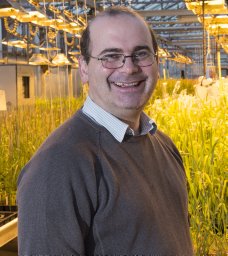 Simon Griffiths合作论文数John Innes Centre;Norwich Research Park;Norwich Research Park, John Innes Centre7
 Paul Nicholson合作论文数7Lesley Fish合作论文数7
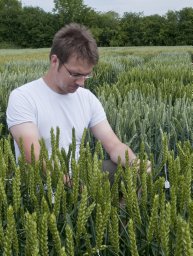 Nikolai M. Adamski合作论文数Cell and Developmental Biology Department, John Innes Centre;Cell and Developmental Biology Department, John Innes Centre6Andrew Steed合作论文数5Ricardo H. Ramirez-Gonzalez合作论文数5
 Scott Boden合作论文数School of Agriculture, Food and Wine, Faculty of Sciences, Engineering and Technology, University of Adelaide5
 Wendy A Harwood合作论文数Crop Genetics, John Innes Centre5
 Luzie U Wingen合作论文数5
 Curtis J. Pozniak合作论文数Crop Development Centre, Department of Plant Sciences, College of Agriculture and Bioresources, University of Saskatchewan5
 Simon Orford合作论文数5
 Sadiye Hayta合作论文数Faculty of Engineering, Ege University5catherine chinoy合作论文数4
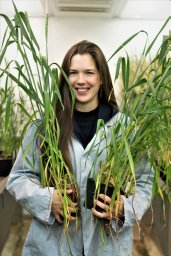 Anna E Backhaus合作论文数John Innes Centre, Norwich Research Park4
 Sreya Ghosh合作论文数John Innes Ctr, Norwich Res Pk4Haerty Wilfried合作论文数4
 Martin Mascher合作论文数Leibniz-Institut für Pflanzengenetik und Kulturpflanzenforschung Gatersleben4Lux Thomas M合作论文数4
 Shengbao Xu (许盛宝)合作论文数College of Agronomy, Northwest A&F University4
 Xiaoming Wang (王晓明)合作论文数College of Agronomy, Northwest A&F University4
 Wanquan Ji (吉万全)合作论文数College of Agronomy, Northwest A&F University4
 Xue Shi (史雪)合作论文数College of Agronomy, Northwest A&F University4
 Mark Smedley合作论文数4
 Peter Matthew Scott合作论文数4
 Brande Wulff合作论文数Sainsbury Laboratory;John Innes Centre;Norwich Research Park;Sainsbury Laboratory, John Innes Centre4
 Klaus F. X. Mayer合作论文数Helmholtz Zentrum München Deutsches Forschungszentrum für Gesundheit und Umwelt4Michelle Leverington合作论文数3
 Amber Hafeez合作论文数3
 Nick Bird合作论文数3
 Stuart Desjardins合作论文数Dept Genet & Genome Biol, Univ Leicester3
 Ksenia Krasileva合作论文数Plant & Microbial Biology,College of Natural Resources, University of California, Berkeley3
 Jun Xiao (肖军)合作论文数Institute of Genetics and Developmental Biology, Chinese Academy of Sciences3Trafford Kay合作论文数3
 Nils Stein合作论文数Leibniz Institute of Plant Genetics and Crop Plant Research;School of Agriculture and Environment, The University of Western Australia;University of Gottingen3
 Jesse Poland合作论文数Department of Plant Pathology, Kansas State University3
 Bentley Alison合作论文数The John Bingham Laboratory, NIAB3
 Robert Park合作论文数School of Life and Environmental Sciences, Faculty of Science, The University of Sydney3
 John Doonan合作论文数Institute of Biological, Environmental and Rural Sciences, Aberystwyth University;National Plant Phenomics Centre, Aberystwyth University3Consoli Luciano合作论文数3Peng Zhao (赵鹏)合作论文数The College of Life Sciences, Northwest University3
 Mike Jonathan Gooding合作论文数Department of Agriculture;University of Reading;Department of Agriculture, University of Reading3
 James Cockram合作论文数National Institute of Agricultural Botany3Pedro Luiz Scheeren合作论文数3




