Extensive research indicates that elevated intra-individual variability (IIV) of reaction time is associated with subclinical psychosis, as well as clinically diagnosed psychotic disorder. However, findings regarding the details of this relationship are equivocal. In particular, it is unknown whether associations between elevated IIV and subclinical psychosis are specific to certain psychotic symptoms or to complex reaction time tasks. Data from 492 undergraduates from the University of Otago were used to address this issue. Schizotypy and psychotic-like experiences (PLE) were assessed via interview and questionnaire, and participants completed both a simple reaction time (SRT) task and a continuous performance task-identical pairs version (CPT-IP). The individual standard deviation and coefficient of variation (ICV) were used as measures of IIV. Participants reporting PLE were more likely to have elevated ICV on the CPT-IP. These associations were specific to paranoid psychotic experiences, and to the suspiciousness subscale of the Schizotypal Personality Questionnaire. There were also weak associations between SRT ICV and PLE. The inclusion of a battery of reaction time tasks assessing different aspects of cognitive control is suggested for future research, and the findings are discussed in relation to theoretical approaches to paranoia and delusions.
An expert review of the aetiology, assessment, and treatment of autism spectrum disorder, and recommendations for diagnosis, management and service provision was coordinated by the British Association for Psychopharmacology, and evidence graded. The aetiology of autism spectrum disorder involves genetic and environmental contributions, and implicates a number of brain systems, in particular the gamma-aminobutyric acid, serotonergic and glutamatergic systems. The presentation of autism spectrum disorder varies widely and co-occurring health problems (in particular epilepsy, sleep disorders, anxiety, depression, attention deficit/hyperactivity disorder and irritability) are common. We did not recommend the routine use of any pharmacological treatment for the core symptoms of autism spectrum disorder. In children, melatonin may be useful to treat sleep problems, dopamine blockers for irritability, and methylphenidate, atomoxetine and guanfacine for attention deficit/hyperactivity disorder. The evidence for use of medication in adults is limited and recommendations are largely based on extrapolations from studies in children and patients without autism spectrum disorder. We discuss the conditions for considering and evaluating a trial of medication treatment, when non-pharmacological interventions should be considered, and make recommendations on service delivery. Finally, we identify key gaps and limitations in the current evidence base and make recommendations for future research and the design of clinical trials.
In 8 experiments using language processing tasks ranging from lexical decision to sensibility judgment, participants made hand or foot responses after reading hand-or foot-associated words such as action verbs. In general, response time (RT) tended to be faster when the hand-versus foot-associated word was compatible with the limb that was required to respond (e.g., hand response to a hand-associated word) than when it was incompatible (e.g., foot response to a hand-associated word). To see whether this compatibility effect reflects differential hand-versus foot-specific motor activation produced by the words, as suggested by some embodied theories of language understanding, we monitored 2 event-related potential (ERP) measures previously found to be sensitive to the activation of these limbs. As expected, the ERP results replicated previous findings that the monitored ERPs differ for hand versus foot movements. More importantly, the ERPs provided no evidence of any difference for hand-versus foot-associated words. Thus, the results weaken previous claims that the understanding of action verbs requires activation of the motor areas used to carry out the named action. Instead, they support claims that language-related compatibility effects on RT may arise prior to motor processes, which implies that such effects are not decisive evidence for embodied language understanding.
Background Collaborative virtual environments (CVEs) have the potential to support sociocommunicative interactions for people with autism spectrum disorder (ASD), but little is known about the sense of presence participants feel in CVEs or how CVEs can be used to assess skills.Method Ten children with ASD and 10 typically developing (TD) children (aged 12-16 years) judged greeting behaviours of a human avatar and static facial expressions in a virtual gallery.Results There were no differences in presence reported by the two groups. The ASD group was less sensitive to a negative greeting from the human avatar than the TD group, and impaired in recognising static facial expressions.Conclusions Self-reported measures of presence are valuable for informing which kinds of tasks, and technology may provide more authentic contexts in which to identify and support social competence in participants with ASD.
Clinical and epidemiological studies have demonstrated associations between elevated intra-individual variability (IIV) of reaction time and psychotic disorders. However, little attention has been paid to the relationship between performance stability and psychotic-like experiences (PLE) in adolescence, before psychotic disorder onset. Data from 6702 children from the Avon Longitudinal Study of Parents and Children (ALSPAC) were used to address this issue. Children took part in a semi-structured clinical interview regarding psychotic symptoms at age 12 and 18, and reaction time variability was assessed at age 13 and 15. Children who had elevated IIV at age 15 were more likely to report suspected or definite PLE at age 18, with larger associations being found for more frequent or bizarre symptoms. Elevated IIV at age 15 was also associated with persistent PLE between age 12 and 18. These findings tentatively suggest that elevated IIV in early adolescence may be predictive of later PLE, and offer some support for the notion of a psychosis continuum.
Clinical genetic studies confirm the broader autism phenotype (BAP) in some relatives of individuals with autism, but there are few standardized assessment measures. We developed three BAP measures (informant interview, self-report interview, and impression of interviewee observational scale) and describe the development strategy and findings from the interviews. International Molecular Genetic Study of Autism Consortium data were collected from families containing at least two individuals with autism. Comparison of the informant and self-report interviews was restricted to samples in which the interviews were undertaken by different researchers from that site (251 UK informants, 119 from the Netherlands). Researchers produced vignettes that were rated blind by others. Retest reliability was assessed in 45 participants. Agreement between live scoring and vignette ratings was very high. Retest stability for the interviews was high. Factor analysis indicated a first factor comprising social-communication items and rigidity (but not other repetitive domain items), and a second factor comprised mainly of reading and spelling impairments. Whole scale Cronbach's alphas were high for both interviews. The correlation between interviews for factor 1 was moderate (adult items 0.50; childhood items 0.43); Kappa values for between-interview agreement on individual items were mainly low. The correlations between individual items and total score were moderate. The inclusion of several factor 2 items lowered the overall Cronbach's alpha for the total set. Both interview measures showed good reliability and substantial stability over time, but the findings were better for factor 1 than factor 2. We recommend factor 1 scores be used for characterising the BAP. Autism Res 2015, 8: 522–533 . © 2015 International Society for Autism Research, Wiley Periodicals, Inc.
To identify the broader autism phenotype (BAP), the Family History Interview subject and informant versions and an observational tool (Impression of Interviewee), were developed. This study investigated whether the instruments differentiated between parents of children with autism, and parents of children with Down syndrome (DS). The BAP scores of parents of 28 multiplex autism families were compared with parents from, 32 DS families. The BAP measures provided good group differentiation but when considered together, the subject interview did not improve group differentiation. The differentiation was better for fathers than mothers. The measures do carry an important degree of validity; whether they can differentiate the BAP from other social disorders should be tested.
Rare copy-number variation (CNV) is an important source of risk for autism spectrum disorders (ASDs). We analyzed 2,446 ASD-affected families and confirmed an excess of genic deletions and duplications in affected versus control groups (1.41-fold, p = 1.0 × 10(-5)) and an increase in affected subjects carrying exonic pathogenic CNVs overlapping known loci associated with dominant or X-linked ASD and intellectual disability (odds ratio = 12.62, p = 2.7 × 10(-15), ∼3% of ASD subjects). Pathogenic CNVs, often showing variable expressivity, included rare de novo and inherited events at 36 loci, implicating ASD-associated genes (CHD2, HDAC4, and GDI1) previously linked to other neurodevelopmental disorders, as well as other genes such as SETD5, MIR137, and HDAC9. Consistent with hypothesized gender-specific modulators, females with ASD were more likely to have highly penetrant CNVs (p = 0.017) and were also overrepresented among subjects with fragile X syndrome protein targets (p = 0.02). Genes affected by de novo CNVs and/or loss-of-function single-nucleotide variants converged on networks related to neuronal signaling and development, synapse function, and chromatin regulation.
While the last 10 years have seen a significant increase in research published on early intervention and autism, there is a persistent disconnect between educational research and practice. Governments have invested significant funds in autism education, and a range of approaches have been implemented in schools, but there is limited research exploring whether these educational strategies are effective and a lack of involvement of teaching professionals in the research. Given that the majority of children and young people with autism spend most of their time in school and not in early or specialised intervention programmes, there is a compelling need to conduct better educational research and implement educational interventions in schools. We argue that building collaborative partnerships between researchers and school practitioners is central to achieving improved understanding of, and outcomes for, pupils on the autism spectrum. This commentary offers perspectives from teachers about their experiences of, and priorities for, research, and also presents a model of collaboration between autism school practitioners and researchers, which could support a more integrated approach to research. We reflect on the strengths and challenges of this as well as outcomes achieved so far.
In recent years, there has been increasing awareness about autism spectrum disorders (ASD) around the world, including in low and middle income countries. Unlike countries in Western Europe and North America where infrastructure and capacity are available to help meet some of the needs of individuals with ASD, little expertise or capacity exists in most of the developing world. In 2008 Autism Speaks launched the Global Autism Public Health (GAPH) Initiative to facilitate the development of systematic and sustainable solutions for enhancing global autism awareness, research, training and service delivery. In the last 3 years Autism Speaks has established collaboration with stakeholders from over 20 countries who are working alongside dedicated local and international stakeholders to effect change. In this article, the GAPH framework is described, along with a few brief case examples that illustrate how the framework for implementation of the model can occur. GAPH is still in its infancy but has the potential to have significant impact through inclusive collaboration with local and international stakeholders to develop effective and sustainable public health solutions for disseminating best practices and delivering tangible benefits to individuals with ASD and their families. Autism Res 2012, 5: 211–217. © 2012 International Society for Autism Research, Wiley Periodicals, Inc.
Background: It is unclear why children with autism spectrum disorders (ASD) tend to be inattentive to, or even avoid eye contact. The goal of this study was to investigate affectivemotivational brain responses to direct gaze in children with ASD. To this end, we combined two measurements: skin conductance responses (SCR), a robust arousal measure, and asymmetry in frontal electroencephalography (EEG) activity which is associated with motivational approach and avoidance tendencies. We also explored whether degree of eye openness and face familiarity modulated these responses. Methods: Skin conductance responses and frontal EEG activity were recorded from 14 children with ASD and 15 typically developing children whilst they looked at familiar and unfamiliar faces with eyes shut, normally open or wide-open. Stimuli were presented in such a way that they appeared to be looming towards the children. Results: In typically developing children, there were no significant differences in SCRs between the different eye conditions, whereas in the ASD group the SCRs were attenuated to faces with closed eyes and increased as a function of the degree of eye openness. In both groups, familiar faces elicited marginally greater SCRs than unfamiliar faces. In typically developing children, normally open eyes elicited greater relative left-sided frontal EEG activity (associated with motivational approach) than shut eyes and wide-open eyes. In the ASD group, there were no significant differences between the gaze conditions in frontal EEG activity. Conclusions: Collectively, the results replicate previous finding in showing atypical modulation of arousal in response to direct gaze in children with ASD but do not support the assumption that this response is associated with an avoidant motivational tendency. Instead, children with ASD may lack normative approach-related motivational response to eye contact.
While it is apparent that rare variation can play an important role in the genetic architecture of autism spectrum disorders (ASDs), the contribution of common variation to the risk of developing ASD is less clear. To produce a more comprehensive picture, we report Stage 2 of the Autism Genome Project genome-wide association study, adding 1301 ASD families and bringing the total to 2705 families analysed (Stages 1 and 2). In addition to evaluating the association of individual single nucleotide polymorphisms (SNPs), we also sought evidence that common variants, en masse, might affect the risk. Despite genotyping over a million SNPs covering the genome, no single SNP shows significant association with ASD or selected phenotypes at a genome-wide level. The SNP that achieves the smallest P-value from secondary analyses is rs1718101. It falls in CNTNAP2, a gene previously implicated in susceptibility for ASD. This SNP also shows modest association with age of word/phrase acquisition in ASD subjects, of interest because features of language development are also associated with other variation in CNTNAP2. In contrast, allele scores derived from the transmission of common alleles to Stage 1 cases significantly predict case status in the independent Stage 2 sample. Despite being significant, the variance explained by these allele scores was small (Vm< 1%). Based on results from individual SNPs and their en masse effect on risk, as inferred from the allele score results, it is reasonable to conclude that common variants affect the risk for ASD but their individual effects are modest.
Autism spectrum disorder (ASD) is a highly heritable disorder of complex and heterogeneous aetiology. It is primarily characterized by altered cognitive ability including impaired language and communication skills and fundamental deficits in social reciprocity. Despite some notable successes in neuropsychiatric genetics, overall, the high heritability of ASD (~90%) remains poorly explained by common genetic risk variants. However, recent studies suggest that rare genomic variation, in particular copy number variation, may account for a significant proportion of the genetic basis of ASD. We present a large scale analysis to identify candidate genes which may contain low-frequency recessive variation contributing to ASD while taking into account the potential contribution of population differences to the genetic heterogeneity of ASD. Our strategy, homozygous haplotype (HH) mapping, aims to detect homozygous segments of identical haplotype structure that are shared at a higher frequency amongst ASD patients compared to parental controls. The analysis was performed on 1,402 Autism Genome Project trios genotyped for 1 million single nucleotide polymorphisms (SNPs). We identified 25 known and 1,218 novel ASD candidate genes in the discovery analysis including CADM2, ABHD14A, CHRFAM7A, GRIK2, GRM3, EPHA3, FGF10, KCND2, PDZK1, IMMP2L and FOXP2. Furthermore, 10 of the previously reported ASD genes and 300 of the novel candidates identified in the discovery analysis were replicated in an independent sample of 1,182 trios. Our results demonstrate that regions of HH are significantly enriched for previously reported ASD candidate genes and the observed association is independent of gene size (odds ratio 2.10). Our findings highlight the applicability of HH mapping in complex disorders such as ASD and offer an alternative approach to the analysis of genome-wide association data.
Immersive virtual environments (IVEs) are potentially powerful educational resources but their application for children with Autism Spectrum Disorder (ASD) is under researched. This study aimed to answer two research questions: (1) Do children with ASD experience IVEs in different ways to typically developing children given their cognitive, perceptual and sensory differences? and (2) Can an IVE accurately simulate ecologically valid social situations? Ten children with ASD and 14 typically developing (TD) adolescents all aged 12—16 years experienced three different IVEs. They completed self-report questionnaires on their sense of ‘presence’ in the IVEs and rated ‘social attractiveness’ of a virtual character in socially desirable and undesirable scenarios. The children with ASD reported similar levels of presence to their TD peers and no negative sensory experiences. Although TD adolescents rated the socially desirable character as more socially attractive than the undesirable character, adolescents with ASD rated the two characters as equally socially attractive. These findings suggest that children with ASD do not experience IVEs in different ways to their TD counterparts and that the IVEs are realistic enough to simulate authentic social situations. This study paints a very encouraging picture for the potential uses of IVEs in assessing and educating individuals with ASD.
Although autism spectrum disorders (ASDs) have a substantial genetic basis, most of the known genetic risk has been traced to rare variants, principally copy number variants (CNVs). To identify common risk variation, the Autism Genome Project (AGP) Consortium genotyped 1558 rigorously defined ASD families for 1 million single-nucleotide polymorphisms (SNPs) and analyzed these SNP genotypes for association with ASD. In one of four primary association analyses, the association signal for marker rs4141463, located within MACROD2, crossed the genome-wide association significance threshold of P < 5 × 10⁻⁸. When a smaller replication sample was analyzed, the risk allele at rs4141463 was again over-transmitted; yet, consistent with the winner's curse, its effect size in the replication sample was much smaller; and, for the combined samples, the association signal barely fell below the P < 5 × 10⁻⁸ threshold. Exploratory analyses of phenotypic subtypes yielded no significant associations after correction for multiple testing. They did, however, yield strong signals within several genes, KIAA0564, PLD5, POU6F2, ST8SIA2 and TAF1C.
The autism spectrum disorders (ASDs) are a group of conditions typically characterized by repetitive behaviour, severely restricted interests and difficulties with social interactions and communication. ASDs are highly heritable, yet the underlying genetic determinants remain largely unknown. A genome-wide analysis reveals that people with ASDs carry a higher load of rare copy-number variants — segments of DNA for which the copy number differs between individual genomes — which are either inherited or arise de novo. The results implicate several novel genes as ASD candidates and point to the importance of cellular proliferation, projection and motility as well as specific signalling pathways in this disorder. The autistic spectrum disorders (ASDs) are highly heritable, yet the underlying genetic determinants remain largely unknown. Here, a genome-wide analysis of rare copy number variants (CNVs) has been carried out, revealing that ASD sufferers carry a higher load of rare, genic CNVs than do controls. Many of these CNVs are de novo and inherited. The results implicate several novel genes in ASDs, and point to the importance of cellular proliferation, projection and motility, as well as specific signalling pathways, in these disorders. The autism spectrum disorders (ASDs) are a group of conditions characterized by impairments in reciprocal social interaction and communication, and the presence of restricted and repetitive behaviours1. Individuals with an ASD vary greatly in cognitive development, which can range from above average to intellectual disability2. Although ASDs are known to be highly heritable (∼90%)3, the underlying genetic determinants are still largely unknown. Here we analysed the genome-wide characteristics of rare (<1% frequency) copy number variation in ASD using dense genotyping arrays. When comparing 996 ASD individuals of European ancestry to 1,287 matched controls, cases were found to carry a higher global burden of rare, genic copy number variants (CNVs) (1.19 fold, P = 0.012), especially so for loci previously implicated in either ASD and/or intellectual disability (1.69 fold, P = 3.4 × 10⁻⁴). Among the CNVs there were numerous de novo and inherited events, sometimes in combination in a given family, implicating many novel ASD genes such as SHANK2, SYNGAP1, DLGAP2 and the X-linked DDX53–PTCHD1 locus. We also discovered an enrichment of CNVs disrupting functional gene sets involved in cellular proliferation, projection and motility, and GTPase/Ras signalling. Our results reveal many new genetic and functional targets in ASD that may lead to final connected pathways.
Individuals with an autism spectrum disorder (ASD) show difficulties identifying familiar faces, recognizing emotional expressions and judging eye-gaze direction. Recent research suggests that relatives of individuals with AS also show impairments in some aspects of face processing but no study has comprehensively assessed the nature and extent of face-processing difficulties in a group of relatives. This study compared the performance of 22 parents/adult siblings of individuals with ASD ("relatives" group), 26 adults with ASD, and 26 typically developing adults on tasks of face discrimination, facial expression recognition and judging eye-gaze direction. Relatives of individuals with ASD were less able to discriminate subtle differences between faces than typically developing adults, but were more sensitive to such differences than adults with ASD. Furthermore, relatives were significantly worse at identifying expressions of fear and disgust than typically developing adults and failed to show the typical sensitivity to direct compared with averted eye-gaze direction--a strikingly similar pattern to that observed in adults with ASD. These findings show that atypical patterns of face processing are found in some relatives of individuals with ASD and suggest that these difficulties may represent a cognitive endophenotype.
Autism is a complex neurobiological, developmental disorder that is typically diagnosed in childhood and often lasts throughout a person' s life time. Autism is part of a group of disorders known as autism spectrum disorders (ASD) characterized by varying degrees of symptom severity and impact, ranging from mild or "high-functioning" to quite severe or "low-functioning. "
 Anthony J. Bailey合作论文数16Jeremy R. Parr合作论文数10Herman Van Engeland合作论文数Department of Child and Adolescent Psychiatry, University Medical Centre Utrecht8
 Geraldine Dawson合作论文数Center for Autism and Brain Development, Duke University School of Medicine;Duke Global Health Institute, Duke University;University of Washington8
 Maretha V de Jonge合作论文数8Kerstin Wittemeyer合作论文数7
 Jonathan Green合作论文数Division of Neuroscience and Experimental Psychology, School of Biological Sciences, Faculty of Biology, Medicine and Health, The University of Manchester7
 Anthony P. Monaco合作论文数Tufts University7
 Andrew Pickles合作论文数Institute of Psychiatry, Psychology & Neuroscience, King's College London;Department of Biostatistics, King's College London7Fritz Poustka合作论文数7Gillian Baird合作论文数7
 Edwin H. Cook Jr.合作论文数Institute for Juvenile Research, University of Illinois at Chicago;Department of Psychiatry, College of Medicine, University of Illinois at Chicago;Division of Child and Adolescent Psychiatry, University of Illinois Hospital & Health Sciences System7
 Bernadette Rogé合作论文数Centre d’Etudes et de Recherche en PsychoPathologie (CERPP),, Université Toulouse II Le Mirail7
 Ann Le Couteur合作论文数Sir James Spence Institute, Newcastle University7Carine Mantoulan合作论文数6Michael L. Cuccaro合作论文数6S Folstein合作论文数6
 Catherine Lord合作论文数Jane & Terry Semel Institute for Neuroscience & Human Behavior, University of California, Los Angeles;Department of Psychiatry and Biobehavioral Sciences, David Geffen School of Medicine, University of California, Los Angeles;Division of Human Development and Psychology, Graduate School of Education & Information Studies, University of California, Los Angeles6
 Joseph D Buxbaum合作论文数Department of Psychiatry, Icahn School of Medicine at Mount Sinai;Seaver Autism Center, Icahn School of Medicine at Mount Sinai6
 Marion Leboyer合作论文数Institut Montaigne;Pôle De Psychiatrie, Hôpitaux Universitaires Henri Mondor;Department of Psychiatry, Université Paris Est Créteil6
 James S. Sutcliffe合作论文数Vanderbilt Kennedy Center, Vanderbilt University Medical Center;Vanderbilt Genetics Institute, Vanderbilt University Medical Center6
 Veronica J Vieland合作论文数Mathematical Medicine LLC;Department of Pediatrics, The Ohio State University6
 Christopher Gillberg合作论文数Department of Psychiatry and Neurochemistry, University of Gothenburg6Sven Bolte合作论文数6Catalina Betancur合作论文数6Ann Thompson合作论文数6
 Hilary Coon合作论文数Department of Psychiatry, School of Medicine, University of Utah;University of Utah Hospitals and Clinics6
 Lonnie Zwaigenbaum合作论文数Autism Research Centre, Department of Pediatrics, Faculty of Medicine and Dentistry, University of Alberta6Katerina Papanikolaou合作论文数MRC Child Psychiatry Unit, University of London6
 Elena Bacchelli合作论文数6Patrick F. Bolton合作论文数6
 Jonathan Haines合作论文数Department of Population and Quantitative Health Sciences, School of Medicine, Case Western Reserve University;Cleveland Institute for Computational Biology, School of Medicine, Case Western Reserve University6
 Ellen M. Wijsman (Ellen Wijsman)合作论文数Division of Medical Genetics, Department of Medicine, School of Public Health, University of Washington;Department of Biostatistics, School of Public Health, University of Washington;Department of Genome Sciences, School of Public Health, University of Washington6
 Margaret Pericak-Vance合作论文数John P. Hussman Institute for Human Genomics, Miller School of Medicine, University of Miami6
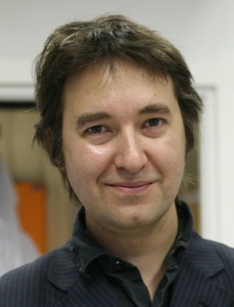 Thomas Bourgeron合作论文数Neuroscience Department, Pasteur Institute;Universite de Paris6
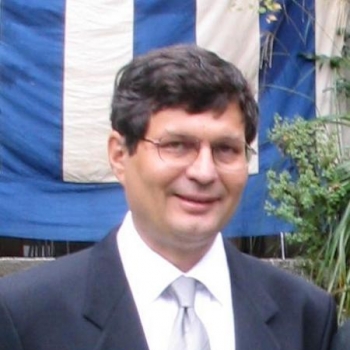 Joachim Hallmayer合作论文数Department of Psychiatry and Behavioral Sciences, School of Medicine, Stanford University6Elena Maestrini合作论文数6
 Stephen J Guter合作论文数6
 Peter Szatmari合作论文数Department of Psychiatry, Temerty Faculty of Medicine, University of Toronto;Centre for Addiction and Mental Health6
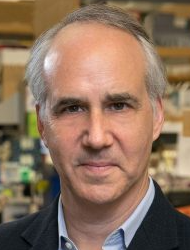 Daniel H. Geschwind合作论文数Center for Autism Research and Treatment, University of California, Los Angeles;Institute of Precision Health, University of California, Los Angeles;David Geffen School of Medicine, University of California, Los Angeles6
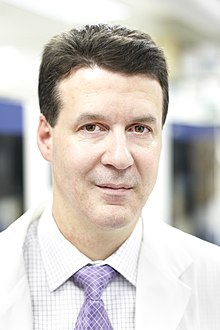 Stephen Scherer合作论文数Department of Molecular Genetics, Temerty Faculty of Medicine, University of Toronto;The Centre for Applied Genomics, The Hospital for Sick Children;Institute of Medical Science, University of Toronto;The McLaughlin Centre, Faculty of Medicine, University of Toronto6Richard Delorme合作论文数5Christina Corsello合作论文数5
 Susanne Thomson合作论文数5Sean Brennan合作论文数5
 Frederico Duque合作论文数Hospital Pediátrico, Centro Hospitalar e Universitário de Coimbra5
 Thomas H Wassink合作论文数Univ Iowa, Dept Psychiat, Iowa City, IA 52242 USA5Louise Gallagher合作论文数Trinity Coll Dublin, Dept Psychiat, Dublin, Ireland5
 Andrew Paterson合作论文数The Hospital for Sick Children;Divisions of Epidemiology & Biostatistics, Dalla Lana School of Public Health, University of Toronto5




