In a secondary analysis from the BMT CTN 1702 trial, we report on donor search and selection strategies according to baseline recipient search prognosis (SP). A total of 1751 patients in 3 SP groups-very likely, 958; less likely, 517; very unlikely, 276- were analyzed. The target time to HCT was most often 6 to 12 weeks (SP P = nonsignificant) and was associated with acute myelogenous leukemia remission status (P < .01). The baseline preferred alternative donor (across all SP groups was most commonly a haploidentical (haplo) donor (62.2% overall), whereas the use of mismatched unrelated donors (MMUDs) increased over time during the study period. Those in the less/very unlikely groups prioritized more alternative donor types at baseline and had more priority ranking changes (SP P < .01). While a comparable number of donors were typed (all SP: median, 3 donors; median time, 1.1 months), less/very unlikely SP had greater use of alternative donors (SP P < .01). Reasons for nonselection of typed donors varied by SP group. For less/very unlikely SP, the rates of HLA mismatching and donor-specific antibodies were higher, while for very likely SP, the use of other preferred donors was more common. Of 1751, 65% reached HCT: 94% of the very likely had an 8/8 matched unrelated donor (MUD) and 91% of the very unlikely had an alternative donor (haplo, 61%; MMUD, 22%; umbilical cord blood, 8%). HCT occurred within the initial desired timeline in 38% of all subjects. HCT delays occurred in 29%, mostly for disease or patient health overall, and of these 52% reached HCT after delay. In this prospective, multicenter evaluation of donor search and selection practices, we demonstrate that patients with poor likelihood of 8/8 MUD matching can reach HCT at comparable rates and with similar effort (time spent typing, number of donors typed) using an early alternative donor-centered strategy. Uniformly across SP groups, the target time to HCT is not commonly reached and is disrupted mostly by disease/patient health delays and not by donor unavailability.
ABSTRACT:Posttransplant cyclophosphamide (PTCy)-based graft-versus-host disease (GVHD) prophylaxis is now standard for matched unrelated donor (MUD) hematopoietic cell transplantation (HCT). Previous studies comparing MUD and haploidentical donor HCT using PTCy were limited in size and follow-up. We therefore performed a registry-based analysis examining the impact of donor type on HCT with PTCy. Adult patients (n = 5873) receiving MUD (n = 1973) or haploidentical (n = 3900) HCT with PTCy for acute leukemia (74.2%) or myelodysplastic syndrome (MDS; 25.8%) reported to the Center for International Blood and Marrow Transplant Research between 2017 and 2021 were included. Primary end points were 3-year overall survival (OS) and GVHD-free, relapse-free survival (GRFS). Cox regression and sensitivity analyses were performed through adjustment of propensity scores. Haploidentical HCT had worse OS (hazard ratio [HR], 1.15; 95% confidence interval [CI], 1.04-1.27; P = .005) and GRFS (HR, 1.19; 95% CI, 1.10-1.29; P < .001) versus MUD HCT. Donor age was the only other donor factor associated with survival. Results were confirmed in sensitivity analysis. When restricted to reduced intensity conditioning or donors <30 years, OS did not differ between groups. Haploidentical HCT was associated with higher primary graft failure (HR, 1.67; P = .002), increased grade 3/4 acute GVHD (HR, 1.28; P = .039), higher moderate/severe chronic GVHD (HR, 1.47; P < .001), and nonrelapse mortality (HR, 1.34; P < .001). Grade 2 to 4 acute GVHD and relapse risk did not differ. This large analysis showed that in adults with acute leukemia or MDS, MUD HCT was associated with improved outcomes versus haploidentical HCT with PTCy-based GVHD prophylaxis.
Abstract Newer approaches to control alloreactivity may produce similar transplant outcomes using HLA-mismatched donors vs HLA-matched unrelated donors (MUD). However, prospective comparisons are lacking. BMT CTN 1702 used a donor search prognosis score to assign patients to an 8/8 HLA MUD or the center’s preference of haploidentical related donors (HAPLO), mismatched unrelated donors (MMUD), or umbilical cord blood (UCB). Outcomes of MUD were compared to HAPLO, MMUD, and UCB transplantation after adjusting for covariates. Patients (n = 1179 [93% adults]) underwent transplantation with MUD (n = 772), HAPLO (n = 254), MMUD (n = 112), and UCB (n = 41) at a median of 3.7, 3.4, 3.9, and 3.8 months from enrollment. Posttransplant cyclophosphamide (PTCy) was used in 23.9%, 83.9%, 65.2%, and 0% of MUD, HAPLO, MMUD, and UCB. In multivariate analyses, compared to MUD, survival was lower for UCB (hazard ratio [HR], 2.65; P< .001) but not statistically different for HAPLO and MMUD (HRs, 1.08 and 1.18, respectively). Relapse risk was not significantly different by donor, but treatment-related mortality (HR, 3.31; P< .001) and disease-free survival (HR, 1.99; P = .002) were inferior for UCB but not different for HAPLO and MMUD than MUD. In patients who received PTCy, HAPLO and MMUD were associated with increased grade 3 or 4 acute graft-versus-host disease (GVHD; HR, 2.39 [P = .017] and 2.53 [P = .038], respectively) and chronic GVHD (HR, 1.71 for both; P = .028 and .080) than MUD, but other outcomes were not different. HAPLO or MMUD may be used to expedite transplantation when finding MUD is unlikely. This study was registered at www.clinicaltrials.gov as NCT03904134.
BACKGROUND:Plerixafor (P) is a rescue mobilization agent given to improve circulating CD34+ for peripheral blood stem cell (PBSC) collection in donors with inadequate response to granulocyte colony-stimulating factor (G-CSF, [G]). In this study, we evaluated the impact of immediate plerixafor administration without leukapheresis interruption for the same-day PBSC collection in G-mobilized allogeneic donors with pre-apheresis peripheral blood CD34+ count ≤30/μL. STUDY DESIGN:Retrospective analysis of two-center data from 10/2023 to 11/2025 was conducted. The study group (G + P) received G-CSF for 5 days and plerixafor without leukapheresis interruption (n = 12). The control group (G, n = 24) received 5-day G-CSF and had similar median apheresis procedure time as study group. Outcomes were evaluated at early procedure (EP) and late procedure (LP) periods, separated by the timing of the interim PBSC product characterization. RESULTS:G + P donors did not experience increased platelet loss or grade 2 or greater adverse reactions in gastrointestinal and immune systems or required day-2 collection. During the LP period, G + P group had approximately 5.5-fold increase in median CD34+ cells/L processed/h apheresis (p < .0001). During the LP period, while G + P group had significant gains in CD34+ yield, there was a significant loss in the control group (p < .0087). CD34+ collection efficiency was significantly higher in G + P (p < .0001). All PBSC products from G + P group contained ≥4.5 × 10⁶ CD34+/kg recipient while only 63% of controls met this threshold (p = .016). CONCLUSIONS:Same-day rescue plerixafor without leukapheresis interruption in allogeneic donors suboptimally responding to G-CSF results in safe and efficient leukapheresis collection while preserving PBSC product quality.
ABSTRACT Background To evaluate trends in allogeneic hematopoietic cell transplant (HCT) referral perceptions and practices, we compared surveys of Hematology‐Oncology (Hem‐Onc) physicians conducted in 2015 (N = 150), 2019 (N = 302), and 2024 (N = 183) and reported changes over time. Methods Eligible participants included Hem‐Onc physicians in the United States seeing at least 10 hematologic malignancy patients in the last year. Questions covered perceptions of HCT, referral practices, perceived barriers to referral, and endorsement of HCT education and patient support resources. Results There were positive trends in HCT perceptions, increased expected HCT benefit, and positive outcomes with older AML patients. Overall reported disease‐specific referral rates increased over the survey periods. Participants reported earlier HCT referral timing across the survey time periods for all diagnoses, as well as increased referral of AML in first complete remission (vs. later stages of disease). While reported barriers to HCT referral persist, 2024 responses (vs. 2019) had significant reduction in concern over finding a suitable HCT donor, adverse post‐HCT outcomes, patient age, and medical comorbidities or psychosocial barriers to HCT. Across all hematologic malignancies in 2024, the average maximum referral age was 73.5 years. Respondents indicated a strong desire for additional physician education and patient‐level support. Conclusions We identified positive trends in HCT perceptions and referral practices, and reduced barriers. Encouragingly, these trends suggest that evidence surrounding HCT benefit and broadened eligibility for HCT are reaching the larger Hem‐Onc community, and this may address historical barriers to access. Ongoing education and outreach are needed to facilitate additional progress.
Background: The ACCESS trial (NCT04904588) was designed to evaluate the safety and efficacy of using peripheral blood stem cells from mismatched unrelated donors (MMUD) with post-transplantation cyclophosphamide based graft-versus-host disease (GVHD) prophylaxis. This prospective, phase 2, non-randomized, multicenter trial enrolled patients with high-risk hematologic malignancies who lacked HLA matched donors, many of whom were from racially/ethnically diverse and socioeconomically vulnerable backgrounds. Primary endpoint results have been previously published, showing 1-year OS and GRFS of 83% (95%CI 73.1 to 90.4%) and 47.6% for MAC and 78.6 (95%CI 67% to 86.5%) and 50.8% for RIC/NMA, respectively. Here we describe the quality of life (QOL) and financial well-being of patients in the first year post-HCT and compare this in patients with mild/none versus moderate/severe chronic-GVHD (cGVHD). Methods: This longitudinal study included patients enrolled in the ACCESS trial who completed at least one PRO at any timepoint for descriptive statistics and those who completed both a baseline and a 1-year survey for the univariate analysis. Patients completed surveys about their QOL pre-transplant (baseline), 100 days post-transplant (D100), D180, and 1 year after HCT. For the primary QOL endpoint, Lee Symptoms Scale (LSS) was assessed 1-year post-HCT comparing patients who developed mild/no or mod/sev cGVHD. LSS is a 30-item validated measure of cGVHD symptoms and includes an overall score (0-100) where higher values indicate more symptom burden. PRO Measurement Information System (PROMIS) measure for physical function and fatigue were used to identify physical and social well-being. Financial toxicity was assessed using the 12-item COmprehensive Score for financial Toxicity (COST) measure capturing material and psychosocial financial hardship (score 0-44, higher scores indicating better financial well-being). Analysis of covariance was conducted to compare the 1-year PRO score between patients with moderate/severe vs none/mild cGVHD (reported any time by the 1-year timepoint), adjusting for baseline scores. Statistical significance was considered to be p<.05. Clinically meaningful differences were defined as >5 points for LSS and PROMIS measures. Results: Among the 268 patients enrolled into the ACCESS trial, 203 (76%) submitted PRO data at baseline. 232 (87%) submitted at least one survey. Patients were a median age of 50 (range 20-65) among MAC recipients and 65 (range 22-78) among RIC/NMA conditioning recipients. 63% of MAC patients were male compared to 48% male among RIC/NMA recipients. 43% of MAC patients and 53% of RIC/NMA had AML. 37% of MAC patients had a household income of less than $80,000 compared to 40% of RIC/NMA patients. At baseline, 18.2% of patients reported moderate or severe financial toxicity compared to 15.6% at 1-year. At 1-year post-HCT, the mean LSS overall score was 11.0 (range 0-39.2) which showed a return to baseline values (10.8). Similarly, mean fatigue (49.4) and physical function (44.6) average scores at 1-year post-HCT returned to or exceeded baseline levels (49.0, 46.8, respectively). In the analysis population, 95 had no/mild cGVHD and 18 had moderate/severe cGVHD. There was a statistically significant, and clinically meaningful, difference in LSS overall scores between cGVHD groups, controlling for baseline (10.1 v. 15.4; p < .01). Subscale scores were significantly worse in patients with mod/sev cGVHD for skin (17.6 v 8.9; p<.01) and energy (30.9 v. 20.7; p<.01) at 1-year post-HCT. Likewise, physical function was significantly worse among those with mod/sev cGVHD compared to no/mild (47.6 v 43.1.; p<.05). PROMIS measure scores also suggested clinically meaningful higher fatigue at 1-year for those patients with mod/sev cGVHD (53.5) compared to no/mild cGVHD (49.0), though all within normal limits. Social well-being and financial well-being did not differ significantly by cGVHD groups. Conclusions: These results show QOL for patients is generally similar to general population norms at 1-year post-MMUD HCT (except for mild persistent physical function deficits). Rates of cGVHD were low, but PRO results highlight that moderate/severe cGVHD is associated with persistent symptom burden and impaired physical function, at 1-year post-transplant, underscoring the need for targeted supportive care strategies and continued efforts to reduce the incidence and severity of GVHD.
PURPOSE:The likelihood of finding a human leukocyte antigen (HLA)-matched unrelated donor (MUD) for hematopoietic cell transplantation can be predicted using a donor search prognosis score. Patients without a MUD may use alternative donors (haploidentical related, mismatched unrelated, or umbilical cord blood). METHODS:This multicenter biological assignment trial was conducted by the Blood and Marrow Transplant Clinical Trials Network (BMT CTN 1702). Eligibility criteria were broad to mirror clinical practice. The primary end point was 2-year survival from evaluability and compared between those Very Likely (>90%) and Very Unlikely (<10%) to find a MUD. All other patients, Less Likely to find a MUD, were enrolled in an observational arm. Transplant outcomes were compared for all three groups. RESULTS:A total of 1,751 evaluable patients at 47 centers were Very Likely (54.7%), Less Likely (29.5%), and Very Unlikely (15.8%) to identify a MUD. Survival did not differ in univariate (hazard ratio [HR], 1.00 [95% CI, 0.82 to 1.21]; P = .98) or multivariate (HR, 1.07 [95% CI, 0.86 to 1.33]; P = .56) analyses between the Very Unlikely and Very Likely groups, measured through 2 years from the beginning of a search for a MUD or alternative donor. Of the transplanted patients (n = 1,179), MUD was used for 94% of the Very Likely, 38% of Less Likely, and 9% of Very Unlikely patients. Multivariate analyses showed no differences in relapse, treatment-related mortality, disease-free survival, and acute and chronic graft-versus-host diseases for the three search prognosis groups after transplantation. CONCLUSION:Using a donor search prognosis strategy to prioritize an alternative donor for patients Very Unlikely to find a MUD resulted in survival and transplant outcomes that were not statistically different compared with those Very Likely to find a MUD.
Background: Post-transplant cyclophosphamide (PTCy) has significantly improved the feasibility of mismatched unrelated donor (MMUD) hematopoietic cell transplant (HCT). The approach has expanded transplant access for patients lacking 8/8 human leukocyte antigen (HLA)-matched donors, particularly those from racially and ethnically diverse backgrounds. ACCESS (NCT04904588) evaluated the safety and efficacy of PTCy [50 mg/kg on days 3 (D3) and 4 (D4)], mycophenolate mofetil (MMF), and tacrolimus as Graft-versus-Host Disease (GvHD) prophylaxis in adult patients with hematologic malignancies receiving myeloablative (MAC) or reduced intensity conditioning (RIC) followed by peripheral blood stem cells (PBSC) MMUD HCT (4-7/8 HLA match, considering HLA-A, -B, -C and -DRB1). One-year overall survival (OS) was 78.6% (RIC) and 83% (MAC), respectively. Over 50% of enrolled patients were ethnic minorities, allowing nearly all eligible patients to identify suitable unrelated donors (Al Malki et al. JCO 2025). Despite controlling acute and chronic GvHD, PTCy carries risks of serious acute- and long-term toxicities. Preliminary studies suggest that the PTCy dose can be reduced by 20-50% without compromising efficacy. However, larger multicenter studies are needed, particularly in MMUD HCT. OPTIMIZE (NCT06001385) is investigating reduced-dose PTCy (25 mg/kg on D3 and D4) in combination with MMF and tacrolimus following 4-7/8 MMUD HCT in adults with hematologic malignancies. The primary endpoint is D100 infection-free survival (IFS), defined as survival without grades 2-3 infections or subsequent transplant. To improve outcomes after MMUD HCT, we designed ACCELERATE (NCT06859424) – a master platform protocol that will simultaneously evaluate multiple interventions of PTCy-based GvHD prophylaxis in MMUD HCT. Each comparator regimen will be separately described and approved as an intervention-specific appendix (ISA) or sub-study to the ACCELERATE platform protocol. Sub-studies will be designated by numerical order, such as ACCEL-001, ACCEL-002, etc. Outcomes for ISA treatment interventions will be compared to a control arm using standard-dose PTCy (50 mg/kg on D3 and D4) combined with MMF and tacrolimus as GvHD prophylaxis. Study Design and Methods: The NMDP-sponsored, CIBMTR-led ACCELERATE is a prospective, multi-center, randomized platform protocol conducted across up to 60 U.S. centers. Adults with hematological malignancies receive MMUD PBSC HCT using MAC or RIC. MAC recipients must have an HCT-CI <5. Key exclusion criteria include the availability of a suitable HLA-matched related or 8/8 MUD and the presence of donor-specific HLA antibodies to any mismatched allele/antigen with a mean fluorescence intensity >3000. Donors must be 18-40 years old and matched at 4-7/8 alleles. Two investigational ISAs will launch at study initiation, ACCEL-001 and ACCEL-002. ACCEL-001 evaluates the safety and efficacy of 25 mg/kg PTCy, tacrolimus, and abatacept (D5, 14, 28, 56), and ACCEL-002 evaluates outcomes using 25 mg/kg PTCy, tacrolimus, MMF, and ruxolitinib (5 mg twice daily starting D30 and initiating taper at D180 if no GVHD, then discontinue by D270) as GvHD prophylaxis following MMUD PBSC HCT using MAC or RIC conditioning. A non-randomized safety lead-in phase will precede randomization. Participants in the randomized phase will be assigned 1:1 to intervention or control, stratified by conditioning regimen and HLA mismatch degree (<7/8 vs 7/8). If two ISAs are open at a site, 1:1:1 randomization will be applied. The primary efficacy endpoint is GvHD-free, relapse-free survival (GRFS) at 1-year post-HCT. Lead-in and randomized phases will be analyzed separately. Continuous safety monitoring will be conducted and includes primary graft failure (PGF), grades 3-4 acute GvHD, and non-relapse mortality by Day 100. Quality of Life will be assessed through patient-reported outcomes surveys. An independent Data Safety Monitoring Board (DSMB) will advise on continuation, modification, or termination. Study Accrual and Future Directions: As of July 2025, two sites have opened for enrollment, and the first participant has been successfully enrolled. The study will enroll 20 patients in each safety lead-in and 106 patients in each arm of the randomized study, for 358 participants. The safety lead-ins are anticipated to complete enrollment by early 2026, while the randomized study is scheduled to begin in Spring 2026.
Background: More patients with diverse ancestry and lower socioeconomic status (SES) are diagnosed annually with hematopoietic cell transplant (HCT)-eligible diseases than receive HCT, reflecting access barriers resulting in underrepresentation in clinical trials. The NMDP-sponsored, CIBMTR-led ACCESS (NCT04904588) trial studied safety and efficacy of peripheral blood stem cell allografts from mismatched unrelated donors (MMUD) in adults with hematologic malignancies receiving myeloablative (MAC) or reduced intensity/non-myeloablative conditioning (RIC/NMA) combined with post-transplant cyclophosphamide, mycophenolate mofetil, and tacrolimus as graft-versus-host disease prophylaxis. Analysis from the initial RIC/NMA stratum showed that 51% (n=36) of patients were ethnically diverse (ED) and had a 1-year overall survival of 79% (Al Malki et al. ASCO 2024). ED patients were younger and had higher financial toxicity and social vulnerability index (SVI) than non-Hispanic White (NHW) patients (Yusuf et al. 2024 Tandem Meetings). Enrollment of adult patients on both strata was completed in February 2024. Herein we provide key baseline characteristics to further define profiles that might influence social needs and trial participation of ED patients. Methods: To enroll on ACCESS, patients required an unrelated donor (URD) matched at 4-7/8 HLA alleles (HLA-A, B, C, and DRB1) and aged 18-35 years. Recipients without an available 8/8 related or URD and lacking HLA-specific antibody (anti-HLA-Ab) to any mismatched allele/antigen were eligible. Donor ancestry and recipient utilization of NMDP patient support were collected through NMDP operations. Social drivers/determinants of health (SDOH), including COmprehensive Score for financial Toxicity (COST) and SVI, and patient reported outcomes (PRO) were collected on enrolled patients and compared between NHW and ED subjects, defined as patients having any race and ethnicity besides NHW (AFA, non-Hispanic Black/African American; API, Asian Pacific Islander; HIS, Hispanic; NAM, Native American; MLT, multiple; and UNK, unknown). Wilcoxon rank sum and Fisher exact tests were used for continuous and categorical variables, respectively, to measure statistically significant differences between groups (p<0.05). Results: Of 268 adult patients, 51% were males, 69% had acute leukemia, and 51% were ED: 28% (n=75) HIS, 13% (n=34) AFA, 8% (n=22) API, 1% (n=3) NAM, <1% (n=2) MLT, and <1% (n=1) UNK. Most patients received RIC HCT (n=193, 72%) using a 7/8 MMUD (n=183, 68%). No differences in HCT comorbidity indices were noted between NHW and ED patients (p=0.42). Median donor age was 25 years (18-35 years) and more AFA patients received HCT using a donor above the median age. Of 153 patients with anti-HLA Ab, 58% were female with higher incidence of anti-HLA-Ab noted in patients utilizing MMUD with higher degree of HLA mismatch: 7/8 (n=96) 58%; 6/8 (n=45) 67%; 5/8 (n=9) 75%; and 4/8 (n=3) 100%. Compared to NHW patients, ED patients were younger (median age: 56 v. 64 years), had higher overall SVI (high SVI: 27 v. 10%), and lived closer to a transplant center (mean distance: 35 vs. 62 miles)(all p<0.01). Baseline PRO data were available in 211 patients (113 NHW, 97 ED, 1 Unknown). More ED patients than NHW reported lower educational attainment (college degree: 21 v. 36%), lower personal income (<$50,000: 51 v. 28%), and higher financial toxicity (mean COST: 21 vs. 28)(all p<0.05). In contrast to NHW patients, a larger proportion of ED patients acknowledged needing a caregiver (39 v. 22%)(p<0.05). Of 162 (60%) enrolled patients receiving NMDP support services, 121 (44%) received navigation and 84 (31%) received financial assistance. Of these, 90 (56%) were ED and 72 (44%) were NHW. ACCESS trial participants who received navigation or financial assistance lived in an area (ZIP-based) with a lower percentage of the population with a bachelor or graduate degree (33 v. 39%) and median income ($82,000 v. $93,000) than participants who did not receive support (both p<0.05). Conclusions: Half of adult patients enrolled on the ACCESS trial were ED and had higher social vulnerability needs and obtained more support services compared to NHW patients. The ACCESS trial expanded access for underserved patients and highlights the need for additional support strategies to ensure representation of ED patients in HCT clinical trials.
Allogeneic hematopoietic cell transplantation (HCT) remains a curative therapy for many patients with hematologic malignancies, bone marrow failure syndromes, inborn errors of immunity and metabolic disorders. Current donor selection strategies typically prioritize the selection of an HLA-matched donor over HLA mismatched ("alternative") donor sources, with a hierarchical approach to the donor search. More recent data challenge this rubric, particularly in the context of novel graft-versus-host disease (GVHD) prophylaxis strategies that demonstrate improved outcomes in alternative donor HCT recipients. In this setting, an increased emphasis on non-HLA factors (both donor characteristics and systemic factors) in determining donor selection is now feasible. In this guideline, we review recent evidence from prospective clinical trials as well as high-quality observational studies and provide expert panel recommendations on donor selection algorithms and prioritization in the era of novel GVHD prophylaxis. We then highlight important questions still to be answered in our field.
Patients requiring allogeneic hematopoietic cell transplantation (HCT) have variable likelihoods of identifying an 8/8 HLA-matched unrelated donor (MUD). A Search Prognosis calculator can estimate the likelihood. This study (NCT#03904134; https://clinicaltrials.gov/study) evaluates if using a Search Prognosis algorithm results in similar incidence of transplant between patients Very Likely (>90%) versus Very Unlikely (<10%) to have a MUD. An additional objective included understanding barriers resulting in a delay or cancellation of a patient transplant. The national multicenter Blood and Marrow Transplant Clinical Trial Network (BMT CTN) 1702 interventional trial utilized Search Prognosis-based biologic assignment to guide donor selection. HCT eligible patients at participating transplant centers were invited to enroll. Patients assigned to the Very Likely arm were to proceed with MUD, while Very Unlikely were to utilize alternative donors. A third stratum, Less Likely (∼25%), were observed under standard center practices, but were not part of the primary objective. We report here the cumulative incidence of HCT by Search Prognosis group and barriers to HCT. Evaluable patients included 1751 of which 413 (24%) were from racial/ethnic minorities. Seach Prognosis was 958 (55%) Very Likely, 517 (30%) Less Likely, and 276 (16%) Very Unlikely. About 1171 (67%) received HCT, 384 (22%) died without HCT, and 196 (11%) remained alive without HCT. Among the 1234 patients (Very Likely versus Very Unlikely), the adjusted cumulative incidence (95% CI) of HCT at 6 months was 59.8% (56.7 to 62.8) in Very Likely versus 52.3% (46.1 to 58.5) in Very Unlikely (P = .113). Median time to HCT were similar in all Seach Prognosis groups. The predominant barriers resulting in a delay or cancellation of transplant were due to poor patient health (59%). Around 9% of delays and cancellations were attributed to excellent patient disease response, with only 14% of delays and 2% of cancellations due to donor reasons. A prospective Search Prognosis-based algorithm can be effectively implemented in a national multicenter clinical trial, with donor related barriers to transplant representing a small proportion of cases. This approach resulted in rapid alternative donor identification and no statistical difference in rates of HCT in patients Very Likely and Very Unlikely to find a MUD.
Introduction We have established an international collaboration between the DKMS (Germany) and the NMDP (USA) to characterize more than 2000 donor peripheral blood stem cell (PBSC) grafts. Our goal is to correlate graft immunophenotype with patient outcomes. Here, we present an exploratory analysis with data from the first 727 recipients. Microbiome-dependent mucosal-associated invariant T (MAIT) and Vδ2 populations have each been associated with favorable HCT outcomes in prior studies. We hypothesized that receiving a graft bearing higher ‘doses’ of these cell populations would be associated with favorable clinical outcomes. Methods Donor PBSC graft samples were collected, processed, freshly stained (34-color panel for immunophenotyping of lymphocytes and hematopoietic stem cells), and analyzed using high dimensional full spectrum flow cytometry at the NMDP contract laboratory (n = 457; Roswell Park, Buffalo, NY) or the DKMS laboratory in Dresden, Germany (n = 270). Clinical data were collected via CIBMTR reporting from each individual transplant center. We focused on patients who were transplanted for AML or MDS, and for whom at least 12 months of follow-up data was available. The Kaplan-Meier estimates and cumulative incidence rates were determined for survival and competing risks outcomes, respectively, as a univariate analysis. The Cox proportional hazard model was fitted to assess the relationship of MAIT and Vδ2 populations (absolute dose/kg recipient weight in the graft) with transplant outcome and identify significant risk factors, including prophylaxis (PT-Cy vs other), graft cryopreservation status, patient age, donor age, refined disease risk index, HCT-CI, conditioning intensity, and HLA matching. Results 727 patients who received unrelated donor allografts for the treatment of AML or MDS were included in the analysis. Patients were treated at 113 different transplant centers within the US between 2021 and 2024. The median recipient age was 64.2 years. 404 (55.57% of the cohort received post-transplant cyclophosphamide (PT-Cy) as GVHD prophylaxis. MAIT and Vδ2 counts in the graft ranged from 0.1-33.9 (interquartile range [IQR]: 2.28-5.69) and 0-21.2 (IQR: 1.31-4.5) cells/µl, respectively. Univariate analyses revealed that higher (above-median) absolute numbers of Vδ2 cells in the graft were associated with increased OS (p = 0.033), and MAIT cells with lower rates of chronic GVHD (p = 0.043). Interestingly, higher (above-median) MAIT numbers were only associated with improved OS in the absence of PT-Cy as part of GVHD prophylaxis (n = 323; p = 0.031). There were no associations between MAIT/Vδ2 numbers and acute GVHD or relapse in the univariate analyses. In multivariable analyses, recipients of grafts bearing above-median absolute number of Vδ2 cells significantly associated with improved overall survival compared with equal to or below-median (HR=1.337, 95% CI 1.032-1.733, p = 0.0281). Additional clinical factors associated with worse overall survival are high/very high disease risk index (HR=1.637, 95% CI 1.234-2.172, p = 0.0006) compared to low/intermediate group and HCT-CI 3+ (HR=1.597, 95% CI 1.252-2.037, p = 0.0002) compared with the HCT-CI 0-2 group. There were no statistically significant differences in acute or chronic GVHD in patients who received above-median Vδ2 doses in our multivariate models. Multivariable analyses did not reveal any associations between MAIT cell graft content and outcome. Given the OS finding, we next characterized the causes of death in the cohort. Notably, infection was reported as the cause of death in 3.9% in the above-median Vδ2 setting and 7.9% in the recipients of grafts containing below-median numbers of Vδ2 cells (p = 0.034; Fisher's exact test). Conclusions In this exploratory analysis, we observed an association between the Vδ2 content of the donor graft and 12-month overall survival in the recipient. In prior studies, this population has been associated with lower rates of GVHD and improved OS when measured after HCT, however Vδ2 cells have not been previously studied in PBSC grafts. Intriguingly, little is known regarding the post-transplant capacity of these T cells, and further studies will focus on uncovering the mechanism by which they may be protective after HCT.
INTRODUCTION Allogeneic hematopoietic cell transplantation (alloHCT) is indicated in patients (pts) with FLT3-ITD mutated AML. The randomized BMT CTN 1506 trial (Levis et al. JCO) demonstrated that maintenance with FLT3 inhibitor gilteritinib (gilt) significantly improved relapse-free survival (RFS) among pts with detectable peri-alloHCT minimal residual disease (MRD) but was also associated with a greater degree of myelosuppression and infections. In older pts, aged >60 years, increasing post-HCT toxicity may adversely impact outcomes. On this basis, we performed a post-hoc analysis of pts aged > 60 years enrolled onto BMT CTN 1506 to examine the impact of gilteritinib maintenance in older pts. METHODS Pts ≥60 years randomized on BMT CTN 1506 (gilt=47, placebo=57; N=104) were included. The primary endpoint of this post-hoc analysis was RFS. We additionally assessed overall survival (OS), incidence of relapse, non-relapse mortality (NRM) in all pts and in pts with detectable MRD. RESULTS Baseline characteristics were balanced. Age was similar (65.2 vs 64.7 years; p = 0.12), as was prior TKI exposure, and NPM1 mutation status. Myeloablative conditioning (MAC) was used in 8 (17%) pts randomized to gilt and 18 (32%) pts randomized to placebo (p=0.08). Median f/u of survivors was 43.8 months (range:1-61 mo.). Estimated RFS and OS at 48 months were not different between groups (RFS: gilt: 57.0%, 95%CI 44.1-73.7%, placebo: 57.1%, 95%CI 45.4-71.8%; OS: gilt: 56.9%, 95%CI 42.9-46.7%, placebo: 58.4%, 95%CI 46.7-73.1%). While gilt assignment did not affect survival, several predictors of poorer survival were identified including use of reduced intensity conditioning (RIC) (HR = 3.46; p = 0.014), use of calcineurin inhibitor/MTX for graft-vs-host disease (GVHD) prophylaxis (HR = 2.29; p = 0.041), high-risk cytogenetics (HR = 2.64; p = 0.021), and MRD (+) pre-HCT (HR = 2.29; p = 0.018). Finally, relative to gilt assignment, opposing rates of relapse and NRM were observed. The incidence of relapse was lower with gilt (16%, 95%CI 6.8-28% vs 32%, 95%CI 20-45%, p=0.046) but NRM was higher (27%, 95%CI 15-41% vs 11%, 95% CI 4.3-21%, p=0.033). We next analyzed the 49 pts (gilt=22, placebo=27) with detectable peri-HCT MRD. RFS and OS again were not different (RFS: gilt: 44.4%, 95%CI 27.1-72.7%, placebo: 43.8%, 95%CI 28.4-67.5%, OS: gilt: 49.2%,95%CI, 31.3-77.4%, placebo: 55.6%, 95%CI 39.4-77.8%). The incidence of relapse trended lower in gilt pts (25%, 95%CI, 5.3-44.7% vs 45% (95%CI, 25-63%), p=0.2) while NRM trended higher (31%, 95%CI 12-52% vs 11%, 95%CI, 2.7-26%, p=0.12). Seventeen (36%) patients completed planned 2 year maintenance with gilt compared to 29 (51%) completing therapy with placebo. Median time on gilt was 13.2 months. The most common reason for discontinuation was adverse events (n=19, 40%), of which cytopenias (n=8) and infections (n=4) were most frequent. Non-relapse causes of death among gilt treated pts included infections (n=8), intracranial hemorrhage related to thrombocytopenia (n=1), second cancer (n=1), and Guillain-Barre syndrome (n=1). Most infections (n=5) were attributed to GVHD as an underlying cause. CONCLUSION Among pts aged ≥60 years, gilt maintenance did not improve RFS or OS. Gilt use was associated with reduced relapse regardless of peri-HCT MRD status demonstrating disease effect; however, higher NRM limited overall benefit. In older FLT3 mutated pts, employing strategies to mitigate HCT related toxicity, e.g. alternative GVHD prophylaxis strategies, may better accommodate use of maintenance therapy including gilt. Lower doses of gilt (particularly with azole co-use) may be worth exploring to mitigate drug AEs, improve compliance, thus further improving benefit.
ABSTRACT:Severe aplastic anemia (SAA) is a rare and life-threatening bone marrow failure disorder. Immunosuppressive therapy (IST) with antithymocyte globulin and cyclosporine has long been a frontline treatment option in SAA; however, its limited durability and risk of long-term complications such as secondary malignancies remain a drawback in this treatment modality. Allogeneic hematopoietic cell transplantation (HCT) is a potentially curative option with significantly improved outcomes over the long term, particularly with HLA-matched related donors. However, the use of alternative donors, such as haploidentical, mismatched, or matched unrelated donors, has previously been limited due to increased transplant-related morbidity, particularly graft-versus-host disease (GVHD). HCTs have therefore been limited to young recipients and those with HLA-matched related donors, creating significant disparity for older adults and those who lack matched donor options. Nevertheless, more recent advances in HCT, such as posttransplant cyclophosphamide for GVHD prophylaxis, have led to improved outcomes of HCT with alternative donors; however, alternative donor HCT remains underused as up-front therapy, in part because of limited multicenter trial data. This review discusses current SAA treatment approaches, including both IST and HCT, and highlights remaining gaps. It also discusses how ongoing clinical trials such as CureAA and TransIT could help address these gaps. Furthermore, we discuss the importance of stakeholder engagement and implementation science in the integration of research-based evidence into clinical practice. Bridging these gaps is necessary for achieving equitable access for patients historically excluded from frontline HCT, including older adults and racially or ethnically diverse populations.
Allogeneic hematopoietic cell transplantation (HCT) remains inaccessible to many patients, particularly those of non-European ancestry, due to the limited availability of matched unrelated donors (URD). While single-HLA mismatched donors (7/8) often yield acceptable outcomes, URD HCT mismatched at ≥ 2 HLA alleles (<7/8) has historically been associated with poor survival and prohibitive toxicity. Post-transplant cyclophosphamide (PTCy) has improved outcomes following mismatched unrelated donor (MMUD) HCT, potentially enabling less stringent donor matching. Whether the degree of donor-recipient HLA disparity remains prognostic after MMUD HCT when PTCy is used is unknown. The ACCESS trial (NCT04904588) was conducted by the Center for International Blood and Marrow Transplant Research Clinical Research Organization and prospectively evaluated PTCy-based graft versus host disease (GVHD) prophylaxis in adult recipients of 4–7/8 (HLA-A, -B, -C and -DRB1) MMUD peripheral blood stem cells (PBSC) from donors age ≤35 years old following either myeloablative (MAC) or reduced intensity/non-myeloablative (RIC/NMA) conditioning. This analysis focused on all adult recipients of <7/8 grafts enrolled on the study across both conditioning strata, with descriptive comparison to patients who received 7/8 MMUD PBSC grafts. The primary endpoint was 1-year overall survival (OS). Secondary endpoints included primary graft failure (PGF), non-relapse mortality (NRM), relapse, acute and chronic GVHD, and GVHD-free relapse-free survival (GRFS). A total of 268 adults received MMUD PBSC grafts: 85 with <7/8 matches (MAC: n=23; RIC/NMA: n=62) and 183 with 7/8 matches (MAC: n=52; RIC/NMA: n=131). Among <7/8 recipients, median age was 57 years old (range, 24–78), 49% were male, with diagnoses of acute myeloid leukemia (AML) (55%), myelodysplastic syndromes (MDS) (15%), and lymphoma (14%). HLA mismatch distribution in the <7/8 group was 6/8 in 82%, 5/8 in 14%, and 4/8 in 4%. Most received fludarabine/melphalan (44%) or myeloablative busulfan/fludarabine (21%). Median CD34+ cell dose was 5.5 ×10^6/recipient kg (range: 3.2-8.0) and 75% of grafts were cryopreserved prior to infusion. Median donor age was 25.8 (range: 18.7-35.7) in the 7/8 group and 25.0 (range: 18.3-34.8) in the <7/8 group. The <7/8 cohort was racially and ethnically diverse, with 61% identifying as other than non-Hispanic white. The 7/8 cohort had a median age of 63 years old (range, 20–79), with 52% male. Disease distribution, conditioning intensity, and infused cell doses were similar to the <7/8 group. A smaller proportion of grafts were cryopreserved (61%), and 47% of patients identified as other than non-Hispanic White. One-year OS for <7/8 recipients was 86% (95% CI: 76–92%), compared to 79% (95% CI: 72–84%) in 7/8 recipients. One-year incidence of relapse was 23% (95% CI: 14–33%) in the <7/8 group and 17% (95% CI: 12–23%) in 7/8 recipients; NRM was 8% (95% CI: 4–16%) and 14% (95% CI: 9–19%), respectively. GRFS was 55% (95% CI: 43–65%) for <7/8 and 51% (95% CI: 44–58%) for 7/8 recipients. PGF occurred in 8% (95% CI: 3–18%) of <7/8 RIC recipients and 3% (95% CI: 1–8%) of 7/8 RIC recipients; no MAC recipients had PGF. At 6 months post-HCT, grade II–IV acute GVHD occurred in 34% (95% CI: 24–44%) of <7/8 patients and 39% (95% CI: 32–46%) of 7/8; grade III–IV acute GVHD was observed in 7% (95% CI: 3–14%) and 8% (95% CI: 5–13%), respectively. Moderate to severe chronic GVHD (NIH consensus criteria) at one year occurred in 8% (95% CI: 3–15%) of <7/8 recipients and 11% (95% CI: 7–16%) of 7/8 recipients. When grouped by conditioning intensity, 1-year outcomes within the <7/8 cohort were: OS 91% after MAC and 84% after RIC/NMA; relapse in 32% after MAC and 20% after RIC/NMA, respectively; GRFS was 53% for MAC and 55% for RIC/NMA; and NRM remained low at 9% after MAC and 8% after RIC/NMA. In this cohort of adult recipients of <7/8 MMUD PBSC grafts with PTCy-based GVHD prophylaxis enrolled on the ACCESS study, 1-year OS exceeded 80% and was comparable to 7/8 recipients. Relapse, NRM, and GVHD rates were similarly favorable and consistent with outcomes reported in 7/8 donor recipients. These findings support extending suitable MMUD match considerations to include 4-6/8 in the context of PTCy, potentially enabling near-universal donor access, while allowing for optimization of other non-HLA donor factors.
 Yvonne A Efebera合作论文数OhioHealth76
 Don M. Benson合作论文数73
 Samantha Jaglowski合作论文数Division of Hematology and Oncology, Department of Medicine, Medical College of Wisconsin;Center for International Blood and Marrow Transplant Research, Medical College of Wisconsin;The Ohio State University72
 Craig C. Hofmeister合作论文数Winship Cancer Institute, Emory University70
 Mary M. Horowitz合作论文数Center for International Blood and Marrow Transplant Research, Medical College of Wisconsin;Division of Hematology and Oncology, Medical College of Wisconsin;Cancer Center, Froedtert Hospital67
 Sumithira Vasu合作论文数67
 Leslie Andritsos合作论文数Division of Hematology/Oncology, Department of Internal Medicine, University of New Mexico64John F. Dipersio合作论文数61
 Brent R. Logan合作论文数Division of Biostatistics, Department of Data Science Institute, Medical College of Wisconsin;Health Research Center, Medical College of Wisconsin;Clinical & Translational Science Institute, Medical College of Wisconsin58William Blum合作论文数58Patrick Elder合作论文数58Bronwen E Shaw合作论文数56Sam Penza合作论文数55
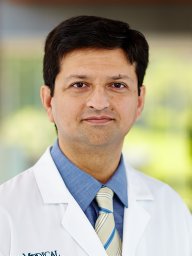 Mehdi Hamadani合作论文数Department of Hematology-Oncology, Oklahoma University Health Sciences Center55
 John R Wingard合作论文数Division of Hematology & Oncology, Department of Medicine, College of Medicine, University of Florida Health53Stephen Spellman合作论文数National Marrow Donor Program53
 Jeffery Auletta合作论文数49
 John C. Byrd合作论文数College of Medicine, University of Cincinnati47Rebecca B. Klisovic合作论文数47
 Edmund Waller合作论文数Department of Hematology and Medical Oncology, School of Medicine, Emory University;Winship Cancer Institute, Emory University45Marcelo C. Pasquini合作论文数Center for International Blood and Marrow Transplant Research, Medical College of Wisconsin45R Vij合作论文数43
 Daniel Weisdorf合作论文数Division of Hematology, Oncology and Transplantation, Department of Medicine, Medical School, University of Minnesota;Clinical and Translational Science Institute, University of Minnesota38
 Robert J. Soiffer合作论文数Department of Medical Oncology, Dana-Farber Cancer Institute;Division of Hematologic Malignancies, Dana-Farber Cancer Institute;Harvard Medical School36
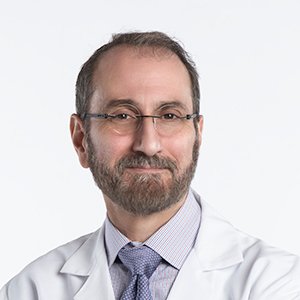 Guido Marcucci合作论文数Department of Hematologic Malignancies Translational Science, City of Hope;Division of Leukemia, City of Hope;Gehr Family Center for Leukemia Research, City of Hope35Stefanski Heather E合作论文数33Saber Wael合作论文数32
 Yi-Bin Chen合作论文数Mass General Research Institute, Massachusetts General Hospital;Harvard Medical School32Ramiro Garzon合作论文数and the Comprehensive Cancer Center, The Ohio State University32
 Mark R. Litzow合作论文数Division of Hematology, Department of Internal Medicine, Mayo Clinic31
 Hillard M. Lazarus合作论文数Department of Medicine, School of Medicine, Case Western Reserve University31Ronald Hoffman合作论文数31Gerard Lozanski合作论文数28W. Blum合作论文数27Asad Bashey合作论文数27
 Sergio A. Giralt合作论文数Division of Hematologic Malignancies, Memorial Sloan Kettering Cancer Center;Weill Cornell Medical College, Memorial Sloan Kettering Cancer Center26
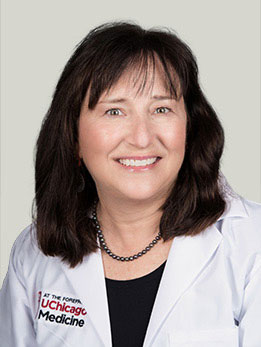 Wendy Stock合作论文数Department of Medicine, University of Chicago;Comer Children's Hospital;Duchossois Center for Advanced Medicine, The University of Chicago Medical Center25
 Nancy Geller合作论文数Division of Intramural Research, National Heart, Lung, and Blood Institute, National Institutes of Health25H Khoury合作论文数25Rb Geller合作论文数24Nosha Farhadfar合作论文数Department of Medicine, University of Florida23
 Philip McCarthy合作论文数Department of Medicine, Roswell Park Comprehensive Cancer Center;Jacobs School of Medicine and Biomedical Sciences, University at Buffalo23
 Miguel-Angel Perales合作论文数David H. Koch Center for Cancer Care, Memorial Sloan Kettering Cancer Center;Weill Cornell Medical College23
 Susan Geyer合作论文数Manager, Central processing23
 Koen Van Besien合作论文数Joan and Sanford I. Weill Department of Medicine, Weill Cornell Medicine, Cornell University22
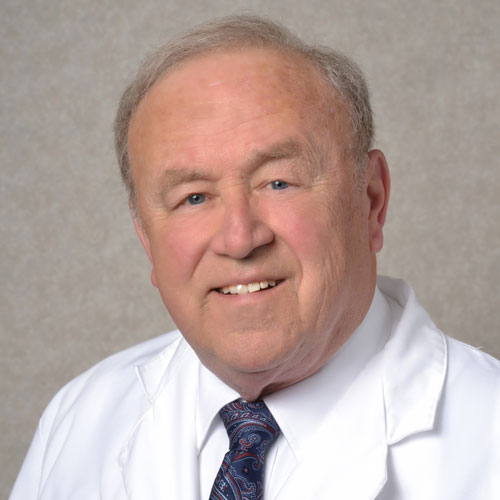 Michael R Grever合作论文数Comprehensive Cancer Center, Ohio State University22Adam Mendizabal合作论文数22Madan Jagasia合作论文数Department of Medicine, Vanderbilt University Medical Center22
 Ravi Vij合作论文数Siteman Cancer Center, Washington University22




