Degenerative calcific aortic valve stenosis (CAVS) is a chronic disease whose prevalence has increased over the last decade because of the aging of the general population. CAVS pathogenesis is characterized by complex molecular and cellular mechanisms that promote valve fibro-calcific remodeling. During the first phase, referred to as initiation, the valve undergoes collagen deposition and lipid and immune cell infiltration due to mechanical stress. Subsequently, during the progression phase, the aortic valve under-goes chronic remodeling through osteogenic and myofibroblastic differentiation of interstitial cells and matrix calcification. Knowledge of the mechanisms underlying CAVS development supports the resort to potential therapeutic strategies that interfere with fibro-calcific progression. Currently, no medical therapy has demonstrated the ability to significantly prevent CAVS development or slow its progression. The only treatment available in symptomatic severe stenosis is surgical or percutaneous aortic valve replacement. The aim of this review is to highlight the pathophysiological mechanisms involved in CAVS pathogenesis and progression and to discuss potential pharmacological treatments able to inhibit the main patho-physiological mechanisms of CAVS, including lipid-lowering treatment with lipoprotein(a) as emergent therapeutic target.
Intravenous leiomyomatosis (IVL) are rare and complex tumors, characterized by high rates of recurrences after surgical removal and the capability of multi-organ involvement including pulmonary embolization. Regarding the surgical treatment of Intracardiac Leiomiomatosis (ICL), only few articles have been published and no controlled data are available. A combined approach that involves a Team of Cardiologists, Heart Surgeons, Vascular surgeons and Radiologists seems to be successful in treating ICL.
BACKGROUND:The assessment of myocardial fiber deformation with cardiac magnetic resonance feature tracking (CMR-FT) has shown to be promising in terms of prognostic information in several structural heart diseases. However, little is known about its role in hypertrophic cardiomyopathy (HCM). Aims of the present study were: 1) to assess the prognostic role of CMR-FT derived strain parameters in patients with HCM. METHODS:CMR was performed in 130 consecutive HCM patients (93 males, mean age (54 ± 17 years) with an estimated 5-year risk of sudden cardiac death (SCD) <6% according to the HCM Risk-SCD calculator. 2D- and 3D-Global Radial (GRS), Longitudinal (GLS) and Circumferential (GCS) Strain was evaluated by FT analysis. The primary outcome of the study was a composite of major adverse cardiac events (MACE) including SCD, resuscitated cardiac arrest due to ventricular fibrillation (VF) or hemodynamically unstable ventricular tachycardia (VT), and hospitalization for heart failure. RESULTS:After a median follow-up of 51.7 (37.1-68.8) months, 4 (3%) patients died (all of them suffered from SCD) and 36 (28%) were hospitalized for heart failure. After multivariable adjustment for clinical and imaging covariates, among all strain parameters, only GLS remained a significant independent predictor of outcome events in both the model including 2D strain (HR 1.12, 95% CI 1.03-1.23, p = 0.01) and the model including 3D strain (HR 1.14, 95% CI 1.01-1.30, p = 0.04). The addition of 2D-GLS into the model with clinical and imaging predictors resulted in a significant increase in the C-statistic (from 0.48 to 0.65, p = 0.03). CONCLUSION:CMR-FT derived GLS is a powerful independent predictor of MACE in patients with HCM, incremental to common clinical and CMR risk factors including left ventricular ejection fraction and late gadolinium enhancement.
Antithrombotic drugs, which include antiplatelets and anticoagulants, are effective in prevention and treatment of many cardiovascular disorders such as acute coronary syndromes, stroke, and venous thromboembolism and are among the drugs most commonly prescribed worldwide. The advent of direct oral anticoagulants, which are safer alternatives to vitamin K antagonists and do not require laboratory monitoring, has revolutionized the treatment of nonvalvular atrial fibrillation and venous thromboembolism. The combination of oral anticoagulant and antiplatelet therapy is required in many conditions of great clinical impact such as the coexistence of atrial fibrillation and coronary artery disease, with indication to percutaneous coronary intervention. However, strategies that combine anticoagulant and antiplatelet therapies lead to a significant increase in bleeding rates and it is crucial to find the right combination in the single patient in order to optimize the ischemic and bleeding risk. The aim of this review is to explore the evidence and controversies regarding the optimal combination of anticoagulant and antiplatelet therapy through the consideration of past dogmas and new perspectives from recent clinical trials and to propose a tailored therapeutic approach, according to specific clinical scenarios and individual patient characteristics. In particular, we separately explored the clinical settings of stable and acute coronary syndromes and percutaneous revascularization in patients with atrial fibrillation.
Spontaneous coronary artery dissection (SCAD) is increasingly recognized as an important cause of myocardial infarction (MI). Currently there is little knowledge about prognostic factors for unfavorable outcome at long term follow-up; furthermore, there is also little knowledge about the genetics of these patients. Aims: This observational and retrospective study describes long-term cardiovascular outcomes of a population affected by SCAD and assesses predictors of recurrent de novo SCAD and major adverse cardiovascular events (MACE). Furthermore, a correlation between genotype and adverse events at follow-up was sought. Methods: Baseline characteristics, angiographic features, use of medication and long-term cardiovascular events were systematically ascertained between 2000 and 2019. Next generation sequencing was performed with a panel consisting of twenty genes of interest. Variants found were filtered based on their frequency and only frequencies <1% in the general population were considered as "positive". Results: Seventy patients were enrolled and followed for a median time of 39.1 months. Median age was 52 years and the majority were women (86%). Use of hormone therapy (HT) (OR 3.64, p = 0.041) and presence of malignant ventricular arrhythmias (VAs) at onset (OR 7.03, p = 0.0073) were associated with a greater risk of recurrent de novo SCAD. Proximal type SCAD (OR 8.47, p < 0.0001) and presence of VAs at onset (OR 9.97, p = 0.047) were associated with a greater risk of MACE. A potential SCAD-associated mutation was detected in 27 patients (44%); 6 patients (22%) defined as genetically "positive" developed MACE vs. 2 patients (6%) defined as "negative" (p = 0.06 at univariate analysis). MACE at follow-up is reached earlier in genetically positive patients (7.9 vs. 42.5 months). Conclusion: use of HT and VAs at SCAD onset are prognostic factors for recurrent de novo SCAD. Proximal SCAD site and VAs at SCAD onset were prognostic factors for MACE. Analysis by molecular genetics seems to be a promising tool for the possible additional role it could play in MACE prediction. (C) 2020 Elsevier B.V. All rights reserved.
Danon disease is characterized by hypertrophic cardiomyopathy, skeletal myopathy, and intellectual disability due to deficiency of the lysosome-associated membrane protein-2 (LAMP-2). Although heart transplantation is considered an option for end stage Danon cardiomyopathy, scarce information is available about long term follow up. We report on long term follow up (14.7 years, IQ range 9–21 years) of 4 patients, transplanted for Danon disease cardiomyopathy, showing two LAMP-2 gene variants, the novel c.815T > C and the previously reported c.294G > A. We have also analysed previous published paper on this topic comparing available data from different follow up. Being a skeletal and cardiac muscle disease, with systemic effects, long term results about HTx are indispensable to justify any treatments in this subset of patients.
Background Implantable cardioverter‐defibrillators (ICDs) are widely employed for the prevention of sudden cardiac death. Despite technological improvements, patients often need to undergo generator replacement, which entails the risk of periprocedural complications. Our aim was to estimate the service life of ICDs over a 10‐year interval and to assess the main causes of replacement on the basis of data from the National ICD Registry of the Italian Society of Arrhythmology and Cardiac Pacing (AIAC). Methods and Results The registry includes data from over 400 hospitals in Italy. We included all patients who underwent device replacement from calendar years 2007 to 2016. The median service life of the ICDs and its trend over the years was estimated across the 3 types of devices (single‐chamber, dual‐chamber, cardiac resynchronization therapy defibrillator) and the indication to implantation. The causes of replacement were also analyzed. We included 29 158 records from 27 676 patients (80.9% men; mean age at device replacement 65.8±12.0 years). The median service life was 57.3 months (interquartile range 27.8 months). Over the years, service life showed an increasing trend. The majority of patients underwent elective replacement because of battery end of life, and over the years there was a significant reduction of replacement for recalls, erosion/infections, and cardiac resynchronization therapy upgrading. Conclusions Our data from a large single‐nation population showed that the trend of ICD service life, independently from ICD type, indication, and settings, significantly improved over time. Moreover, there was a striking reduction of interventions for upgrading and infection/erosion. This favorable trend has important clinical, organizational, and financial implications.
BackgroundNon-sustained ventricular tachycardia (NSVT) can occur asymptomatically and can be incidentally detected in the internal records of pacemakers (PM). The clinical value of NSVT in the population of PM patients is still uncertain.Our aim was to assess the prevalence of NSVT detected by remote PM control, to describe the clinical and demographic characteristics of patients with NSVT, and to assess the prognostic significance of NSVT in terms of both overall and cardiovascular mortality.MethodsConsecutive patients followed with PM remote interrogations from September 2010 to December 2015 were included. The transmissions pertaining to the first 12 months of remote control were analysed and the patients were divided by those presenting NSVT and those without NSVT. The two groups were compared in terms of total mortality and cardiovascular mortality based on the administrative data provided by the regional administration of the Italian National Health System.ResultsThe prevalence of NSVT in 408 patients (62% males, mean age 75.6; SD 10.6 years old) was 21% in a year. During a mean follow-up duration of 44 months, NSVT did not emerge as independently associated with overall mortality, but was associated with cardiovascular mortality in a competing risk regression model with older age, male gender, diabetes, chronic renal insufficiency, ischemic cardiomyopathy and chronic obstructive pulmonary disease.ConclusionsWe show that NSVT episodes recorded by remote control in a PM population are independently associated with cardiovascular mortality with possible implications for risk stratification and therapeutic options.
Aim: The body mass index (BMI), the most used anthropometric index of obesity, has an important limitation, not taking into consideration the distribution of body fat. We developed a new simple index: the waist-corrected BMI (wBMI), calculated as waist circumference (WC) × BMI. The study aim was to assess the role of wBMI, compared to BMI, WC, and Waist-to-Height Ratio (WHtR) in predicting abnormal cardiac geometry, insulin resistance, increased arterial stiffness, and dyslipidemia. Methods: This was a cross-sectional study that included 805 patients referred to our Department of Preventive Cardiology for risk factors evaluation and treatment. Eleven echographic and laboratory parameters were determined, and receiver operating characteristic (ROC) curves were derived. Areas under ROC curves (AUC) were used to assess the accuracy of the four indexes to identify unfavorable characteristics. Results: There were 29% overweight, 59% obese, and 77% hypertensive patients. Of 11 echographic and laboratory parameters, wBMI, BMI, WHtR, and WC had the largest AUC for identifying 3, 1, 6, and 1 parameters, respectively, but with overlapping 95% confidence intervals. wBMI had the largest AUC for increased arterial stiffness and insulin resistance; also, it was superior to BMI for increased left atrial volume, relative wall thickness, and triglyceride level. Conclusions: In a large population with a high prevalence of obesity and hypertension, all four indexes were associated with unfavorable characteristics. wBMI has the theoretical advantage of taking into account simultaneously the global fat mass and distribution and might be useful for a better cardiovascular risk assessment.
Pharmacologic challenge with sodium channel blockers is part of the diagnostic workout in patients with suspected Brugada syndrome. The test is overall considered safe but both ajmaline and flecainide detain well known pro-arrhythmic properties. Moreover, the treatment of patients with life-threatening arrhythmias during these diagnostic procedures is not well defined. Current consensus guidelines suggest to adopt cautious protocols interrupting the sodium channel blockers as soon as any ECG alteration appears. Nevertheless, the risk of life-threatening arrhythmias persists, even adopting a safe and cautious protocol and in absence of major arrhythmic risk factors. The authors revise the main published case studies of sodium channel blockers challenge in adults and in children, and summarize three cases of untreatable ventricular arrhythmias discussing their management. In particular, the role of advanced cardiopulmonary resuscitation with extra-corporeal membrane oxygenation is stressed as it can reveal to be the only reliable lifesaving facility in prolonged cardiac arrest.
Background: Extensive evidence exists about the prognostic role of systolic blood pressure (SBP) reduction <= 140 mm Hg. Recently, the SPRINT trial successfully tested the strategy of lowering SBP < 120 mm Hg in patients with arterial hypertension (AH). Aim: To assess whether the SPRINT results are reproducible in a real world community population. Methods: Cross-sectional, population-based study analyzing data of 24,537 Caucasian people with AH from the Trieste Observatory of CV disease, 2010 to 2015. We selected and divided 2306 subjects with AH according to the SPRINT trial criteria; similarly, SPRINT clinical outcomes were considered. Results: Study patients median age was 75 +/- 8 years, two third male, one third had ischemic heart disease. They were older, with lower body mass index, higher SBP and Framingham CV risk score than the SPRINT patients. Three-hundred-sixty-eight patients (16%) had SBP < 120 mm Hg. During 48 [36-60] months of follow-up, 751 patients (32%) experienced a major adverse cardiac event (MACE). The SBP < 120 mm Hg group had higher incidence of MACE, CV deaths and all-cause death than SBP >= 120 mm Hg group (37% vs 31%; 10% vs 4%; 19% vs 10%, all p < 0.05). The condition of SBP < 120 mm Hg was an independent predictor of MACE in multivariate Cox analysis together with older age, male gender, higher Charlson score. Conclusions: In our experience, the SBP < 120 mm Hg condition is associated with worse clinical outcomes, suggesting the SPRINT results are not reproducible tout court in Caucasian community populations. These differences should be taken as a warning against aggressive reducing of SBP < 120 mm Hg. (C) 2017 European Federation of Internal Medicine. Published by Elsevier B.V. All rights reserved.
Hypertensive hypokinetic cardiomyopathy (HHC) is defined by left ventricular (LV) systolic dysfunction with a history of systemic hypertension as the only possible cause. Although commonly encountered in clinical practice, its characterization and differences with true idiopathic dilated cardiomyopathy (IDC) are lacking. The aim of this study was to characterize the clinical instrumental features and the natural history of HHC. We analyzed the data of 4,191 patients referred to our center for newly diagnosed LV systolic dysfunction from 2005 to 2010. Of them, 310 presented idiopathic LV systolic dysfunction (LV ejection fraction <50%): 136 (44%) had a history of systemic hypertension and were defined HHC. The remaining 174 patients were considered IDC. Compared with patients with IDC, those with HHC were older (63 11 vs 47 14 years, p <0.001), with worse comorbidity profile, higher blood pressure, and increased LV mass. During follow-up, patients with HHC showed earlier and higher proportion of LV reverse remodeling (46% vs 21% at 6 months' follow-up). Moreover, they had a better long-term survival free from cardiovascular death/ventricular assist device/heart transplant/malignant ventricular arrhythmias (5.1 vs 12.6 in HHC and IDC, p = 0.03). Indeed, their mortality was mainly driven by noncardiovascular causes (at 10 years 9.6% vs 1.7% in HHC and IDC, p <0.001). In conclusion, HHC has a high prevalence among patients with "idiopathic" LV dysfunction. The natural history of patients with HHC is characterized by a rapid response to optimal therapy for heart failure, a favorable cardiovascular outcome, and a relevant incidence of noncardiovascular events. (C) 2016 Elsevier Inc. All rights reserved.
In a 23-year-old man having myocarditis in the context of eosinophilic granulomatosis with polyangiitis, a mobile left ventricular apical thrombus was found with transthoracic echocardiography. Its surgical removal was established because there were no signs of resizing after effective intravascular anticoagulation therapy. Surgery was carried out via a median sternotomy with cardiopulmonary bypass. The site of endocardial implantation of the thrombus was identified with epicardial ultrasonography scan. The trans-aortic approach was adopted to avoid complications such as ventricular dysfunction and arrhythmias secondary to ventricular incision. Real-time imaging of the complete removal was obtained with optical instruments.
Dilated cardiomyopathy (DCM) is a relatively rare primary heart muscle disease with genetic or post-inflammatory etiology. In the last decade, the incidence and prevalence of the disease have significantly increased as a consequence of an earlier diagnosis supported by extensive familial screening programs and by the improvement in diagnostic techniques. Moreover, current therapeutic strategies have deeply modified the prognosis of DCM with a dramatic reduction in mortality. A significant number of patients with DCM present an impressive response to pharmacological and non-pharmacological therapy in terms of left ventricular reverse remodeling (reduction in ventricular size with improvement of systolic function), which confers a more favorable prognosis in the long term. However, the identification of patients with an increased likelihood of improvement after therapeutic optimization remains a challenging issue; in particular the assessment of arrhythmic risk carries important implications. Finally, the long-term follow-up of patients showing a significant left ventricular functional recovery under optimal treatment is still poorly known. Hence, the aim of the present review is to provide an insight into the clinical evolution/long-term follow-up of DCM, which should be actually considered a dynamic process rather than a static and chronic disease. Left ventricular reverse remodeling should be considered a key therapeutic goal, mostly associated with a long-standing recovery, but cannot be considered the expression of permanent "healing", confirming the need for a systematic and careful follow-up over time in this setting.
Noncoronary aortic cusp (NCAC) in the aorta represents a challenging location for catheter ablation of focal atrial tachycardias (ATs) arising near the His-bundle region. The purpose of this study was to provide an updated report on the methods, efficacy, and safety of catheter ablation of ATs originating from NCAC. The study population includes 23 patients (18 women [78%], mean age 65 12 years) with highly symptomatic AT. The atrial mapping was performed during tachycardia to define the earliest atrial activation site. Electrophysiological mapping of the right atrium was initially performed, followed by aortic root mapping when earliest activation was recorded in the proximal electrode of the His-bundle catheter. A direct ablation approach from NCAC was used in every patient independently by the local activation time. Ablations were performed using a steerable 4-mm tip nonirrigated catheter in all patients. Radiofrequency energy resulted in the disappearance of arrhythmias in 22 of the 23 patients (95%). In all procedures, there were no complications. During a mean follow-up of 41 25 months, no patient presented with a recurrence, except the 1 patient where the ablation was not effective. In conclusion, catheter ablation of para-hisian ATs through a direct approach from NCAC shows to be safe and effective after 1 procedure per patient. (C) 2016 Elsevier Inc. All rights reserved.
Biological immune-modulator drugs, especially inhibitors of tumor necrosis factor-α, are frequently encountered in modern clinical practice and opportunistic infections are therefore a common concern. Infective pericarditis has been described as a complication of these treatments with possible life-threatening consequences. In similar cases cultures may isolate multiple opportunistic bacteria from the pericardial fluid without specific identification of the responsible germ, representing a problem for targeted antibiotic therapy. We present a case of acute pericarditis evolving in pericardial constriction and cardiac tamponade in a patient treated with adalimumab for psoriatic arthritis overlapping with recurrent polychondritis. Next-generation sequencing allowed the identification of a common oral pathogen as the aetiological agent confirming its role in the identification of species that can be overlooked by common microbiological techniques.
The aim of the study was to assess the clinical and prognostic impact of early functional mitral regurgitation (FMR) improvement on the outcome of patients with idiopathic dilated cardiomyopathy (IDC). The prevalence and prognostic role of FMR improvement, particularly at early follow-up, in patients with IDC are still unclear. From 1988 to 2009, we enrolled 470 patients with IDC with available FMR data at baseline and after 6 ± 2 months. According to the evolution of FMR, patients were classified into 3 groups: stable absent-mild FMR, early FMR improvement (downgrading from moderate-severe to absent-mild), and persistence/early development of moderate-severe FMR. At baseline, 177 of 470 patients (38%) had moderate-severe FMR. Patients with early FMR improvement had significantly better survival rate-free from heart transplant with respect to those with persistence/early development of moderate-severe FMR (93%, 81%, and 66% vs 91%, 64%, and 52% at 1, 6, and 12 years, respectively; p = 0.044). At 6-month follow-up multivariate analysis, FMR improvement was associated with better prognosis (hazard ratio 0.78, 95% confidence interval [CI] 0.64 to 0.96, p = 0.02); the other independent predictors were male gender, heart failure duration, and early re-evaluation of the New York Heart Association class and left ventricle systolic function. This model provided more accurate risk stratification compared with the baseline model (Net Reclassification Index 80% at 12 months and 41% at 72 months). In conclusion, in a large cohort of patients with IDC receiving optimal medical treatment, early improvement of FMR was frequent (53%) and emerged as a favorable independent prognostic factor with an incremental short- and long-term power compared with the baseline evaluation.
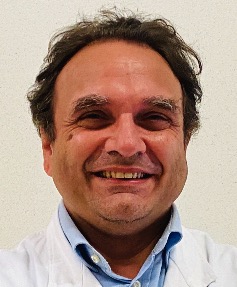 Gianfranco Sinagra合作论文数Department of Medicine, Surgery and Health Sciences, University of Trieste;Cardiothoracovascular Department, University Hospital Trieste7
 Alessandro Proclemer合作论文数6
 Andrea Di Lenarda合作论文数4
 Annamaria Anna Maria Anita Iorio合作论文数4
 Marco Merlo合作论文数3Luca Rebellato合作论文数3
 Corrado Lanera合作论文数Unit Biostat Epidemiol & Publ Hlth, Univ Padua3
 Mauro Toniolo合作论文数3
 Ugolino Livi合作论文数3Gigli Marta合作论文数Cardiovascular Department, "Ospedali Riuniti"and University of Trieste3
 Davide Stolfo合作论文数3
 Concetta Di Nora合作论文数3Bruno Pinamonti合作论文数3
 Giulia Barbati合作论文数Department of Environmental Medicine and Public Health, University of Padua3
 Furio Colivicchi合作论文数2Davide Zanuttini合作论文数2Annamaria De Bellis合作论文数2Domenico Gabrielli合作论文数2
 Stefania Angela Di Fusco合作论文数2Fabris Enrico合作论文数2
 Negri Francesco合作论文数Cardiovascular Department, 'Ospedali Riuniti and University of Trieste'2
 Igor Vendramin合作论文数Cardiothoracic Departement, University Hospital of Udine2Daleffe Elisabetta合作论文数2
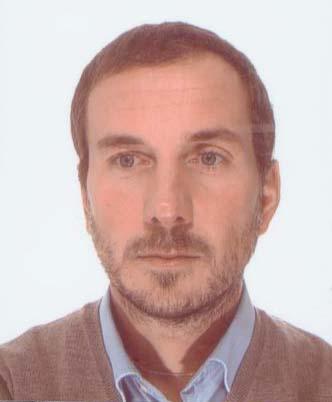 Dario Gregori合作论文数Department of Cardiac, Thoracic and Vascular Sciences, University of Padova2Massimo Imazio合作论文数2
 Massimo Zecchin合作论文数2Domenico Facchin合作论文数2
 Michele Massimo Gulizia合作论文数1
 Maurizio Landolina合作论文数1Giovanni Donato Aquaro合作论文数1
 Bogdan Alexandru Popescu合作论文数1Andreea Ravasel合作论文数1Sara Scapol合作论文数1Massimo Burelli合作论文数1Alessandro De Pellegrin合作论文数1Marco Cittar合作论文数1Michela Puppato合作论文数1Stefano Aquilani合作论文数1Chiara Tioni合作论文数1Dario Sut合作论文数1Massimo Maiani合作论文数1Irena Tavcar合作论文数1Gerardina Lardieri合作论文数1Iulian Cosei合作论文数1Antonella Miconi合作论文数1Marco Milo合作论文数1Lina Sparacino合作论文数1Teodoro Bisceglia合作论文数1
 Spedicato Leonardo合作论文数1




