Transcranial functional ultrasound is a relatively new technology for assessing functional responses in the brain. So far, transcranial functional ultrasound without contrast agents has only been applied to human imaging during surgery with the skull removed or in imaging neonates. Here, we demonstrate the feasibility of transcranial functional ultrasound through the adult skull. To overcome the severe attenuation from the skull we use a previously developed a compound Barker coded excitation method. For clutter filtering, we use an adaptive demodulation motion correction method with singular value decomposition (SVD) filtering. As a demonstration, we assess cerebrovascular reactivity induced by a breath hold. We measured the power Doppler signal in the vasculature surrounding the midbrain in a healthy adult volunteer during a five minute task of alternating free breathing and breath holding periods. We showed that the power Doppler signal in the blood vessels was highly correlated to the breath hold task (ρ=0.53) and the oxygen saturation (ρ=0.61) as measured by finger pulse oximeter. We also observed a delayed vasodilatory response in the power Doppler signal that reflected the delayed drop in oxygen saturation from the breath hold. These results demonstrate that contrast-free transcranial functional imaging in adults is possible using coded excitation to increase SNR and blood flow sensitivity and with appropriate motion compensation and clutter filtering techniques.
With the incidence of end-stage heart failure steadily increasing, the need for a practical total artificial heart (TAH) has never been greater. Continuous flow TAHs (CFTAH) are being developed using rotary blood pumps (RBPs), leveraging their small size, mechanical simplicity, and excellent durability. To completely replace the heart with currently available RBPs, two are required; one for providing pulmonary flow and one for providing systemic flow. To prevent hazardous states, it is essential to maintain balance between the pulmonary and systemic circulation at a wide variety of physiologic states. In this study, we investigated factors determining a CFTAH's inherent ability to balance systemic and pulmonary flow passively, without active management of pump rotational speed. Four different RBPs (ReliantHeart HA5, Thoratec HMII, HeartWare HVAD, and Ventracor VentrAssist) were used in various combinations to construct CFTAHs. Each CFTAH's ability to autonomously maintain pressures and flows within defined ranges was evaluated in a hybrid mock loop as systemic and pulmonary vascular resistance (PVR) were changed. The resistance box, a method to quantify the range of vascular resistances that can be safely supported by a CFTAH, was used to compare different CFTAH configurations in an efficient and predictive way. To reduce the need for future in vitro tests and to aid in their analysis, a novel analytical evaluation to predict the resistance box of various CFTAH configurations was also performed. None of the investigated CFTAH configurations fully satisfied the predefined benchmarks for inherent flow balancing, with the VentrAssist (left) and HeartAssist 5 (right) offering the best combination. The extent to which each CFTAH was able to autonomously maintain balance was determined by the pressure sensitivity of each RPB: the sensitivity of outflow to changes in the pressure head. The analytical model showed that by matching left and right pressure sensitivity the inherent balancing performance can be improved. These findings may ultimately lead to a reduced need for manual speed changes or active control systems.
(1) Background: Increased respiratory rates (RRs) are described in several medical conditions, including pneumonia, bronchiolitis and asthma. There is variable methodology on how centiles for RR are derived in healthy children. Available age percentiles for RR have been generated using methods that have the potential themselves to alter the rate. (2) Methods: An optical respiratory sensor was used to measure RR. This technique enabled recording in awake children without the artefact of the observer’s presence on the subject’s RR. A cross-sectional sample of healthy children was obtained from maternity wards, childcare centres and schools in Brisbane, Queensland, Australia. (3) Results: RRs were observed in 560 awake and 103 sleeping children of which data from 320 awake and 94 sleeping children were used to develop centile charts for children from birth to 13 years of age. RR is higher when children are awake compared to asleep. There were significant differences between awake and sleeping RR in young children. The awake median RR was 59.3 at birth and 25.4 at 3 years of age. In comparison, the median sleeping RR was 41.4 at birth and 22.0 at 3 years. (4) Conclusions: The centile charts will assist in determining abnormal RRs in children and will contribute to further systematic reviews related to this important vital sign. This is particularly in relation to the data on children aged from 0 to 3 years, where data are presented on both the awake and sleeping state. Many studies in the literature fail to acknowledge the impact of sleep state in young children on RR.
The combination of optical modalities is a common practice to improve the efficiency of biomedical optics systems. We propose confocal laser feedback tomography for volumetric dual-modality imaging. Two major modalities of laser Doppler flowmetry and reflectance confocal microscopy were integrated, and the signals were concurrently acquired for cross-sectional and volumetric imaging, by means of a compact laser scanning system. The technique was applied to a two-layered skin tissue phantom containing a 200-mu m-diameter intralipid flow channel that features functional and morphological changes at the same time. Results show the potential for concurrent 3-D mapping of dynamic and static inhomogeneities in a highly scattering medium which can improve the contrast in non-invasive biological tissue imaging, providing a confocal image in addition to the Doppler flowmetry image.
Intra-articular hip joint pathology is a source of hip and groin pain in active individuals and is thought to be a precursor to hip osteoarthritis. Limited evidence exists to guide appropriate physiotherapy management for these patients. Identification of which hip muscles are affected may help clinicians to develop effective exercise programs. A cross-sectional observational study in a hospital setting was conducted to investigate the size of individual hip abductor, hip extensor, and hip external rotator muscles in patients with acetabular labral joint pathology compared with age and sex matched healthy subjects. Twelve participants (eight females, four males), aged 20-53 years, with a medical diagnosis of unilateral acetabular labral tear and 12 healthy participants were recruited. Magnetic resonance imaging was used to assess cross-sectional areas of the gluteus minimus, gluteus medius, upper gluteus maximus, lower gluteus maximus, piriformis, and quadratus femoris muscles bilaterally. Gluteus medius muscle cross-sectional area was significantly different between groups (P < 0.01, effect size = 0.92) with muscle size found to be smaller in the pathology group. No differences were found for the other hip muscles (P > 0.05). These findings suggest that hip muscles are not all affected equally by the presence of intra-articular hip joint pathology. Atrophy of specific hip muscles, which are important in hip joint and pelvic stability, may alter hip joint function during gait and functional tasks. Clinicians treating patients with intra-articular hip joint pathology may need to prescribe exercises targeting the specific muscles with demonstrated dysfunction. Clin. Anat. 33:538-544, 2020. © 2019 Wiley Periodicals, Inc.
We propose confocal laser feedback microscopy for in-depth imaging of highly scattering samples. This technique provides a compact configuration for microscopy in reflectance mode; it is based on laser feedback interferometry which is a sensing technique where the laser acts as both transmitter and receiver of the beam. Operating at 850 nm, it offers an ideal platform for non-invasive and in vivo imaging of soft biological tissues. To explore the technique, the authors performed microscopic imaging of micro-glass-spheres (with diameter sizes of 10-20 mu m) deep within an agar gel sample, at depth of 0.43 mm from the surface. Experimental results show the feasibility of a compact, low-cost, and simple laser-scanning microscope with possible biomedical imaging applications.
Specular reflection from the surface of targets or prepared specimens represents a significant problem in optical microscopy and related optical imaging techniques as usually the surface reflection does not contribute to the desired signal. Solutions exist for many of these imaging techniques; however, remedial techniques for imaging based on laser feedback interferometry (LFI) are absent. We propose a reflection cancellation technique based on crossed-polarization filtering that is tailored for a typical LFI configuration. The technique is validated with three experimental designs, and a significant improvement of about 40 dB in the ratio of the diffuse and specular LFI signal is observed. Applications of this principle extend from specular reflection removal to characterization of target materials in industrial to biomedical domains. (C) 2018 Optical Society of America
In this work, we present a method to discriminate between different microparticle sizes in mixed flowing media based on laser feedback interferometry, which could ultimately form the basis for a small, low-cost, real-time microembolus detector. We experimentally evaluated the performance of the system using microparticle phantoms, and the system achieved approximately 45% positive predictive value and better than 98% negative predictive value in the detection and classification of abnormally large particles.
Over the last decade, terahertz (THz) time-domain spectroscopy has been investigated as a technique for assaying the ethanol content of liquid solutions-indeed, operating at THz frequencies addresses some of the challenges that traditional optical refraction measurements face, such as delineation between sugar-ethanol content, florescence, and problems arising from carbonation or other dissolved gasses. In this article, we propose an alternative system and method for assaying ethanol content of liquid solutions at THz frequencies, which employs a laser feedback interferometer built around a 2.6-THz quantum cascade laser. The system is tested against a series of controlled water-ethanol solutions, as well as a series of commercially available beverages. The accuracy of the estimated ethanol content compares favorably to THz time-domain spectroscopy techniques.
Study ObjectivesPulse-oximetry (SpO(2)) allows the identification of important clinical physiology. However, summary statistics such as mean values and desaturation incidence do not capture the complexity of the information contained within continuous recordings. The aim of this study was to develop an objective method to quantify important SpO(2) characteristics; and assess its utility in healthy infant and preterm neonate cohorts. MethodsAn algorithm was developed to calculate the desaturation incidence, depth, and duration. These variables are presented using three plots: SpO(2) cumulative-frequency relationship; desaturation-depth versus incidence; desaturation-duration versus incidence. This method was applied to two populations who underwent nocturnal pulse-oximetry: (1) thirty-four healthy term infants studied at 2-weeks, 3, 6, 12, and 24-months of age and (2) thirty-seven neonates born <26 weeks and studied at discharge from NICU (37-44 weeks post-conceptual age). ResultsThe maturation in healthy infants was characterized by reduced desaturation index (27.2/h vs 3.3/h at 2-weeks and 24-months, P<0.01), and increased percentage of desaturation events 6-s in duration (27.8% vs 43.2% at 2-weeks and 3-months, P<0.01). Compared with term-infants, preterm infants had a greater desaturation incidence (54.8/h vs 27.2/h, P<0.01), and these desaturations were deeper (52.9% vs 37.6% were 6% below baseline, P<0.01). The incidence of longer desaturations (14-s) in preterm infants was correlated with healthcare utilization over the first 24-months (r=0.63, P<0.01). ConclusionsThis tool allows the objective comparison of extended oximetry recordings between groups and for individuals; and serves as a basis for the development of reference ranges for populations.
Short pauses or "transition-periods" at the end of expiration and prior to subsequent inspiration are commonly observed during sleep in humans. However, the role of transition periods in regulating ventilation during physiological challenges such as partial airway obstruction (PAO) has not been investigated. Twenty-nine obstructive sleep apnea patients and eight controls underwent overnight polysomnography with an epiglottic catheter. Sustained-PAO segments (increased epiglottic pressure over ≥5 breaths without increased peak inspiratory flow) and unobstructed reference segments were manually scored during apnea-free non-REM sleep. Nasal pressure data was computationally segmented into inspiratory (TI, shortest period achieving 95% inspiratory volume), expiratory (TE, shortest period achieving 95% expiratory volume), and inter-breath transition period (TTrans, period between TE and subsequent TI). Compared with reference segments, sustained-PAO segments had a mean relative reduction in TTrans (-24.7±17.6%, P<0.001), elevated TI (11.8±10.5%, P<0.001), and a small reduction in TE (-3.9±8.0, P≤0.05). Compensatory increases in inspiratory period during PAO are primarily explained by reduced transition period and not by reduced expiratory period.
Tomographic imaging of soft tissue such as skin has a potential role in cancer detection. The penetration of infrared wavelengths makes a confocal approach based on laser feedback interferometry feasible. We present a compact system using a semiconductor laser as both transmitter and receiver. Numerical and physical models based on the known optical properties of keratinocyte cancers were developed. We validated the technique on three phantoms containing macro-structural changes in optical properties. Experimental results were in agreement with numerical simulations and structural changes were evident which would permit discrimination of healthy tissue and tumour. Furthermore, cancer type discrimination was also able to be visualized using this imaging technique.
Terahertz (THz) quantum cascade lasers (QCLs) are compact sources of radiation in the 1–5 THz range with significant potential for applications in sensing and imaging. Laser feedback interferometry (LFI) with THz QCLs is a technique utilizing the sensitivity of the QCL to the radiation reflected back into the laser cavity from an external target. We will discuss modelling techniques and explore the applications of LFI in biological tissue imaging and will show that the confocal nature of the QCL in LFI systems, with their innate capacity for depth sectioning, makes them suitable for skin diagnostics with the well-known advantages of more conventional confocal microscopes. A demonstration of discrimination of neoplasia from healthy tissue using a THz, LFI-based system in the context of melanoma is presented using a transgenic mouse model.
We propose a compact, self-aligned, low-cost, and versatile infrared diffuse-reflectance laser imaging system using a laser feedback interferometry technique with possible applications in in vivo biological tissue imaging and skin cancer detection. We examine the proposed technique experimentally using a three-layer agar skin phantom. A cylindrical region with a scattering rate lower than that of the surrounding normal tissue was used as a model for a non-melanoma skin tumour. The same structure was implemented in a Monte Carlo computational model. The experimental results agree well with the Monte Carlo simulations validating the theoretical basis of the technique. Results prove the applicability of the proposed technique for biological tissue imaging, with the capability of depth sectioning and a penetration depth of well over 1.2 mm into the skin phantom.
 Aleksandar Rakic合作论文数Photonics and Microwave Engineering Group, School of Information Technology and Electrical Engineering, Faculty of Engineering, Architecture and Information Technology, The University of Queensland25
 Philip Terrill合作论文数School of Electrical Engineering and Computer Science, Faculty of Engineering, Architecture and Information Technology, The University of Queensland21
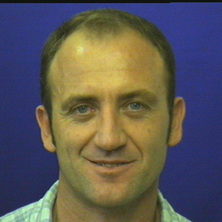 Stuart Crozier合作论文数Faculty of Engineering, Architecture and Information Technology, University of Queensland20
 Karl Bertling合作论文数School of Information Technology and Electrical Engineering, Faculty of Engineering, Architecture and Information Technology, The University of Queensland19Yah Leng Lim合作论文数university of queensland19
 Sadasivam Suresh合作论文数Department of Respiratory and Sleep Medicine, The Mater Children's Hospital18Julie A. Hides合作论文数17
 Thomas Taimre合作论文数School of Mathematics and Physics, Faculty of Science, The University of Queensland16
 Jong Yong Abdiel Foo合作论文数15David M Cooper合作论文数13Carolyn Dakin合作论文数12
 Giles Davies合作论文数School of Electronic and Electrical Engineering, Faculty of Engineering and Physical Sciences, University of Leeds12
 Edmund Linfield合作论文数School of Electronic and Electrical Engineering, Faculty of Engineering and Physical Sciences, University of Leeds12
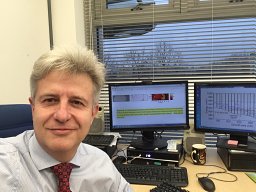 Dragan Indjin合作论文数School of Electronic and Electrical Engineering;University of Leeds;School of Electronic and Electrical Engineering, University of Leeds12Carolyn Richardson合作论文数GravityFit Pty Ltd11
 Alexander Valavanis合作论文数Institute of Microwaves and Photonics;School of Electronic and Electrical Engineering;University of Leeds;School of Electronic and Electrical Engineering, University of Leeds11Warren R. Stanton合作论文数School of Physiotherapy, Australian Catholic University11
 Daniel L Belavy合作论文数Charite, Ctr Muscle & Bone Res, D-13353 Berlin, Germany10
 Suraj P Khanna合作论文数CSIR-National Physical Laboratory;Academy of Scientific and Innovative Research10Paul Dean合作论文数9
 Andrew P. Bradley合作论文数University of the Sunshine Coast9Gordon R. Williams合作论文数8
 Feng Liu合作论文数School of Information Technology and Electrical Engineering, The University of Queensland8
 Dieter Felsenberg合作论文数7
 Adnan Trakic合作论文数Sch Informat Technol & Elect Engn, Univ Queensland7C. Dakin合作论文数7
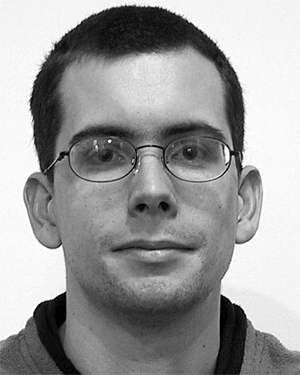 Ben Appleton合作论文数6
 Russell Kliese合作论文数Sch. of Inf. Technol. & Electr. Eng., Univ. of Queensland;c;Sch. of Inf. Technol. & Electr. Eng., Univ. of Queensland6
 Nikolic, M.合作论文数6
 Peter Soyer合作论文数Dermatology Research Centre, Frazer Institute, Faculty of Medicine, The University of Queensland6
 Bradley A Edwards合作论文数Monash Biomedicine Discovery Institute, School of Psychological Sciences, Monash University6
 Alireza Mowla合作论文数6
 Scott Sands合作论文数Monash Institute of Medical Research, Monash University6Joern Rittweger合作论文数5
 Paul Harrison合作论文数5
 Garun Hamilton合作论文数Monash Health, Monash University;Epworth Sleep Centre5Lachab Mohammad合作论文数5
 Herbert Jeremy合作论文数5
 Katie McMahon合作论文数School of Clinical Sciences, Faculty of Health, Queensland University of Technology5
 Andrew Mehnert合作论文数5
 Tarl Prow合作论文数Skin Research Centre, Hull York Medical School;Faculty of Sciences, University of York5
 Mark W. Strudwick合作论文数5
 Miguel Angel Fuentes合作论文数Santa Fe Institute5P. I. Terrill合作论文数4C. Parsley合作论文数4d m cooper合作论文数4R. Pierce合作论文数4J. Trinder合作论文数4Gabriella Constantinescu合作论文数4




