BACKGROUND:Circulating levels of Cancer Antigen (CA) 15-3 have been associated with distant breast cancer (bc) recurrence; data on bc subtypes is sparse. We examined associations of CA 15-3 with outcomes across immunohistochemically defined bc subtypes in MA.32. METHODS:3649 participants with T1-3, N0-1, M0 bc were randomized; 2740 (75.1%) provided blood at entry (mean 278 days post diagnosis) and 6 months later. Prognostic associations of baseline and 6-month change in CA 15-3 with distant recurrence free survival (DRFS) were examined in luminal (ER/PgR positive, HER2 negative), triple negative (ER, PgR, HER2 negative) and HER2 positive (any ER/PgR) bc using Cox proportional hazards models. RESULTS:Mean age was 52 years. bc was luminal in 1589 (58.7%), triple negative in 655 (24.2%) and HER2 positive in 464 (17.1%). Median follow-up was 96 months. CA 15-3 at study entry was not associated with outcome in any subtype. Rising CA 15-3 at 6 months was associated with poor DRFS in luminal and triple negative bc (HR per 25% increase = 1.41, P < 0.0001 and 1.35, P < 0.0001, respectively). New elevations in CA 15-3 at 6 months were adversely associated with DRFS in those with luminal or triple negative bc (HR 4.14, 95% CI 2.69-6.38, P < 0.001 and HR 3.57, 95% CI 1.59-7.99, P = 0.002, respectively). In HER2+ bc, CA15-3 was not associated with DRFS. CONCLUSION:Rising CA 15-3 was associated with reduced DRFS in luminal and triple negative bc but not in HER2 positive bc. CLINICAL TRIAL REGISTRATION:ClinicalTrials.gov NCT01101438.
The DestinyBreast (DB)04 and DB06 trials have shown clinical activity of trastuzumab-deruxtecan (T-DXd) in HER2-low and HER2-ultralow metastatic breast cancer. The identification of HER2-low and HER2-ultralow breast cancer is therefore essential for personalized therapy with T-DXd. We evaluated 723 residual tumors from the Penelope-B trial (NCT01864746) and correlated different levels of HER2 protein expression with prognosis and messenger RNA (mRNA) profiles, including HER2 transcripts. In Penelope-B, 57.68% (n = 417) of 723 residual tumors were HER2 low. The HER2-ultralow category was assigned to 109 (15.08%) tumors, and 197 (27.25%) tumors were completely HER2 negative (HER2 0). In Kaplan-Meier analysis, there were no survival differences among these 3 subgroups. There was no significant difference in HER2 mRNA expression between HER2-0 and HER2-ultralow tumors (P = .08). In contrast, there was a highly significant difference in HER2 mRNA expression between HER2-ultralow and HER2-low tumors (P < .0001) and between HER2-low and HER2-positive tumors (P < .0001). The extracellular protease cathepsin L, which has been suggested as a biomarker for extracellular cleavage of T-DXd, was detectable in all HER2-related subgroups and was a negative prognostic factor for invasive disease-free survival and overall survival (P = .0001) in preneoadjuvant core biopsies. In our study, we were able to characterize HER2 low as a clinically relevant and molecular defined tumor group with significantly increased HER2 expression. In contrast, for HER2 ultralow, we did not observe a defined molecular phenotype, despite the clinically relevant regulatory approval of T-DXd also in the ultralow subgroup. Additional investigations are needed to identify biomarkers beyond HER2 for T-DXd response as a basis for refined criteria for treatment eligibility.
Hormone receptor-positive, human epidermal growth factor receptor 2-negative (HR+/HER2-) early breast cancer (EBC) is the most common breast cancer subtype and encompasses a biologically heterogeneous group of tumours. Endocrine therapy (ET) remains the cornerstone of treatment, but decisions regarding chemotherapy, cyclin-dependent kinase 4 and 6 (CDK4/6) inhibitors, and bone-modifying agents must be tailored to tumour biology, clinical stage, and menopausal status. REAL Canadian Breast Cancer Alliance (REAL Alliance), a pan-Canadian group of breast cancer specialists, convened to develop national clinical consensus recommendations for the systemic management of HR+/HER2- EBC. Using a structured consensus process, 28 recommendations were endorsed, spanning neoadjuvant and adjuvant systemic therapy, surgical considerations, and use of bisphosphonates. Key recommendations include the selective use of neoadjuvant chemotherapy for high-risk or locally advanced disease; genomic testing to guide chemotherapy decisions, particularly in postmenopausal patients; ET as the foundation of adjuvant therapy with intensification using CDK4/6 inhibitors in higher-risk patients; and adjuvant bisphosphonates in postmenopausal women to reduce recurrence and improve survival. These consensus recommendations provide practical, evidence-based guidance to support individualized, patient-centred management of HR+/HER2- EBC in the Canadian context.
BACKGROUND:In the MA.32 randomized adjuvant breast cancer trial, metformin (vs placebo) did not impact invasive disease-free survival or overall survival in estrogen and/or progesterone receptor-positive or -negative breast cancer; exploratory analyses suggested a benefit in HER2-positive breast cancer. We investigated whether body mass index (BMI) and obesity-associated blood variables predicted metformin benefit in immunohistochemically defined breast cancer subtypes (luminal [estrogen/progesterone receptor positive, HER2 negative], triple-negative breast cancer [estrogen receptor, progesterone receptor, HER2 negative], HER2 positive). METHODS:A total of 3649 nondiabetic patients with high risk T1-3, N0-3, M0 breast cancer were randomly assigned. Baseline fasting plasma was assayed for insulin, glucose, leptin, and C-reactive protein; Homeostasis Model Assessment was calculated. For each breast cancer subtype and each outcome (distant recurrence free survival, overall survival, invasive disease-free survival), Cox models examined interactions of BMI and blood variables with metformin vs placebo outcomes. RESULTS:Mean age was 51.1-53.0 years; mean BMI was 27.3-27.5 kg/m2. Most cancers were T2, N0, or N1 and grade 2-3; 2104 (57.7%) were luminal, 925 (25.3%) TN, and 620 (17.0%) HER2 positive. Median follow-up was 95.9 months. In luminal breast cancer, statistically significant interactions were identified for leptin, insulin, and Homeostasis Model Assessment on distant recurrence-free survival, and in triple-negative breast cancer, a statistically significant interaction was identified for glucose on distant recurrence-free survival, with potential adverse effects of metformin at lower levels of each variable. In those with HER2-positive breast cancer, there was no variable that predicted metformin benefit. CONCLUSIONS:Body mass index and blood variables did not identify subgroups with luminal or triple-negative breast cancer who benefited from metformin or those with HER2-positive breast cancer who did not benefit. CLINICAL TRIAL REGISTRATION NUMBER:ClinicalTrials.gov NCT01101438: 2010-04-09.
Human epidermal growth factor receptor 2-positive (HER2+) breast cancer is an aggressive subtype associated with a poor prognosis when not optimally treated. Over the past year, major advances—including results from DESTINY-Breast05, DESTINY-Breast09, DESTINY-Breast11, PATINA, and long-term APHINITY follow-up—have changed the treatment landscape regarding the place in therapy of antibody–drug conjugates and the optimal sequencing of systemic therapies. These developments prompted the need for updated evidence-informed consensus recommendations to support consistent, high-quality care across Canada. Research Excellence, Active Leadership Canadian Breast Cancer Alliance (REAL Alliance), comprising clinical-academic oncologists from across Canada and Breast Cancer Canada, updated its 2024 HER2+ recommendations through a modified Delphi process with up to three rounds of anonymous voting. Consensus was defined a priori as ≥75% agreement. This 2025 update incorporates new data in early-stage, metastatic, and central nervous system-involved disease, including revisions to neoadjuvant and adjuvant treatment pathways and expanded guidance on the clinical use of antibody–drug conjugates.
Triple-negative breast cancer (TNBC) has been associated with a poorer prognosis than other subtypes, due to its more aggressive behaviour. Since 2020, significant advances in locoregional and systemic therapy have improved outcomes for patients with TNBC, but the implementation of these treatments remains inconsistent across Canada. There is, therefore, a critical need for evidence-informed, consensus-driven guidance to support the integration of new therapies into practice. Research Excellence, Active Leadership Canadian Breast Cancer Alliance (REAL Alliance), a pan-Canadian group of breast cancer specialists and Breast Cancer Canada, a patient advocacy organization, convened to develop national clinical consensus recommendations for the management of breast cancer. Through a selective literature review and modified Delphi process of national experts in the fields of medical oncology, radiation oncology, surgical oncology and pharmacy, REAL Alliance developed national consensus recommendations for the management of TNBC. The result is a set of 23 recommendations: four overall general recommendations, 11 in early-stage TNBC, and eight in metastatic TNBC. These recommendations are intended for oncology healthcare professionals, and are intended to guide evidence-informed, consistent care across Canada.
Figure S3. Summary of gene signature results from the NanoString Breast Cancer 360 (BC360) Panel in treatment-naive solid tissues at diagnosis stratified by progression status.
Statistically standardized estrogen receptor (ER) and progesterone receptor (PgR) differentiated prognosis. Here we examined statistically standardized human epidermal growth receptor 2 (HER2). CCTG MA.27 (NCT00066573) was an adjuvant phase III trial of exemestane versus anastrozole in postmenopausal women with ER + and/or PgR + tumors. We centrally quantitated machine-image immunohistochemical HER2, defined American Society of Clinical Oncology (ASCO)/College of American Pathologists (CAP) dual-probe FISH HER2/CEP17 categories, determined ultra-low HER2 (IHC 0 with (0,10
Supplementary Fig. S4: Proteomic profiling. Heatmap showing the Normalized Enrichment Score (NES) for the main independent pathways enriched in at least 2 of the patients in the cohort.
The randomized phase II MA.38 trial estimated the relative progression-free survival (PFS) associated with second-line endocrine therapy plus palbociclib administered on a 100 mg continuous daily dosing (CDD) schedule compared with the standard dose schedule (SDS) of 125 mg (days 1-21 of a 28-day cycle). A total of 180 patients were allocated 1:1 to protocol therapy. Molecular profiling was performed on the archival tissue and cell-free DNA (cfDNA) at enrollment, 3 months, and 6 months. The primary analysis for PFS demonstrated a similar outcome for the CDD versus SDS treatment strategy: HR = 0.93 (90% confidence interval, 0.66-1.30). Secondary efficacy measures for CDD versus SDS included the following: overall survival, HR = 1.07 (90% confidence interval, 0.67-1.69); response rate, 16.1% versus 18.0% (P = 0.66); median duration of response, 4.2 months (range, 2.8-13.9 months) versus 5.6 months (range, 2.4-13.9 months; P = 0.86); and clinical benefit rate, 53.2% versus 57.3% (P = 0.89). cfDNA profiling of the baseline enrollment sample prior to palbociclib commencement showed low tumor fraction (HR = 2.28; P = 9.9 × 10⁻⁶); higher short/long fragment length ratios (HR = 1.19; P = 0.049) and cfDNA variants in FGFR4 (HR = 3.65; P = 0.012) were prognostic and associated with inferior PFS. Variants in TP53 (HR = 2.48; P = 0.006) and ESR1 (HR = 3.42; P = 0.005) detected at 12 weeks on treatment were also associated with poor PFS. CDD palbociclib 100 mg dosing was not associated with improved efficacy compared with the standard intermittent 125 mg dosing schedule. Additionally, we identified prognostic biomarkers in alignment with prior research and demonstrated the value of cfDNA dynamics, including fragment length ratios and tumor fraction as a measure of treatment response. SIGNIFICANCE:A continuous 100 mg dosing schedule of palbociclib was tolerable but not associated with improved efficacy signals versus the standard intermittent 125 mg (days 1-21 of a 28-day cycle) schedule. Mutations detected in liquid biopsies and changes in cfDNA dynamics were linked to poor outcomes and may identify patients with treatment-resistant cancer.
Supplementary Fig. S9: Imaging mass cytometry. (A) Heatmap of signaling markers expression within cell clusters and (B) Neighbourhood analysis showing cell-to-cell interactions over all patients before and after treatment with tomivosertib.
Supplementary Fig. S5: Translatomic profiling. Scatter plots demonstrating translation efficiency (TE) (top), Ribo-Seq (middle), RNA-Seq) (bottom) the fold change difference between ON MNKi and Pre-MNKi conditions for three different patients, patient 13 (A), patient 12 (B), and patient 16 (C). Only reads aligning with CDS were considered for this analysis. The x-axis represents the normalized number of reads corresponding to the experiment/condition of minimal expression. Red and blue dots denote significantly up or down-regulated mRNAs, respectively (Z-score > 2 and log2 FC > 0.5 for up and Z-score < -2 and log2 FC < -0.5 for down).
Background: Concomitant intake of proton pump inhibitors (PPIs) may create drug-drug interactions, potentially impacting efficacy of anticancer agents. In the phase III PALLAS trial, the addition of palbociclib capsules to standard adjuvant endocrine therapy in patients with hormone receptor-positive, human epidermal growth factor receptor 2negative early breast cancer did not improve invasive disease-free survival (iDFS). We explored whether concomitant use of PPIs affected survival outcomes in patients treated with palbociclib in PALLAS. Methods: This is an exploratory analysis of PALLAS including patients who received at least one dose of palbociclib capsules. We aimed to determine the association of concomitant PPI use with iDFS, distant relapse-free survival and overall survival. Uni- and multivariable Cox models with time-dependent PPI were used. The association between PPI use and neutropenia was also investigated. Results: Of 2840 patients treated with palbociclib + endocrine therapy, 525 (18.5%) had concomitant PPI and palbociclib intake. PPI intake was significantly associated with older age, post-menopausal status, use of aromatase inhibitors, higher body mass index, and worse Eastern Cooperative Oncology Group status (all P < 0.001). Concomitant PPI intake was not significantly associated with survival outcomes (iDFS, distant relapse-free survival, overall survival). All-grade neutropenia rates were numerically lower in patients who initiated a PPI before study start compared with patients never initiating PPIs (adjusted odds ratio 0.81, 95% confidence interval 0.60-1.09). Conclusions: Our exploratory analysis did not demonstrate worse survival outcomes in patients receiving concomitant palbociclib and PPIs in PALLAS. Nonetheless, careful consideration of possible drug-drug interactions is important, especially when studying novel agents in the early breast cancer setting.
Supplementary Fig. S6: Translatomic profiling. UpSet plots display overlap of the translationally downregulated (A) and upregulated (B) mRNAs between each patient. The numbers above the bars represent the number of mRNAs that exclusively belonged to the conditions marked below the bars. The horizontal bar graph on each plot's left side shows the number of differentially translated mRNAs in each patient.
Figure S4. Top differentially expressed genes associated with PFS in treatment-naive solid tissues at diagnosis.
Pretreatment diagnostic tumor somatic variants and transcriptional signatures associated with PFS. A, Frequency of variants across breast cancer driver genes in pretreatment tumor biopsies. Colors indicate variant classification (B) VAF of detected single-nucleotide variants across samples. C, HRs of PFS associated with the presence of somatic variants in driver genes. D–F, Kaplan–Meier curves of genetic variants associated with shorter PFS time in (D) TP53 and (E) CDH1. F–I, Kaplan–Meier curves of transcriptional signatures stratified by TP53 variant status associated with shorter PFS time for (F) HRD, (G) hypoxia, (H) androgen receptor, and (I) claudin low.
 Stephen K L Chia合作论文数Division of Medical Oncology, Department of Medicine, Faculty of Medicine, The University of British Columbia;British Columbia Cancer Agency130
 Hope S. Rugo合作论文数Division of Hematology and Oncology, Department of Medicine, School of Medicine, University of California San Francisco;Helen Diller Family Comprehensive Cancer Center, University of California San Francisco83
 Lois Shepherd合作论文数Sinclair Cancer Research Institute, Queen’s University82
 Kathleen Pritchard合作论文数Breast Cancer Research Centre, Sunnybrook Research Institute;Department of medicine, Temerty Faculty of Medicine, University of Toronto;Institute of Health Policy, Management and Evaluation, Faculty of Medicine, University of Toronto67
 Caroline Speers合作论文数Breast Cancer Outcomes Unit, BC Cancer Agency64
 John Mackey合作论文数Department of Oncology, Faculty of Medicine & Dentistry, University of Alberta;Pacylex Pharmaceuticals Inc;SMHeartCard Inc;Illumisonics;J2 Endeavours Inc57
 Torsten Nielsen合作论文数Department of Pathology and Laboratory Medicine, Faculty of Medicine, The University of British Columbia55
 David Huntsman合作论文数Department of Pathology and Laboratory Medicine, Faculty of Medicine, The University of British Columbia;Department of Obstetrics & Gynaecology, Faculty of Medicine, The University of British Columbia;Department of Molecular Oncology, BC Cancer Research Centre54
 Whelan Tim J合作论文数51
 Sibylle Loibl合作论文数GBG Forschungs GmbH49
 Miguel Martin合作论文数Complutense University of Madrid49Caroline Lohrisch合作论文数47
 Veronique Diéras合作论文数Department of Medical Oncology, Institut Curie47
 Wendy Parulekar合作论文数Department of Oncology, Faculty of Health Sciences, Queen’s University46
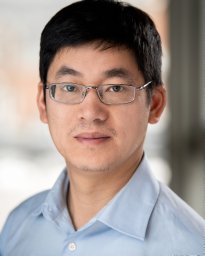 Bingshu Chen合作论文数Department of Public Health Sciences, Faculty of Health Sciences, Queen's University;Department of Mathematics and Statistics, Faculty of Health Sciences, Queen's University;Canadian Cancer Trials Group46
 Nadia Harbeck合作论文数Department of Obstetrics & Gynecology, University of Munich46
 Charles M. Perou合作论文数Department of Genetics, School of Medicine, University of North Carolina at Chapel Hill;Reveal Genomics, S.L.;GeneCentric Therapeutics, Inc.45
 Nathalie LeVasseur合作论文数40Julie Lemieux合作论文数Samuel Lunenfeld Research Institute of the Mount Sinai Hospital, University of Toronto40
 Daniel Renouf合作论文数Department of Medicine, Faculty of Medicine, The University of British Columbia;British Columbia Cancer Agency40
 Samuel Aparicio合作论文数Department of Pathology and Laboratory Medicine, Faculty of Medicine, The University of British Columbia;Department of Breast and Molecular Oncology, BC Cancer Research;GenomeTx Ltd;New York Genome Center39
 Richard S. Finn合作论文数Division of Hematology/Oncology, Geffen School of Medicine, University of California Los Angeles;Gastrointestinal Medical Oncology, Geffen School of Medicine, University of California Los Angeles;Breast Medical Oncology, Geffen School of Medicine, University of California Los Angeles39McKenzie Donald C合作论文数38
 Matthew Ellis合作论文数Department of Psychiatry, Washington University School of Medicine In St. Louis37
 Eric Winer合作论文数School of Medicine, Yale University;Smilow Cancer Hospital37
 Giuseppe Curigliano合作论文数Division of Early Drug Development, European Institute of Oncology;Faculty of Pharmacology, University of Milan37
 Michael Gnant合作论文数Medical University of Vienna36
 Marco Marra合作论文数Canada’s Michael Smith Genome Sciences Centre, BC Cancer Research Institute;Department of Medical Genetics, Faculty of Medicine, University of British Columbia;Michael Smith Laboratories, University of British Columbia35
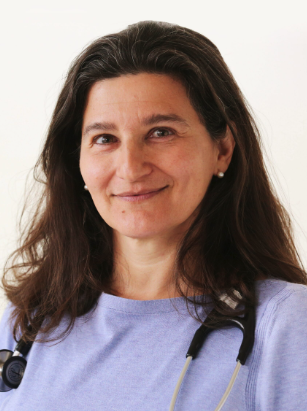 Janessa Laskin合作论文数Division of Medical Oncology, Department of Medicine, Faculty of Medicine, University of British Columbia;Canada's Michael Smith Genome Sciences Centre;BC Cancer34
 Susan Ellard合作论文数Cancer Centre for Southern Interior, BC Cancer;Department of Medicine, The University of British Columbia;Division of Medical Oncology, Faculty of Medicine, The University of British Columbia34
 Marcel Bally合作论文数Department of Pathology and Laboratory Medicine, Faculty of Medicine, The University of British Columbia33
 Abraham Joy合作论文数Department of Bioengineering, College of Engineering, Northeastern University31
 Steven Jones合作论文数Department of Medical Genetics, Faculty of Medicine, University of British Columbia;Genome Sciences Centre, BC Cancer30
 Paul E. Goss合作论文数Global Cancer Institute30
 Stephen Yip合作论文数Department of Pathology and Laboratory Medicine, Faculty of Medicine, The University of British Columbia;Vancouver General Hospital;BC Cancer29
 Howard Lim合作论文数Division of Medical Oncology, Faculty of Medicine, University of British Columbia29Ronit Yerushalmi合作论文数29
 Lesley Seymour合作论文数Department of Oncology, Queen's University;Sinclair Cancer Research Institute, Queen's University;Canadian Cancer Trials Group29
 Michael Pollak合作论文数Gerald Bronfman Department of Oncology, Faculty of Medicine and Health Sciences, McGill University;Division of Cancer Prevention, Segal Cancer Centre, Jewish General Hospital28Stijleman Inge J合作论文数27
 James N. Ingle合作论文数Division of Medical Oncology, Department of Oncology, Mayo Clinic27Mihaela Mates合作论文数Cancer Centre of Southeastern Ontario, Kinston General Hospital;and Queen's University;Kinston General Hospital, and Queen's University27
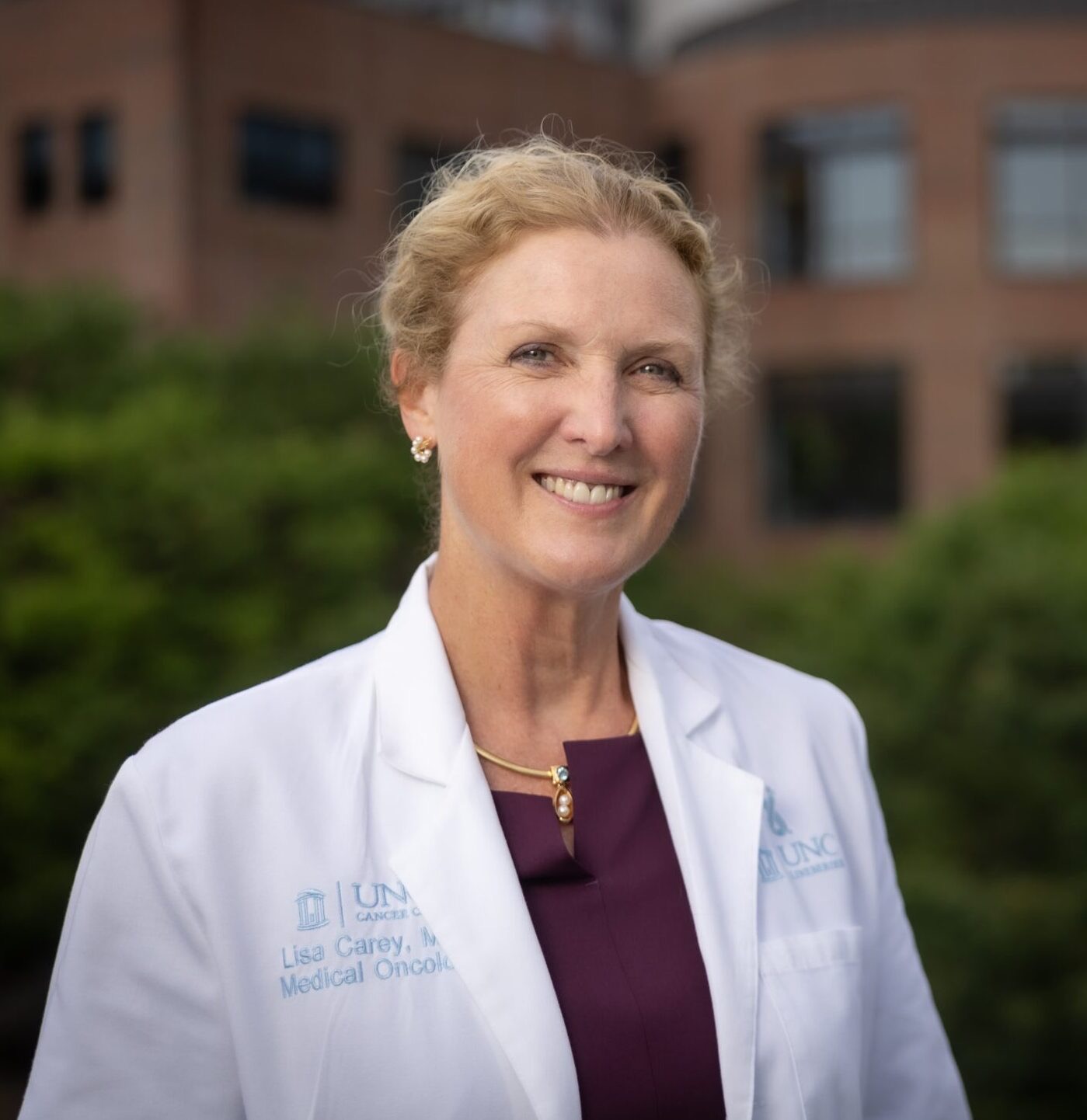 Lisa A. Carey合作论文数Division of Oncology, Department of Medicine, School of Medicine, University of North Carolina at Chapel Hill;Lineberger Comprehensive Cancer Center, School of Medicine, University of North Carolina at Chapel Hill27Tamara Shenkier合作论文数27
 Fatima Cardoso合作论文数Breast Unit, Champalimaud Foundation;Advanced Breast Cancer Global Alliance;American Society of Clinical Oncology;IBCSG;EORTC27
 Wilson H. Miller合作论文数Department of Oncology, McGill University;McGill Centre for Translational Research in Cancer, McGill University;Clinical Research Unit, Jewish General Hospital;Lady Davis Institute for Medical Research, Sir Mortimer B. Davis Jewish General Hospital26Shen Yaoqing合作论文数26
 Scott Tyldesley合作论文数Department of Surgery, Faculty of Medicine, The University of British Columbia26
 Kristin Campbell合作论文数Department of Physical Therapy, Faculty of Medicine, The University of British Columbia26




