Desertification is a critical environmental problem in China's northwestern region.In this context, since the early 2000s, projects targeting ecological restoration have been implemented in the lower reaches of the Heihe River basin.Using multi-scale remote sensing data and field observations, this paper examines the outcomes of the ecological restoration projects.Specifically, this paper examines the vegetation change through remote sensing and local perceptions of the projects through semi-structured questionnaires.The results from remote sensing reveal that during the restoration projects, vegetation coverage in riparian areas of the lower reaches of the Heihe River basin increased.However, this increase cannot be simply equated with ecological recovery.Expansion of farmland and afforested areas have also contributed to the increase in vegetation coverage.Questionnaire results reveal that although locals perceived improvements in the ecological conditions of the lower reaches, most of them were more about future environmental changes.Additionally, results indicate that ecological restoration projects redistributed water resources in the local river reaches and, as a result, local residents living in riparian areas perceive greater benefit.Therefore, the implementation of the project may have actually negatively impacted the water accessibility of those living in the drier Gobi Desert areas.
This paper investigates energy resilience of countries by quantifying the supplier diversification of both direct and embodied energy import. In particular, we quantify two approaches to diversify a country's supplier portfolio: by lowering the dependency on each supplier (portfolio diversification) and by having embodied energy suppliers that are different from its direct energy suppliers (portfolio differentiation). We examine possibilities for strategic utilization of embodied energy trade to compensate for low diversity of direct energy trade for three types of fossil resources: coal, oil, and gas. We find that the diversity of embodied energy import is much greater than that of direct energy import. Of the three energy resources, coal enables countries to adopt portfolio diversification and portfolio differentiation more than gas and oil. Our results suggest embodied energy can be considered as a transfer of energy resources across national borders that can directly benefit from the diversity of the world energy production by "skipping" the limited diversity of the world energy export.
Sea-level rise (SLR) from global warming may have severe consequences for coastal cities, particularly when combined with predicted increases in the strength of tidal surges. Predicting the regional impact of SLR flooding is strongly dependent on the modelling approach and accuracy of topographic data. Here, the areas under risk of sea water flooding for London boroughs were quantified based on the projected SLR scenarios reported in Intergovernmental Panel on Climate Change (IPCC) fifth assessment report (AR5) and UK climatic projections 2009 (UKCP09) using a tidally-adjusted bathtub modelling approach. Medium- to very high-resolution digital elevation models (DEMs) are used to evaluate inundation extents as well as uncertainties. Depending on the SLR scenario and DEMs used, it is estimated that 3%–8% of the area of Greater London could be inundated by 2100. The boroughs with the largest areas at risk of flooding are Newham, Southwark, and Greenwich. The differences in inundation areas estimated from a digital terrain model and a digital surface model are much greater than the root mean square error differences observed between the two data types, which may be attributed to processing levels. Flood models from SRTM data underestimate the inundation extent, so their results may not be reliable for constructing flood risk maps. This analysis provides a broad-scale estimate of the potential consequences of SLR and uncertainties in the DEM-based bathtub type flood inundation modelling for London boroughs.
Coastal megacities are highly vulnerable to climate change due to asset concentration and hazard exposure, but have potential for innovative risk management taking advantage of technological, economic and political capacities and cultural assets. Tokyo is the center of one of the world’s largest urban agglomerations and one of the most hazard prone global cities. Having experienced repeated extreme events and resultant devastation, Tokyo has deployed a strategy of high technology based risk management. In the face of climate risks that amplify ongoing threats from catastrophic earthquakes, it is unclear whether the current strategy and its attendant culture and administrative structures are an enabler or a barrier for climate change adaptation. Based on 24 expert interviews, this paper examines Tokyo’s readiness to transition from its current risk management orientation aimed at disaster prevention towards more resilient of transformative states. We find the current risk management regime has been moving towards resilience planning promoted by the national policy architecture and the leadership of the Tokyo Metropolitan Government by incorporating self-help and community-cooperation into a long-standing strategy of resistance. This strategy continues to be dominated by technological, rather than social policy and so misses an opportunity for a broader contribution to sustainable development. The current approach may work for the near future but is perhaps less well suited to long-term risk management which includes highly uncertain future climate risks and potential social change. Transition is impeded by structural bottlenecks in the city authority while strategic partnerships between different stakeholders can facilitate transition of public values. Realizing this flexibility will position Tokyo’s risk management regime to better play a role in longer-term sustainable development.
Energy is a critical component of achieving sustainable development. In addition to the three aspects of promoting access, renewables, and efficiency, the dimension of resilience in energy systems should also considered. The implementation of resilient energy systems requires a quantitative understanding of the socio-economic practices underlying such systems. Specifically, in line with the increasing globalization of trade, there remains a critical knowledge gap on the link between embodied energy in the production and consumption of traded goods. To bridge this knowledge gap, we investigate the resilience of global energy systems through an examination of a diversity measure of global embodied electricity trade based on multi-regional input-output (MRIO) networks. The significance of this research lies in its ability to utilize high resolution MRIO data sets in assessing the resilience of national energy systems. This research indicates that secure and responsible consumption requires the diversification of not only energy generation but also energy imports. This research will lay the ground for further research in the governance of resilience in global energy networks.
Summary Commodity trade networks exhibit certain patterns in the configuration of material flows that are similar to natural ecological networks. This article develops and explores an ecological information‐based approach to examine the ecology of commodity trade networks. We demonstrate that commodity trade networks show a pattern of commonality when viewed through the introduced ecological information‐based metrics. Specifically, we show how the network metrics of effective connectivity and effective number of roles can convey boundaries where commodity trade networks are robust. Further, the temporal trends of these metrics suggest the existence of multiple basins of attractions and provide clues on the dynamics of resilience of these networks over time.
Access, renewables and efficiency have been identified as targets in the field of energy under the Sustainable Development Goals (SDGs). Resilience is also a critical dimension that needs to be considered in moving towards sustainable energy. Diversification of direct energy suppliers has been the conventional recourse for achieving energy security. In consideration of the increasingly globalized nature of trade, energy and supply chain networks, however, this approach would be insufficient for addressing the resilience of energy supplies to potential environmental, economic and social shocks and disruptions. In this paper we investigate countries' energy resilience by quantifying diversity in suppliers of both direct and embodied energy and examine how selections of indirect energy supplies can affect the resilience of the entire embodied-energy trade network. We find that the geographical diversity of embodied energy imports is much greater than that of direct energy imports, and there are considerable variations across countries in the diversification of embodied energy imports. This suggests a possible strategy for countries that depend heavily on a few neighbors for their direct energy imports to diversify their supply chain globally in order to benefit from larger diversity of embodied energy supplies, thereby strengthening the energy resilience of their economies.
This study is focused on the evaluation of a Digital Elevation Model (DEM) for Tokyo, Japan from data collected by the recently launched TerraSAR add-on for Digital Elevation Measurements (TanDEM-X), satellite of the German Aerospace Center (DLR). The aim of the TanDEM-X mission is to use Interferometric SAR techniques to generate a consistent high resolution global DEM dataset. In order to generate an accurate global DEM using TanDEM-X data, it is important to evaluate the accuracy at different sites around the world. Here, we report our efforts to generate a high-resolution DEM of the Tokyo metropolitan region using TanDEM-X data. We also compare the TanDEM-X DEM with other existing DEMs for the Tokyo region. Statistical techniques were used to calculate the elevation differences between the TanDEM-X DEM and the reference data. Two high-resolution LiDAR DEMs are used as independent reference data. The vertical accuracy of the TanDEM-X DEM evaluated using the Root Mean Square Error (RMSE) is considerably higher than the existing global digital elevation models. However, the local area DEM generated by Geospatial Information Authority of Japan (GSI DEM) showed the highest accuracy among all non-LiDAR DEM’s. The vertical accuracy in terms of RMSE estimated using the 2 m LiDAR as reference is 3.20 m for TanDEM-X, 2.44 m for the GSI, 7.00 m for SRTM DEM and 10.24 m for ASTER-GDEM. We also compared the accuracy of TanDEM-X with the other DEMs for different types of land cover classes. The results show that the absolute elevation error of TanDEM-X is higher for urban and vegetated areas, likewise to those observed for other global DEM’s. This is probably because the radar signals used by TanDEM-X tend to measure the first reflective surface that is encountered, which is often the top of the buildings or canopy. Hence, the TanDEM-X based DEM is more akin to a Digital Surface Model (DSM).
Commodity trade networks exhibit certain patterns in the configuration of material flows that are similar to natural ecological networks. This article develops and explores an ecological information-based approach to examine the ecology of commodity trade networks. We demonstrate that commodity trade networks show a pattern of commonality when viewed through the introduced ecological information-based metrics. Specifically, we show how the network metrics of effective connectivity and effective number of roles can convey boundaries where commodity trade networks are robust. Further, the temporal trends of these metrics suggest the existence of multiple basins of attractions and provide clues on the dynamics of resilience of these networks over time.
Sustainability is increasingly used to describe a paradigm for shaping the social and economic future of mankind. While the concept of sustainability remains elusive, various attempts to construct a framework towards the quantification of sustainability have been made. In this paper, we review the attempts of emergy, exergy, ecological footprint, and the ecological information-based approach towards quantifying the concept of sustainability. Specifically, we review these methods based on their ability to address three criteria namely, the integration of ecological and economic dimensions, the long term resilience of a system, and the consideration of both extensive and intensive properties, e.g. properties that depend on system size and properties that do not. This paper is intended to provide a base for advancing the development of better methods for quantifying sustainability. (C) 2013 Elsevier Ltd. All rights reserved.
The effect of additional domain knowledge provided by a SKOS ontology on the accuracy of semantic similarity calculated from product item lists in purchase orders for a manufacturer of modular building parts is examined. The accuracy of the calculated semantic similarities is evaluated against attribute information of the purchase orders, under the assumption that orders with similar attributes, such as the industrial type of the purchasing entities and the type of application of the modular building, will have similar lists of items. When all attributes of the purchase orders are weighted equally, the SKOS ontology does not appear to increase the accuracy of the calculated item list similarities. However, when only the two attributes that give the highest correlation to item list similarity values are used, the strongest correlation between item list similarity and entity attribute similarity is obtained when the SKOS-ontology is included in the calculation. Still, even the best correlation between item list and entity attribute similarities yields a correlation coefficient of less than 0.01. It is suggested that inclusion of semantic knowledge about the relationship between the set of items in the purchase orders, e.g. via the use of description logics, might increase the accuracy of the calculated semantic similarity values.
Sustainability as a concept has multiple disparate perspectives stemming from different related disciplines which either maintain ambiguous interpretations or concentrate on metrics pertaining to single aspects of a system. Given the embedded multi-dimensionality of sustainability, systemic approaches are needed that can cope with interactions of different dimensions. Past efforts for measuring sustainability holistically have taken an accounting approach based on the availability and efficiency of resource flows. However, an accounting approach fails to fully incorporate the intensive parameters pertaining to sustainability. An ecological information-based approach is a promising holistic measurement which incorporates both intensive and extensive dimensions of sustainability. This paper evaluates this approach by applying it to six economic resource trade flow networks: virtual water, oil, world commodity, OECD+BRIC commodity, OECD+BRIC foreign direct investment, and iron and steel. From the perspective of biomimicry, it appears that these networks can achieve higher levels of efficiency without weakening their robustness to resource delivery. The trends of measured efficiency and redundancy of the studied networks are demonstrated to be useful in reflecting long term changes while the trend in robustness levels were found to exhibit similar behavior to an ecosystem in its early phase of development.
a Graduate Program in Sustainability Science, Graduate School of Frontier Sciences, University of Tokyo, Japan b Advanced Systems Analysis Program, International Institute for Applied Systems Analysis (IIASA), Laxenburg, Austria c Faculty of Computational Mathematics and Cybernetics, Lomonosov Moscow State University (MSU), Moscow, Russia d Biology Department, Towson University, Towson, MD, USA e Future Center Initiative, University of Tokyo, Japan f Graduate School of Public Policy, University of Tokyo, Japan
Literature-based knowledge discovery generates potential discoveries from associations between specific concepts that have been previously reported in the literature. However, because the associations are generally between individual concepts, the knowledge of specific relationships between those concepts is lost. A description logic (DL) ontology adds a set of logically defined relationship types, called properties, to a classification of concepts for a particular knowledge domain. Properties can represent specific relationships between instances of concepts used to describe the things studied by a particular researcher. These relationships form a “triple” consisting of a domain instance, a range instance, and the property specifying the way those instances are related. A “relationship association” is a pair of relationship triples where one of the instances from each relationship can be determined to be semantically equivalent. In this paper, we report our work to structure a subset of more than 1300 terms from the Medical Subject Headings (MeSH) controlled vocabulary into a DL ontology, and to use that DL ontology to create a corpus of A-Boxes, which we call “semantic statements”, each of which describes one of 392 research articles that we selected from MEDLINE. Relationship associations were extracted from the corpus of semantic statements using a previously reported technique. Then, by making the assumption of the transitivity of association used in literature-based knowledge discovery, we generate hypothetical relationship associations by combining pairs of relationship associations. We then evaluate the “interestingness” of those candidate knowledge discoveries from a life science perspective.
This paper explores a global trend where universities are collaborating with government, industry and civil society to advance the sustainable transformation of a specific geographical area or societal sub-system. With empirical evidence, we argue that this function of ‘co-creation for sustainability’ could be interpreted as the seeds of an emerging, new mission for the university. We demonstrate that this still evolving mission differs significantly from the economic focus of the third mission and conventional technology transfer practices, which we argue, should be critically examined. After defining five channels through which a university can fulfil the emerging mission, we analyse two frontrunner ‘transformative institutions’ engaged in co-creating social, technical and environmental transformations in pursuit of materialising sustainable development in a specific city. This study seeks to add to the debate on the third mission and triple-helix partnerships. It does so by incorporating sustainable development and place-based co-creation with government, industry and civil society.
To promote global knowledge sharing, one should solve the problem that knowledge representation in diverse natural languages restricts knowledge sharing effectively. Traditional knowledge sharing models are based on natural language processing NLP technologies. The ambiguity of natural language is a problem for NLP; however, semantic web technologies can circumvent the problem by enabling human authors to specify meaning in a computer-interpretable form. In this paper, the authors propose a cross-language semantic model SEMCL for knowledge sharing, which uses semantic web technologies to provide a potential solution to the problem of ambiguity. Also, this model can match knowledge descriptions in diverse languages. First, the methods used to support searches at the semantic predicate level are given, and the authors present a cross-language approach. Finally, an implementation of the model for the general engineering domain is discussed, and a scenario describing how the model implementation handles semantic cross-language knowledge sharing is given.
Social experimentation could be useful for testing the feasibility and effectiveness of technologies and policies in achieving more sustainable social systems. However, classical social experiments are costly and can only be applied in a limited range of situations due to the requirement for randomized assignment of subjects to experimental and control groups. Here, we reconsider the role of social experimentation within the framework of the feasibility of technology and policy interventions for creating societies that are more sustainable, particularly in regard to mitigation of CO2 emissions and aging populations. From a review of more than 100 social experiments from the literature, we develop a knowledge schema and knowledge base system for structuring and managing the valuable knowledge that has been produced under the scientific theme of social experimentation. The knowledge base contains classical randomized social experiments, but it also includes studies that are less rigorous from the point of view of random assignment.
If researchers created computer-understandable descriptors as part of the process of authoring journal articles and other expert knowledge resources, intelligent computer-aided matching and searching applications that are critical for addressing complex and large-scale problems in society could be realized. The EKOSS system enables knowledge experts to create computer-understandable descriptors of their knowledge resources using description logics ontologies as formal knowledge representation languages. The descriptors, called semantic statements, are authored as description logic ABoxes in reference to a shared domain ontology in the form of a TBox. Reasoners using logic-based inference can then measure the semantic similarity between semantic statements, which can be applied in knowledge searching, mining and integration applications. A method for semantic matching that uses logic inference based on a DL ontology TBox to increase both the precision and recall of matching descriptors created as ABoxes is described, and the accuracy of the method compared to matching without logic inference is analyzed between a set of 15 semantic statements created using EKOSS to describe research articles related to sustainability science.
 Weisen Guo合作论文数25
 Michihisa Koyama合作论文数Graduate School of Engineering, Tohoku University9
 Masaru Yarime (鎗目雅)合作论文数Division of Public Policy, The Hong Kong University of Science and Technology;Division of Environment and Sustainability, The Hong Kong University of Science and Technology;Graduate School of Public Policy, The University of Tokyo;Department of Science, Technology, Engineering and Public Policy, University College London9
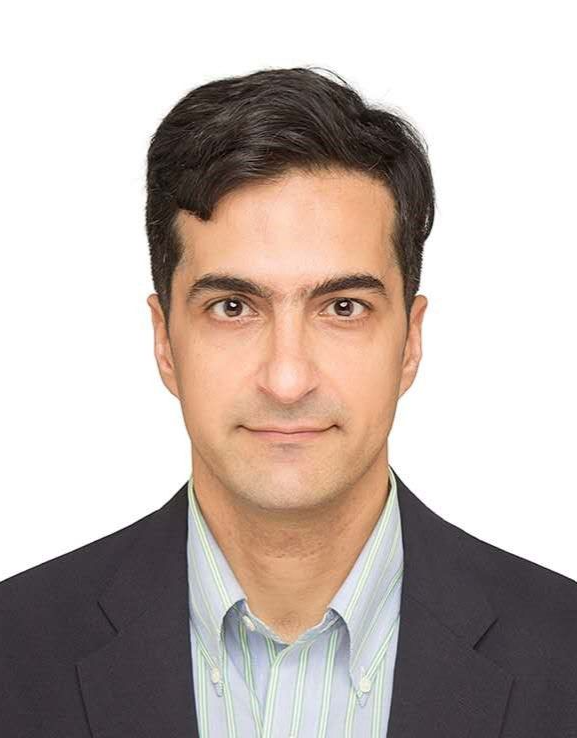 Ali Kharrazi合作论文数School of Public Administration, College of Management and Economics, Tianjin University8
 David Wallace合作论文数Department of Mechanical Engineering, Massachusetts Institute of Technology8
 Hiroshi Komiyama合作论文数7Celine Weber合作论文数5
 Ram Avtar合作论文数Graduate School of Environmental Science, Hokkaido University;Faculty of Environmental Earth Science, Hokkaido University5Toshihisa Takagi (高木利久)合作论文数Toyama University of International Studies4hong xiao gong shan (宏 小宮山)合作论文数3
 Masumi Yamamuro合作论文数Marine Geology Department, Geological Survey of Japan3
 Rafael Batres合作论文数Department of Production Systems Engineering, Toyohashi University of Technology3
 Haruo Mizutani合作论文数Science Integration Program, University of Tokyo3
 Daniel Favrat合作论文数3
 Takaki Makino合作论文数Tokyo University3Koichi Yamada合作论文数3Elena Rovenskaya合作论文数International Institute for Applied Systems Analysis (IIASA) Schlossplatz 1 2361 Laxenburg Austria3Daisuke Hoshiyama合作论文数2
 Ali P. Yunus合作论文数2Shuichi Iwata合作论文数2tong jiu gu shan (通久 古山)合作论文数2
 Brian Kemper合作论文数2T OMORI合作论文数2
 Karen R. Polenske合作论文数Department of Urban Studies and Planning, School of Architecture and Planning, Massachusetts Institute of Technology2Masahiro Sato合作论文数2
 Hirofumi Nakayama合作论文数2Yoshio Suzuki合作论文数2Yoshikuni Yoshida合作论文数2
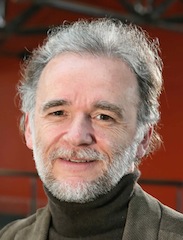 François Maréchal合作论文数Institute of Mechanical Engineering, School of Engineering, Ecole Polytechnique Federale de Lausanne2
 Hitoshi Shigeoka合作论文数Department of Chemical Systems Engineering, The University of Tokyo2Yutaka Nakamura合作论文数1K Shitashima合作论文数1H. Komiyama合作论文数1Tomonori Matsuo合作论文数1Masako MIZOSHITA合作论文数1Jochen Schumann合作论文数1xing xiong liu ze (幸雄 柳沢)合作论文数1
 Chikamoto Tomoyuki合作论文数1
 Lan Hoang合作论文数1Takeshi Ishida合作论文数1keisuke hanaki合作论文数1norihir nakashima合作论文数1
 Tomohiro Akiyama合作论文数1
 Marco Missaglia合作论文数1GUO Ju-e合作论文数1Maiko Nishi合作论文数United Nations University Institute for the Advanced Study of Sustainability1Qiyun Liu (刘起运)合作论文数1
 Gregory Trencher合作论文数Grad Sch Global Environm Studies, Kyoto Univ1




