Hydrogen deployment at scale requires safe and durable underground storage. Industrial practice has traditionally favoured high-purity salt domes, but many prospective basins contain bedded, impurity-rich salt, for which no hydrogen-cavern precedent exists. Here, we develop a simple density-based metric to estimate impurity content from legacy core-test data and integrate it with laboratory mechanical testing, in situ creep inversion and coupled geomechanical modelling. The main contribution is an applied geomechanical framework that links density-derived impurity estimates with material behaviour and cavern-scale stability, providing a first-order basis for assessing impurity-rich formations. Across the investigated sites and under the tested conditions, higher impurity content was associated with increased cohesion and tensile strength, a reduced friction angle and, critically, lower creep rates. Numerical simulations indicate that, for the impurity compositions, material distributions, creep parameters and modelling assumptions considered, impurity-rich salt may exhibit smaller plastic zones, lower cavern-wall displacement and reduced long-term volume loss, despite the adverse effect of sediment on leaching efficiency. Field-scale inversions further indicate that laboratory-derived creep parameters systematically overestimate deformation, highlighting the need for in situ calibration before operation. Together, these results indicate that impurities may contribute to the mechanical stability of hydrogen caverns under specific site- and model-dependent conditions, rather than exerting a universally stabilising effect, and provide design guidance for regions dominated by bedded, high-impurity salt. More broadly, this study reframes impurities from a uniform limitation for solution mining to a context-dependent factor that may influence long-term mechanical stability.
The compartmentalised Permian sandstone reservoirs in the Southern North Sea are a prime candidate for potential future large-scale underground hydrogen storage (UHS) due to the oil and gas infrastructure in place, the advanced knowledge of the reservoirs and caprocks and their operational history as underground gas storage sites. Building on this potential, this study introduces a new method for estimating dynamic working gas storage capacity for depleted gas fields and existing natural gas storage sites, applied to the Rough field, the UK's largest gas storage site. This methodology, which produces standardised dynamic capacities and hence allows the comparison of different sites, is based on the establishment of a pressure equilibrium between hydrogen injected and withdrawn, which gives an improved representation of the hydrogen storage capacity of porous reservoirs. For this methodology, we use operational data, including injection and withdrawal pressure ranges, and propose the re-use of infrastructure to provide an improved first order dynamic capacity estimate for depleted gas fields or gas storage sites for hydrogen storage, but the user can change the configuration and undertake more site-specific investigations. The testing of the impact of technical changes on the estimated capacity, is illustrated by sensitivity analysis using different numbers of wells. The results show that while increasing the number of wells initially boosts working gas capacity and lower the cushion gas to working gas ratio efficiency, these benefits tail off beyond a certain number of wells added. Using this new methodology, we estimate for the Rough field a dynamic hydrogen storage capacity of 7.5 TWh (similar to 79 BCF) and a cushion to working gas ratio of 2.1, using all 29 existing vertical wells. Reducing the well number shows a rapid decline in working gas capacity and an increase of the cushion gas to working gas ratio (e. g. down to 6.1 TWh (64 BCF) and up to 2.8, respectively, for scenarios with 15 wells). Additional factors, such as the low permeability of the underlying formations, the unrecovered natural gas in the Rough field, as well as the dependence of the capacity on accurate multi-phase fluid flow data, are also discussed. The site-specific working gas capacity can be further optimised by utilising a specifically designed storage development plan for the Rough storage site.
Hydrogen is essential for achieving net-zero emissions by 2050, acting as both an energy carrier and source. It can store renewable energy, decarbonize difficult sectors, and serve as a zero-carbon feedstock. Conventional hydrogen production methods, such as natural gas reforming, inherently produce CO2. Electrolysis, though CO2 free during operation, can still contribute to emissions through the construction of the energy source and electrolyzer; however, using surplus renewable energy that would otherwise be wasted can offset this. In situ hydrogen generation from underground fossil hydrocarbons presents a compelling alternative. This method produces hydrogen directly within geological formations, using existing fossil fuel resources and infrastructure while keeping CO2 sequestered underground, thus minimizing environmental impact and reducing the need for extensive surface processing. Our research examines various in situ techniques, including thermochemical and biological processes, showcasing their potential to enhance current hydrogen production methods. Despite its promise, this approach faces significant challenges and requires extensive research to overcome these hurdles. Addressing these challenges is crucial for integrating this method into the global energy transition, potentially reducing the carbon footprint of hydrogen production and advancing toward cleaner energy systems. This paper highlights the necessary steps and the long path ahead to make in situ hydrogen generation a viable and sustainable solution.
Understanding how in-situ mineralization of CO2 affects the porosity and permeability of the host rock is critical to assessing the viability of basalt reservoirs as carbon dioxide repositories. Precipitating carbonate minerals have the potential to fill primary porespace and decrease permeability, reducing injectivity and overall reservoir capacity. Laboratory experiments that induce carbon mineralization in basalt under controlled conditions can inform how fluid transport properties evolve in geological storage reservoirs.Here, we present time-resolved 3D datasets acquired using a novel x-ray transparent cell that allows carbon mineralization in basalt to be documented on the grain scale through time using x-ray microtomographic imaging (µCT). Our 4DµCT data aim to document the formation of carbonate mineral species, via ion exchange between dissolved inorganic carbon and the divalent cations of primary minerals in the basalt sample. We use the 4DµCT dataset to track sample deformation, changes in porosity, and to model the permeability evolution on the grain scale. Our 4DµCT data (Figure, below), and other post-reaction analyses, document the in-situ formation of carbonate mineral species.Our experiments utilise cylindrical cores of basalt with a diameter of 10 mm and a central 2 mm bore and react these with water-dissolved CO2. The second phase of the experiments is a switch of injection fluid to an aqueous solution of NaHCO3 equilibrated with CO2 During the ongoing experiment, the sample has been repeatedly sealed to maintain fluid pressure, disconnected from benchtop apparatus, and imaged using a µCT scanner. Exceptionally long operando experiments such as ours can be of particular use in assessing reservoir potential of prospective carbon mineral storage sites by recreating subsurface conditions unique to each location. The apparatus can investigate the evolution of physical rock properties over time periods relevant to field operations (months/years).
Increased fugitive hydrogen in the stratosphere can promote chemical reactions that result in increased lifetimes and abundances of gases that have a harmful climate impact. It is therefore crucial to understand the significance of this effect, and thereon identify and mitigate potential leakage pathways within future hydrogen energy systems. Repurposing the existing high-pressure National Transmission System and low pressure local gas distribution networks for pure or blended hydrogen delivery throughout the UK, is a solution favoured by existing gas network operators. It minimises the necessary replacement of pipeline infrastructure by re-use of £30bn of already installed welded polythene pipe network and compatible assets, which will decrease associated transport costs. However, gaseous hydrogen can compromise mechanical properties of carbon steels, posing integrity concerns for pipelines and other network components. Considerable work has investigated the extent to which material integrity could affect the repurposing potential of existing infrastructure. By contrast, this study aims to quantify the ranges of anticipated increase in atmospheric hydrogen release upon conversion of existing UK gas networks for hydrogen delivery. Based on existing network architectures, provided by UK network operators, we identify the most likely locations for leakage within UK pipeline networks and present a static model to estimate potential fugitive hydrogen. Sensitivity analyses have been undertaken to assess the impact of emissions mitigation strategies, including polythene renewal in the Iron Mains Replacement Programme and replacement of wet compressor seals. Consequently, we can consider both physical leakage at joints and equipment, and permeation losses through pipe walls from natural gas leakage data. Our findings indicate that, while significant, the climate implications of determined theoretical rates of potential hydrogen leakage without mitigation are between 6.5 and 14 times less than those associated with current natural gas transport, based on respective GWP100s. It should be noted that we have considered only the potential emissions associated with pipeline transport, and have thus ignored the additional impact of embedded supply chain emissions.We further propose a geospatial distribution of these potential hydrogen emissions across the UK network. The dataset could serve as a crucial input for future climate modelling to assess the impact of emission location dependency on hydrogen’s global warming potential and quantify the benefits of mitigating leakage in identified “hotspots”.
The inherent intermittency of renewable energy sources frequently leads to variable power outputs, challenging the reliability of our power supply. An evolving approach to mitigate these inconsistencies is the conversion of excess energy into hydrogen. Yet, the pursuit of safe and efficient hydrogen storage methods endures. In this perspective paper, we conduct a comprehensive evaluation of the potential of lined rock caverns (LRCs) for hydrogen storage. We provide a detailed exploration of all system components and their associated challenges. While LRCs have demonstrated effectiveness in storing various materials, their suitability for hydrogen storage remains a largely uncharted territory. Drawing from empirical data and practical applications, we delineate the unique challenges entailed in employing LRCs for hydrogen storage. Additionally, we identify promising avenues for advancement and underscore crucial research directions to unlock the full potential of LRCs in hydrogen storage applications. The foundational infrastructure and associated risks of large-scale hydrogen storage within LRCs necessitate thorough examination. This work not only highlights challenges but also prospects, with the aim of accelerating the realization of this innovative storage technology on a practical, field-scale level.
Policies that incentivize the capture and geological storage of CO2 from large point sources ('CCS'; and more recently, atmospheric removals), have so far tended to reward the resultant avoided CO2 emissions (or CO2 removals) achieved by operators at the point of capture. The expectation has been that geological CO2 storage sites, as well as the connecting infrastructure, will be developed and operated based upon the funding delivered from the single point of incentive (e.g. under an emissions trading system or a carbon tax, only CO2 capture installation operators are absolved of the obligation to acquire and surrender CO2 emission rights or to pay the tax). Project-based crediting mechanisms (e.g. in the voluntary carbon market) tend to treat the entire chain of operations as a single entity to be supplied with emission reduction or removal credits. Consequently, there has been minimal explicit financial incentive to store CO2. Yet a multiple gigaton-per-year scale capture and storage industry requires complex CO2 networks to evolve, with multiple sources connecting to multiple sinks, with installations owned by different operators with different technical expertise, climate mitigation goals and obligations. This multiplicity of goals and incentives can create agency problems and cross-chain risks, which impact negatively upon investment decisions. In this paper, we review the history, evolution and potential of geological net zero (GNZ) and carbon storage (or takeback) obligation concepts applied to fossil carbon producers and suppliers as a means to address these risks alongside policies aimed at atmospheric net zero (ANZ) and fossil carbon emitters.
Combined geochemical and microbial processes offer a transformative approach to sustainable subsurface hydrogen production.
In-situ CO2 mineralisation has been demonstrated as a rapid and secure mechanism of geological CO2 storage through a series of field demonstrations in Icelandic basalts by Carbfix. A key indicator of success in the first of these tests was the discovery of newly precipitated calcite on the monitoring well downhole pump that contained the C-14 tracer added to the injected CO2. In this study we use clumped, carbon and oxygen isotope measurements to determine the temperature of CO2 mineralisation and source of parental fluids and CO2 for the calcite found on the pump. Clumped isotope values (Delta(47)) range from 0.526 parts per thousand to 0.540 parts per thousand, which correspond to mineralisation temperatures of 45-51 degrees C. These are 10-16 degrees C warmer than pre-injection temperatures measured at the pump depth. We attribute the warmer temperatures to continuous water pumping from the monitoring well, drawing up waters from deeper in the storage reservoir to the pump depth. Calculated parent fluid oxygen isotope values (delta O-18) match well and local meteoric water records. Calcite carbon isotope values (delta C-13) conform to a CarbFix injection source, but are higher than expected given previously established mineralisation yields for CarbFix. This is likely a consequence of the crystal homogenisation process required for analysis, resulting in an averaging of calcite delta C-13 values. The results of this study validate previous CarbFix findings that subsurface fluid migration and CO2 mineralisation occurred within porous media of the storage reservoir. This is as an example of how isotopic analysis of carbonates and CO2 can contribute to the verification of geological CO2 storage.
The gigantic volumes of carbon dioxide (CO2) removal likely needed to comply with the Paris Agreement beg the question of who should pay for the negative emissions. Incentivizing negative emissions is difficult, as it entails reversing the fiscal attractiveness associated with carbon taxes and emissions trading in favour of the more unattractive need to pay for removals. The inherent difficulty of funding global public goods associated with large private costs will make it hard for future governments to share this burden among themselves. We propose that this problem can be solved by a CO2 emitter liability operationalized through Atmospheric CO2 Removal Deposits (ACORDs). Anyone that emits fossil CO2 to the atmosphere would be obliged to finance the removal of at least as much CO2 from the atmosphere. Linking the liability to ACORDs acknowledges that a major part of the negative emissions needs to be made in the future. The emitters' financial deposits, including earnings, can be redeemed upon certified proof of removal. The ACORDs system would comply with the widely accepted principle of producer liability, i.e., that companies are responsible for the damage caused by their products. The system would also provide additional incentives to reduce emissions and an innovative funding source for coming generations to accomplish negative emissions. Furthermore, inequity and historical emissions can be addressed by gradually increasing overcompensation. The paper also includes a critical assessment of the basis of negative emissions, i.e., the need, the technologies and their potentials, the costs, and the required retention time.
Understanding how in-situ mineralization of CO2 affects the porosity, permeability, and pore network of the host rock is critical to assessing the viability of basalt reservoirs as carbon dioxide repositories. Here, we present an x-ray translucent environmental cell which allows carbon mineralization, and other fluid–rock reactions to be studied in real time and on the grain scale under simulated geological reservoir conditions using microtomographic imaging. The cell operates autonomously from a CT instrument and is periodically quenched and relocated for scanning, enabling long duration operando experiments. Samples are reacted under controlled conditions of chemistry, temperature, and fluid pressure. Porosity and permeability changes are tracked through digital image analysis of successive CT scans. Samples are fully recoverable, allowing for a suite of post-mortem analyses. The cell design uses readily available materials, can sustain long-term operating temperatures of up to 200 °C, and is reproducible at low cost with a centre lathe and a mill using a conveniently equipped mechanical workshop.
The gigantic volumes of carbon dioxide (CO2) 2 ) removal likely needed to comply with the Paris Agreement beg the question of who should pay for the negative emissions. Incentivizing negative emissions is difficult, as it entails reversing the fiscal attractiveness associated with carbon taxes and emissions trading in favour of the more unattractive need to pay for removals. The inherent difficulty of funding global public goods associated with large private costs will make it hard for future governments to share this burden among themselves. We propose that this problem can be solved by a CO2 2 emitter liability operationalized through Atmospheric CO2 2 Removal Deposits (ACORDs). Anyone that emits fossil CO2 2 to the atmosphere would be obliged to finance the removal of at least as much CO2 2 from the atmosphere. Linking the liability to ACORDs acknowledges that a major part of the negative emissions needs to be made in the future. The emitters' financial deposits, including earnings, can be redeemed upon certified proof of removal. The ACORDs system would comply with the widely accepted principle of producer liability, i.e., that companies are responsible for the damage caused by their products. The system would also provide additional incentives to reduce emissions and an innovative funding source for coming generations to accomplish negative emissions. Furthermore, inequity and historical emissions can be addressed by gradually increasing overcompensation. The paper also includes a critical assessment of the basis of negative emissions, i.e., the need, the technologies and their potentials, the costs, and the required retention time.
Energy storage technologies are required to support the rapid development and integration of intermittent renewable energy sources into energy systems. Large-scale hydrogen storage in porous formations presents the opportunity to balance seasonal variation in energy demand. This reservoir modelling study aims to establish dynamic capacity estimates for seasonal hydrogen storage. This study investigates a shallow (<1km) sandstone reservoir, of an onshore anticlinal structure in east Fife, Scotland. This storage evaluation supports the geographically proximal H100 pilot rollout of 100% hydrogen for domestic use in 300 volunteer homes (https://www.sgn.co.uk/H100Fife). The target reservoir comprises a partially explored Carboniferous aquifer, thus this study also addresses the challenge of establishing a workflow for the appraisal of storage sites with limited data availability. We aim to maintain low investment costs for this currently immature technology. A static 3D geological model was constructed in reservoir modelling software, PETREL (Schlumberger), informed by data obtained from legacy seismic surveys and from deep boreholes acquired in a hydrocarbon exploration campaign in the 1980s. A sedimentological study was undertaken on the well-known local and regional Carboniferous sedimentology from subsurface information and coastal exposures to characterise reservoir heterogeneity internally – a necessary step to address the large data gaps between sparsely available data points. The reservoir is conceptualised as a 60-70m channelised fluvial sand, with unreactive quartz-arkose mineralogy, interbedded with thin mudstone horizons. The top seal is characterised by silts and mudrock, comprising a widespread maximum flooding surface. Seismic and borehole data has enabled a 3D base case model of stratigraphy and structure. Combined reservoir and structure forms a finite element model exported to CMG’s GEM, used to assess dynamic capacity estimates. Our key research questions are: does the target reservoir exhibit sufficient capacity to support seasonal hydrogen storage based on scenarios informed by industrial experience; what are the cushion gas requirements and associated costs; and what are the key risks and uncertainties influencing capacity estimates. We plan a base case scenario using the most probable geological reservoir and will investigate sensitivity variations around the geology. Benefits from this study include: i) development of a workflow for the hydrogen characterisation of storage reservoirs and the management of risk, whilst minimising initial investment costs, ii) evaluation of cushion gas requirements in a layered reservoir with only a few degrees of dip. Our preliminary results of injection and production will be discussed.
A substantial and rapid decarbonisation of the global economy is required to limit anthropogenic climate change to well below 2°C average global heating by 2050. Yet, emissions from fossil fuel energy generation—which dominate global greenhouse gas emissions—are at an all-time high. Progress and action for an energy transition to net zero carbon is critical, and one in which geoscience sectors and geoscientists will play multiple roles. Here, we outline the landscape of the geosciences and the energy transition in the context of the climate crisis, and intergovernmental policies on climate and social justice. We show how geoscience sectors, skills, knowledge, data, and infrastructure, both directly and indirectly, will play a key role in the energy transition. This may be in the responsible sourcing of raw materials for low carbon energy technologies; in the decarbonisation of heating; and in the near-permanent geological capture and storage of carbon through novel technology development. A new and unprecedented challenge is to reach Geological Net Zero, where zero carbon emissions from geological resource production and consumption are achieved via permanent geological storage. We identify overarching and cross-cutting issues for a sustainable and fair net zero carbon energy transition, and the associated geoscience challenges and opportunities. Finally, we call for geoscience professionals to recognise and take responsibility for their role in ensuring a fair and sustainable energy transition at the pace and scale required.
Sedimentary rocks with high natural CO 2 concentrations provide invaluable analogues for the long-term engineered storage of CO 2 . Some previous studies have reported high trace metal concentrations in sandstone aquifers exposed to CO 2 , a cause for concern should stored CO 2 leak into underground sources of drinking water. However, the intensively studied Jurassic sandstone aquifer in the San Rafael – Green River (Utah, USA) area has trace metal concentrations that are within USA Environmental Protection Agency’s limits for drinking water. Exceptions are As which is plausibly introduced into the aquifer by saline brines external to the aquifer, and salinity which largely is. This shows that CO 2 in aquifers does not inevitably cause trace metal contamination. CO 2 - water-rock batch experiments elucidated the controls on the trace metal concentrations. After the addition of CO 2 , the experiments reproduce well Cu, Cd, Hg, Ni and Zn, with less good agreement for Cr and Pb although these are still low compared to drinking water standards. Major cations used as fingerprints for mobilisation mechanisms suggest that the trace metals are largely derived by desorption, possibly from grain-coating Fe-oxides, rather than by the dissolution of mineral phases. Possible exceptions are Pb and Ni, plus As which is derived from saline brines.
Increasing greenhouse gas emissions have put pressure on global economies to adopt strategies for climate-change mitigation. Large-scale geological hydrogen storage in salt caverns and porous rocks has the potential to achieve sustainable energy storage, contributing to the development of a low-carbon economy. During geological storage, hydrogen is injected and extracted through cemented and cased wells. In this context, well integrity and leakage risk must be assessed through in-depth investigations of the hydrogen-cement-rock physical and geochemical processes. There are significant scientific knowledge gaps pertaining to hydrogen-cement interactions, where chemical reactions among hydrogen, in situ reservoir fluids, and cement could degrade the well cement and put the integrity of the storage system at risk. Results from laboratory batch reaction experiments concerning the influence of hydrogen on cement samples under simulated reservoir conditions of North Sea fields, including temperature, pressure, and salinity, provided valuable insights into the integrity of cement for geological hydrogen storage. This work shows that, under the experimental conditions, hydrogen does not induce geochemical or structural alterations to the tested wellbore cements, a promising finding for secure hydrogen subsurface storage.
Current commercially available options for decarbonisation of road transport are battery electric vehicles or hydrogen fuel cell electric vehicles. BEVs are increasingly deployed, while hydrogen is in its infancy. We examine the infrastructure necessary to support hydrogen fuelling to various degrees of market penetration. Scotland makes a good exemplar of transport transition, with a world leading Net-Zero ambition and proven pathways for generating ample renewable energy. We identified essential elements of the new transport systems and the associated capital expenditure. We developed nine scenarios based on the pace of change and the ultimate market share of hydrogen, and constructed a model to analyse their infrastructure requirements. This is a multi-period model, incorporating Monte Carlo and Markov Chain elements. A "no-regrets" initial action is rapid deployment of enough hydrogen infrastructure to facilitate the early years of a scenario where diesel fuel becomes replaced with hydrogen. Even in a lower demand scenario of only large and heavy goods vehicles using hydrogen, the same infrastructure would be required within a further two years. Subsequent investment in infrastructure could be considered in the light of this initial development.
 Mark Wilkinson合作论文数Earth and Planetary Science, School of GeoSciences, The University of Edinburgh63
 Stuart Gilfillan合作论文数Earth and Planetary Science, School of GeoSciences, The University of Edinburgh52
 Anthony Fallick合作论文数School of Geographical & Earth Sciences, University of Glasgow;Scottish Universities Environmental Research Centre, University of Glasgow34
 Vivian Scott合作论文数Stuart Haszeldine is a professor of carbon capture and storage at the University of Edinburgh, UK. His research has improved our understanding of the origins of coal, North Sea oil and gas, and the deep storage of radioactive waste. He leads Scottish CCS, the UK's largest academic research group for CCS and has played an important UK role in developing CCS research and policy34
 Gareth Johnson合作论文数Drax Group33
 Katriona Edlmann合作论文数Institute of Earth and Planetary Science, School of GeoSciences, The University of Edinburgh30
 Christopher McDermott合作论文数School of Geosciences, College of Science and Engineering, The University of Edinburgh28
 Niklas Heinemann合作论文数Institute of Earth and Planetary Science, School of GeoSciences, The University of Edinburgh23C. I. Macaulay合作论文数18
 Johannes M. Miocic合作论文数Institute of Earth and Environmental Sciences, University of Freiburg14
 Clare Elizabeth Bond合作论文数14
 Eric James Mackay合作论文数Institute for GeoEnergy Engineering, School of Energy, Geoscience, Infrastructure and Society, Heriot-Watt University13
 Stephanie Flude合作论文数Earth, Atmospheric and Environmental Sciences, The University of Manchester12
 Gary Couples合作论文数Institute of Petroleum Engineering, Heriot-Watt University12
 Juan Alcalde合作论文数Department of Geology and Petroleum Geology, University of Aberdeen, Aberdeen, UK11
 Simon Shackley合作论文数School of GeoSciences, University of Edinburgh11
 Mark Naylor合作论文数Earth and Planetary Science, School of GeoSciences, The University of Edinburgh11
 Andrew Cavanagh合作论文数10
 Aliakbar Hassanpouryouzband合作论文数9Julien Mouli-Castillo合作论文数Earth and Planetary Science, School of GeoSciences, The University of Edinburgh9Stewart R Jamie合作论文数9
 Fin Stuart合作论文数Scottish Universities Environmental Research Centre9
 Gillian E Pickup合作论文数8
 Zoe Shipton合作论文数Department of Civil and Environmental Engineering, University of Strathclyde8
 Jonathan Pearce合作论文数7D. Darby合作论文数6
 Chris Ballentine合作论文数Department of Earth Sciences, University of Oxford6
 Domokos Györe合作论文数Isotope Geosciences Unit, Scottish Universities Environmental Research Centre, East Kilbride G75 0QF, UK6
 Eike Thaysen合作论文数Earth and Planetary Science, School of GeoSciences, The University of Edinburgh6
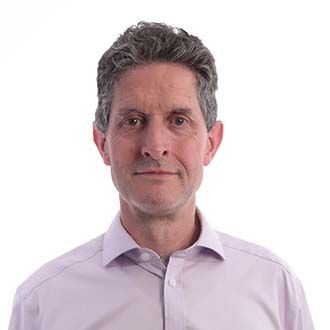 Myles Allen合作论文数Environmental Change Institute, School of Geography and the Environment, University of Oxford;Department of Physics, University of Oxford6
 Peter Brownsort合作论文数6
 P. Parmiter合作论文数6
 Hannah Chalmers合作论文数School of Engineering, University of Edinburgh, The King’s Buildings,Mayfield Road, Edinburgh, EH9 3JL, UK6
 Nils Markusson合作论文数School of Geosciences, University of Edinburgh6
 Jon Gibbins合作论文数Department of Mechanical Engineering, University of Sheffield/UK CCS Research Centre6
 Jennifer Roberts合作论文数Department of Economics, Faculty of Social Sciences, The University of Sheffield6
 Paul Eke合作论文数School of Engineering and Electronics William Rankine Building, The University of Edinburgh6Saeed Ghanbari合作论文数Heriot-watt University5Neil M. Burnside合作论文数Currently at Department of Civil and Environmental Engineering, University of Strathclyde5
 Andrew Curtis合作论文数Earth and Planetary Science, School of GeoSciences, The University of Edinburgh5Ibarrola Rodrigo合作论文数5Daniel Faulkner合作论文数University of Liverpool5
 Rachel Wood合作论文数School of Geosciences, The University of Edinburgh5
 Antoni Edward Milodowski合作论文数British Geological Survey5Min Jin合作论文数5
 David Reiner合作论文数Judge Business School, University of Cambridge5
 Mark James Osborne合作论文数Research Division, N.E. Wales Institute5
 Adrian Boyce合作论文数Centre for the Isotope Sciences, Scottish Universities Environmental Research Centre, University of Glasgow5




