Abstract Standard-of-care non-operative management for locally advanced head & neck squamous cell carcinoma (HNSCC) is definitive radiation with concurrent cisplatin. NRG-HN004 demonstrated the benefit of concurrent cetuximab in patients with a medical contraindication to cisplatin including those older than 70 with a Charleson-Deyo (CD) score ≥ 1 and those under 70 with a CD score ≥ 2. In these populations, the survival benefits of concurrent systemic therapies may be limited due to medical co-morbidities. We evaluated overall survival (OS) of these populations in the National Cancer Database (NCDB) comparing radiation-treated patients who received concurrent chemotherapy against concurrent immunotherapy (most likely cetuximab given it is the only FDA-approved immunotherapy for this indication). The NCDB was queried for data from 2015-2023 to include stage III, IVa, and IVb non-metastatic HNSCC patients that met the HN-004 criteria. Histological subtypes of squamous cell carcinoma (SCC) were identified using ICD-O-3 codes 8070-8078. Patients with clinical T3-T4 and/or clinically node-positive disease with a known primary were included. Patients who received less than 60 Gy were excluded. Groups were stratified based on radiation with chemotherapy (RT-C) or radiation with immunotherapy (RT-I) without overlap. Concurrent systemic therapy was defined as having started within 30 days of the initiation of radiation. OS was evaluated using Kaplan-Meier (KM) statistics and differences were evaluated using log-rank testing. A p < 0.05 was considered statistically significant. To minimize the effect of informative censoring, patients without documented follow-up after January 1, 2023 were counted as deaths unless they had greater than 5 years of observed follow-up. Additionally, KM estimates were capped at 5 years. A total of 6299 patients were identified: 5657 treated with RT-C and 642 treated with RT-I. 2-year OS was 65.0% (95% CI, 63.8-66.3) and 52.9% (95% CI, 49.2-57.0) for RT-C and RT-I, respectively. 5-year OS was 20.7% (95% CI, 19.6-21.9) and 21.8% (95% CI, 18.7-25.5) for RT-C and RT-I, respectively. KM analysis ultimately showed no significant difference between the two treatment cohorts (log-rank p=0.059). In a subgroup of patients with medical contraindications to cisplatin, there was no statistically significant improvement in OS with concurrent chemotherapy over concurrent immunotherapy (likely cetuximab) for locally advanced HNSCC in this real-world dataset. Critically, early survival benefits seen with concurrent chemotherapy dissipate with long-term follow-up possibly due to deaths from other causes in this population with extensive co-morbidity. Further prospective study is needed to evaluate the benefit of concurrent chemotherapy over cetuximab in this frail population. Citation Format: Deniz C. Demircioglu, Sohil Singh, Johnny Belcher, Joseph Zenga, Stuart J. Wong, Musaddiq Awan. Survival outcomes with concurrent systemic therapy in patients with a medical contraindication to cisplatin in the non-operative management of locally advanced HNSCC, an NCDB Study [abstract]. In: Proceedings of the American Association for Cancer Research Annual Meeting 2026; Part 1 (Regular Abstracts); 2026 Apr 17-22; San Diego, CA. Philadelphia (PA): AACR; Cancer Res 2026;86(7 Suppl):Abstract nr 7366.
BACKGROUND:Patients with locally advanced head and neck squamous cell carcinoma who are medically ineligible for cisplatin lack a standard concurrent systemic therapy. METHODS:We used the National Cancer Database to identify patients diagnosed from 2015 onward with non-metastatic, locally advanced squamous HNSCC treated with definitive radiation therapy and concurrent systemic therapy, receiving either chemotherapy or cetuximab (using immunotherapy as a surrogate for cetuximab in the NCDB). Cisplatin-ineligibility was defined using the age and comorbidity criteria from NRG-HN004. Overall survival was compared using Kaplan-Meier analysis and an inverse probability weighted Cox proportional hazards model. RESULTS:The final cohort included 6045 patients: 5441 receiving chemotherapy and 604 receiving cetuximab. In the weighted Cox model, chemotherapy was not significantly associated with improved overall survival compared to cetuximab (HR, 1.08; 95% CI, 0.94-1.23; p = 0.281). CONCLUSIONS:In this retrospective analysis, no survival advantage was found with chemotherapy over cetuximab in cisplatin-ineligible patients. Future, randomized trials are necessary to define optimal systemic therapy in this population.
Abstract Introduction: HPV-negative head and neck squamous cell carcinoma (HNSCC) remains highly lethal, and even the recent KEYNOTE-689 trial showed limited response to PD-1 blockade. To clarify mechanisms of immunoresistance, we performed multi-omic single-cell profiling of HPV-negative HNSCC to define the states, clonotypes, and spatial niches of tumor-reactive T cells. Methods: Two patients with untreated HPV-negative HNSCC underwent surgical tumor sampling. Biopsies were allocated for dissociative single-cell RNA and TCR sequencing, for single-cell spatial whole transcriptome imaging with TCR add-in on the Bruker CosMx platform, and for functional co-culture of autologous tumor cells and tumor-infiltrating lymphocytes (TILs) on the Bruker Beacon system with robotic retrieval of reactive clones followed by single-cell TCR sequencing. Results: Dissociative and spatial datasets were high quality, and dissociative clustering guided spatial annotation. Two tumor-reactive TIL populations emerged: a transcriptionally reactive population marked by terminal exhaustion and clonal hyper-expansion, and a functionally reactive population identified on the Beacon platform through tumor-killing and IFNγ secretion. Neither appeared in adjacent normal mucosa. Spatial projection showed functionally reactive clonotypes progressing along a pseudotime continuum from minimally exhausted stromal states toward a deeply exhausted yet proliferative state within malignant epithelial islands. Transcriptionally reactive TILs shared this exhausted-proliferative phenotype and primarily localized within tumor islands. Conversely, Tregs and immunosuppressive macrophages were confined to stromal regions and showed minimal spatial overlap with tumor-reactive T cells. Malignant epithelium strongly enriched CXCL14 (> ten-fold over stroma), yet tumor-reactive TILs remained rare, with a tumor-to-reactive T cell ratio greater than 20 to 1. Conclusions: This is the first study to integrate dissociative, spatial, and functional single-cell analytics to define tumor-reactive TIL biology in solid tumors. We find that tumor-reactive T cells can infiltrate malignant epithelial islands, and that their deepest infiltration corresponds to the most exhausted states, indicating that chronic antigen stimulation is the primary driver of dysfunction. The confinement of suppressive cells to stromal niches suggests that their influence is exerted through maintenance of a restrictive barrier stroma rather than through proximity-based inhibition. Together, these findings highlight insufficient chemotactic recruitment of tumor-reactive T cells as a central barrier to effective antitumor immunity. The strong epithelial enrichment of CXCL14 positions it as a promising candidate for enhancing tumor-directed T cell migration. Citation Format: Joseph Zenga, Musaddiq Awan, Fumou Sun, Stuart J. Wong, Abdullah Memon, Tyce Kearl, Ean Norenberg, Margaret L. Hoang, Joseph M. Beechem, Eric Hobbs, Ashley Heck, Rachel Liu, Daniel McGuire, Erin Piazza, Peiman Hematti, Heather Himburg. Dissociative, spatial, and functional single-cell profiling reveals antigen-driven exhaustion and chemotactic failure of tumor-reactive T cells in HPV-negative HNSCC [abstract]. In: Proceedings of the American Association for Cancer Research Annual Meeting 2026; Part 1 (Regular Abstracts); 2026 Apr 17-22; San Diego, CA. Philadelphia (PA): AACR; Cancer Res 2026;86(7 Suppl):Abstract nr 4984.
Head and neck squamous cell carcinoma (HNSCC) is an aggressive malignancy associated with high recurrence rates and substantial treatment-related morbidity. Radiation therapy remains a central component of the management of locoregional disease. Although radiation directly damages malignant cells through DNA breaks and associated stress pathways, radioresistance remains common, and a proportion of patients continue to develop locoregional recurrence or distant metastasis despite adequate locoregional control. Recent advances in single-cell and spatiotemporal profiling of HNSCC have clarified how radiation alters systemic and intra-tumoral T cell populations and produces a post-radiation tumor microenvironment that provides insufficient support for the robust priming of new tumor-reactive responses. These insights help explain why clinical trials combining radiotherapy with immune checkpoint inhibitors have not reproduced the synergy predicted by preclinical models. At the same time, they point to opportunities to design radiation as a programmable immune adjuvant. In this review, we summarize emerging mechanistic data on radiation-induced remodeling of the T cell landscape, outline the barriers that limit productive immune priming after treatment, and discuss strategies aimed at restoring effective anti-tumor immunity in the post-radiation setting.
PURPOSE:Locoregionally recurrent squamous cell carcinoma of the head and neck and second primary tumors (SPTs) in previously irradiated fields, if not resectable, are virtually always fatal. Chemotherapy alone yields a median survival of 10 to 11 months and 5-year overall survival (OS) rates of <5%. Concurrent reirradiation and chemotherapy constitutes an alternative, nonstandard strategy. Herein, we report the long-term outcomes of NRG Oncology Radiation Therapy Oncology Group 9911, a phase II trial of split-course radiation therapy (RT) and concurrent paclitaxel and cisplatin. METHODS AND MATERIALS:Eligibility stipulated measurable, recurrent squamous cell carcinoma of the head and neck or SPT in previously irradiated fields, performance status 0-1, and adequate end-organ indices. Patients received split course, twice-daily RT (1.5 Gy/fraction twice a day × 5 days every 2 weeks ×4), plus cisplatin (15 mg/m2every day × 5) and paclitaxel (20 mg/m2every day ×5) every 2 weeks for 4 cycles. Granulocyte colony-stimulating factor was administered on days 6 to 13 of each 2-week cycle. The primary endpoint was OS relative to historical control, NRG Oncology Radiation Therapy Oncology Group 9610. Secondary endpoints included progression-free survival, toxicities, and patterns of failure. RESULTS:Between March 2000 and June 2003, 105 patients were enrolled; 100 patients were analyzable (76% male, median age 60 years). Oropharynx (41%) and oral cavity (27%) were the predominant primary sites. A total of 23% had SPT. Median prior RT dose was 65.7 Gy. Overall, 73% of patients completed all chemotherapy. Nine treatment-related deaths (9%) occurred: 5 in the acute and 4 in the late setting. Survival was significantly improved over historical control (P = .01) with 5-year survival increased from 3.8% (95% CI, 0.0-8.0) to 14.9% (95% CI, 7.9-21.9). Five-year progression-free survival was 7.0% (95% CI, 2.0-12.0). A total of 64.9% died of incident cancer, 3.2% of SPT, and 22.3% of noncancer or unknown causes. In 1-year survivors, the rate of subsequent late grade 4-5 toxicity was significantly higher than historical control (P = .02), with 5-year cumulative incidence of 22.4% (95% CI, 11.8-35.1) compared with 3.2% (95% CI, 0.2-14.5). CONCLUSIONS:Despite a high incidence of grade 5 toxicity, OS rates for this trial evaluating concurrent split course twice a day reirradiation with cisplatin and paclitaxel exceeded results seen historically with chemotherapy alone.
Human Papillomavirus (HPV)-negative head and neck squamous cell carcinoma (HNSCC) remains a challenging malignancy, with radiotherapy, alone or combined with immune checkpoint inhibitors, often failing to achieve durable disease control. Here, by conducting longitudinal multi-omic analyses of pre- and post-radiation biopsies from patients receiving a pre-operative hypofractionated radiation regimen, we uncover that radiation rapidly depletes a subpopulation of tumor-infiltrating lymphocytes (TIL), characterized by a proliferative, cytotoxic, and tissue-resident gene signature (TProlif_Tox). We provide multi-dimensional evidence for tumor antigen-specificity of TProlif_Tox clonotypes and show that post-radiation tumors are instead repopulated by regulatory and non-specific clones. Finally, TIL depletion correlates with radiorecurrent disease after conventional radiation, emphasizing the potential impact of radiation-induced TIL loss regardless of fractionation. Thus, this study provides key insights into radiotherapy-induced alterations in the immune microenvironment that drive immunologic radioresistance and proposes restoring tumor antigen-specific T cell clonotypes as a strategy to improve radioimmunotherapy responses in HNSCC.
Background Recurrent and/or metastatic head and neck squamous cell carcinoma (HNSCC) has a high recurrence rate after first-line immunotherapy or chemoimmunotherapy. The presence of a high density of tumor-infiltrating lymphocytes (TILs) in HNSCC tumors was shown to be associated with improved clinical outcomes. One-time autologous TIL cell therapy was evaluated in patients with recurrent and/or metastatic HNSCC.Methods C-145-03 (NCT03083873) was a phase 2 study of TIL in patients with recurrent and/or metastatic HNSCC assigned to 1 of 4 treatment cohorts: cohort 1, non-cryopreserved TIL; cohort 2, cryopreserved lifileucel (22-day manufacturing); cohort 3, cryopreserved lifileucel (16-day manufacturing); cohort 4, cryopreserved LN-145-S1 programmed cell death protein-1 (PD-1) selected. Patients underwent tumor resection for TIL generation. After preparative non-myeloablative lymphodepletion, patients received a single infusion of TIL followed by interleukin-2 (IL-2) infusion(s). The primary endpoint was investigator-assessed objective response rate (ORR) per Response Evaluation Criteria for Solid Tumors (RECIST) V.1.1. Secondary endpoints were investigator-assessed duration of response (DOR), disease control rate (DCR), progression-free survival, overall survival, and incidence of treatment-emergent adverse events.Results Overall, 53 patients received TIL: cohort 1 (n=8), cohort 2 (n=17), cohort 3 (n=16), cohort 4 (n=12). Median age was 57 years and most patients were males (87%; 46/53) with stage IV disease (98%; 52/53). Patients had a median of two prior lines of systemic therapy; 87% (46/53) of patients had prior anti-PD-1/programmed cell death ligand-1 therapy and 72% (38/53) had prior chemotherapy. The ORR was 11% (6/53) with six patients achieving partial response (cohort 1, n=3; cohort 2, n=1; cohort 4, n=2). At median follow-up of 17.9 months, the median DOR was 7.6 months. The DCR was 76% (40/53); 64% (34/53) of patients had stable disease. The safety profile was consistent with known toxicities associated with non-myeloablative lymphodepletion and IL-2 administration.Conclusions This study demonstrated the feasibility of consistently generating sufficient TIL from HNSCC tumors. Results from this study suggest TIL cell therapy may serve as a potential treatment option for patients with HNSCC and support further development, including TIL cell therapy combined with immune checkpoint inhibitors or other agents or with other TIL products.Trial registration number NCT03083873.
Purpose Locoregionally recurrent squamous cell carcinoma of the head and neck and second primary tumors (SPTs) in previously irradiated fields, if not resectable, are virtually always fatal. Chemotherapy alone yields a median survival of 10 to 11 months and 5-year overall survival (OS) rates of <5%. Concurrent reirradiation and chemotherapy constitutes an alternative, nonstandard strategy. Herein, we report the long-term outcomes of NRG Oncology Radiation Therapy Oncology Group 9911, a phase 2 trial of split-course radiation therapy (RT) and concurrent paclitaxel and cisplatin. Methods and Materials Eligibility stipulated measurable, recurrent squamous cell carcinoma of the head and neck or SPT in previously irradiated fields, performance status 0-1, and adequate end-organ indices. Patients received split course, twice-daily RT (1.5 Gy/fraction twice a day × 5 days every 2 weeks ×4), plus cisplatin (15 mg/m2every day × 5) and paclitaxel (20 mg/m2every day ×5) every 2 weeks for 4 cycles. Granulocyte colony-stimulating factor was administered on days 6 to 13 of each 2-week cycle. The primary endpoint was OS relative to historical control, NRG Oncology Radiation Therapy Oncology Group 9610. Secondary endpoints included progression-free survival, toxicities, and patterns of failure. Results Between March 2000 and June 2003, 105 patients were enrolled; 100 patients were analyzable (76% male, median age 60 years). Oropharynx (41%) and oral cavity (27%) were the predominant primary sites. A total of 23% had SPT. Median prior RT dose was 65.7 Gy. Overall, 73% of patients completed all chemotherapy. Nine treatment-related deaths (9%) occurred: 5 in the acute and 4 in the late setting. Survival was significantly improved over historical control (P = .01) with 5-year survival increased from 3.8% (95% CI, 0.0-8.0) to 14.9% (95% CI, 7.9-21.9). Five-year progression-free survival was 7.0% (95% CI, 2.0-12.0). A total of 64.9% died of incident cancer, 3.2% of SPT, and 22.3% of noncancer or unknown causes. In 1-year survivors, the rate of subsequent late grade 4-5 toxicity was significantly higher than historical control (P = .02), with 5-year cumulative incidence of 22.4% (95% CI, 11.8-35.1) compared with 3.2% (95% CI, 0.2-14.5). Conclusions Despite a high incidence of grade 5 toxicity, OS rates for this trial evaluating concurrent split course twice a day reirradiation with cisplatin and paclitaxel exceeded results seen historically with chemotherapy alone.
Background and purpose: Quantitative MRI (qMRI) has been explored for detecting tumor changes during radiation therapy (RT) in head and neck squamous cell cancer (HNSCC). Clinical trials show prolonged survival with PD-1 targeted immune checkpoint inhibition. Hypofractionated radiation regimens are being studied to counteract radioresistant clonogen formation. This study aims to use daily qMRI monitoring in these therapies. The objective of this exploratory study was to investigate if qMRI can detect tumor microenvironment changes during hypofractionated RT in a phase I trial of Dose-Escalated Hypofractionated Adaptive Radiotherapy (DEHART). Materials and methods: Seventeen subjects with advanced HNSCC underwent MR-guided RT with daily qMRI using a 15-fraction regimen to a cumulative dose of 50, 55, or 60 Gy. A 1.5 T MRI-Linac collected daily intravoxel incoherent motion (IVIM), T1, and T2 mappings. Median primary tumor ADC, D, D*, f, T1, and T2 were calculated, using paraspinal muscle as a control. qMRI parameters were analyzed by treatment condition and length using linear mixed effect models and nonparametric tests. Results: Significant (p < 0.05) increases in ADC, D, f, and T2 were observed over treatment duration for multiple conditions. Daily monitoring enhanced result significance compared to weekly collection. Conclusions: Daily qMRI effectively monitors tumor response over short periods and varying treatment conditions. Further studies on radiation and systemic therapy combinations in HNSCC could benefit from daily qMRI data collection.
BACKGROUND:Management of patients with locoregionally advanced head and neck squamous cell carcinoma (HNSCC) when cisplatin is contraindicated is controversial. We aimed to assess whether radiotherapy with concurrent and adjuvant durvalumab would improve outcomes compared with radiotherapy with cetuximab. METHODS:NRG-HN004 was designed as an open-label, multicentre, parallel-group, randomised, phase 2/3 trial with safety lead-in conducted at 89 academic and community medical centres in North America. Eligible patients were aged 18 years or older with American Joint Committee on Cancer 8th edition stage III-IVB p16-negative HNSCC or unfavourable stage I-III p16-positive oropharyngeal or unknown primary carcinoma, who had a contraindication to cisplatin (Eastern Cooperative Oncology Group [ECOG] performance status 2, renal or hearing impairment, peripheral neuropathy, aged at least 70 years with moderate or severe comorbidity, or aged younger than 70 years with severe comorbidity). Patients were randomly assigned (2:1) by permuted block randomisation (multiples of 6) to intravenous durvalumab 1500 mg starting 2 weeks before radiotherapy then every 4 weeks starting week 2 of radiotherapy (seven cycles) or intravenous cetuximab 400 mg/m2 1 week before radiotherapy then 250 mg/m2 weekly beginning week 1 of radiotherapy (eight cycles), with intensity-modulated radiotherapy (70 Gy in 35 fractions over 7 weeks). Stratification factors were tumour and nodal stage, ECOG performance status and comorbidity, and primary site and p16 status. The phase 2 primary endpoint was progression-free survival in the intention-to-treat population. There was one prespecified interim futility analysis at 50% of progression-free survival information. If the observed hazard ratio was 1·0 or more, favouring cetuximab, early stopping would be considered. Extended follow-up analysis was post hoc. This trial is registered with ClinicalTrials.gov, NCT03258554, and is closed to enrolment. FINDINGS:Following a ten-patient safety lead-in, the phase 2 trial enrolled 190 patients from March 12, 2019, to July 30, 2021, 186 of whom were randomly assigned (123 to durvalumab and 63 to cetuximab). Median age was 72 years (IQR 64-77), 30 (16%) patients were women and 156 (84%) were men. Phase 2 accrual was suspended in July 30, 2021, following an interim futility analysis, and permanently closed in Sept 1, 2022. The phase 3 part of the trial was not conducted. At a median follow-up of 2·3 years (IQR 1·9-3·1) for the extended follow-up (data cutoff July 31, 2023; post-hoc analysis), 2-year progression-free survival was 50·6% (95% CI 41·5-59·8) in the durvalumab group versus 63·7% (51·3-76·1) in the cetuximab group (hazard ratio 1·33 [95% CI 0·84-2·12]; p=0·89). Adverse events were similar in both groups. The most common grade 3-4 adverse events were dysphagia (26 [22%] of 119 patients in the durvalumab group vs 18 [30%] of 61 patients in the cetuximab group), lymphopenia (33 [28%] vs 20 [33%]), and oral mucositis (13 [11%] vs 11 [18%]). Four (3%) patients in the durvalumab group and one (2%) in the cetuximab group died from treatment-related adverse events (death not otherwise specified, laryngeal oedema, lung infection, and respiratory failure in the durvalumab group and sudden death not otherwise specified in the cetuximab group). INTERPRETATION:Our findings suggest that durvalumab did not improve outcomes compared with cetuximab in patients with HNSCC with contraindications to cisplatin. Further trials are needed to define the standard of care for this population. FUNDING:US National Cancer Institute and AstraZeneca.
BACKGROUND:Head and neck squamous cell carcinoma (HNSCC) presents significant treatment challenges, particularly in cases unrelated to human papillomavirus (HPV). The chemokine receptor CXCR4, interacting with its ligand CXCL12, plays a crucial role in tumor proliferation, metastasis, and treatment resistance. This study explores the therapeutic potential of engineered monomeric and dimerized CXCL12 variants (CXCL121 and CXCL122, respectively) in HNSCC and evaluates potential additive effects when combined with radiation therapy. METHODS:Clinical HNSCC biopsies were evaluated for CXCR4 expression in both previously untreated and radiorecurrent disease. HNSCC cell lines were then treated with combinations of CXCL12 variants and radiotherapy and interrogated for proliferation, gene expression change, and underlying molecular mechanisms. In vivo studies evaluated the biodistribution of engineered CXCL12 and tested these treatments in humanized cell line-derived xenograft (CDX) models. RESULTS:CXCL122 significantly reduced HNSCC cell proliferation and enhanced the effects of radiotherapy, likely through biased agonism at the CXCR4 receptor and upregulation of the KISS1R pathway. In vivo, CXCL122 localized to tumor sites and augmented the effects of radiation to inhibit tumor growth. CONCLUSIONS:CXCL122, in combination with radiation, demonstrates potent anti-tumor effects in HNSCC. These findings support further clinical investigation of CXCL122 to enhance the effects of radiotherapy.
Genetic alternation of REarranged during Transfection ( RET ) that leads to constitutive RET activation is a crucial etiological factor for thyroid cancer. RET is known to regulate mitochondrial processes, although the underlying molecular mechanisms remain unclear. We previously showed that the multi-kinase inhibitors vandetanib and cabozantinib increase the mitochondrial membrane potential (Δψ m ) in RET -mutated thyroid tumor cells and that this effect can be exploited to increase mitochondrial enrichment of Δψ m -sensitive agents in the tumor cells. In this study, we hypothesized that the RET-selective inhibitor, selpercatinib, can increase Δψ m and, subsequently, tumor cell uptake of the mitochondria-targeted ubiquinone (MitoQ) to the level to break the mitochondrial homeostasis and induce lethal responses in RET -mutated thyroid tumor cells. We show that selpercatinib significantly increased Δψ m , and its combination with MitoQ synergistically suppressed RET -mutated human thyroid tumor cells, which we validated using RET-targeted genetic approaches. Selpercatinib and MitoQ, in combination, also suppressed CCDC6-RET fusion cell line xenografts in mice and prolonged animal survival more effectively than single treatments of each agent. Moreover, we treated two patients with CCDC6-RET or RET M918T thyroid cancer, who could not take selpercatinib at regular doses due to adverse effects, with a dose-reduced selpercatinib and MitoQ combination. In response to this combination therapy, both patients showed tumor reduction. The quality of life of one patient significantly improved over a year until the tumor relapsed. This combination of selpercatinib with MitoQ may have therapeutic potential for patients with RET -mutated tumors and intolerant to regular selpercatinib doses.
ImportanceIntensity-modulated radiation therapy (IMRT) reirradiation of nonmetastatic recurrent or second primary head and neck squamous cell carcinoma (HNSCC) results in poor progression-free survival (PFS) and overall survival (OS).ObjectiveTo investigate the tolerability, PFS, OS, and patient-reported outcomes with nivolumab (approved standard of care for patients with HNSCC) during and after IMRT reirradiation.Design, Setting, and ParticipantsIn this multicenter nonrandomized phase 2 single-arm trial, the treatment outcomes of patients with recurrent or second primary HNSCC who satisfied recursive partitioning analysis class 1 and 2 definitions were evaluated. Between July 11, 2018, and August 12, 2021, 62 patients were consented and screened. Data were evaluated between June and December 2023.InterventionSixty- to 66-Gy IMRT in 30 to 33 daily fractions over 6 to 6.5 weeks with nivolumab, 240 mg, intravenously 2 weeks prior and every 2 weeks for 5 cycles during IMRT, then nivolumab, 480 mg, intravenously every 4 weeks for a total nivolumab duration of 52 weeks.Main Outcomes and MeasuresThe primary end point was PFS. Secondary end points included OS, incidence, and types of toxic effects, including long-term treatment-related toxic effects, patient-reported outcomes, and correlatives of tissue and blood biomarkers.ResultsA total of 62 patients were screened, and 51 were evaluable (median [range] age was 62 [56-67] years; 42 [82%] were male; 6 [12%] had p16+ disease; 38 [75%] had salvage surgery; and 36 [71%.] had neck dissection). With a median follow-up of 24.5 months (95% CI, 19.0-25.0), the estimated 1-year PFS was 61.7% (95% CI, 49.2%-77.4%), rejecting the null hypothesis of 1-year PFS rate of less than 43.8% with 1-arm log-rank test P = .002 within a 1-year timeframe. The most common treatment-related grade 3 or higher adverse event (6 [12%]) was lymphopenia with 2 patients (4%) and 1 patient each (2%) exhibiting colitis, diarrhea, myositis, nausea, mucositis, and myasthenia gravis. Functional Assessment of Cancer Therapy–General and Functional Assessment of Cancer Therapy–Head and Neck Questionnaire quality of life scores remained stable and consistent across all time points. A hypothesis-generating trend favoring worsening PFS and OS in patients with an increase in blood PD1+, KI67+, and CD4+ T cells was observed.Conclusions and RelevanceThis multicenter nonrandomized phase 2 trial of IMRT reirradiation therapy and nivolumab suggested a promising improvement in PFS over historical controls. The treatment was well tolerated and deserves further evaluation.Trial RegistrationClinicalTrials.gov Identifier: NCT03521570
Background: Human papillomavirus (HPV)-negative head and neck squamous cell carcinoma (HNSCC) remains a treatment-resistance disease with limited response to immunotherapy. While T cells in HNSCC are known to display phenotypic dysfunction, whether they retain rescuable functional capacity and tumor-killing capability remains unclear. Methods: To investigate the functionality and tumor-specificity of tumor-infiltrating lymphocytes (TILs) across HNSCCs, malignant cell lines and TILs were derived from 31 HPV-negative HNSCCs at the time of standard surgical resection. T cell functional capacity was evaluated through ex vivo expansion, immunophenotyping, and IsoLight single-cell proteomics. Tumor-specificity was investigated through both bulk and single-cell tumor-TIL co-culture. Results: TILs could be successfully generated from 24 patients (77%), including both previously untreated and radiation recurrent HNSCCs. We demonstrate that across HNSCCs, TILs express multiple exhaustion markers but maintain a predominantly effector memory phenotype. After ex vivo expansion, TILs retain immunogenic functionality even from radiation-resistant, exhausted, and T cell-depleted disease. We further demonstrate tumor-specificity of T cells across HNSCC patients through patient-matched malignant cell-T cell co-culture. Finally, we use optofluidic technology to establish an autologous single tumor cell-single T cell co-culture platform for HNSCC. Cells derived from three HNSCC patients underwent single-cell co-culture which enabled identification and visualization of individual tumor-killing TILs in real-time in all patients. Conclusions: These studies show that cancer-specific T cells exist across HNSCC patients with rescuable immunogenicity and can be identified on a single-cell level. These data lay the foundation for development of patient-specific T cell immunotherapies in HNSCC.
Despite the promise of concurrent radiotherapy (RT) and immunotherapy in head and neck cancer (HNC), multiple randomized trials of this combination have had disappointing results. To evaluate potential immunologic mechanisms of RT resistance, we compared pre-treatment HNCs that developed RT resistance to a matched cohort that achieved curative status. Gene set enrichment analysis demonstrated that a pre-treatment pro-immunogenic tumor microenvironment (TME), including type II interferon [interferon gamma (IFNγ)] and tumor necrosis factor alpha (TNFα) signaling, predicted cure while type I interferon [interferon alpha (IFNα)] enrichment was associated with an immunosuppressive TME found in tumors that went on to recur. We then used immune deconvolution of RNA sequencing datasets to evaluate immunologic cell subset enrichment. This identified M2 macrophage signaling associated with type I IFN pathway expression in RT-recurrent disease. To further dissect mechanism, we then evaluated differential gene expression between pre-treatment and RT-resistant HNCs from sampled from the same patients at the same anatomical location in the oral cavity. Here, recurrent samples exhibited upregulation of type I IFN-stimulated genes (ISGs) including members of the IFN-induced protein with tetratricopeptide repeats (IFIT) and IFN-induced transmembrane (IFITM) gene families. While several ISGs were upregulated in each recurrent cancer, IFIT2 was significantly upregulated in all recurrent tumors when compared with the matched pre-RT specimens. Based on these observations, we hypothesized sustained type I IFN signaling through ISGs, such as IFIT2, may suppress the intra-tumoral immune response thereby promoting radiation resistance.
 Musaddiq Awan合作论文数Department of Radiation Oncology, Medical College of Wisconsin17
 Zenga Joseph合作论文数Department of Otolaryngology-Head and Neck Surgery, Washington University17
 Quynh-Thu Le合作论文数Department of Radiation Oncology, School of Medicine, Stanford University17Becky Massey合作论文数16Jonathan Harris合作论文数RTOG Statistical Headquarters14Monica Shukla合作论文数13
 Bruce H. Campbell合作论文数Department of Otolaryngology, Medical College of Wisconsin12
 Christopher J. Schultz合作论文数Department of Radiation Oncology, Medical College of Wisconsin12
 Sue S. Yom合作论文数Department of Radiation Oncology, University of California, San Francisco11Qiang Zhang合作论文数10
 Shreenivas Aditya Varnam合作论文数Long island Jewish Hospital, Hofstra Northshore-LIJ School of Medicine10
 Walter Curran Jr合作论文数Department of Radiation Oncology, School of Medicine, Emory University9
 Loren Mell合作论文数Rebecca and John Moores Comprehensive Cancer Center, University of California San Diego9Heather a Himburg合作论文数9
 Andy Trotti合作论文数Center for Infection Research in Cancer, Moffitt Cancer Center9
 Ezra Cohen合作论文数Tempus Labs, Inc8
 Kian Ang合作论文数Department of Radiation Oncology, The University of Texas M. D. Anderson Cancer Center8
 George Shenouda合作论文数Gerald Bronfman Department of Oncology, Faculty of Medicine and Health Sciences, McGill University7
 John A. Ridge合作论文数Temple University Lewis Katz School of Medicine;Fox Chase Cancer Center7
 James Bonner合作论文数Department of Radiation Oncology, Heersink School of Medicine, The University of Alabama at Birmingham7Christopher U. Jones合作论文数7
 Nabil Saba合作论文数Department of Hematology and Medical Oncology, School of Medicine, Emory University;Winship Cancer Institute, Emory University6
 Pedro A. Torres-Saavedra合作论文数Department of Mathematical Sciences, University of Puerto Rico at Mayagüez6Frei Anne C合作论文数6
 Adam S. Garden合作论文数Department of Radiation Oncology, Division of Radiation Oncology, The University of Texas MD Anderson Cancer Center6Michael E. Stadler合作论文数6
 Wade L. Thorstad合作论文数Department of Radiation Oncology, School of Medicine, Washington University in St. Louis6
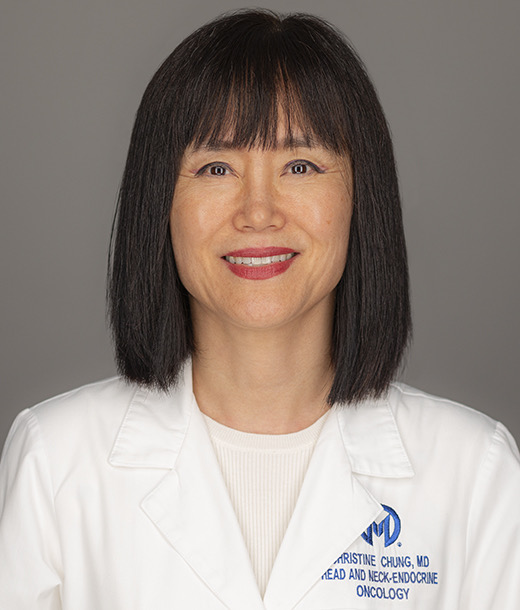 Christine Chung合作论文数Department of Head and Neck-Endocrine Oncology, Moffitt Cancer Center;University of South Florida6
 Corey J. Langer合作论文数Perelman School Of Medicine, University of Pennsylvania6Sharon Spencer合作论文数6
 Tyce Kearl合作论文数5Jennifer Bruening合作论文数5William A Stokes合作论文数5
 Lisle Nabell合作论文数School of Medicine, The University of Alabama at Birmingham5
 Neal Meropol合作论文数Flatiron Health;School of Medicine, Case Western Reserve University5
 Randal S. Weber合作论文数Department of Individual Giving, Division of Philanthropy, The University of Texas MD Anderson Cancer Center;Department of Head and Neck Surgery, Division of Surgery, The University of Texas MD Anderson Cancer Center5Foeckler Jamie合作论文数5
 Edith P. Mitchell合作论文数Department of Medical Oncology, Sidney Kimmel Medical College, Thomas Jefferson University5
 Paul Harari合作论文数Department of Human Oncology, School of Medicine and Public Health, University of Wisconsin-Madison5
 Everett Vokes合作论文数Department of Medicine, University of Chicago5
 Asif Rashid合作论文数Department of Pathology, Division of Pathology-Lab Medicine, The University of Texas MD Anderson Cancer Center5James C. Watson合作论文数5Jondavid Pollock合作论文数5
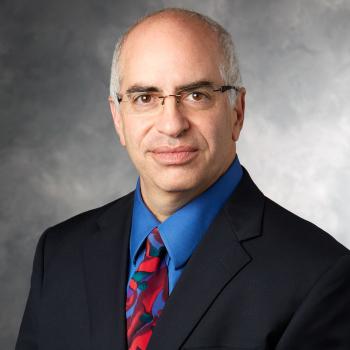 David N. Rosenthal合作论文数Pediatrics Department, Stanford University5Phuc Felix Nguyen-Tan合作论文数Department of Radiation Oncology, Centre Hospitalier de l’Université de Montréal5Selim Firat合作论文数5
 Christopher G. Willett合作论文数Department of Radiation Oncology, Duke University School of Medicine;Duke Cancer Institute, Duke University5
 David Raben合作论文数5Mark A. Taylor合作论文数4




