Loss of, or unwanted changes in employment reduces economic wellbeing and is associated with lower quality of life. People living with chronic breathlessness are less likely to participate in the workforce. The influence of breathlessness on change in employment status is unknown. This study investigates associations between self-reported breathlessness limiting exertion (hereafter breathlessness) and changes in employment status. Cross-sectional, online population survey of individuals aged 18–65 years old from Australia. Current and change of employment status, and breathlessness (assessed using modified Medical Research Council [mMRC] ≥ 1) were analysed using multivariate logistic regression to establish odds ratio (OR) and 95
PurposeThe purpose of this study is to inform gender-responsive policy and practice by investigating services and supports that women with substance use issues need when exiting prison.Design/methodology/approachThis is a retrospective cohort study of women (n = 989 / 18%) and men (n = 4609 / 82%) exiting prison who engaged with the prison health program "Connections" in Australia between 2008 and 2018. Using pre-release assessment data, six re-entry variables were computed: substance use, mental health, housing, employment, social support and parenting. These variables represent areas of support/service provision that might be needed on release. Descriptive statistics were calculated. Associations between "re-entry support needs" and sex were estimated by multiple logistic regression, adjusting for potential confounders.Findings"Re-entry support need" was higher for women in housing (52% vs 46%), employment (88% vs 79%) and parenting (68% vs 60%) compared to men. Multivariate analysis found women also had increased odds of "re-entry support need" in these areas. Similar proportions of women and men were sentenced for substance-related offences (74.4% vs 75.3%), yet, twice the proportion of women were incarcerated for the first time (20.4% vs 8.6%), and double were sentenced to <= 6 months compared to men (44.3% and 22.9%).Originality/valueThis is a large-scale study of women's re-entry needs on exiting prison, which is rare. The findings of this study indicate that gender-responsive policy/practice must account for women having higher level of need in housing, employment and parenting and ceasing the use of punitive short-term sentences. Gender-responsiveness requires addressing women's social determinants of health and incarceration via policy, service provision and practice that will support women and address broader gender inequity taking an intersectional approach.
Background Non-cancer diagnoses are the leading causes of death globally, yet palliative care access for these populations remains inconsistent. The aim of this study was to compare clinico-demographic characteristics and hospital service utilisation between patients who did and did not access palliative care among individuals who died in hospital from non-cancer conditions. Methods: Retrospective cohort study using linked, routinely collected hospital patient data of all patients who died from non-cancer diseases between 1 January 2018 and 31 December 2019 at a metropolitan hospital in Sydney, Australia. An a priori criterion identified patients who were likely to have benefited from palliative care. Results: Of 1,079 deaths, 439 (41%) patients were identified as likely to benefit from palliative care, of whom 240 (55%) patients accessed palliative care. Patients who accessed palliative care were associated with lower average daily costs ($1779 versus $5880, p<0.001), total costs ($14,277 versus $18015, p=0.006), intensive care unit admissions (15% versus 56%, p<0.05), but longer median lengths of stay (10 versus 5 days, p<0.001) in the admission that included their death compared to those who did not access palliative care. Nursing (21%) and critical care, including critical care nursing costs (40%) were the largest cost components for patients who accessed palliative care and those who did not, respectively. Conclusions: Nearly half of patients with non-cancer diseases who may have benefited from palliative care did not access these services. Although palliative care was associated with lower daily and total costs, patients had longer hospital stays, highlighting the need to refine models of care for these patients.
BACKGROUND:Palliative care patients experience complex symptoms requiring varied pharmacological management. Medication choice depends on the underlying aetiology of symptoms, guideline recommendations, clinician preference and medication availability. AIM:The aim of this study was to canvass the views of practising Australian and New Zealand medical practitioners practising palliative care regarding the medications they perceive to be essential for managing prevalent end-of-life symptoms, in an update to a previous clinician survey conducted in 2000. This study also canvassed respondents' views on whether patients experienced difficulties accessing these medications. METHODS:A cross-sectional survey was conducted in 2022 among current members of the Australian and New Zealand Society of Palliative Medicine (ANZSPM). The questionnaire explored ideal pharmacological management for 19 different symptoms experienced at the end of life. A descriptive analysis of results was calculated in SPSS version 28.0. RESULTS:Survey reponses were received from 13.5% of ANZSPM members. For most symptoms (n = 70), a large number of medications were listed as essential. The most concordant first-ranked medications included hyoscine butylbromide for noisy breathing (48.8%), benzodiazepines for breathlessness (nominated by respondents as a class, 41.2%), dexamethasone for cachexia (36.4%) and morphine for cough (35.5%). Respondents most frequently indicated there was no essential medication for oral ulceration, dry mouth, delirium and anorexia. Lidocaine for oral ulceration was ranked the most difficult for patients to access in the community (85.7%). CONCLUSIONS:There remains various opinions on essential medications for palliative care. This suggests the need for ongoing research to reach an evidence-based consensus for clinical practice.
INTRODUCTION:Sexual life is important for many people and may be limited by breathlessness. We evaluated associations between breathlessness and individuals' perceived satisfaction with sexual lives and explored mediating factors in this relationship. METHODS:A cross-sectional, online, population-based survey of Australian adults with key demographics (age, sex, rurality, state/territory) reflected the 2016 national census. Assessments included: demographics, breathlessness (modified Medical Research Council (mMRC) scale); satisfaction with overall sexual life; whether breathlessness had affected overall sexual life and physical, social and emotional functioning. Binomial and ordinal logistic regression evaluated associations; a structural equation model evaluated direct, indirect and total associations. RESULTS:Of 10 033 respondents (52% women; mean age 45.4 (SD 18.6)), 4245/10 033 (42%) reported mMRC ≥1, 1214/10 033 (12%) reported being very dissatisfied with their overall sexual life and 943/10 033 (9%) reported that breathlessness had impacted their overall sexual life. Compared with mMRC 0, there was an unadjusted association between mMRC 1 and satisfaction with overall sexual life which remained after adjusting for age, sex and body mass index (adjusted OR (aOR): 1.50; 95% CI 1.29 to 1.74).Breathlessness severity was associated with worse unadjusted and adjusted impact on overall sexual life: mMRC 0 versus mMRC 1 (aOR: 1.84; 95% CI 1.36 to 2.47). The associations increased stepwise for each higher mMRC level. There may be moderation of the effect of breathlessness on satisfaction with sexual life through emotional functioning. CONCLUSIONS:Increasing breathlessness severity increases the likelihood of a person's overall sexual life being impacted negatively, potentially mediated partly through emotional functioning.
BACKGROUND: Long-term oxygen therapy has not provided the expected survival benefits seen in randomized trials, nor the symptomatic benefits seen in meta-analyses. When long-term oxygen therapy (LTOT) is prescribed for people with symptomatic breathlessness, how do patients use it? The aim of this sub-study of a larger randomized controlled trial (RCT) was to describe self-reported patterns of LTOT use in people with severe/very severe breathlessness and optimally treated COPD, and compliance with physician-directed advice. METHODS: Participants in this cohort were asked: (a) whether they were prescribed LTOT and, if so, (b) what their oxygen use patterns were, and (c) whether this was the way in which the therapy was prescribed. RESULTS: Of 156 people randomized, 67 (43.2%) had LTOT available to them, of whom 17/67 (25.4%) had oxygen saturation < 90% at rest on room air. Oxygen was used continuously (35/67; 52.2%); only on exertion (13/67; 19.4%); only when needed (17/67; 25.4%); or rarely (2/67; 3%). Lower oxygen saturation was associated with a greater likelihood of continuous use. Almost all participants (63/67; 94%) indicated that the way they used LTOT was as directed by their prescribing physician. CONCLUSIONS: The use of oxygen varied widely. Research is needed to understand what prescribers said when LTOT was provided. A more detailed understanding of how LTOT is used, including why oxygen was commenced and ceased during episodic use, is needed.
Breathlessness intervention services (BIS) coach people with chronic illness to self-manage persistent breathlessness using non-pharmacological strategies like positioning, breathing techniques and airflow. The Australian Capital Territory BIS (ABIS) Project aimed to co-design, implement and evaluate the feasibility of a home-based BIS delivered by a private physiotherapy provider. ABIS was evaluated against two goals: 1) 100 patients completing the program within 12 months; 2) ≥ 75
INTRODUCTION:Using time-limited trials of low-dose, sustained-release morphine to reduce chronic breathlessness to evaluate net effects may generate opioid withdrawal symptoms if medication is ceased. This sub-study of a larger randomized, placebo-controlled, double-blind trial aimed to evaluate if this occurred. METHODS:People with modified Medical Research Council breathlessness scores of 3 or 4 and chronic obstructive pulmonary disease were eligible for a dose-increment titration phase (≤3weeks) and blinded extension (<26 weeks). Participants filled out the Subjective Opioid Withdrawal Scale (SOWS) daily for three days after ceasing/completing study medication (score 0-60; scores >20/60 severe opioid withdrawal). Active therapy was compared with placebo, and then, for people on morphine, comparisons between higher doses (24 mg, 32 mg), and lower doses (8 mg, 16 mg) and duration were undertaken. RESULTS:Data were available for 126/156 participants (47% female, median age 73). Placebo or active therapy (Days 1-3) showed no statistically significant differences in SOWS scores (p > 0.05 for all days; Day 1 median 3/60 [IQR 1, 5] compared with 2/60 [IQR 1, 6], respectively; p = 0.475). Neither morphine duration nor dose were significantly different. Two people in the lower dose group in the extension phase had scores >20 for all three days. Individual symptoms that may draw clinical attention to morphine withdrawal include anxiety, a runny nose, perspiration, shaking, hot flushes, or nausea. DISCUSSION:This preplanned substudy quantified risks of people experiencing self-reported symptoms of opioid withdrawal using a validated tool to inform discussions between clinicians and people with chronic breathlessness.
BACKGROUND:Community Palliative Care Services, a limited resource, helps patients spend as much time at home as possible by managing their symptoms and supporting caregivers in the community. AIM:To describe the characteristics of patients discharged alive from the Community Palliative Care Services and to determine the outcomes of those discharged alive, including overall survival, subsequent place of death, and health service use.Design, setting/participants:Linked administrative clinical data were analysed for all adults discharged from an Australian metropolitan Community Palliative Care Services in Sydney between July 2010 and September 2018. That data comprised death records, ambulance, emergency, and hospital admissions. Factors associated with 30-day re-presentation to these services after discharge from the Community Palliative Care Services were examined using logistic regression. RESULTS:Of 5270 community patients, 20% (n = 1095) were alive at discharge. The median follow-up after the first discharge was 259 (95% CI 214-287) days, with 40% (n = 454) of these having a subsequent community palliative care referral. Six hundred and sixty-four (61%) died within a year of discharge, and 45% (n = 495) died in the community. Patients who lived in private residences and who had a malignant disease had higher odds of 30-day hospital re-presentation. CONCLUSION:As the demand for Community Palliative Care Services increases, delivering equitable and efficient services to patients with palliative care needs becomes challenging with limited resources. Factors associated with hospital readmission shortly after discharge from the Community Palliative Care Services should be further explored to determine interventions that may support patients and families in their illness trajectory.
Introduction The recognition of breathlessness in clinical practice appears suboptimal, despite its prevalence and impact. This study aimed to explore the content of clinical conversations about breathlessness and patients’ level of self-reported openness when discussing their breathlessness.Methods A cross-sectional, online survey of Australian adults (≥18 years) stratified to the 2016 National Census for age, sex, state/territory of residence and rurality. Assessments based on self-report included demographics, breathlessness (modified Medical Research Council (mMRC) breathlessness scale), breathlessness duration (months/years) and underlying condition (multiple-choice question), breathlessness-related topics discussed (multiple-choice question) and patients’ openness about breathlessness (multiple-choice question).Results Of 4245 respondents with mMRC ≥1 2311 (54%) reported discussing breathlessness with their clinician. The majority were patient-initiated conversations (94%; n=2179) where the proportion discussing >1 topic was higher with each mMRC level (34% mMRC1; 40% mMRC2; 50% mMRC3-4) in contrast with clinician-initiated conversations (32% mMRC1; 5% mMRC2; 22% mMRC3-4).Patient-initiated conversations prioritised discussing the topics ‘how the person feels’ (mMRC1) and ‘breathlessness’ impacts’ (mMRC2-4); clinician-initiated consultations prioritised ‘breathlessness’ impacts’ (mMRC1-2) and ‘how the person feels’ and ‘doubts/fears’ (mMRC3-4).Compared with clinician-initiated conversations, patient-initiated ones had a higher proportion of respondents reporting being completely open (73% vs 56%, mMRC1; 58% vs 7%, mMRC2; 75% vs 22%, mMRC3-4). Increasing openness was associated with increasing age, gender (women), smoking status (non-smokers) and underlying condition (lung disease).Conclusions Many patients are willing to discuss multiple aspects of their breathlessness but may not disclose the full extent of the symptom’s presence or impacts.
OBJECTIVES:Carers are critical to support discharge home from hospital at end of life yet remain under-represented in health service initiatives to assist this transition. A carer-focused intervention embedded into practice may facilitate hospital discharge. This open-labeled, single-arm phase 2 study aimed to determine the feasibility of (1) delivering a multi-staged intervention (CARENET) to carers of advanced cancer patients in a hospital setting and (2) the study design to inform a phase 3 trial. METHODS:CARENET, delivered before and after discharge to address carer support needs, was tested in an Australian specialist cancer hospital. Eligible participants included carers of advanced cancer inpatients with planned discharge home. The primary outcome was intervention and trial feasibility (recruitment and adherence). Secondary outcomes were eligibility and effects of intervention on outcomes including carer preparedness. RESULTS:Of the 382 potential patient-carer dyads, 25 were recruited within required time frames. The intervention adherence outcome feasibility threshold of 80% of carer participants completing all 3 core components of CARENET was not achieved (60% completion). Trends in improvement in overall carer levels of preparedness were observed from baseline to discharge home (n = 12; mean [95% CI]) 0.5 [-0.0007, 1.007]). However, a downward trend in preparedness to provide emotional care after discharge was observed (n = 12; mean [95% CI] 0.25 [-0.30, 0.80]). SIGNIFICANCE OF RESULTS:Delivering all elements of the CARENET intervention to address carers' needs in the discharge planning context was not feasible. However, some elements were feasible, including identifying and responding to carer need, whilst completing elements after discharge were less feasible. Findings can be explained by problems with adherence, eligibility, and clinician barriers to fitting a multi-staged carer intervention into an acute healthcare setting. Future research should test a more adaptable intervention and delivery model that is accessible to all carers across and compatible with acute care settings.
CONTEXT:Chronic dyspnea is subjective but with objective (measurable) consequences. It is often poorly assessed because people have modified their lifestyles to avoid exertion that generates dyspnea. OBJECTIVES:This study sought any relationship between respondents' self-reported long-term breathlessness limiting exertion (hereafter chronic dyspnea) and distance travelled from the room in which they slept, frequency of mobilizing, and any assistance required. METHODS:This was a national, cross-sectional, online survey of 10,033 Australian adults conducted using the Qualtrics platform, reflecting the most recent national census. Demographic data were collected in addition to the modified Medical Research Council (mMRC) breathlessness scale, duration of dyspnea in people with mMRC ≥ 1 and the Life-Space Assessment scores (0-120 with higher scores reflecting three factors combined: frequency with which a person moves from the room in which they sleep, the furthest distance they achieve and whether they need assistance to achieve this). A regression model adjusted for age, sex, rurality, socio-economic status, and smoking. RESULTS:A total of 8181 respondents had valid data: mean age 46.0 years (standard deviation ± 18.6); 29.3% mMRC ≥ 1, with more women reporting more intense dyspnea. Respiratory conditions were the most prevalent underlying cause. Using ANOVA, mean Life-Space Assessment scores reduced significantly as dyspnea increased (mMRC 0, 69.2; mMRC 1, 59.1; mMRC 2, 47.1; mMRC 3-4, 38.9; P < 0.0001). The regression model revealed an association (P < 0.001) between dyspnea and Life-Space Assessment scores decreasing from mMRC 0 by a mean of 9.3 (standard error [SE] 0.83) to mMRC 1; 20.3 (SE 1.2) to mMRC 2; and 27.9 (SE 1.8) to mMRC 3-4. DISCUSSION:Although potentially intuitive, this study quantified the association of people's reduced spatial footprints at each level of self-reported chronic dyspnea severity, reflecting their shrinking worlds.
CONTEXT:Morphine to treat severe chronic breathlessness might increase adverse events (AEs). OBJECTIVES:We aimed to evaluate the risk of AEs in relation to dose, duration and titration phase of regular, low-dose sustained-release (SR) oral morphine for chronic breathlessness in people with chronic obstructive pulmonary disease (COPD). METHODS:Secondary analysis of a double-blind, randomized, trial of SR morphine titrated to 0-32 mg/day over three weeks in people with COPD and chronic breathlessness. Risk of AEs by morphine or placebo dose, duration and titration phase (initiation, stable dose or up-titration) was analyzed using multivariable generalized estimating equation (GEE) models. RESULTS:We included 156 people (49% female) of whom 100 (64%) experienced any AE during week 1: 64% of those on 8 mg/morphine/day; 78% on 16 mg/morphine/day; and 48% on placebo. In multivariable analysis, the AE risk was highest the first week of morphine treatment and decreased in week two (adjusted rate ratio [aRR] 0.71; 95% confidence interval (CI) 0.54, 0.94) and week three (aRR 0.49; 95% CI 0.37, 0.67). Over the three weeks, the AE risk was similar between titration phases, and there was no statistically significant trend with higher morphine doses (P-values>0.10). Most AEs did not require treatment discontinuation or dose reduction and resolved by the end of titration. CONCLUSION:In people with COPD and severe chronic breathlessness, the risk of AEs was highest during the first week of treatment in a dose-related fashion but did not differ by titration phase or by dose of once-daily SR morphine between 8 and 32 mg/day. Trial registration NCT02720822.
Introduction Effective management of chronic breathlessness requires understanding people’s activity limitations. This study evaluated the extent to which chronic breathlessness limits people’s self-reported everyday activities. Methods A web-based, cross-sectional survey (adults ≥18 years). Recruitment was through a marketing research company, stratified to the 2016 Australian Census for key demographics (age, sex, state/territory of residence, rurality). Self-reported measures included demographics, breathlessness limiting exertion (modified Medical Research Council (mMRC) breathlessness scale) and breathlessness impact (yes/no question; three most important activities affected). Impact was categorised as performing with difficulty/reduced/ceased. Results 7300 respondents were included (mean age 46.5 (SD 18.6); men 50.8%; mMRC ≥1 290.0%). 30.6% (648/2119) with mMRC ≥1 versus 2.6% (136/5181; p<0.001) with mMRC 0 reported activities affected; the proportions increased for each mMRC level. 2342 activities were nominated with the most frequent being: high intensity sport, household chores and mobility. The order changed for mMRC 2 (household chores>high intensity sports>mobility) and mMRC 3–4 (mobility>household chores>high intensity sports). Breathlessness increased the likelihood of activities being reduced or ceased. In a logistic regression model exploring the WHO Disability Assessment Schedule, controlling for baseline factors, most affected domains were getting along (OR 2.5 (95% CI 1.5 to 4.2)), life activities (OR 1.8 (95% CI 1.2 to 2.7)) and participation (OR 6.4 (95% CI 4.2 to 9.9)). Conclusion Chronic breathlessness of every intensity above mMRC 0 affects people’s ability to perform a range of everyday activities. The progressive loss of these activities is a key coping mechanism to avoid precipitating breathlessness and is mostly invisible to other people.
Shareable abstract Higher caregiver burden in the context of long-term breathlessness is associated with both caregiver and patient factors. A more nuanced delineation of caregiver burden can help the design of tailored support interventions to be evaluated in future studies.
There are no known estimates of the prevalence, severity and impacts from breathlessness in low- and middle-income countries. This study aimed to explore the prevalence, severity, self-attributed underlying conditions and impacts of breathlessness limiting exertion in community-dwelling adults in India. This exploratory, population-based online survey recruited a pre-planned sample of 3,000 adult respondents stratified by age, sex and rurality (quotas as per the 2011 Indian National Census). Measures included: demographics; breathlessness limiting exertion (modified Medical Research [mMRC] scale); health-related quality of life (EQ-5D-5L); and disability (World Health Organisation’s Disability Assessment Schedule 2.0 12-item questionnaire [WHODAS-12]). Respondents (n = 3,046) had a mean age of 38 years (SD 15); 57% were male, 59% lived in rural areas and 33% had completed 12th grade. Breathlessness limiting exertion (mMRC ≥1) was reported by 44%, mostly attributed to poor nutrition (28%), lung conditions excluding tuberculosis (17%) or anaemia (13%). Compared to those without breathlessness, a higher proportion of people with breathlessness (mMRC ≥1) reported problems across all EQ-5D-5L dimensions. Most people reporting breathlessness (81%) indicated the symptom had adversely affected their normal activities. Disability scores (WHODAS-12 total and individual domains) increased as breathlessness worsened. To conclude, in India, conservative estimates indicate 626 million people live with breathlessness of whom 52 million people live with severe breathlessness. The symptom is associated with poorer health-related quality of life and marked disability, including reduced ability to perform daily activities.
 Currow David C合作论文数42
 Slavica Kochovska合作论文数30
 Magnus P Ekstrom合作论文数Division of Respiratory Medicine &Lund University, Flinders University;Lund University, Flinders University27
 Diana Ferreira合作论文数Fac Sci Med & Hlth, Univ Wollongong22
 Miriam Jane Johnson合作论文数A.),, Flinders University;Department of Respiratory and Sleep Medicine (C.M.),, Austin Hospital;Southern Adelaide Palliative Services (P.A.) and Respiratory Services (P.F.),, Repatriation General Hospital;and Central and Eastern Palliative Care Service (M.B.),, Royal Adelaide Hospital;Palliative Medicine (M.J.J.),, Hull and York Medical School;Department of Medicine, Duke University Medical Centre;Flinders University, Duke University Medical Centre19
 Tim Luckett合作论文数School of Psychology, University of Sydney18
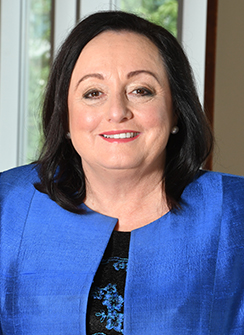 Patricia M Davidson合作论文数School of Nursing, Johns Hopkins University;Australia’s University of Wollongong;World Health Organization;Faculty of Health, University of Technology Sydney17
 Phillip Newton合作论文数School of Nursing and Midwifery, College of Health, Medicine and Wellbeing, University of Newcastle17Meera Agar合作论文数School of Health Sciences, Faculty of Medicine and Health, The University of Sydney16Macdonald Peter S合作论文数15
 Yenna Salamonson合作论文数Sch Nursing & Midwifery, Univ Western Sydney13
 Michelle Digiacomo合作论文数Centre for Cardiovascular and Chronic Care, Curtin Health Innovation Institute12
 Vanessa Brunelli合作论文数Faculty of Health, Queensland University of Technology10
 Jane Phillips合作论文数School of Nursing, Queensland University of Technology;University of Technology Sydney9
 David Sibbritt合作论文数School of Public Health, Faculty of Health, University of Technology Sydney9
 Morgan Deidre Diane合作论文数8E. Montgomery合作论文数7
 Irina Kinchin合作论文数Trinity College Dublin, the University of Dublin7
 Sunita R Jha合作论文数7
 Jon Adams合作论文数School of Public Health, University of Technology Sydney7
 Max Olsson合作论文数Faculty of Medicine, Lund University6
 Kay Wilhelm合作论文数School of Clinical Medicine, The University of New South Wales;University of Notre Dame6Jane Hunt合作论文数5Reem Zeki合作论文数5
 Jennifer Philip合作论文数Department of Medicine, Melbourne Medical School, Faculty of Medicine, Dentistry and Health Sciences, The University of Melbourne5
 Maree Johnson合作论文数Faculty of Health Sciences, Australian Catholic University5
 Annmarie Hosie合作论文数Calvary Health Care Sydney5
 Brian Draper合作论文数School of Psychiatry, Faculty of Medicine, The University of New South Wales5
 Elizabeth Sullivan合作论文数College of Health, Medicine and Wellbeing, The University of Newcastle5
 Belinda Fazekas合作论文数5Caitlin Sheehan合作论文数4
 Wei Lee合作论文数4
 Lucie Michelle Ramjan合作论文数School of Nursing and Midwifery, University of Western Sydney4
 Amie Steel合作论文数Aust Research Ctre in Complementary & Integrative Med, University of Technology Sydney4
 Christopher C. Hayward合作论文数Harvard-Smithsonian Center for Astrophysics4
 Danny Eckert合作论文数School of Biomedical Sciences, University of New South Wales4
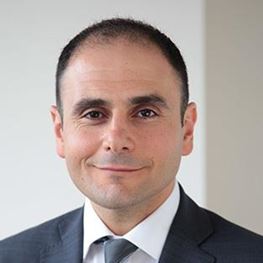 Andrew Jabbour合作论文数St Vincent’s Private Hospital;School of Clinical Medicine, University of New South Wales;St Vincent’s Hospital4Sally C. Inglis合作论文数The University of Queensland4
 Elizabeth Anne Lobb合作论文数Psychology Research Unit, Medical;Department of Psychology;University of Sydney;Department of Psychology, University of Sydney4M. Harkess合作论文数4Malin K Hannu合作论文数3
 Matt Doogue合作论文数3
 Anne Keogh合作论文数St Vincent’s Private and Public Hospital;Victor Chang Cardiac Research Institute;University of New South Wales3
 Serra Ivynian合作论文数IMPACCT, Univ Technol Sydney3Richard Chye合作论文数3
 Fiona Maccallum合作论文数School of Psychology, Faculty of Health and Behavioural Sciences, The University of Queensland3Malouf Monique A合作论文数3Roydhouse Jessica K合作论文数University of Sydney3
 Jacob Sandberg合作论文数3




