Long-term land-use transitions significantly alter soil nutrient dynamics, microbiological functions, and carbon (C) pool distributions in the soil profile. This study assessed the long-term effects of converting a 50-year-old primary forest into cultivated land-use systems, namely, agriculture (AGLU), horticulture (HOLU), and agroforestry (AFLU), over a period of 20-26 years in the Eastern Himalayas, India. The soil was taken to a depth of 1.0 m, with increments of 0.15 m until 0.60 m and 0.20 m until 1.0 m. The evaluation was carried out to assess macro- and micronutrient storage, microbial biomass, enzymatic activities, and total and fractionated organic carbon (C) pools. The depletion of nutrients (macro: -52.6% to -59.2%, micro: -20.4% to -61.6%) and biological properties (SMBC: -40.7%, enzymes: -25.5% to -40.2%) was the most severe in the top soil (0.15 m) under agricultural land use. In contrast, AFLU and HOLU retained higher nutrient levels and C-pools, both in surface (0-15 cm) and subsoil layers (15-100 cm). Cultivation significantly (p < 0.05) reduced soil organic carbon and its fractions in both surface and sub-surface soils when compared to primary forest (FOLU). The degradation index confirmed greater resilience of tree-based systems compared to seasonal cropping. These findings support the promotion of agroforestry and perennial horticulture, which can help restore degraded soils in upland ecosystems.
The present field study was conducted to evaluate the impact of different nutrient levels on the growth, physiological traits, and yield attributes of garden pea (Pisum sativum L.) under specific agro-climatic conditions. The experiment included five treatments with varying doses of NPK fertilizers, among which the treatment T5, consisting of 125% of the recommended NPK dose, consistently produced the most favorable results. Observations were recorded at 30, 45, 60 days after sowing (DAS), and at harvest to assess plant height, number of branches per plant, leaf area index (LAI), and dry matter accumulation. The T5 treatment significantly enhanced vegetative growth and physiological efficiency, resulting in better pod formation and overall yield performance. Notably, T5 achieved the highest plant height (68.3 cm), LAI (2.45), and dry matter accumulation (22.8 g/plant), leading to a superior green pod yield of 95.2 q/ha. In contrast, the control treatment (T1), which received no fertilizer, showed the lowest performance across all parameters. The results underscore the importance of optimized nutrient management, especially nitrogen, in achieving enhanced crop performance in legumes. This study supports the adoption of higher-than-recommended NPK doses, tailored to soil conditions, to maximize productivity without adverse effects. Furthermore, the integration of chemical and organic nutrient sources and stage-specific application practices could further improve sustainability and efficiency in garden pea cultivation.
Organic farming is emerging as an alternative sustainable agri-food system globally both in developed and developing nations. In India, organic farming offers a promising alternative to conventional farming and may contribute significantly to mitigate climate change by improving soil health, fostering biodiversity, and enhancing carbon sequestration. Lower yields, higher production costs and market access barriers, particularly for smallholder farmers are significant challenges for scaling up of organic farming practices on small farmers’ fields. However, growing opportunities for premium market prices for organic products, reduced input costs over time and improved soil resilience need to be addressed. This paper examines global and national trends, highlighting India’s position as a major player in the organic food ecosystem with a growing area, organic food products market and organic production technologies. It also delves into the productivity and profitability of organic farming systems, acknowledging the trade- offs between environmental benefits and economic costs. The trade-off is evidenced in terms of long-term ecological advantages such as improved soil structure, nutrient cycling and reduced pesticide residues, thus ensuring healthier food system and sustainable farming practices. Government policies, institutional support and market incentives are crucial in accelerating the adoption of organic practices. For scaling up of organic farming, the role of policy recommendations is also vital and significant to contribute to food security and environmental sustainability. The key to achieving improvements in organic farming is adopting diversification into several different crops for direct human consumption and services for the community. Profitability in the market and promoting demand for products that would improve the sustainability of farm and beyond will increase the food security of the global food system at the farm-level, ultimately leading to greater sustainability and resilience in agri-food systems.
Excessive use of chemical fertilizers in mango ( Mangifera indica ) cultivation has led to serious threats to soil health and environmental sustainability. To address these concerns, the present study was undertaken to explore eco-friendly alternatives using organic bioenhancers, applied individually and in combination with paddy straw mulch. The objective was to assess their potential in improving the nutrient status and leaf biochemical characteristics of mango trees, thereby promoting sustainable production practices. The experiment was conducted during 2024–2025 at the Department of Agriculture, Mata Gujri College, Fatehgarh Sahib, Punjab, India (30°37′7.17″N, 76°24′28.14″E), following a factorial randomized block design comprising ten treatments. Findings revealed that the combined application of 3% Dasgavya and paddy straw mulch significantly enhanced the biochemical and nutrient parameters of mango trees. This treatment recorded the maximum leaf area (86.02 cm²), leaf area index (0.03), number of inflorescences per branch (7.53), fruit retention (50.92%), specific gravity (1.01 kg/m³), and non-reducing sugar content (3.84%). The results clearly indicate that integrating organic bioenhancers with paddy straw mulch can serve as a sustainable and effective substitute for chemical fertilizers, improving both plant health and environmental quality.
Conventional nitrogen (N) application across large irrigated maize field often leads to low N use efficiency (NUE) due to substantial spatial and temporal variations in N needs throughout the growing season. This study aimed to optimize N management and enhance NUE in maize using the GreenSeekerTM (GSTM) optical sensor, calibrated in conjunction with Nutrient Expert (R) (NE (R)). Field experiments conducted from 2012 to 2014 established a strong relationship between In-Season Estimated Yield (INSEY) at key growth stages (V2-V19) and maize yield, with R2 values from 0.70 to 0.79. Based on INSEY-yield relationships at V7 and V11, N management prescriptions were implemented between 2015 and 2019 in the Indo-Gangetic Plains. The most effective strategy, NE (R) + 2-GSTM, involved a basal N application per NE (R) guidelines and two split applications guided by GSTM at V7 and V11. This approach improved grain yield by 22.4 %, enhanced agronomic efficiency (31.6 kg yield kg- 1 N applied), and increased NUE compared to state recommendations (SR). Additionally, NE (R) + 2-GSTM improved N energy use efficiency by 37.4 %, reduced greenhouse gas emissions by 21.0 %, and achieved a higher eco-efficiency index (0.19 US $ MJ-1 and 1.03 US $ kg-1) than SR. The carbon footprint on a yield scale (CFy) was reduced by 48.2 %, indicating a substantial decrease in COQ emissions per economic yield unit. These findings support NE (R) + 2-GSTM as a feasible and environmentally sustainable strategy for efficient N management in maize.
The aim of this study was to analyze soil aggregate carbon storage and clay mineralogy of sodic soils located in the Panipat district of Haryana, India (Panipat, Samalkha and Israna blocks; 29.39°N, 76.97°E; average elevation 219 m / 718 ft). The soils were strongly alkaline, with pH values ranging from 8.86 to 9.11. The climate of the region is semi-arid and monsoonic. Soil analysis showed that microaggregates (250–53 µm and <53 µm) constituted the largest fraction of soil aggregates and played a dominant role in protecting soil organic carbon (SOC). The total carbon content was higher in microaggregates (250–53 µm) compared to the silt- and clay-associated fractions (<53 µm). Soil aggregate carbon biomass exhibited a significant relationship with SOC across different soil depths. Clay mineralogical analysis revealed that montmorillonite, chlorite, illite, kaolinite, and vermiculite were the dominant clay minerals present in the soils. The findings suggest that conservation of native wild vegetation on salt-affected soils can enhance carbon sequestration by improving soil structure and increasing SOC storage within aggregate fractions. In sodic soils, aggregates and clay minerals are the twin pillars of carbon stabilization. While sodicity disrupts both, reclamation practices that restore aggregation and clay reactivity can transform degraded soils into effective carbon sinks. Harnessing this mechanism not only improves soil fertility and productivity but also contributes significantly to climate change mitigation strategies.
Background: Due to ozone depletion, the potential threat of rising solar UV radiation levels at the Earth’s surface has led to demand for worldwide measurement of solar UV radiation. UV is electromagnetic radiation with a wavelength ranging from 200 nm - 400 nm and constitutes about 10% of the light output of sun. It is the most photochemically reactive wavelength of solar radiation and important critical abiotic stressor for organisms, particularly in their early stages of life. UV radiation directly regulates insect life processes and indirectly changes in insect biochemistry and morphogenesis. Methods: In this study, measurement of solar UV-B was performed in the Haridwar and Tehri Garhwal, Uttarakhand with the help of radiometer having UV-B sensor. Artificial UV-B provided with UV-B lamp. Mortality rate, Protein content and GSH level were observed in mustard and pea crop aphids species after exposure to solar and artificial UV-B irradiation separately and with alpha-terthienyl photosensitizer. Result: The data of measurement of UV-B showed that the maximum intensity of UV-B was found in during month of June and minimum in the month of January. Mortality rate of aphids that artificial UV-B radiation with alpha-terthienyl shows a highly toxic effect on aphids population diversity and dispersal. Protein and GSH level decreased in all groups compared to control. Maximum reduction in protein and GSH level was found in after treatment of artificial UV-B with alpha-terthienyl. Exposure of artificial UV-B radiation with alpha-terthienyl shows stunted growth, morphological changes, low reproduction and high mortality in aphids. Artificial UV-B was found to be more toxic than solar UV-B. Mustard aphid (Lipaphis erysimi) was found to be more sensitive than pea aphid (Acyrthosiphon pisum). Climate change and increase in UV-B levels affect aphid development and population growth.
IntroductionOver the years, smallholder farmers have faced more vulnerability to risk and uncertainty in India due to their dependence on cereal crops. One way to reduce this risk is through diversified agriculture, integrating different practices for efficient resource utilization, and adopting a farming systems approach. An integrated farming system (IFS) is one such technique that provides year-round income from different components of enterprises. However, the decision to adopt IFS may be determined by several characteristics of farmers, which needs to be delineated through impact analysis to harness the benefits of a systems approach.MethodsThis study analyzes the economic effects of integrated farming systems and assesses their determinants, as well as the dietary diversity patterns of farmers in two states of southern India, i.e., Kerala and Tamil Nadu. A multistage sampling technique was used to obtain cross-sectional data from 367 farmers randomly chosen from one district in Kerala and two districts in Tamil Nadu. The participants have Crop + Horticulture + Animal husbandry (45.45%) as their major system, whereas non-participants have Crop + Animal husbandry (44.35%) as their predominant system. Coarsened exact matching and logit regression methods were used to evaluate the economic impacts of IFS and its influencing factors.ResultsThe findings of the study indicate that age, education, livestock holding, access to credit, and plantation area have a positive and significant effect on participation by farmers in the program. The matching results show that adoption of IFS resulted in a significant economic impact, generating an additional gross income of Rs. 36,165 ha−1 and a net income of Rs. 35,852 ha−1 and improving the dietary diversity of farm households by 8.6% as compared to non-adopters.DiscussionThis study suggests that IFS is a promising approach for improving farmers' livelihoods, economic gains, and nutritional security. Therefore, the integrated farming systems models need to be upscaled through the convergence of government schemes in other regions of India to support smallholder farmers' farming.
The study of pressure, interests and organized groups and their techniques has special importance in the modern political process. This study throws light on the underlying forces and processes through which political power operates and is exercised in organized societies, especially in democratic societies. But this does not mean that pressure interest groups do not exist in a totalitarian system. The difference is that while in democratic societies these groups are considered healthy elements for political activity and these groups remain active in their own way to protect their vested interests, in totalitarian or communist societies these groups do not have their own independent importance. Rather, their position is only as instruments of the state whose purpose is to help in achieving the goals set by the state. Abstract in Hindi Lanaguage: आधुनिक राजनीतिक प्रक्रिया में दबाव, हित एवं संगठित समूहों तथा उनकी तकनीकों के अध्ययन का विशिष्ट महत्व हैं। इस अध्ययन से उन अन्तर्निहित शक्तियों और प्रक्रियाओं पर प्रकाश पड़ता है जिनके माध्यम से संगठित समाजों में विशेषकर लोकतांत्रिक समाजों में राजनीतिक शक्ति का संचालन और प्रयोग होता है। लेकिन इसका अभिप्राय यह नही है कि सर्वाधिकारवादी व्यवस्था में दबाव हित-समूहों का अस्तित्व नही होता। अंतर यही है कि जहाँ लोकतंत्रिक समाजों मे ये समूह राजनीतिक क्रियाशीलता के लिए स्वस्थ तत्व माने जाते है और अपने निहित स्वार्थों की रक्षा के लिए ये समूह अपने-अपने ढंग से सक्रिय रहते हैं, वहाँ सर्वाधिकारवाद अथवा साम्यवादी समाजों में ये समूह अपना स्वतंत्र महत्व नहीं रखते वरन् उनकी स्थिति राज्य के केवल ऐसे साधनों के रूप में होती हैं जिनका उद्देश्य राज्य द्वारा निर्धारित लक्ष्यों की पूर्ति में सहायक होना होता हैं। Keywords: दबाव समूह, भारत, लोकतंत्र, सर्वाधिकारवाद, भूमिका।
Millets, a group of small-seeded grasses, have been cultivated for thousands of years and are an integral part of traditional diets in many regions of the world. The nutritional value, resilience to harsh environmental conditions, and potential for sustainable agriculture, millets have been largely overlooked and underutilized in modern food systems, the nutritional benefits of millets, their role in ensuring food security, and strategies for promoting their cultivation and consumption. Millets are rich in essential nutrients, including protein, fiber, vitamins, and minerals, and offer numerous health benefits, such as reducing the risk of chronic diseases like diabetes and heart disease. Additionally, millets are well-suited to climate-resilient agriculture, requiring less water and fertilizer than many other cereal crops. By promoting the cultivation and consumption of millet, policymakers, researchers, and agricultural stakeholders can enhance food security, support small-scale farmers, and promote sustainable food systems and the need for increased investment in millet research, the development of value chains, and consumer education to realize the full potential of millets in addressing global food security challenges.
IntroductionThe increase in atmospheric CO2 concentration, which mainly is attributed to fossil-fuel combustion and deforestation, is often suggested as one of the prime causative factors toward accelerated global warming. This commends for sequestration of atmospheric carbon under terrestrial systems to partially offset fossil-fuel emissions. Concerning the same, agricultural sector presents an extensive opportunity, especially for countries such as India where over 55% of the population is engaged in the agriculture sector.MethodsSequestering atmospheric carbon in agriculture requires the adoption of climate-resilient alternative agriculture practices without compromising food security. The deliberated study highlights the options of alteration in current conventional farming practices and its economic evaluation for sequestrating carbon under two Climate Change (CC) scenarios, viz., RCP 4.5 and 8.5, over three temporal scales, i.e., 2020, 2030, and 2050. Considering the current land-use pattern and existing growth rate in land-use shifting, three land-use policies, namely, Business as Usual (BaU), Optimistic, and Pessimistic scenario, integrated with CC scenarios were contemplated. Six possible futuristic scenarios were generated for the assessment of carbon sequestration and its valuation following the Integrated Valuation of Ecosystem Services and Tradeoff (InVEST) model.ResultsThe results suggested that across the studied region adopting an optimistic policy over BaU and pessimistic scenario, carbon can sequestrate an additional 0.64 to 1.46 Mt. (2.35 to 5.36 million ton CO2e) having an economic value of 193.4 to 504.8 million USD.ResultsMoreover, the outcomes of the study are advocated for the policy of carbon credit in the agriculture sector, which shall contribute toward meeting various nationally determined contributions (NDCs) and sustainable development goals (SDGs) as well.
Introduction:Primary thoracic synovial sarcoma (PTSS) is a rare malignancy presenting with varying clinical manifestations. There is a paucity of data with few studies dedicated to this unique subset of neoplasms. We present our findings from one of the largest real-world studies among patients with PTSS. Methods:This is a single-centre, real-world study in patients with PTSS included between 2017 and 2023. Survival estimates were obtained by the Kaplan-Meier method and Cox regression analysis. Results:24 patients with a median age of 34.5 years (range 16-54) presented with chest pain (n = 11, 45.8%) and dyspnea (n = 10, 41.6%). Predominant primary sites of disease were the lung (n = 12, 50%) and mediastinum (n = 6, 25%). The stage at presentation was unresectable locally advanced (n = 10, 41.6%), localised (n = 8, 33.3%) and metastatic (n = 6, 25%) with pulmonary metastases (n = 10, 62.5%) and pleural effusion (n = 4, 25%). 16 (66.6%) patients underwent surgical resection including 7 (43.8%) who received neoadjuvant chemotherapy (NACT). NACT was given in ten patients producing stable disease in 5 (50%) and partial response in 3 (30%) patients, respectively, with surgery performed in 7 (70%). 11 (62.5%) operated patients had a microscopically complete resection and 10 (41.6%) received postoperative radiotherapy. Anthracyclines were given in 23 (95.8%) patients in the first line, while pazopanib was the most common therapy in the second and third lines, respectively. At a median follow-up of 32 months (range 16.7-47.2), the median overall survival (OS) was 41 months (95% CI: 23.7-58.2) and 8 months (95% CI: 1-25.6) overall and in metastatic disease, respectively. Presentation with metastases (p = 0.01) and treatment with surgical resection (p = 0.005) were significantly associated with OS on univariate analysis. Interpretation:The locally advanced nature of the disease at presentation signifies the need for early diagnosis and technically superior definitive therapies. The survival outcomes for metastatic disease remain poor and the need for novel therapies for advanced disease remains unmet so far. Clinical trial registration:Not applicable.
On - farm experiments were conducted during Kharif and Rabi seasons of 2019-20 at 24 farmer's fields at 6 villages viz. Aturgaon, Bevarti and Mohpur of Block- Kanker and Hatkondal, Gotulmunda and Damkasa villages of Block - Durgukondal, District-Uttar Bastar Kanker, situated in Chhattisgarh Plain Zone (CG-1) and Bastar Plateau Zone (CG-2) of Chhattisgarh. Experiment conducted at 4 farmer's field in each village. The soils of experimental site were sandy loam to loam; with low in available nitrogen (188.16 kg ha-1) and available phosphorus (10.76 kg ha-1) and medium in available potassium (321.16 kg ha-1) and organic carbon (0.56%) and neutral in reaction (7.56 pH). The rice- chickpea cropping system experiments were conducted with seven treatments viz. control (T1), N (T2), NP (T3), NK (T4), NPK (T5), NPK+ micro nutrient (T6) and Farmers practice (T7). For Zn micro nutrient ZnSO4 applied in rice and Single Super Phosphate applied for both P and S in chickpea under T6 treatment. The recommended dose of nutrients were: 100:60:40 kg ha-1 N: P2O5: K2O + 20 kg ha-1 ZnSO4 for rice and 20:40:20:20 kg ha-1 N: P2O5: K2O: S for chickpea. Nutrients dose 60:40:30 kg ha-1 N: P2O5: K2O and 10:20:10 kg ha-1 N: P2O5: K2O were applied in rice and chickpea crops respectively under farmer's practice. IGKV R-2 variety of rice and JAKI-9218 variety of chickpea grown with recommended package of practices under irrigated condition. The application of recommended dose of NPK + micro nutrient recorded significantly higher grain yield of rice (50.40 q ha-1), chick pea (13.15 q ha-1) and RGEY (85.85 q ha-1). Farmers practice treatment recorded highest nutrient response 11.49 kg grain/ kg nutrient and application of recommended dose of N in rice- chickpea cropping system recorded highest nutrient response Rs/Re (15.15). Application of recommended dose of NPK+ micro nutrient recorded significantly higher nutrient uptake N (153.41 kg ha-1), P (32.79 kg ha-1) and K (174.08 kg ha-1) by rice- chickpea cropping system. Application of recommended dose of NPK + micro nutrient recorded significantly higher organic carbon (0.61%), available nitrogen (200.65 kg ha-1), phosphorus (11.42 kg ha-1), potassium (316.60 kg ha-1) at end of the cropping system. Highest positive balance of available nitrogen (165.9 kg ha-1) and phosphorus (33.45 kg ha-1) and potassium (169.52 kg ha-1) recorded in application of recommended dose of NPK + micronutrient. Highest gross return (156585 Rs ha-1), net return (100620 Rs ha-1) and B: C ratio (2.80) of rice- chickpea cropping system recorded under application of recommended dose of NPK + micronutrient.
Enhancing nutrient utilization in eggplant (Solanum melongena L.) through integrated management approaches
In this study, we have evaluated the effects of dietary probiotic bacteria (Bacillus subtilis), on the growth parameters of the fish Labeo rohita. The probiotic (Bacillus subtilis) was procured from the market and mixed with the basal food in different combinations according to experimental need. In the present study, feeding trials were conducted in for 90 days in triplicate. For this feeding trial, live Labeo rohita were captured from the local fish farm located in Bareilly district. Fishes of similar body weight were distributed randomly into five glass tank that were continuously aeriated at Department of Zoology, Bareilly College, Bareilly, U.P. These five fish treatment groups were given five concentrations of Bacillus subtilis viz, 0.0 (T1), 0.5(T2). 1.0 (T3) 1.5 (T4) and 2.0 (T5) with basal feed. T1(0.0) was the control group that was fed on basal food only, without Bacillus subtilis for the same period. The effects of the probiotic (Bacillus subtilis) were analyzed by observing body length and weight after an interval of 15 days (at 0,15, 30,45, 60,75 and 90 days). Two treatment groups (T4 and T5) showed better growth of fishes, than any other treatment group. These results suggest that Bacillus subtilis can be an effective fish feed probiotic in the concentration 1.5% or 2% mixed in the basal feed for Labeo rohita in aquaculture practices.
 Rk Naresh合作论文数Environmental Medicine Laboratory, Indian Veterinary Research Institute12
 Bhupendra Veer Singh Sisodia合作论文数Dept Agr Stat, ND Univ Agr & Technol8
 Manisha Mangal合作论文数a Division of Food Grains and Oil Seeds Processing, Central Institute of Postharvest Engineering and Technology8
 N. C. Mahajan合作论文数Institute of Agricultural Science, Banaras Hindu University7
 Singh Narender合作论文数7
 som nath puri合作论文数6gur pratap rai合作论文数6bhagwati prasad balodi合作论文数6
 R.K. Gupta合作论文数Tata Institute of Fundamental Research Bombay6Bir Sain合作论文数6
 Arvind Panwar合作论文数6Shrikant Madhusudan Nanoti合作论文数6Anil Kumar合作论文数6
 Mohammad Shamim合作论文数ICAR Indian Inst Farming Syst Res5
 Shiv Pratap Singh合作论文数Div Agr Engn, ICAR Indian Agr Res Inst5turuga sundara rama prasada rao合作论文数4
 A K Prusty合作论文数4
 Arvind Kumar合作论文数4
 Sanjeev Kumar Sahu合作论文数School of Pharmaceutical Sciences, Lovely Professional University4
 Poonam Kashyap合作论文数4
 Jagat Ram合作论文数Department of Ophthalmology, Post Graduate Institute of Medical Education and Research4
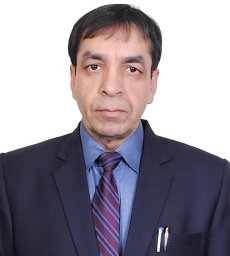 Ashok Dhawan合作论文数Department of Entomology, Punjab Agricultural University4Kamlesh Dutta合作论文数Department of Computer Science and Engineering, National Institute of Technology4
 N. Ravisankar合作论文数Department of Civil Engineering;Faculty of Engineering and Technology;Annamalai University;Faculty of Engineering and Technology, Annamalai University4
 Gopal Garg合作论文数4
 Vimal Chandra Srivastava合作论文数Department of Chemical Engineering, Indian Institute of Technology Roorkee4
 Meraj Alam Ansari合作论文数3Pushpa Gupta合作论文数3jai prakash合作论文数3
 Vineet Kumar合作论文数3
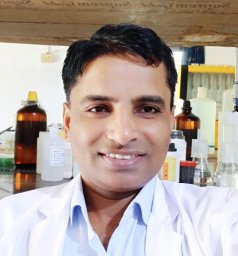 Raghuveer Singh合作论文数ICAR Research Complex for NEH Region, Arunachal Pradesh Centre3
 Amrit Lal Meena合作论文数Vel Tech Rangarajan Dr. Sagunthala R&D Institute of Science and Technology3
 Sukhija Jaspreet合作论文数Advanced Eye Centre, Post Graduate Institute of Medical Education and Research3Severia Saurabh合作论文数3
 Raja Ram Yadav合作论文数Department of Physics, University of Allahabad3
 Santosh Kumar Tomar合作论文数Department of Mathematics, Panjab University3Bvs Sisodia合作论文数2Lali Jat合作论文数2
 Daksh Jhim合作论文数2Hitesh Gour合作论文数2Shrikant M. Nanoti合作论文数2D.K. Sachan合作论文数2Vidhu Mittal合作论文数2VN Rai合作论文数2T. L. Prasad合作论文数2P. Nag合作论文数2Poornima Kumar合作论文数2Mukesh Kumar合作论文数2Udita Chowdhary合作论文数2




