While the effect of amplification-induced oncogene expression in cancer is known, the impact of copy-number gains on "bystander" genes is less understood. We create a comprehensive map of dosage compensation in cancer by integrating expression and copy number profiles from over 8000 tumors in The Cancer Genome Atlas and cell lines from the Cancer Cell Line Encyclopedia. Additionally, we analyze 17 cancer open reading frame screens to identify genes toxic to cancer cells when overexpressed. Combining these approaches, we propose a class of 'Amplification-Related Gain Of Sensitivity' (ARGOS) genes located in commonly amplified regions, yet expressed at lower levels than expected by their copy number, and toxic when overexpressed. We validate RBM14 as an ARGOS gene in lung and breast cancer cells, and suggest a toxicity mechanism involving altered DNA damage response and STING signaling. We additionally observe increased patient survival in a radiation-treated cancer cohort with RBM14 amplification.
Chromosomal gains are among the most frequent somatic genetic alterations occurring in cancer. While the effect of sustained oncogene expression has been characterized, the impact of copy-number gains affecting collaterally-amplified “bystander” genes on cellular fitness remains less understood. To investigate this, we built a comprehensive map of dosage compensations across human cancers by integrating expression and copy number profiles from over 8,000 TCGA tumors and CCLE cell lines. Further, we analyzed the effect of gene overexpression across 17 human cancer ORF screens to provide an overview of genes that prove toxic to cancer cells when overexpressed. Combining these two independent approaches we propose a class of ‘Amplification-Related Gain Of Sensitivity’ (ARGOS) genes. These genes are located in commonly amplified regions of the genome, have lower expression levels than expected by their copy-number status, and are toxic to cancer cells when overexpressed. We experimentally validated CDKN1A and RBM14 as high-confidence pan-cancer ARGOS genes in lung and breast cancer cell line models. We additionally suggest that RBM14’s mechanism of toxicity involves altered DNA damage response and innate immune signaling processes following gene overexpression. Finally, we provide a comprehensive catalog of compensated, toxic, and ARGOS genes as a community resource.### Competing Interest StatementKS is on the SAB and has stock options with Auron Therapeutics. KS receives grant funding from Novartis and KronosBio on topics unrelated to this manuscript. WCH is a consultant for Thermo Fischer Scientific, Solasta Ventures, MPM capital, KSQ Therapeutics, Tyra Biosciences, Frontier Medicines, Jubilant Therapeutics, RAPPTA Therapeutics, Serinus Biosciences, Hexagon Biosciences, Kestral Therapeutics, Function Oncology, and Calyx. RB consults for Scorpion Therapeutics and receives grant funding from Novartis.
PDF file 146K, This file contains the legends to Supplementary Figures 1-7 and Supplementary methods
Evaluation of the in vitro synergy in anti-proliferation and the MAPK pathway suppression of MEK and SHP2, PI3K, or RTK inhibitors.
Evaluation of the in vivo combination benefit and the MAPK pathway suppression of MEK and SHP2 inhibitors in MIA PaCa-2 xenograft and a colon cancer PDX model.
PDF file 1227K, This file contains Supplemental Figures 1-7, which provide additional supporting information for each of the main figures
A list of KRAS mutant cell lines in the study with lineages, zygosity determined by RNAseq, and percentages of p-MEK reduction by 5 micromolar SHP099 in the MEKi combination group.
Changes in phospho-SHP2 levels following MEKi treatment in studied KRAS mutant lines.
The activity of nazartinib, TNO155, and their combination in EGFR mutant NSCLC cell lines.
The synergy in the MAPK pathway suppression and anti-proliferation effect by KRASG12C inhibitor and TNO155.
S1 XLSX file 63K, This Supplementary Table contains the results of ORF screen to identify genes that can rescue the suppression of TBK1 in a KRAS-dependent cell line
Identification of the feedback activated RTK and the synergy in anti-proliferation effect by the combination of respective RTK inhibitors and dabrafenib plus trametinib in RKO and MDST8 cells.
CSF1R-driven SHP2-dependent MAPK signaling in GDM-1 cells and SHP2 dependency of the viability in M-CSF-stimulated monocytes in the T cell co-culture assay, and the in vivo combination benefit in suppressing tumor associated macrophage by anti-PD-1 antibody and TNO155 in MC38 tumors.
Quantification of p-MEK and tubulin levels and percentages of p-MEK reduction in the MEKi combination group normalized to tubulin in all cell lines tested.
Validation of HRAS/NRAS double knock-out clones and the contribution of mutant KRAS to the feedback activation in NCI-H358 and MIA PaCa-2.
Malignant peripheral nerve sheath tumors (MPNSTs) are highly aggressive soft tissue sarcomas with limited treatment options, and new effective therapeutic strategies are desperately needed. We observe antiproliferative potency of genetic depletion of PTPN11 or pharmacological inhibition using the SHP2 inhibitor (SHP2i) TNO155. Our studies into the signaling response to SHP2i reveal that resistance to TNO155 is partially mediated by reduced RB function, and we therefore test the addition of a CDK4/6 inhibitor (CDK4/6i) to enhance RB activity and improve TNO155 efficacy. In combination, TNO155 attenuates the adaptive response to CDK4/6i, potentiates its antiproliferative effects, and converges on enhancement of RB activity, with greater suppression of cell cycle and inhibitor-of-apoptosis proteins, leading to deeper and more durable antitumor activity in in vitro and in vivo patient-derived models of MPNST, relative to either single agent. Overall, our study provides timely evidence to support the clinical advancement of this combination strategy in patients with MPNST and other tumors driven by loss of NF1.
mRNA levels (TPM, transcripts per million reads in RNAseq) of SHP2, RTKs, and their ligands in all cell lines tested.
Schematic illustration of MEKi-induced MAPK pathway feedback activation, SHP099 dose-dependent reduction of p-MEK induction by MEKi, and MEKi-induced p-AKT levels.
AbstractPurpose: SHP2 inhibitors offer an appealing and novel approach to inhibit receptor tyrosine kinase (RTK) signaling, which is the oncogenic driver in many tumors or is frequently feedback activated in response to targeted therapies including RTK inhibitors and MAPK inhibitors. We seek to evaluate the efficacy and synergistic mechanisms of combinations with a novel SHP2 inhibitor, TNO155, to inform their clinical development. Experimental Design: The combinations of TNO155 with EGFR inhibitors (EGFRi), BRAFi, KRASG12Ci, CDK4/6i, and anti–programmed cell death-1 (PD-1) antibody were tested in appropriate cancer models in vitro and in vivo, and their effects on downstream signaling were examined. Results: In EGFR-mutant lung cancer models, combination benefit of TNO155 and the EGFRi nazartinib was observed, coincident with sustained ERK inhibition. In BRAFV600E colorectal cancer models, TNO155 synergized with BRAF plus MEK inhibitors by blocking ERK feedback activation by different RTKs. In KRASG12C cancer cells, TNO155 effectively blocked the feedback activation of wild-type KRAS or other RAS isoforms induced by KRASG12Ci and greatly enhanced efficacy. In addition, TNO155 and the CDK4/6 inhibitor ribociclib showed combination benefit in a large panel of lung and colorectal cancer patient–derived xenografts, including those with KRAS mutations. Finally, TNO155 effectively inhibited RAS activation by colony-stimulating factor 1 receptor, which is critical for the maturation of immunosuppressive tumor-associated macrophages, and showed combination activity with anti–PD-1 antibody. Conclusions: Our findings suggest TNO155 is an effective agent for blocking both tumor-promoting and immune-suppressive RTK signaling in RTK- and MAPK-driven cancers and their tumor microenvironment. Our data provide the rationale for evaluating these combinations clinically.
 Jeffrey Engelman合作论文数Treeline Biosciences18
 Morvarid Mohseni合作论文数15Huai-Xiang Hao合作论文数Novartis Institute for Biological Research15Caponigro Giordano合作论文数15Peter S. Hammerman合作论文数Department of Cancer Biology and Abramson Family Cancer Research Institute, University of Pennsylvania15Lu Hengyu合作论文数14Wang Hongyun合作论文数11
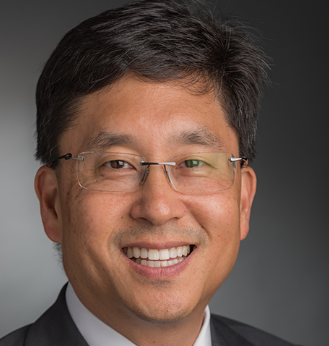 William C. Hahn合作论文数Department of Medical Oncology, Dana-Farber Cancer Institute;Harvard Medical School;Broad Institute, MIT10Lukas Manuel Dunkl合作论文数9Malika Kazic-Legueux合作论文数9Anne Haberkorn合作论文数9Roberto Velazquez合作论文数9Brachmann Saskia M合作论文数9
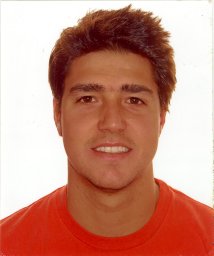 Eusebio Manchado合作论文数Cell Division and Cancer Group, Spanish National Cancer Research Centre (CNIO),9
 Eric Billy合作论文数Oncology, Novartis Institutes for Biomedical Research9Juliet A Williams合作论文数6Scott Delach合作论文数6Alice Loo合作论文数6Colleen Kowal合作论文数6Abrams Tinya J合作论文数6
 Ye Wang (王业)合作论文数West China Hospital of Sichuan University6Silvia Goldoni合作论文数Department of Medical Sciences, University of Modena and Reggio Emilia6
 David Barbie合作论文数Department of Medical Oncology, Dana-Farber Cancer Institute6Matthew J. Lamarche合作论文数Department of Chemistry, University of Pennsylvania6
 William David Hastings合作论文数Center for Neurologic Disease, Brigham and Women's Hospital/Harvard Medical School, Boston, MA6Karrie Wong合作论文数University Health Network6
 Pablo Tamayo合作论文数Theoretical Division and Advanced Computing Laboratory, Los Alamos National Laboratory, Los Alamos, NM6Anna C. Schinzel合作论文数6Edmond M. Chan合作论文数5Xiamei Zhang合作论文数5Matthew J. Meyer合作论文数5
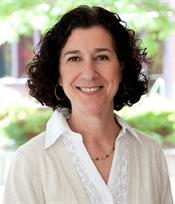 Jill P. Mesirov合作论文数Department of Medicine, School of Medicine, University of California, San Diego5Yang Gui-Zhi合作论文数5
 Chen Liu (刘陈)合作论文数School of Optical and Electronic Information, Huazhong University of Science and Technology5Lior Rozhansky合作论文数4Mary T. Labowsky合作论文数4Asher N. Page合作论文数4Shenghong Yang合作论文数4
 Kwok-Kin Wong合作论文数Department of Medicine, Grossman School of Medicine, New York University4Qian Zhi Rong合作论文数4Shen Rhine R合作论文数4Cohoon Travis J合作论文数4Zhu Zehua合作论文数4Barbie Thanh U合作论文数Department of Surgery, Washington University School of Medicine4
 Hui Gao合作论文数4
 Michael Joseph Eck合作论文数Department of Biological Chemistry and Molecular Pharmacology, Harvard Medical School;Blavatnik Institute, Harvard Medical School;Dana-Farber Cancer Institute4
 Reibel Jacob B合作论文数Department of Medicine, Harvard Medical School;Department of Medical Oncology, Dana-Farber Cancer Institute;Belfer Institute For Applied Cancer Science, Dana-Farber Cancer Institute4Godfrey Jason T合作论文数4
 William Gillanders合作论文数4




