Catalog of qRT-PCR primers, CRISPR guide sequences, and antibodies used in this study
differential gene expression in HupT3 cells following TFAP4 knockout and overexpression
Abstract Introduction: Triple-negative breast cancer (TNBC) is aggressive and often immune-cold, with ∼12% 5-year survival and few targeted options. Cancer Dependency Map analyses identify the nuclear serine/threonine kinase VRK1 as broadly essential, with strongest dependency in EMT-high states. We propose that EMT-driven remodeling of the nuclear envelope (NE) creates a liability that heightens reliance on VRK1 to preserve NE integrity and genome stability. Pharmacologic or genetic VRK1 inhibition destabilizes the NE, generates micronuclei, and activates cGAS-STING/type I interferon signaling, offering a strategy to inflame refractory tumors and improve responses to immune checkpoint blockade. Methods: Patient-derived TNBC lines (HCC1937, HCC1806, HCC1143) were treated with TGF-β for 72 h to induce EMT. EMT markers (E-cadherin, N-cadherin, Vimentin, SNAIL), NE proteins (LAMIN-B1, BANF1), and DNA damage (γH2AX) were quantified by immunoblotting and immunofluorescence. Functional dependency was assessed by CRISPR/Cas9 knockout of VRK1 or VRK2 with analyses of growth, cytoskeletal organization, and EMT dynamics. For in vivo studies, E0771 murine TNBC cells engineered to express a dTAG-degradable VRK1 were implanted into immunocompetent C57BL/6 mice and treated with the dTAG-V1 degrader, anti-PD-1, or both; tumor growth and immune modulation were evaluated. Results: TGF-β induced EMT across TNBC lines, increasing Vimentin and N-cadherin and decreasing E-cadherin. EMT coincided with cytoskeletal remodeling, NE disruption, and elevated γH2AX. VRK1 and VRK2 expression increased during EMT. VRK1 knockout in epithelial-like TNBC cells heightened EMT marker expression and restricted growth under TGF-β, indicating a requirement for VRK1 to preserve NE integrity under EMT stress. In murine models, VRK1 depletion reduced tumor growth versus vehicle (p<0.0001); anti-PD-1 alone also reduced growth (p<0.0001). The combination of dTAG-V1 and anti-PD-1 produced the greatest reduction versus vehicle (p<0.0001) and outperformed either monotherapy, supporting synergy between VRK1 targeting and checkpoint blockade. Conclusion: EMT-driven remodeling sensitizes TNBC to VRK1 inhibition, establishing VRK1 as a tractable vulnerability in mesenchymal-like disease. VRK1 sustains NE integrity; its inhibition destabilizes the NE, activates cGAS-STING, and converts immune-refractory TNBC toward an inflamed, therapy-responsive state. These findings support clinical exploration of VRK1 inhibition combined with anti-PD-1 to enhance antitumor immunity in aggressive TNBC. Citation Format: Priyanka Sahu, Raymond Liu, Sergey Shmelkov, Uger Ozerdem, William C. Hahn, Jonathan So. EMT-driven alterations promote dependency on nuclear kinase VRK1 activity to synergize with immune therapy in triple negative breast cancer [abstract]. In: Proceedings of the American Association for Cancer Research Annual Meeting 2026; Part 1 (Regular Abstracts); 2026 Apr 17-22; San Diego, CA. Philadelphia (PA): AACR; Cancer Res 2026;86(7 Suppl):Abstract nr 364.
Copyright: © 2026 Makovec et al. This is an open access article distributed under the terms of the Creative Commons Attribution License (CC BY 4.0), which permits unrestricted use, distribution, and reproduction in any medium, provided the original author and source are credited. Prostate gland cells can be transcriptionally and morphologically characterized as basal and luminal. About 30–40% of advanced prostate cancers (PC) harbor basal-like transcription programs. In castration-resistant PC (CRPC), studies indicate that basal and stem cell-like (SCL) tumors are major resistance mechanisms to androgen receptor (AR)-targeted therapies. SCL tumors have reduced AR activity and increased stem-cell activity that promotes tumor formation, which contributes to poor clinical outcomes. We determined that CREB5 is a key regulator of basal and SCL transcriptional programs and tumor-forming phenotypes in PC. Through in silico modeling of PC transcriptomes and several pre-defined PC signaling programs, CREB5 expression was best associated with basal-like gene signatures and SCL-associated genes in primary PC and CRPCs (n = 493 and 208). This included associations with FOSL1 and other AP-1 transcription factors. We further found that CREB5 interacted with AP-1 proteins and bound to the regulatory elements of AP-1 genes, suggesting a mechanistic role in regulating the activity of AP-1 genes. In AR-positive cells, CREB5 overexpression promoted cell colony growth with tumorigenic properties and increased tumor size in vivo. These findings implicate CREB5 as a driver of the transcriptional programs underlying AR-independent basal and SCL CRPC subtypes, and this activity is detectable in primary PC.
Protein mutational landscapes are shaped by how amino acid substitutions affect stability and folding or aggregation kinetics. These properties are modulated by cellular proteostasis networks. Heat shock factor 1 (HSF1) is the master regulator of cytosolic and nuclear proteostasis. Chronic HSF1 activity upregulation is a hallmark of cancer cells, potentially because upregulated proteostasis factors facilitate the acquisition and maintenance of oncogenic mutations. Here, we assess how HSF1 activation influences mutational trajectories by which p53 can escape cytotoxic pressure from nutlin-3, an inhibitor of the p53 regulator mouse double minute 2 homolog (MDM2). HSF1 activation broadly increases the fitness of dominant-negative p53 substitutions, particularly non-conservative, biophysically unfavorable amino acid changes within buried regions of the p53 DNA-binding domain. These findings demonstrate that HSF1 activation reshapes the oncogenic mutational landscape by preferentially supporting the emergence and persistence of biophysically disruptive, cancer-associated p53 substitutions, linking proteostasis network activity directly to oncogenic evolution.
expression of Hallmark IFNγ/IFNα gene sets in HupT3 cells following TFAP4 knockout and overexpression
Chromatin remodeling complexes, such as the SWItch/Sucrose Non-Fermentable (SWI/SNF) complex, play key roles in regulating gene expression by modulating nucleosome positioning. The core subunit SMARCB1 is essential for these functions, as it anchors the complex to the nucleosome acidic patch, enabling effective chromatin remodeling. While biallelic inactivation of SMARCB1 is a hallmark of several aggressive pediatric malignancies, the functional implication of missense mutations is not fully understood. Current diagnostic approaches focus on detecting the presence or absence of SMARCB1 by immunohistochemistry often without consideration of mutation status. Here, we present a comprehensive deep mutational scanning of SMARCB1, encompassing 8418 alterations, to assess their functional impact. We show that RPT2 missense mutations disrupt SMARCB1 antiproliferation function by destabilizing the SWI/SNF complex and impairing chromatin remodeling and transcriptional regulation comparable to nonsense mutations. These functional defects occur despite maintaining detectable protein expression thereby challenging current diagnostic reliance on IHC. These findings provide deeper understanding of the role of SMARCB1 in chromatin remodeling and cancer biology, highlighting limitations of mutation classification approaches.
enriched gene sets in HupT3 cells following TFAP4 knockout and overexpression, generated by the Enrichr search engine
To identify therapeutic targets for KRAS mutant pancreatic cancer, we conduct a druggable genome small interfering RNA (siRNA) screen and determine that suppression of BCAR1 sensitizes pancreatic cancer cells to ERK inhibition. Integrative analysis of genome-scale CRISPR-Cas9 screens also identify BCAR1 as a top synthetic lethal interactor with mutant KRAS. BCAR1 encodes the SRC substrate p130Cas. We determine that SRC-inhibitor-mediated suppression of p130Cas phosphorylation impairs MYC transcription through a DOCK1-RAC1-β-catenin-dependent mechanism. Additionally, genetic suppression of TUBB3, encoding the βIII-tubulin subunit of microtubules, or pharmacological inhibition of microtubule function decreases levels of MYC protein in a calpain-dependent manner and potently sensitizes pancreatic cancer cells to ERK inhibition. Accordingly, the combination of a dual SRC/tubulin inhibitor with an ERK inhibitor cooperates to reduce MYC protein and synergistically suppress the growth of KRAS mutant pancreatic cancer. Thus, we demonstrate that mechanistically diverse combinations with ERK inhibition suppress MYC to impair pancreatic cancer proliferation.
Despite advances in precision oncology, effective personalized treatments are still lacking for most patients with cancer1. The Cancer Dependency Map (DepMap) accelerates this field by systematically identifying cancer vulnerabilities in diverse preclinical models. Data from over 1,300 cell lines have led to the discovery of new therapeutic strategies across multiple tumour types2. However, mapping cancer vulnerabilities using traditional cell lines has limitations, including insufficient cancer subtype representation and the impact of culture conditions on perturbation responses. Here we perform 147 genome-scale CRISPR screens and multi-omic characterizations of next-generation (NextGen) cancer models (organoids and spheroids) across 10 cancer types. This strategy enables the expansion of DepMap to cover new genomic and molecular subtypes and to identify new biomarker-associated vulnerabilities. These new models also preserve transcriptional programs that are silenced in traditional cell lines and facilitate the discovery of specific gene dependencies associated with these programs. Comparisons of traditional and NextGen cancer models enable further identification of distinct effects of growth format and culture medium on gene essentiality. The integrated dataset combines data from both model types to offer a valuable, expansive resource for exploring cancer vulnerabilities and is accessible via the DepMap portal.
To identify genes and pathways required for the survival of MYC-amplified cancers, we engineered and screened at genome scale an isogenic cell system where transformation is driven by oncogenic MYC. We found that the mitochondrial membrane transporter, TIMM17A, was uniquely essential for survival of MYC-transformed cells. This dependency arises due to MYC-driven suppression of TIMM17B, the paralog of TIMM17A. TIMM17A/B is an essential component of the mitochondrial TIM23 transporter complex, and MYC-induced suppression of TIMM17B creates a strong dependency on TIMM17A. N-acetylaspartate supplementation rescues TIMM17A dependency in MYC-amplified cell lines, highlighting the unique and crucial role of this metabolite in the viability of MYC-amplified cancers. These observations identify a paralog dependency required for the survival of a subset of MYC-driven cancers. Sydney M. Moyer, Nina Ilic, Sydney Gang, Jasmine Stavridi, Gaia Taig, Joseph D. DeAngelo, Andrea Jiang, Brian H. Shim, Jonathan P. Rennhack, Melis A. Akinci, Jonathan So, Helen Wang, Federica Piccioni, Jessica A. Talamas, David E. Root, William C. Hahn. MYC primes a paralog synthetic lethality involving the mitochondrial transporters TIMM17A and TIMM17B and N-acetylaspartate [abstract]. In: Proceedings of the American Association for Cancer Research Annual Meeting 2025; Part 2 (Late-Breaking, Clinical Trial, and Invited Abstracts); 2025 Apr 25-30; Chicago, IL. Philadelphia (PA): AACR; Cancer Res 2025;85(8_Suppl_2):Abstract nr LB318.
SMARCB1-deficient cancers are aggressive and highly lethal pediatric malignancies. Loss of SMARCB1 protein expression, a subunit within the SWI/SNF chromatin remodeling complex, remains the key diagnostic feature of these cancers. This can occur through large deletions, balanced translocations, frameshift mutations, or truncating nonsense mutations. Here, we sought to understand the effect of missense mutations on the tumor suppressor function of SMARCB1 through deep mutational scanning (DMS). Specifically, we developed and introduced a library containing >99% of all possible SMARCB1 amino acid substitutions, including frameshift and nonsense mutants, into three pediatric SMARCB1-deficient cell lines (G401 - malignant rhabdoid tumor of the kidney, BT16 - atypical teratoid/rhabdoid tumor, and CCLF_PEDS9001_T1 - renal medullary carcinoma) and assessed cell fitness after 8-14 days. We observed broad mutational intolerance in three SMARCB1 domains: the winged-helix domain, intrinsically disordered region, and the RPT2 domain. Following our high-throughput study, we then focused on two highly enriched residues predicted to closely interact within the RPT2 domain of SMARCB1. We validated that specific missense mutations in these two residues mimic loss of function while retaining protein expression. Mechanistic studies revealed that these mutations destabilize the SWI/SNF complex, notably resulting in decreased affinity for SWI/SNF subunits known to be associated with cancer pathogenesis. This complex instability leads to diminished nucleosome remodeling and subsequent transcriptional deregulation. These findings challenge our current understanding of what a loss-of-function mutation means in the context of SMARCB1, suggesting that the absence of SMARCB1 protein expression may not be the sole indicator of SMARCB1 deficiency. Furthermore, this dataset provides a valuable resource for researchers to investigate key residues of SMARCB1 that may drive critical intermolecular interactions necessary for proper SWI/SNF complex assembly and function. Garrett W. Cooper, Benjamin Lee, Won Kim, Eliseo Salas, Yongdong Su, Victor Chen, Xiaoping Yang, Robert Lintner, Frederica Piccioni, Andrew Giacomelli, Thomas Howard, Karen Conneely, David Root, William Hahn, David Gorkin, Bo Liang, Jaclyn Biegel, Susan Chi, Andrew Hong. SMARCB1 missense mutants destabilize SWI/SNF complex stability and remodeling activity [abstract]. In: Proceedings of the American Association for Cancer Research Annual Meeting 2025; Part 1 (Regular Abstracts); 2025 Apr 25-30; Chicago, IL. Philadelphia (PA): AACR; Cancer Res 2025;85(8_Suppl_1):Abstract nr 986.
Alterations in the genome that drive the transformation of normal cells into malignant cells program cancer initiation and progression. This rewiring also induces unique dependencies for genes and pathways that can be targeted therapeutically. Even though we have a clearer view of the spectrum of these molecular alterations, we still lack a complete understanding of how these alterations affect biological processes and create specific vulnerabilities in cancer cells. To address this, we have created the Cancer Dependency Map (DepMap) to systematically identify and map cancer vulnerabilities. Here, we provide an overview of the history and development of the current DepMap. We also highlight biological insights enabled by DepMap. Findings from DepMap will provide insights into new targets suitable for drug discovery efforts.
Fusions between protein-coding genes are common oncogenic drivers across cancers, typically pairing a proto-oncogene with partner that does not independently drive cancer. In all therapeutically actionable fusions, the proto-oncogene is the drug target, the contributions to oncogenicity of the fusion partner have largely been ignored. We studied the role of BRAF fusion partners and found that they are necessary for transformation. In the setting of KIAA1549::BRAF, the most common fusion protein across brain tumors, we found that KIAA1549 is necessary for the oncogenicity of KIAA1549::BRAF and engenders a striking and specific dependency on the protein O-mannosyltransferase complex (POMT1/2). Specifically, we show that genetic silencing or pharmacologic inhibition of the protein O-mannosyltransferase complex (POMT1/2) reverses fusion-induced transformation, thereby representing a novel and MAPK independent therapeutic target. Furthermore, POMT1/2 is required to glycosylate and enable maturation of the K::B fusion protein. These findings represent a proof-of-concept for targeting the partners in oncogenic fusions as a potential cancer therapeutic strategy. ### Competing Interest Statement PB has received grant funding from Novartis Institute of Bio-medical Research, and has served on paid advisory boards for QED Therapeutics, and Day One Biopharmaceuticals. RB consults for and owns equity in Scorpion Therapeutics, Kar-yoverse Therapeutics, and LOH Therapeutics. WCH is a consultant for Thermo Fischer, Solasta Ventures, KSQ Ther-apeutics, Frontier Medicines, Jubilant Therapeutics, RAPPTA Therapeutics, Serinus Biosciences, Kestral Therapeutics, Crane Biotherapeutics, Function Oncology, Recursion Pharma, and Weaver Biotherapetics and Perceptive. DER receives research funding from members of the Functional Genomics Consortium (Abbvie, BMS, Jannsen, Merck, Vir), and is a director of Addgene, Inc. TM is advisory board member for Ipsen Pharma GmbH. SAM is a consultant for Karyoverse Therapeutics and is a consultant for and owns equity in LOH Therapeutics. ESF is a founder, scientific advisory board (SAB) member, and equity holder of Civetta Therapeutics, Proximity Therapeutics, Neomorph, Inc. (also board of direc-tors), StelexisBiosciences, Inc., Anvia Therapeutics, Inc. (also board of directors) and CPD4, Inc. (also board of directors). He is an equity holder and SAB member for Avilar Therapeu-tics, PhotysTherapeutics, and Ajax Therapeutics and an equity holder in Lighthorse Therapeutics. E.S.F. is a consultant to Novartis, EcoR1 capital, Odyssey and Deerfield. The Fischer lab receives or has received research funding from Deerfield, Novartis, Ajax, Interline, Bayer and Astellas. TB received speaker honoraria from Pierre Fabre and the European Society for Medical Oncology (ESMO)
 Francisca Vazquez合作论文数Broad Institute150
 Jesse S. Boehm合作论文数The Broad Institute of MIT and Harvard, 7 Cambridge Center, Cambridge, MA 02142, USA117
 Aviad Tsherniak合作论文数Dana-Farber Cancer Institute;Koch Institute for Integrative Cancer Research, Massachusetts Institute of Technology;Stealth112
 David Root合作论文数Broad Institute106
 Levi Garraway合作论文数Roche;Genentech105
 Barbara A. Weir合作论文数Metcalf & Eddy, Inc.104
 Matthew L. Meyerson合作论文数Harvard Medical School;Center for Cancer Genomics, Dana-Farber Cancer Institute83Anna C. Schinzel合作论文数81
 Todd R. Golub合作论文数Broad Institute;Dana-Farber Cancer Institute;Harvard Medical School78Andrew J. Aguirre合作论文数72
 Pablo Tamayo合作论文数Theoretical Division and Advanced Computing Laboratory, Los Alamos National Laboratory, Los Alamos, NM63
 Rameen Beroukhim合作论文数Division of Medical Sciences, Harvard Medical School;Dana-Farber Cancer Institute58
 Andrew L Hong合作论文数Department of Genetics, Harvard Medical School57
 Gad A. Getz合作论文数Harvard Medical School;Department of Pathology, Massachusetts General Hospital;Broad Institute of Harvard and MIT56
 Glenn S Cowley合作论文数Berman-Gund Laboratory for the Study of Retinal Degenerations and the Howe Laboratory of Ophthalmology, Harvard Medical School56
 Andrew Giacomelli合作论文数50Kimberly Stegmaier合作论文数Department of Pediatric Oncology, Dana-Farber Cancer Institute and Boston Children's Hospital/Broad Institute48
 Jill P. Mesirov合作论文数Department of Medicine, School of Medicine, University of California, San Diego47
 John Doench合作论文数Broad Institute of MIT and Harvard45Laura E Macconaill合作论文数Harvard Medical School, Dana-Farber Cancer Institute40Nina Ilic合作论文数Department of Cancer Biology, Dana–Farber Cancer Institute38
 Paul Van hummelen合作论文数Dana Farber Canc Inst38Piccioni Federica合作论文数37
 So Young Kim合作论文数Department of Molecular Genetics and Microbiology, Duke University School of Medicine36Shrestha Yashaswi合作论文数36
 Charles W M Roberts合作论文数St. Jude Graduate School of Biomedical Sciences, St. Jude Children's Research Hospital;Department of Oncology, St. Jude Children's Research Hospital;Comprehensive Cancer Center, St. Jude Children's Research Hospital35
 Philip Kantoff合作论文数Department of Medicine, Memorial Sloan Kettering Cancer Center34
 Brian M. Wolpin合作论文数Pancreas and Biliary Tumor Center, Dana-Farber Cancer Institute;Harvard Medical School;Dana-Farber / Harvard Cancer Center34
 David E. Root合作论文数Keysight Technologies33
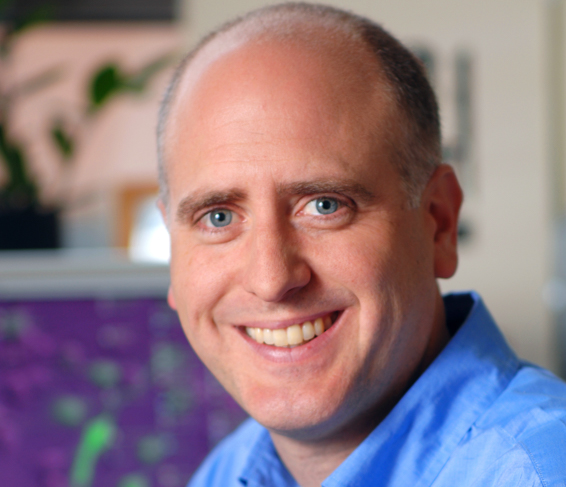 Keith L. Ligon合作论文数Center for Patient Derived Models, Dana-Farber Cancer Institute;Division of Neuropathology, Brigham and Women's Hospital;Medical School, Harvard University;Travera;Broad Institute, Massachusetts Institute of Technology;Boston Children's Hospital33
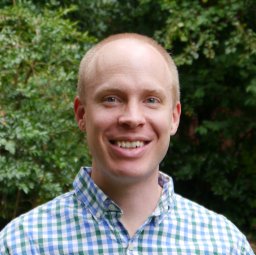 James M McFarland合作论文数Generate: Biomedicines32Srivatsan Raghavan合作论文数Dana Farber Canc Inst, Dept Med Oncol, Boston, MA 02115 USA31
 Massimo Loda合作论文数Department of Pathology and Laboratory Medicine, Weill Cornell Medicine, Cornell University;New York-Presbyterian Hospital;Harvard Medical School31
 David Barbie合作论文数Department of Medical Oncology, Dana-Farber Cancer Institute30
 Justin Hwang合作论文数Tufts Univ, Sch Med, Dept Dev Mol & Chem Biol, Boston, MA 02111 USA29Cheung Hiu Wing合作论文数28Kim Eejung合作论文数28Shen Rhine R合作论文数28
 Andrew Cherniack合作论文数Meyerson Laboratory Dana-Farber Cancer Institute;Broad Institute of MIT28
 Mihir Doshi合作论文数Department of Medical Oncology, Dana-Farber Cancer Institute27
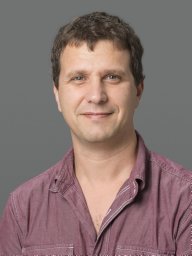 Joseph Rosenbluh合作论文数The Alexander Silberman Institute of Life Sciences, The Hebrew University of Jerusalem27
 Joshua M Dempster合作论文数Broad Inst MIT & Harvard, Cambridge, MA 02142 USA25
 William Sellers合作论文数Broad Institute;Division of Medical Sciences, Harvard Medical School25Taylor E Arnoff合作论文数Harvard Med Sch, Dana Farber Canc Inst24
 Robert A. Weinberg合作论文数Department of Biology, Massachusetts Institute of Technology;Whitehead Institute for Biomedical Research, Massachusetts Institute of Technology;Ludwig Center, Massachusetts Institute of Technology24
 Stuart L. Schreiber合作论文数Department of Chemistry and Chemical Biology, Faculty of Arts and Sciences, Harvard University;Broad Institute24
 Charles S. Fuchs合作论文数Genentech and Roche;EvolveImmune Therapeutics24Cory M. Johannessen合作论文数Genetics Division, Department of Medicine, Brigham and Women's Hospital and Harvard Medical School, 458c NRB, 77 Louis Pasteur Avenue, Boston, Massachusetts 0211524
 Robin M. Meyers合作论文数Howard Hughes Medical Institute;Program in Cellular and Molecular Medicine, Boston Children’s Hospital;Department of Genetics, Harvard Medical School;Howard Hughes Medical Institute, Harvard Medical School23




