A subset of people living with HIV (PLWH) can produce broadly neutralizing antibodies (bNAbs) against HIV, but the lymph node (LN) dynamics that promote the generation of these Abs are poorly understood. Here, we explored LN-associated histological, immunological, and virological determinants of bNAb generation in a cohort of antiretroviral therapy-naive PLWH. We found that participants who produce bNAbs, termed "neutralizers" (Ns), have a better-preserved LN-associated B cell follicle architecture than do PLWH who do not. The former was associated with a substantially higher in situ prevalence of B-cell lymphoma 6 (Bcl-6hi) follicular helper CD4+ T cells (Tfh), expressing a molecular program that favors their differentiation and stemness, and substantially reduced IL-10 follicular suppressor CD4+ T cells. Furthermore, our data reveal possible molecular targets mediating Tfh-B cell interactions in Ns. Together, we identify germinal center cellular and molecular signatures that could contribute to the development of bNAbs in PLWH.
Clonally expanded CD4+ T cells harbouring rebound-competent HIV persist lifelong during antiretroviral therapy1-5. Latency is considered the principal barrier to viral eradication and has resisted pharmacological reversal6,7, yet sustained immune pressure appears to erode reservoirs8-15. Recent advances have yielded glimpses into exceptionally rare reservoir-harbouring cells, implicating prosurvival properties in persistence16-18. Here we isolate and characterize authentic reservoir clones (ARCs) that robustly proliferate and accumulate while producing infectious virus, without overtly succumbing to cytopathicity. At any moment, only small fractions of ARCs expressed HIV proteins, a state associated with conserved host transcriptional programs but remarkably refractory to potent T cell stimulation. Nevertheless, sustained co-culture with a CD8+ cytotoxic T lymphocyte clone substantially culled proliferating ARCs, revealing time-integrated vulnerability to immune pressure. The corresponding ex vivo CD8+ T cell response was poorly cytotoxic, and in vivo erosion of ARCs occurred only slowly. A regulatory T cell ARC displayed pronounced cell-intrinsic resistance to cytotoxic T cells - a longstanding hypothesis now directly demonstrated - linked to low oxidative stress and reversed with deferoxamine19, a hypoxic stress inducer and FDA-approved therapeutic. Overall, we provide insights into the vulnerabilities of reservoir clones to potent, sustained cytotoxic T cell pressure and highlight intrinsic resistance pathways as actionable therapeutic targets, opening opportunities for advancing immune-based HIV cure strategies.
Some people with HIV control the virus without medication. This study identified a rare group lacking detectable HIV reservoirs, offering important clues for developing future cures.
Short-term boosting of the currently licensed rVSV∆G-ZEBOV-GP vaccine does not generate lasting antibody respones to Ebola virus (EBOV), prompting interest in strategies that elicit more durable immunity. Here, we elucidated the longitudinal humoral immune repertoire over 3 years following prime and boost rVSV∆G-ZEBOV-GP vaccinations administered 18 months apart in healthy adults compared to participants randomized to no boost. This delayed booster vaccination induced long-lasting EBOV-neutralizing antibodies that persisted up to 36 month at levels similar to peak titers after a single dose. Phage display libraries, expressing linear and conformational epitopes of EBOV glycoprotein (GP), demonstrated a highly diverse and durable antibody epitope repertoire following prime boost vaccination. Delayed booster vaccination recalled memory B cells, promoted anti-GP IgG class switching and induced antibodies specific to GP with Fcγ receptor interaction and functional antibody-dependent cellular cytotoxicity and phagocytosis. The 18-month interval led to 13-fold higher antibody affinity maturation than a single dose, maintained up to 36 months. Overall, delayed rVSV∆G-ZEBOV-GP booster vaccination promoted a diverse, stronger, durable, predominant IgG, highly affinity-matured antibody response to GP.
Reservoirs of clonally expanded CD4 + T-cells harboring rebound-competent HIV proviruses persist lifelong during ART. Latency is considered the principal barrier to viral eradication and has resisted pharmacological reversal, yet it appears that sustained immune pressure may still erode reservoirs. Recent advances have yielded glimpses into these exceptionally rare reservoir-harboring cells, implicating intrinsic pro-survival properties in their persistence. Here, we isolate and characterize populations of authentic reservoir clones (ARCs) that robustly proliferate and accumulate while producing infectious virus, without overtly succumbing to viral cytopathic effects. At any given moment, only small fractions of ARCs expressed HIV proteins, a state remarkably unperturbed by potent TCR or mitogenic stimulation. Nevertheless, sustained co-culture with cytotoxic T-lymphocytes (CTL) revealed extensive time-integrated antigenic vulnerability, culling clonal expansion of some ARCs by >90%. Notably, a regulatory T-cell ARC displayed pronounced cell-intrinsic resistance to CTL - a longstanding hypothesis we now directly demonstrate - linked to low oxidative stress and reversed with desferoxamine, a hypoxic stress inducer and FDA-approved therapeutic. Overall, we provide novel insights into the vulnerabilities of reservoir clones to potent, sustained CTL pressure and highlight intrinsic resistance pathways as actionable therapeutic targets, opening opportunities for advancing immune-based HIV cure strategies.
Abstract Mucosal immunity is an important correlate of protection against respiratory infections such as SARS-CoV-2. Comparing B cell responses to vaccines and infection at relevant mucosal sites may provide unique and important insights into tissue immunity. Here, we characterize antigen-specific B cells in the tonsils, adenoids, and peripheral blood of children who had been infected with SARS-CoV-2 or vaccinated with SARS-CoV-2 mRNA vaccines. SARS-CoV-2-specific switched memory B cells (B SM ) are found in the pharyngeal lymphoid tissues and blood after vaccination or infection. However, infection generates a higher proportion of IgA + B SM and CXCR3 + CD21 + B SM . CXCR3 + CD21 + B SM show distinct spatial localization, greater clonal expansion and increased propensity for plasma cell differentiation compared to their CXCR3 - counterparts, accompanied by persistent activation of innate and T follicular helper cells in the tissues. Our data provide evidence for tissue-specific B cell memory after either SARS-CoV-2 vaccination or infection, but with distinct characteristics that can influence the quality, durability, and localization of immunity.
The clinical management of people with multidrug-resistant (MDR) human immunodeficiency virus (HIV) remains challenging despite continued development of antiretroviral agents. A 58-year-old male individual with MDR HIV and Kaposi sarcoma (KS) was treated with a new antiretroviral regimen consisting of anti-CD4 domain 1 antibody UB-421 and capsid inhibitor lenacapavir. The individual experienced delayed but sustained suppression of plasma viremia and a substantial increase in the CD4+ T cell count. A longitudinal examination of plasma HIV and infectious isolates showed no evidence of viral evolution or the emergence of UB-421- or lenacapavir-resistant viruses. The individual received three cycles of liposomal doxorubicin and five doses of anti-programmed cell death protein 1 (PD-1) monoclonal antibody pembrolizumab that resulted in improvement in KS with flattening of lesions. Our data demonstrate that combination therapy with UB-421 could provide sustained virologic suppression in people harboring MDR HIV with limited therapeutic alternatives. An individual with multidrug-resistant HIV and Kaposi sarcoma achieved sustained viral suppression after treatment with an anti-CD4 domain 1 antibody and the injectable long-acting capsid inhibitor, lenacapavir.
Long-lived humoral memory is key to durable immunity against pathogens yet remains challenging to define due to heterogeneity among antigen-reactive B cells. We addressed this gap through longitudinal sampling over the course of severe acute respiratory syndrome coronavirus 2 (SARS-CoV-2) mRNA vaccinations with or without breakthrough infection. High-dimensional phenotypic profiling performed on ∼72 million B cells showed that receptor-binding domain (RBD) reactivity was associated with five distinct immunoglobulin G (IgG) B cell populations. Two expressed the activation marker CD71, both correlated with neutralizing antibodies, yet the one lacking the memory marker CD27 was induced by vaccination and blunted by infection. Two were resting memory populations; one lacking CD73 arose early and contributed to cross-reactivity; the other, expressing CD73, arose later and correlated with neutralizing antibodies. The fifth, a rare germinal center-like population, contributed to recall responses and was highly cross reactive. Overall, robust and distinct responses to booster vaccination overcame the superiority of hybrid immunity provided by breakthrough infection.
Tonsils and adenoids are mucosal lymphoid tissues in the upper airway with unique lymphocytes not found in blood. We recently reported that SARS-CoV-2 infection elicits robust, enduring adaptive immune responses in these tissues; whether mRNA vaccination generates immunity in these tissues and how this compares to natural infection remains unknown. In 2022, we identified 10 mRNA COVID-19 vaccinated, uninfected (VAC) children and compared their blood, adenoids and tonsils to samples from 24 COVID-19 convalescent (INF) children recruited in 2020-2021. By high dimensional flowcytometry we found SARS-CoV-2-specific (S+) B cells, in all tissues from both groups. S+ B cells were primarily Ig-switched memory B cells (BSM), yet INF and VAC S+ BSM exhibited differences. Although S+ BSM cells were primarily IgG+ in all tissues, post-INF had higher proportions of IgA+ cells. Single cell BCR clonal analysis revealed S+ B cells expanded more in post-INF pharyngeal tissues. Notably, higher percentages of S+ B cells were CXCR3+CD21+ BSM cells post-INF, while CXCR3-CD21+/- BSM were enriched post-VAC. We further found that tissue derived CXCR3+CD21+ BSM cells had lower surface IgG or IgA, stronger responses to BCR stimulation, and increased plasma cell differentiation than CXCR3-CD21+ BSM, indicating functional differences. Our results show that infection and vaccination lead to distinct B cell memory in the upper airway, providing insight for mucosal immunity and vaccine efficacy. This research was supported by the Division of Intramural Research of NIAID, NIH. Mucosal and Regional Immunology (MUC)
The strength of the repressive histone H3 lysine 27 trimethylation modification signal varies drastically at individual silencers. Focusing on cases of an unusually strong repressive signal in regions that we refer to as super-silencers, we demonstrate that the regions that become B-cell super-silencers are originally associated with gene upregulation during development, and their target genes are highly expressed in stem cells, especially during early developmental stages. About 13% of B-cell super-silencers transmute to super-enhancers in B-cell lymphoma and 22% of these conversions recur across more than half of patients. Notably, genes associated with these conversions, like BCL6 and BACH2, are downregulated more swiftly than others when subjected to JQ1, a super-enhancer-disrupting bromodomain and extra-terminal domain inhibitor utilized in cancer chemotherapy. Furthermore, super-silencers are characterized by an over-representation of B-cell-cancer-associated mutations, both somatic and germline, and B-cell-cancer translocation breakpoints. This surpasses the prevalence found in other regulatory elements, such as CTCF binding sites, underlining the crucial role of super-silencers in forming and stabilizing regulatory topologies in standard B cells. For example, over 80% of cases involving the B-cell-lymphoma translocation t(3;14)(q27;q32) fuse super-silencers in the BCL6 locus with enhancer-rich domains. Finally, we demonstrate that the repressive mechanisms of super-silencers are partially governed by the CpG content in their sequences. While CpG-rich super-silencers often prevent promoters from interacting with enhancers, CpG-depleted super-silencers typically suppress the chromatin looping of nearby enhancers. In summary, our findings accentuate the critical role super-silencers play in the normal function of B-cells, suggesting that sequence mutations and activity modifications in these elements could be primary factors in B-cell carcinogenesis.
The strength of the repressive histone H3K27me3 signal varies across silencers. Focusing on regions with unusually strong signals-super-silencers-we show that B-cell super-silencers are initially linked to gene upregulation in development, with target genes highly expressed in stem cells. About 13% of B-cell super-silencers convert to super-enhancers in B-cell lymphoma; 22% of these recur in over half of patients. Genes like BCL6 and BACH2 tied to these conversions are downregulated faster by JQ1, a super-enhancer-disrupting anti-cancer agent. Super-silencers are enriched for B-cell cancer-associated variants-both somatic and germline-and translocation breakpoints, exceeding levels in other regulatory elements like CTCF binding sites. Over 80% of B-cell lymphoma t(3;14)(q27;q32) translocations fuse BCL6 super-silencers with enhancer-rich regions. Super-silencer repression depends on CpG content: CpG-rich elements block promoter-enhancer contacts; CpG-poor - inhibit looping. These findings highlight super-silencers' key role in B-cell regulation and suggest their alteration may be a primary factor of B-cell carcinogenesis.
Mucosal immunity is an important correlate of protection against respiratory infections such as SARS-CoV-2. Comparing B cell responses in the upper respiratory tract following vaccination and infection may offer unique insights into mucosal immunity. Here, we characterized antigen-specific B cells in the tonsils, adenoids, and peripheral blood of children who had been infected with SARS-CoV-2 or vaccinated with SARS-CoV-2 mRNA vaccines. SARS-CoV-2-specific switched memory B cells (BSM) and germinal center B cells were found in the blood and pharyngeal lymphoid tissues after vaccination or infection. However, infection generated a higher proportion of IgA+ BSM and CXCR3+CD21+ BSM, which showed distinct spatial localization, greater clonal expansion and increased propensity for plasma cell differentiation compared to their CXCR3- counterparts, accompanied by persistent activation of innate and T follicular helper cells in the tissues. Our data provide evidence for tissue-specific B cell memory after either SARS-CoV-2 vaccination or infection, but with distinct characteristics that can influence the quality, durability, and localization of immunity.
BACKGROUND:A better understanding of the dynamics of human immunodeficiency virus (HIV) reservoirs in CD4+ T cells of people with HIV (PWH) receiving antiretroviral therapy (ART) is crucial for developing therapies to eradicate the virus. METHODS:We conducted a study involving 28 aviremic PWH receiving ART with high and low levels of HIV DNA. We analyzed immunologic and virologic parameters and their association with the HIV reservoir size. RESULTS:The frequency of CD4+ T cells carrying HIV DNA was associated with higher pre-ART plasma viremia, lower pre-ART CD4+ T-cell counts, and lower pre-ART CD4/CD8 ratios. During ART, the High group maintained elevated levels of intact HIV proviral DNA, cell-associated HIV RNA, and inducible virion-associated HIV RNA. HIV sequence analysis showed no evidence for preferential accumulation of defective proviruses nor higher frequencies of clonal expansion in the High versus Low group. Phenotypic and functional T-cell analyses did not show enhanced immune-mediated virologic control in the Low versus High group. Of considerable interest, pre-ART innate immunity was significantly higher in the Low versus High group. CONCLUSIONS:Our data suggest that innate immunity at the time of ART initiation may play an important role in modulating the dynamics and persistence of viral reservoirs in PWH.
Immunological health has been challenging to characterize but could be defined as the absence of immune pathology. While shared features of some immune diseases and the concept of immunologic resilience based on age-independent adaptation to antigenic stimulation have been developed, general metrics of immune health and its utility for assessing clinically healthy individuals remain ill defined. Here we integrated transcriptomics, serum protein, peripheral immune cell frequency and clinical data from 228 patients with 22 monogenic conditions impacting key immunological pathways together with 42 age- and sex-matched healthy controls. Despite the high penetrance of monogenic lesions, differences between individuals in diverse immune parameters tended to dominate over those attributable to disease conditions or medication use. Unsupervised or supervised machine learning independently identified a score that distinguished healthy participants from patients with monogenic diseases, thus suggesting a quantitative immune health metric (IHM). In ten independent datasets, the IHM discriminated healthy from polygenic autoimmune and inflammatory disease states, marked aging in clinically healthy individuals, tracked disease activities and treatment responses in both immunological and nonimmunological diseases, and predicted age-dependent antibody responses to immunizations with different vaccines. This discriminatory power goes beyond that of the classical inflammatory biomarkers C-reactive protein and interleukin-6. Thus, deviations from health in diverse conditions, including aging, have shared systemic immune consequences, and we provide a web platform for calculating the IHM for other datasets, which could empower precision medicine. A multimodal analysis of patients with 22 different immune-mediated monogenic diseases versus matched healthy controls leads to the development of the immune health metric, which could be implemented broadly to predict responses to aging, vaccination and other immune perturbations.
BackgroundPeople living with HIV (PLWH) with multidrug-resistant (MDR) viruses have limited therapeutic options and present challenges regarding clinical management. Recent studies have shown that passive transfer of combination broadly neutralizing antibodies (bNAbs) against HIV and anti-domain 1 CD4 antibody UB-421 can sustain virologic suppression in PLWH in the absence of antiretroviral therapy (ART). Yet studies addressing the therapeutic potential of these antibodies and/or detailed characterization of immunologic and virologic parameters in PLWH with MDR HIV are lacking.MethodsWe examined levels of immune activation and exhaustion markers on CD8+ T cells and the intact HIV proviral DNA burden in 11 PLWH with MDR viruses. For comparison purposes, we included a control group consisting of 27 ART-naïve viremic PLWH. In addition, we determined the sensitivity of infectious viral isolates obtained from the participants against eight bNAbs (3BNC117, 10-1074, VRC01, VRC07, N6, 10E8, PGDM1400, and PGT121) and two anti-CD4 antibodies (ibalizumab and UB-421) using a TZM-bl-based neutralization/suppression assay.FindingsThe level of intact HIV proviral DNA was comparable between the two groups (P = 0.29). The levels of activation and exhaustion markers PD-1 (P = 0.0019), TIGIT (P = 0.0222), 2B4 (P = 0.0015), CD160 (P = 0.0015), and CD38+/HLA-DR+ (P = 0.0138) were significantly lower in the MDR group. The infectious viral isolates from each study participant with MDR HIV were resistant to at least 2 bNAbs; however, they were sensitive to at least one of the CD4-binding and non-CD4-binding site antibodies. The majority of participants had ibalizumab-sensitive viruses although the isolates from some participants showed reduced sensitivity to ibalizumab. Notably, none of the 93 viral isolates obtained from the participants were resistant to UB-421.InterpretationOur data suggest that combination therapy with HIV-specific bNAbs and/or UB-421 in the presence of optimized background therapy could potentially provide sustained virologic suppression in PLWH with MDR HIV. However, this therapeutic strategy needs to be evaluated in human clinical trials.FundingDivision of Intramural Research, National Institute of Allergy and Infectious Diseases, National Institutes of Health.
Blazkova, Jana; Shi, Victoria; Manning, Maegan R.; Kennedy, Brooke D.; Justement, J. Shawn; Praiss, Lauren; Gittens, Kathleen; Seamon, Catherine A.; Rai, M. Ali; Moir, Susan; Chun, Tae-Wook Author Information
A subset of people living with HIV (PLWH) can produce broadly neutralizing antibodies (bNAbs) against HIV, but the lymph node (LN) dynamics that promote the generation of these antibodies are poorly understood. Here, we explored LN-associated histological, immunological, and virological mechanisms of bNAb generation in a cohort of anti-retroviral therapy (ART)-naïve PLWH. We found that participants who produce bNAbs, termed neutralizers, have a superior LN-associated B cell follicle architecture compared with PLWH who do not. The latter was associated with a significantly higher in situ prevalence of Bcl-6hi follicular helper CD4 T cells (TFH), expressing a molecular program that favors their differentiation and stemness, and significantly reduced IL-10 follicular suppressor CD4 T cells. Furthermore, our data reveal possible molecular targets mediating TFH- B cell interactions in neutralizers. Together, we identify cellular and molecular mechanisms that contribute to the development of bNAbs in PLWH.
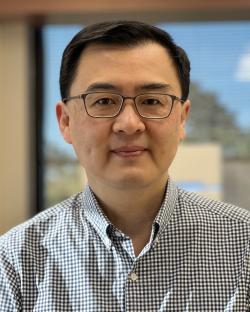 Tae-Wook Chun合作论文数Laboratory of Immunoregulation, National Institute of Allergy and Infectious Diseases, National Institutes of Health73
 Lela Kardava合作论文数55
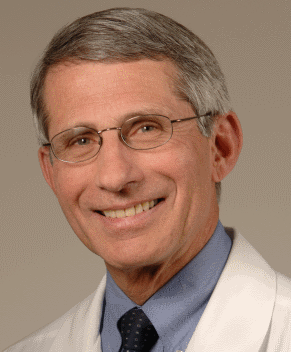 Anthony S. Fauci合作论文数National Institute of Allergy and Infectious Diseases, National Institutes of Health52Jana Blazkova合作论文数26Justement J Shawn合作论文数25Buckner Clarisa M合作论文数24Angela Malaspina合作论文数24Wei Wang合作论文数23Michael C. Sneller合作论文数22Victoria Shi合作论文数20Claire W. Hallahan合作论文数18Kathleen Gittens合作论文数17As Fauci合作论文数16
 Jason Ho合作论文数NIAID, Immunoregulat Lab, NIH, Bethesda, MD 20892 USA16Kottilil Shyam合作论文数16Tsang John S合作论文数16
 Angelique Biancotto合作论文数Sanofi U.S.15Catherine A Seamon合作论文数13Jesse S Justement合作论文数13Yuxing Li合作论文数13Sergio D. Rosenzweig合作论文数13
 Raphaela T. Goldbach-Mansky合作论文数Translational Autoinflammatory Diseases Section, Laboratory of Clinical Immunology & Microbiology, National Institute of Allergy and Infectious Diseases, National Institutes of Health12
 Katherine R. Calvo合作论文数Department of Laboratory Medicine, Clinical Center, National Institutes of Health12Colin Kovacs合作论文数12
 Chyi-Chia Richard Lee合作论文数Pathol Lab, NIH11Michael A. Proschan合作论文数11Eileen T. Donoghue合作论文数11Brooke D Kennedy合作论文数10M Ali Rai合作论文数10Santich Brian H合作论文数Laboratory of Immunoregulation, National Institute of Allergy and Infectious Diseases10Bernadette Marrero合作论文数10Cheung Foo合作论文数Trans-NIH Center for Human Immunology, Autoimmunity and Inflammation, National Institutes of Health10
 Dan Kastner合作论文数National Human Genome Research Institute, National Institutes of Health10Surender Khurana合作论文数10Can Liu合作论文数These authors contributed equally.9Zuoming Deng合作论文数NIAMS, NIH, Bethesda, MD USA9Gabrielle Grubbs合作论文数US FDA, Div Viral Prod, Ctr Biol Evaluat & Res, Silver Spring, MD 20871 USA9
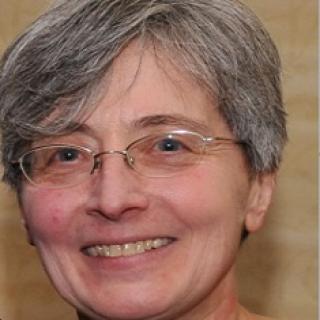 Stefania Pittaluga合作论文数Laboratory of Pathology, Center for Cancer Research, National Cancer Institute, National Institutes of Health9
 Andrew Martins合作论文数National Institute of Allergy and Infectious Diseases, National Institutes of Health9Shuying Liu合作论文数9
 Adriana A. De Jesus合作论文数Translational Autoinflammatory Diseases Section, Laboratory of Clinical Immunology & Microbiology, National Institute of Allergy and Infectious Diseases, National Institutes of Health9Deborah L. Stone合作论文数9
 Ivona Aksentijevich合作论文数Medical Genetics Branch, National Human Genome Research Institute, National Institutes of Health9
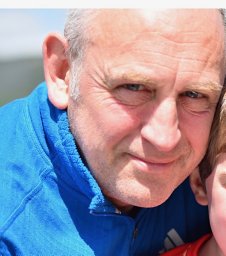 Adrian B McDermott合作论文数Sanofi9TW CHUN合作论文数8Xiaozhen Zhang合作论文数8
 Richard Koup合作论文数Immunology Laboratory, National Institute of Allergy and Infectious Diseases, National Institutes of Health;Vaccine Research Center, National Institute of Allergy and Infectious Diseases, National Institutes of Health8Pamela L. Schwartzberg合作论文数8Maegan R. Manning合作论文数7




