A critical review of endpoints for non-cirrhotic NASH therapeutic trialsJournal of HepatologyVol. 68Issue 2PreviewNon-alcoholic steatohepatitis is a disease without a single, specific, diagnostic marker, hence multiple indicators are required to measure therapeutic efficacy. Moreover, drug candidates for non-alcoholic steatohepatitis target many distinct mechanisms that are believed to promote hepatic injury. Therefore, a wide range of endpoints must be reached, sequentially, as required by the drug development process. Some of these endpoints validate the mechanism of action, others are used to anticipate histological efficacy. Full-Text PDF We read with great interest the excellent review article by Ratziu[1]Ratziu V. A critical review of endpoints for non-cirrhotic NASH therapeutic trials.J Hepatol. 2018; 68: 353-361Abstract Full Text Full Text PDF PubMed Scopus (47) Google Scholar on endpoints for non-cirrhotic non-alcoholic steatohepatitis (NASH) therapeutic trials. Ratziu highlights that goals differ at different phases in the complex process of bringing novel medicines to patients (phase I, IIa, IIb and III) and that different endpoints to measure achievement of these goals are required for each phase of clinical development. Major limitations exist in the tools currently available to determine the safety and efficacy of drugs for the treatment of NASH. While liver histology remains the “gold standard” for regulatory approval of investigational drugs, there is a high unmet medical need to develop robust, accurate and reproducible non-invasive methods to quantify NASH severity and progression/regression for use in clinical development and ultimately in clinical practice. Given the prolonged natural history of non-alcoholic fatty liver disease (NAFLD) and NASH, it is also important to develop non-invasive methods linking improvement in NAFLD/NASH to reduction in serious clinical events, so that the risk/benefit of pharmacological interventions can be accurately defined. In the review, Ratzui states that non-invasive methods are essential to understand how the metabolic/anti-inflammatory and/or anti-fibrotic actions of investigational agents translate into improvements in histology, since histology is not readily available to monitor response, particularly in the early phases of drug development.[1]Ratziu V. A critical review of endpoints for non-cirrhotic NASH therapeutic trials.J Hepatol. 2018; 68: 353-361Abstract Full Text Full Text PDF PubMed Scopus (47) Google Scholar Ratzui also states that “there are no good serum or imaging markers of steatohepatitis, improvement in liver cell injury or cell death or the inflammatory cascade” for measuring anti-inflammatory/anti-fibrotic benefits in early phase trials.[1]Ratziu V. A critical review of endpoints for non-cirrhotic NASH therapeutic trials.J Hepatol. 2018; 68: 353-361Abstract Full Text Full Text PDF PubMed Scopus (47) Google Scholar Ratzui refers to a “promising method to grade the severity of steatohepatitis and to predict clinical events”,2Pavlides M. Banerjee R. Sellwood J. Kelly C.J. Robson M.D. Booth J.C. et al.Multiparametric magnetic resonance imaging predicts clinical outcomes in patients with chronic liver disease.J Hepatol. 2016; 64: 308-315Abstract Full Text Full Text PDF PubMed Scopus (137) Google Scholar, 3Pavlides M. Banerjee R. Tunnicliffe E.M. Kelly C. Collier J. Wang L.M. et al.Multiparametric magnetic resonance imaging for the assessment of non-alcoholic fatty liver disease severity.Liver Int. 2017; 37: 1065-1073Crossref PubMed Scopus (111) Google Scholar and that this method,[4]Banerjee R. Pavlides M. Tunnicliffe E.M. Piechnik S.K. Sarania N. Philips R. et al.Multiparametric magnetic resonance for the non-invasive diagnosis of liver disease.J Hepatol. 2014; 60: 69-77Abstract Full Text Full Text PDF PubMed Scopus (299) Google Scholar “a T1 mapping technique for fibrosis and inflammation using multiparametric magnetic resonance imaging” has been evaluated in small studies and awaits independent confirmation from larger trials. Large studies linking multiparametric liver MRI (also known as LiverMultiScan) to liver events (such as hepatic decompensation, liver cancer and liver-related deaths) are ongoing,[5]Sudlow C. Gallacher J. Allen N. Beral V. Burton P. Danesh J. et al.UK biobank: an open access resource for identifying the causes of a wide range of complex diseases of middle and old age.PLoS Med. 2015; 12e1001779Crossref PubMed Scopus (3478) Google Scholar but we would like to bring to the attention of readers of Journal of Hepatology a large and independent study recently published in the cardiovascular literature correlating liver T1 results with cardiac clinical outcomes.[6]Ostovaneh M.R. Ambale-Venkatesh B. Fuji T. Bakhshi H. Shah R. Murthy V.L. et al.Association of liver fibrosis with cardiovascular diseases in the general population: the multi-ethnic study of atherosclerosis (MESA).Circ Cardiovasc Imaging. 2018; 11e007241Crossref PubMed Scopus (48) Google Scholar This strong association is important as cardiovascular disease (CVD), not liver disease, is the primary cause of death in patients with NAFLD.[7]Ekstedt M. Hagstrom H. Nasr P. Frederickson M. Stal P. Kechagias S. et al.Fibrosis stage is the strongest predictor for disease-specific mortality in NAFLD after up to 33 years of follow up.Hepatology. 2015; 61: 1547-1554Crossref PubMed Scopus (1318) Google Scholar The Multi-Ethnic Study of Atherosclerosis (MESA) study, a prospective cohort of men and women aged 45 to 84 years and free of overt CVD at enrollment recruited subjects from six centers across the United States.[6]Ostovaneh M.R. Ambale-Venkatesh B. Fuji T. Bakhshi H. Shah R. Murthy V.L. et al.Association of liver fibrosis with cardiovascular diseases in the general population: the multi-ethnic study of atherosclerosis (MESA).Circ Cardiovasc Imaging. 2018; 11e007241Crossref PubMed Scopus (48) Google Scholar Of the 6,814 individuals enrolled, liver T1 maps were obtained in 2,087 individuals, both before and after gadolinium contrast injection, to determine native T1 and extracellular volume fraction, calculated from native and post-contrast T1 measurements. These parameters are elevated in patients with liver inflammation and/or fibrosis. Importantly, these investigators found that both native liver T1 and liver extracellular volume fraction were strongly associated with CVD events (including atrial fibrillation, heart failure, and coronary heart disease), occurring in the preceding 10 years. A history of atrial fibrillation and CVD events was associated with significantly higher liver T1 values (24.6 ms and 18.5 ms, respectively). Thus, this landmark study showed that in a large population, even where most of the individuals are not known to have liver disease, liver T1 is associated with potentially life-threatening cardiovascular clinical outcomes. Building on the encouraging results of the MESA study, the UK Biobank study is currently enrolling 100,000 subjects who are undergoing T1 mapping as part of the LiverMultiScan protocol.[5]Sudlow C. Gallacher J. Allen N. Beral V. Burton P. Danesh J. et al.UK biobank: an open access resource for identifying the causes of a wide range of complex diseases of middle and old age.PLoS Med. 2015; 12e1001779Crossref PubMed Scopus (3478) Google Scholar Within the next few years, large-scale data will be available to evaluate the relationship and predictive power of liver MR relaxation times and specific clinical outcomes. Such outcome studies linking highly reproducible MRI results[8]Wilman H. Bachtiar V. Jacobs J. Newbould R. Gyngell M.L. Kelly C. et al.Repeatability and reproducibility of multiparametric magnetic resonance imaging of the Liver.J Hepatol. 2018; 68 ([Abstract FRI-443]): S562Abstract Full Text PDF Google Scholar to clinical events may ultimately be more important for the field than correlations between imaging and histological indices, which are known to have significant inter-reader as well as sampling variance.[9]Brunt E. Nonalcoholic fatty liver disease and the ongoing role of liver biopsy evaluation.Hepatol Commun. 2017; 1: 370-378Crossref PubMed Scopus (32) Google Scholar Non-invasive methods to quantify liver disease in patients with NAFLD/NASH will have multiple clinical applications once therapies for NASH are approved: (i) to identify those patients with metabolic syndrome in whom liver disease is sufficiently advanced to consider pharmacologic interventions; (ii) to predict prior to treatment who will benefit from therapy; (iii) to monitor response/non-response to therapy once initiated; (iv) to monitor relapse and disease progression once treatment is stopped. We propose that the LiverMultiScan will be an important tool for clinicians to demonstrate the benefit of pharmacological interventions for their patients with NAFLD/NASH. RB is a director and shareholder of Perspectum Diagnostics Ltd, Oxford, UK. MK is an employee and shareholder of Perspectum Diagnostics Ltd, Oxford, UK. HW has grant funding from and is a shareholder of Perspectum Diagnostics Ltd, Oxford, UK. TW is a Consultant to Perspectum Diagnostics Ltd, Oxford, UK. SN is a director and shareholder of Perspectum Diagnostics Ltd, Oxford, UK. RB is a director and shareholder of Perspectum Diagnostics Ltd, Oxford, UK. MK is an employee and shareholder of Perspectum Diagnostics Ltd, Oxford, UK. HW has grant funding from and is a shareholder of Perspectum Diagnostics Ltd, Oxford, UK. TW is a Consultant to Perspectum Diagnostics Ltd, Oxford, UK. SN is a director and shareholder of Perspectum Diagnostics Ltd, Oxford, UK. Please refer to the accompanying ICMJE disclosure forms for further details. All authors contributed to the writing, reviewing and approval of the letter. Download .pdf (.15 MB) Help with pdf files Supplementary data
Wright, Teresa L. M.D.1; Reddy, K. Rajender M.D.2; Boyer, Thomas D. M.D. Author Information
Marvin (“Marv”) H. Sleisenger MD, MACP, DSc (Hon), MRCP London (Hon) passed away on October 19th, 2017 at the age of 93. A memorial was held at the University of California San Francisco (UCSF) on November 14th, 2017. It was a testimonial to the humanity of Marvin: his humor and humility, his contributions to gastroenterology and academic medicine, and his life-long love and devotion to his wife of more than 60 years, Leonore Ruth Cohen. Marv is survived by his son, Thomas P. Sleisenger JD, daughter-in-law, Gail Sleisenger MD, three grandsons, Jason, Alex, and Jared, and his dedicated care-giver, Rosa Ladhani. Marvin was born in Pittsburgh on June 3rd, 1924 to Celia and Abe Sleisenger. Despite humble beginnings, he shared a happy childhood with his older step-sister, Reda, and younger half-sister, Soralie. Due in part to a serious early childhood illness, Marv had a short stature that was outsized by his charm, good humor, and zest for life. He is reported to have been a “scrappy” child who was eager to learn boxing in the local gym, a skill that helped shape his feisty, competitive personality. In high school, he enjoyed athletics, most especially baseball. Marv’s childhood and later world outlook were shaped by the Great Depression of 1929 as well as the rising antisemitism in the United States in the 1930s, which was fueled by Hitler, Mussolini, and the events unfolding in Europe. Upon completion of public high school in Pittsburgh, Marvin had his initial sights focused on the pre-medical program at the University of Pittsburgh but was deterred by a discriminatory admission process that included strict quotas for Jews. With his mother’s encouragement, he pursued admission to Harvard - a decision that changed his life’s course. Marv was accepted to Harvard College in 1941 as a Lambert and Richards Scholar. After making the Dean’s list as a sophomore, he pursued early admission to Harvard Medical School (HMS) but again ran into rigid admissions quotas for Jews. With mentorship and support from his professors, Marv ultimately was admitted to HMS, where he matriculated in 1944 after a brief stint in the US Navy. Among his classmates was Lloyd H. (Holly) Smith, who would become Marv’s life-long professional partner and closest friend. In June 1946, while still in medical school, Marv was hitchhiking to New York, when the driver of the car stopped to pick up his niece, Leonore Ruth Cohen. Marv was immediately struck by Leonore’s beauty, grace, and sophistication. Despite obvious ‘chemistry’ between them, they didn’t meet again until several months later at a Wellesley College dance. They were married in 1948, during Marv’s internal medicine residency at the Beth Israel Hospital in Boston. While there, Marv was steered towards an academic career by Herrman Blumgart and Sidney Cohen. After completing house staff training as a chief resident in 1950, he began his gastroenterology fellowship training at the University of Pennsylvania, where he developed research interests in post-gastrectomy syndrome. In 1951, he moved to New York Hospital-Cornell Medical Center to complete his fellowship training under Dr Thomas Almy, who became his research and career mentor. Marvin faced substantial challenges in his early family life, including the tragic deaths of his first two young children and Leonore’s devastating illness with polio, which was contracted during the birth of their first child. Throughout his career he harkened back to the unwavering support provided him during this dark period by Tom Almy. Despite these early tragedies, he retained an enviable resilience and optimism throughout a long life that was filled with enormous personal and professional accomplishments and friendships. In 1954, at only 30 years of age, Marv was appointed Chief of Gastroenterology at Cornell Medical Center, a position he held for the next 14 years. His 17-year tenure at Cornell (1951–1968) was a highly productive period in Marv’s academic career, culminating in over 80 peer-reviewed scholarly publications (45 senior-author; 14 first-author), including 14 in Gastroenterology, 10 in Journal of Clinical Investigation, and 8 in New England Journal of Medicine. He was a recognized ‘giant’ in academic gastroenterology during this period with published scholarship that covered a wide array of gastrointestinal disorders, related to esophageal function and disease, post-gastrectomy syndromes, pernicious anemia, protein digestion and mucosal peptide transport mechanisms, malabsorption syndromes, bacterial overgrowth, short-bowel syndromes, celiac disease and the role of dietary gluten, eosinophilic gastroenteritis, ulcerative jejunitis, intestinal lymphoma, carcinoid, ulcerative colitis, Hirschsprung’s disease, pancreatitis, and even liver disease. His division included many prominent faculty and trainees, including Gordon Benson, Jim Boyer, Tony Fauci, Graham Jeffries, Young Kim, Martin Lipkin, Jim Meyer, Gene Overholt, Walter Rubin, Roger Soloway, John Walsh, and David Zakim. These achievements notwithstanding, Marvin was ‘passed over’ for the position of Cornell medicine department chairman—a major (albeit short-lived) disappointment. Soon thereafter, in 1968, came “the phone call” from his former medical school classmate, Holly Smith, now Chairman of Medicine at UCSF, who offered him an opportunity to partner with him in building an academic department. Marv didn’t think Leonore would be interested in leaving New York, but when asked, she replied rhetorically, “Who passes up a free trip to San Francisco?” Shortly thereafter, Marv and his family moved west where he become Vice-Chairman of the UCSF Department of Medicine and Chief of the San Francisco Veterans Administration (SFVAMC) Medical Service. He soon faced enormous challenges, most significantly the presence of only four full-time physicians and one PhD scientist, and an inability to recruit US-trained physicians to the VA. Undaunted, Marvin set an aspirational goal: to recruit a medicine faculty that would comprise more inductees to the American Society of Clinical Investigation (ASCI) honorary society than there were in the entire Department of Medicine at Cornell. He achieved this goal within his first decade. Known affectionately to all who served under him as “the Chief”, Marv continued in this role until 1988. Marv Sleisenger’s legacy is a VA Medical Service that currently has 132 faculty and a strong academic affiliation with UCSF. Its myriad student programs and fully integrated residency and fellowship programs consistently garner the highest accolades for teaching. The VAMC research activities currently comprise 267 principal investigators, >1000 research employees, 937 research projects, >400 papers per year, and ∼$70 million in research grants. Of Dr Sleisenger’s faculty recruits, 18 members were inducted into the ASCI and 9 additional faculty inducted after his tenure. How did Marv accomplish this? He picked good people and helped them thrive and prevented the VA bureaucracy from stifling their greatness. By all accounts, the Chief’s greatest attributes as a leader were his uncanny judge of talent, a keen sense of who could (and would) succeed, and the ability to direct and encourage them successful pursuits In addition to his role in building the VA Medical Service, Marv was one of the “Founding Fathers” of a UCSF gastroenterology division dynasty, which included Rudi Schmid, MD PhD (UCSF Division Chief), D. Monty Bissell, John Cello, Young Kim, Robert Ockner, and Bruce Scharschmidt. The national prominence of the UCSF GI Division is reflected in the accomplishments of its trainees: 4 AGA Presidents, 10 AASLD Presidents, 3 ASGE Presidents, 2 Gastroenterology editors, 2 Hepatology editors, 2 medical school deans, 2 medicine department chairmen, and 27 GI division chiefs. Marvin served as the fifth editor of Gastroenterology from 1965 to1970 and AGA president from 1976 to 1977. In 1973 he became the senior editor of Sleisenger and Fordtran’s Gastrointestinal and Liver Disease (WB Saunders), which became one of the premier GI textbooks, now in its 10th edition. His co-Editor John Fordtran stated, “Marv never wrote a poor sentence. He enjoyed every minute of the work he did for gastroenterology. He was never selfish and was motivated by very high principles.” Throughout his career Marv received numerous awards, including the AGA Julius Friedenwald Medal (1989), the AGA Distinguished Educator Award (1994), and the Department of Veterans Affairs David Worthen Education Award (1997). In 2011, he received the UCSF Medal, the highest honor bestowed by the university. Marvin had diverse interests and hobbies. He was an avid sailor who enjoyed sailing on the San Francisco Bay. He enjoyed tennis – and was said by Holly Smith to be a ‘competitive little bugger’. Finally, he was a baseball fanatic, most especially for his beloved San Francisco Giants. On a personal note, the two of us worked with ‘the Chief’ for over four decades, during which time he impressed us with his passion for medicine, his uncompromising commitment to delivering high quality healthcare to veterans, his high academic standards, his good humor, and his wisdom. Until the last few years of his life, he continued to participate in the VA GI clinic, where he thoroughly enjoyed seeing patients and sharing in care discussions with fellows and colleagues. He had an encyclopedic knowledge of gastroenterology and a passion for teaching that was amply displayed in conferences and GI grand rounds (where Marv was a regular attendee). Throughout our training and careers, he maintained close friendships with each of us and our families that went far beyond the customary professional relationship. After the early deaths of our fathers, Marv became a surrogate father to each of us, always available to provide his counsel, sage advice, and gentle encouragement. In closing, it has been our privilege to have had Marv, Leonore and their family as part of our lives. Marv’s legacy lives on in the physicians and nurses at the SFVAMC who deliver high quality medical care to veterans every day. Innumerable trainees, colleagues, and patients will long benefit from the vision, dedication, and scholarly contributions of this giant of a man. With deep respect.
The Global Conservation Fund (GCF) is a global programme intended to address the problems associated with protected areas that lack sufficient resources to function effectively. In operation since 2001, GCF has built a global portfolio of over 65 protected area investments linked to a comprehensive integrated data set on protected area management effectiveness and conservation outcomes. With data collected over the last six years (2008-2013), this paper attempts to answer two questions: 1) What is the relationship between conservation investments and the enabling conditions needed to achieve conservation outcomes? 2) Does stable funding correlate with a stable or improving deforestation rate? Results from analysis of this data suggest that regular, sustained investment in protected area management resulted in a statistically significant decline in deforestation rates in and around these protected areas. Additionally, we find that higher scores on management effectiveness were associated with lower deforestation rates. This suggests that monitoring the enabling conditions for effective protected area management provides a reasonable proxy for conservation outcomes as measured by changes in deforestation rates. These results make a compelling argument that Conservation Trust Funds are valuable tools to help protected areas deliver on their objectives and contribute to global conservation targets.
Objective: Compare the 3-yr cumulative incidence risk of > CIN3 in women with differing high-risk HPV DNA testing (hrHPV) and liquid-based cytology results.
Background/Aims: Seven genomic loci, implicated by single nucleotide polymorphisms (SNPs), have recently been associated with progression to advanced fibrosis (fibrosis risk) in patients with chronic hepatitis C virus. Other variants in these loci have not been examined but may be associated with fibrosis risk independently of or due to linkage disequilibrium with the original polymorphisms.Methods: We carried out dense genotyping and association testing of additional SNPs in each of the 7 regions in Caucasian case control samples.Results: We identified several SNPs in the toll-like receptor 4 (TLR4) and syntaxin binding protein 5-like (STXBP5L) loci that were associated with fibrosis risk independently of the original significant SNPs. Haplotypes consisting of these SNPs in TLR4 and STXBP5L were strongly associated with fibrosis risk (global P = 3.04 x 10(-5) and 4.49 x 10(-6), respectively).Conclusions: Multiple variants in TLR4 and STXBP5L genes modulate risk of liver fibrosis. These findings are of relevance for understanding the pathogenesis of HCV-induced liver disease in Caucasians and may be extended to other ethnicities as well. (C) 2009 European Association for the Study of the Liver. Published by Elsevier B.V. All rights reserved.
Objectives We undertook this study to determine if treatment candidacy and outcomes were similar between elderly and non-elderly patients. Methods This was a prospective cohort study that screened 4,025 patients with chronic hepatitis C for HCV antiviral treatment at 24 Veterans Affairs Medical Centers throughout the country. We used multivariable logistic regression to determine whether there was an independent association between being elderly (age > 60 vs. ≤ 60) and (1) being considered a treatment candidate by clinician, and (2) achieving sustained virologic response if treated. Results 364 of the 4,025 patients (9%) were over the age of 60. Only 25% of patients over the age of 60 were considered to be treatment candidates by the evaluating clinician, and only 10% were started on treatment. After adjustment for potential confounders, older age remained associated with a lower likelihood of being considered a treatment candidate (adjusted OR = 0.43; 95% CI: 0.30–0.61). Although based on a small sample of elderly treated patients ( n = 35), being elderly did not appear to be associated with a lower likelihood of achieving SVR (adjusted OR = 1.54; 95% CI: 0.46–5.15). Conclusion Among veterans over the age of 60 with chronic hepatitis C who are referred for treatment, relatively few are considered treatment candidates and an even smaller number are ultimately treated. After adjusting for co-morbidities, age remains a strong predictor of not being a treatment candidate. In contrast, older age does not seem to adversely affect treatment outcomes and side effects.
GOALS:To determine the validity of fibrosis indexes based on simple laboratory tests in daily practice.BACKGROUND:Fibrosis indexes were developed in referral centers using high-quality data.METHODS:We compared the performance characteristics of several such indexes with liver biopsies in a cohort of 490 diverse veterans with chronic hepatitis C from 24 centers. All laboratory tests including interpretation of the liver biopsy were done locally. The following indexes were calculated and correlated with a 5-point fibrosis stage (F0-F4) on liver biopsies: platelet counts (<100 or <150x10(9)/L), aspartate aminotransferase (AST)/alanine aminotransferase (ALT) ratio (AAR), Pohl score, AST-to-platelet ratio index (APRI) and "Lok's model."RESULTS:Our cohort was predominantly male with 24% blacks, and fibrosis stages of 0, 1, 2, 3, and 4 in 11%, 24%, 28%, 24%, and 13%, respectively. All indexes performed better in predicting advanced (F3-4) than significant (F2-4) fibrosis. When patients with F3-4 were compared to those with F0-2, the area under the receiver operating characteristics curve were 0.534 and 0.641 for platelet count <100 and <150x10(9)/L, respectively, 0.524 for AAR, 0.534 for Pohl score, 0.693 for Lok's model, and 0.765 for APRI. The sensitivity, specificity, and predictive values of APRI and Lok's model were only slightly lower than those reported by the authors using the recommended cutoffs in clinical trial settings. Alcohol use within 12 months, normalization of AST, ALT, and race (blacks/non-blacks) had minimal impact on the performance.CONCLUSIONS:AAR, Pohl, and platelet counts <100x10(9)/L have limited ability to predict significant/advanced fibrosis with area under the receiver operating characteristics curve similar to 0.5. However, platelet counts <150x10(9)/L, Lok's model and APRI performed well for advanced fibrosis in our daily practice setting.
Introduction: The mechanisms by which severe cholestatic hepatitis develops after liver transplantation are not fully understood. Reports on immunohistochemical distribution of hepatitis C virus (HCV) antigens are still scarce, but recently, HCV immunostaining was suggested for early diagnosis of cholestatic forms of recurrent hepatitis C in liver grafts. After purification, Rb246 pab anticore (aa1-68) yielded specific, granular cytoplasmic staining in hepatocytes. Signal amplification through the Envision-Alkaline Phosphatase System avoided endogenous biotin and peroxidase. Aims/Methods: Rb246 was applied to liver samples of explants of 12 transplant recipients, six with the most severe form of post-transplantation recurrence, severe cholestatic hepatitis (group 1) and six with mild recurrence (group 2). We also assessed immuno-reactivity at two time-points post-transplantation (median 4 and 22 months) in both groups. HCV-core Ag was semiquantified from 0 to 3+ in each time point. Serum HCV-RNA was also measured on the different time points by branched DNA. Results: In the early post-transplant time point, one patient had a mild staining (1+), two patients had a moderate staining (2+) and the other three had no staining in group 1, compared with five patients with no staining (0) and one patient with mild staining (1+) in group 2. Late post-transplant liver samples were available in nine patients, and two out of four samples in group 1 showed a mild staining, compared with no staining patients in five patients in group 2. Strikingly, on the explant samples, HCV immunostaining was strongly positive in group 1, and mildly positive in group 2. Two out of five samples showed 3+ staining, and three samples showed 2+ staining in group 1; two out of five samples showed no staining, two samples showed 1+ staining and one sample showed 2+ staining in group 2. Serum HCV-RNA was significantly higher in group 1, on both time-points post-transplantation. HCV-core Ag was not directly associated with serum HCV-RNA on the different time points. Conclusion: These preliminary results suggest that strong HCV immunostaining in the explant is predictive of more severe disease recurrence.
Liver disease is a major health problem for individuals with a history of injection drug use. This is mainly from the hepatitis C virus (HCV), with or without co-infection with HIV. HCV-associated liver disease takes decades to develop into cirrhosis, from which it can adversely affect health. HIV coinfection is among the factors that are often associated with liver disease progression, and efforts to understand liver disease progression in HIV-HCV coinfected patients remain important. Maintaining high CD4 counts and avoiding alcohol intake are associated with slower liver disease progression. Pegylated interferon and ribavirin combination therapy has the potential to clear HCV, which provides the strongest health benefit to patients affected by the virus, although this can be difficult to accomplish for many reasons. Steatosis, fat within the liver, may also have important pathological implications for liver disease related to HCV. Limiting liver disease progression in IDUs with hepatitis C may well be best accomplished through promoting their full utilization of health care.
Abstract Liver disease is a major health problem for individuals with a history of injection drug use. This is mainly from the hepatitis C virus (HCV), with or without co-infection with HIV. HCV-associated liver disease takes decades to develop into cirrhosis, from which it can adversely affect health. HIV coinfection is among the factors that are often associated with liver disease progression, and efforts to understand liver disease progression in HIV-HCV coinfected patients remain important. Maintaining high CD4 counts and avoiding alcohol intake are associated with slower liver disease progression. Pegylated interferon and ribavirin combination therapy has the potential to clear HCV, which provides the strongest health benefit to patients affected by the virus, although this can be difficult to accomplish for many reasons. Steatosis, fat within the liver, may also have important pathological implications for liver disease related to HCV. Limiting liver disease progression in IDUs with hepatitis C may well be best accomplished through promoting their full utilization of health care.
This study aimed to investigate whether HIV and HIV-related factors are associated with spontaneously resolved hepatitis C virus (HCV) infection and levels of hepatitis C viremia. Among 351 anti-HCV(+) injection drug users, with and without HIV infection, multivariate methods were used to evaluate whether HIV status and HIV viral load, CD4 T-cell count, and concurrent HIV antiretroviral therapy were associated with (1) spontaneously resolved HCV infection and (2) HCV RNA levels. In 186 HIV patients, decreased HCV resolution was independently associated with Black race and modestly associated with CD4 T-cell count <200 cells/ml. Among 310 patients with persistent HCV infection, higher HCV RNA levels were independently associated with HIV status but not with other HIV-related factors. HIV may be associated with persistent HCV infection in patients with low CD4 T-cell counts. Moreover, HIV is associated with increased HCV viral load, which may attenuate response to HCV antiviral treatment in coinfected patients.
Chronic infection by Hepatitis C Virus (HCV) causes liver fibrosis, which is accelerated by unknown mechanisms in patients with HIV-1 coinfection. The evolution of HCV quasispecies in this setting of coinfection is not fully understood. To compare HCV quasispecies between HIV-HCV coinfection and HCV monoinfection, we sequenced 340 HCV clones from the HVR-1 and NS3 regions at two different time points in two groups of treatment-naïve patients with HCV-1a infection: (1) HIV-HCV positive (n=6); and (2) HIV negative-HCV positive (n=3). In HCV/HIV coinfection, we found a trend for reduced HCV genetic complexity and diversity, and a trend towards reduced dN/dS ratios in the HVR-1 region, especially in those patients with CD4<200cells/mm(3), who lost positive selective immune pressure in the HVR-1 region. Differences in immune regulation of HCV quasispecies in HIV coinfected individuals deserve further exploration to clarify the different outcomes of chronic hepatitis C noted between the immunocompromised and the immunocompetent host.
Clinical factors such as age, gender, alcohol use, and age-at-infection influence the progression to cirrhosis but cannot accurately predict the risk of developing cirrhosis in patients with chronic hepatitis C (CHC). The aim of this study was to develop a predictive signature for cirrhosis in Caucasian patients. All patients had well-characterized liver histology and clinical factors; DNA was extracted from whole blood for genotyping. We validated all significant markers from a genome scan in the training cohort, and selected 361 markers for the signature building. Using a "machine learning" approach, a signature consisting of markers most predictive for cirrhosis risk in Caucasian patients was developed in the training set (N = 420). The Cirrhosis Risk Score (CRS) was calculated to estimate the risk of developing cirrhosis for each patient. The CRS performance was then tested in an independently enrolled validation cohort of 154 Caucasian patients. A CRS signature consisting of 7 markers was developed for Caucasian patients. The area-under-the-ROC curves (AUC) of the CRS was 0.75 in the training cohort. In the validation cohort, AUC was only 0.53 for clinical factors, increased to 0.73 for CRS, and 0.76 when CRS and clinical factors were combined. A low CRS cutoff of < 0.50 to identify low-risk patients would misclassify only 10.3% of high-risk patients, while a high cutoff of > 0.70 to identify high-risk patients would misclassify 22.3% of low-risk patients. Conclusion: CRS is a better predictor than clinical factors in differentiating high-risk versus low-risk for cirrhosis in Caucasian CHC patients. Prospective studies should be conducted to further validate these findings.
 Ramsey Cheung合作论文数Division of Gastroenterology and Hepatology, Department of Medicine, School of Medicine, Stanford University;Stanford Cancer Institute, School of Medicine, Stanford University20
 Er Schiff合作论文数16Sue Currie合作论文数16
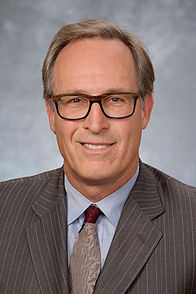 Robert G. Gish合作论文数Robert G Gish Consultants LLC;Loma Linda University;Department of Medicine, University of Nevada in Las Vegas15
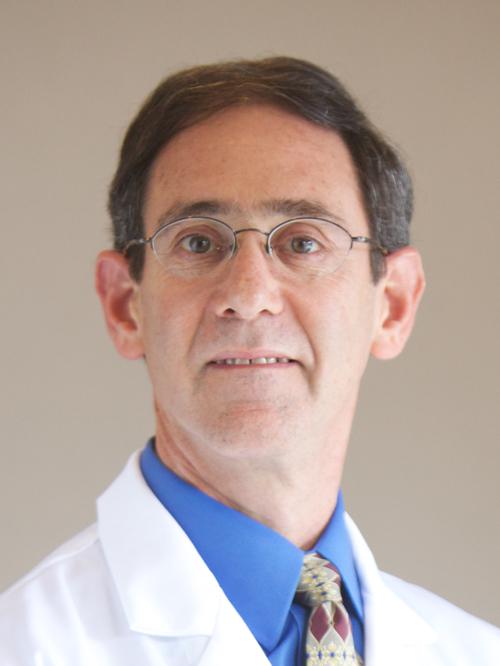 Mitchell L. Shiffman合作论文数Liver Institute of Virginia, Bon Secours Mercy Health;Eastern Virginia Medical School15Hui Shen合作论文数14
 Alexander Monto合作论文数14Edmund J. Bini合作论文数12Norbert Brau合作论文数12Marina Berenguer合作论文数11Paul J. Pockros合作论文数9
 Jules L Dienstag合作论文数Massachusetts General Hospital;Harvard Medical School;Mass General Research Institute9R Perrillo合作论文数8
 Timothy R. Morgan合作论文数Division of Gastroenterology, Department of Medicine, School of Medicine, University of California, Irvine8
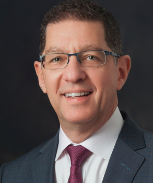 Michael W. Fried合作论文数Center for Gastrointestinal Biology and Disease, School of Medicine, The University of North Carolina;Division of Gastroenterology and Hepatology, Department of Medicine, The University of North Carolina;Target RWE Health Evidence Solutions8
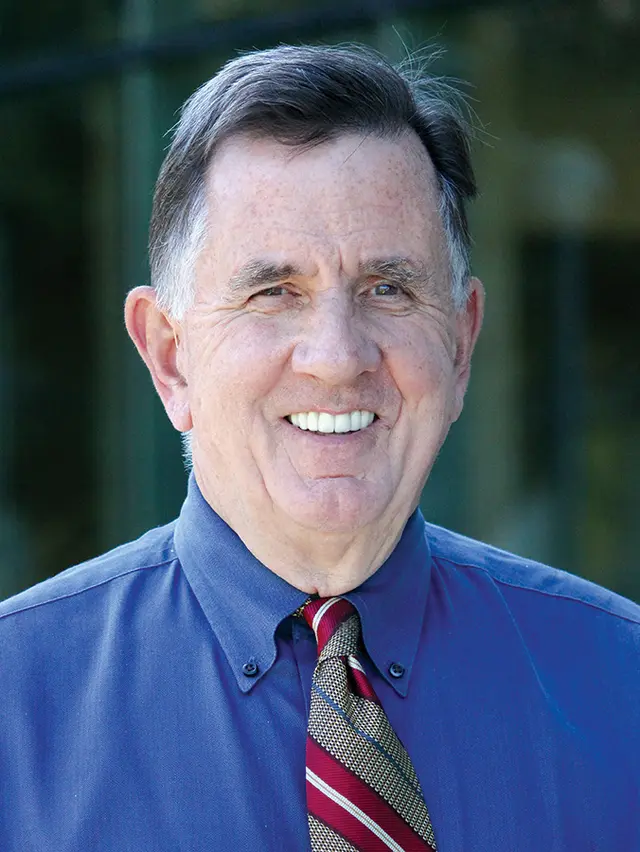 Thomas J. Layden合作论文数Stritch School of Medicine, Loyola University Chicago8
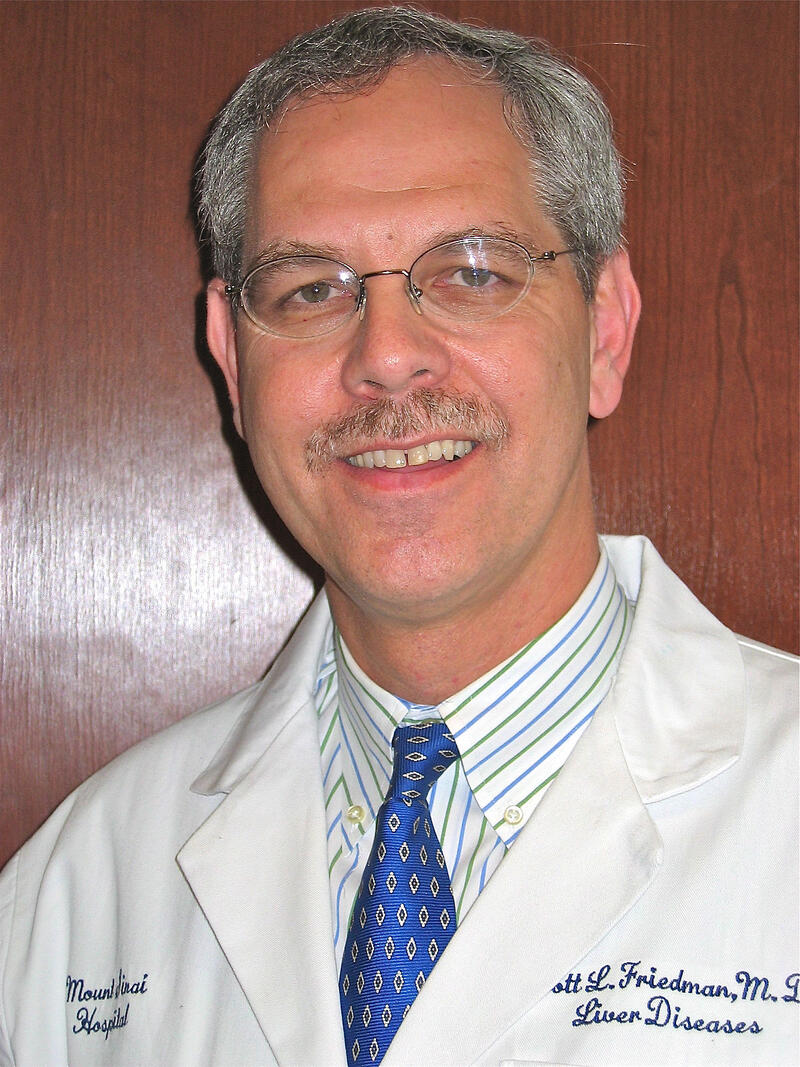 Scott L. Friedman合作论文数Division of Liver Diseases, Mount Sinai School of Medicine8
 Nathaniel Brown合作论文数8Lorna Dove合作论文数8Warren N. Schmidt合作论文数8
 Morris Sherman合作论文数Department of Medicine, Temerty Faculty of Medicine, University of Toronto;Toronto General Hospital Research Institute, University of Toronto;University Health Network7
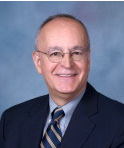 Jorge Rakela合作论文数Mayo Clinic Arizona7
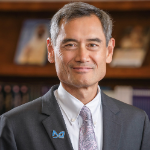 Samuel B. Ho合作论文数Mohammed Bin Rashid University of Medicine and Health Sciences7Bhupinderjit S. Anand合作论文数6Sue L Currie合作论文数6
 K. Rajender (Raj) Reddy合作论文数Department of Medicine, Perelman School of Medicine, University of Pennsylvania;Division of Gastroenterology, University of Pennsylvania6
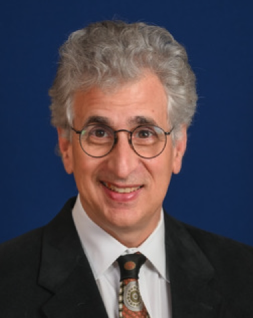 Robert John Fontana合作论文数Department of Internal Medicine, University of Michigan Medical School6
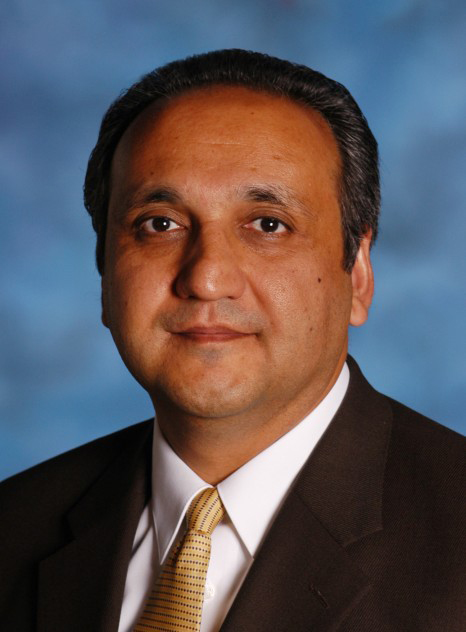 Zobair Younossi合作论文数The Global NASH Council6
 Nancy L. Ascher合作论文数Department of Surgery,University of California,San Francisco6
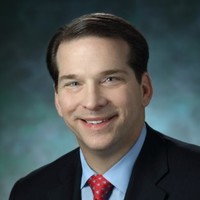 Mark Sulkowski合作论文数Division of Infectious Diseases, Johns Hopkins Bayview Medical Center;Johns Hopkins University School of Medicine6
 Ke-Qin Hu合作论文数Division of Gastroenterology & Hepatology, Department of Medicine, School of Medicine, University of California6Ayse Aytaman合作论文数6
 Lennox Jeffers合作论文数VA Medical Center, Miami, Florida6John Sninsky合作论文数6
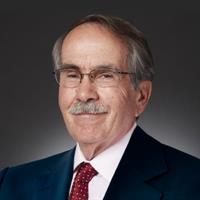 Robert Perrillo合作论文数Baylor University Medical Center, Baylor Scott & White Health6Michael P. Kim合作论文数5J ROBERTS合作论文数5Hwl Hann合作论文数5Sally L George合作论文数5
 Stephanos Hadziyannis合作论文数Division of Internal Medicine II, National and Kapodistrian University of Athens5
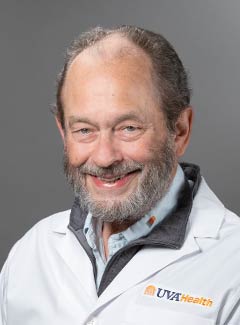 Stephen H Caldwell合作论文数Division of Gastroenterology and Hepatology, School of Medicine, University of Virginia;Digestive Health at Primary Care Center, University of Virginia5
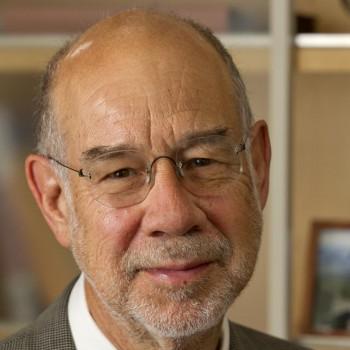 Harry B Greenberg合作论文数Division of Gastroenterology and Hepatology, School of Medicine, Stanford University5
 Gregory T Everson合作论文数5
 Leonard B. Seeff合作论文数Einstein Healthcare Network5
 Stefan Zeuzem合作论文数J W Goethe University Hospital5Linda Ferrell合作论文数5
 Joe Catanese合作论文数Quest Diagnostics5
 Natalie Bzowej合作论文数5Gaya Anschuetz合作论文数5




