TPS5129 Background: Management of patients (pts) with mCSPC remains a challenge due to its incurable nature and heterogeneous response to androgen deprivation therapy (ADT) and androgen receptor pathway inhibitors (ARPI). Recent analyses of phase III ADT + ARPI trials show that mCSPC with suboptimal PSA response (≥0.2ng/ml at 6-12 months) have poor prognosis, short time to castration-resistance (CRPC) and 30-36 month median overall survival (OS). While docetaxel could also be utilized in mCSPC, there is equipoise about its use in ARPI-treated pts because of 1) an absence of randomized data for docetaxel in this setting, 2) toxicity of docetaxel with impact on quality of life for pts, and 3) selection of docetaxel treatment by disease volume rather than disease biology. CCTG-PR26 (TRIPLE-SWITCH) is a joint CCTG-SWOG trial run through the NCI National Clinical Trials Network. This study investigates whether adding docetaxel prior to development of CRPC, regardless of disease volume, will improve OS in ARPI-treated mCSPC pts that show evidence of suboptimal response. Methods: This international, open-label, randomized phase III trial compares standard ADT + ARPI against the addition of docetaxel to ADT + ARPI in mCSPC pts with suboptimal PSA response, defined as PSA ≥0.2 ng/mL after 6-12 months of ADT and ≥4 months of ARPI. Stratification will be based on PSA levels, ARPI type, presence of liver metastasis, disease recurrence status, and time since ADT initiation. Arm 1 will continue standard ADT + ARPI (abiraterone acetate with prednisone, apalutamide, enzalutamide or darolutamide). Arm 2 will receive docetaxel 75mg/m 2 IV every 3 weeks for up to 6 cycles in addition to continuing standard ADT + ARPI. Sample size is 830 pts in order to detect a targeted 33% improvement in overall survival (hazard ratio 0.75) using a 1-sided 0.025 level test with 85% power. Key eligibility criteria are: ≥18 years, histologically confirmed prostate adenocarcinoma, metastatic disease present and confirmed by conventional imaging (CT and/or bone scan), PSA ≥5.0 ng/mL prior to ADT, receipt of ADT for 6-12 months and ARPI for ≥4 months, PSA ≥0.2 ng/mL within 14 days of enrolment, adequate organ and marrow function, ECOG performance status 0-2, eligible for docetaxel chemotherapy, no evidence of disease progression or biochemical progression on ADT prior to enrolment. Primary endpoint is overall survival. Secondary endpoints include PSA response, PSA kinetics, and clinical progression free-survival. Correlative studies will explore the prognostic and predictive value of circulating tumor DNA (ctDNA) and the association between molecular signatures in primary prostate cancer tissue and clinical outcomes. Enrolment has been initiated in January 2025 and is ongoing. Clinical trial information: NCT06592924 .
The first cellular cancer immunotherapy, sipuleucel-T, was approved for metastatic castration-resistant prostate cancer (mCRPC) patients 15 years ago. Since then, the therapeutic landscape of advanced prostate cancer has significantly evolved. Sipuleucel-T is a personalized, autologous immunotherapy that activates the patient's immune system to target prostatic acid phosphatase (PAP)-expressing tumor cells and has demonstrated survival benefit in patients with nonopioid requiring mCRPC. Subsequent clinical trials and abundant real-world data have provided further evidence of this novel immunotherapy's clinical benefit for patients with mCRPC, as well as demonstrating the numerous immune and biologic responses that sipuleucel-T induces. These data have also identified patient-specific factors associated with longer survival, including race, baseline disease burden, and treatment-induced immune responses. Despite the addition of multiple life-prolonging therapeutic modalities now available to treat patients with mCRPC, the mechanism of action of sipuleucel-T remains unique for patients with advanced prostate cancer. Therefore, maximizing the appropriate clinical utilization of sipuleucel-T in patients with mCRPC within current treatment paradigms is essential.
In a joint statement, Friends of Cancer Research and the American Society of Clinical Oncology affirmed the need for broadening clinical trial eligibility criteria to expand patient access to investigational treatments and enroll cohorts more representative of the general population. Our study aimed to characterize and analyze the prevalence of overly exclusionary eligibility criteria in contemporary clinical trials involving patients with locally advanced and metastatic urothelial cancer. Utilizing MeSH query terms "(metastatic OR advanced OR stage IV OR unresectable) AND (bladder cancer OR upper tract urothelial carcinoma OR upper tract urothelial cancer)" in ClinicalTrials.gov, we identified 205 interventional urothelial cancer trials activated between June 30, 2012 through June 30, 2022. We investigated the prevalence of four potentially restrictive criteria: the presence of brain metastases, HIV infection, hepatitis B/C infection, and the presence of concurrent malignancies. Fisher's Exact test was utilized to ascertain significant associations between criteria and trial characteristics. Of 205 trials found initially, 37 (18%) contained sufficient data for analysis. Overall, HIV infection and Hepatitis B/C infection were most restrictive, with most trials completely excluding patients with these conditions (89.2%; 56.8%). Restrictiveness for HIV infection and type of therapy were significantly associated, with most exclusionary trials involving combination or immunotherapies (39.4%; 33.3%; p = 0.003). Brain metastases were totally excluded by 35.1% of trials and had 18.9% of trials provide no explicit criteria or guidelines. Most trials specified conditions for the inclusion of patients with concurrent malignancies (91.9%). Variant histology was also underrepresented, with most trials not specifying or totally excluding all variant histology (43.2%; 8.1%). HIV infection and hepatitis B/C infection were commonly identified in exclusion criteria across these trials despite limited evidence suggesting these criteria significantly impact therapy efficacy and tolerability. Broadening and modernization of eligibility criteria will ensure more inclusive clinical trials.
331 Background: Active surveillance (AS) is recognized as the preferred management for patients with low-risk prostate cancer, and many with favorable intermediate risk tumors as well. AS has been increasing in utilization both within the Veterans Affairs (VA) Healthcare System and nationally in the U.S. However, the limited data evaluating the quality of AS protocols suggests wide variability. One area of controversy is whether magnetic resonance imaging (MRI) can replace prostate biopsy to guide decisions about whether to remain on AS. We aimed to quantify the performance characteristics of MRI as a potential replacement for biopsy in a large, diverse, national VA cohort. Methods: The study cohort consists of veterans diagnosed with Gleason grade group (GG) 1 or 2 prostate cancer at their diagnostic biopsy undergoing AS. The cohort is further limited to patients that underwent at least one post-diagnosis (confirmatory) biopsy and had at least one MRI with an assigned Prostate Imaging-Reporting and Data System (PI-RADS) score completed within 180 days prior to their confirmatory biopsy (CBx) and/or any subsequent surveillance biopsy (SBx). MRI was evaluated as negative (PI-RADS v2.1 score of 1-2) or positive (PI-RADS score of 3-5) in its ability to predict GG≥2 prostate cancer on post-diagnosis biopsy, vs. either negative or GG1. We focused on the negative predictive value (NPV), given the key clinical question whether MRI can safely replace biopsy, and stratified results by PSAD (< 0.15 ng/mL and >= 0.15 ng/mL) and GG groups (GG1 vs GG2) at diagnosis. Results: We identified 1,662 cases with eligible confirmatory biopsies and 796 cases with eligible surveillance biopsies among 2,188 patients. Biopsies were from patients with a median age of 67 with 80% having GG1 cancer at their diagnostic biopsy and the remaining 20% at GG2. The negative predictive value (NPV) was 74% for all confirmatory biopsies and 75% for subsequent surveillance biopsies. Performance was worse in some contexts: for example, among patients with GG2 at diagnosis, NPV was only 38% at the confirmatory biopsy and 60% at subsequent surveillance biopsies. On the other hand, for those with PSAD less than 0.15 ng/mL, NPV at the surveillance biopsy was 82% (Table). Conclusions: Negative MRI—as defined by PI-RADS 1-2—does not consistently rule out the presence of GG≥2 prostate cancer and therefore cannot safely replace confirmatory biopsy. In some contexts (e.g., subsequent surveillance biopsy for patients with low PSAD) MRI may be an adequate surrogate. Group Type of Biopsy Count NPV PPV Sensitivity Specificity Overall CBx 1,662 0.74 0.53 0.96 0.13 Overall SBx 796 0.75 0.52 0.97 0.10 GG1 CBx 1,317 0.79 0.49 0.96 0.14 GG1 SBx 672 0.77 0.48 0.96 0.10 GG2 CBx 345 0.38 0.69 0.96 0.06 GG2 SBx 124 0.60 0.72 0.98 0.08 Low PSAD CBx 755 0.78 0.60 0.98 0.10 Low PSAD SBx 382 0.60 0.61 0.96 0.08 High PSAD CBx 693 0.75 0.43 0.93 0.15 High PSAD SBx 309 0.82 0.42 0.96 0.12
e17111 Background: Parallel analysis of cfDNA and ctcDNA can yield expanded and complementary molecular insights. We developed HERCULES, a prostate cancer specific targeted amplicon sequencing panel capable of assessing single nucleotide variants (SNVs) and copy number variants (CNVs) in cfDNA and single CTCs obtained concurrently from a single tube of blood. Here we present results from the first 35 patients analyzed at multiple time points in S1802, an NCTN/SWOG randomized prospective phase 3 trial of standard systemic therapy +/- definitive treatment of the primary tumor in newly diagnosed mHSPC. Methods: Blood was collected in Streck DNA preservative tubes at 4 prespecified time points: registration, randomization, post-definitive therapy, and progression. Plasma and single CTCs were isolated using the RareCyte platform, and DNA was extracted using the Apostle MiniMax cfDNA extraction kit (Beckman) or Single Cell Lysis Kit (Thermo Fisher). The HERCULES AmpliSeq-HD panel includes 35 prostate cancer -relevant genes. SNVs and CNVs were called using Ion Reporter Software (Thermo Fisher) and filtered for variants associated with clonal hematopoiesis of indeterminate significance (CHIP). Results: A total of 85 samples were obtained from 35 patients at up to 4 different time points. CTCs were detected in 22(61%) patients, with median 3 CTCs/7.5ml (range 1-986). SNV limit of detection varied with input DNA, from 0.16% at >20 ng input to 0.91% with 1-5 ng input. Fewer than 5% of all SNVs were censored due to potential CHIP. Across all times points, SNVs and CNVs were detected in 32 and 20 patients, respectively. SNVs were detected both in cfDNA and in ctcDNA. Known prostate cancer driver variants were observed in AR, CTNNB1, FOXA1, SF3B1, TP53 and others. Recurrent CNVs were observed in AR, AR enhancer, FOXA1, CDK4, MYC and CHD1. In general, the 4 th time point, representing transition to mCRPC, had twice the number of alterations as earlier mHSPC time points. Conclusions: Analysis of the first 35 patients sequenced at multiple time points in S1802 demonstrates the feasibility of concurrent, same-sample genomic profiling of cfDNA and ctcDNA in a multi-center prospective phase 3 NCTN setting. The HERCULES sequencing workflow enables parallel processing of cfDNA and single-cell ctcDNA, with LOD that exceeds that of hybrid capture panels at these input levels. Presence of concordant and distinct alterations in cfDNA and CTCs is consistent with findings from prior small studies and underscores the potential value of analyzing both of these liquid biopsy components.
Indications for and implications of germline genetic testing (GGT) in patients with prostate cancer have expanded over the past decade, particularly related to precision therapies and management. GGT has become the standard of care for many cancers such as breast, ovarian, colorectal, pancreatic, and metastatic prostate cancer, and it is imperative that patients be offered timely and equitable access to testing as it can inform patient-physician shared decision making for management of the current cancer as well as anticipatory guidance for disease progression. Additionally, GGT guides screening for and prevention of secondary malignancies for the patient and cascade testing for at-risk family members. Here, we present data supporting the notion that clinicians should offer all patients with prostate cancer the opportunity to undergo comprehensive GGT for pathogenic germline variants known to be associated with familial cancer and/or known to have implications for treatment and management.
263 Background: Randomized clinical trials have demonstrated the efficacy of both doublet (androgen deprivation therapy (ADT) + androgen receptor pathway inhibitor (ARPi)) and triplet (ADT + ARPi + docetaxel) regimens in the treatment of mHSPC. However, the optimal clinical setting for each approach remains unclear. We surveyed genitourinary oncologists to identify their practice patterns with respect to systemic therapy for mHSPC. Methods: A 13-question survey was distributed to clinicians associated with the Canadian Clinical Trials Group (CCTG), SWOG, and Alliance for Clinical Trials in Oncology between March 2024 and June 2024. We collected data on clinician specialty, practice setting, location, years of clinical experience, and approach to management for patients with mHSPC. Results: 542 responses were solicited, and 104 (19%) surveys were completed. 24 respondents were from Canada (CCTG) and 80 were from the United States (47 SWOG, 33 Alliance). 88% (92/104) respondents indicated that less than 50% of their mHSPC patients are started on triplet therapy (Table). The most important factors when considering the use of doublet vs. triple therapy were volume of disease (88/104, 85%) and patient comorbidities (82/104, 79%). Physicians favored triplet therapy in high volume, de novo (95/104, 91%) or recurrent (70/104, 67%) disease, but not in low volume, de novo (2/104, 2%) or recurrent (2/104, 2%) disease. The greatest barriers to triplet therapy were toxicity concerns (75/104, 72%) and patient factors (66/104, 63%). In the scenario where prostate specific antigen (PSA) remained at 4 ng/ml after 6 months of doublet therapy, 77% (80/104) would not make any changes, while 23% (24/104) could consider additional intensification strategies, including clinical trial enrollment. In the scenario where PSA was undetectable after two years on doublet therapy, 63% (65/104) would continue therapy without de-escalation, while 37% (38/104) would consider deintensification, and 1 declined to answer. Responses were concordant between American and Canadian participants. Conclusions: North American genitourinary oncologists consider disease volume, patient comorbidities, and toxicity when opting for doublet vs. triplet therapy, and feel there is a role to explore PSA-based de/intensification strategies in future clinical trials. Alliance (n = 33) SWOG (n = 47) CCTG (n = 24) Total (n = 104, %) Specialty Medical Oncology 32 39 24 95 (91%) Radiation Oncology 0 4 0 4 (4%) Surgical Oncology 0 3 0 3 (3%) Other 1 1 0 2 (2%) Practice setting Academic 31 41 24 96 (92%) Private 0 1 0 1 (1%) Other 2 5 0 7 (7%) Years from fellowship <5 years 11 8 6 25 (24%) 5-10 years 6 10 5 21 (20%) 10-20 years 8 15 9 32 (31%) >20 years 8 13 4 25 (24%) Other / Skipped 0 1 0 1 (1%) Percent of patients offered triplet therapy <10% 9 14 8 31 (30%) 11-30% 12 20 13 45 (43%) 31-50% 7 9 0 16 (15%) 51-75% 3 3 2 8 (8%) >76% 2 1 1 4 (4%)
e17106 Background: Relugolix is the only oral androgen deprivation therapy (ADT) for advanced prostate cancer (PC). In the phase 3 HERO trial, it showed rapid and sustained testosterone (T) suppression with high adherence rates. Limited real-world adherence data highlights the need to monitor T suppression. One aim of OPTYX, an ongoing multi-center prospective observational study, is to assess adherence using the Simplified Medication Adherence Questionnaire (SMAQ) and T suppression in clinical practice. Methods: PC patients (pts) who initiated relugolix within 1 month prior to enrollment were enrolled from US clinical sites into OPTYX. Data on treatment patterns, clinical, safety, and patient-reported outcomes are being collected. Adherence is being assessed using the pt-reported SMAQ and T levels are being collected as part of routine care. Analyses of adherence and T levels were conducted independently. Results: From October 2022 to September 2024, 999 pts were enrolled, with a median age of 71 years; 19% were non-white. At day 30 after relugolix initiation, 87% of the pts with no prior ADT and available T results (n=173) achieved castrate levels (<50 ng/dL). By months 3 (n=219) and 6 (n=208), 97% and 93% of pts without prior ADT reached castrate levels, respectively. All pts with prior ADT had castrate levels at months 3 and 6. Using the SMAQ, the rates of pts reporting always taking relugolix at the appropriate time were 96.2% at both months 3 (n=500) and 6 (n=477). Additionally, pts feeling bad led to medication discontinuation in 4.2% and 4.8%, forgetfulness was reported by 14.2% and 16.6%, weekend doses were missed by 4.2% and 4.6% of pts, with a mean of 0.6 and 1.0 missed days of relugolix medication over the past 3 months at months 3 and 6, respectively. Conclusions: Relugolix showed T suppression and high adherence in real-world settings. Further analyses are needed as data develop. Monitoring T levels regularly may help clinicians identify non-adherence which could impact treatment response. Clinical trial information: NCT05467176 . Testosterone (ng/dL) n Mean (SD) < 50 ng/dLn (%) < 20 ng/dLn (%) ADT Naive at Baseline Baseline 297 318.9 (215.11) 34 (11) 25 (8) Day 30 173 43.8 (117.52) 150 (87) 114 (66) Month 3 219 16.2 (36.49) 213 (97) 172 (79) Month 6 208 25.2 (61.07) 194 (93) 145 (70) ADT Experienced at Baseline Baseline 39 62.8 (146.24) 31 (79) 25 (64) Day 30 18 72.4 (123.91) 14 (78) 9 (50) Month 3 29 9.6 (10.58) 29 (100) 23 (79) Month 6 16 12.7 (12.03) 16 (100) 12 (75)
154 Background: In 2004, docetaxel (DOC), a semi-synthetic taxane, received regulatory approval for mCRPC based on improved overall survival (OS). Cabazitaxel (CAB), a closely related analog of DOC, was approved in 2010 for mCRPC patients previously exposed to DOC. For patients previously treated with DOC, the relative benefits of docetaxel rechallenge (rDOC) versus a taxane switch to CAB are unknown. We aimed to evaluate the relative impact of rDOC versus CAB for patients who had previously received DOC for mCRPC. Methods: This retrospective cohort study compared outcomes of mCRPC patients in the nationwide VA healthcare system who received initial DOC, discontinued DOC for a reason other than disease progression, and later received rDOC or CAB after mCRPC diagnosis. Patients were eligible for inclusion if they received at least 3 cycles of DOC and at least 90 days later received a second course of DOC or CAB. The index date was the date of the start of the second course of taxane treatment. Time-to-event outcomes were evaluated from index date. Inverse probability of treatment weighting (IPTW) was used to control for potential confounders. Results: Between 1/2010 and 12/2023, a total of 669 patients (407 CAB, 262 rDOC) with median age 72, 29% Black, 27% CD, 39% CKD, 38% DM2, were included in final analysis. For the first instance of docetaxel, patients received a median of 6 (IQR: 4-10) cycles with a PSA50 = 20%, PSA90 = 3% and a median of 1 (IQR: 0-1) additional systemic treatment prior to subsequent taxane. At the time of the initiation of the second taxane, 73% of patients had bone and 18% visceral metastases and median initial PSA of 75 ng/mL. Compared to CAB, rDOC had higher PSA90 (11% vs 3%, p<0.001), longer OS (12.5 vs 9.6 months, p<0.001) and numerically longer time to next systemic treatment (16.4 vs 12.4 months, p=0.2), shorter time on treatment (2.1 vs. 2.6 months, p=0.56), and similar PSA50 (8% vs 9%, p=0.31). The use of platinum (9% vs 6%, p=0.15), immunotherapy (2 vs 1%, p=0.79) and PARP inhibitors (6% vs 5%, p=0.67) after the second instance of a taxane was not statistically different between groups. Conclusions: In this study, rDOC was associated with better survival and deeper response than cabazitaxel. The findings of this large-scale study provide guidance for making well-informed decisions about sequential use of taxanes for mCRPC treatment.
631 Background: HDCT is an established salvage treatment for patients (pts) with recurrent germ cell tumors (GCTs). However, comparative analyses between contemporary HDCT approaches are lacking. This study presents an updated, multi-center analysis of the two most commonly used HDCT regimens: 1) Carboplatin 700 mg/m² and etoposide 750 mg/m² (CE) for two cycles, and 2) Carboplatin AUC 7-8 and etoposide 400 mg/m² for three cycles following two cycles of paclitaxel 200 mg/m² and ifosfamide 2000 mg/m² (TICE). We also included less common high-dose carboplatin-based regimens. Methods: Data from four high-volume referral centers were pooled and included pts treated with HDCT for recurrent GCTs between 1/1/2010 and 1/1/2024. Pts received either CE, TICE, or other regimens, though formal comparisons focused on the CE and TICE cohorts. Statistical tests used included Fisher’s exact test and Wilcoxon rank-sum test for qualitative and quantitative variables, respectively. Kaplan-Meier and log-rank tests were used to estimate and compare relapse-free survival (RFS) and overall survival (OS). Analyses were conducted using R Statistical Software, version 4.3.1. Results: A total of 111 pts were included: 50 received CE (45%), 32 received TICE (29%), and 29 received other high-dose carboplatin-based regimens (26%). Median age at diagnosis was 28.5 years (range 14-58), with the majority being Hispanic (56.8%) and having non-seminomatous GCT (76.6%). Six (12%) and four (12.5%) pts in the CE and TICE cohorts, respectively, had primary mediastinal disease. Late relapses, defined as disease recurrence occurring more than 2 years after first-line treatment, were rare, affecting 1 pt (3%) from the CE cohort and 3 pts (6%) in the TICE cohort. Most pts (43.2%) had International Germ Cell Cancer Collaborative Group poor risk disease at diagnosis. HDCT was administered as second-line therapy in 47.7% of patients and as third-line or beyond in 51.4%, with comparable distribution between TICE (53.1%) and CE (46%). patients receiving transplant as third-line (p=0.459). After a median follow-up of 55.5 months post-transplant, no significant difference in median RFS was observed between TICE and CE (10.2 vs 5.9 months; HR 0.91, 95% CI [0.54, 1.51], p = 0.706). There was a trend toward improved median OS for TICE compared to CE (57.2 vs 19.8 months; HR 0.67, 95% CI [0.37, 1.2], p = 0.18). Previously published prognostic scores using the Beyer, Einhorn, and International Prognostic Factor Study Group models accurately stratified pts by RFS and OS. Subgroup analysis suggested a possible benefit of TICE over CE in higher-risk patients. Conclusions: This multicenter analysis found no significant difference in RFS between the CE and TICE regimens though a trend toward improved OS with TICE was observed, particularly in pts with higher-risk disease.
543 Background: We previously reported that combining CBM588 ( Clostridium butyricum MIYAIRI588), a live bacterial product, with cabozantinib (cabo) and nivolumab (nivo) enhanced clinical benefit in treatment-naïve patients with mRCC (Ebrahimi et al ; Nature Medicine 2024). The current study provides updated clinical data to further evaluate the potential benefits of CBM588 in combination with cabo/nivo. Methods: This open-label, randomized trial enrolled patients aged ≥18 years old with a Karnofsky performance status ≥70% and histologically verified (clear-cell, papillary or sarcomatoid component) advanced or mRCC with no prior systemic therapy for metastatic disease. Patients were randomized in a 1:2 ratio to receive either cabo/nivo (40mg PO QD and 480mg IV monthly, respectively) alone or with CBM588 (80mg PO BID). This analysis provides updated secondary clinical endpoints with extended follow-up, including overall response rates (ORR), progression-free survival (PFS), and toxicity. Clinical benefit was defined as complete response, partial response, or stable disease, per RECIST 1.1. The association between treatment arm and ORR was evaluated using Fisher’s exact test, and PFS was estimated using the Kaplan-Meier method. Results: A total of 30 patients (20:10 M:F) were recruited, with a median age of 65 years (range, 36-84). Five patients (17%) had sarcomatoid features, and two (7%) had predominant papillary histology. As of June 1, 2024, the median follow-up was 25.8 months (interquartile range, 19.2-28.1) in the overall cohort. The ORR was significantly higher in the CBM588-containing arm compared to cabo/nivo alone arm (79% versus 20%, P =0.004). In the CBM588 arm, 17 (89%) patients, and in the control arm, 8 (80%) patients had a reduction in target lesion size, with median decreases of 51% (range, 17-94%) and 22% (range, 13-100%), respectively. Clinical benefit for at least 6 months was achieved in 80% of patients treated in experimental arm and 60% patients in the control arm. The median PFS was not reached in patients receiving CBM588, compared to 13.4 months in the control arm. The median OS was not reached in either of the arms at the time of data cutoff. Grade 3 or higher treatment-related adverse events (TRAEs) were observed in 45% of the CBM588 arm compared to 40% in the control arm. The most common TRAEs in the overall cohort were transaminitis (10%), hypertension (7%), and diarrhea (7%), with no significant differences between treatment arms. No new safety signals were detected. Conclusions: The addition of CBM588 to cabo/nivo continues to show promising efficacy in mRCC, with an improved PFS and ORR. The safety profile remains consistent with previous findings, supporting further exploration in larger trials. Further translational efforts are underway to characterize the mechanism through which CBM588 augments clinical activity. Clinical trial information: NCT05122546 .
4550 Background: In two randomized phase I trials, Clostridium butyricum MIYAIRI588 (CBM588), a live biotherapeutic, demonstrated preliminary activity in modulating the gut microbiome, enhancing systemic immune responses, and improving clinical outcomes in patients receiving first-line nivolumab/ipilimumab and nivolumab/cabozantinib for mRCC (Dizman et al. and Ebrahimi et al. Nature Medicine). Herein, we present the long-term follow-up data for nivolumab/ipilimumab with or without CBM588. Methods: Newly diagnosed patients with mRCC, clear cell and/or sarcomatoid histology, and International mRCC Database Consortium intermediate/high risk were randomized to receive nivolumab/ipilimumab with or without CBM588 in a 2:1 ratio. Response outcomes were assessed using RECIST 1.1. Clinical outcomes were secondary endpoints. Objective response rate (ORR; complete response [CR] or partial response [PR]), disease control rate (DCR; CR, PR, or stable disease [SD] > 6 months), progression-free survival (PFS), and overall survival (OS) outcomes were compared across arms. Results: Twenty-nine patients were included in the final analysis: 19 in the nivolumab/ipilimumab with CBM588 arm and 10 in the nivolumab/ipilimumab arm. The median age was 66.2 years, 72% were male, 83% had IMDC intermediate risk and 93% had clear cell histology. Baseline characteristics were similar across arms. ORR and DCR were 58% and 79% in nivolumab/ipilimumab with CBM588 arm versus 20% and 20% in nivolumab/ipilimumab arm, respectively (p = 0.06 and p = 0.004). At a median follow-up of 60.0 (95% CI 51.9-68.1) months, the median PFS was 38.2 (95% CI 23.6-52.8) months in the nivolumab/ipilimumab and CBM588 arm versus 19.3 (95% CI 0-41.9) months in the nivolumab/ipilimumab arm (Hazard ratio [HR] 0.24, 95% CI 0.09-0.61 p = 0.003). At the time of data cutoff, 9 (47.4%) and two (20%) patients were alive in the nivolumab/ipilimumab with CBM588 and nivolumab/ipilimumab arms, respectively. The median OS with nivolumab/ipilimumab with CBM588 was 55.0 (95% CI 10.5-75.5) months versus 39.0 (95% CI 23.7-54.3) months with nivolumab/ipilimumab (HR 0.438 [95% CI 0.17-1.1] p = 0.09). Conclusions: Although limited by the sample size, the combination of nivolumab/ipilimumab with CBM588 demonstrated superior clinical activity over nivolumab/ipilimumab in our cohort. Additionally, ORR, PFS and OS with nivo/ipi/CBM588 exceeded those observed with nivolumab and ipilimumab in historical datasets (Motzer et al. NEJM). Larger efforts investigating the impact of CBM588 on clinical outcomes are underway. Clinical trial information: NCT03829111 .
SWOG S2210 is a phase 2 trial testing the use of biomarker-guided neoadjuvant carboplatin, a safe and accessible chemotherapy agent, for patients with localized high-risk prostate cancer and inherited BRCA1/2 mutations. The endpoints are pathologic complete response rates and survival outcomes.
268 Background: A decline in prostate-specific antigen (PSA) following androgen deprivation therapy (ADT) is a well-established prognostic marker in metastatic hormone-sensitive prostate cancer (mHSPC). While S9346 trial found intermittent ADT (IAD) to be not non-inferior to continuous ADT (CAD) in mHSPC, de-intensification strategies are being considered for patients with complete PSA response. We hypothesize that IAD has different treatment effect in men with partial and complete PSA response. Methods: In the phase 3 S9346 trial men with mHSPC were randomized to IAD and CAD, if they had PSA ≤ 4.0 ng/ml after 7 months (PSA-7mo) of treatment with ADT and bicalutamide. We evaluated the association of complete PSA-7mo response (CR, PSA ≤ 0.2 ng/ml) and partial PSA -7mo response (PR, PSA 0.3-4 ng/ml) with subsequent overall survival (OS) in patients with mHSPC treated with either IAD or CAD in S9346 trial using Cox regression. We evaluated association of the disease extent and OS, using Cox regression: minimal disease defined as metastasis confined to the spine, pelvic bones, or lymph nodes; and extensive disease defined as metastasis involving ribs, long bones, or visceral organs. Results: The analysis included 1523 patients from the S9346 trial. In the IAD arm (n=763), 483 men (63%) achieved CR and 280 (37%) had PR. In the CAD arm (n=760), 473 men (62%) achieved CR and 287 (38%) had PR. A PSA-7mo CR was associated with significantly improved OS compared to PR (HR 0.57, 95% CI 0.51-0.65, p<0.0001). Extensive disease was associated with worse OS compared to minimal disease (HR 1.3, CI 1.15-1.47, p<0.0001). However, the relative treatment effect of IAD remained consistent across these subsets of patients: IAD vs CAD in subset of patients with CR HR 1.15, 95% CI 0.96-1.39; and in patients with PR HR 1.14, 95% CI 0.98-1.34. There was no statistically significant pairwise interaction between PSA response, extent of disease, and IAD vs. CAD in the multivariate OS Cox analysis (all p≥ 0.20). Conclusions: This study reaffirms the prognostic significance of a PSA-7mo CR and disease extent. IAD had the same relative treatment effect for those with a PSA CR vs. PR. These findings indicate that IAD is not an optimal therapy even in patients with good prognostic baseline clinical features and on treatment response. Clinical trial information: NCT00002651 . Multivariate Model (n=1523) Hazard Ratio 95% CI p-value CR vs. PR PSA-7mo response 0.57 (0.51, 0.65) <0.0001 Extensive vs. Minimal Disease 1.30 (1.15, 1.47) <0.0001 IAD vs. CAD 1.14 (1.02, 1.29) 0.027 IAD Arm Subset Median OS (95% CI) In months CAD Arm Subset Median OS (95% CI) In months PSA CR, ext. disease (n=228) 71 (61,83) PSA CR, ext. disease (n=193) 71 (58, 82) PSA CR, min. disease (n=255) 77 (66, 95) PSA CR, min. disease (n=280) 92 (85, 103) PSA PR, ext. disease (n=147) 43 (35, 53) PSA PR, ext. disease (n=167) 44 (36, 50) PSA PR, min disease (n=133) 43 (37, 55) PSA PR, min disease (n=120) 60 (43, 76)
5071 Background: Late-line mCRPC has shown poor outcomes as a result of disease heterogeneity, metastases in bone and viscera including liver, and limited immunotherapeutic options. PT-112 is a novel therapy that inhibits ribosome biogenesis, induces robust immunogenic cell death, concentrates in bone and soft tissue, and previously exhibited clinical activity in patients (pts) with mCRPC. We report the results of a Phase 2 study of monotherapy PT-112 in the late-line mCRPC population. Methods: mCRPC pts with ≥3 prior standard of care treatments, including ≥1 androgen receptor pathway inhibitor (ARPI) and 1-2 taxanes with radiographic progression at entry were randomized to one of three dosing arms: Arm 1 (360 mg/m² Q2W), Arm 2 (250 mg/m² Q2W), and Arm 3 (360 mg/m² Q2W in cycle 1, then 250 mg/m² D15 of subsequent 28-day cycles). The primary endpoint was to determine the optimal dosing regimen based on safety and efficacy per FDA Project Optimus. Results: Pts on the study (N=111) had a median of 4 prior lines of therapy, 69% with ≥2 ARPis, 59% with 2 taxanes, and 24% with PSMA-Lu-177. At entry, pts had liver metastases (19%), bone-only metastases (28%), and evidence of bone progression (74%). The most common treatment-related adverse events (TRAEs) were fatigue (53%), nausea (42%), and anemia (41%); no G5 TRAEs. Discontinuation due to AEs was 12%. Due to superior balance of efficacy and tolerance at interim analysis, Arms 2 and 3 proceeded to full enrollment, while Arm 1 was discontinued. Safety and efficacy metrics are summarized in Table 1. In the more mature Arm 2, OS in pts without prior cabazitaxel (22 pts) was 16.4m and without cabazitaxel or PSMA-Lu-177 (17 pts) was 20.5m. 4% of pts had confirmed PCWG3 bone progression on study. A signal of immune response was observed via TCR sequencing with a statistically significant 20% increase in the percentage of TCR+ blood cells. Conclusions: PT-112 treatment resulted in a manageable and reasonably low rate of G3-4 TRAEs and was active in pts with very late-line mCRPC. The better balance of safety and efficacy in Arms 2 and 3 is indicative of an optimized RP3D. Biomarker responses (ALP, CTC and T cell) may reflect broad activity of PT-112. ctDNA analyses are ongoing. OS duration in these heavily pretreated patients, with low rates of bone progression and symptomatic skeletal events (SSEs) on study, are encouraging and supportive of a Phase 3 study of PT-112 vs standard of care. Clinical trial information: NCT02266745 . Study metrics. Metric Arm 1 (n=19) Arm 2 (n=46) Arm 3 (n=46) All Pts (N=111) G3-4 TRAEs (% of pts) 47 27 43 37 Adherence of dose regimen for first 2 cycles (% of pts) 42 59 67 59 Disease control rate (SD, PR, or CR) at 4 months (% of pts) 27 28 18 23 Median OS (m) 9.0 9.7 10.0 9.7 Median rPFS (m) 3.6 2.5 3.4 3.4 PSA50 (% of pts) 5 17 12 13 CTC0 (n, % of pts) 3/15 (20%) 5/22 (23%) 8/15 (53%) 16/52 (31%) ≥10% ALP decline (% of pts) 74 41 56 52 SSEs in first 4 months (% of pts) 16 4 2 5
PURPOSE:The ASCO Language of Respect (LOR) Guidelines were developed in 2020 to promote patient-respectful language in abstracts and presentations. We assessed adherence to LOR guidelines among renal cell carcinoma (RCC) abstracts presented at the 2023 and 2019 ASCO Annual Meetings. METHODS:We systematically evaluated each statement in all RCC abstracts for compliance with the three clauses of LOR guidelines: "Do not blame patients," "Respect the role of patients," and "Do not dehumanize patients." Univariable and multivariable analyses were performed to identify factors associated with noncompliance. RESULTS:Among 101 abstracts from 2023, the majority involved clinical research (66.3%) and had a character count at limit, defined as within 5% of the 2,600-character limit (51.5%). In 60.4% of abstracts, at least one statement violated the LOR guidelines. Proportions of abstracts with one or more statements with dehumanizing, blaming, or disrespectful language were 46.5%, 21.8%, and 1.0%, respectively. Among all variables examined, including research and author characteristics, abstracts at character limit emerged as the only category with significantly higher rates of noncompliance (62.3% v 35.0%, P = .013). Multivariable analyses showed an odds ratio of 3.3 (95% CI, 1.4 to 7.6, P = .006) for abstracts at character limit to have at least one noncompliant statement. Notably, even among abstracts not at character limit, 46.9% contained statements violating the guidelines. Between 2019 and 2023, the rate of statements that violated the LOR guidelines decreased from 71.0% to 60.4%. CONCLUSION:A significant proportion of RCC abstracts contain language inconsistent with LOR guidelines. Although character limit is a likely contributor, our report highlights the need for our professional societies and abstract reviewers to cultivate greater awareness and adherence to patient-respectful language.
 David I Quinn合作论文数Department of Medicine, Keck School of Medicine, University of Southern California170
 Sumanta Kumar Pal合作论文数Department of Medical Oncology & Therapeutics Research, City of Hope;Bladder & Kidney Cancer96
 Jacek K Pinski合作论文数Keck School of Medicine, University of Southern California;Prostate Cancer Research Center, Norris Comprehensive Cancer Center, University of Southern California70
 Susan Groshen合作论文数University of Southern California60
 Alexander Chehrazi-Raffle合作论文数Dept Med Oncol & Expt Therapeut, City Hope Comprehens Canc Ctr50
 Nazli Dizman合作论文数School of Medicine, Yale University45
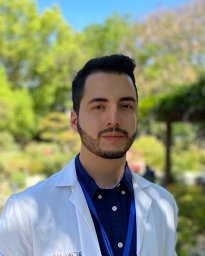 Luis Meza合作论文数Department of Medical Oncology & Experimental Therapeutics, City of Hope Comprehensive Cancer Center41
 Zeynep Busra Zengin合作论文数Department of Medical Oncology & Experimental Therapeutics, City of Hope Comprehensive Cancer Center38
 Anne Schuckman合作论文数36Joann Hsu合作论文数35
 Abhishek Tripathi合作论文数34
 Siamak Daneshmand合作论文数Catherine and Joseph Aresty Department of Urology, Keck School of Medicine, University of Southern California33
 Andrew John Armstrong合作论文数Department of Medicine, School of Medicine, Duke University32
 Ebrahimi Hedyeh合作论文数32Daniela V. Castro合作论文数Department of Medical Oncology & Experimental Therapeutics, City of Hope Comprehensive Cancer Center30
 Amir Goldkorn合作论文数Keck School of Medicine and Norris Comprehensive Cancer Center, University of Southern California29
 Neeraj Agarwal合作论文数Fred Hutchinson Cancer Research Center, University of Washington;Harborview Medical Center, University of Washington;Yoshio Inoue, Multicare Regional Cancer Center;Huntsman Cancer Institute, University of Utah;Sumanta K. Pal, City of Hope;Norris Comprehensive Cancer Center, University of Southern California;Ajjai Alva, University of Michigan;Karmanos Cancer Center, Wayne State University;Elaine T. Lam, University of Colorado;Morisani College of Medicine, University of South Florida;Hollings Cancer Center, Medical University of South Carolina;British Columbia Cancer Agency, University of British Columbia;Nicholas J. Vogelzang, Comprehensive Cancer Centers of Nevada;University of Texas Health Science Center at San Antonio;University of Washington, University of Texas Health Science Center at San Antonio27Denice D. Tsao-Wei合作论文数27
 Rana McKay合作论文数26Jean-Pascal Machiels合作论文数Chef de Clinique Saint-luc26
 Lisa Horvath合作论文数Garvan Institute of Medical Research, Kinghorn Cancer Centre;Chris O'Brien Lifehouse;Medical Oncology, University of Sydney26Neal Chawla合作论文数25
 Regina Barragan-Carrillo合作论文数Instituto Nacional de Ciencias Médicas y Nutrición Salvador Zubirán25Benjamin D Mercier合作论文数24
 Yung Lyou合作论文数Department of Medical Oncology & Experimental Therapeutics, City of Hope Comprehensive Cancer Center24
 Mehmet Asim Bilen合作论文数Winship Cancer Institute, Emory University;Department of Hematology and Medical Oncology, School of Medicine, Emory University24
 Matthew B. Rettig合作论文数Jonsson Comprehensive Cancer Center, University of California, Los Angeles24
 Nabil Adra合作论文数Simon Comprehensive Cancer Center, Indiana University23Jasnoor Malhotra合作论文数Department of Medical Oncology & Experimental Therapeutics, City of Hope Comprehensive Cancer Center22
 Johann de Bono合作论文数Division of Clinical Studies, Institute of Cancer Research22Nobuaki Matsubara合作论文数National Cancer Center Hospital East, National Cancer Center22
 Maha H.A. Hussain合作论文数Feinberg School of Medicine, Northwestern University22Gabor Jurida合作论文数20
 Sandy Srinivas合作论文数Department of Medicine, School of Medicine, Stanford University;Department of Oncology, School of Medicine, Stanford University20
 Leonard J Appleman合作论文数Division of Malignant Hematology and Medical Oncology, Department of Medicine, School of Medicine, University of Pittsburgh20Sarmad Sadeghi合作论文数19
 Ulka Vaishampayan合作论文数Rogel Cancer Center, University of Michigan19Hweixian L Penny合作论文数18Ameish Govindarajan合作论文数18Kilari Deepak合作论文数18
 Paulo Gustavo Bergerot合作论文数18
 Jeffrey Trent合作论文数Genetic Basis of Human Disease Division, Translational Genomics Research Institute;Melanoma Therapeutics Lab, Translational Genomics Research Institute18
 Karim Fizazi合作论文数Institut Gustave Roussy;Department of Oncology, University of Paris-Saclay18
 Ian M. Thompson合作论文数Urology Division, The University of Texas Health Science Center at San Antonio18Jie Cai合作论文数18
 Ana Aparicio合作论文数Department of Genitourinary Medical Oncology, Division of Cancer Medicine, The University of Texas MD Anderson Cancer Center18
 Alan H. Bryce合作论文数Department of Molecular Medicine, Translational Genomics Research Institute, City of Hope;Mayo Clinic College of Medicine and Science18Lara Primo N合作论文数17Hosein Kouros-Mehr合作论文数Department of Anatomy and the Biomedical Sciences Program, University of California, San Francisco17




