Graphical User Interfaces (GUIs) serve as the dominant medium for human-computer interaction, yet building GUI agents that generalize across the vast diversity of real-world interface environments, with the same flexibility and robustness that humans naturally exhibit, remains unsolved. Notably, GUI data are inherently non-stationary: the continual emergence of previously unseen interface instances (e.g., novel domains and resolutions) induces persistent distribution shifts, significantly impeding the continual learning of existing GUI agents. Reinforcement fine-tuning (RFT) has attracted considerable attention as a promising approach. Nevertheless, RFT exhibits pronounced instability in its grounding capability, manifested as sharp reward discontinuities and high-variance oscillations. The imbalanced distribution of rollout outcomes introduces substantial noise into advantage estimation, leading to policy overconfidence. The fixed clipping bound suppresses the increase in policy probabilities needed to adapt to new distributions, leading to a collapse in exploration capacity. To address these challenges, we propose GUI-AC, a method that enhances the continual learning capability of GUI agents. GUI-AC introduces grounding certainty to support two core mechanisms: (i) Adaptive Advantage, which down-weights noisy advantage estimates to prevent policy overconfidence; and (ii) Dynamic Clipping, which relaxes the clipping bound to encourage exploration range. Extensive experiments show that these mechanisms jointly improve performance, enabling our method to surpass state-of-the-art baselines. Code is available anonymously at https://anonymous.4open.science/r/GUI-AC.
Embedded camera is widely adopted in multimedia and optical camera communication (OCC) applications thanks to its images capturing ability and ease of deployment. However, it faces a serious conflict between integrated image-based object recognition and optical signal demodulation. On one hand, the captured frames suffer from low light and stripe patterns incurred by OCC, resulting in degraded visual contrast and confusion of object features. On the other hand, objects in communication link interfere with the received optical signal, leading to poor decoding performance. In this paper, we propose TransferCam as a solution to address the conflict. Essentially, TransferCam learns the features of OCC frames in both the pixel and frequency domains, and reconstructs the normal clean objects via style transfer for improved recognition. Meanwhile, TransferCam utilizes the reconstructed frames to identify the regions affected by object and background, and employs an object-aware sampling method to avoid the interference for OCC decoding. TransferCam provides integrated object recognition and communication, and extensive evaluations fully demonstrate its feasibility in real-scene application.
Industrial anomaly detection is critical for manufacturing quality control, yet existing datasets mainly focus on static images or sparse views, which do not fully reflect continuous inspection processes in real industrial scenarios. We introduce MMVIAD (Multi-view Multi-task Video Industrial Anomaly Detection), to the best of our knowledge the first continuous multi-view video dataset for industrial anomaly detection and understanding, together with a benchmark for multi-task evaluation. MMVIAD contains object-centric 2-second inspection clips with approximately 120 degrees of camera motion, covering 48 object categories, 14 environments, and 6 structural anomaly types. It supports anomaly detection, defect classification, object classification, and anomaly visible-time localization. Systematic evaluations on MMVIAD show that current commercial and open-source video MLLMs remain far below human performance, especially for fine-grained defect recognition and temporal grounding. To improve transferable anomaly understanding, we further develop a two-stage post-training pipeline where PS-SFT (Perception-Structured Supervised Fine-Tuning) initializes perception-structured reasoning and VISTA-GRPO (Visibility-grounded Industrial Structured Temporal Anomaly Group Relative Policy Optimization) refines the model with semantic-gated defect reward and visibility-aware temporal reward, producing the final model VISTA. On MMVIAD-Unseen, VISTA improves the base model's average score across the four tasks from 45.0 to 57.5, surpassing GPT-5.4. Source code is available at https://github.com/Georgekeepmoving/MMVIAD.
Long-horizon omnimodal question answering answers questions by reasoning over text, images, audio, and video. Despite recent progress on OmniLLMs, low-resource long audio-video QA still suffers from costly dense encoding, weak fine-grained retrieval, limited proactive planning, and no clear end-to-end optimization.To address these issues, we propose OmniRAG-Agent, an agentic omnimodal QA method for budgeted long audio-video reasoning. It builds an image-audio retrieval-augmented generation module that lets an OmniLLM fetch short, relevant frames and audio snippets from external banks. Moreover, it uses an agent loop that plans, calls tools across turns, and merges retrieved evidence to answer complex queries. Furthermore, we apply group relative policy optimization to jointly improve tool use and answer quality over time. Experiments on OmniVideoBench, WorldSense, and Daily-Omni show that OmniRAG-Agent consistently outperforms prior methods under low-resource settings and achieves strong results, with ablations validating each component.
On-Policy distillation (OPD) in large language models is shifting from full-trace KL supervision toward more selective training paradigms. Recent OPD methods increasingly focus on selecting which trajectories to learn from, which tokens are most informative, and which supervision signals are most reliable. Motivated by this trend, we rethink optimization granularity of OPD and propose FiRe-OPD (Filter, then Reweight), which jointly adjusts supervision signals at both trajectory and token levels. In details, FiRe-OPD first filters trajectories to remove low-quality rollout samples, and then applies soft reweighting within the retained trajectories to emphasize informative tokens. Compared with hard token selection, FiRe-OPD leverages a soft-weighting mechanism to effectively mitigate information loss and enhance optimization stability, thereby achieving finer-grained OPD optimization. We validate the effectiveness of FiRe-OPD across strong-to-weak, single-teacher, and multi-teacher settings, and demonstrate its superiority over recent token-level OPD methods ( (e.g., +6.25 on AIME 2024 in strong-to-weak, +18.81 on Miner in multi-teacher). Our code is available at https://github.com/YuYingLi0/FiRe-OPD.
Continual learning of Vision-Language Model (VLM) aspires to empower foundation models with new expertise without compromising their universal zero-shot capabilities. However, this pursuit faces a critical ''dual-forgetting'' challenge: the catastrophic forgetting of newly acquired classes (Incremental Knowledge Forgetting, IKF) and the insidious erosion of foundational zero-shot capabilities (Pre-trained Knowledge Forgetting, PKF). Existing evaluations often ignore PKF or assess it via confounded protocols where positive transfer on semantically similar domains creates an illusion of retention, masking severe foundational degradation. To address this, we propose the Dual-Forgetting-Aware Class-Incremental Learning (DFA-CIL) framework and the Similarity-Calibrated Retention (SCR) metric. Unlike standard averaging, SCR utilizes the frozen pre-trained feature space to inversely weight performance based on semantic similarity, effectively mitigating the confounding gains to stress-test foundational stability. Building on this, we propose DFA-MoE, a functionally heterogeneous Parameter-Efficient Fine-Tuning (PEFT) method. DFA-MoE architecturally decouples optimization objectives by assigning a momentum-enhanced contrastive expert for feature alignment, and separate plasticity experts that combine classification with auxiliary contrastive learning to adapt to new tasks while retaining historical knowledge. Extensive experiments demonstrate that our framework uncovers the hidden fragility of existing methods and achieves a state-of-the-art balance in preserving both incremental and pre-trained knowledge.
Voice imitation aims to transform source speech to match a reference speaker's timbre and speaking style while preserving linguistic content. A straightforward approach is to train on triplets of (source, reference, target), where source and target share the same content but target matches the reference's voice characteristics, yet such data is extremely scarce. Existing approaches either employ carefully designed disentanglement architectures to bypass this data scarcity or leverage external systems to synthesize pseudo-parallel training data. However, the former requires intricate model design, and the latter faces a quality ceiling when synthetic speech is used as training targets. To address these limitations, we propose MimicLM, which takes a novel approach by using synthetic speech as training sources while retaining real recordings as targets. This design enables the model to learn directly from real speech distributions, breaking the synthetic quality ceiling. Building on this data construction approach, we incorporate interleaved text-audio modeling to guide the generation of content-accurate speech and apply post-training with preference alignment to mitigate the inherent distributional mismatch when training on synthetic data. Experiments demonstrate that MimicLM achieves superior voice imitation quality with a simple yet effective architecture, significantly outperforming existing methods in naturalness while maintaining competitive similarity scores across speaker identity, accent, and emotion dimensions.
Video fusion is a fundamental technique in various video processing tasks. However, existing video fusion methods heavily rely on optical flow estimation and feature warping, resulting in severe computational overhead and limited scalability. This paper presents MambaVF, an efficient video fusion framework based on state space models (SSMs) that performs temporal modeling without explicit motion estimation. First, by reformulating video fusion as a sequential state update process, MambaVF captures long-range temporal dependencies with linear complexity while significantly reducing computation and memory costs. Second, MambaVF proposes a lightweight SSM-based fusion module that replaces conventional flow-guided alignment via a spatio-temporal bidirectional scanning mechanism. This module enables efficient information aggregation across frames. Extensive experiments across multiple benchmarks demonstrate that our MambaVF achieves state-of-the-art performance in multi-exposure, multi-focus, infrared-visible, and medical video fusion tasks. We highlight that MambaVF enjoys high efficiency, reducing up to 92.25
While Large Language Models (LLMs) are commonly fine-tuned to handle domain-specific tasks before being applied to vertical applications, adapting them to complex scenarios with diverse specialized knowledge remains challenging. Meanwhile, Mixture-of-Experts (MoE) architecture has risen as a crucial paradigm for training LLMs, and some recent works have also incorporated MoE into Parameter-Efficient Fine-Tuning (PEFT) to propose the Mixture of Low-rank Experts (MoE-LoRA), to enhance the power of low-rank adapters for learning complicated knowledge. However, conventional gating mechanisms in MoE typically apply only a scalar reweighing to selected experts, thereby limiting their underlying capacity of representation and generalization. Motivated and enabled by the low-rank structures in MoE-LoRA, we propose RotMoLE, a specialized MoE framework for low-rank experts featuring an additional rotation gate. Beyond simple scaling, RotMoLE implements a rotation mechanism for each selected expert, enabling superior expert exploitation and specialization for learning diverse data, especially when expert candidates are limited. Empirical results on complex multi-task and multilingual training scenarios validate our effectiveness.
Multimodal Large Language Model (MLLM)-based Graphical User Interface (GUI) agents develop rapidly, with visual grounding that maps natural language instructions to target UI elements serving as the core capability. Existing GUI agents typically fine-tune MLLM on massive datasets to handle challenges in understanding instructions and UI interfaces, which not only incurs high data annotation costs but also makes performance dependent on data quality and distribution. To avoid such cumbersome yet ineffective training, we notice that complex UI interfaces can be decomposed into basic visual elements directly understandable by common MLLMs. Consequently, we propose ZoomUI that leverages inference scaling to guide common MLLMs in progressively anchor instruction elements to increasingly detailed interface elements. Specifically, ZoomUI first optimizes the latent thinking to transform original instruction into element visual features description, and subsequently leverages internal attention to iteratively zoom in target element interface region. Evaluations on extensive benchmarks demonstrate that ZoomUI reaches or even surpasses SOTA baselines.
Despite strong results on many tasks, multimodal large language models (MLLMs) still underperform on visual mathematical problem solving, especially in reliably perceiving and interpreting diagrams. Inspired by human problem-solving, we hypothesize that the ability to extract meaningful information from diagrams is pivotal, as it directly conditions subsequent inference. Hence, we introduce FlowVerse, a comprehensive benchmark that provides a fine-grained evaluation of MLLMs' perception and reasoning capabilities. Our preliminary results on FlowVerse reveal that existing MLLMs exhibit substantial limitations when extracting essential information and reasoned properties from diagrams and performing complex reasoning based on these visual inputs. In response, we introduce MathFlow, a modular problem-solving pipeline that decouples perception and inference into distinct stages, thereby optimizing each independently. Given the perceptual limitations observed in current MLLMs, we trained MathFlow-P-7B as a dedicated perception model. Experimental results indicate that MathFlow-P-7B yields substantial performance gains when integrated with various closed-source and open-source inference models. This demonstrates the effectiveness of the MathFlow pipeline and its compatibility with diverse inference frameworks. Project page: https://github.com/MathFlow-zju/MathFlow.
Continual Learning (CL) aims to train neural networks on a dynamic stream of tasks without forgetting previously learned knowledge. Among optimization-based approaches, C-Flat has emerged as a promising solution due to its plug-and-play nature and its ability to encourage uniformly low-loss regions for both new and old tasks. However, C-Flat requires three additional gradient computations per iteration, imposing substantial overhead on the optimization process. In this work, we propose C-Flat Turbo, a faster yet stronger optimizer that significantly reduces the training cost. We show that the gradients associated with first-order flatness contain direction-invariant components relative to the proxy-model gradients, enabling us to skip redundant gradient computations in the perturbed ascent steps. Moreover, we observe that these flatness-promoting gradients progressively stabilize across tasks, which motivates a linear scheduling strategy with an adaptive trigger to allocate larger turbo steps for later tasks. Experiments show that C-Flat Turbo is 1.0× to 1.25× faster than C-Flat across a wide range of CL methods, while achieving comparable or even improved accuracy.
Classical continual learning (CL) has primarily focused on enabling models to update and retain knowledge through parameter-centric mechanisms, e.g., training strategies, architectural designs, and weight adaptation. However, emerging paradigms are reshaping the scope of CL beyond this traditional model adaptation view. For instance, on-policy learning broadens the space of update mechanisms; test-time training extends CL from the training phase to inference; and external harness components such as memory, skill libraries, and interaction protocols extend the evolutionary boundaries of model capabilities far beyond the static parameter space. Collectively, these developments indicate a transition from parameter-centric learning toward system-level adaptation. To characterize this transition, we examine the evolution of continual learning through three dimensions: When, How, and Where learning occurs. The How dimension encompasses off-policy, on-policy, and beyond-gradient optimization mechanics. The When dimension captures evolution across pre-training, post-training, and inference-time stages. The Where dimension delineates updates occurring within internal parameters versus external structural constraints. Anchored by this tri-axial framework, we systematically survey representative methods, trace the ongoing transition of continual learning, and discuss the key challenges, broader implications, and future directions arising from this paradigm shift.
Autoregressive large language models (LLMs) have unified a vast range of language tasks, inspiring preliminary efforts in autoregressive (AR) video generation. Existing AR video generators either diverge from standard LLM architectures, depend on bulky external text encoders, or incur prohibitive latency due to next-token decoding. In this paper, we introduce Lumos-1, an LLM-based unified model for AR video generation with efficient discrete diffusion. Firstly, to fit videos with LLMs, we identify that 1D RoPE is ill-suited for visual spatiotemporal correlation modeling, and while demonstrated to be useful, naive 3D RoPE exhibits imbalanced frequency spectra. Therefore, we propose MM‑RoPE, which preserves the original textual RoPE while seamlessly accommodating video data with comprehensive frequency spectra and scaled 3D positions. Secondly, to fit the video data's nature and overcome the inefficiency of next-token decoding, we adopt a parallel and mask-based discrete diffusion with the intra-frame bidirectional and inter-frame causal attention masks. Based on this attention mask, we uncover the frame‑wise loss imbalance issue caused by spatial information redundancy and propose Autoregressive Discrete Diffusion Forcing, which introduces temporal tube masking during training with a compatible inference‑time masking policy to avoid quality degradation. Despite using only 48 GPUs for pre-training, limited data and a discrete tokenizer, Lumos-1 achieves results surpassing those of Show-o2 on GenEval, COSMOS-Video2World on VBench-I2V, and OpenSoraPlan on VBench-T2V.
Despite recent advances, multimodal large language models continue to struggle with visual mathematical problem solving. Some recent works recognize that visual perception is a bottleneck in visual mathematical reasoning, but their solutions are limited to improving the extraction and interpretation of visual inputs. Notably, they all ignore the key issue of whether the extracted visual cues are faithfully integrated and properly utilized in subsequent reasoning. Motivated by this, we present CogFlow, a novel cognitive-inspired three-stage framework that incorporates a knowledge internalization stage, explicitly simulating the hierarchical flow of human reasoning: perception$\Rightarrow$internalization$\Rightarrow$reasoning. In line with this hierarchical flow, we holistically enhance all its stages. We devise synergistic visual rewards to boost perception capabilities in parametric and semantic spaces, jointly improving visual information extraction from symbols and diagrams. To guarantee faithful integration of extracted visual cues into subsequent reasoning, we introduce a visual-anchored reward model in the internalization stage, bridging perception and reasoning. Moreover, we design a visual-gated policy optimization algorithm to further enforce the reasoning is grounded with the visual knowledge, preventing models seeking shortcuts that appear coherent but are visually ungrounded reasoning chains. Moreover, we contribute a new dataset MathCog for model training, which contains samples with over 120K high-quality perception-reasoning aligned annotations. Comprehensive experiments and analysis on three commonly used visual mathematical reasoning benchmarks validate the superiority of the proposed CogFlow. Our data, code and models will be publicly available.
The adaptation of large-scale Vision-Language Models (VLMs) through post-training reveals a pronounced generalization gap: models fine-tuned with Reinforcement Learning (RL) consistently achieve superior out-of-distribution (OOD) performance compared to those trained with Supervised Fine-Tuning (SFT). This paper posits a data-centric explanation for this phenomenon, contending that RL’s generalization advantage arises from an implicit data filtering mechanism that inherently prioritizes medium-difficulty training samples. To test this hypothesis, we systematically evaluate the OOD generalization of SFT models across training datasets of varying difficulty levels. Our results confirm that data difficulty is a critical factor, revealing that training on hard samples significantly degrades OOD performance. Motivated by this finding, we introduce Difficulty-Curated SFT (DC-SFT), a straightforward method that explicitly filters the training set based on sample difficulty. Experiments show that DC-SFT not only substantially enhances OOD generalization over standard SFT, but also surpasses the performance of RL-based training, all while providing greater stability and computational efficiency. This work offers a data-centric account of the OOD generalization gap in VLMs and establishes a more efficient pathway to achieving robust generalization.
Continual Learning (CL) seeks to enable neural networks to incrementally acquire new knowledge (plasticity) while retaining existing knowledge (stability). Although pre-trained models (PTMs) have provided a strong foundation for CL, existing approaches face a fundamental challenge in balancing these two competing objectives. Current methods typically address stability by freezing the PTM backbone, which severely limits the model's plasticity, particularly when incoming data distribution diverges largely from the pre-training data. Alternatively, sequentially fine-tuning the entire PTM can adapt to new knowledge but often leads to catastrophic forgetting, highlighting the critical stability-plasticity trade-off in PTM-based CL. To address this limitation, we propose Adapting PTMs before the core CL process (ACL), a novel framework that introduces a plug-and-play adaptation phase prior to learning each new task. During this phase, ACL refines the PTM backbone by aligning embeddings with their original class prototypes while distancing them from irrelevant classes. This mechanism theoretically and empirically demonstrates desirable balance between stability and plasticity, significantly improving CL performance across benchmarks and integrated methods.
Vision-Language Continual Learning (VLCL) has attracted significant research attention for its robust capabilities, and the adoption of Parameter-Efficient Fine-Tuning (PEFT) strategies is enabling these models to achieve competitive performance with substantially reduced resource consumption. However, dominated First-Order (FO) optimization is prone to trap models in suboptimal local minima, especially in limited exploration subspace within PEFT. To overcome this challenge, this paper pioneers a systematic exploration of adopting Zeroth-Order (ZO) optimization for PEFT-based VLCL. We first identify the incompatibility of naive full-ZO adoption in VLCL due to optimization process instability. We then investigate the application of ZO optimization from a modality branch-wise to a fine-grained layer-wise across various training units to identify an optimal strategy. Besides, a key theoretical insight reveals that vision modality exhibit higher variance than language counterparts in VLCL during the ZO optimization process, and we propose a modality-aware ZO strategy, which adopts gradient sign normalization in ZO and constrains vision modality perturbation to further improve performance. Benefiting from the adoption of ZO optimization, PEFT-based VLCL fulfills better ability to escape local minima during the optimization process, extensive experiments on four benchmarks demonstrate that our method achieves state-of-the-art results.
Synthesizing human–object interaction (HOI) videos has broad practical value in e-commerce, digital advertising, and virtual marketing. However, current diffusion models, despite their photorealistic rendering capability, still frequently fail on (i) the structural stability of sensitive regions such as hands and faces and (ii) physically plausible contact (e.g., avoiding hand–object interpenetration). We present CoInteract, an end-to-end framework for HOI video synthesis conditioned on a person reference image, a product reference image, text prompts, and speech audio. CoInteract introduces two complementary designs embedded into a Diffusion Transformer (DiT) backbone. First, we propose a Human-Aware Mixture-of-Experts (MoE) that routes tokens to lightweight, region-specialized experts via spatially supervised routing, improving fine-grained structural fidelity with minimal parameter overhead. Second, we propose Spatially-Structured Co-Generation, a dual-stream training paradigm that jointly models an RGB appearance stream and an auxiliary HOI structure stream to inject interaction geometry priors. During training, the HOI stream attends to RGB tokens and its supervision regularizes shared backbone weights; at inference, the HOI branch is removed for zero-overhead RGB generation. Experimental results demonstrate that CoInteract significantly outperforms existing methods in structural stability, logical consistency, and interaction realism.
As digital environments (data distribution) are in flux, with new GUI data arriving over time-introducing new domains or resolutions-agents trained on static environments deteriorate in performance. In this work, we introduce Continual GUI Agents, a new task that requires GUI agents to perform continual learning under shifted domains and resolutions. We find existing methods fail to maintain stable grounding as GUI distributions shift over time, due to the diversity of UI interaction points and regions in fluxing scenarios. To address this, we introduce GUI-Anchoring in Flux (GUI-AiF), a new reinforcement fine-tuning framework that stabilizes continual learning through two novel rewards: Anchoring Point Reward in Flux (APR-iF) and Anchoring Region Reward in Flux (ARR-iF). These rewards guide the agents to align with shifting interaction points and regions, mitigating the tendency of existing reward strategies to over-adapt to static grounding cues (e.g., fixed coordinates or element scales). Extensive experiments show GUI-AiF surpasses state-of-the-art baselines. Our work establishes the first continual learning framework for GUI agents, revealing the untapped potential of reinforcement fine-tuning for continual GUI Agents.
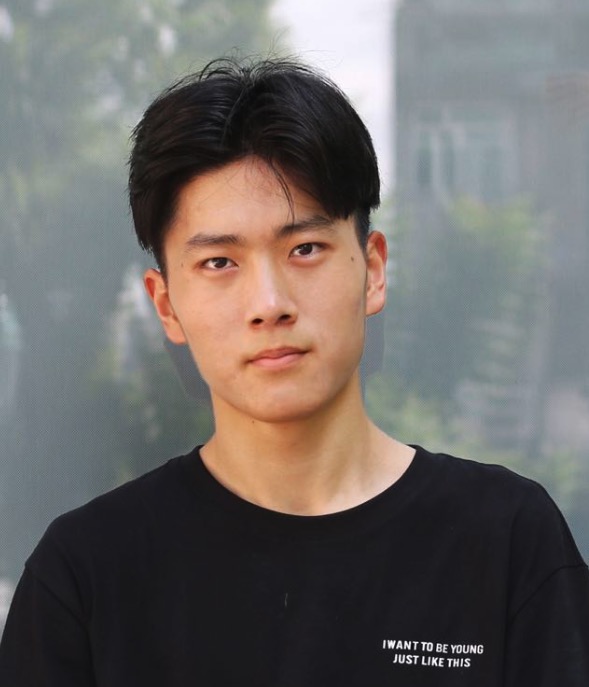 Hangjie Yuan (袁杭杰)合作论文数Zhejiang University;Alibaba Cloud;University of Cambridge27
 Aojun Lu (卢奥军)合作论文数College of Computer Science, Sichuan University7
 Dan Zhang (张丹)合作论文数School of Computing, National University of Singapore7
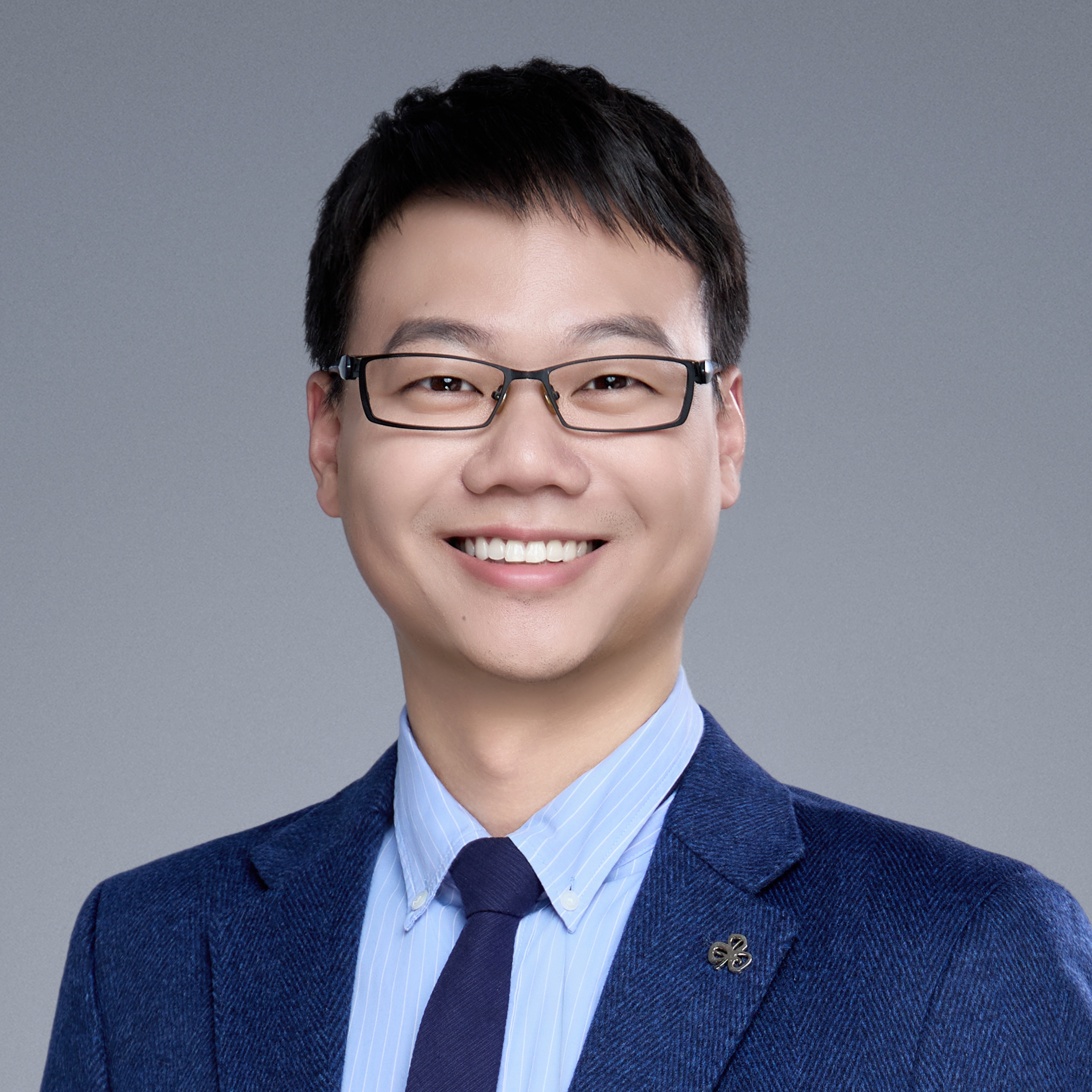 Yifan Zhu (朱一凡)合作论文数School of Computer Science, Beijing University of Posts and Telecommunications7
 Ziwei Liu (刘子纬)合作论文数College of Computing and Data Science, Nanyang Technological University6
 Ang Bian合作论文数Department of Computer Science, University of Münster;Institut für Informatik, University of Münster5
 Wang Mang合作论文数School of Information Science and Technology, University of Science and Technology of China5
 Yanan Sun (孙亚楠)合作论文数Department of Artificial Intelligence, College of Computer Science, Sichuan University5
 Jie Tang (唐杰)合作论文数Department of Computer Science and Technology, Tsinghua University5
 Dong Ni (倪东)合作论文数College of Integrated Circuits, Zhejiang University4
 Yanbing Yang (杨彦兵)合作论文数College of Computer Science, Sichuan University4
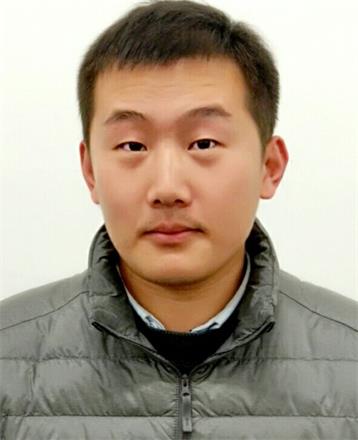 Guodong Du (杜国栋)合作论文数School of Information Science and Engineering, Yanshan University3
 Jiasheng Tang合作论文数Alibaba Group3
 Samuel Albanie合作论文数Google DeepMind3
 Yuandong Wang (王媛冬)合作论文数Information Engineering College, Capital Normal University3
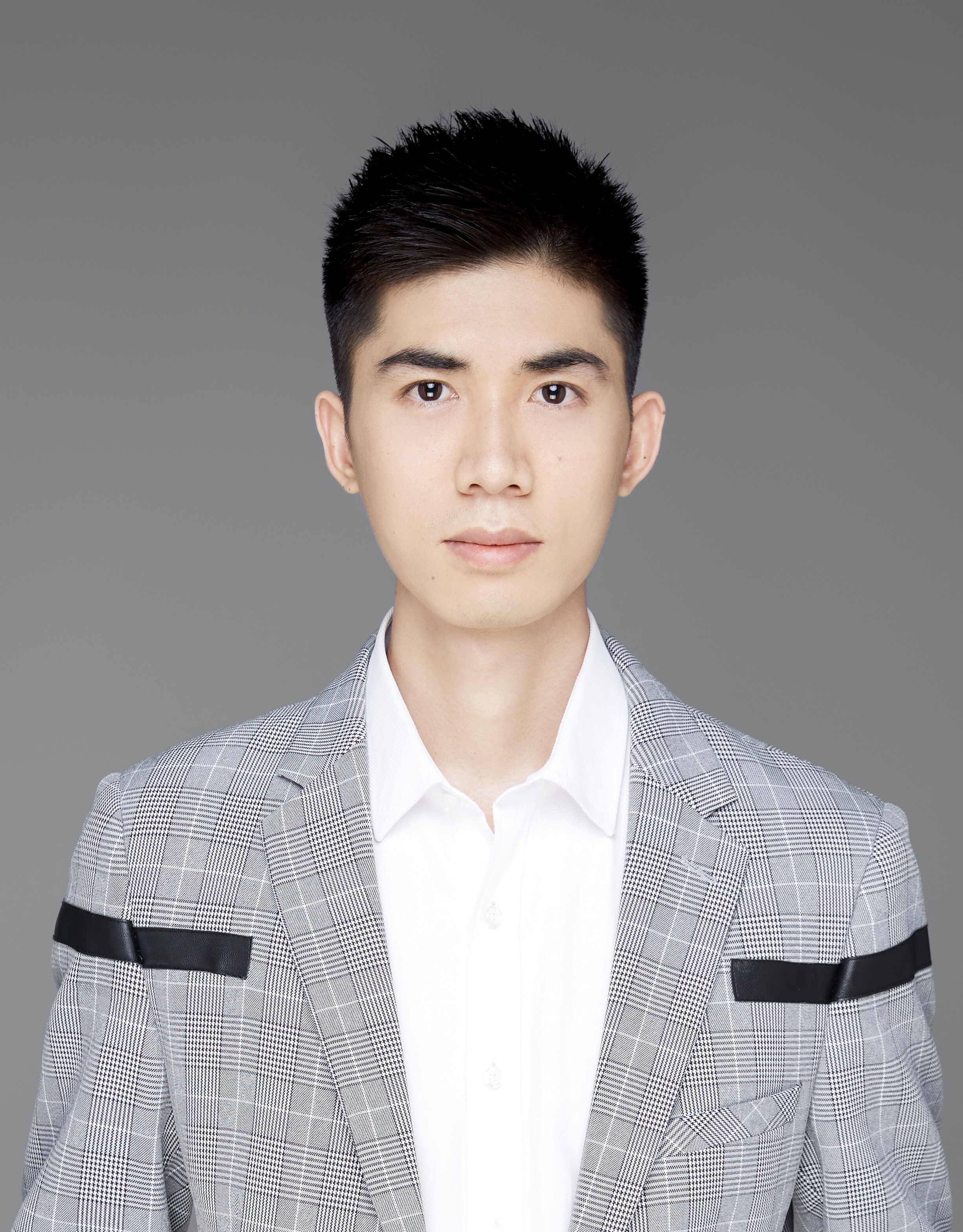 Wenbin Li (李文斌)合作论文数Department of Computer Science and Technology, Nanjing University;State Key Laboratory for Novel Software Technology, Nanjing University3
 Yi Yang (杨易)合作论文数College of Computer Science and Technology, Zhejiang University3
 Weihua Chen (陈威华)合作论文数Alibaba DAMO Academy3
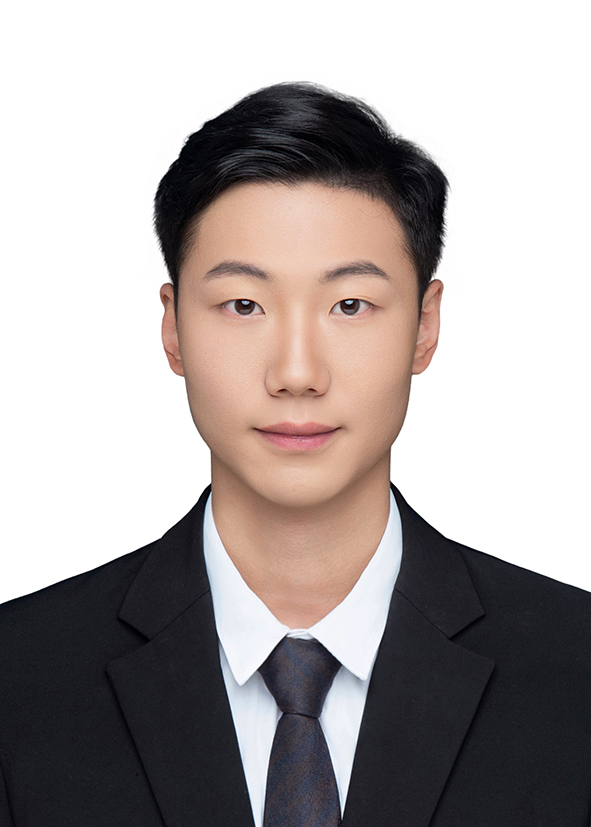 Borui Kang合作论文数Nanjing University2Mengyang Sun合作论文数Tsinghua University2Sixin Liang (梁斯昕)合作论文数2Yining Pan合作论文数2
 Yimao Sun (孙奕髦)合作论文数Department of Internet of Things Engineering, College of Computer Science, Sichuan University2Haowen Bai合作论文数School of Mathematics and Statistics, Xi'an Jiaotong University2Fan Wang合作论文数2
 Yujie Wei (卫昱杰)合作论文数Institute of Science and Technology for Brain-Inspired Intelligence, Fudan University2
 Jiazheng Xing (幸家正)合作论文数Department of Control Science and Engineering, Zhejiang University2
 Didi Zhu (朱迪迪)合作论文数College of Computer Science and Technology, Zhejiang University2Shuning Chang合作论文数Alibaba Group2
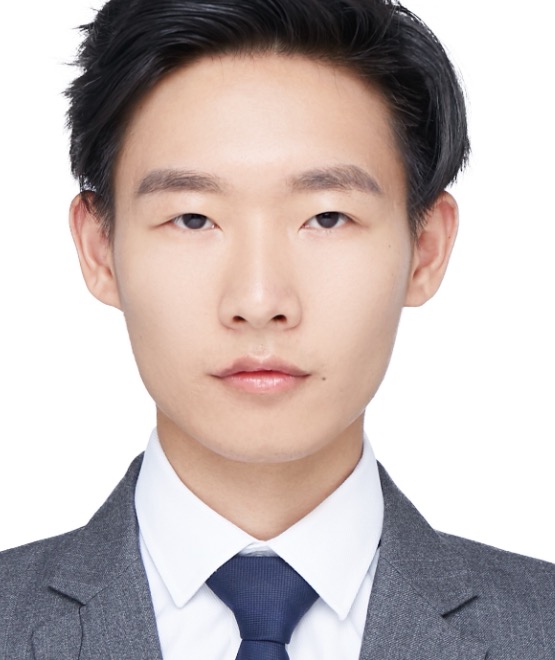 Jun Cen合作论文数Robotics Institute, The Hong Kong University of Science and Technology;CVIP Group, Southern University of Science and Technology2
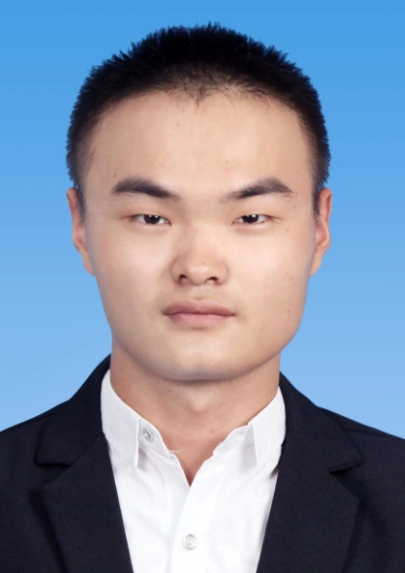 Hu Yu (俞虎)合作论文数University of Science and Technology of China2Jianwen Jiang合作论文数2
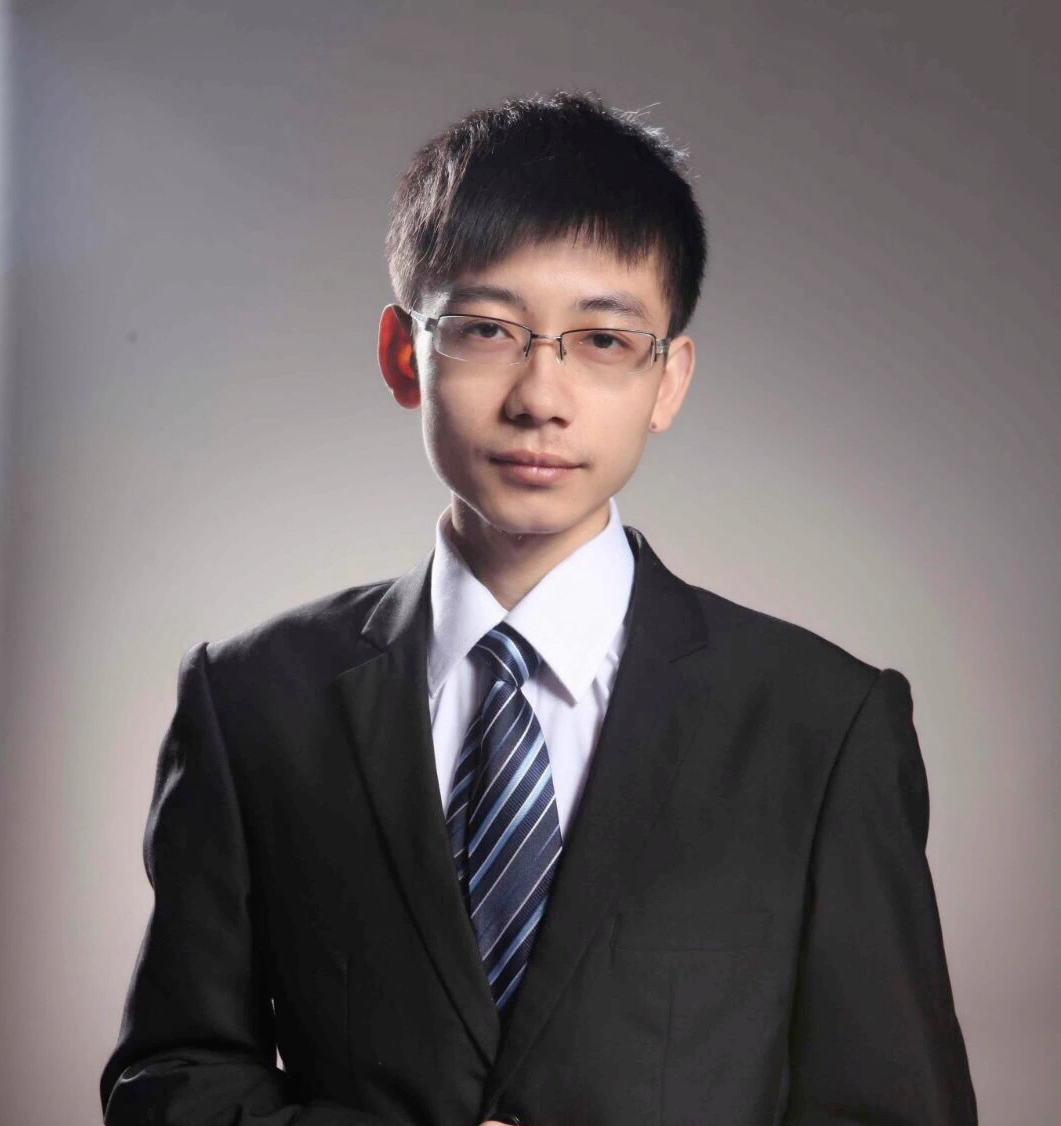 Hao Luo (罗浩)合作论文数Alibaba Damo Academy2
 Mingqian Tang合作论文数Alibaba Group2
 Jianzhou Zhang (张建州)合作论文数College of Computer Science, Sichuan University2
 Yingya Zhang合作论文数Alibaba Group2
 Ziyuan Huang (黄子渊)合作论文数Ant Group;Advanced Robotics Centre, National University of Singapore2
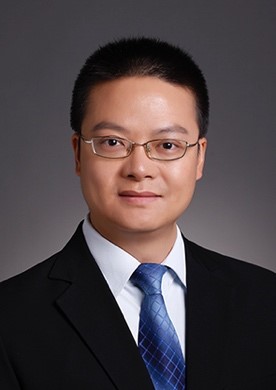 Jian Yang (杨健)合作论文数Key Laboratory of Photoelectronic Imaging Technology and System, School of Optics and Photonics, Beijing Institute of Technology2Zhihui Lin合作论文数Tsinghua University2
 Lei Wang (王雷)合作论文数Centre for Artificial Intelligence, School of Computing and Information Technology, Faculty of Engineering and Information Sciences, University of Wollongong2
 Jun Luo (罗骏)合作论文数College of Computing and Data Science, Nanyang Technological University;School of Computer Science and Engineering, Nanyang Technological University2
 Yunqiu Xu (许云秋)合作论文数TikTok2
 Zhonghong Ou (欧中洪)合作论文数School of Computer Science, Beijing University of Posts and Telecommunications2
 Shiwei Zhang合作论文数Damo Academy, Alibaba Group2
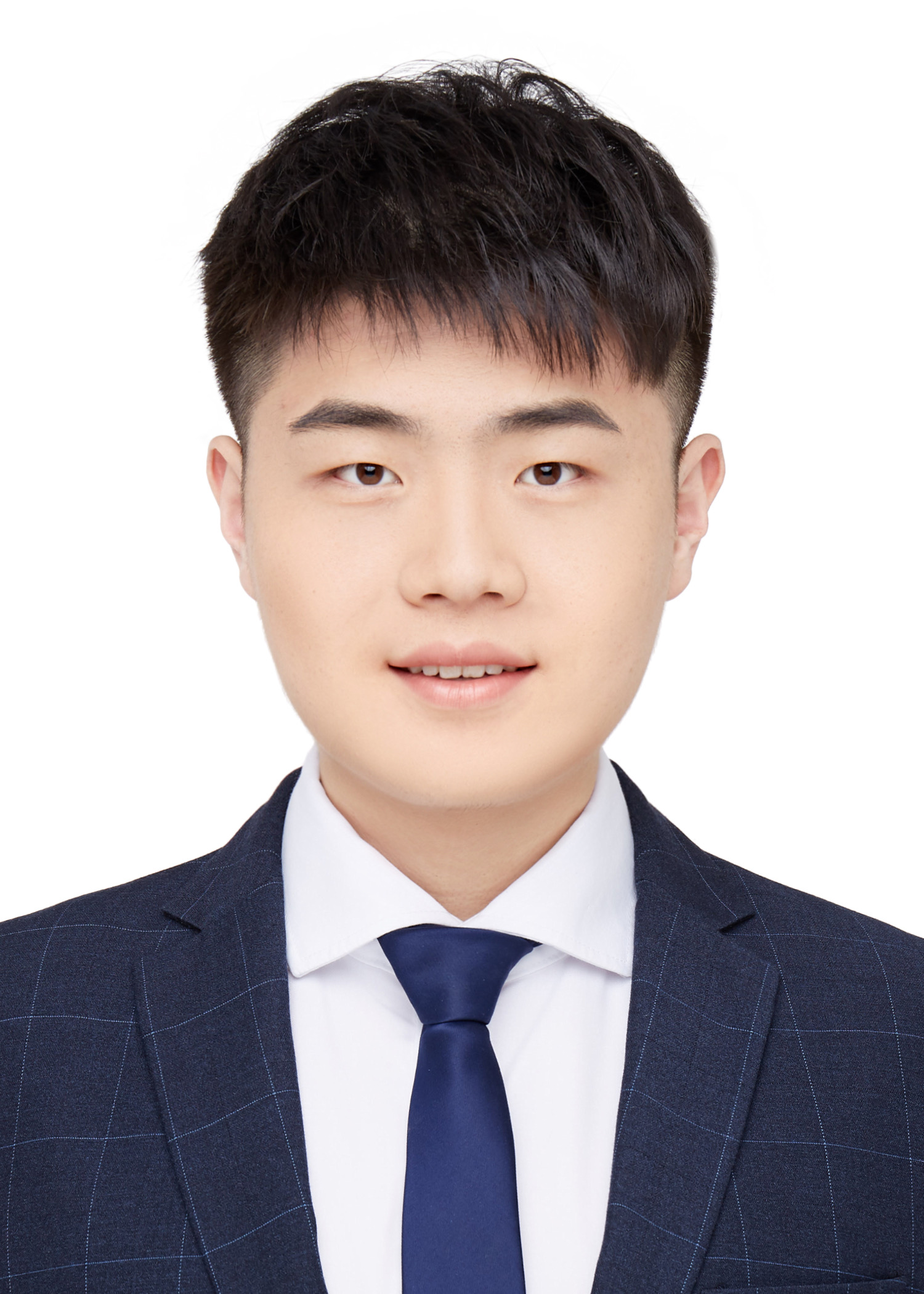 Zixiang Zhao (赵子祥)合作论文数ETH Zürich2
 Xiang Wang (王翔)合作论文数Key Laboratory of Image Processing and Intelligent Control, School of Artificial Intelligence and Automation, Huazhong University of Science and Technology2
 Shuhang Chen合作论文数College of Control Science and Engineering, Zhejiang University1Hanxue Gu合作论文数1




