Industrial waste heat recovery is a pivotal strategy for enhancing the exergy efficiency and mitigating the resource scarcity in the global pursuit of carbon neutrality. However, metallic or fluoroplastic heat exchangers always suffer from the acid corrosion and the inevitable formation of a continuous condensate film, creating a “liquid-film thermal resistance” that acts as a fundamental physical bottleneck. Nano-sized porous ceramic membrane heat exchangers offered a transformative paradigm by leveraging the capillary condensation to increase the overall heat transfer coefficient by 50–80%. This study employed a multi-scale synthesis approach, integrating the fundamental theoretical analysis of nanoconfined transport with quantitative system-level evaluations of energy-saving potential in CO2 capture frameworks. Special emphasis was also placed on the first quantitative evaluation of ceramic membrane heat exchangers integrated into the membrane-assisted liquid absorbent regeneration systems for CO2 capture, demonstrating a great reduction potential in the reboiler heat duty by over 15%, achieving a specific energy saving of up to 1423.3 kJ/kg-CO2 and a selectivity ratio of vapor over CO2 exceeding 100%. Furthermore, passive intensification strategies—such as Janus membranes with heterogeneous wettability and gradient pore assemblies—as well as active strategies involving acoustic and electric field induction, were critically evaluated. Finally, a forward-looking roadmap was presented, focusing on the industrialization of high-thermal-conductivity silicon carbide membranes, artificial intelligence-driven digital twin operations, and the establishment of global technical standards.
CO2 mineralization is a promising technology for carbon abatement by converting CO2 into stable carbonates. However, its scalable and sustainable deployment is currently hindered by high chemical consumption and operational costs. Integrating bipolar membrane electrodialysis (BMED) into CO2 mineralization can address these challenges by recycling the required alkaline using renewable electricity. Nevertheless, existing BMEDbased CO2 mineralization processes face efficiency limitations due to interfered ion migration. This study proposes an amine-promoted carbonation-electrodialysis process, in which amines not only improve mineral carbonation as an alkaline reagent but also enable efficient electrochemical alkaline regeneration by regulating the anion transport. Taking gypsum as a case study, a laboratory-scale stacked BMED rig was developed to evaluate the feasibility of the proposed approach with monoethanolamine (MEA) as a representative amine. Results showed that MEA achieved competitive carbonation capacity (318 g-CO2/kg-gypsum) and lower regeneration energy (0.32 kWh/mol) compared to traditional inorganic alkaline agents like NaOH (266 g-CO2/ kg-gypsum, 0.38 kWh/mol) and NH4OH (325 g-CO2/kg-gypsum, 0.47 kWh/mol), owing to its reactivity with OH-and CO2 species, which effectively suppressed the undesired migration of ions such as OH-, CO32-, and HCO3-from the base chamber to the acid chamber. The MEA-promoted carbonation-electrodialysis system maintained stable performance over the tested five cycles, sustaining carbonation capacity above 300 g-CO2/kg-gypsum and regeneration energies of 0.32-0.36 kWh/mol. This study demonstrated a novel approach to significantly enhance the BMED-integrated CO2 mineralization by using MEA to modulate ion mobility, paving the way for scalable CO2 capture and mineralization.
Bipolar membrane electrodialysis (BPMED) driven by pH gradients, combined with potassium hydroxide solvent regeneration, offers a promising strategy for atmospheric CO2 separation. One challenge lies in developing anion exchange membranes (AEMs) with selective bicarbonate (HCO3-) transport to reduce energy consumption. In this study, a monovalent selective AEM was synthesized through sulfonation of brominated 2,6-dimethyl-1,4-phenyl oxide followed by imidazole-based quaternization (SBPPO-DM). The resulting AEMs preferentially enabled the migration of HCO3-ions with high carbon loading, while restricting the permeation of divalent carbonate (CO32-) through electrostatic repulsion. The prepared AEMs exhibited a decline in monovalent selectivity with increasing current density. Under electrodialysis at 5 mA/cm2, the SBPPO-DM-0.03 membrane achieved the highest permselectivity of 4.32, surpassing the PHCO3 CO2-=1 of commercial membrane (ASE). During CO2 regeneration in the 3 BPMED, increasing current density led to a progressive increase in the CO2 regeneration ratio, accompanied by a corresponding decrease in energy consumption. At a current density of 10 mA/cm2, SBPPO-DM-0.03 delivered the highest regeneration ratio of 39.8% owing to its superior HCO3-/CO32-selectivity, whereas SBPPO-DM-0.06 exhibited the lowest energy consumption of 8.0 MJ/kg-CO2 due to its minimal surface resistance, significantly lower than ASE of 13.4 MJ/kg-CO2. By simultaneously enhancing CO2 recovery and energy efficiency, this approach offers a viable pathway toward energy efficient BPMED based CO2 regeneration and provides a foundation for future strategies aimed at further lowering process energy requirements.
Simultaneous recovery of waste heat and water from stripped gas streams in CO2 chemical absorption is vital for lowering energy penalties. This study reports a novel class of wettability patterned ceramic membranes fabricated via spray-coating commercial hydrophilic substrates with geometrically tailored “window-lattice” hydrophobic patterns and multi-segment wettability gradients. Topological optimization revealed that increasing the pattern count of hydrophobic domains, extending the hydrophilic-hydrophobic boundary length, and tailoring the hydrophobic pattern geometry were beneficial for enhancing heat recovery performance. The tailored membranes achieved a peak heat recovery flux of 22.1 MJ/(m2·h) and a specific heat recovery potential of 853.2 kJ/kg, outperforming the initial hydrophilic membrane by 15.6
This study develops a regeneration-free CO2 capture system by integrating alkaline biomass ash with biogas slurry to achieve multiphase carbonation. The process produced three CO2-rich materials-CO2-enriched biogas slurry (CRBS), bicarbonate-rich liquid (CRML), and carbonate-rich solid (CRMS)-with dissolved inorganic carbon contents of 150.1 mmol L-1, 230.4 mmol L-1, and 3176.5 mmol kg-1, corresponding to CO2 capture capacities of 6.6 g L-1, 10.1 g L-1, and 140 g kg-1. When applied to tomato cultivation, CRML and CRMS increased yield by 27.7-35.8% and enhanced root activity and fruit quality. Stable-isotope analysis showed that bicarbonate-derived carbon assimilation increased 3-4 fold, with the fraction of plant carbon from soil bicarbonate (fB) rising from 0.135 (control) to 0.412-0.500 and soil-derived carbon fixation reaching 32.77 g-C per pot under CRMS. In soil, CRML and CRMS increased inorganic carbon (TIC up to 26.25 g kg-1) and organic carbon (TOC up to 48.60 g kg-1) through carbonate deposition and strengthened organo-mineral associations. These results demonstrate that biomass-ash-enhanced biogas slurry provides a by-product-based, zero-energy CO2 capture pathway that simultaneously improves plant performance and soil carbon sequestration.
Amino acid salts are promising low-volatility and low-energy CO₂ absorbents, yet their reaction–diffusion behavior and structural coupling within membrane contactors remain insufficiently understood. This study systematically evaluates the CO₂ absorption performance of potassium glycinate, potassium prolinate, potassium sarcosinate, and potassium glutamate in PTFE hollow fiber membrane contactors, and elucidates the governing mechanisms across absorbent chemistry, hydrodynamics, and membrane architecture. Potassium prolinate and potassium glycinate exhibit superior low-loading reactivity, outperforming MEA by 1.2–2.3 percentage points under identical conditions, while PTFE membranes provide a 5.6-percentage-point advantage over PVDF due to stronger hydrophobicity and lower membrane-phase resistance. Structural optimization further enhances mass transfer: the three-strand braided configuration increases CO₂ flux by 62.5%, exceeding enhancement levels reported in similar membrane systems. Extending membrane length proves more effective than increasing fiber count, highlighting the importance of residence-time regulation under high-CO₂ biogas conditions. Techno-economic analysis shows that the membrane absorption unit requires only 0.065 kWh·m⁻³ biogas—significantly lower than high-pressure scrubbing and PSA—and exhibits strong adaptability to biogas fluctuations and long-term operation. Overall, the coupled amino acid salt–PTFE membrane system demonstrates high efficiency, structural robustness, and economic feasibility, providing a scalable pathway for cost-sensitive biogas upgrading.
A novel CO2 regeneration process was designed by coupling gas-assisted stripping to waste heat recovery (WHR) from the stripped gas, and this process was successfully implemented on a CO2 regeneration test rig. N2 was used as a model stripping gas to enhance CO2 regeneration and introduced through one of two modes: into the bottom of the CO2 stripper (the N2-bubbling mode) or at the side of the stripper (the N2-sweeping mode). Waste heat from the stripped gas, which was a mixture of H2O(g) and noncondensable gas, was also recovered and reintroduced into the stripper using the cold CO2-rich solvent bypassed from the main rich solvent stream. The experimental results verified that N2-assisted stripping could reduce the reboiler duty by enhancing the driving force for CO2 regeneration. Compared to the traditional thermal regeneration process, the reboiler duty could be reduced by 7.9% in the N2-assisted stripping regeneration process. Furthermore, when waste heat of the stripped gas was recovered using a transport membrane condenser in the N2-bubbling regeneration mode, the maximum reboiler duty saving could reach 26.8%. Such gas-assisted stripping is applicable in the WHR system to reduce energy consumption through dual pathways, namely upgraded driving force for CO2 regeneration and improved WHR. In future work, a more suitable stripping gas should be developed to facilitate CO2 separation from the stripped gas.
Applying a transport membrane condenser (TMC) based on the hydrophilic ceramic membrane to recover the waste heat from the hot stripped gas could effectively reduce the heat consumption of CO2 regeneration in the carbon capture process. However, the high cost of ceramic membrane hindered the development of this technology. So in this study, a novel mixed matrix membrane (MMM) was proposed to replace the conventional ceramic membrane. MMMs were prepared by mixing carbon nanotube (CNT) into polyvinylidene fluoride (PVDF) casting solution through non-solvent phase separation method, and then were adopted for the waste heat recovery from the stripped gas featured with the molar ratio of CO2 to H2O(g) of 1:1 similar to 1:2. Furthermore, the heat transfer resistance between the stripped gas and bypassed CO2-rich solvent when adopting MMMs was also analyzed through computational fluid dynamics (CFD). Results indicated that the addition of CNT or hydroxylated CNT (CNT-OH) effectively enhanced the heat recovery performance of MMMs. Moreover, MMMs prepared by mixing CNT-OH and hydroxylated boron nitride (BN-OH) further boosted the heat flux, achieving a maximum value of 23.72 MJ/(m(2)h), representing an increase of up to 8.41 % compared to the original PVDF membrane without adding any additives. At the experimental conditions in this study, the gas-side individual thermal resistance dominated the overall thermal resistance and consequently the heat transfer performance. With an increase in the stripped gas flow rate, the ratio of individual heat transfer resistance of membrane to the overall resistance increased. Notably, the installation of baffles on the gas side of TMC reduced the gas-side thermal resistance. In this study, the optimum thermal conductivity of the organic membrane increased with the waste heat recovery scale from stripped gas. In addition, when the thermal conductivity of membrane exceeded 4 W/(mdegrees C), the increase in thermal conductivity on the waste heat recovery was not significant. This study confirmed the application potential of MMMs in the waste heat recovery.
In the context of global climate change and the interlinked challenges of water, energy, and food systems (the Water–Energy–Food Nexus), fertilization practices critically influence greenhouse gas (GHG) emissions, soil organic carbon (SOC) dynamics, and crop productivity. Conventional fertilization often exacerbates CO₂, N₂O, and CH₄ emissions, undermining soil health and long-term carbon sequestration. This review synthesizes current knowledge of the impacts of chemical fertilizers, organic amendments, and biofertilizers on GHG fluxes and SOC, spanning both short- and long-term effects. Chemical nitrogen fertilizers can rapidly enhance yields by improving nutrient availability but incur high CO₂ emissions during industrial synthesis and elevate N₂O release via intensified nitrification and denitrification. Organic fertilizers improve soil structure, aggregate stability, and medium- to long-term SOC stocks, generally lowering net CO₂ and N₂O emissions, though insufficiently composted inputs may cause temporary GHG surges. Biofertilizers harness microbial functions—such as nitrogen fixation, phosphate solubilization, and methane oxidation—to suppress N₂O and CH₄ emissions while promoting plant-mediated carbon inputs. Integrated approaches, including precision fertilization, nitrification inhibitors, controlled-release formulations, combined organic–inorganic applications, and biochar co-amendment, deliver synergistic benefits by enhancing nutrient use efficiency, stabilizing SOC, and sustaining or increasing yields. Advancing sustainable fertilization will require coordinated multi-scale, long-term field studies and process-based modeling, supported by policy incentives, farmer training, and financial mechanisms to align food security goals with emission reduction and ecosystem resilience.
Global challenges in water scarcity, energy sustainability, and food security demand integrated solutions within the Water-Energy-Food Nexus. Here, we present a closed-loop management model that recycles biomass ash and biogas slurry-byproducts of energy production-to co-enhance CO2 sequestration, crop yield, and soil health in tomato cultivation. Under varied ash-treatment regimes (carbonized biomass ash, CO2-rich biogas slurry activation, and their mixture), tomatoes roots doubled HCO3- uptake and boosted whole carbon assimilation of plants by up to 114.6%. Simultaneously, carbon input from root exudates restructured soil microbial networks, upregulating glycolysis and tricarboxylic acid cycle pathways and contributing to stable organic carbon formation. Agronomically, combined applications increased economic yield, improved harvest index, and elevated sugar, vitamin C, and mineral contents, while balancing carbon-nitrogen ratios. Soil pH was neutralized on acidic land, salinity remained within safe limits, and fine-particle aggregation improved water-holding capacity. The study recommends the CO2-rich biomass ash-biogas slurry mixture treatment for acidic soils to achieve both acid neutralization and carbon sequestration, and the carbonized biomass ash+CO2-rich biogas slurry treatment for controlled-environment agriculture to enable precise nitrogen management. Field-scale projections suggest similar to 3.5 t CO2-equivalent sequestration and over 22,581 Chinese yuan/ha in water-energy-crop value gains. This work illustrates a scalable Water-Energy-Food Nexus approach that repurposes bioenergy residues into ecological assets, reinforcing circular agriculture and low-carbon farming systems.
The state of health (SOH) of a battery is the main indicator of battery life. In order to improve the SOH estimation accuracy, a model framework for lithium-ion battery health state estimation with feature reconstruction and improved least squares support vector machine is proposed. First, the indirect health features (HF) are obtained by processing multiple health features extracted from the charging and discharging phases through principal component analysis to remove the information redundancy among multiple features. Subsequently, multiple smooth component subsequences of different frequencies are obtained by using variational modal decomposition to efficiently capture the overall downtrend and regeneration fluctuations of the data. Then, use the sparrow search algorithm to optimize the least squares support vector machine to build an estimation model, predict and superimpose the reconstructed fusion features of multiple feature subsequences. Finally, use the mapping relationship between the reconstructed HF and the SOH for the estimation. The NASA battery dataset and the University of Maryland battery dataset (CACLE) are used to perform validation tests on multiple batteries with different cycle intervals. The results show that the mean absolute error and root mean square error are less than 1% and the method has high-estimation accuracy and robustness.
To reduce the CO2 regeneration heat requirement in the CO2 chemical absorption process, a novel amphipathic ceramic membrane-based transport membrane condenser was developed in this study to act as a heat transfer medium in the rich solvent-split mechanism for enhancing the waste heat recovery performance from the stripped gas (i.e., mainly the gas mixture of CO2 and water vapor). Both hydrophobic and hydrophilic segments coexisted on one membrane surface of amphipathic ceramic membrane, while the other surface was totally hydrophilic. The surface characterization and waste heat recovery performance of the flat sheet amphipathic membrane were investigated, and the original hydrophilic ceramic membrane was adopted as the control. Results showed that the water contact angle with 108.9 +/- 4 degrees was screened for the hydrophobic surface of the ceramic membrane to achieve the best waste heat recovery performance. Additionally, the waste heat recovery performance of amphipathic membrane firstly increased and then dropped with an increase in the area ratio of hydrophobic surface to the total membrane surface. The maximum waste heat recovery of 13.39 MJ/(m(2).h) was achieved at a hydrophobic area ratio of 37.5 % without segmenting by the hydrophilic surface, which was 5.6 % higher than that of the original hydrophilic ceramic membrane. Furthermore, the maximum water recovery of amphipathic membrane was 8.24 % higher than the original hydrophilic ceramic membrane. When the total area of hydrophobic surface was fixed, dividing the hydrophobic surface into two equally sized hydrophobic segments spaced by the hydrophilic segments could further improve the waste heat recovery performance of amphipathic membrane. This study might provide a new insight on improving the waste heat recovery performance of ceramic membrane.
CO2 chemical absorption process suffers from the high CO2 regeneration heat requirement, so a rich solvent-split mechanism was put forward to recover the waste heat from the hot stripped gas for reducing the regeneration heat consumption. Ceramic membrane-based transport membrane condenser (TMC) can provide a higher heat transfer efficiency, therefore better meet the requirements for waste heat recovery from the hot stripped gas. The ceramic membrane structure is a key factor affecting the heat recovery performance, which has been neglected by previous studies. For investigating the effect of membrane structure, in this study, a condensation and mass transfer model was firstly constructed using the computational fluid dynamics approach to describe the process of waste heat recovery from the hot stripped gas. The errors between the simulated outlet temperature of stripped gas or CO2-rich solvent and the experimental ones are about 1.74 %, indicating the satisfactory accuracy of the model. Based on the model, the effects of ceramic membrane structure and physical parameters on the waste heat recovery performance were comprehensively investigated. The results showed that reducing the wall thickness or inner diameter of ceramic membrane contributes to improving the waste heat recovery efficiency of TMC. Notably, there may be an optimal membrane area beyond which the improvement of waste heat recovery is difficult. Additionally, when the thermal conductivity of ceramic membrane exceeds a critical value (similar to 10 W/(m K) in this study), the improvement of waste heat recovery performance may be difficult only by increasing the thermal conductivity. This study provides an important guidance for the selection of ceramic membranes for waste heat recovery process from the stripped gas in the future.
A CO2 regeneration test rig integrated with rich solvent-split mechanism was built in this study to recover the waste heat from the hot stripped gas by using different heat exchanger configurations in carbon capture process. Five ceramic membrane heat exchangers (CMHEs) and two stainless-steel heat exchangers (SSHEs) were experimentally investigated in terms of the reboiler duty saving. The experimental results of the key parameters showed that the CMHEs have overall higher reboiler duty reduction than the SSHEs, and the Config-B (two multi-channel CMHEs in series), the Config-C (three multi-channel ceramic membrane tubes assembled in parallel), and the Config-E (seven mono-channel ceramic membrane tubes assembled in parallel) could reduce the reboiler duty by around 22%. Accordingly, the economic analysis of the different modified versions of rich-split carbon capture process was conducted. The maximum CO2 capture cost saving reached $ 4.41/t-CO2 by using the Config-D (three mono-channel ceramic membrane tubes assembled in parallel). The sensitivity analysis predicted that the development of membrane technology is expected to further promote savings in capture cost by reducing membrane unit price and prolonging membrane life. In addition, the modified rich-split system could be more suitable for the situation of rising fossil energy prices in the future.
In this study, the waste heat recovery was concentrated from the hot stripped gas in CO 2 chemical absorption process. A heat exchanger could be added on the top of CO 2 stripper in the CO 2 chemical absorption system to reduce the CO 2 regeneration energy consumption, which was fulfilled by recovering the waste heat from the stripped gas(i. e., the mixture of water vapor and CO 2 ) using the bypassed cold CO 2 -rich solvent in the heat exchanger. Generally, a better waste heat recovery performance leaded to a low CO 2 regeneration energy consumption. The waste heat recovery performance could be enhanced by adopting the novel membrane heat exchanger to replace the traditional steel heat exchanger because of the coupled heat and condensate transfer in the membrane heat exchanger. A PVDF/BN-OH flat composite membrane was prepared through the blend modification method using polyvinylidene fluoride(PVDF) and hydroxylated boron nitride(BN-OH). In this composite membrane,the polyester fiber(PET) non-woven fabrics was used as the support layer. The waste heat recovery performance was experimented by using the prepared composite membrane in the monoethanolamine(MEA)-based rich-split process. Additionally, the commercial PVDF membrane was also adopted as the control. Compared with the prepared composite membrane without adding BN-OH(i.e., M1 membrane),the membrane adding 1% BN-OH(i. e., M3 membrane) achieved a higher average pore size by about 11.32%, a relatively lower porosity by about 7.14% and a higher conductivity by about 52.25%. Notably,M3 membrane still maintained the hydrophilicity with a water contact angle of 77.1°. Therefore, M3 membrane may have the potential to enhance the coupled mass and heat transfer performance. Under the same operation conditions, M3 membrane could obtain a waste heat recovery flux up to 95.5% higher than M1, and a heat recovery ratio up to 31.6% higher than those of M1 membrane. Compared to the commercial PVDF membrane with a smaller thickness, M3 membrane still had a maximum 54.8% higher waste heat recovery flux and 9.6% higher heat recovery ratio, suggesting the better waste heat recovery performance of M3 membrane. Finally, the empirical correlations between the waste heat recovery ratio and key operation parameters were proposed, which showed a high accuracy.
A novel ceramic composite membrane configuration was proposed to improve the waste heat recovery performance from stripped gas in the CO2 chemical absorption process. Tubular hydrophobic and hydrophilic ceramic membranes were serially assembled to form a single composite membrane. The stripped gas and bypassed CO2-rich solvent flowed countercurrent on both sides of the composite membrane. The waste heat recovery performance from the stripped gas was investigated under eight membrane configurations using: hydrophobic, hydrophilic, and Janus membranes (i.e., with hydrophilic inner-surface and hydrophobic outer-surface, and viceversa). Results showed that when the stripped gas enters the hydrophobic segment, the waste heat recovery performance increases to a plateau and then decreases with an increasing length of the hydrophobic segment. When the length ratio of the hydrophobic segment was 25%, a maximum waste heat recovery performance was achieved. Similarly, an increase in the hydrophobicity of the hydrophobic segment caused an increase in waste heat recovery performance, in which the optimal water contact angle (CA) was 137.35°. As a result of the abovementioned conditions, a 7.44%–25.15% higher waste heat recovery of the composite membrane was achieved compared to commercial hydrophilic membranes.
A water and green ammonia recovery strategy for anaerobic digestion (AD) effluent treatment through a two-stage membrane distillation (2s-MD) was put forward in this study. In the 1(st)-stage, the MAP (monoammonium phosphate solution, NH4H2PO4)/DAP (diammonium phosphate solution, (NH4)(2)HPO4) loop, was used as the recyclable ammonia absorbent to recover ammonia from AD effluent. The multicycle ammonia absorption-regeneration experiments illustrated that the ammonia removal efficiency was stable (similar to 81 %) and the recovered ammonia solution was 1.05 mol/L. In the 2nd-stage, the water recovery experiments from AD effluent with different ammonia concentrations were conducted. The results indicated that the water recovered from ammonia-removed AD effluent could be adopted as the general industrial or agricultural water. Finally, the economic evaluation demonstrated that the application of MAP solution as the recyclable ammonia absorbent was more economically efficient than the sulfuric acid solution. The treatment cost and net profit of AD effluent treatment by 2s-MD were $ 1.73/m(3) and $ 0.83/m(3), respectively. The 2s-MD can be acted as a valuable candidate strategy for sustainable green ammonia and water recovery from AD effluent.
A novel hydrophilic-hydrophobic ceramic membrane was developed in this study for the waste heat recovery from the hot stripped gas (i.e., CO2 balanced by water vapor) in the CO2-rich solvent-split modified carbon capture process. This Janus ceramic membrane contained a layer of hydrophobic fluoroalkylsilane (FAS) molecules grafted on a hydrophilic Al2O3 ceramic membrane support. With the increase of FAS concentration, the carbon chain length in FAS molecules in addition to the grafting time, the water and solvent contact angles (CAs) of the hydrophobic side of the Janus membrane improved. The hydrophobic side of the Janus membrane also exhibited a good thermal stability under the typical CO2 regeneration temperature. Furthermore, this Janus ceramic membrane improved the waste heat recovery performance when compared with the conventional hydrophilic ceramic membrane. The hydrophobic side of the Janus membrane should orient toward the stripped gas for achieving a high heat recovery performance. With an increase in the water CA of the hydrophobic side of the Janus membrane, the waste heat recovery performance of the Janus membrane first increased and then declined. The optimal water CA was about 106 +/- 1.3 degrees in this study. Moreover, once the water CA for the hydrophobic side of the Janus membrane was fixed, the waste heat recovery performance of the Janus membrane was almost fixed no matter what the grafting conditions were adopted. The novel Janus ceramic membrane developed in this study exhibited a great potential to improve the waste heat recovery performance in the carbon capture process.
This study proposed to build an energy efficient and reliable CO2 regeneration system, via the integration of an advanced transport membrane condenser (TMC) and principle of rich solvent-split (RS), namely the TMC-based RS system. With the monoethanolamine (MEA) solvent and a TMC module housed commercial 19-channel hy-drophilic ceramic membranes, the operational stability and energy requirement of the proposed system were evaluated. With a relatively low error (i.e., +/- 5%) of the overall mass balance, the proposed system exhibited excellent reliability in operation. Compared to the traditional CO2 regeneration process without the RS modi-fication, the conventional system with only the RS modification showed 4.8% saving in the reboiler duty (kWh/ kg-CO2) at the split fraction of 10%; while the TMC-based RS process showed up to 21.7% saving in the reboiler duty with 0.2 m2 membrane area at the split fraction of 30%. The energy saving corresponded to a decrease from 5.2 MJ/kg-CO2 to 3.9 MJ/kg-CO2 in terms of the calculated CO2 regeneration heat requirement. The sensitivity analysis showed that the TMC-based RS system was less susceptible to variations in operation conditions, demonstrating a low and relatively stable reboiler duty. An additional benefit of the proposed system was the reduced consumption of cooling water.
 Shuiping Yan (晏水平)合作论文数College of Engineering, Huazhong Agricultural University30
 Qiufang Cui合作论文数17
 Qingyao He (贺清尧)合作论文数College of Engineering, Huazhong Agricultural University12
 Feihong Liang (梁飞虹)合作论文数Technology & Equipment Center for Carbon Neutrality in Agriculture, Huazhong Agricultural University9Liqiang XU (徐立强)合作论文数7
 Long Ji (纪龙)合作论文数College of Engineering, Huazhong Agricultural University7Yu Shang合作论文数5Fushuai Li合作论文数3Ge Yu合作论文数3
 Shuaifei Zhao合作论文数Department of Environmental Sciences, Macquarie University3
 Xing Yang合作论文数Department of Chemical Engineering, KU Leuven3Man Xiao合作论文数2Wenchao Wang合作论文数2Yi Ran合作论文数2
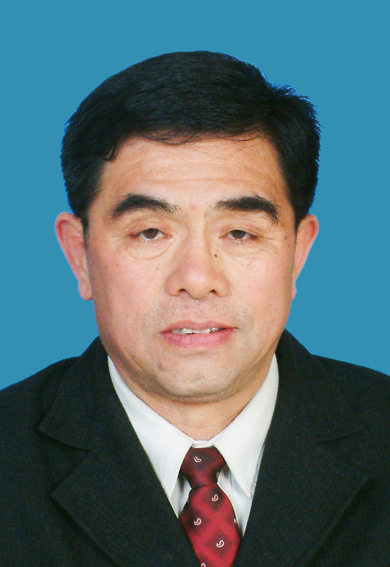 Yanlin Zhang (张衍林)合作论文数National Engineering and Technology Research Center for Livestock;College of Engineering, Huazhong Agricultural University2
 Andrea Pezzuolo合作论文数2
 Tiezhou Wu (吴铁洲)合作论文数School of Electrical and Electronic Engineering, Hubei University of Technology2
 Lei Xia (夏雷)合作论文数School of Materials Science and Engineering, Shanghai University2Zhengxin Fei合作论文数1
 Mingfei Shi合作论文数1
 Yan Zhao合作论文数Department of Chemical Engineering, KU Leuven1Ming WANG (王明)合作论文数1
 Liang Feng (冯亮)合作论文数School of Environmental Studies, China University of Geosciences1
 Xi Zhang合作论文数1
 Paul H.M. Feron合作论文数CSIRO Energy1
 Hai Yu合作论文数1
 Qi Feng (冯起)合作论文数Northwest Institute of Eco-Environment and Resources, Chinese Academy of Sciences;University of Chinese Academy of Sciences1
 Yan Wang (王炎)合作论文数School of Chemistry and Chemical Engineering, Harbin Institute of Technology1
 Mikel C. Duke合作论文数1
 Leonardo Gutierrez合作论文数Facultad del Mar y Medio Ambiente, Universidad del Pacifico1




