The formation of secondary cell walls, which provide mechanical strength to the plant body, depends on numerous factors. Studies on rice brittle culm (bc) mutants allow us to identify these factors and gain insights into the mechanisms of secondary cell wall formation. Rice bc4 is a recessive bc mutant with fragile culms and leaves, similar to other bc mutants. We found that the bc4 mutant exhibited reduced cellulose content in the culm cell walls compared to the japonica cultivar Taichung 65 and the indica cultivar Kasalath, while hemicellulose content remained unchanged. Transmission electron microscopy revealed reduced cell wall thickness in the sclerenchyma cells of the bc4 culm, indicating that BC4 contributes to normal cellulose synthesis or deposition in secondary cell walls. Positional cloning and subsequent genome sequencing revealed that the BC4 gene encodes a four α-helical transmembrane protein with 205 amino acids, and that the bc4 mutation results in a premature termination codon in this gene. Four bc4 mutants generated from the japonica cultivar Nipponbare, using genome editing with the CRISPR/Cas9 system, exhibited reduced cellulose content along with bc phenotypes. Gene clustering analysis based on expression patterns and metabolomic analysis suggested that BC4 functions independently from secondary cell wall cellulose synthase catalytic subunits and COBRA-like protein. These results suggest that the BC4 protein is a newly identified factor involved in cellulose synthesis or deposition in the secondary cell walls of rice.
Molecular evolutionary rates vary among lineages and influence the evolutionary process. Here, we report elevated genome-wide mutation rates in Podostemaceae, a family of aquatic plants with a unique body plan that allows members to live on submerged rocks in fast-flowing rivers. Molecular evolutionary analyses using 1640 orthologous gene groups revealed two historical increases in evolutionary rates: the first at the emergence of the family and the second at the emergence of Podostemoideae, which is the most diversified subfamily. In both branches, synonymous substitution rates were elevated, indicating higher mutation rates. On early branches, mutations were biased in favour of AT content, which is consistent with a role for ultraviolet light-induced mutation and habitat shift. In ancestors of Podostemoideae, DNA-repair genes were enriched in genes under positive selection, which may have responded to the meristem architectural changes.
Parasitic plants that infect crops are devastating to agriculture throughout the world. These parasites develop a unique inducible organ called the haustorium that connects the vascular systems of the parasite and host to establish a flow of water and nutrients. Upon contact with the host, the haustorial epidermal cells at the interface with the host differentiate into specific cells called intrusive cells that grow endophytically toward the host vasculature. Following this, some of the intrusive cells re-differentiate to form a xylem bridge (XB) that connects the vasculatures of the parasite and host. Despite the prominent role of intrusive cells in host infection, the molecular mechanisms mediating parasitism in the intrusive cells remain poorly understood. In this study, we investigated differential gene expression in the intrusive cells of the facultative parasite Phtheirospermum japonicum in the family Orobanchaceae by RNA-sequencing of laser-microdissected haustoria. We then used promoter analyses to identify genes that are specifically induced in intrusive cells, and promoter fusions with genes encoding fluorescent proteins to develop intrusive cell-specific markers. Four of the identified intrusive cell-specific genes encode subtilisin-like serine proteases (SBTs), whose biological functions in parasitic plants are unknown. Expression of SBT inhibitors in intrusive cells inhibited both intrusive cell and XB development and reduced auxin response levels adjacent to the area of XB development. Therefore, we propose that subtilase activity plays an important role in haustorium development in P. japonicum.
Significance Plants produce approximately 300 O -prenylated aromatics, with their O -prenyl moieties often being crucial to their bioactivities. This study identified a gene from grapefruit encoding an aromatic O -prenyltransferase ( O- PT) belonging to the UbiA superfamily. The O -PT was shown responsible for the biosynthesis of pharmaceutically active O -prenylated coumarins that cause grapefruit–drug interactions, an adverse effect disturbing the pharmacokinetics of more than 85 medications. Another UbiA O -PT for coumarins was isolated from Angelica keiskei , an apiaceous medicinal plant. Phylogenetic analysis of the rutaceous and apiaceous O -PTs suggested that aromatic O -prenylation activity emerged in parallel in these distant plant taxa. The molecular evolution of aromatic O -PTs from plant UbiA proteins may aid citrus breeding and a synthetic biology approach to bioactive O -prenylated coumarins.
DNA methylation is an epigenetic modification that specifies the basic state of pluripotent stem cells and regulates the developmental transition from stem cells to various cell types. In flowering plants, the shoot apical meristem (SAM) contains a pluripotent stem cell population which generates the aerial part of plants including the germ cells. Under appropriate conditions, the SAM undergoes a developmental transition from a leaf-forming vegetative SAM to an inflorescence- and flower-forming reproductive SAM. While SAM characteristics are largely altered in this transition, the complete picture of DNA methylation remains elusive. Here, by analyzing whole-genome DNA methylation of isolated rice SAMs in the vegetative and reproductive stages, we show that methylation at CHH sites is kept high, particularly at transposable elements (TEs), in the vegetative SAM relative to the differentiated leaf, and increases in the reproductive SAM via the RNA-dependent DNA methylation pathway. We also show that half of the TEs that were highly methylated in gametes had already undergone CHH hypermethylation in the SAM. Our results indicate that changes in DNA methylation begin in the SAM long before germ cell differentiation to protect the genome from harmful TEs.
Epigenetic modifications, including histone modifications, stabilize cell-specific gene expression programmes to maintain cell identities in both metazoans and land plants1-3. Notwithstanding the existence of these stable cell states, in land plants, stem cells are formed from differentiated cells during post-embryonic development and regeneration4-6, indicating that land plants have an intrinsic ability to regulate epigenetic memory to initiate a new gene regulatory network. However, it is less well understood how epigenetic modifications are locally regulated to influence the specific genes necessary for cellular changes without affecting other genes in a genome. In this study, we found that ectopic induction of the AP2/ERF transcription factor STEMIN1 in leaf cells of the moss Physcomitrella patens decreases a repressive chromatin mark, histone H3 lysine 27 trimethylation (H3K27me3), on its direct target genes before cell division, resulting in the conversion of leaf cells to chloronema apical stem cells. STEMIN1 and its homologues positively regulate the formation of secondary chloronema apical stem cells from chloronema cells during development. Our results suggest that STEMIN1 functions within an intrinsic mechanism underlying local H3K27me3 reprogramming to initiate stem cell formation.
Inflorescence architecture is diverse in angiosperms, and is mainly determined by the arrangement of the branches and flowers, known as phyllotaxy. In rice (Oryza sativa), the main inflorescence axis, called the rachis, generates primary branches in a spiral phyllotaxy, and flowers (spikelets) are formed on these branches. Here, we have studied a classical mutant, named verticillate rachis (ri), which produces branches in a partially whorled phyllotaxy. Gene isolation revealed that RI encodes a BELL1-type homeodomain transcription factor, similar to Arabidopsis PENNYWISE/BELLRINGER/REPLUMLESS, and is expressed in the specific regions within the inflorescence and branch meristems where their descendant meristems would soon initiate. Genetic combination of an ri homozygote and a mutant allele of RI-LIKE1 (RIL1) (designated ri ril1/+ plant), a close paralog of RI, enhanced the ri inflorescence phenotype, including the abnormalities in branch phyllotaxy and rachis internode patterning. During early inflorescence development, the timing and arrangement of primary branch meristem (pBM) initiation were disturbed in both ri and ri ril1/+ plants. These findings suggest that RI and RIL1 were involved in regulating the phyllotactic pattern of the pBMs to form normal inflorescences. In addition, both RI and RIL1 seem to be involved in meristem maintenance, because the ri ril1 double-mutant failed to establish or maintain the shoot apical meristem during embryogenesis.
Because natural variation in wild species is likely the result of local adaptation, it provides a valuable resource for understanding plant-environmental interactions. Rorippa aquatica (Brassicaceae) is a semi-aquatic North American plant with morphological differences between several accessions, but little information available on any physiological differences. Here, we surveyed the transcriptomes of two R . aquatica accessions and identified cryptic physiological differences between them. We first reconstructed a Rorippa phylogeny to confirm relationships between the accessions. We performed large-scale RNA-seq and de novo assembly; the resulting 87,754 unigenes were then annotated via comparisons to different databases. Between-accession physiological variation was identified with transcriptomes from both accessions. Transcriptome data were analyzed with principal component analysis and self-organizing map. Results of analyses suggested that photosynthetic capability differs between the accessions. Indeed, physiological experiments revealed between-accession variation in electron transport rate and the redox state of the plastoquinone pool. These results indicated that one accession may have adapted to differences in temperature or length of the growing season.
The Golgi apparatus is a key station of glycosylation and membrane traffic. It consists of stacked cisternae in most eukaryotes. However, the mechanisms how the Golgi stacks are formed and maintained are still obscure. The model plant Arabidopsis thaliana provides a nice system to observe Golgi structures by light microscopy, because the Golgi in A. thaliana is in the form of mini-stacks that are distributed throughout the cytoplasm. To obtain a clue to understand the molecular basis of Golgi morphology, we took a forward-genetic approach to isolate A. thaliana mutants that show abnormal structures of the Golgi under a confocal microscope. In the present report, we describe characterization of one of such mutants, named #46-3. The #46-3 mutant showed pleiotropic Golgi phenotypes. The Golgi size was in majority smaller than the wild type, but varied from very small ones, sometimes without clear association of cis and trans cisternae, to abnormally large ones under a confocal microscope. At the ultrastructual level by electron microscopy, queer-shaped large Golgi stacks were occasionally observed. By positional mapping, genome sequencing, and complementation and allelism tests, we linked the mutant phenotype to the missense mutation D374N in the NSF gene, encoding the N-ethylmaleimide-sensitive factor (NSF), a key component of membrane fusion. This residue is near the ATP-binding site of NSF, which is very well conserved in eukaryotes, suggesting that the biochemical function of NSF is important for maintaining the normal morphology of the Golgi.Key words: Golgi morphology, N-ethylmaleimide-sensitive factor (NSF), Arabidopsis thaliana.
In mammalian cells, the transcription factor p53 plays a crucial role in transmitting DNA damage signals to maintain genome integrity. However, in plants, orthologous genes for p53 and checkpoint proteins are absent. Instead, the plant-specific transcription factor SUPPRESSOR OF GAMMA RESPONSE 1 (SOG1) controls most of the genes induced by gamma irradiation and promotes DNA repair, cell cycle arrest, and stem cell death. To date, the genes directly controlled by SOG1 remain largely unknown, limiting the understanding of DNA damage signaling in plants. Here, we conducted a microarray analysis and chromatin immunoprecipitation (ChIP)-sequencing, and identified 146 Arabidopsis genes as direct targets of SOG1. By using ChIP-sequencing data, we extracted the palindromic motif [CTT(N)7 AAG] as a consensus SOG1-binding sequence, which mediates target gene induction in response to DNA damage. Furthermore, DNA damage-triggered phosphorylation of SOG1 is required for efficient binding to the SOG1-binding sequence. Comparison between SOG1 and p53 target genes showed that both transcription factors control genes responsible for cell cycle regulation, such as CDK inhibitors, and DNA repair, whereas SOG1 preferentially targets genes involved in homologous recombination. We also found that defense-related genes were enriched in the SOG1 target genes. Consistent with this finding, SOG1 is required for resistance against the hemi-biotrophic fungus Colletotrichum higginsianum, suggesting that SOG1 has a unique function in controlling the immune response.
The unfolded protein response (UPR) occurs when protein folding and maturation are disturbed in the endoplasmic reticulum (ER). During the UPR, a number of genes including those encoding ER-resident molecular chaperones are induced. In Arabidopsis, BiP3 has been used as a UPR marker gene whose expression is strongly induced in response to ER stress. In this study, we mutagenized Arabidopsis plants expressing β-glucuronidase (GUS) gene under the control of BiP3 promoter and isolated a mutant that exhibits strong GUS activity without treatment with ER stress inducers. By whole genome sequencing, we identified a causal gene in the mutant as SUPPRESSOR OF SALICYLIC ACID INSENSITIVITY2 (SSI2), which encodes stearoyl-acyl carrier protein desaturase that converts stearic acids to oleic acids in the chloroplasts. In addition to GUS proteins, the ssi2 mutant accumulates endogenous BiP3 proteins without treatment by any stress reagents. Interestingly, although the degree of endogenous BiP3 protein accumulation in the ssi2 mutant was comparable to that in wild-type plants treated with the ER stress inducer tunicamycin, much less BiP3 transcripts were detected in the ssi2 mutant compared to tunicamycin-treated wild-type plants. Our finding suggests a genetic link between fatty acid metabolism in the chloroplasts and ER functions.
Corresponding authors: Name: Dr. Misato Ohtani Address: Graduate School of Biological Sciences, Nara Institute of Science and Technology, Ikoma, 630-0192 Japan Tel: +81-743-72-5462 Fax: +81-743-72-5469 E-mail: misato@bs.naist.jp Name: Dr. Taku Demura Address: Graduate School of Biological Sciences, Nara Institute of Science and Technology, Ikoma, 630-0192 Japan Tel: +81-743-72-5460 Fax: +81-743-72-5469 E-mail: demura@bs.naist.jp
Jatropha (Jatropha curcas L.) is considered to be an important oilseed crop. Its seed oil can be used as a biodiesel in existing diesel engines without special modifications, making this plant an attractive bioresource for the production of sustainable bioenergy. Additionally, it is possible that, after extracting the oil from Jatropha seed cakes, they can be used as animal feed because they contain high amounts of proteins. However, the toxic and antinutritional substances in the seeds and oils, such as a lectin, protease inhibitors, saponins, and phorbol esters, have generated a serious safety concern for further utilization of Jatropha. In this chapter, we review the toxic substances found in Jatropha seeds, focusing on the most problematic toxic substance, phorbol ester, one of the characteristic tetracyclic diterpenoids in Thymelaeaceae and Euphorbiaceae plants. Recent advances in genome-wide Jatropha research using toxic and non-toxic varieties have identified the genetic locus related to the phorbol ester content and the genes responsible for casbane-type diterpenoid biosynthesis. Based on these findings, Jatropha genomic research should help to achieve the practical utilization of Jatropha as a multipurpose crop.
Arabidopsis (Arabidopsis thaliana) VASCULAR-RELATED NAC-DOMAIN1 (VND1) to VND7 encode a group of NAC domain transcription factors that function as master regulators of xylem vessel element differentiation. These transcription factors activate the transcription of genes required for secondary cell wall formation and programmed cell death, key events in xylem vessel element differentiation. Because constitutive overexpression of VND6 and VND7 induces ectopic xylem vessel element differentiation, functional studies of VND proteins have largely focused on these two proteins. Here, we report the roles of VND1, VND2, and VND3 in xylem vessel formation in cotyledons. Using our newly established in vitro system in which excised Arabidopsis cotyledons are stimulated to undergo xylem cell differentiation by cytokinin, auxin, and brassinosteroid treatment, we found that ectopic xylem vessel element differentiation required VND1, VND2, and VND3 but not VND6 or VND7. The importance of VND1, VND2, and VND3 also was indicated in vivo; in the vnd1 vnd2 vnd3 seedlings, xylem vessel element differentiation of secondary veins in cotyledons was inhibited under dark conditions. Furthermore, the light responsiveness of VND gene expression was disturbed in the vnd1 vnd2 vnd3 mutant, and vnd1 vnd2 vnd3 failed to recover lateral root development in response to the change of light conditions. These findings suggest that VND1 to VND3 have specific molecular functions, possibly linking light conditions to xylem vessel formation, during seedling development.
Many plant species display remarkable developmental plasticity and regenerate new organs after injury. Local signals produced by wounding are thought to trigger organ regeneration but molecular mechanisms underlying this control remain largely unknown. We previously identified an AP2/ERF transcription factor WOUND INDUCED DEDIFFERENTIATION1 (WIND1) as a central regulator of wound-induced cellular reprogramming in plants. In this study, we demonstrate that WIND1 promotes callus formation and shoot regeneration by upregulating the expression of the ENHANCER OF SHOOT REGENERATION1 (ESR1) gene, which encodes another AP2/ERF transcription factor in Arabidopsis thaliana The esr1 mutants are defective in callus formation and shoot regeneration; conversely, its overexpression promotes both of these processes, indicating that ESR1 functions as a critical driver of cellular reprogramming. Our data show that WIND1 directly binds the vascular system-specific and wound-responsive cis-element-like motifs within the ESR1 promoter and activates its expression. The expression of ESR1 is strongly reduced in WIND1-SRDX dominant repressors, and ectopic overexpression of ESR1 bypasses defects in callus formation and shoot regeneration in WIND1-SRDX plants, supporting the notion that ESR1 acts downstream of WIND1. Together, our findings uncover a key molecular pathway that links wound signaling to shoot regeneration in plants.
Post-translational modifications of proteins have important roles in the regulation of protein activity. One such modification, S-nitrosylation, involves the covalent binding of nitric oxide (NO)-related species to a cysteine residue. Recent work showed that protein S-nitrosylation has crucial functions in plant development and environmental responses. In the present study, we investigated the importance of protein S-nitrosylation for xylem vessel cell differentiation using a forward genetics approach. We performed ethyl methanesulfonate mutagenesis of a transgenic Arabidopsis 35S::VND7-VP16-GR line in which the activity of VASCULAR-RELATED NAC-DOMAIN7 (VND7), a key transcription factor involved in xylem vessel cell differentiation, can be induced post-translationally by glucocorticoid treatment, with the goal of obtaining suppressor mutants that failed to differentiate ectopic xylem vessel cells; we named these mutants suppressor of ectopic vessel cell differentiation induced by VND7 (seiv) mutants. We found the seiv1 mutant to be a recessive mutant in which ectopic xylem cell differentiation was inhibited, especially in aboveground organs. In seiv1 mutants, a single nucleic acid substitution (G to A) leading to an amino acid substitution (E36K) was present in the gene encoding S-NITROSOGLUTATHIONE REDUCTASE 1 (GSNOR1), which regulates the turnover of the natural NO donor, S-nitrosoglutathione. An in vitro S-nitrosylation assay revealed that VND7 can be S-nitrosylated at Cys264 and Cys320 located near the transactivation activity-related domains, which were shown to be important for transactivation activity of VND7 by transient reporter assay. Our results suggest crucial roles for GSNOR1-regulated protein S-nitrosylation in xylem vessel cell differentiation, partly through the post-translational modification of VND7.
CAPRICE (CPC) is a R3-type MYB transcription factor, which induces root-hair cell differentiation in Arabidopsis thaliana. The CPC homologous gene ENHANCER TRY AND CPC1 (ETC1) has a similar function to CPC, and acts in concert with CPC. The CPC protein moves between root epidermal cells, from hairless cells to the neighboring cells, and promotes root-hair differentiation. Therefore, ETC1 is predicted to have movement ability similar to that of CPC. In this study, we generated ETC1:ETC1:GFP and CPC:ETC1:GFP transgenic plants to clarify whether ETC1 exhibits cell-to-cell movement. Transgenic plants showed many-root-haired and trichome-less phenotypes, similar to those observed in CPC:CPC:GFP plants, suggesting a similar function of ETC1 and CPC. However, the ETC1:GFP fusion protein located exclusively to the hairless cells in both ETC1:ETC1:GFP and CPC:ETC1:GFP transgenic plants. These results indicate that, unexpectedly, the ETC1 protein cannot move in the root epidermis from hairless cells to the neighboring cells.
 Tomoaki Sakamoto合作论文数23
 Mitsuyasu Hasebe合作论文数Department of Basic Biology, School of Life Science, The Graduate University for Advanced Studies;Division of Evolutionary Biology, National Institute for Basic Biology, National Institutes of Natural Sciences13
 Taku Demura合作论文数Plant Science Center11
 Yuji Hiwatashi合作论文数Natl Inst Basic Biol, Okazaki, Aichi 4448585, Japan10Tomoaki Nishiyama合作论文数National Institute for Basic Biology10
 Ryosuke Sano合作论文数9Minoru Kubo合作论文数Department of Physics and Center for Interdisciplinary Research on Complex Systems, Northeastern University8Yoshikatsu Sato合作论文数Graduate School of Science, Tokyo Metropolitan University8Masaki Ishikawa合作论文数7Okada K合作论文数7
 Misato Ohtani合作论文数Plant Science Center, RIKEN Yokohama 230-0045 Japan7Tsuyoshi Aoyama合作论文数6
 Takashi Murata合作论文数Natl Inst Basic Biol, Okazaki, Aichi 4448585, Japan6
 Shinichiro Sawa合作论文数5Mineko Iwata合作论文数5Onodera Naoko T合作论文数5Takuji Wada合作论文数5Naoki Aono合作论文数4Takashi Ishida合作论文数4Tadayoshi Hirai合作论文数4Yasuko Oguri合作论文数4T Wada合作论文数4Naoki Shinohara合作论文数4
 Masatoshi Yamaguchi合作论文数RIKEN, Plant Sci Ctr, Kanagawa 2300045, Japan4Sumikawa Naomi合作论文数4
 Shuji Shigenobu合作论文数National Institute for Basic Biology, National Institutes of Natural Sciences4
 Chaoyang Cheng合作论文数Molecular Genetics Department, National Institute of Agrobiological Sciences4Saori Miyazaki合作论文数4Tomomichi Fujita合作论文数4Kotaro T. Yamamoto合作论文数4Sachiko Wakazuki合作论文数3Mari Obara合作论文数3Shojiro Tamaki合作论文数Nara Inst Sci & Technol, Plant Mol Genet Lab, Ikoma 6300101, Japan3
 Hiroyuki Tsuji合作论文数Yokohama City Univ, Kihara Inst Biol Res, Yokohama, Kanagawa, Japan3
 Koji Mikami合作论文数School of Food Industrial Sciences, Miyagi University3
 Masao Tasaka合作论文数Graduate School of Biological Sciences, Nara Institute of Science and Technology3
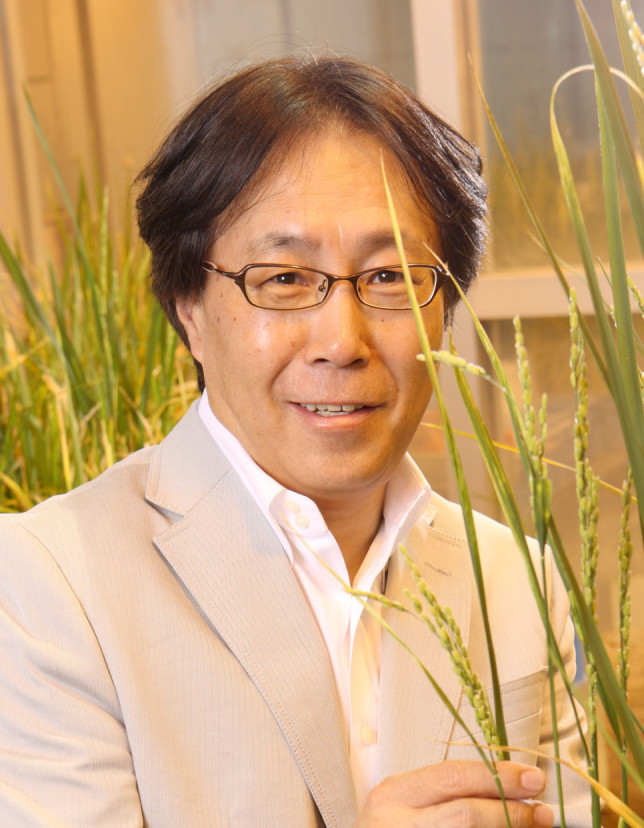 Ko Shimamoto合作论文数Laboratory of Plant Molecular Genetics, Graduate School of Biological Sciences, Nara Institute of Science and Technology3Tominaga-Wada Rumi合作论文数3Sugimoto Nagisa合作论文数3
 Yosuke Tamada合作论文数National Institute for Basic Biology;School of Life Science, The Graduate University for Advanced Studies;National Institute for Basic Biology, The Graduate University for Advanced Studies3Yamaguchi Katsushi合作论文数3
 Asuka Higo合作论文数3Satoshi Iuchi合作论文数The Institute of Physical and Chemical Research (RIKEN),, Tsukuba Life Science Center3
 Stefan A. Rensing合作论文数Faculty of Chemistry and Pharmacy, University of Freiburg3
 Yoichiro Fukao (深尾陽一朗)合作论文数Department of Bioinformatics, College of Life Sciences, Ritsumeikan University3
 Mutsutomo Tokizawa合作论文数Faculty of Applied Biological Sciences, Gifu University3
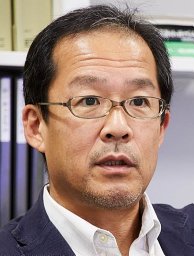 Yoshiharu Y. Yamamoto (山本義治)合作论文数Lab for Plant Molecular Physiology, Faculty of Applied Biological Sciences, Gifu University3Shin-Ichi Morinaga合作论文数3Yoshimi Nakano合作论文数Graduate School of Pharmaceutical Sciences, Nagoya City University3




