Dansylcadaverine is often used at a final concentration of 1 mM to identify transglutaminase substrate glutaminyl residues. At this concentration, dansylcadaverine only labels a fraction of the possible substrates. Therefore, we developed a 500 mM stock dansylcadaverine solution in dimethyl sulfoxide:acetic acid (19:1) that allows the identification of all transglutaminase substrate glutaminyl residues. This solution was used to identify these substrate residues: Gln 283, Gln 325, and Gln 677 in a fragment of arginine-specific gingipain A.
Treatment of pediatric cancers with doxorubicin is a common and predictable cause of cardiomyopathy. Early diagnosis of treatment-induced cardiotoxicity and intervention are major determinants for the prevention of advanced disease. The onset of cardiomyopathies is often accompanied by profound changes in lipid metabolism, including an enhanced uptake of short-chain fatty acids (SCFA). Therefore, we explored the utility of 2-[18F]fluoropropionic acid ([18F]FPA), an SCFA analog, as an imaging biomarker of cardiac injury in mice exposed to doxorubicin. Cardiotoxicity and cardiac dysfunction were induced in mice by an 8-dose regimen of doxorubicin (cumulative dose 24 mg/kg) administered over 14 days. The effects of doxorubicin exposure were assessed by measurement of heart weights, left ventricular ejection fractions, and blood cardiac troponin levels. Whole body and cardiac [18F]FPA uptakes were determined by PET and tissue gamma counting in the presence or absence of AZD3965, a pharmacological inhibitor of monocarboxylate transporter 1 (MCT1). Radiation absorbed doses were estimated using tissue time-activity concentrations. Significantly higher cardiac [18F]FPA uptake was observed in doxorubicin-treated animals. This uptake remained constant from 30 to 120 min post-injection. Pharmacological inhibition of MCT1-mediated transport by AZD3965 selectively decreased the uptake of [18F]FPA in tissues other than the heart. Co-administration of [18F]FPA and AZD3965 enhanced the imaging contrast of the diseased heart while reducing overall exposure to radioactivity. [18F]FPA, especially when co-administered with AZD3965, is a new tool for imaging changes in fatty acid metabolism occurring in response to doxorubicin-induced cardiomyopathy by PET.
Chromosome-containing micronuclei are a hallmark of aggressive cancers. Micronuclei frequently undergo irreversible collapse, exposing their enclosed chromatin to the cytosol. Micronuclear rupture catalyzes chromosomal rearrangements, epigenetic abnormalities, and inflammation, yet mechanisms safeguarding micronuclear integrity are poorly understood. In this study, we found that mitochondria-derived reactive oxygen species (ROS) disrupt micronuclei by promoting a noncanonical function of charged multivesicular body protein 7 (CHMP7), a scaffolding protein for the membrane repair complex known as endosomal sorting complex required for transport III (ESCRT-III). ROS retained CHMP7 in micronuclei while disrupting its interaction with other ESCRT-III components. ROS-induced cysteine oxidation stimulated CHMP7 oligomerization and binding to the nuclear membrane protein LEMD2, disrupting micronuclear envelopes. Furthermore, this ROS-CHMP7 pathological axis engendered chromosome shattering known to result from micronuclear rupture. It also mediated micronuclear disintegrity under hypoxic conditions, linking tumor hypoxia with downstream processes driving cancer progression.
Abstract Chromosomal instability, a hallmark of aggressive cancers, disrupts genome integrity through multiple hits by ongoing missegregation of chromosomes. These chromosomes, inherited only by one daughter cell, are subsequently encapsulated in micronuclei (MNi). Micronucleation is detrimental for replication fidelity not only because it sustains chromosomal missegregation, but also because MNi frequently undergo irreversible collapse during interphase exposing their enclosed chromatin to the cytosol. This exposure catalyzes chromosomal rearrangements and heritable epigenetic abnormalities that have been shown to further bolster cancer evolution and therapeutic resistance. Moreover, MNi collapse is known to promote distant metastasis and poor prognosis through eliciting a non-canonical response of otherwise inflammatory signaling pathways. Despite the fundamental role played by MNi catastrophe in compromising genome integrity and sustaining cancer progression, and the subsequent therapeutic potential of targeting this process, the mechanisms underlying MNi collapse are poorly understood. Here, we identify mitochondria-derived reactive oxygen species (ROS) as the main cause of MNi rupture. Notably, we observe that MNi that locate closer to mitochondria are more prone to rupture. Accordingly, increasing ROS chemically and by H2O2 addition increment rupture in a panel of 5 different tumor cell lines, while decreasing ROS using pan-cellular or mitochondrial specific scavengers reduce the frequency of ruptured MNi. By using a combination of advanced super-resolution microscopy, proteomics, transcriptomics, in vitro biochemistry assays, and extensive mutagenesis, we reveal the exact pathway leading to MNi collapse. We demonstrate that ROS promote a noncanonical function of the membrane repair ESCRT-III complex scaffolding protein, CHMP7. ROS reduce CHMP7 interaction with ESCRT-III promoting CHMP7 oligomerization and its binding to the inner nuclear membrane protein, LEMD2. CHMP7, while aggregating, physically pulls the micronuclear envelope together with the LEMD2-associated lamina, thereby disrupting MNi integrity. Finally, we show that hypoxic conditions promote ROS-dependent CHMP7-LEMD2 interaction, inducing MNi rupture and inflammatory signaling. Thus, we observe that human tumors characterized by hypoxia have a significantly increased predominance of ruptured MNi, providing a mechanistic link between tumor hypoxia and downstream processes that drive cancer progression. Citation Format: Melody Di Bona, Yanyang Chen, Albert Agustinus, Matthew Deyell, Mercedes A. Duran, Christy Hong, James Hickling, Daniel Bronder, Sara Martin, Nadeem Riaz, Bill Diplas, Manisha Jalan, Nancy Lee, Alban Ordureau, Benjamin Izar, Ashley Laughney, Simon Powell, Stefano Santaguida, John Maciejowski, Thomas Jeitner, Samuel Bakhoum. Collapse of cancer cell micronuclei from oxidative damage [abstract]. In: Proceedings of the American Association for Cancer Research Annual Meeting 2024; Part 1 (Regular Abstracts); 2024 Apr 5-10; San Diego, CA. Philadelphia (PA): AACR; Cancer Res 2024;84(6_Suppl):Abstract nr 1260.
Chromosomally unstable cancer cells are characterized by micronuclei, aberrant organelles containing missegregated chromosomes. Micronuclei differ from the primary nucleus in both nuclear envelope composition and biological processes. In fact, micronuclei often undergo irreversible rupture, exposing their DNA to the cytosol where it activates pro-metastatic pathways and catalyzing extensive heritable genomic and epigenetic rearrangements. Micronuclear collapse is thus a central event for tumor evolution and metastatic progression, and its consequences have been linked to poor-prognosis and therapy resistance; nonetheless, the mechanisms driving micronuclear rupture are still obscure.
Introduction: We aimed to validate a PET imaging biomarker for the detection of incipient anthracycline-induced cardiotoxicity. This condition affects >5% of all pediatric cancer patients, leading to long-term health deficits. We hypothesized that fibroblast activation protein (FAP) would be a suitable candidate due to its role in extracellular matrix remodeling and fibrosis during early cardiac injury and the availability of high-affinity PET probes. Methods: Cardiotoxicity was established in male C57BL/6J mice by administering a cumulative 24 mg/kg dose of doxorubicin (DOX) intraperitoneally over 2 weeks [1]. The DOX mice were imaged serially with echocardiography and [68Ga]Ga-FAPI-04 PET over 12 weeks and compared to age- and sex-matched controls. Fractional shortening (FS) was determined from the echocardiograms, and cardiac uptake of [68Ga]Ga-FAPI-04 was quantified and expressed as percent injected dose per cubic centimeter (%ID/cm3). Heart tissue samples were collected and used for the analysis of bulk RNA-seq, RT-qPCR, Western blot, in situ hybridization (ISH), and histological staining. Finally, we used the DAVID tools and STRING database to confirm the relationship between PET signal and gene expression. Results: DOX mice exhibited decreased body weight (33% by 9 weeks after end-of-treatment) and heart weight-to-tibia length ratio (HW/TL, 39%). Cardiac [ 68 Ga]Ga-FAPI-04 PET signal was significantly higher (1.7-fold) in DOX mice from 2 weeks through the study endpoint. By contrast, no cardiac dysfunction was evident by echocardiography until 10 weeks after end-of-treatment, at which point FS was significantly reduced relative to the control group (30%). Transcription and translation of FAP were elevated in the DOX hearts, in agreement with the PET data. In the heatmap generated from the RNA-seq data, genes related to cell adhesion and extracellular remodeling were significantly upregulated in the DOX mice relative to controls. The H-score of FAP ISH was linearly related to the cardiac signal of [ 68 Ga]Ga-FAPI-04 PET (p = 0.001). Conclusions: FAP is a suitable imaging biomarker for cardiotoxicity and FAPI-PET is a promising tool for identifying patients at risk of cardiotoxicity during or after anthracycline chemotherapy.
ABSTRACT Background Anthracycline chemotherapy is associated with a risk of cardiotoxicity leading to heart disease, particularly in pediatric cancer patients. Gold standard methods of detecting cardiotoxicity are insufficiently sensitive to early damage and specific pathophysiologies driving disease. Positron emission tomography (PET) couples anatomical resolution with biochemical mechanistic selectivity and potentially addresses the current diagnostic limitations in cardio-oncology. We aimed to validate PET imaging biomarkers targeting fibroblast activation protein alpha (FAP), Translocator protein (TSPO), and norepinephrine receptor (NET) for detection of incipient anthracycline-induced cardiotoxicity. Methods Cardiotoxicity was established in male C57BL/6J mice by a cumulative dose of 24 mg/kg doxorubicin (DOX) over 2 weeks. DOX mice and their age-matched controls were imaged with echocardiography and PET, using [ 68 Ga]Ga-FAPI-04, [ 18 F]DPA-714, and [ 18 F]MFBG, over 12 weeks. Fractional shortening (FS) was determined from the echocardiograms, and cardiac uptake of the radioligands was quantified from the PET images. Heart sections were collected and used for the analysis of bulk RNA-seq, RT-qPCR, Western blot, in situ hybridization (ISH), and histopathological analysis. Results DOX mice exhibited cardiotoxicity and cardiac atrophy. Cardiac [ 68 Ga]Ga-FAPI-04 PET signal was significantly higher in DOX mice from 2 weeks through the study endpoint. By contrast, no cardiac dysfunction was evident by echocardiography until 10 weeks, at which point FS was significantly reduced in DOX mice. There were no differences in [ 18 F]DPA-714 and [ 18 F]MFBG signals. Transcription and translation of FAP, but not TSPO or NET, was detected in cardiomyocytes and were elevated in the DOX hearts, in agreement with the PET data. Genes related to cell adhesion and extracellular remodeling were significantly upregulated in the DOX mice relative to controls. Conclusions FAP is a sensitive and selective imaging biomarker for incipient cardiotoxicity and FAPI PET is a promising non-invasive imaging tool for identifying patients at risk of cardiotoxicity during or after anthracycline chemotherapy. GRAPHICAL ABSTRACT NOVELTY AND SIGNIFICANCE What is Known? Anthracycline chemotherapy results in cardiotoxicity for a sizeable population of treated patients. Cardiotoxocity manifests as cardiac dysfunction, and may result in long-term cardiac disease and heart failure, particularly in survivors of pediatric cancer. Cardiotoxicity is typically defined in terms of left ventricular ejection fraction (LVEF) deficits, as measured by echocardiography. However, this metric is often poorly sensitive to early disease and agnostic to underlying pathophysiology. Early treatment of cardiotoxicity improves recovery and long-term survival, emphasizing the need for accurate diagnostics in incipient disease. What New Information Does This Article Contain? [ 68 Ga]Ga-FAPI-04 accumulates in the hearts of mice experiencing doxorubicin-induced cardiotoxicity as a function of fibroblast activation protein alpha (FAP) expression and activity. By contrast, cardiac uptake of radioligands targeting the translocator protein 18-kDa (TSPO) and the norepinephrine transporter (NET) do not differ between DOX animals and controls. Positron emission tomography (PET) imaging following administration of [ 68 Ga]Ga-FAPI-04 detects abnormal cardiac remodeling significantly earlier than LVEF decrease is observed, indicating that it may be more sensitive to incipient disease. Our study identifies fibroblast activation protein alpha (FAP) as a promising diagnostic imaging biomarker in anthracycline-induced cardiotoxicity. We show that cardiac PET signal increases immediately after doxorubicin treatment, and the signal increase is sustained for at least 10 weeks. In addition, we demonstrate that FAP inhibitor (FAPI) PET correlates with expression of FAP protein and gene. Thus, we provide mechanistic insight into potentially-treatable pathophysiologies driving cardiac atrophy and toxicity, and have identified a translational PET tracer that can image the activation of these processes at an early stage.
Dietary methionine restriction (MR) increases longevity by improving health. In experimental models, MR is accompanied by decreased cystathionine β-synthase activity and increased cystathionine γ-lyase activity. These enzymes are parts of the transsulfuration pathway which produces cysteine and 2-oxobutanoate. Thus, the decrease in cystathionine β-synthase activity is likely to account for the loss of tissue cysteine observed in MR animals. Despite this decrease in cysteine levels, these tissues exhibit increased H 2 S production which is thought to be generated by β-elimination of the thiol moiety of cysteine, as catalyzed by cystathionine β-synthase or cystathionine γ-lyase. Another possibility for this H 2 S production is the cystathionine γ-lyase-catalyzed β-elimination of cysteine persulfide from cystine, which upon reduction yields H 2 S and cysteine. Here, we demonstrate that MR increases cystathionine γ-lyase production and activities in the liver and kidneys, and that cystine is a superior substrate for cystathionine γ-lyase catalyzed β-elimination as compared to cysteine. Moreover, cystine and cystathionine exhibit comparable K cat / K m values (6000 M −1 s −1 ) as substrates for cystathionine γ-lyase-catalyzed β-elimination. By contrast, cysteine inhibits cystathionine γ-lyase in a non-competitive manner ( K i ~ 0.5 mM), which limits its ability to function as a substrate for β-elimination by this enzyme. Cysteine inhibits the enzyme by reacting with its pyridoxal 5′-phosphate cofactor to form a thiazolidine and in so doing prevents further catalysis. These enzymological observations are consistent with the notion that during MR cystathionine γ-lyase is repurposed to catabolize cystine and thereby form cysteine persulfide, which upon reduction produces cysteine.
Introduction: Heart failure compromises the transport and oxidation of long chain fatty acids. Cardiomyocytes can compensate by using short-chain fatty acids (SCFA) which rely on other transport mechanisms. Based on this principle, we used 2-[ 18 F]fluoropropionic acid ([ 18 F]FPA), a radiolabeled SCFA analog, to assess these metabolic changes and image them by positron emission tomography (PET) in a doxorubicin-induced mouse model of cardiotoxicity. Hypothesis: We hypothesize that the increased demand for SCFA by the failing heart promotes cardiac accumulation of [ 18 F]FPA which can be imaged by PET. Methods: [ 18 F]FPA was injected intravenously into male C57BL/6J mice 10 weeks following intraperitoneal injections of 8 x 3 mg/kg doxorubicin (DOX). Dynamic PET acquisitions were performed from 60-120 min post injection of 9.25-11 MBq [ 18 F]FPA. These images were acquired in the presence or absence of 5 mg/kg AZD3965, an inhibitor of monocarboxylate transporters. Heart uptake of [ 18 F]FPA was determined by image-based quantitation and confirmed by a biodistribution study. Mechanistic [ 18 F]FPA uptake studies were also conducted in primary human cardiomyocyte (HCM) cultures. Results: Mice experiencing DOX-induced cardiotoxicity exhibited statistically significant increases in cardiac [ 18 F]FPA. AZD3965 did not significantly alter cardiac uptake but reduced uptake in all other tissues except the kidneys, the route of excretion. Additionally, [ 18 F]FPA uptake is lost in HCM for which mitochondrial acyl-CoA synthetase (ACSS) 1, but not cytosolic ACSS2, is inhibited. Conclusions: Our findings present both mechanistic and translational applications for [ 18 F]FPA. AZD3965 effectively reduced [ 18 F]FPA uptake in other tissues except for the heart and can therefore be co-administered to enhance the heart-to-background ratio. Altogether, our results indicate that [ 18 F]FPA may enter cardiac tissues by diffusion and become metabolically trapped in mitochondria.
Mammalian transglutaminase 2 exhibits poor long-term stability in solution. Reconstituting lyophilized transglutaminase 2 in solutions containing dithiothreitol and EDTA alone and together with glycerol stabilizes the activity of this enzyme for several weeks.
Cancer cells require lipids to fulfill energetic, proliferative, and signaling requirements. Even though these cells can take up exogenous fatty acids, the majority exhibit a dependency on de novo fatty acid synthesis. Fatty acid synthase (FASN) is the rate-limiting enzyme in this process. Expression and activity of FASN is elevated in multiple cancers, where it correlates with disease progression and poor prognosis. These observations have sparked interest in developing methods of detecting FASN expression in vivo. One promising approach is the imaging of radiolabeled molecular probes targeting FASN by positron emission tomography (PET). However, although [11C]acetate uptake by prostate cancer cells correlates with FASN expression, no FASN-specific PET probes currently exist. Our aim was to synthesize and evaluate a series of small molecule triazolones based on GSK2194069, an FASN inhibitor with IC50 = 7.7 ± 4.1 nM, for PET imaging of FASN expression. These triazolones were labeled with carbon-11 in good yield and excellent radiochemical purity, and binding to FASN-positive LNCaP cells was significantly higher than FASN-negative PC3 cells. Despite these promising characteristics, however, these molecules exhibited poor in vivo pharmacokinetics and were predominantly retained in lymph nodes and the hepatobiliary system. Future studies will seek to identify structural modifications that improve tumor targeting while maintaining the excretion profile of these first-generation 11C-methyltriazolones.
The validation of prostate specific membrane antigen (PSMA) as a molecular target in metastatic castration-resistant prostate cancer has stimulated the development of multiple classes of theranostic ligands that specifically target PSMA. Theranostic ligands are used to image disease or selectively deliver cytotoxic radioactivity to cells expressing PSMA according to the radioisotope conjugated to the ligand. PSMA theranostics is a rapidly advancing field that is now integrating into clinical management of prostate cancer patients. In this review we summarize published research describing the biological role(s) and activity of PSMA, highlight the most clinically advanced PSMA targeting molecules and biomacromolecules, and identify next generation PSMA ligands that aim to further improve treatment efficacy. The goal of this review is to provide a comprehensive assessment of the current state-of-play and a roadmap to achieving further advances in PSMA theranostics.
Compensatory angiogenesis is an important adaptation for recovery from critical ischemia. We recently identified 20-hydroxyeicosatetraenoic acid (20-HETE) as a novel contributor of ischemia-induced angiogenesis. However, the precise mechanisms by which ischemia promotes 20-HETE increases that drive angiogenesis are unknown. This study aims to address the hypothesis that inflammatory neutrophil-derived myeloperoxidase (MPO) and hypochlorous acid (HOCl) critically contribute to 20-HETE increases leading to ischemic angiogenesis. Using Liquid Chromatography-Mass Spectrometry/Mass Spectrometry, Laser Doppler Perfusion Imaging, and Microvascular Density analysis, we found that neutrophil depletion and MPO knockout mitigate angiogenesis and 20-HETE production in the gracilis muscles of mice subjected to hindlimb ischemia. Furthermore, we found MPO and HOCl to be elevated in these tissues postischemia as assessed by immunofluorescence microscopy and in vivo live imaging of HOCl. Next, we demonstrated that the additions of either HOCl or an enzymatic system for generating HOCl to endothelial cells increase the expression of CYP4A11 and its product, 20-HETE. Finally, pharmacological interference of hypoxia inducible factor (HIF) signaling results in ablation of HOCl-induced CYP4A11 transcript and significant reductions in CYP4A11 protein. Collectively, we conclude that neutrophil-derived MPO and its product HOCl activate HIF-1α and CYP4A11 leading to increased 20-HETE production that drives postischemic compensatory angiogenesis. SIGNIFICANCE STATEMENT Traditionally, neutrophil derived MPO and HOCl are exclusively associated in the innate immunity as potent bactericidal/virucidal factors. The present study establishes a novel paradigm by proposing a unique function for MPO/HOCl as signaling agents that drive critical physiological angiogenesis by activating the CYP4A11-20-HETE signaling axis via a HIF-1α-dependent mechanism. The findings from this study potentially identify novel therapeutic targets for the treatment of ischemia and other diseases associated with abnormal angiogenesis.
PURPOSE:Fibroblast activation protein-α (FAPα) is uniquely expressed in activated fibroblasts, including cancer-associated fibroblasts that populate tumor stroma and contribute to proliferation and immunosuppression. Radiolabeled FAPα inhibitors enable imaging of multiple human cancers, but time-dependent clearance from tumors currently limits their utility as FAPα-targeted radiotherapeutics. We sought to increase the area under the curve (AUC) by constructing a trifunctional ligand that binds FAPα with high affinity and also binds albumin and theranostic radiometals.PROCEDURES:RPS-309 comprised a FAPα-targeting moiety, an albumin-binding group, and 1,4,7,10-tetraazacyclododecane-1,4,7,10-tetraacetic acid (DOTA). Inhibition of recombinant human FAPα (rhFAPα) was determined by colorimetric assay. Affinity for human serum albumin (HSA) was determined by high-performance affinity chromatography. The tissue distribution of [68Ga]Ga-RPS-309 in SW872 tumor xenograft-bearing mice was imaged by microPET/CT and quantified by biodistribution studies performed from 30 min to 3 h post injection (p.i.). The biodistribution of [177Lu]Lu-RPS-309 was determined at 4, 24, and 96 h p.i.RESULTS:RPS-309 inhibits rhFAPα with IC50 = 7.3 ± 1.4 nM. [68Ga]Ga-RPS-309 is taken up specifically by FAPα-expressing cells and binds HSA with Kd = 4.6 ± 0.1 μM. Uptake of the radiolabeled ligand in tumors was evident from 30 min p.i. (> 5 %ID/g) and was significantly reduced by co-injection of RPS-309. Specific skeletal uptake was also observed. Activity in tumors was constant through 4 h p.i., but cleared significantly by 24 h. The AUC in this period was 127 (%ID/g) × h.CONCLUSIONS:RPS-309 is a high-affinity FAPα inhibitor with prolonged plasma residence. Introduction of the albumin-binding group did not compromise FAPα binding. Although initial tumor uptake was high and FAPα-specific, RPS-309 also progressively cleared from tumors. Nevertheless, RPS-309 incorporates multiple sites in which structural diversity can be introduced, and therefore serves as a platform for future structure-activity relationship studies.
1514 Objectives: Assessment of tumor metabolism by non-invasive means can facilitate accurate diagnosis and staging as well as selection of an appropriate therapeutic strategy and monitoring response to treatment. [18F]FDG has not proven to be a reliable probe for assessing metabolism in prostate cancer. Metabolic substrates labeled with carbon-11 represent promising alternatives as they can be completely catabolized and/or incorporated into larger biomolecules. Pyruvate is the nexus of cellular metabolism, where it is predominantly oxidized in cells with a lipogenic phenotype and reduced in cells with a glycolytic phenotype. We hypothesize that these different pathways can be differentiated by measuring the flux of radioactivity through tissue following administration of [11C]pyruvate. Alanine is a source of pyruvate and may also be an independent probe that captures utilization of amino acids for biomass production. Our aim was to prepare L-[3-11C]alanine and [3-11C]pyruvate and evaluate their ability to characterize the metabolic phenotype of two different prostate cancer cell lines by positron emission tomography (PET). Methods: L-[3-11C]Alanine was synthesized by alkylation of a Schiff base precursor with [11C]CH3I in the presence of chiral cinchonidium phase transfer catalyst. [3-11C]Pyruvate was synthesized from D/L-[3-11C]alanine using D-amino acid oxidase, alanine racemase, and catalase. The flux of radioactivity through LNCaP and PC3 xenograft tumors was determined following intravenous administration of the 11C-labeled metabolite in Tris buffer to male nu/nu tumor-bearing mice. A 30-minute dynamic PET acquisition (6 x 5 min slices) was performed beginning approximately 10 min post injection. Time-activity curves (TACs) were derived for each tracer in both LNCaP and PC3 xenografted tumors. Results: L-[3-11C]Alanine was prepared in 15.9 ± 11.3% decay-corrected radiochemical yield (dcRCY), >99% radiochemical purity (RCP) and >95% enantiomeric excess in 38 ± 2 min from end-of-bombardment (EOB). [3-11C]Pyruvate was prepared in 18.5 ± 2.2% dcRCY and >99% RCP in 52 ± 4 min from EOB. Activity in LNCaP tumors following [3-11C]pyruvate administration increases with time and is significantly higher than in PC3 tumors. The trends are reversed for L-[3-11C]alanine, which increases with time in PC3 tumors and exceeds activity in LNCaP tumors. Conclusions: L-[3-11C]Alanine and [3-11C]pyruvate are produced rapidly and in high RCP. These tracers can be used in tandem to assess the metabolic phenotype of prostate cancer by PET. High uptake and retention of [3-11C]pyruvate in LNCaP tumors is consistent with a lipogenic phenotype. By contrast, high utilization of L-[3-11C]alanine and lower retention of [3-11C]pyruvate in PC3 tumors is consistent with a more aggressive glycolytic phenotype.
Glutamine synthetase (GS) catalyzes an ATP-dependent condensation of glutamate and ammonia to form glutamine. This reaction-and therefore GS-are indispensable for the hepatic nitrogen metabolism. Nitration of tyrosine 336 (Y336) inhibits human GS activity. GS nitration and the consequent loss of GS function are associated with a broad range of neurological diseases. The mechanism by which Y336 nitration inhibits GS, however, is not understood. Here, we show by means of unbiased MD simulations, binding, and configurational free energy computations that Y336 nitration hampers ATP binding but only in the deprotonated and negatively charged state of residue 336. By contrast, for the protonated and neutral state, our computations indicate an increased binding affinity for ATP. pKa computations of nitrated Y336 within GS predict a pKa of ∼5.3. Thus, at physiological pH, nitrated Y336 exists almost exclusively in the deprotonated and negatively charged state. In vitro experiments confirm these predictions, in that, the catalytic activity of nitrated GS is decreased at pH 7 and 6 but not at pH 4. These results indicate a novel, fully reversible, pH-sensitive mechanism for the regulation of GS activity by tyrosine nitration.
Objective20‐hydroxy‐eicosatetraenoic acid (20‐HETE), an arachidonic acid metabolite produced by cytochrome P450 (CYP) 4A/F ω‐hydroxylases, was recently uncovered as a novel contributor to ischemia‐induced angiogenesis. The current study aims to determine whether neutrophil‐derived myeloperoxidase (MPO) and hypochlorous acid (HOCl) mediate post‐ischemic 20‐HETE increases that drive angiogenesis and its underlying mechanism.MethodsMice were subjected to a femoral artery ligation with the contralateral hindlimb acting as the non‐ischemic control. Hindlimb angiogenesis was assessed by laser doppler blood perfusion imaging (LDPI) as well as quantifying the microvascular density in the gracilis muscles where angiogenesis is taking place. Endothelial cells (EC) in culture were subjected to physiological concentrations of MPO and HOCl. Gracilis muscles and EC were analyzed for 20‐HETE production by LC/MS/MS. The mRNA expression of the 20‐HETE synthesizing enzyme, CYP4A11 was measured by real‐time PCR. Protein expression of CYP4A11 and HIF1a were analyzed using western blotting. The rate and mechanism of HOCl entry into EC was evaluated using live‐cell fluorescence microscopy with a HOCl‐specific indicator dye (FDOCl‐1) in the presence/absence of chloride channel blocker 9‐anthracenecarboxylic acid (9‐Ac) and/or gap junction inhibitor 18‐beta‐glycyrrhetinic acid (18β‐GA).ResultsIn animals that were selectively depleted of neutrophils, ischemia failed to induce 20‐HETE increases in the gracilis muscle compared to the controls (13 ± 1.5 vs 35 ± 5 pg/mg of protein). Additionally, MPO‐null mice failed to show increased post‐ischemic 20‐HETE (~2 ± .25 vs 35 ± 5 pg/mg of protein) as well. Both animals display a decreased post‐ischemic angiogenenic phenotype. In EC, the addition of MPO or HOCl markedly stimulated the expression of CYP4A11 and production of 20‐HETE (40 ± 12 vs 8 ± 5 pg/mg of protein). Upregulation of CYP4A11 transcript/protein (>2.5‐fold) and HIF1a protein expression (2‐fold) was observed as early as 15 minutes post‐HOCl exposure. The mechanism of HOCl entry was also exmained by FDOCl‐1 fluorescence quantification, which was markedly decreased in EC pre‐treated with 9‐Ac or 18β‐GA by approximately 40% and 60%, respectively.ConclusionOur study demonstrates for the first time the contribution of MPO and HOCl in promoting 20‐HETE production that drives post‐ischemic angiogenesis. Moreover, this study aims to further expand on the known mechanisms involved in regulating ischemia‐induced angiogenesis. These new findings have high clinical relevancy in studying vascular pathologies by identifing novel mechanisms that contribute to pathological angiogenesis.Support or Funding InformationThis study was supported by grants from AHA[11SDG6870004 (AMG) and 17GRNT33430003 (AMG)], the NIH [HL34300 (M.L.S.) and grant DK38226 (J.R.F.)]; & the R.A. Welch Foundation [GL625910 (J.R.F.)].
 James Kelly合作论文数14
 Arthur J.L. Cooper合作论文数Department of Biochemistry and Molecular Biology, New York Medical College14
 Juan Azcona合作论文数9
 John Babich合作论文数Ratio Therapeutics, Inc.9
 Ajl Cooper合作论文数8E J Delikatny合作论文数8
 Boris F. Krasnikov合作论文数7
 John Paul Blass合作论文数Weill Medical College, Cornell University7NH HUNT合作论文数6Clarence Williams合作论文数6
 John T Pinto合作论文数5Chul-Hee Lee合作论文数4
 Onorina Manzo合作论文数4Samantha Tang合作论文数Dept Pathol, New York Med Coll4
 Di Bona Melody合作论文数Nanoscopy, Nanophysics, Istituto Italiano di Tecnologia, Genoa, Italy4
 Annarita Di Lorenzo合作论文数Pathology and Laboratory Medicine, Weill Cornell Medicine, Cornell University4
 John Maciejowski合作论文数Molecular Biology, Weill Cornell Graduate School of Medical Sciences, Cornell University4
 Samuel Bakhoum合作论文数Cell & Developmental Biology, Weill Cornell Graduate School of Medical Sciences, Cornell University4
 Michal Laniado Schwartzman合作论文数Graduate School of Biomedical Sciences, The New York Medical College;Department of Pharmacology, School of Medicine, The New York Medical College4Wayne R. Matson合作论文数Geriatric Research Education Clinical Center, New England Veteran4Irving H Gomolin合作论文数3Matthew Deyell合作论文数3Candace Smith合作论文数3DM VANREYK合作论文数3
 Christy Hong合作论文数Univ Groningen, Univ Med Ctr Groningen, European Res Inst Biol Ageing, A Deusinglaan 1, NL-9713 AV Groningen, Netherlands3
 Albert S Agustinus合作论文数Chemical Biology Program, Memorial Sloan Kettering3
 Daniel Bronder合作论文数Department of Radiation Oncology, Memorial Sloan Kettering Cancer Center3
 Alban Ordureau合作论文数Cell & Developmental Biology, Weill Cornell Graduate School of Medical Sciences, Cornell University3Battaile Kevin P合作论文数3
 M. Flint Beal合作论文数Brain and Mind Research Institute, Weill Cornell Medicine3
 Amor-Coarasa Alejandro合作论文数Department of Radiology, Weill Cornell Medical College3Hancock Rebecca L合作论文数Chemistry Research Laboratory3Kalogiannis Mike合作论文数3
 Ashley M. Laughney合作论文数3
 Austin Meng Guo合作论文数3
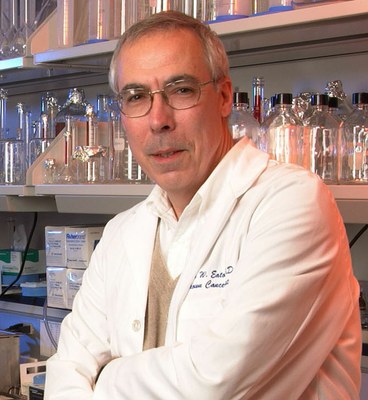 John W. Eaton合作论文数Departments of Medicine, and Pharmacology & Toxicology, School of Medicine, University of Louisville3
 Stephen G. Dimagno合作论文数Department of Chemistry, University of Pennsylvania3J. T. Pinto合作论文数2Anja Wacker合作论文数2Sara Martin合作论文数2Dc Rideout合作论文数2Irving Gomolin合作论文数2Luisa Rubinelli合作论文数2Sd Goldstone合作论文数2Pradeep K. Singh合作论文数2
 Edward K Fung合作论文数2
 Mercedes Duran合作论文数IBGM2Shashikanth Ponnala合作论文数2
 Lorenzo Scipioni合作论文数LFD, Irvine, CA, USA2




