CLIP has become a cornerstone of multimodal representation learning, yet improving its performance typically requires a prohibitively costly process of training from scratch on billions of samples. We ask a different question: Can we improve the performance of open-weight CLIP models across various downstream tasks using only existing self-supervised datasets? Unlike supervised fine-tuning, which adapts a pretrained model to a single downstream task, our setting seeks to improve general performance across various tasks. However, as both our experiments and prior studies reveal, simply applying standard training protocols starting from an open-weight CLIP model often fails, leading to performance degradation. In this paper, we introduce TuneCLIP, a self-supervised fine-tuning framework that overcomes the performance degradation. TuneCLIP has two key components: (1) a warm-up stage of recovering optimization statistics to reduce cold-start bias, inspired by theoretical analysis, and (2) a fine-tuning stage of optimizing a new contrastive loss to mitigate the penalization on false negative pairs. Our extensive experiments show that TuneCLIP consistently improves performance across model architectures and scales. Notably, it elevates leading open-weight models like SigLIP (ViT-B/16), achieving gains of up to +2.5
Tabular data remains prevalent in high-stakes domains such as healthcare and finance, where predictive models are expected to provide both high accuracy and faithful, human-understandable reasoning. While symbolic models offer verifiable logic, they lack semantic expressiveness. Meanwhile, general-purpose LLMs often require specialized fine-tuning to master domain-specific tabular reasoning. To address the dual challenges of scalable data curation and reasoning consistency, we propose ReSS, a systematic framework that bridges symbolic and neural reasoning models. ReSS leverages a decision-tree model to extract instance-level decision paths as symbolic scaffolds. These scaffolds, alongside input features and labels, guide an LLM to generate grounded natural-language reasoning that strictly adheres to the underlying decision logic. The resulting high-quality dataset is used to fine-tune a pretrained LLM into a specialized tabular reasoning model, further enhanced by a scaffold-invariant data augmentation strategy to improve generalization and explainability. To rigorously assess faithfulness, we introduce quantitative metrics including hallucination rate, explanation necessity, and explanation sufficiency. Experimental results on medical and financial benchmarks demonstrate that ReSS-trained models improve traditional decision trees and standard fine-tuning approaches up to 10% while producing faithful and consistent reasoning
Accurately estimating the normalization term (also known as the partition function) in the contrastive loss is a central challenge for training Contrastive Language-Image Pre-training (CLIP) models. Conventional methods rely on large batches for approximation, demanding substantial computational resources. To mitigate this issue, prior works introduced per-sample normalizer estimators, updated at each epoch in a blockwise coordinate manner to keep track of updated encoders. However, this scheme incurs an optimization error that scales with the ratio of dataset size to batch size, limiting effectiveness for large datasets or small batches. To overcome this limitation, we propose NeuCLIP, a novel and elegant optimization framework based on two key ideas: (i) **reformulating** the contrastive loss for each sample **via convex analysis** into a minimization problem with an auxiliary variable representing its log-normalizer; and (ii) **transforming** the resulting minimization over $n$ auxiliary variables (where $n$ is the dataset size) via **variational analysis** into the minimization over a compact neural network that predicts the log-normalizers. We design an alternating optimization algorithm that jointly trains the CLIP model and the auxiliary network. By employing a tailored architecture and acceleration techniques for the auxiliary network, NeuCLIP achieves more accurate normalizer estimation, leading to improved performance compared with previous methods. Extensive experiments on large-scale CLIP training, spanning datasets from millions to billions of samples, demonstrate that NeuCLIP outperforms previous methods.
ObjectivesTo develop a contrastive learning model for lung disease classification using discriminative CT imaging embeddings.MethodsA total of 1,187 subjects were included: asthma (n = 315), COPD (n = 355), post-COVID-19 (n = 375), and healthy controls (n = 142). Of these, 1,003 subjects had a single visit with similarly protocoled CT scans acquired at total lung capacity (TLC) and residual volume (RV), and 92 (33 asthma and 59 post-COVID-19) completed a follow-up visit, with two scans per visit. We developed a modified contrastive learning model incorporating an expert-conditioned routing network and adaptive temperature scaling to learn discriminative embeddings. Model performance was evaluated using the area under the receiver operating characteristic curve (AUC). The embeddings were further validated via k-means clustering, and quantitative CT (qCT) metrics were compared across the derived clusters. The embedding space was used to track disease progression or improvement in the follow-up disease subgroup and to evaluate the model's ability to predict qCT metrics, quantified by the coefficient of determination (R2).ResultsThe model achieved a macro-AUC of 89.3% (95% CI: 86.5, 91.8; P < 0.001) in differentiating the four classes. Post-COVID-19 emerged as a distinct class from asthma and COPD in the t-SNE embedding space, and its embeddings across two visits captured disease improvement. Additionally, the learned embeddings showed predictive power for several qCT metrics, particularly the Jacobian (R2=0.61).ConclusionsThe proposed model effectively differentiated these three lung diseases and provided meaningful embeddings for phenotype characterization, longitudinal assessment, and qCT metric prediction.
Self-supervised music foundation models underperform on key detection, which requires pitch-sensitive representations. In this work, we present the first systematic study showing that the design of self-supervised pretraining directly impacts pitch sensitivity, and demonstrate that masked contrastive embeddings uniquely enable state-of-the-art (SOTA) performance in key detection in the supervised setting. First, we discover that linear evaluation after masking-based contrastive pretraining on Mel spectrograms leads to competitive performance on music key detection out of the box. This leads us to train shallow but wide multi-layer perceptrons (MLPs) on features extracted from our base model, leading to SOTA performance without the need for sophisticated data augmentation policies. We further analyze robustness and show empirically that the learned representations naturally encode common augmentations. Our study establishes self-supervised pretraining as an effective approach for pitch-sensitive MIR tasks and provides insights for designing and probing music foundation models.
Developing efficient CUDA kernels is a fundamental yet challenging task in the generative AI industry. Recent research leverages Large Language Models (LLMs) to automatically convert PyTorch reference implementations to CUDA kernels, significantly reducing engineering effort. State-of-the-art LLMs, such as GPT-5.2 and Claude-Sonnet-4.5, still struggle with this task. To address this challenge, we propose DRTriton, a scalable learning framework for training LLMs to convert PyTorch programs into highly optimized Triton kernels, which are then compiled to CUDA kernels at runtime. DRTriton consists of three key components: (i) a data synthetic algorithm CSP-DAG that guarantees full coverage and unbiased uniform sampling over the operator space with controlled difficulty; (ii) a curriculum RL framework with decoupled rewards that jointly optimizes conversion success rate and execution speed; and (iii) a test-time search algorithm that further improves the execution speed of the generated Triton kernels. With a warmup stage of SFT on limited PyTorch-Triton pairs curated using existing LLMs, DRTriton trained by RL on synthesized PyTorch programs generalizes effectively to real-world CUDA kernels that are challenging even for human experts. Experimental results show that DRTriton-7B achieves speedup over PyTorch on 92
As tropical cyclones intensify and track forecasts become increasingly uncertain, U.S. ports face heightened supply-chain risk under extreme weather conditions. Port operators need to rapidly synthesize diverse multimodal forecast products, such as probabilistic wind maps, track cones, and official advisories, into clear, actionable guidance as cyclones approach. Multimodal large language models (MLLMs) offer a powerful means to integrate these heterogeneous data sources alongside broader contextual knowledge, yet their accuracy and reliability in the specific context of port cyclone preparedness have not been rigorously evaluated. To fill this gap, we introduce CyPortQA, the first multimodal benchmark tailored to port operations under cyclone threat. CyPortQA assembles 2,917 real-world disruption scenarios from 2015 through 2023, spanning 145 U.S. principal ports and 90 named storms. Each scenario fuses multi-source data (i.e., tropical cyclone products, port operational impact records, and port condition bulletins) and is expanded through an automated pipeline into 117,178 structured question–answer pairs. Using this benchmark, we conduct extensive experiments on diverse MLLMs, including both open-source and proprietary model. MLLMs demonstrate great potential in situation understanding but still face considerable challenges in reasoning tasks, including potential impact estimation and decision reasoning.
Contrastive representation learning (CRL) underpins many modern foundation models. Despite recent theoretical progress, existing analyses suffer from several key limitations: (i) the statistical consistency of CRL remains poorly understood; (ii) available generalization bounds deteriorate as the number of negative samples increases, contradicting the empirical benefits of large negative sets; and (iii) the retrieval performance of CRL has received limited theoretical attention. In this paper, we develop a unified statistical learning theory for CRL. For downstream tasks, we evaluate retrieval quality using an AUC-type population criterion and show that the contrastive loss is statistically consistent with optimal ranking. We further establish a calibration-style inequality that quantitatively relates excess contrastive risk to excess retrieval suboptimality. For upstream training, we study both supervised and self-supervised contrastive objectives and derive generalization bounds of order O(1/m + 1/√(n)) and O(1/√(m) + 1/√(n)), respectively, where m denotes the number of negative samples and n the number of anchor points. These bounds not only explain the empirical advantages of large negative sets but also reveal an explicit trade-off between m and n. Extensive experiments on large-scale vision–language models corroborate our theoretical predictions.
Learning unnormalized statistical models (e.g., energy-based models) is computationally challenging due to the complexity of handling the partition function. To eschew this complexity, noise-contrastive estimation (NCE) has been proposed by formulating the objective as the logistic loss between the real data and the artificial noise. However, previous research indicates that NCE may perform poorly in many tasks due to its flat loss landscape and slow convergence. In this paper, we study a direct approach for optimizing the negative log-likelihood of unnormalized models through the lens of compositional optimization. To tackle the partition function, a noise distribution is introduced such that the log partition function can be expressed as a compositional function whose inner function can be estimated using stochastic samples. Consequently, the objective can be optimized via stochastic compositional optimization algorithms. Despite being a simple method, we demonstrate it is more favorable than NCE by (1) establishing a fast convergence rate and quantifying its dependence on the noise distribution through the variance of stochastic estimators; (2) developing better results in Gaussian mean estimation by showing our method has a much favorable loss landscape and enjoys faster convergence; (3) demonstrating better performance on various applications, including density estimation, out-of-distribution detection, and real image generation.
This paper studies optimization for a family of problems termed compositional entropic risk minimization, in which each data's loss is formulated as a Log-Expectation-Exponential (Log-E-Exp) function. The Log-E-Exp formulation serves as an abstraction of the Log-Sum-Exponential (LogSumExp) function when the explicit summation inside the logarithm is taken over a gigantic number of items and is therefore expensive to evaluate. While entropic risk objectives of this form arise in many machine learning problems, existing optimization algorithms suffer from several fundamental limitations including non-convergence, numerical instability, and slow convergence rates. To address these limitations, we propose a geometry-aware stochastic algorithm, termed SCENT, for the dual formulation of entropic risk minimization cast as a min–min optimization problem. The key to our design is a stochastic proximal mirror descent (SPMD) update for the dual variable, equipped with a Bregman divergence induced by a negative exponential function that faithfully captures the geometry of the objective. Our main contributions are threefold: (i) we establish an O(1/√(T)) convergence rate of the proposed SCENT algorithm for convex problems; (ii) we theoretically characterize the advantages of SPMD over standard SGD update for optimizing the dual variable; and (iii) we demonstrate the empirical effectiveness of SCENT on extreme classification, partial AUC maximization, contrastive learning and distributionally robust optimization, where it consistently outperforms existing baselines.
Contrastive Language-Image Pretraining (CLIP) models excel at understanding image-text relationships but struggle with adapting to new data without forgetting prior knowledge. To address this, models are typically fine-tuned using both new task data and a memory buffer of past tasks. However, CLIP's contrastive loss suffers when the memory buffer is small, leading to performance degradation on previous tasks. We propose a memory-efficient, distributionally robust method that dynamically reweights losses per class during training. Our approach, tested on class incremental settings (CIFAR-100, ImageNet1K) and a domain incremental setting (DomainNet) adapts CLIP models quickly while minimizing catastrophic forgetting, even with minimal memory usage.
Recent large reasoning models (LRMs) driven by reinforcement learning algorithms (e.g., GRPO) have achieved remarkable performance on challenging reasoning tasks. However, these models suffer from overthinking, generating unnecessarily long and redundant reasoning even for simple questions, which substantially increases computational cost and response latency. While existing methods incorporate length rewards to GRPO to promote concise reasoning, they incur significant performance degradation. We identify the root cause: when rewards for correct but long rollouts are penalized, GRPO's group-relative advantage function can assign them negative advantages, actively discouraging valid reasoning. To overcome this, we propose Decoupled Reward Policy Optimization (DRPO), a novel framework that decouples the length-based learning signal of correct rollouts from incorrect ones. DRPO ensures that reward signals for correct rollouts are normalized solely within the positive group, shielding them from interference by negative samples. The DRPO's objective is grounded in integrating an optimized positive data distribution, which maximizes length-based rewards under a KL regularization, into a discriminative objective. We derive a closed-form solution for this distribution, enabling efficient computation of the objective and its gradients using only on-policy data and importance weighting. Of independent interest, this formulation is general and can incorporate other preference rewards of positive data beyond length. Experiments on mathematical reasoning tasks demonstrate DRPO's significant superiority over six efficient reasoning baselines. Notably, with a 1.5B model, our method achieves 77\% length reduction with only 1.1\% performance loss on simple questions like GSM8k dataset, while the follow-up baseline sacrifices 4.3\% for 68\% length reduction.
Constrained optimization with multiple functional inequality constraints has significant applications in machine learning. This paper examines a crucial subset of such problems where both the objective and constraint functions are weakly convex. Existing methods often face limitations, including slow convergence rates or reliance on double-loop algorithmic designs. To overcome these challenges, we introduce a novel single-loop penalty-based stochastic algorithm. Following the classical exact penalty method, our approach employs a hinge-based penalty, which permits the use of a constant penalty parameter, enabling us to achieve a state-of-the-art complexity for finding an approximate Karush-Kuhn-Tucker (KKT) solution. We further extend our algorithm to address finite-sum coupled compositional objectives, which are prevalent in artificial intelligence applications, establishing improved complexity over existing approaches. Finally, we validate our method through experiments on fair learning with receiver operating characteristic (ROC) fairness constraints and continual learning with non-forgetting constraints.
Despite its empirical success, the theoretical foundations of self-supervised contrastive learning (CL) are not yet fully established. In this work, we address this gap by showing that standard CL objectives implicitly approximate a supervised variant we call the negatives-only supervised contrastive loss (NSCL), which excludes same-class contrasts. We prove that the gap between the CL and NSCL losses vanishes as the number of semantic classes increases, under a bound that is both label-agnostic and architecture-independent. We characterize the geometric structure of the global minimizers of the NSCL loss: the learned representations exhibit augmentation collapse, within-class collapse, and class centers that form a simplex equiangular tight frame. We further introduce a new bound on the few-shot error of linear-probing. This bound depends on two measures of feature variability--within-class dispersion and variation along the line between class centers. We show that directional variation dominates the bound and that the within-class dispersion's effect diminishes as the number of labeled samples increases. These properties enable CL and NSCL-trained representations to support accurate few-shot label recovery using simple linear probes. Finally, we empirically validate our theoretical findings: the gap between CL and NSCL losses decays at a rate of $\mathcal{O}(\frac{1}{\#\text{classes}})$; the two losses are highly correlated; minimizing the CL loss implicitly brings the NSCL loss close to the value achieved by direct minimization; and the proposed few-shot error bound provides a tight estimate of probing performance in practice.
The recent success and openness of DeepSeek-R1 have brought widespread attention to Group Relative Policy Optimization (GRPO) as a reinforcement learning method for large reasoning models (LRMs). In this work, we analyze the GRPO objective under a binary reward setting and reveal an inherent limitation of question-level difficulty bias arising from its group relative advantage function. We also identify a connection between GRPO and traditional discriminative methods in supervised learning. Motivated by these insights, we introduce a new **Discriminative Constrained Optimization (DisCO)** framework for reinforcing LRMs, grounded in the principle of discriminative learning: increasing the scores of positive answers while decreasing those of negative ones. The main differences between DisCO and GRPO and its recent variants are: (1) it replaces the group relative objective with a discriminative objective defined by a scoring function; (2) it abandons clipping-based surrogates in favor of non-clipping RL surrogate objectives used as scoring functions; (3) it employs a simple yet effective constrained optimization approach to enforce the KL divergence constraint. As a result, DisCO offers notable advantages over GRPO and its variants: (i) it completely eliminates difficulty bias by adopting discriminative objectives; (ii) it addresses the entropy instability in GRPO and its variants through the use of non-clipping scoring functions and a constrained optimization approach, yielding long and stable training dynamics; (iii) it allows the incorporation of advanced discriminative learning techniques to address data imbalance, where a significant number of questions have more negative than positive generated answers during training. Our experiments on enhancing the mathematical reasoning capabilities of SFT-finetuned models show that DisCO significantly outperforms GRPO and its improved variants such as DAPO, achieving average gains of 7\% over GRPO and 6\% over DAPO across six benchmark tasks for an 1.5B model.
Recently, several universal methods have been proposed for online convex optimization, and attain minimax rates for multiple types of convex functions simultaneously. However, they need to design and optimize one surrogate loss for each type of functions, making it difficult to exploit the structure of the problem and utilize existing algorithms. In this paper, we propose a simple strategy for universal online convex optimization, which avoids these limitations. The key idea is to construct a set of experts to process the original online functions, and deploy a meta-algorithm over the linearized losses to aggregate predictions from experts. Specifically, the meta-algorithm is required to yield a second-order bound with excess losses, so that it can leverage strong convexity and exponential concavity to control the meta-regret. In this way, our strategy inherits the theoretical guarantee of any expert designed for strongly convex functions and exponentially concave functions, up to a double logarithmic factor. As a result, we can plug in off-the-shelf online solvers as black-box experts to deliver problem-dependent regret bounds. For general convex functions, it maintains the minimax optimality and also achieves a small-loss bound. Furthermore, we extend our universal strategy to online composite optimization, where the loss function comprises a time-varying function and a fixed regularizer. To deal with the composite loss functions, we employ a meta-algorithm based on the optimistic online learning framework, which not only possesses a second-order bound, but also can utilize estimations for upcoming loss functions. With appropriate configurations, we demonstrate that the additional regularizer does not contribute to the meta-regret, thus maintaining the universality in the composite setting.
We present Myna, a simple yet effective approach for self-supervised musical representation learning. Built on a contrastive learning framework, Myna introduces two key innovations: (1) the use of a Vision Transformer (ViT) on mel-spectrograms as the backbone and (2) a novel data augmentation strategy, token masking, that masks 90 percent of spectrogram tokens. These innovations deliver both effectiveness and efficiency: (i) Token masking enables a significant increase in per-GPU batch size, from 48 or 120 in prior methods (CLMR, MULE) to 4096. (ii) By avoiding traditional augmentations, Myna retains pitch sensitivity, enhancing performance in tasks like key detection. (iii) The use of vertical patches allows the model to better capture critical features for key detection. Our hybrid model, Myna-22M-Hybrid, processes both 16x16 and 128x2 patches, achieving state-of-the-art results. Trained on a single GPU, it outperforms MULE (62M) on average and rivals MERT-95M, which was trained on 16 and 64 GPUs, respectively. Additionally, it surpasses MERT-95M-public, establishing itself as the best-performing model trained on publicly available data. We release our code and models to promote reproducibility and facilitate future research.
Although adaptive optimization algorithms have been successful in many applications, there are still some mysteries in terms of convergence analysis that have not been unraveled. This paper provides a novel non-convex analysis of adaptive optimization to uncover some of these mysteries. Our contributions are three-fold. First, we show that an increasing or large enough momentum parameter for the first-order moment used in practice is sufficient to ensure the convergence of adaptive algorithms whose adaptive scaling factors of the step size are bounded. Second, our analysis gives insights for practical implementations, e.g., increasing the momentum parameter in a stage-wise manner in accordance with stagewise decreasing step size would help improve the convergence. Third, the modular nature of our analysis allows its extension to solving other optimization problems, e.g., compositional, min-max and bilevel problems. As an interesting yet non-trivial use case, we present algorithms for solving non-convex min-max optimization and bilevel optimization that do not require using large batches of data to estimate gradients or double loops as the literature do. Our empirical studies corroborate our theoretical results.
We study the discriminative probabilistic modeling on a continuous domain for the data prediction task of (multimodal) self-supervised representation learning. To address the challenge of computing the integral in the partition function for each anchor data, we leverage the multiple importance sampling (MIS) technique for robust Monte Carlo integration, which can recover InfoNCE-based contrastive loss as a special case. Within this probabilistic modeling framework, we conduct generalization error analysis to reveal the limitation of current InfoNCE-based contrastive loss for self-supervised representation learning and derive insights for developing better approaches by reducing the error of Monte Carlo integration. To this end, we propose a novel non-parametric method for approximating the sum of conditional probability densities required by MIS through convex optimization, yielding a new contrastive objective for self-supervised representation learning. Moreover, we design an efficient algorithm for solving the proposed objective. We empirically compare our algorithm to representative baselines on the contrastive image-language pretraining task. Experimental results on the CC3M and CC12M datasets demonstrate the superior overall performance of our algorithm. Our code is available at https://github.com/bokun-wang/NUCLR.
Regression is a fundamental task in machine learning that has garnered extensive attention over the past decades. The conventional approach for regression involves employing loss functions that primarily concentrate on aligning model prediction with the ground truth for each individual data sample. Recent research endeavors have introduced novel perspectives by incorporating label similarity into regression through the imposition of additional pairwise regularization or contrastive learning on the latent feature space, demonstrating their effectiveness. However, there are two drawbacks to these approaches: (i) their pairwise operations in the latent feature space are computationally more expensive than conventional regression losses; (ii) they lack theoretical insights behind these methods. In this work, we propose GAR (Gradient Aligned Regression) as a competitive alternative method in label space, which is constituted by a conventional regression loss and two pairwise label difference losses for gradient alignment including magnitude and direction. GAR enjoys: i) the same level efficiency as conventional regression loss because the quadratic complexity for the proposed pairwise losses can be reduced to linear complexity; ii) theoretical insights from learning the pairwise label difference to learning the gradient of the ground truth function. We limit our current scope as regression on the clean data setting without noises, outliers or distributional shifts, etc. We demonstrate the effectiveness of the proposed method practically on two synthetic datasets and on eight extensive real-world tasks from six benchmark datasets with other eight competitive baselines. Running time experiments demonstrate the superior efficiency of the proposed GAR compared to existing methods with pairwise regularization or contrastive learning in the latent feature space. Additionally, ablation studies confirm the effectiveness of each component of GAR. The code is open sourced at https://github.com/DixianZhu/GAR.
 Rong Jin合作论文数Alibaba Group78
 Lijun Zhang (张利军)合作论文数School of Artificial Intelligence, Nanjing University;National Key Laboratory for Novel Software Technology, Nanjing University57
 Qihang Lin合作论文数Department of Business Analytics, Henry B. Tippie College of Business, The University of Iowa48
 Yi Xu (徐易)合作论文数School of Control Science and Engineering, Dalian University of Technology;School of Artificial Intelligence, Dalian University of Technology29
 Mingrui Liu合作论文数Department of Computer Science, George Mason University23
 Shenghuo Zhu (朱胜火)合作论文数Aibee Inc.22
 Zhuoning Yuan合作论文数Netflix20
 Zhishuai Guo (郭志帅)合作论文数Department of Computer Science and Engineering, College of Engineering, Texas A&M University18
 Mehrdad Mahdavi合作论文数Department of Computer Science & Engineering, School of Electrical Engineering and Computer Science, College of Engineering, Pennsylvania State University17
 Zhi-Hua Zhou (周志华)合作论文数School of Artificial Intelligence, Nanjing University16
 Jinfeng Yi (易津锋)合作论文数4Paradigm Technology14
 Bokun Wang合作论文数Department of Electrical and Computer Engineering, The University of Texas at Austin13
 Zhe Li合作论文数13
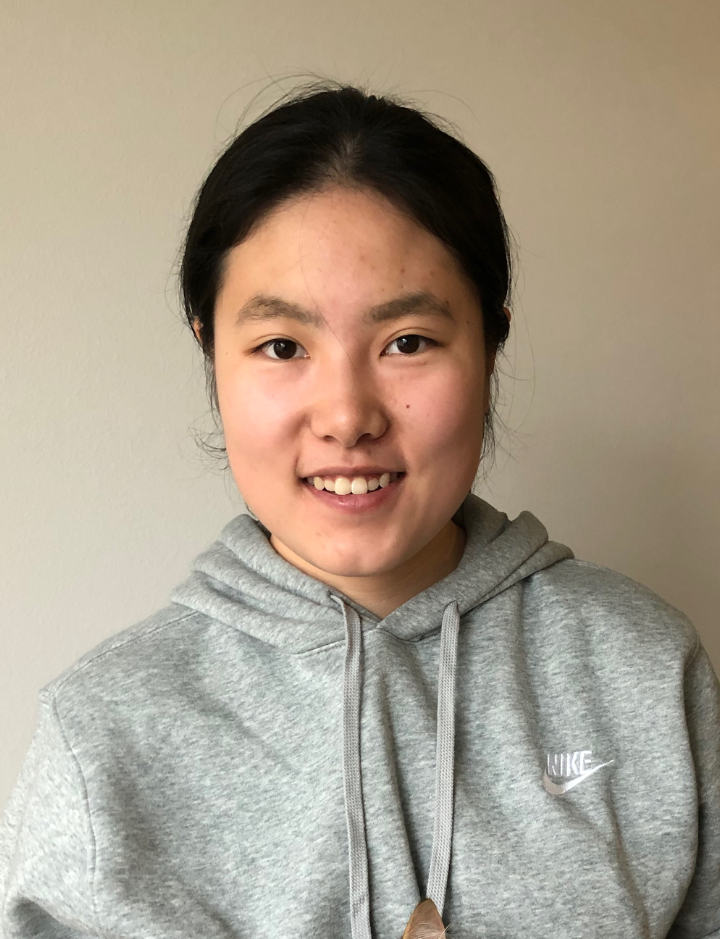 Quanqi Hu (胡筌淇)合作论文数Department of Computer Science & Engineering, Texas A&M University11
 Yiming Ying合作论文数Department of Mathematics and Statistics, State University of New York at Albany11
 Xiaoyu Wang (王孝宇)合作论文数Intellif10
 Dixian Zhu合作论文数Department of Genetics, Stanford University10
 Wei Jiang (姜伟)合作论文数School of Computer Science and Engineering, Nanjing University of Science and Technology8
 Anil K. Jain (阿尼尔·库马尔·贾恩)合作论文数Department of Computer Science & Engineering, College of Engineering, Michigan State University7
 Boqing Gong合作论文数Google7
 Yongjian Zhong合作论文数Department of Computer Science, College of Liberal Arts and Sciences, University of Iowa6Zaiyi Chen合作论文数Cainiao Network, Alibaba Group6
 Zi-Hao Qiu (邱梓豪)合作论文数Department of Computer Science and Technology, Nanjing University;National Key Laboratory for Novel Software Technology, Nanjing University6
 Yun Chi合作论文数NEC Laboratories America, Inc.6
 hassan rafique合作论文数University of Iowa Iowa City, University of Indianapolis Indianapolis5
 Zhengzhong Tu (涂正中)合作论文数Department of Computer Science and Engineering, College of Engineering, Texas A&M University5
 Xun Zhou (周逊)合作论文数School of Computer Science and Technology, Harbin Institute of Technology, Shenzhen5
 Wotao Yin (印卧涛)合作论文数Decision Intelligence Lab, Damo Academy, Alibaba Group5
 Xiyuan Wei合作论文数4Ryan King合作论文数National Renewable Energy Laboratory4
 Bobak Mortazavi合作论文数Department of Computer Science & Engineering, College of Engineering, Texas A&M University;Center for Remote Health Technologies & Systems, Texas A&M University4
 Breheny Patrick J合作论文数Dept Biostat, Univ Iowa4
 Steven Hoi (许主洪)合作论文数4
 Yibo Wang (王一博)合作论文数School of Artificial Intelligence, Nanjing University4
 Xiaoxuan Zhang合作论文数China Pharmaceutical University, China Pharmaceutical University4
 Yi Yang (杨易)合作论文数College of Computer Science and Technology, Zhejiang University4
 Wei Liu (刘威)合作论文数Video Rebirth4
 Yunwen Lei (雷云文)合作论文数Department of Mathematics, The University of Hong Kong4
 Zhou Yang (杨周)合作论文数School of Mechanical Engineering and Automation, Northeastern University4
 Shuiwang Ji合作论文数Department of Computer Science & Engineering, College of Engineering, Texas A&M University4
 Yuanqing Lin (林元庆)合作论文数Aibee Inc4Xiangbo Gao合作论文数3Xiaopeng Li合作论文数3
 Adams Wei Yu合作论文数Google DeepMind3
 Yunhui Guo合作论文数Department of Computer Science, University of Texas at Dallas3
 Shiyin Lu (卢世银)合作论文数Alibaba3
 Guanghui Wang (王广辉)合作论文数School of Computer Science, Georgia Institute of Technology3
 Tuo Zhao (赵拓)合作论文数H. Milton Stewart School of Industrial and Systems Engineering, College of Engineering, Georgia Institute of Technology;Center for Statistical Science, Interdisciplinary Program, Georgia Institute of Technology;Algorithms & Randomness Center, Georgia Institute of Technology3




