Background:Tobacco use is a leading cause of preventable death worldwide, linked to various health issues, including cancers, cardiovascular diseases, and respiratory illnesses. It also adversely affects ocular health, increasing the risk of conditions like Age-Related Macular Degeneration and cataracts. The socioeconomic burden of smoking in the UK is significant, costing the National Health Service between £2.7 and £5.2 billion annually. Smoking cessation improves health outcomes and reduces healthcare costs. Optometrists are well positioned to identify smoking behaviours and offer cessation advice, yet evidence on current practice in Wales is limited. Methods:This cross-sectional study used an anonymous online questionnaire to assess smoking-related practice behaviours among optometrists providing National Health Service optometry services in Wales. The survey captured demographic characteristics, training history, current approaches to smoking status identification and cessation advice, confidence levels, and perceived barriers to discussing smoking with patients. Results:A total of 778 optometrists participated, with 96.3% reporting routine assessment of patients' smoking status. Most respondents felt confident discussing the impact of smoking on health; however, barriers like time constraints and perceived patient reluctance were common. Notably, those with longer professional tenures were more likely to view patient reluctance as a barrier (OR 1.46, 95% CI, 0.026-0.050, p < 0.001). Conclusion:The findings suggest generally positive engagement with smoking cessation among optometrists in Wales, though barriers to patient engagement persist. While training appears to support more proactive practice, further work is needed to understand how optometric interventions influence smoking cessation outcomes and to explore why some practitioners perceive patients as hesitant to discuss health behaviours.
Keratinizing desquamative squamous metaplasia (KDSM) of the urinary tract is typically a sporadic condition with unclear etiology and treatment options. It is characterized by either a focal or widespread transition of normal urothelium of the bladder and ureters to a stratified squamous keratinizing epithelium. Four individuals from three generations of a single family were ascertained with a likely autosomal dominant form of syndromic KDSM. Whole-genome sequencing was performed on three affected individuals and a truncating variant (RARG NM_000966.6:c.1237C>T; NP_000957.1:p.Arg413∗) in the gene encoding retinoic acid receptor gamma (RARγ) was identified to be segregating with the phenotype. The truncating variant does not destabilize the transcript or protein produced from this allele but instead predicts the loss of half of helix 12 of RARγ, leading to reduced responsiveness of the receptor to all-trans retinoic acid via a dominant-negative mechanism. Mice heterozygous for the variant demonstrated upregulation of cytokeratin-10 in the bladder and ureteric epithelium consistent with keratinizing squamous metaplasia of the urothelium. The implicated dominant-negative mechanism reduces retinoic acid signaling via heterodimeric receptors that incorporate the variant γ subunit and indicates that this condition may be addressable with high-dose retinoic acid receptor agonists.
The establishment of neuronal polarity, whereby somatodendritic and axonal cellular compartments are defined, is a critical determinant for the development of neuronal networks and patterning during neurogenesis. The axon initial segment (AIS), a key structure in the establishment of this polarity, is formed through interactions between the microtubule and actin cytoskeleton, Ankyrin G, TRIM46 and multiple transmembrane and perimembranous proteins. Here we implicate a component of the septin cytoskeleton, Septin-2, in the maintenance and function of the AIS through the study of mutations found in five unrelated human individuals and one mother-daughter duo with a majority presenting with cognitive impairment. Septins form octameric rods that assemble into higher order filamentous scaffolds driven by Septin-2 homodimerization. Mutant Septin-2 is predicted to impart a dominant negative blockade on septin octamers forming these structures by precluding Septin-2 homodimerization. Expression of mutant Septin-2 constructs in neurons leads to the disappearance of canonical hallmarks of the AIS. This includes loss of Ankyrin G in the AIS, aberrant localization of MAP2 within the distal axon, axonal shortening and electrophysiological hypoexcitability. We further show that Septin-2 binds to a neuron-specific domain of Ankyrin G, an interaction that is largely ablated by these mutations. These data establish a role for Septin-2 in the maintenance and function of the AIS and implicate cytoskeletal structures composed of septin oligomers in the establishment of higher cognitive functions in humans.
Pathogenic variants in FLNA cause a diversity of X-linked developmental disorders associated with either preserved or diminished levels of filamin A protein and are conceptualized dichotomously as relating to underlying gain- or loss-of-function pathogenic mechanisms. Hemizygosity for germline deletions or truncating variants in FLNA is generally considered to result in embryonic lethality. Structurally, filamin A is composed of an N-terminal actin-binding region, followed by 24 immunoglobulin-like repeat units. The repeat domains are separated into distinct segments by two regions of low-complexity known as hinge-1 and hinge-2. Hinge-1 is proposed to confer flexibility to the otherwise rigid protein and is a target for cleavage by calpain with the resultant filamin fragments mediating crucial cellular signaling processes. Here, three families with pathogenic variants in FLNA that impair the function of hinge-1 in males are described, leading to distinct clinical phenotypes. One large in-frame deletion that includes the hinge leads to frontometaphyseal dysplasia in affected males and females, while two germline truncating variants located within the exon encoding hinge 1 result in phenotypes in males that are explained by exon skipping and under-expression of a transcript that deletes hinge-1 from the resultant protein. These three variants affecting hinge-1 indicate that this domain does not mediate cellular functions that, when deficientresult in embryonic lethality in males and that germline truncating variants in this region of FLNA can result in viable phenotypes in males.
INTRODUCTION:The filamins are cytoskeletal binding proteins that dynamically crosslink actin into orthogonal networks or bundle it into stress fibres. The domain structure of filamin proteins is very well characterised, with an N-terminal actin-binding region, followed by 24 immunoglobulin-like repeat units. The repeat domains are separated into distinct segments by two regions of low-complexity known as hinge-1 and hinge-2. The role of hinge-1 especially has been proposed to be essential for protein function as it provides flexibility to the otherwise rigid protein, and is a target for cleavage by calpain. Hinge-1 protects cells from otherwise destructive forces, and the products of calpain cleavage are involved in critical cellular signalling processes, such as survival during hypoxia. Pathogenic variants in FLNA encoding Filamin A, including those that remove the hinge-1 domain, cause a wide range of survivable developmental disorders. In contrast, complete loss of function of this gene is embryonic lethal in human and mouse. METHODS AND RESULTS:In this study, we show that removing filamin A hinge-1 from mouse (FlnaΔH1), while preserving its expression level leads to no obvious developmental phenotype. Detailed characterisation of the skeletons of FlnaΔH1 mice showed no skeletal phenotype reminiscent of that found in the FLNA-causing skeletal dysplasia. Furthermore, nuclear functions of FLNA are maintained with loss of Filamin A hinge-1. CONCLUSION:We conclude that hinge-1 is dispensable for filamin A protein function during development over the murine lifespan.
The certificate of vision impairment has an important role in enabling access to support for people with vision impairment (VI) and the provision of epidemiological data regarding sight loss. However, the rates of certification may not accurately reflect the number of people living with certifiable VI. Observational data from a national primary care low vision rehabilitation service between 1 April 2021 and 31 March 2022 were analysed. Descriptive statistics were used to describe the certification status of patients with certifiable VI. For patients with age-related macular degeneration (AMD) and best-corrected visual acuity of 6/60 or worse, logistic regression was undertaken to assess the effects of patient characteristics on certification status. For patients with AMD and certifiable levels of visual acuity, 41.00
Mutations in FLNA, which encodes the cytoskeletal protein FLNA, cause a spectrum of sclerosing skeletal dysplasias. Although many of these genetic variants are recurrent and cluster within the gene, the pathogenic mechanism that underpins the development of these skeletal phenotypes is unknown. To determine if the skeletal dysplasia in FLNA-related conditions is due to a cell-autonomous loss-of-function localising to osteoblasts and/or osteocytes, we utilised mouse models to conditionally remove Flna from this cellular lineage. Flna was conditionally knocked out from mature osteocytes using the Dmp1-promoter driven Cre-recombinase expressing mouse, as well as the committed osteoblast lineage using the Osx-Cre or Col1a1-Cre expressing lines. We measured skeletal parameters with μCT and histological methods, as well as gene expression in the mineralised skeleton. We found no measureable differences between the conditional Flna knockout mice, and their control littermate counterparts. Moreover, all of the conditional Flna knockout mice, developed and aged normally. From this we concluded that the skeletal dysplasia phenotype associated with pathogenic variants in FLNA is not caused by a cell-autonomous loss-of-function in the osteoblast-osteocyte lineage, adding more evidence to the hypothesis that these phenotypes are due to gain-of-function in FLNA.
Pulmonary acinar hypoplasia (PAH) and lacrimo-auriculo-dento-digital (LADD) syndrome have both been associated with loss-of-function variants in, or deletions of FGF10. Here we report a multi-generational family with seven members manifesting varying features of LADD syndrome, with one individual dying in early infancy of PAH. Whole genome sequencing in one family member identified a 12,158 bp deletion on chromosome 5p12 that removes two of the three exons of FGF10. Allele-specific PCR demonstrated that all affected family members, including the individual with PAH, carried the 12 kb deletion. We conclude the deletion is pathogenic and expands the mutational spectrum of FGF10 variants in LADD syndrome. The common mechanism underlying the variable clinical features of LADD syndrome is defective terminal branching of salivary and lacrimal glands and pulmonary acini, regulated by the TBX4-FGF10-FGFR2 pathway. The variable phenotypic expressivity of FGF10 haploinsufficiency from relatively benign to lethal is likely due to variation at other genetic loci.
Pathogenic variation in the X-linked gene FLNA causes a wide range of human developmental phenotypes. Loss-of-function is usually male embryonic-lethal, and most commonly results in a neuronal migration disorder in affected females. Gain-of-function variants cause a spectrum of skeletal dysplasias that present with variable additional, often distinctive, soft-tissue anomalies in males and females. Here we present two, unrelated, male individuals with novel, intronic variants in FLNA that are predicted to be pathogenic. Their phenotypes are reminiscent of the gain-of-function spectrum without the skeletal manifestations. Most strikingly, they manifest urethral anomalies, cardiac malformations, and keloid scarring, all commonly encountered features of frontometaphyseal dysplasia. Both variants prevent inclusion of exon 40 into the FLNA transcript, predicting the in-frame deletion of 42 amino acids, however the abundance of FLNA protein was equivalent to that observed in healthy individuals. Loss of these 42 amino acids removes sites that mediate key FLNA functions, including binding of some ligands and phosphorylation. This phenotype further expands the spectrum of the FLNA filaminopathies.
Ophthalmic and Physiological OpticsVolume 42, Issue 1 p. 4-7 EDITORIALFree Access How does the optometry profession move up a gear to tackle the problem of climate change? Tim Morgan, Tim Morgan Health Education and Innovation Wales, Cardiff, UK Contribution: Conceptualization (supporting), Data curation (supporting), Formal analysis (supporting), Investigation (supporting), Methodology (supporting), Project administration (supporting), Software (supporting), Supervision (lead), Writing - original draft (supporting), Writing - review & editing (lead)Search for more papers by this authorBarbara Ryan, Corresponding Author Barbara Ryan [email protected] orcid.org/0000-0003-3722-8757 Cardiff School of Optometry and Vision Sciences, Cardiff, UK Contribution: Conceptualization (lead), Data curation (lead), Formal analysis (lead), Investigation (lead), Methodology (equal), Project administration (lead), Software (lead), Supervision (supporting), Writing - original draft (equal), Writing - review & editing (supporting)Search for more papers by this author Tim Morgan, Tim Morgan Health Education and Innovation Wales, Cardiff, UK Contribution: Conceptualization (supporting), Data curation (supporting), Formal analysis (supporting), Investigation (supporting), Methodology (supporting), Project administration (supporting), Software (supporting), Supervision (lead), Writing - original draft (supporting), Writing - review & editing (lead)Search for more papers by this authorBarbara Ryan, Corresponding Author Barbara Ryan [email protected] orcid.org/0000-0003-3722-8757 Cardiff School of Optometry and Vision Sciences, Cardiff, UK Contribution: Conceptualization (lead), Data curation (lead), Formal analysis (lead), Investigation (lead), Methodology (equal), Project administration (lead), Software (lead), Supervision (supporting), Writing - original draft (equal), Writing - review & editing (supporting)Search for more papers by this author First published: 16 November 2021 https://doi.org/10.1111/opo.12920AboutSectionsPDF ToolsRequest permissionExport citationAdd to favoritesTrack citation ShareShare Give accessShare full text accessShare full-text accessPlease review our Terms and Conditions of Use and check box below to share full-text version of article.I have read and accept the Wiley Online Library Terms and Conditions of UseShareable LinkUse the link below to share a full-text version of this article with your friends and colleagues. Learn more.Copy URL Most scientists now agree that climate change is a critical and urgent issue for humanity and in our personal lives; many of us will already have made changes, whether large or small to tackle this issue. In September 2021, more than 200 health journals worldwide (including the British Medical Journal and The Lancet) published an editorial calling on leaders to take emergency action on climate change and to protect health.1, 2 Within the editorial they acknowledged that health professionals must 'join in the work to achieve environmentally sustainable health systems' and recognise that this will mean in our professional life we will also have to make modifications including changing clinical practice. This year, following on from policy and legislation,3-6 the National Health Service (NHS) Wales launched a Decarbonisation Strategic Delivery Plan (2021) which sets out a framework to meet NHS Wales Net Zero target for 2030 (Figure 1).7 The framework sets out three phases to deliver decarbonisation: "Moving up a gear" (2020–2022), "Well On Our Way" (2022–2026) and "Achieving our goal" (2026–2030). In order to 'move up a gear' the Welsh Optometric Committee made a Declaration of Climate Emergency, and a survey was launched to try and understand where we are now. FIGURE 1Open in figure viewerPowerPoint Timeline of developments of policy drivers relating to climate change.1-7 (Infographic credit: Yasmina Hamdaoui, Pharmacist, Ysbyty Gywnedd Green Group Sustainability in Healthcare, Betsi Cadwaladr University Health Board) WHERE ARE WE AS A PROFESSION NOW? In August 2021, a Microsoft Office (Microsoft.com) survey, based on one used by ophthalmologists in Australia and New Zealand,8, 9 was adapted for the optometric workforce and sent in an email cascade by Optometry Wales, to optometrists and dispensing opticians in Wales (about 800). It made 10 statements (Figure 2), and asked respondents to strongly agree, agree, remain neutral, disagree, strongly disagree or opt out of reacting. Additionally, there was an optional free text box. Registrants had just one week to complete the snap-shot survey. It received 71 responses and the results of the ten statements can be seen in Figure 2. FIGURE 2Open in figure viewerPowerPoint Responses to a survey sent to optometrists and dispensing opticians in Wales The statements "Climate change is a significant issue and action should be taken to mitigate it" and "Climate change due to carbon emission from human activity is an urgent issue" got very high agreement (87% and 85%, respectively). A further 6 statements which received overwhelming agreement and disagreement of less than 10% were: Effects of climate change will adversely impact population health in Wales. Health systems play an important role in contributing towards climate change. Optometry should advocate for healthy public policy around climate change. Optometry should advocate for climate change mitigation and adaptation. Optometry professionals should adjust their practice to be more sustainable. Public health systems should have sustainability as a performance indicator. There were two statements which caused the most diverse responses and also the most 'disagree' responses. These statements were: "Your employer is taking measures to be sustainable" and "Health systems in Wales are taking sufficient measures to be sustainable". The first, regarding your employer was 29% agreed; 31% neutral and 40% disagreed. The second, regarding health systems as a whole, was 10% agreed; 36% neutral and 54% disagreed. Free text comments provided by 27% of respondents fell broadly into three groups: suggestions for actions, support requests and urging perspective. The first and largest group of comments offered suggestions as to what could be done. Typical examples were regarding the use of paper forms and letters: The amount of paper I go through as a primary care optometrist is ridiculous Plastic and packaging were also raised as important issues: There is too much plastic involved in the packaging of almost all contact-lens related products, none of it labelled as to whether it can be recycled. Many plastic bottle products come in cardboard packaging unnecessarily. Some mentioned the need to make recycling easier: There should also be recycling available to all staff in staff rooms/dining areas and recycling bins available to businesses without debilitating costs, The second group of comments wanted to do more, but requested support and guidance to do this, highlighting the paucity of discussion in this area: I have as one of my CET goals an aim to be more Eco friendly in practice but have failed to find any CET points for which I can tick this box,This is an important issue that has been apparently absent from healthcare agendas. It is good to see consideration given to the impact of healthcare on emissions and I look forward to seeing developments and guidance regarding how to reduce the impact caused to our climate. The third group urged perspective on this endeavour to ensure that Optometry's principal aim of delivering primary eye care is not forgotten. Most carbon dioxide is emitted by China, not optical practices in Wales, this is the most ridiculous survey I have ever taken part inIt's Optometry. Eyes. Not environmental sciences for goodness' sake. Let's use resources responsibly, recognise that some problems have no easy solutions, and seek to take personal responsibility for the choices we make. Short-sighted alarmist kneejerk reactions will do far more damage than sensible progression of our current behaviour. It could be considered that in a profession with a strong science foundation it is surprising that more than 10% of the optometric profession in Wales did not agree with the statements "Climate change is a significant issue and action should be taken to mitigate it" and "Climate change due to carbon emission from human activity is an urgent issue". However, this is similar to findings from two other very similar recent surveys of ophthalmologists.8, 9 They found that it tended to be the older members of the profession that responded in this way. This survey didn't ask the age of respondents. However, the free text responses gave a more in-depth view of their thinking and suggested that they may be aware of the complexity of the issue and some cautioning against knee jerk reactions. WHAT SHOULD WE DO NEXT TO MOVE UP A GEAR? Overall, the snap-shot survey found that the optometric profession in Wales accepted that anthropogenic climate change exists, is urgent, and will adversely affect the people of Wales. So, to move up a gear we don't first need to change hearts and minds but what should we do? Highest levels of neutrality or disagreement from the survey respondents were around measures being taken by employers and by health systems in Wales. Therefore, the survey results suggest that the starting challenge is for professional bodies, employers and policy makers to explain what actions should be taken in optometric practice, with priorities and targets, and to support the workforce to adjust their practice to be more sustainable. There is also no doubt that, as suggested by the survey respondents, there may be opportunities in the solutions to also make practices more efficient. It is good to see that the Association of Dispensing Opticians (ABDO) is already making efforts down this route, and the social, ethical and environmental (SEE) summit in September 2021 and the SEE Hub10 provides examples of what many manufacturing companies and practices are already doing. However, as survey respondents indicated, there are complexities, and to truly move forward in a way that will benefit the environment we must look at all the associated networks that an optometry practice is linked with. We don't yet understand what the priorities for our profession should be. Should we concentrate on lighting, the carbon footprint of the products we sell, transport to work, reducing paper use or increasing waste recycling? Neither do we understand the full impact of potential solutions. For example, although we think it best to reduce plastic packaging, it provides a clean, light and transportable option for packaging and may end up being the best option for the solutions we use and sell as long as they are not transported using air freight.11 We will need our researchers to work alongside the professional bodies, employers and policy makers to be inventive, to investigate the solutions and to help set priorities. It is heartening to note that some have already started to work in this area and as a result we can be reassured that daily disposable contact lens wearers could recycle 100% of contact lens related waste.12 Optometry as a profession is good at innovation and embracing change and so it is likely that if we all join in the work to achieve environmentally sustainable systems, we can achieve net zero carbon emission practices by 2030. In the process, we may find that this also substantially improves efficiency and the environment for our staff and patients. AUTHOR CONTRIBUTIONS Timothy Morgan: Conceptualization (lead); Data curation (lead); Formal analysis (lead); Investigation (lead); Methodology (equal); Project administration (lead); Software (lead); Supervision (supporting); Writing-original draft (equal); Writing-review & editing (supporting). Barbara Ryan: Conceptualization (supporting); Data curation (supporting); Formal analysis (supporting); Investigation (supporting); Methodology (supporting); Project administration (supporting); Software (supporting); Supervision (lead); Writing-original draft (supporting); Writing-review & editing (lead). Biographies Tim Morgan is an Optometrist in North Wales. He has recently concluded the Welsh Clinical Leadership Training Fellowship with Health Education and Improvement Wales (HEIW), contributing to contract reform in Wales. This was the first time Clinical Fellowships have been awarded to anyone from the Optometric profession in UK. Explicitly, Tim worked on embedding prevention and well-being into Primary Care, exploring the social and global responsibilities for the profession. Barbara Ryan is Chair of The Welsh Optometric Committee (WOC), the statutory committee that advises the Welsh Government on matters relating to optometry and to the optometric profession. Barbara works part time in primary care optometry in South East Wales and is a Professor in the School of Optometry and Vision Sciences at Cardiff University where she has responsibility for postgraduate education. In 2019 she was awarded an MBE for her contribution to optometry. REFERENCES 1Atwoli L, Bagui A, Benfield T, et al. Call for emergency action to limit global temperature increases, restore biodiversity, and protect health. BMJ 2021; 374:n1734. doi.org/10.1136/bmj.n1734 2Atwoli L, Bagui A, Benfield T, et al. Call for emergency action to limit global temperature increases, restore biodiversity, and protect health. Lancet 2021; 398: 939– 941. 3 Climate Change Act 2008. Available at: bills.parliament.uk/bills/195. Accessed 13 Oct 2021. 4 United Nations. Paris Agreement. Paris Agreement to the United Nations Framework Convention on Climate Change. 2015. Available at: unfccc.int/sites/default/files/english_paris_agreement.pdf. Accessed 13 Oct 2021. 5 Well-being of Future Generations (Wales) Act 2015. Available at: futuregenerations.wales/about-us/future-generations-act/. Accessed 13 Oct 2021. 6 Environment (Wales) Act 2016. Available at: gov.wales/environment-wales-act-2016-overview. Accessed 13 Oct 2021. 7Wales NHS. Decarbonisation Strategic Delivery Plan. 2021. Available at: gov.wales/nhs-wales-decarbonisation-strategic-delivery-plan. Accessed 13 Oct 2021. 8Chandra P, Gale J, Murray N. New Zealand ophthalmologists' opinions and behaviours on climate, carbon and sustainability. Clin Exp Ophthal 2020; 48: 427– 433. 9Mansoor H, Liu Y, Ang M, Mehta JS. Australian ophthalmologists' opinion on climate and sustainability. Clin Exp Ophthal 2020; 48: 1118– 1121. 10 ABDO SEE Hub Available at: abdo.org.uk/dashboard/see-hub/. Accessed 13 Oct 2021. 11Burnes- Lee M. How bad are bananas: the carbon footprint of everything, 2nd ed. England & Wales: Profile Books; 2020. 12Smith SL, Orsborn GN, Sulley A, Chatterjee NB, Morgan PB. An investigation into disposal and recycling options for daily disposable and monthly replacement soft contact lens modalities. Cont Lens Anterior Eye 2021; 12:101435. doi.org/10.1016/j.clae.2021.03.002 Volume42, Issue1January 2022Pages 4-7 FiguresReferencesRelatedInformation
Introduction NICE recommend the use of tunnelled peritoneal catheters (TPCs) for individuals with malignant ascites likely to require repeated paracentesis for symptom palliation. TPCs can avoid significant fluid build-up, improve quality of life (QOL) and reduce hospital admissions. TPCs are not commonly considered for patients with end-stage liver disease (ESLD). In NHS Grampian, TPCs are inserted by Palliative Medicine consultants in Roxburghe House Specialist Palliative Care Unit. Methods Retrospective data collection and analysis for patients who underwent TPC insertion in Roxburghe House between 2014–2019 Patient outcomes were assessed. The number of temporary drains/hospital admissions prevented by TPC insertion was estimated. Results 96 patients had a TPC inserted in Roxburghe House between 2014–2019. Diagnosis: 83% malignancy, 11% cirrhosis, 6% malignancy & cirrhosis. TPC remained in place for a mean of 67 days (64 in malignant, 90 in cirrhotic) with a range of 2–287 days. Mean time from procedure to death was 67 days (65 in malignant, 100 in cirrhotic). 33% died within 1 month of TPC insertion, although this group had no adverse prognostic indicators. 9% had major complications (systemic infection, possible perforation, bleed). 8% had minor complications (local infection, dislodgement). Complications rates were lower in the cirrhotic population. An estimated 301 temporary drains were prevented by TPC insertion. The average admission for temporary drain was 6 days, equating to 1,806 days in hospital saved. Conclusions TPC insertion is an effective management option for palliative patients with refractory ascites, and reduces hospital admissions in the last months of life. Although NICE guidance recommends TPC only for malignant ascites, this study shows low complication rates in the cirrhotic population. TPC should therefore also be considered for patients with ESLD who are ineligible for liver transplant. Further work is required to assess the impact of TPCs on QOL.
Spondylocarpotarsal synostosis syndrome (SCT) is characterized by vertebral fusions, a disproportionately short stature, and synostosis of carpal and tarsal bones. Pathogenic variants in FLNB, MYH3, and possibly in RFLNA, have been reported to be responsible for this condition. Here, we present two unrelated individuals presenting with features typical of SCT in which Sanger sequencing combined with whole genome sequencing identified novel, homozygous intragenic deletions in FLNB (c.1346-1372_1941+389del and c.3127-353_4223-1836del). Both deletions remove several consecutive exons and are predicted to result in a frameshift. To our knowledge, this is the first time that large structural variants in FLNB have been reported in SCT, and thus our findings add to the classes of variation that can lead to this disorder. These cases highlight the need for copy number sensitive methods to be utilized in order to be comprehensive in the search for a molecular diagnosis in individuals with a clinical diagnosis of SCT.
Osteopathia striata with cranial sclerosis (OSCS) is an X-linked dominant condition characterised by metaphyseal striations, macrocephaly, cleft palate, and developmental delay in affected females. Males have a more severe phenotype with multi-organ malformations, and rarely survive. To date, only frameshift and nonsense variants in exon 2, the single coding exon of AMER1, or whole gene deletions have been reported to cause OSCS. In this study, we describe two families with phenotypic features typical of OSCS. Exome sequencing and multiplex ligation-dependent probe amplification (MLPA) did not identify pathogenic variants in AMER1. Therefore, genome sequencing was employed which identified two deletions containing the non-coding exon 1 of AMER1 in the families. These families highlight the importance of considering variants or deletions of upstream non-coding exons in conditions such as OSCS, noting that often such exons are not captured on probe or enrichment-based platforms because of their high G/C content.
The mammalian neocortex has undergone remarkable changes through evolution. A consequence of such rapid evolutionary events could be a trade-off that has rendered the brain susceptible to certain neurodevelopmental and neuropsychiatric conditions. We analyzed the exomes of 65 patients with the structural brain malformation periventricular nodular heterotopia (PH). De novo coding variants were observed in excess in genes defining a transcriptomic signature of basal radial glia, a cell type linked to brain evolution. In addition, we located two variants in human isoforms of two genes that have no ortholog in mice. Modulating the levels of one of these isoforms for the gene PLEKHG6 demonstrated its role in regulating neuroprogenitor differentiation and neuronal migration via RhoA, with phenotypic recapitulation of PH in human cerebral organoids. This suggests that this PLEKHG6 isoform is an example of a primate-specific genomic element supporting brain development.
We report the results of a pilot project for clinical DNA sequencing in New Zealand. This project aimed to estimate the diagnostic yield of next generation sequencing in the New Zealand clinical environment. Trio whole exome sequencing (WES) was performed on germline DNA of 40 individuals from 12 families with presumptive Mendelian disorders. In addition, both WES and deep targeted sequencing (DTS) was performed on tumours, metastases and corresponding normal blood leukocytes from two cancer patients. For the rare Mendelian disorder cohort, the diagnostic yield was 6/12, including previously recognised pathogenic mutations and novel mutations. In tumour sequence analysis, WES identified somatic single nucleotide mutations and copy number aberrations in both cancer patients; however, DTS was required to obtain clinically informative information. This study showed that diagnostic germline and tumour WES and DTS could be easily undertaken in New Zealand, and identified specific infrastructural challenges that must be solved to facilitate its clinical use.
Loss-of-function mutations in the X-linked gene FLNA can lead to abnormal neuronal migration, vascular and cardiac defects, and congenital intestinal pseudo-obstruction (CIPO), the latter characterized by anomalous intestinal smooth muscle layering. Survival in male hemizygotes for such mutations is dependent on retention of residual FLNA function but it is unclear why a subgroup of males with mutations in the 5' end of the gene can present with CIPO alone. Here, we demonstrate evidence for the presence of two FLNA isoforms differing by 28 residues at the N-terminus initiated at ATG+1 and ATG+82 . A male with CIPO (c.18_19del) exclusively expressed FLNA ATG+82 , implicating the longer protein isoform (ATG+1 ) in smooth muscle development. In contrast, mutations leading to reduction of both isoforms are associated with compound phenotypes affecting the brain, heart, and intestine. RNA-seq data revealed three distinct transcription start sites, two of which produce a protein isoform utilizing ATG+1 while the third utilizes ATG+82 . Transcripts sponsoring translational initiation at ATG+1 predominate in intestinal smooth muscle, and are more abundant compared with the level measured in fibroblasts. Together these observations describe a new mechanism of tissue-specific regulation of FLNA that could reflect the differing mechanical requirements of these cell types during development.
Frontometaphyseal dysplasia (FMD) is caused by gain‐of‐function mutations in the X‐linked gene FLNA in approximately 50% of patients. Recently we characterized an autosomal dominant form of FMD (AD‐FMD) caused by mutations in MAP3K7, which accounts for the condition in the majority of patients who lack a FLNA mutation. We previously also described a patient with a de novo variant in TAB2, which we hypothesized was causative of another form of AD‐FMD. In this study, a cohort of 20 individuals with AD‐FMD is clinically evaluated. This cohort consists of 15 individuals with the recently described, recurrent mutation (c.1454C>T) in MAP3K7, as well as three individuals with missense mutations that result in substitutions in the N‐terminal kinase domain of TGFβ‐activated kinase 1 (TAK1), encoded by MAP3K7. Additionally, two individuals have missense variants in the gene TAB2, which encodes a protein with a close functional relationship to TAK1, TAK1‐associated binding protein 2 (TAB2). Although the X‐linked and autosomal dominant forms of FMD are very similar, there are distinctions to be made between the two conditions. Individuals with AD‐FMD have characteristic facial features, and are more likely to be deaf, have scoliosis and cervical fusions, and have a cleft palate. Furthermore, there are features only found in AD‐FMD in our review of the literature including valgus deformity of the feet and predisposition to keloid scarring. Finally, intellectual disability is present in a small number of subjects with AD‐FMD but has not been described in association with X‐linked FMD.
We report the case of a male patient with Larsen syndrome found to be mosaic for a novel point mutation in FLNB in whom it was possible to provide evidence-based personalized counseling on transmission risk to future offspring. Using dideoxy sequencing, a low-level FLNB c.698A>G, encoding p.(Tyr233Cys) mutation was detected in buccal mucosa and fibroblast DNA. Mutation quantification was performed by deep next-generation sequencing (NGS) of DNA extracted from three somatic tissues (blood, fibroblasts, saliva) and a sperm sample. The mutation was detectable in all tissues tested, at levels ranging from 7% to 10% (mutation present in ∼20% of diploid somatic cells and 7% of haploid sperm), demonstrating the involvement of both somatic and gonadal lineages in this patient. This report illustrates the clinical utility of performing targeted NGS analysis on sperm from males with a mosaic condition in order to provide personalized transmission risk and offer evidence-based counseling on reproductive safety.
Multinucleate cellular syncytial formation is a hallmark of skeletal muscle differentiation. Myomaker, encoded by Mymk (Tmem8c), is a well-conserved plasma membrane protein required for myoblast fusion to form multinucleated myotubes in mouse, chick, and zebrafish. Here, we report that autosomal recessive mutations in MYMK (OMIM 615345) cause Carey-Fineman-Ziter syndrome in humans (CFZS; OMIM 254940) by reducing but not eliminating MYMK function. We characterize MYMK-CFZS as a congenital myopathy with marked facial weakness and additional clinical and pathologic features that distinguish it from other congenital neuromuscular syndromes. We show that a heterologous cell fusion assay in vitro and allelic complementation experiments in mymk knockdown and mymkinsT/insT zebrafish in vivo can differentiate between MYMK wild type, hypomorphic and null alleles. Collectively, these data establish that MYMK activity is necessary for normal muscle development and maintenance in humans, and expand the spectrum of congenital myopathies to include cell-cell fusion deficits.
 Stephen Robertson合作论文数Department of Women's and Children's Health, School of Biomedical Sciences, University of Otago27
 Zandra A Jenkins合作论文数11
 David Markie合作论文数10
 Wade Emma M合作论文数Dunedin School of Medicine, University of Otago8
 Philip Daniel合作论文数5
 Sixto García-Miñaúr合作论文数Institute of Medical and Molecular Genetics, Hospital Universitario La Paz4van Kogelenberg Margriet合作论文数4
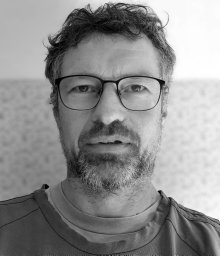 Andrew J Sutherland-Smith合作论文数Institute of Molecular BioSciences, Massey University4Louise C. Wilson合作论文数3Padmini Parthasarathy合作论文数3Débora Romeo Bertola合作论文数Faculdade de Medicina, Universidade de São Paulo;Departamento of Genética e Biologia Evolutiva, Instituto de Biociências, Universidade de São Paulo;Centro de Estudos do Genoma Humano, Universidade de São Paulo3Frentz Sophia合作论文数3
 Mary Gray合作论文数3
 Sahar Mahmoud Mansour合作论文数South West Thames Regional Genetics Unit, St George’s University of London3
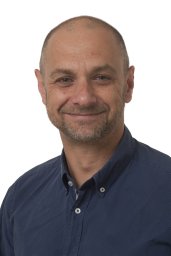 Richard J. Leventer合作论文数Department of Neurology and Murdoch Children's Research Institute, Royal Children’s Hospital;Department of Neurology and Murdoch Children's Research Institute, Royal Children’s Hospital3Axel Bohring合作论文数3
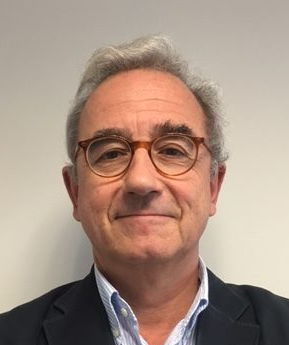 Didier Lacombe合作论文数Service de Génétique Médicale, CHU Bordeaux;INSERM U1211;Centre de Référence Anomalies du Développement et Syndromes Malformatifs Sud-Ouest Occitanie-Réunion;Centre Régional de Dépistage Néonatal2Valérie Cormier-Daire合作论文数2Teresa Neuhann合作论文数2
 Elizabeth Goodin合作论文数2Jingyi Mi合作论文数2G McGillivray合作论文数2Daniela T. Pilz合作论文数2Samantha Connors合作论文数2Silvia Cappello合作论文数Max Planck Inst Psychiat, Munich, Germany2
 Deborah Krakow合作论文数Department of Human Genetics, David Geffen School Of Medicine, University of California, Los Angeles2
 Raoul Hennekam合作论文数Amsterdam UMC;Department of Paediatrics, University of Amsterdam;Institute of Neurology, University College London2Fiskerstrand Torunn合作论文数2Porteous M合作论文数2
 Adam O'Neill合作论文数Dunedin School of Medicine, University of Otago2Daniel Phil合作论文数2Gimenez Gregory合作论文数2
 Fiona Stewart合作论文数2Albert David合作论文数2
 Magdalena Götz合作论文数Department of Physiological Genomics, Biomedical Center, Ludwig-Maximilians University;Institute Stem Cell Research, Helmholtz Zentrum München Deutsches Forschungszentrum für Umwelt und Gesundheit2
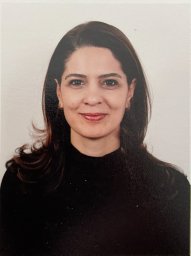 Yasemin Alanay合作论文数Department of Pediatrics, Hacettepe University Faculty of Medicine2
 David Chitayat合作论文数Department of Laboratory Medicine and Pathobiology, Temerty Faculty of Medicine, University of Toronto;Mount Sinai Hospital2
 Tae Joon Cho合作论文数Goodyear Polymer Center, The University of Akron Maurice Morton Institute of Polymer Science2Bernd Wollnik合作论文数2
 Chong Ae Kim合作论文数Departamento de Pediatria, Faculdade de Medicina, Universidade de São Paulo2
 Greg Sawyer合作论文数Department of BioEngineering, Moffitt Cancer Center2Tracy Dudding合作论文数2
 Laurence Albert Bindoff合作论文数Department of Clinical Medicine, Unversity of Bergen;Department of Neurology, Haukeland University Hospital2Claire McCullough合作论文数1
 Irini Manoli合作论文数1Antonio Pizzuti合作论文数1U. Kornak合作论文数1Elizabeth M Thompson合作论文数1
 Michael A Black合作论文数1




