Aquaporins (AQPs) are membrane proteins that facilitate water transport and are present in nearly all bacterial, animal, and plant cells. In plants, AQPs are classified into four or more subfamilies, with plasma membrane intrinsic proteins (PIPs) playing a key role in root water uptake and cellular water regulation. Previous studies have demonstrated that PIPs contribute to root hydraulic conductivity (Lpr) in various plant species. In this study, we examined the specific role of OsPIP2;4, one of the PIP-type aquaporins among 11 rice (Oryza sativa) PIP2s, in regulating Lpr. Transgenic rice plants, including OsPIP2;4-knockout (KO) and overexpressing (Ox) lines, were used for this investigation. Two independent KO lines, generated via the CRISPR-Cas9 system and T-DNA insertion mutagenesis, respectively, showed significantly lower Lpr compared to wild-type rice plants. The decrease in Lpr in the T-DNA KO line was associated with reduced OsPIP2;4 transcript levels, measured by real-time PCR, and lower OsPIP2;4 protein levels, as shown by immunohistochemical analysis. Conversely, no notable increase in Lpr was observed in the Ox lines. These results suggest that OsPIP2;4 is expressed in appropriate tissues in rice roots and is a key factor influencing Lpr. This research represents a significant step toward further understanding the physiological functions of OsPIP2;4 in rice.
OsHKT1;1, a member of the high-affinity K+ transporter (HKT) family, plays a key role in Na+ homeostasis and salinity tolerance in rice. In our previous study, multiple potential OsHKT1;1 splicing variants were identified, as well as the full-length (FL) OsHKT1;1 transcript from the salt-tolerant rice Pokkali. However, most previous studies focused solely on the full-length protein, leaving the transport functions of splice variants largely unexamined. In this study, we focused on the splice variant OsHKT1;1-V2 and compared its function and gene expression with those of OsHKT1;1-FL. Two-electrode voltage clamp experiments using Xenopus laevis oocytes revealed that the 1st start codon of OsHKT1;1-V2 is functional to exhibit bidirectional currents in bath solutions containing NaCl. Unlike the Na+-selective feature of OsHKT1;1-FL, OsHKT1;1-V2 primarily mediated Cl- transport with weak Na+ selectivity, which was supported by the higher Cl- accumulation in OsHKT1;1-V2-expressing oocytes. Subcellular localization analyses using oocytes and Arabidopsis mesophyll cells indicated plasma membrane localization of OsHKT1;1-V2, similar to OsHKT1;1-FL. Functional assays using a yeast mutant further indicated that OsHKT1;1-FL, but not OsHKT1;1-V2, mediates Na+ uptake. The same OsHKT1;1 variants were identified in the japonica cultivar Nipponbare, and OsHKT1;1-V2 of the cultivar showed Cl- transport properties similar to the one from Pokkali. Quantitative PCR analyses revealed higher abundance of OsHKT1;1-FL transcripts in Nipponbare than in Pokkali with markedly lower OsHKT1;1-V2 levels in Pokkali under salt stress. This study provides a new insight into HKT-mediated ion homeostasis under salinity stress.
Ion-conducting aquaporins (icAQPs) transport ions as well as water. Although the molecular mechanism of how AQPs establish selective permeability for water molecules is well understood, the ion-transporting mechanism in icAQPs has not yet been fully elucidated. In this study, we investigated the molecular mechanism of cation transport in OsPIP2;4, an icAQP in rice, by homology modeling and the electrophysiological analysis using Xenopus laevis oocytes. Water and ion transport assays using OsPIP2;4 T227M and G278K mutants strongly suggested that water- and cation-transporting pathways are independent of each other. Data from amino acid substitutions V54I and A143G in OsPIP2;4 led to the identification of a novel hidden pathway for cation transport located on the side surfaces of the tetramer channel, where two protomers are in contact, which is distinct from conventional monomeric pores and the tetrameric central pore in AQPs. Moreover, the present results provide the possibility that this hypothetical hidden pore also functions in the barley icAQP HvPIP2;8. The overall structure of this novel pathway appears to differ from the structure of general cation channels. However, the arrangement of hydrophilic amino acids at the entrance of the pathway of OsPIP2;4 was found to be comparable to that of some cation channels, which implies that the molecular mechanism of dehydration of hydrated ions might resemble that of the channels. Although direct structural evidence is needed to confirm the proposed pathway, the present study can be a stepping stone toward unraveling the mechanism of dual water and ion transport through icAQPs in plants.
Aquaporin (AQP)-dependent water transport across membranes is indispensable in plants. Recent evidence shows that several AQPs, including plasma membrane intrinsic proteins (PIPs), facilitate the electrogenic transport of ions as well as water transport and are referred to as ion-conducting aquaporins (icAQPs). The present study attempted to identify icAQPs that exhibit cation transport activity among PIPs from rice. Electrophysiological experiments on 11 OsPIPs using Xenopus laevis oocytes revealed that OsPIP2;4 mediated the electrogenic transport of alkali monovalent cations with the selectivity sequence of Na+ ≈ K+ > Rb+ > Cs+ > Li+, suggesting non-selective cation conductance for Na+ and K+. Transcripts of OsPIP2;4 were abundant in the elongation and mature zones of roots with similar expression levels between the root stelar and remaining outer parts in the cultivar Nipponbare. Immunostaining using sections of the crown roots of Nipponbare plants revealed the expression of OsPIP2;4 in the exodermis and sclerenchyma of the surface region and in the endodermis and pericycle of the stelar region. The present results provide novel insights into OsPIP2;4-dependent non-selective Na+ and K+ transport and its physiological roles in rice.
MID1-COMPLEMENTING ACTIVITY (MCA) is a land plant-specific, plasma membrane protein, and Ca2+ signaling component that responds to exogenous mechanical stimuli, such as touch, gravity, and hypotonic-osmotic stress, in various plant species. MCA is essential for cell proliferation and differentiation during growth and development in rice (Oryza sativa) and maize (Zea mays). However, the mechanism by which MCA mediates cell proliferation and differentiation via Ca2+ signaling remains unknown. Here, we address this question using the liverwort Marchantia polymorpha. We show that the M. polymorpha MCA ortholog, MpMCA, is highly expressed in actively dividing regions, such as apical notches in the thalli and developing gametangiophores, and that MpMCA is a plasma membrane protein. In vivo, Ca2+ imaging using a Ca2+ sensor (yellow cameleon) revealed that MpMCA is required for maintaining proper [Ca2+]cyt levels in the apical notch region, egg cells, and antheridium cells. Mpmca mutant plants showed severe cell proliferation and differentiation defects in the thalli, gametangiophores, and gametangia, resulting in abnormal development and unsuccessful fertilization. Furthermore, expression of the Arabidopsis MCA1 gene complemented most of the defects in the growth and development of the Mpmca mutant plants. Our findings indicate that MpMCA is an evolutionarily conserved Ca2+-signaling component that regulates cell proliferation and development across the life cycle of land plants.
Calcium (Ca2+) is a major ion in living organisms, where it acts as a second messenger for various biological phenomena. The Golgi apparatus retains a higher Ca2+ concentration than the cytosol and returns cytosolic Ca2+ to basal levels after transient elevation in response to environmental stimuli such as osmotic stress. However, the Ca2+ transporters localized in the Golgi apparatus of plants have not been clarified. We previously found that a wild-type (WT) salt-tolerant Arabidopsis (Arabidopsis thaliana) accession, Bu-5, showed osmotic tolerance after salt acclimatization, whereas the Col-0 WT did not. Here, we isolated a Bu-5 background mutant gene, acquired osmotolerance-defective 6 (aod6), which reduces tolerance to osmotic, salt, and oxidative stresses, with a smaller plant size than the WT. The causal gene of the aod6 mutant encodes CATION CALCIUM EXCHANGER4 (CCX4). The aod6 mutant was more sensitive than the WT to both deficient and excessive Ca2+. In addition, aod6 accumulated higher Ca2+ than the WT in the shoots, suggesting that Ca2+ homeostasis is disturbed in aod6. CCX4 expression suppressed the Ca2+ hypersensitivity of the csg2 (calcium sensitive growth 2) yeast (Saccharomyces cerevisiae) mutant under excess CaCl2 conditions. We also found that aod6 enhanced MAP kinase 3/6 (MPK3/6)-mediated immune responses under osmotic stress. Subcellular localization analysis of mGFP-CCX4 showed GFP signals adjacent to the trans-Golgi apparatus network and co-localization with Golgi apparatus-localized markers, suggesting that CCX4 localizes in the Golgi apparatus. These results suggest that CCX4 is a Golgi apparatus-localized transporter involved in the Ca2+ response and plays important roles in osmotic tolerance, shoot Ca2+ content, and normal growth of Arabidopsis.
Aquaporin (AQP)-dependent water transport across membranes is indispensable in plants. Recent evidence shows that several AQPs, including plasma membrane intrinsic proteins (PIPs), facilitate the electrogenic transport of ions as well as water transport and are referred to as ion-conducting aquaporins (icAQPs). The present study attempted to identify icAQPs that exhibit cation transport activity among PIPs from rice. Electrophysiological experiments on 11 OsPIPs using Xenopus laevis oocytes revealed that OsPIP2;4 mediated the electrogenic transport of alkali monovalent cations with the selectivity sequence of Na+ ≈ K+ > Rb+ > Cs+ > Li+, suggesting non-selective cation conductance for Na+ and K+. Transcripts of OsPIP2;4 were abundant in the elongation and mature zones of roots with similar expression levels between the root stelar and remaining outer parts in the cultivar Nipponbare. Immunostaining using sections of the crown roots of Nipponbare plants revealed the expression of OsPIP2;4 in the exodermis and sclerenchyma of the surface region and in the endodermis and pericycle of the stelar region. The present results provide novel insights into OsPIP2;4-dependent non-selective Na+ and K+ transport and its physiological roles in rice.
Salinity stress can greatly reduce seed production because plants are especially sensitive to salt during their reproductive stage. Here, we show that the sodium ion transporter AtHKT1;1 is specifically expressed around the phloem and xylem of the stamen in Arabidopsis thaliana to prevent a marked decrease in seed production caused by salt stress. The stamens of AtHKT1;1 mutant under salt stress overaccumulate Na+, limiting their elongation and resulting in male sterility. Specifically restricting AtHKT1;1 expression to the phloem leads to a 1.5-fold increase in the seed yield upon sodium ion stress. Expanding phloem expression of AtHKT1;1 throughout the entire plant is a promising strategy for increasing plant productivity under salinity stress.
K+/Na+ homeostasis is important for land plants, particularly under salt stress. In this study, the structure and ion transport properties of the high-affinity K+ transporter (HKT) of the liverwort Marchantia polymorpha were investigated. Only one HKT gene, MpHKT1, was identified in the genome of M. polymorpha. Phylogenetic analysis of HKT proteins revealed that non-seed plants possess HKTs grouped into a clade independent of the other two clades including HKTs of angiosperms. A distinct long hydrophilic domain was found in the C-terminus of MpHKT1. Complementary DNA (cDNA) of truncated MpHKT1 (t-MpHKT1) encoding the MpHKT_Δ596-812 protein was used to examine the functions of the C-terminal domain. Both MpHKT1 transporters fused with enhanced green fluorescent protein at the N-terminus were localized to the plasma membrane when expressed in rice protoplasts. Two-electrode voltage clamp experiments using Xenopus laevis oocytes indicated that MpHKT1 mediated the transport of monovalent alkali cations with higher selectivity for Na+ and K+, but truncation of the C-terminal domain significantly reduced the transport activity with a decrease in the Na+ permeability. Overexpression of MpHKT1 or t-MpHKT1 in M. polymorpha conferred accumulation of higher Na+ levels and showed higher Na+ uptake rates, compared to those of wild-type plants; however, phenotypes with t-MpHKT1 were consistently weaker than those with MpHKT1. Together, these findings suggest that the hydrophilic C-terminal domain plays a unique role in the regulation of transport activity and ion selectivity of MpHKT1.
Soil salinity is an increasing threat to the productivity of glycophytic crops worldwide. The root plays vital roles under various stress conditions, including salinity, as well as has diverse functions in non-stress soil environments. In this review, we focus on the essential functions of roots such as in ion homeostasis mediated by several different membrane transporters and signaling molecules under salinity stress and describe recent advances in the impacts of quantitative trait loci (QTLs) or genetic loci (and their causal genes, if applicable) on salinity tolerance. Furthermore, we introduce important literature for the development of barriers against the apoplastic flow of ions, including Na+, as well as for understanding the functions and components of the barrier structure under salinity stress.
In rice, theOsHKT1;5gene has been reported to be a critical determinant of salt tolerance. This gene is harbored by theSKC1locus, and its role was attributed to Na(+)unloading from the xylem. No direct evidence, however, was provided in previous studies. Also, the reported function ofSKC1on the loading and delivery of K(+)to the shoot remains to be explained. In this work, we used an electrophysiological approach to compare the kinetics of Na(+)uptake by root xylem parenchyma cells using wild type (WT) and NIL(SKC1) plants. Our data showed that Na(+)reabsorption was observed in WT, but not NIL(SKC1) plants, thus questioning the functional role ofHKT1;5as a transporter operating in the direct Na(+)removal from the xylem. Instead, changes in the expression level ofHKT1;5altered the activity of membrane transporters involved in K(+)and Ca(2+)acquisition and homeostasis in the rice epidermis and stele, explaining the observed phenotype. We conclude that the role ofHKT1;5in plant salinity tolerance cannot be attributed to merely reducing Na(+)concentration in the xylem sap but triggers a complex feedback regulation of activities of other transporters involved in the maintenance of plant ionic homeostasis and signaling under stress conditions.
OsHKT1;1 in rice, belongs to the high-affinity K+ Transporter family, has been found to be involved in salt tolerance. OsHKT1;1 in japonica rice (Nipponbare) produces mRNA variants, but their functions remain elusive. In salt tolerant rice, Pokkali, eight OsHKT1;1 variants (V1-V8) were identified in addition to the full-length OsHKT1;1 (FL) cDNA. Absolute quantification by qPCR revealed that accumulation of OsHKT1;1-FL mRNA is minor in contrast to that of OsHKT1;1-V1, -V2, -V4, and -V7 mRNAs, all of which are predominant in shoots, while only V1 and V7 mRNAs are predominant in roots. Two electrode voltage clamp (TEVC) experiments using Xenopus laevis oocytes revealed that oocytes-expressing OsHKT1;1-FL from Pokkali exhibited inward-rectified currents in the presence of 96 mM Na+ as reported previously. Further TEVC analyses indicated that six of eight OsHKT1;1 variants elicited currents in a Na+ or a K+ bath solution. OsHKT1;1-V6 exhibited a similar inward rectification to the FL protein. Contrastingly, however, the rests mediated bidirectional currents in both Na+ and K+ bath solutions. These data suggest possibilities that novel mechanisms regulating the transport activity of OsHKT1;1 might exist, and that OsHKT1;1 variants might also carry out distinct physiological roles either independently or in combination with OsHKT1;1-FL.
Plant plasma membrane-type plasma membrane intrinsic protein (PIP) aquaporins are classified into two groups, PIP1s and PIP2s. In this study, we focused on HvPIP1;2, a PIP1 in barley (Hordeum vulgare), to dissect the molecular mechanisms that evoke HvPIP1-mediated water transport. No HvPIP1;2 protein was localized to the plasma membrane when expressed alone in Xenopus laevis oocytes. By contrast, a chimeric HvPIP1;2 protein (HvPIP1;2_24NC), in which the N- and C-terminal regions were replaced with the corresponding regions from HvPIP2;4, was found to localize to the plasma membrane of oocytes. However, HvPIP1;2_24NC showed no water transport activity in swelling assays. These results suggested that the terminal regions of PIP2 proteins direct PIP proteins to the plasma membrane, but the relocalization of PIP1 proteins was not sufficient to PIP1s functionality as a water channel in a membrane. A single amino acid replacement of threonine by methionine in HvPIP2;4 (HvPIP2;4T229M) abolished water transport activity. Co-expression of HvPIP1;2_24NC either with HvPIP2;4_12NC or with HvPIP2;4TM_12NC, in which the N- and C-terminal regions were replaced with the corresponding regions of HvPIP1;2, increased the water transport activity in oocytes. These data provided evidence that the HvPIP1;2 molecule has own water transport activity and an interaction with the middle part of the HvPIP2;4 protein (except for the N- and C-termini) is required for HvPIP1;2 functionality as a water channel. This molecular mechanism could be applied to other PIP1s and PIP2s in addition to the known mechanism that the terminal regions of some PIP2s lead some PIP1s to the plasma membrane.
Some plasma membrane intrinsic protein (PIP) aquaporins can facilitate ion transport. Here we report that one of the 12 barley PIPs (PIP1 and PIP2) tested, HvPIP2;8, facilitated cation transport when expressed in Xenopus laevis oocytes. HvPIP2;8-associated ion currents were detected with Na+ and K+, but not Cs+, Rb+, or Li+, and was inhibited by Ba2+, Ca2+, and Cd2+ and to a lesser extent Mg2+, which also interacted with Ca2+. Currents were reduced in the presence of K+, Cs+, Rb+, or Li+ relative to Na+ alone. Five HvPIP1 isoforms co-expressed with HvPIP2;8 inhibited the ion conductance relative to HvPIP2;8 alone but HvPIP1;3 and HvPIP1;4 with HvPIP2;8 maintained the ion conductance at a lower level. HvPIP2;8 water permeability was similar to that of a C-terminal phosphorylation mimic mutant HvPIP2;8 S285D, but HvPIP2;8 S285D showed a negative linear correlation between water permeability and ion conductance that was modified by a kinase inhibitor treatment. HvPIP2;8 transcript abundance increased in barley shoot tissues following salt treatments in a salt-tolerant cultivar Haruna-Nijo, but not in salt-sensitive I743. There is potential for HvPIP2;8 to be involved in barley salt-stress responses, and HvPIP2;8 could facilitate both water and Na+/K+ transport activity, depending on the phosphorylation status.
Summary Agriculture is expanding into regions that are affected by salinity. This review considers the energetic costs of salinity tolerance in crop plants and provides a framework for a quantitative assessment of costs. Different sources of energy, and modifications of root system architecture that would maximize water vs ion uptake are addressed. Energy requirements for transport of salt (NaCl) to leaf vacuoles for osmotic adjustment could be small if there are no substantial leaks back across plasma membrane and tonoplast in root and leaf. The coupling ratio of the H + ‐ ATP ase also is a critical component. One proposed leak, that of Na + influx across the plasma membrane through certain aquaporin channels, might be coupled to water flow, thus conserving energy. For the tonoplast, control of two types of cation channels is required for energy efficiency. Transporters controlling the Na + and Cl − concentrations in mitochondria and chloroplasts are largely unknown and could be a major energy cost. The complexity of the system will require a sophisticated modelling approach to identify critical transporters, apoplastic barriers and root structures. This modelling approach will inform experimentation and allow a quantitative assessment of the energy costs of NaCl tolerance to guide breeding and engineering of molecular components.
SummarySalinization of agricultural lands is a major threat to agriculture. Many different factors affect and determine plant salt tolerance. Nonetheless, there is a consensus on the relevance of maintaining an optimal cytosolic potassium : sodium ion (K+ : Na+) ratio for salinity tolerance in plants. This ratio depends on the operation of plasma membrane and tonoplast transporters. In the present review we focus on some aspects related to the energetic cost of maintaining that K+ : Na+ ratio. One of the factors that affect the cost of the first step of K+ acquisition – root K+ uptake through High Affinity K+ transporter and Arabidopsis K+ transport system 1 transport systems – is the value of the plasma membrane potential of root cells, a parameter that may differ amongst plant species. In addition to its role in nutrition, cytosolic K+ also is important for signalling, and K+ efflux through gated outward‐rectifying K+ and nonselective cation channels can be regarded as a switch to redirect energy towards defence reactions. In maintaining cytosolic K+, the great buffer capacity of the vacuole should be considered. The possible role of high‐affinity K+ transporters (HKT)2s in mediating K+ uptake under saline conditions and the importance of cycling of K+ throughout the plant also are discussed.
Stephen D. Tyerman, Rana Munns, Wieland Fricke, Borjana Arsova, Bronwyn J. Barkla, Jayakumar Bose, Helen Bramley, Caitlin Byrt, Zhonghua Chen, Timothy D. Colmer, Tracey Cuin, David A. Day, Kylie J. Foster, Matthew Gilliham, Sam W. Henderson, Tomoaki Horie, Colin L.D. Jenkins, Brent N. Kaiser, Maki Katsuhara, Darren Plett, Stanley J. Miklavcic, Stuart J. Roy, Francisco Rubio, Sergey Shabala, Megan Shelden, Kathleen Soole, Nicolas L. Taylor, Mark Tester, Michelle Watt, Stefanie Wege, Lars H. Wegner, and Zhengyu Wen
Class II high-affinity potassium transporters (HKTs) have been proposed to mediate Na+-K+ co-transport in plants, as well as Na+ and K+ homeostasis under K+-starved and saline environments. We identified class II HKTs, namely SvHKT2;1 and SvHKT2;2 (SvHKTs), from the halophytic turf grass, Sporobolus virginicus. SvHKT2;2 expression in S. virginicus was up-regulated by NaCl treatment, while SvHKT2;1 expression was assumed to be up-regulated by K+ starvation and down-regulated by NaCl treatment. Localization analysis revealed SvHKTs predominantly targeted the plasma membrane. SvHKTs complemented K+ uptake deficiency in mutant yeast, and showed both inward and outward K+ and Na+ transport activity in Xenopus laevis oocytes. When constitutively expressed in Arabidopsis, SvHKTs mediated K+ and Na+ accumulation in shoots under K+-starved conditions, and the K+ concentration in xylem saps of transformants was also higher than in those of wild-type plants. These results suggest transporter-enhanced K+ and Na+ uploading to the xylem from xylem parenchyma cells. Together, our data demonstrate that SvHKTs mediate both outward and inward K+ and Na+ transport in X. laevis oocytes, and possibly in plant and yeast cells, depending on the ionic conditions.
The high affinity K+ transporter 1;4 (HKT1;4) in rice (Oryza sativa), which shows Na+ selective transport with little K+ transport activity, has been suggested to be involved in reducing Na in leaves and stems under salt stress. However, detailed physiological roles of OsHKT1;4 remain unknown. Here, we have characterized a transfer DNA (T-DNA) insertion mutant line of rice, which overexpresses OsHKT1;4, owing to enhancer elements in the T-DNA, to gain an insight into the impact of OsHKT1;4 on salt tolerance of rice. The homozygous mutant (the O/E line) accumulated significantly lower concentrations of Na in young leaves, stems, and seeds than the sibling WT line under salt stress. Interestingly, however, the mutation rendered the O/E plants more salt sensitive than WT plants. Together with the evaluation of biomass of rice lines, rhizosphere acidification assays using a pH indicator bromocresol purple and 22NaCl tracer experiments have led to an assumption that roots of O/E plants suffered heavier damages from Na which excessively accumulated in the root due to increased activity of Na+ uptake and Na+ exclusion in the vasculature. Implications toward the application of the HKT1-mediated Na+ exclusion system to the breeding of salt tolerant crop cultivars will be discussed.
 Maki Katsuhara (且原真木)合作论文数Institute of Plant Science and Resources, Okayama University26
 Julian Schroeder合作论文数Division of Biological Sciences, University of California San Diego;Department of Cell and Developmental Biology, School of Biological Sciences, University of California San Diego;Cambridge University17
 Alex Costa合作论文数Padova University9
 Atsuhiko Shinmyo合作论文数9
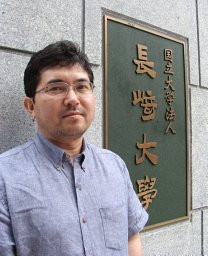 Hideki Nakayama合作论文数Graduate School of Biological Sciences, Nara Institute of Science and Technology8Mineo Shibasaka合作论文数7Nobuyuki Uozumi合作论文数Faculty of Engineering, Nagoya University7Kazuya Yoshida合作论文数7Rie Horie合作论文数6
 Sen Tran合作论文数5
 Jian Feng Ma (馬建鋒)合作论文数Group of Plant Stress Physiology, Institute of Plant Science and Resources, Okayama University5Sasano Shizuka合作论文数5Shuki Araki合作论文数5Toshiyuki Kaneko合作论文数5
 Natsuko I Kobayashi合作论文数Graduate School of Agricultural and Life Sciences, The University of Tokyo5
 Keitaro Tanoi合作论文数Graduate School of Agricultural and Life Sciences, The University of Tokyo5Katsuyuki Yamada合作论文数4Shigetoshi Oiki合作论文数4Jiye Rhee合作论文数4
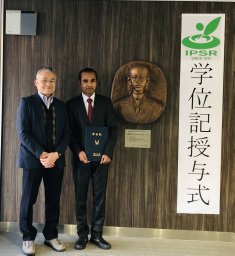 Shahin Imran合作论文数Institute of Plant Science and Resources, Okayama University4
 Mark Tester合作论文数Center of Excellence for Sustainable Food Security, Biological and Environmental Science and Engineering Division, King Abdullah University of Science and Technology;Center for Desert Agriculture, King Abdullah University of Science and Technology;The Salt Lab, King Abdullah University of Science and Technology4Nakahara Yoshiki合作论文数4Tsunehisa Hirashita合作论文数4
 Sergey Shabala合作论文数Tasmanian Institute of Agriculture, University of Tasmania;School of Biological Sciences, University of Western Australia4Dennis E. Brodsky合作论文数4Ho-Yin Leung合作论文数4
 Stephen Tyerman合作论文数School of Agriculture, Food and Wine, Faculty of Sciences, Engineering and Technology, The University of Adelaide3
 Zhong-Hua Chen (陈仲华)合作论文数School of Agriculture, Food and Wine, College of Sciences, University of Adelaide3
 Shaowu Xue (薛绍武)合作论文数College of Life Science and Technology of Huazhong Agricultural University3
 Xuan Yao (姚璇)合作论文数College of Plant Science & Technology of Huazhong Agricultural University3
 Zhichang Chen (陈志长)合作论文数College of Resources and Environment, Fujian Agriculture and Forestry University3Hatsuo Yamamura合作论文数3Masao Kawai合作论文数Faculty of Engineering, Nagoya Institute of Technology3Kei Suzuki合作论文数Matsusaka Chuo General Hospital Internal Medicine3Mutsumi Yamagami合作论文数3
 Pascal Maser合作论文数3Felix Hauser合作论文数Institute of Microbiology, Swiss Federal Institute of Technology Zurich3
 Naoki Yamaji (山地直樹)合作论文数Institute of Plant Science and Resources, Okayama University3
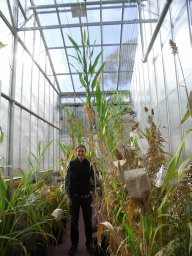 Caitlin S. Byrt合作论文数Commonwealth Scientific and Industrial Research Organization;Centre for Plant Functional Genomics;Centre for Plant Functional Genomics, Commonwealth Scientific and Industrial Research Organization3Makoto Satake合作论文数2Hidetaka Shimizu合作论文数2Wai-Yin Chan合作论文数2
 Borjana Arsova合作论文数IBG-2 - Plant Sciences, Forschungszentrum Jülich GmbH;b.arsova@fz-juelich.de.;IBG-2 - Plant Sciences, Forschungszentrum Jülich GmbH2
 Ulrich Deinlein合作论文数2Hamamoto Shin合作论文数Graduate School of Engineering, Tohoku University2
 Rana Munns合作论文数ARC Centre for Plant Energy Biology, School of Molecular Sciences, University of Western Australia2Wei Luo合作论文数2
 Majid Mahdieh合作论文数2
 Jing Che (车景)合作论文数Institute of Soil Science, Chinese Academy of Sciences2




