Figure S2 shows clinical biomarker changes including body composition, healthy eating index, paraprotein, LDL and IGF1.
Figure S4 shows change in peripheral blood CRP and inflammatory biomarkers, bone marrow cell proportions and differentially expressed genes in paired samples by BMI and microbiome diversity as well as cell interactions.
PURPOSE:Lenalidomide is integral to multiple myeloma therapy, but long-term use is frequently complicated by diarrhea, which diminishes patient quality-of-life. The pathophysiology of lenalidomide-related diarrhea (LRD) is unclear, although bile acid (BA) malabsorption has been implicated. As the gut microbiota shapes BA metabolism, we evaluated whether perturbations of the microbiota and BA pool are associated with LRD. EXPERIMENTAL DESIGN:In two prospective lenalidomide maintenance trials (NCT02538198 and NCT04497961), we profiled BAs, microbiota, dietary questionaries and patient-reported outcomes. RESULTS:Lenalidomide exposure was associated with increased fecal BA abundance; patients with LRD had enrichment of primary BAs without increased secondary BAs. LRD samples demonstrated reduced α-diversity and altered community composition, with reduced predicted BA-processing capacity. Baseline microbiota, BA and dietary profiles differed in patients who developed LRD, suggesting that pre-treatment features may influence LRD risk. CONCLUSIONS:These findings implicate impaired microbial BA metabolism as a contributor to LRD and support investigating microbiota-targeted strategies to mitigate this toxicity.
Figure S6 shows the effect of high-fiber diet on the gut microbiota composition and immune response in Vk*MYC mice.
Consumption of a Western diet and high body mass index (BMI) are risk factors for progression from premalignant phenotypes to multiple myeloma, a hematologic cancer. In the NUTRIVENTION trial (NCT04920084), we administered a high-fiber, plant-based diet (HFPBD; meals for 12 weeks, coaching for 24 weeks) to 23 participants with myeloma precursor states and elevated BMI. The intervention was feasible and improved quality of life and modifiable risk factors: metabolic (BMI, insulin resistance), microbiome (diversity, composition), and immune (inflammation, monocyte subsets). Disease progression trajectory improved (n = 2) or was stable. Findings were translated to Vk*MYC mice modeling the myeloma precursor state, in which a high-fiber diet (HFD) delayed disease progression through improved metabolism and microbiome composition, leading to increased short-chain fatty acid production that reinvigorated antitumor immunity and inhibited tumor growth. These effects from fiber consumption were independent of calorie restriction and weight loss. A HFD is a low-risk intervention that may delay progression to myeloma. SIGNIFICANCE:A HFPBD in participants with precursor plasma cell disorders and an elevated BMI improved metabolic, microbiome, and immune biomarkers of disease. In a subset, it may delay progression to myeloma. In mouse models, a HFD delayed progression to myeloma independent of calorie restriction. See related commentary by Fairfield and Reagan, p. 623.
Table S1, Plant-Based Dietary Intervention Reporting Checklist Table S2, Baseline Characteristics Table S3, Individual Participant Data Table S4, BMI, Dietary Intake and Activity Changes Table S5, Body Composition Change Table S6, Meal Examples Table S7, Adverse Events Table S8, Quality of Life by EORTC QLQ C30 Table S9, Post-Intervention Qualitative Feedback Survey Results Table S10, Feedback Comments Table S11, Case Examples of Patients with Improved Disease Trajectory Table S12, Metabolic Changes Table S13, Microbiome Changes Table S14, Immune Changes Table S15, Immune Flow Cytometry Changes Table S16, scRNAseq global cell numbers and patients with each identified cell type at baseline and W52. Table S17, Purified Diet Formulations Table S18, Standard Diet Table S19, Vk*MYC mice individual data Table S20, Human Flow Cytometry Leukocyte Panel Antibodies Table S21, Pan Leukocyte Panel Subsets Table S22, Mouse Flow Cytometry Antibodies
Figure S3 shows change in microbiome diversity, composition, top genera, top species and top butyrate producer species.
Multiple myeloma (MM), the second most common hematologic malignancy in the US, has seen improved survival with therapeutic advancements. This presents an opportunity to enhance outcomes through diet and lifestyle. Poor dietary habits and obesity are linked to adverse outcomes in MM and its precursors—monoclonal gammopathy of undetermined significance (MGUS) and smoldering multiple myeloma (SMM)—potentially mediated by intestinal dysbiosis which affects the immune microenvironment. High Healthy Eating Index (HEI) scores, which reflect better adherence to the Dietary Guidelines for Americans, are associated with reduced mortality. However, data on the dietary habits of individuals with plasma cell disorders (PCDs) remains limited. We surveyed 443 individuals with MGUS, SMM, or MM on HealthTree Cure Hub using the Block Food Frequency Questionnaire (2022- 2023). We calculated HEI scores and analyzed by age, sex, race, BMI, PCD diagnosis, and education level. We also compared participants’ scores to the general US population by age, sex, and race. Average HEI score was higher for participants (69) than for the US population (58) across all subgroups (p<0.001). Lower education was associated with lower HEI scores (p<0.001) and trended toward higher fruit and lower added sugar intake. Higher BMI trended toward lower HEI scores (p=0.052) and significantly increased fatty acid intake. Males consumed more calories with less vegetables, sodium, and fatty acid intake. Non-Hispanic Asians and Blacks consumed fewer calories but more fatty acids. MGUS and SMM participants consumed more vegetables and lower added sugar, but more sodium compared to MM patients. Individuals with PCDs have more healthful diets than the general US population. However, females, non-Hispanic Asians, non-Hispanic Blacks, individuals with higher BMIs, and those with less education may benefit from targeted dietary interventions to improve health outcomes. Kadiatou Traore, Francesca Castro, Alankrita Taneja, Elan Gorshein, Andriy Derkach, Jorge Arturo Hurtado Martínez, Edith Serrano, Alexander Lesokhin, Jennifer M. Ahlstrom, Torin Block, Jay R. Hydren, Ana M. Sahagun Sanchez Aldana, Patricia Alejandra Flores Pérez, Cynthia A. Thomson, Saad Z. Usmani, Urvi A. Shah. Dietary patterns in plasma cell disorders: Opportunities for targeted interventions [abstract]. In: Proceedings of the American Association for Cancer Research Annual Meeting 2025; Part 1 (Regular Abstracts); 2025 Apr 25-30; Chicago, IL. Philadelphia (PA): AACR; Cancer Res 2025;85(8_Suppl_1):Abstract nr 996.
Supplementary Figure S1. Volcano plot showing the difference in the relative abundance of butyrate producers between sustained MRD negative and MRD positive/non-sustained MRD negative.
Introduction Poor diet quality, elevated body mass index (BMI), insulin resistance, microbiome dysbiosis, inflammation as well as immune dysfunction have all been implicated in progression from monoclonal gammopathy of undetermined significance (MGUS) and smoldering multiple myeloma (SMM) to multiple myeloma (MM). Plant-based diets have been associated with reduced risk of MGUS and MM in epidemiological studies. Whether a dietary intervention can impact these modifiable risk factors and delay disease progression has not been investigated. Methods We conducted a pilot, single-arm trial providing controlled high fiber plant based dietary (HFPBD) intervention for 12 weeks and health coaching for 24 weeks in 20 patients with MGUS/SMM with BMI≥25 (NCT04920084). The primary endpoint was feasibility (adherence and BMI reduction). Secondary and exploratory endpoints included quality of life, metabolic markers (insulin, adiponectin, leptin, LDL cholesterol), microbiome (diversity and composition by 16S and shotgun sequencing) and immune profiling in peripheral blood (flow cytometry and Olink inflammation panel) and bone marrow (scRNAseq and ATACseq). We also conducted an in vivo study in transgenic Vk*MYC mice fed a high fiber or control diet at the phase of mouse(m)SMM. The mice were monitored for the progression to active mMM. Differences in microbiome and immune response profiles between high fiber- and control-treated mice were assessed via microbiome 16S sequencing and flow cytometry. Results The HFPBD intervention was safe, feasible, improved quality of life and addressed modifiable risk factors - metabolic profile (improved BMI, insulin resistance, adiponectin leptin ratio), microbiome profile (increased alpha-diversity and butyrate producers) and immune (decreased inflammation and increased anti-inflammatory classical monocyte) subsets. A reduction in long-term progression trajectory was observed in 2 patients. Consistently, the high fiber diet delayed progression from mSMM to mMM in Vk*MYC mice increasing median progression-free survival from 12 weeks in the control arm to 30 weeks in the high fiber diet intervention arm. Additionally, in the intervention arm 40% of mice did not progress to mMM during the study period whereas all mice in the control arm progressed. Both human and mouse data showed that HFPBD modulated gut microbiota composition favoring the expansion of butyrate-producing bacteria. Additionally, short-chain fatty acids were increased in the feces of mice fed a high fiber diet. Integrated analysis from human bone marrow and peripheral blood analysis indicated that the dietary intervention reduced inflammatory biomarkers and skewed the immune response towards T helper and CD14+ monocytes. Consistently, the bone marrow of Vk*MYC mice fed high fiber diet was more infiltrated by IFNg-producing T lymphocytes while displaying less exhausted T cells and immunosuppressive myeloid cells. Conclusion This is the first interventional clinical trial and in vivo study to show that a HFPBD intervention may delay progression from MGUS/SMM to MM. To our knowledge there has been no similar dietary interventional study in hematological cancers or solid tumors. Together our in vivo and clinical data support the beneficial anti-inflammatory role of a HFPBD providing a link between diet, microbiota, and immune modulation to delay disease progression in MGUS/SMM.
Background Colorectal cancer (CRC) is the second most lethal cancer in the United States (U.S.) with the highest incidence and mortality rates among African Americans (AAs) compared to other racial groups. Despite these disparities, AAs are the least likely to undergo CRC screening, have precancerous colorectal polyps removed, and have CRC detected at stages early enough for curative excision. In addition, compelling evidence links inflammatory dietary patterns to increased CRC and cardiovascular disease risk. Studies show that AA churches can successfully engage in health promotion activities including those related to cancer control. The current study seeks to leverage church-placed Community Health Workers (CHWs) to increase CRC screening and reduce CRC risk.Design and methods We aim to (1) increase guideline concordant CRC screening uptake using church-placed CHWs trained in screening with a validated instrument, Brief Intervention using Motivational Interviewing, and Referral to Treatment (SBIRT); and (2) reduce dietary risk factors (inflammatory dietary patterns) linked to CRC. The latter will be addressed by culturally adapting an existing, web-based lifestyle program called Alive!. Using a Hybrid Type 1 Implementation-Effectiveness cluster randomized design, we will randomize 22 AA churches into either the dual intervention arm (CHW-led SBIRT intervention plus Alive!) or a usual care arm comprised of CRC prevention educational pamphlets and a list of CRC screening sites. We will recruit 440 subjects and evaluate the effects of both arms on screening uptake (colonoscopy, fecal DNA) (primary outcome) and dietary inflammation score (secondary outcome) at 6-month follow-up, and Life Simple7 (LS7)-a cardiovascular disease (CVD) risk score-at 6 months and 1 year (secondary outcome). Finally, guided by a racism-conscious adaptation of the Consolidated Framework for Implementation Research (CFIR), we will conduct a mixed-methods process evaluation with key stakeholders to understand multi-level influences on CRC screening and CVD risk behaviors.Discussion Church-placed CHWs are trusted influential connectors between communities and health systems. Studies have shown that these CHWs can successfully implement health prevention protocols in churches, including those related to cancer control, making them potentially important community mediators of CRC screening uptake and CRC/CVD risk reduction.Trial registration NCT05174286; clinicaltrials.gov; August 31st, 2023
Background Increasingly, there is evidence supporting the benefit of healthy dietary habits during prevention, treatment, and survivorship. The median survival for patients with multiple myeloma (MM) has increased from approximately 3 to 10 years in the last decade necessitating discussions about the integration of lifestyle medicine. MM patients with healthier pre diagnosis dietary patterns have longer survival than those with less healthy diets ( Lee et al. IJC 2020). Similarly, higher adherence to the Healthy Eating Index (HEI)-2015 has been associated with reduced all-cause and cancer-specific mortality ( Shan et al. JAMA 2023). A higher HEI score has been linked to reduced risk of chronic diseases as well. However, there is a paucity of demographic data for dietary patterns in individuals with plasma cell disorders (PCDs). Therefore, we examined the dietary patterns of individuals with PCDs in comparison to the US population. Method This study used the validated Block Food Frequency Questionnaire (FFQ) to survey individuals with a known history of a PCD in HealthTree Cure Hub, a patient data portal hosted by HealthTree Foundation. The questionnaire was used to calculate HEI-2015 scores which include 13 components that reflect the recommendations in the Dietary Guidelines for Americans, 2020-2025, with higher scores indicating greater adherence to the guidelines. Fruit (cup equivalents/day), vegetable (cup equivalents/day), fiber (grams/day), and sugar (grams/day) were also calculated. Mean values were compared using the Kruskal-Wallis test across subgroups: age, sex, race, body mass index (BMI), type of PCD, and level of education. In addition, with Z-test, HEI scores from participants in this study were compared to HEI scores of the general US population from National Health and Nutrition Examination Survey (NHANES) across age, sex, and race. Results We received 152 survey responses. Older age groups, and individuals with lower BMI had higher HEI scores (p=0.003 and p=0.016, respectively). There was no difference in HEI scores based on sex, race, or type of PCD. There was a trend for higher HEI scores with higher levels of education (p=0.093). There was no significant difference when comparing fruits, vegetables, fiber, and sugar intake between different subgroups, with the following exceptions: individuals aged ≥71 years (1.85; 95% CI 1.47-2.23) had higher total fruit consumption compared to those aged 60-70 (1.41; 95% CI 1.19-1.64) and 30-59 (1.31; 95% CI 0.84-1.78) (p=0.026), and individuals with graduate or professional degrees (1.79; 95% CI 1.46-2.12) had higher total fruit consumption compared to those with bachelor's degrees (1.27; 95% CI 0.83-1.7) or below (1.36, 95% CI [1.01-1.71] ) (p=0.008). Compared to the general US population, participants with PCDs had higher HEI scores across age, sex, and race (p<0.0001). Discussion In this study, the differences in HEI scores between subgroups categorized by age and BMI are consistent with trends seen in the US population. We found that younger individuals and individuals with elevated BMIs have worse HEI scores, suggesting these subgroups may derive greater benefit from dietary interventions. Given the association between a higher education level and higher fruit consumption (and the trend towards higher HEI scores), dietary interventions should discuss affordable alternatives. The higher HEI scores in our survey compared to the US population may suggest individuals with PCDs are more aligned with the Dietary Guidelines for Americans, although there is still considerable room for improvement. This difference may be due to improvements in diet post PCD diagnosis ( Malik et al. BCJ 2022), or due to a selection bias with individuals interested in the role of nutrition or greater awareness of nutrition being more likely to participate. Additionally, many participants heard of this survey through talks on nutrition organized through their local support groups and the HealthTree Nutrition and Wellness Chapter. This difference may also be explained by the difference in the assessment method used by NHANES (24-hour dietary recall) compared to the FFQ used in this study. Conclusions Individuals with PCDs (especially younger individuals and those with an elevated BMI) may benefit from interventions to improve dietary patterns. Subsequent studies to correlate healthier diets with long-term outcomes in patients with MM need to be performed.
 Gladys Block合作论文数University of California, Berkeley;NutritionQuest, Turnaround Health23
 Andriy Derkach合作论文数Department of Biostatistics and Epidemiology, Memorial Sloan Kettering Cancer Center11
 Lesokhin Alexander M合作论文数11
 Urvi A Shah合作论文数Department of Medicine, Tufts Medical Center and Tufts University School of Medicine11Clifford Block合作论文数10
 Saad Z. Usmani合作论文数David H. Koch Center for Cancer Care, Memorial Sloan Kettering Cancer Center10
 Justin R Cross合作论文数Novartis8Mailankody Sham合作论文数Myeloma Serv, Mem Sloan Kettering Canc Ctr8
 Peled Jonathan U合作论文数Department of Cell Biology, Albert Einstein College of Medicine8Scordo Michael合作论文数8Korde Neha合作论文数8Hultcrantz Malin合作论文数Hematologiskt centrum8Hani Hassoun合作论文数8Jean Norris合作论文数7
 Heather J. Landau合作论文数David H. Koch Center for Cancer Care, Memorial Sloan Kettering Cancer Center7
 Sergio A. Giralt合作论文数Division of Hematologic Malignancies, Memorial Sloan Kettering Cancer Center;Weill Cornell Medical College, Memorial Sloan Kettering Cancer Center7
 Oscar Lahoud合作论文数7Devin McAvoy合作论文数6Kylee H. Maclachlan合作论文数Mem Sloan Kettering Canc Ctr, Dept Med, Myeloma Serv, 1275 York Ave, New York, NY 10021 USA6
 Marcel Van Den Brink合作论文数City of Hope National Medical Center;City of Hope Cancer Center;DKMS Gemeinnützige GmbH6
 C. Ola Landgren合作论文数Division of Myeloma, Department of Medicine, Miller School of Medicine, University of Miami;Sylvester Comprehensive Cancer Center, University of Miami6
 Gunjan L. Shah合作论文数David H. Koch Center for Cancer Care, Memorial Sloan Kettering Cancer Center6Carlyn Tan合作论文数5
 Peter A. Adintori合作论文数Adult Bone Marrow Transplant Serv, Mem Sloan Kettering Canc Ctr5
 Azar Kristen M J合作论文数Palo Alto Medical Foundation Research Institute5
 David Chung合作论文数Northwell Health Cancer Institute5Kinga K. Hosszu合作论文数5
 Latha Palaniappan合作论文数Division of Cardiovascular Medicine, School of Medicine, Stanford University;Stanford Biobank5Aishwarya Anuraj合作论文数4Susan DeWolf合作论文数4Dhwani Patel合作论文数4
 Ana Gradissimo合作论文数Albert Einstein Coll Med, Dept Pediat Genet Med, Bronx, NY 10467 USA4
 Romanelli Robert合作论文数Palo Alto Medical Foundation Research Institute4
 Ying Taur合作论文数Memorial Sloan Kettering Cancer Center4
 Susan Chimonas合作论文数Center on Medicine;Columbia University;Aetna , Inc;Aetna , Inc, Columbia University4Sydney X. Lu合作论文数4Francesca Castro合作论文数3Edith Serrano合作论文数3Jenna Blaslov合作论文数3Meghan Salcedo合作论文数3Amanda Ciardiello合作论文数3
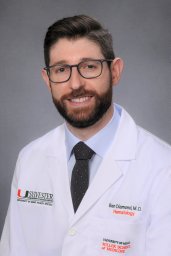 Benjamin Diamond合作论文数Sylvester Comprehensive Cancer Center, University of Miami3
 Alankrita Taneja合作论文数Dept Med, Roswell Pk Comprehens Canc Ctr3
 Elan Gorshein合作论文数Internal Medicine, Yale School of Medicine, Yale University3
 Teng Fei (费腾)合作论文数College of Life and Health Sciences, Northeastern University3
 Neil M. Iyengar合作论文数Memorial Sloan Kettering Cancer Center3
 Anita Souza合作论文数School of Nursing, University of Washington3Hopkins Donald合作论文数3
 Michael Pollak合作论文数Gerald Bronfman Department of Oncology, Faculty of Medicine and Health Sciences, McGill University;Division of Cancer Prevention, Segal Cancer Centre, Jewish General Hospital3




