Topology can be constructed using a collection known as a subbasis or basis with remarkable characteristics. Recently, there has been growing interest in the problem of reconstructing topology from graph vertices, which involves concepts such as incident, adjacent, block, and maximal-block topologies. This paper introduces the new concept of graph-induced topology, which extends the idea of topologies derived from connected simple undirected graphs. The paper thoroughly examines various properties related to separation axioms in graph-induced topological spaces and introduces a novel concept of weak-separation axioms for these topological spaces. The presented properties are supported by rigorous mathematical arguments and accompanied by apparent counterexamples to illustrate their validity.
In recent years, visual cancer information retrieval using Artificial Intelligence has been shown to be effective in diagnosis and treatment. Especially for a modern liver-cancer diagnosis system, the automated tumor annotation plays a crucial role. So-called tumor annotation refers to tagging the tumor in Biomedical images by computer vision technologies such as Deep Learning. After annotation, the tumor information such as tumor location, tumor size and tumor characteristics can be output into a clinical report. To this end, this paper proposes an effective approach that includes tumor segmentation, tumor location, tumor measuring, and tumor recognition to achieve high-quality tumor annotation, thereby assisting radiologists in efficiently making accurate diagnosis reports. For tumor segmentation, a Multi-Residual Attention Unet is proposed to alleviate problems of vanishing gradient and information diversity. For tumor location, an effective Multi-SeResUnet is proposed to partition the liver into 8 couinaud segments. Based on the partitioned segments, the tumor is located accurately. For tumor recognition, an effective multi-labeling classifier is used to recognize the tumor characteristics by the visual tumor features. For tumor measuring, a regression model is proposed to measure the tumor size. To reveal the effectiveness of individual methods, each method was evaluated on real datasets. The experimental results reveal that the proposed methods are more promising than the state-of-the-art methods in tumor segmentation, tumor measuring, tumor localization and tumor recognition. Specifically, the average tumor size error and the annotation accuracy are 0.432 cm and 91.6%, respectively, which suggest potential for reducing radiologists’ workload. In summary, this paper proposes an effective tumor annotation for an automated diagnosis support system. Clinical and Translational Impact Statement—The proposed methods have been evaluated and shown to significantly improve the efficiency and accuracy of liver tumor annotation, reducing the time required for radiologists to complete reports on tumor segmentation, liver partition, tumor measuring and tumor recognition. By integrating into existing clinical decision support systems, it has the potential to reduce diagnostic errors and treatment delays, thereby improving patient outcomes and clinical workflow.
Recently, image inpainting has been proposed as a solution for restoring the polluted image in the field of computer vision. Further, face inpainting is a subfield of image inpainting, which refers to a set of image editing algorithms re-conducting the missing regions in face smoothly. Actually, face inpainting is more challenging than general image inpainting because it needs more face structure information. Although a number of past studies were proposed for face inpainting by using face segmentation, face edge and face topology, there is some important information ignored, such as geometric and symmetric properties. Based on such concepts, in this paper, we propose a two-stage face inpainting method called CGAN (Conditional Generative Adversarial Network) which integrates face landmarks and Generative Adversarial Network (called GAN). In the first stage, the face landmark is predicted as the condition, providing GAN with important information of geometry and symmetry. The main idea in this stage is to dynamically adjust the loss by the proposed view degree. Accordingly, the masked face image and the corresponding face landmark are used as conditions input to the GAN in the second stage. Finally, the missing-regions are inpainted by the proposed CGAN. To reveal the effectiveness of proposed method, a number of evaluations were conducted on real datasets. The experimental results show that, the proposed method predicts a better face landmark by information of geometric structures and symmetric outlooks, and thereupon the proposed CGAN reconstructs the missing regions superior to the compared methods.
In this study, we develop an innovative federated framework for erasable itemset mining to address the challenges of horizontal federated learning in data mining and resolve the shortcomings of the previous algorithm. The framework is based on a client-server architecture, in which clients from multiple data sources collaborate to effectively integrate information. The proposed algorithm is divided into two parts, including the client-side mining and the server-side aggregation. During the client-side mining stage, the algorithm introduces quasi-erasable itemsets to collect additional useful information, facilitating the integration of results on the server side. In the server-side aggregation stage, the algorithm employs a boundary strategy, effectively utilizing the clients' quasi-erasable and erasable itemsets to improve the accuracy of the results. Experimental results demonstrate that the proposed method not only effectively mines complete knowledge but also ensures data-privacy protection.
Erasable itemset mining is one of the most well-known methods in data mining for optimizing limited materials. After mining erasable itemsets, the manager can rearrange the production plan effectively. However, in real applications, traditional mining methods neglect some critical factors, such as costs or quantities of components forming a product. This thesis thus considers mining erasable itemsets from a product database with quantitative components. An erasable profit-based itemset mining (EPIM) algorithm is proposed to mine erasable itemsets with low profits by analyzing the relationships between products and components. In experiments, a synthetic dataset was used to compare the performance in execution speed and memory usage under various threshold settings. It can also be easily generalized to find erasable itemsets satisfying the other criteria with a quantitative product database.
Erasable-itemset mining plays a crucial role in the research field of manufacturing, especially in helping identify materials with lower profits in product datasets, providing important bases for managers to make wiser decisions. In today's information age, how to share data within a secure framework has become a significant issue. To address this challenge, this paper combines the concepts of federated learning and data mining, particularly in erasable-itemset mining, to propose a federated mining framework. The unique aspect of this framework is that it can effectively mine erasable itemsets from multiple dispersed datasets without the need for direct data sharing. This not only enhances processing efficiency but also protects the privacy of data owners. Our proposed algorithm covers two main steps: client-side mining and server-side data aggregation. Experiments show that our method, while ensuring data security, successfully obtains partial mining results, proving its practicality and effectiveness.
In the past, face-landmark prediction works, less optimization was forced on the non-masked face, and most focused on the full face. In this paper, we propose a method to improve the effectiveness of neural network training through Mask-Coefficient based on the proportion of the masked face. We predict facial feature points by training a Regular Network model. During the training process, the penalty value of the loss function is adjusted according to the percentage of the face being occluded, thereby enhancing the model's ability to predict occluded facial images. Finally, we demonstrate the effectiveness of the proposed method through several metrics under different mask ratios and publish several practical examples for verification. The experimental results of inter-eye normalization (ION) and inter-pupillary normalization (IPN) measurements for face feature point prediction are better than previous methods.
In this paper, we study the scheduling problem of semiconductor-product thermal cycling tests (TCT), in which a batch of TCT test orders is issued to a testing machine. Each test order contains one or several test items, each with its own parameter conditions that must be satisfied. A machine has its capacity and overall equipment effectiveness (OEE). Additionally, order priorities are also considered. We propose a genetic-algorithm-based grouping scheduling method that handles grouping and scheduling at the same time with the objective of minimizing lateness. It groups genes and encodes chromosomes with variable lengths. Furthermore, to evaluate each chromosome, we propose a fitness function that simultaneously considers the delay time, number of test items, priority sequence, and equipment effectiveness rate. We also discuss strategies to eliminate non-feasible solutions after genetic operations. The effectiveness of the proposed method is validated through experiments using simulated production data and is compared against traditional methods. The experimental results for data with different densities of orders (off-peak season and peak season) show that the proposed method outperforms the others under the different types of orders.
Over the past few years, Artificial Intelligence has achieved significant performance in many fields. In artificial intelligence techniques, deep neural networks have experienced rapid development recently. They have particularly excelled in image recognition, natural language processing, and speech recognition. Deep neural networks simulate how the human brain learns and recognizes objects. By providing sufficient training data, it automatically learns the hidden information in the data. However, it is common to encounter imbalanced data in real-world applications, where the quantities of data for different classes are uneven. This can make the model biased towards majority classes when making predictions. Therefore, this paper proposes two data augmentation methods by using a generative neural network based on Fourier feature mapping to generate images for data augmentation. We first The first approach primarily focuses on enhancing the diversity of image details to augment the data. The second approach primarily focuses on improving the diversity of image structures to augment the data. We also analyze the settings of the weights for the generated images. In experiments, we use a public benchmark dataset to evaluate the effectiveness of the proposed approach. The results reveal the proposed method really achieves high-quality of data augmentation.
With the rapid advancement of technology, the electronics industry has flourished in recent decades. Electronic products such as computers, mobile phones, and smart televisions are ubiquitous in our daily lives. In the design, manufacturing, and maintenance processes of electronic products, a large number of electronic components are required. The relevant information of these components is usually recorded in the tables of electronic component specifications. In this paper, we design methods to recognize and extract contents from tables, which typically contain vital information about electronic components, such as their characteristics and packaging methods. Our approach utilizes text processing techniques to structurally process and analyze the extracted table content, enabling us to obtain the specific information we need. We categorize tables in PDFs into different types and explore relevant information from them using the procedure of each type. The experimental results demonstrate that our method can achieve a high accuracy rate of over 90
Spherical neutrosophic (SN) numbers, constraining truth, indeterminacy, and falsity within the spherical condition provide a method that flexibly handles uncertainty in decision-making. This study focuses on proposing new general operations and aggregation operators for SN numbers with reliable mathematical frameworks. Furthermore, integrating SN numbers with the EDAS (Evaluation based on the Distance from Average Solution) technique presents a novel approach to multi-criteria decision-making to create a new algorithm, SN-EDAS. This combination promotes theoretical and practical advancements in handling uncertain situations and improves the evaluation process for complex criteria. It provides a more adaptable, perceptive, and robust decision-making procedure. The efficacy and potential of the proposed approach to revolutionize decision-making in intricate and unpredictable situations are demonstrated by experimental evaluations.
Trading strategies are usually employed to find trading signals for maximizing return and reducing risk as well. As a result, many approaches have been proposed for obtaining a trading strategy portfolio (TSP). An existing optimization approach has been proposed for generating an appropriate TSP based on the given technical indicators. However, the diversity of the generated TSP should be enhanced because the financialmarket can be influenced by various factors. Therefore, taking the concept of a technical indicator pool (TIP) into consideration, an enhanced optimization algorithm is proposed to generate more potential candidate trading strategies for increasing the diversity of a TSP using the memetic algorithm. To reach this goal, a new fitness function that can make the genetic makeup of each more diverse is designed. At last, experiments were made on the real datasets to show the effectiveness of the proposed approach.
In this big-data era, data mining is beneficial in many industries. Given the important role of each item’s utility value, utility mining has become more and more attractive in many fields. Applied to data mining methods, fuzzy-set theory makes mined results easier to understand by using linguistic terms. However, data usually arrive intermittently, and users may want to access the current mined results at any time, not just after all the data have been collected. This work thus focuses on utility mining in incremental databases using tree structures. We propose a maintenance approach for high fuzzy utility itemsets based on pre-large itemsets and upper bounds to shorten execution time. We also compare the proposed maintenance approach with our previous approach based on the FUP strategy as well as one based on batch re-mining. Experimental results show the proposed pre-large-based algorithm yields the shortest execution time of the three tree-based approaches.
In this paper, a decision-making problem with a q-rung orthopair fuzzy hypersoft environment is developed, and two operators of ordered weighted average and induced ordered weighted average are developed. Several fundamental features are also derived. The induced ordered weighted average operator is essential in a q-ROFH environment as the induced ordered aggregation operators are special cases of the existing aggregation operators that already exist in q-ROFH environments. The main function of these operators is to help decision-makers gain a complete understanding of uncertain facts. The proposed aggregation operator is applied to a decision-making problem, with the aim of selecting the most promising real estate project for investment.
Stock portfolio optimization is always an interesting and attractive research problem due to the variety of stock markets. To find a useful stock portfolio, metaheuristic-based approaches have been presented to obtain diverse group stock portfolios (DGSPs) by considering the diversity of stock portfolios in the past. However, in the existing DGSP algorithms, two problems remain to be solved. The first is how to set a suitable group size, and the second is that the evolution process is time-consuming. To solve these problems, in this paper, an approach using grouping genetic algorithms (GGAs) was proposed for optimizing a DGSP. For setting a suitable group size, the proposed approach utilized two attributes of group stocks, including the return on equity and the price/earnings ratio. Then, to derive better stock groups, a cluster validation factor was designed, which was used as part of a fitness function. To solve the time-consumption problem, using the designed temporary chromosome, the number of stock portfolios that need to be evaluated could be reduced in the proposed approach to speed up the evolution process. Finally, experiments on two real stock datasets containing 31 and 50 stocks were conducted to show that the proposed approach was effective and efficient. The results indicated that the proposed approach could not only achieve similar returns but also accelerate the evolution process when compared with the existing algorithms.
In this paper, we address the common features of horizontal federated learning in data mining and propose a federated mining framework, which adopts a client-server model that cooperates with multiple data-source clients. The proposed algorithm handles client-side mining and server-side aggregation. For client-side mining, the algorithm uses prelarge itemsets to collect additional information for the server to integrate the clients' local mining results. For server-side aggregation, the algorithm considers the characteristics of large and prelarge itemsets sent from the clients and use a boundary strategy for integration. Experiments show that our method acquires the complete mined results while protecting data.
Fuzzy utility mining considers high-utility fuzzy itemsets as valuable knowledge by integrating quantities of items, their profits, and meaningful fuzzy terms derived by quantities according to membership functions. In fuzzy utility mining, the utility value of a fuzzy itemset in a transaction will always be greater than or equal to those of its subsets, so the measurement of fuzzy utility is an unfair evaluation method. Therefore, the fuzzy average-utility mining problem was issued in 2020, and three solutions were proposed to solve fuzzy average-utility itemsets as two-phase fuzzy average-utility algorithm (TPFAU), two-phase method with tree-based structure (HFAUIM) and one-phase approach with tree-based structure (FHFAUIM), respectively. The second and third methods decrease the candidates generated compared to the first. However, the sorting strategy for mining steps for the last two approaches is based on the frequencies of items in a database and then inserting items of a transaction into a tree in descending order of their frequencies, thus spending more computing time on deriving the actual fuzzy utility value of itemsets. To overcome the above-mentioned problem, this paper adopts a different sorting strategy with a tree-based structure and then by using it to design an algorithm named IFHFAUIM to mine high fuzzy average-utility itemsets. It reduces the storage of required fuzzy utility values in tree nodes and recovers them through tree traversal. Computational experiments show that the proposed method could make a good trade-off between execution time and memory usage.
Erasable-itemset mining has become a popular research topic and is usually used for product production planning in the industry. If some products in a factory may be removed without critically affecting production profits, the set composed of them is called an erasable itemset. Erasable-itemset mining is to find all the removable material sets for saving funds. This paper extends the concept of erasable itemsets to consider customer behavior with a sequence of orders. We consider the scenario that when an item (material) is not purchased, a product using that material cannot be manufactured, and clients will cancel all their orders if at least one such order exists. We propose a modified erasable-itemset mining algorithm for solving the above problem. Finally, experiments with varying thresholds are conducted to evaluate the execution time and mining results of the proposed algorithm considering customer behavior.
The picture fuzzy set was introduced by Coung. It is a generalization of the intuitionistic fuzzy set, giving the notion of neutral membership degrees along with the positive and negative ones. Lie groups and Lie algebras have become indispensable for a lot of fields in mathematical and intellectual physics. In 1872, Lie began his work in the field of continuous transformation groups, later named after him as Lie groups. These have become a fundamental body of interest in themselves. In this paper, the authors presented the notion of the picture fuzzy Lie algebra, picture fuzzy Lie sub-algebra, ideal, and homomorphism. Derived and lower central series of picture fuzzy Lie ideals are constructed to define and analyse solvable and nilpotent picture fuzzy Lie ideals.
 Shyue-Liang Wang合作论文数120
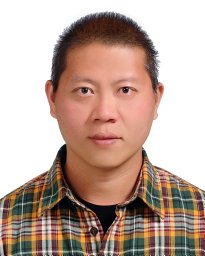 Chun-Hao Chen合作论文数Department of Computer Science and Information Engineering, National Cheng-Kung University90
 Jerry Chun-Wei Lin合作论文数Department of Computer Science, Electrical Engineering and Mathematical Sciences, Western Norway University of Applied Sciences83
 Lin Chun-Wei合作论文数71
 Guocheng Lan合作论文数Natl Cheng Kung Univ, National Cheng-Kung University64
 Vincent S. Tseng (Vincent Shin-Mu Tseng) (曾新穆)合作论文数Department of Computer Science, National Yang Ming Chiao Tung University;Institute of Data Science and Engineering, College of Computer Science, National Yang Ming Chiao Tung University56
 Wen-Yang Lin合作论文数National University of Kaohsiung;Dept. of Computer Science and Information Engineering, 41
 Philippe Fournier-Viger合作论文数Big Data Institute, College of Computer Science and Software Engineering, Shenzhen University37
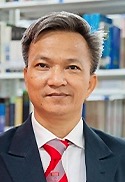 Bay D. Vo合作论文数Faculty of Information Technology, Ho Chi Minh City University of Technology36
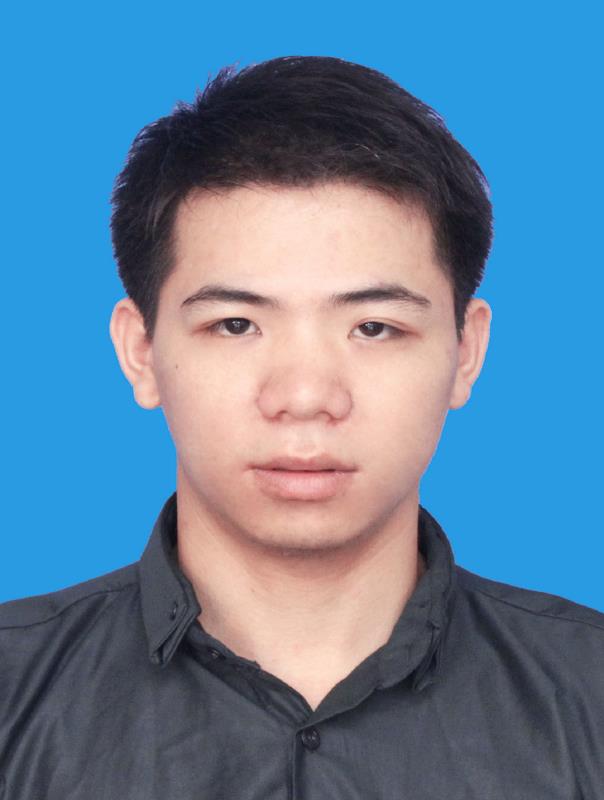 Wensheng Gan (甘文生)合作论文数College of Cyber Security, Jinan University35
 Shian-Shyong Tseng (曾憲雄)合作论文数Department of M-Commerce and Multimedia Applications, College of Artificial Intelligence, Asia University31
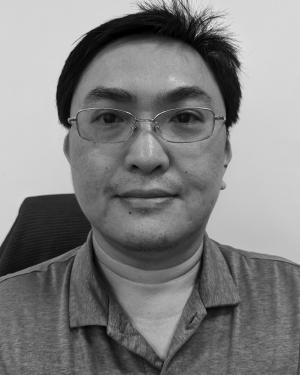 Yeong-Chyi Lee合作论文数28Yu-Chuan Tsai合作论文数26
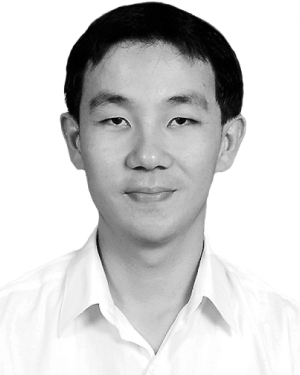 Ja-Hwung Su合作论文数26
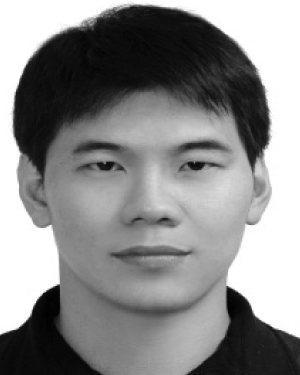 Wei-Ming Huang合作论文数23Wen-Hsiang Lu (盧文祥)合作论文数Multilingual Intelligent Mind Service Lab, Department of Computer Science and Information Engineering, College of Electrical Engineering and Computer Science, National Cheng Kung University;Institute of Medical Informatics, College of Electrical Engineering and Computer Science, National Cheng Kung University19
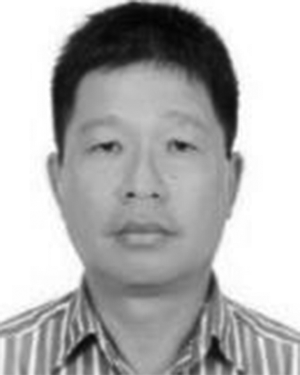 Bac Le合作论文数18
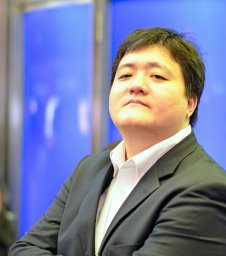 I-Hsien Ting合作论文数Department of Information Management, National University of Kaohsiung17Min-Thai Wu合作论文数16
 Hung-Yu Kao (高宏宇)合作论文数National Cheng Kung University15Yulung Wu合作论文数Commerce, Takushoku University14
 Been-Chian Chien合作论文数Department of Computer Science and Information Engineering, National University of Tainan14Sl Wang合作论文数13
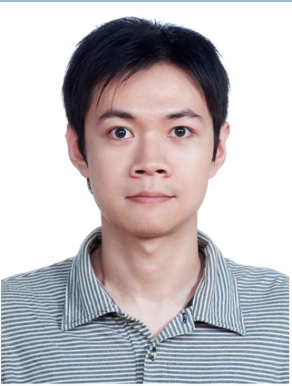 Cheng-Ming Huang合作论文数Department of Electrical Engineering, National Taiwan University of Science and Technology13Ching-Yao Wang合作论文数13
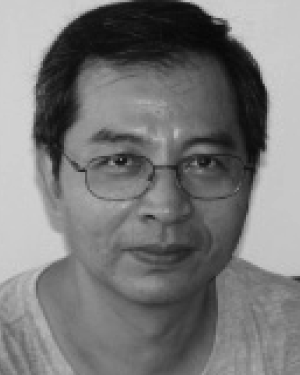 Ming-Chao Chiang合作论文数Department of Computer Science and Engineering, National Sun Yat-sen University12
 Shing-Tai Pan合作论文数12Chan-Sheng Kuo合作论文数11
 Loan T. T. Nguyen合作论文数VOV College11Shu-Min Li合作论文数Natl Sun Yat Sen Univ, Dept Comp Sci & Engn, Kaohsiung, Taiwan10Ching-Hung Wang合作论文数10bc chien合作论文数9
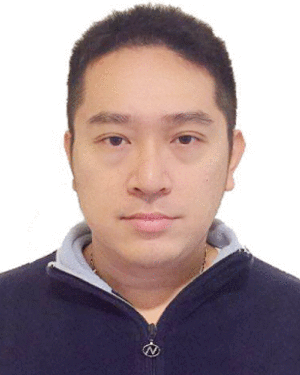 Jimmy Ming-Tai Wu合作论文数Shandong Univ Sci & Technol, Coll Comp Sci & Engn, Qingdao, Shandong, Peoples R China9
 Shi-Jinn Horng合作论文数Dept. of Computer Science and Information Engineering, National Taiwan University of Science and Technology9
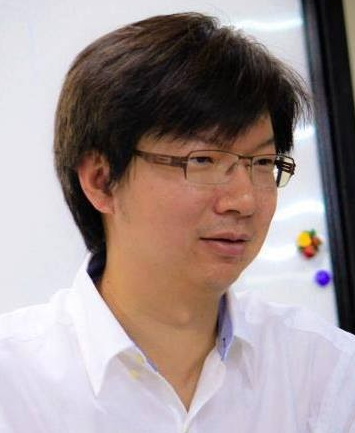 Chun-Wei Tsai合作论文数Department of Computer Science and Engineering, National Sun Yat-sen University9Tzu-Ting Wang合作论文数9S. R. Kannan合作论文数8
 Jiann-Horng Lin合作论文数Department of Information Management, I-Shou University8
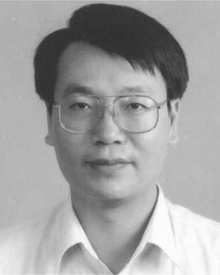 Gwoboa Horng合作论文数Dept Comp Sci & Engn, Natl Chung Hsing Univ8Wei-Chou Chen合作论文数8Kuei-Ying Lin合作论文数7Tien-Chin Wang合作论文数7Tsung-Ching Lin合作论文数7
 Yu-Hui Tao合作论文数Department of Information Management, National University of Kaohsiung7
 Justin Zhan合作论文数7Kung-Jiuan Yang合作论文数7Ss Tseng合作论文数6Hsin-Yi Chen合作论文数6Ting Li合作论文数School of Computer Science and Technology, Harbin Institute of Technology, Shenzhen Graduate School, Shenzhen, China6




