The CFETs can provide high-performance characteristics with significant area reduction for angstrom technology nodes. However, mobilities between n/p FETs need to be considered for the performance balance of CMOS. This paper introduces heterogeneous and hetero-orientational CFETs using wafer bonding and layer-transfer techniques.
In this study, we demonstrate amorphous indium-gallium-zinc oxide ( alpha -IGZO) radio frequency (RF) thin film transistors (TFTs) with sub-100 nm gate-all-around-like (GAA-like) gate and fin width down to 60 nm. The direct current (dc) and high frequency (HF) performance impacted by the device structure of are investigated in detail including double gate length ( L-DG ), top/bottom gate length ( L-TG / L-BG ), source/drain distance ( D-SD ), and fin width ( W-CH ). The results show that the influence of D-SD and L-TG are highly related to sulfur-hexafluoride (SF (6) ) etching process during top gate definition. Besides, single-channel design has better both dc and HF performance owing to lower interface trap and capacitance, respectively. With the appropriate device architecture, alpha -IGZO GAA-like TFTs perform a high on/off ratio ( I-on / I-off ) > 10 (11) , a steep subthreshold swing (S.S.) of 81.25 mV/dec, a high transconductance ( gm ) of 30.89 mu S/ mu m, a high on-state current (I on ) of 100.26 mu A/ mu m under V-DS = 1 V, and recorded cutoff frequency ( f(T) ) of 2.09 GHz at V-DS of 2 V.
Abstract It is more and more common that people ask questions on the web and seek suggestion before visiting medical institutions. These corpus resources may be valuable for further research on natural languages processing for Medicine. Amazon provided a service called “Amazon Comprehend Medical” that could help medical experts to extract six kinds of the important terms from the articles. In this research, we proposed a medical entity recognition model to identify ten medical entity terms. A semi-auto annotation system was also developed to extract medical entity terms from the questions. The expected result shows that the annotation system could reduce 40% labeling time and provides a tagging interface to add medical entity terms manually.
Germanium–tin (GeSn) epitaxy layer was prepared on an 8-in SOI wafer with a Ge buffer layer. The etching rates of different solutions for the GeSn layer were investigated. The ammonia peroxide mixture can remove the Ge buffer layer with high efficiency and selectivity to the GeSn layer. Heated ammonia solution is able to etch the Si layer without damaging the GeSn layer significantly. The two-step etching process developed in this study is conducive to achieving GeSn nanowires (NWs) by selectively etching the Ge buffer and Si bottom layers. GeSn NWFETs were fabricated and measured. The strain of the GeSn NW channels is preserved with the optimized fabrication process proposed in this study.
In view of the lack of overall specialized design services for harbour recreation in Taiwan nowadays, various marine recreational activities and marine scenic spots haven’t yet been planned and developed in the integration of services around the city and harbour. As there are not many state-of-the-art products and application services, and Taiwan’s harbour leisure services-related industries are facing the challenge of digital transformation. Institute for Information Industry proposed an innovative “Smart Future Recreational Harbour Application Service” project, taking Kaohsiung Asia’s New Bay Area as the main field of demonstration, Using multi-source knowledge graph integration and inference technology to recommend appropriate recreational service information, as a result, tourists can enjoy the best virtual reality intelligent human-machine interactive service experience during their trip.
Currently, there are three major issues to tackle in Chinese-to-Taiwanese machine translation: multi-pronunciation Taiwanese words, unknown words, and Chinese-to-Taiwanese grammatical and semantic transformation. Recent studies have mostly focused on the issues of multi-pronunciation Taiwanese words and unknown words, while very few research papers focus on grammatical and semantic transformation. However, there exist grammatical rules exclusive to Taiwanese that, if not translated properly, would cause the result to feel unnatural to native speakers and potentially twist the original meaning of the sentence, even with the right words and pronunciations. Therefore, this study collects and organizes a few common Taiwanese sentence structures and grammar rules, then creates a grammar and semantic correction model for Chinese-to-Taiwanese machine translation, which would detect and correct grammatical and semantic discrepancies between the two languages, thus improving translation fluency.
This study fabricated and verified a germanium (Ge) fin field-effect transistor (FinFET) on developed GeSOI platform. The Ge FinFETs were demonstrated for radio-frequency (RF) applications with a harmonic radar tag. The relation between the detection range (Rd), received power (Pr), and threshold voltage (Vth) of a diode was qualitatively discussed. To meet the requirement of a low Vth, two kinds of Ge FinFETs with different metal gates were fabricated and compared. After the evaluation of electrical characteristics of n-type and p-type Ge FinFETs with different fin numbers, a tag for harmonic radar was designed by integrating diode-connected TiN gate 1-fin Ge FinFETs (Vth = 0.1 V) with a high impedance antenna. The RF performance was evaluated at 9.4 GHz and 18.8 GHz. The results indicated a 50 % improvement in the Rd as compared to the tag using a commercial Schottky diode. Therefore, the proposed low-Vth Ge FinFET on developed GeSOI platform for complementary metal–oxide–semiconductor (CMOS) is promising for high-sensitivity harmonic radar applications.
In this article, heterogeneous complementary field-effect-transistor (CFET) constructed by vertically stacking amorphous indium gallium zinc oxide (a-IGZO) n-channel on poly-Si p-channel with their own dielectric layer and work function metal gate inverters were demonstrated. Meanwhile, high-frequency IGZO radio frequency (RF) devices with poly-Si as guard ring material simultaneously were fabricated in the same process. High ${f}_{\text {T}}$ and ${f}_{\text {max}}$ IGZO Radio Frequency Integrated Circuits (RFICs) with the excellent on–off ratio need to be promoted by introducing fluorine-based gas. For the IGZO device in CFET, its threshold voltage can be tuned by the adjusted gate for ideal inverter operation at different supply voltage ( ${V}_{\text {DD}}$ ). Moreover, the swing of the IGZO transistor and the gain extracted from voltage transfer characteristic (VTC) curves can also be improved when the controlled gate and adjusted gate are connected as an input terminal, but the ${V}_{\text {TH}}$ tunability for the inverter is satisfied in the meantime. We also simulated 6T-SRAM circuit by SPICE model to further investigate the potential of an adjusted gate for optimizing the noise margin during SRAM operation.
Abstract In recent years, reports of suicide have continuously increased due to people suffering from tremendous pressure or depression. According to World Health Organization (WHO), globally, 5% of adults suffer from mental disorders. This kind of mental disorder is difficult to diagnose and detect. In our previous works, we proposed a Negative Emotion Evaluation (NEE) model and an Event-Driven Depression Tendency Warning (EDDTW) model to detect depressive moods in advance. In this work, we combine the previous models to propose a Hybrid Depressive Mood Analysis (HDMA) model to predict depression from web posts. The experimental results show that our proposed hybrid depressive mood analysis model obtains over 70% precision.
The spreading of information and communication technology and mobile applications in our everyday contexts retrieve attention to UI/UX design. The education field attempted to train qualified UI/UX professionals to address the job market. However, there is a visible gap between the requirements of education and of professionalization in the job market. The interdisciplinary collaboration and communication with other team members from different fields play a cortical role in UI/UX education. To address the needs, we apply the concept of mutual learning in participatory design practices to design a UI/UX curriculum to enhance students' capacity in interdisciplinary collaboration. We conduct a pilot study to test the mutual learning course design in a joint course of graduate students from industrial design and computer science fields. Students were teamed up for a design project. In the class, they helped their teammates from different fields learn their domain knowledge and the thinking model of problem-solving. At the end of the course, we conducted interviews of twelve students in the course and collected their feedback on the mutual learning course design. The results showed that mutual learning benefited interdisciplinary communication and enabled the students to empathize with their team members of professions.
Objective: The purpose of this study was to evaluate the effect of a web-based survivorship care plan (SCP) computerized application (APP): (SCP-A) on women's unmet needs, fear of recurrence, symptom distress, anxiety, depression, and quality of life (QoL). Methods: Women diagnosed with breast cancer, who had completed their primary treatment but less than 5 years without a sign of recurrence (N = 165) were randomized to a SCP-A or a control group. Self-reported questionnaires were completed by the both groups at baseline (T0), 5 weeks (T1), 3 months (T2), 6 months (T3), and 12 months (T4). Results: Controlling for relevant covariates, mixed effect model analyses revealed a significant decrease in women in the SCP-A group compared to the control group for total unmet needs since T3 (p <.004) and fear of recurrence since T4 (p = .02). Women in the SCP-A group also reported significant improvements in QoL at T4 (p < .001) relative to those in the control group. Conclusion: Providing SCP using an information website application for women with breast cancer can decrease unmet needs, fear of recurrence, and improve quality of life during short-term and long-term use. Practice Implications: Web-based information that provides survivorship care plans for breast cancer survivors are beneficial. (C) 2019 Elsevier B.V. All rights reserved.
Posting articles on the social platform is the favorite activity of young people. With the potential of digital movie and tv series industry, developing an automatic movie recommendation engine becomes a popular issue. Traditionally movie recommendation is based on structured information like director, players, rough class, etc. Recently, there are more and more researches trying to make a recommendation based on context information like music recommendation based on lyrics with the word vector representation. However, in the long text scenario, the recommendation based on all context vector makes the inference very imprecise.In this paper, we propose effective features types, relationships, and scenarios, to extract important information then improve the recommendation. Furthermore, comparing different pre-training model, we try to maximize the effectiveness of semantic understanding and make the recommendation be able to reflect meticulous perception on the relationship between social media articles and movie plot.
n recent years, reports of suicide have continuously increased because of people suffering from tremendous pressure or depression. Depression is listed as the third highest health issue from the World Health Organization. They also predict that depression will become the second highest issue by 2020. This kind of mental illness is difficult to diagnose and detect. In our previous works, we proposed a Negative Emotion Evaluation (NEE) model and an Event-Driven Depression Tendency Warning (EDDTW) model to early detect depressive moods. In this work, we combine the previous models to propose a Hybrid Depressive Mood Analysis (HDMA) model to predict the depression from web posts. The experimental results show that our proposed hybrid depressive mood analysis model obtains over 70% precision.
Nowadays, due to the explosive growth of web content and usage, users deal with their complex search tasks by web search engines. However, conventional search engines consider a search query corresponding only to a simple search task. In order to accomplish a complex search task, which consists of multiple subtask search goals, users usually have to issue a series of queries. For example, the complex search task “travel to Dubai” may involve several subtask search goals, including reserving hotel room, surveying Dubai landmarks, booking flights, and so forth. Therefore, a user can efficiently accomplish his or her complex search task if search engines can predict the complex search task with a variety of subtask search goals. In this work, we propose a complex search task model (CSTM) to deal with this problem. The CSTM first groups queries into complex search task clusters, and then generates subtask search goals from each complex search task cluster. To raise the performance of CSTM, we exploit four web resources including community question answering, query logs, search engine result pages, and clicked pages. Experimental results show that our CSTM is effective in identifying the comprehensive subtask search goals of a complex search task.
Conventional search engines usually consider a search query corresponding only to a simple task. Nevertheless, due to the explosive growth of web usage in recent years, more and more queries are driven by complex tasks. A complex task may consist of multiple sub-tasks. To accomplish a complex task, users may need to obtain information of various task-related entities corresponding to the sub-tasks. Users usually have to issue a series of queries for each entity during searching a complex search task. For example, the complex task "travel to Beijing" may involve several task-related entities, such as "hotel room," "flight tickets," and "maps". Understanding complex tasks with task-related entities can allow a search engine to suggest integrated search results for each sub-task simultaneously. To understand and improve user behavior when searching a complex task, we propose an entity-driven complex task model (ECTM) based on exploiting microblogs and query logs. Experimental results show that our ECTM is effective in identifying the comprehensive task-related entities for a complex task and generates good quality complex task names based on the identified task-related entities.
Objective: The Internet has become a platform to express individual moods/feelings of daily life, where authors share their thoughts in web blogs, micro-blogs, forums, bulletin board systems or other media. In this work, we investigate text-mining technology to analyze and predict the depression tendency of web posts.Methods: In this paper, we defined depression factors, which include negative events, negative emotions, symptoms, and negative thoughts from web posts. We proposed an enhanced event extraction (E3) method to automatically extract negative event terms. In addition, we also proposed an event-driven depression tendency warning (EDDTW) model to predict the depression tendency of web bloggers or post authors by analyzing their posted articles.Results: We compare the performance among the proposed EDDTW model, negative emotion evaluation (NEE) model, and the diagnostic and statistical manual of mental disorders-based depression tendency evaluation method. The EDDTW model obtains the best recall rate and F-measure at 0.668 and 0.624, respectively, while the diagnostic and statistical manual of mental disorders-based method achieves the best precision rate of 0.666. The main reason is that our enhanced event extraction method can increase recall rate by enlarging the negative event lexicon at the expense of precision. Our EDDTW model can also be used to track the change or trend of depression tendency for each post author. The depression tendency trend can help doctors to diagnose and even track depression of web post authors more efficiently.Conclusions: This paper presents an E3 method to automatically extract negative event terms in web posts. We also proposed a new EDDTW model to predict the depression tendency of web posts and possibly help bloggers or post authors to early detect major depressive disorder. (C) 2015 Elsevier B.V. All rights reserved.
Many negative events happened in short period of time would trigger depressive disorder. We categorized these negative events into four groups, which are Family, Study, Jobs, and Affection. In this paper, we try to identify negative event in the web blog posts through proposed Enhanced Event Extraction method that includes Enhanced Lexicon Feature, POS pattern, and event-emotion pair. Term frequency and length had been used to calculate importance score for a long negative term in Enhanced Lexicon Feature. In POS pattern, we combined multiple POS term as negative event pattern, such VC+Nh, VC+Na, P+VC. We also consider about the distance between event terms and emotion terms. If emotion terms could be labeled in a post, we could use distance relationship to find event around emotion term. Experimental results show that the accuracy rate of Enhanced Event Extraction method is 54.9%.
Recently, users who search on the web are targeting to more complex tasks due to the explosive growth of web usage. To accomplish a complex task, users may need to obtain information of various entities. For example, a user who wants to travel to Beijing, should book a flight, reserve a hotel room, and survey a Beijing map. A complex task thus needs to submit several queries in order to seeking each of entities. Understanding complex tasks can allow a search engine to suggest related entities and help users explicitly assign their ongoing tasks.
In fact, most people have had the experience that they haven’t made detailed itinerary in advance before a journey, and as a result they don’t know what place or what kind of activity is suitable as the next visit location and activity after they engage in an activity in a certain place. To alleviate such problem, in this paper, we proposed the Consecutive Itinerary Matching Model to help mobile users find next locations and activities in line with their leisure needs. This model effectively utilizes time, location, user, and activity as features to find the most possible “Consecutive Itinerary” and then recommend mobile users next locations and activities. In this preliminary study, although our approach achieved only about 30% top-1 inclusion rate, however, to our knowledge, this work is novel for the recommendation of location and activity based on consecutive itinerary discovery from check-in data.
 Lin Chun-Wei合作论文数19
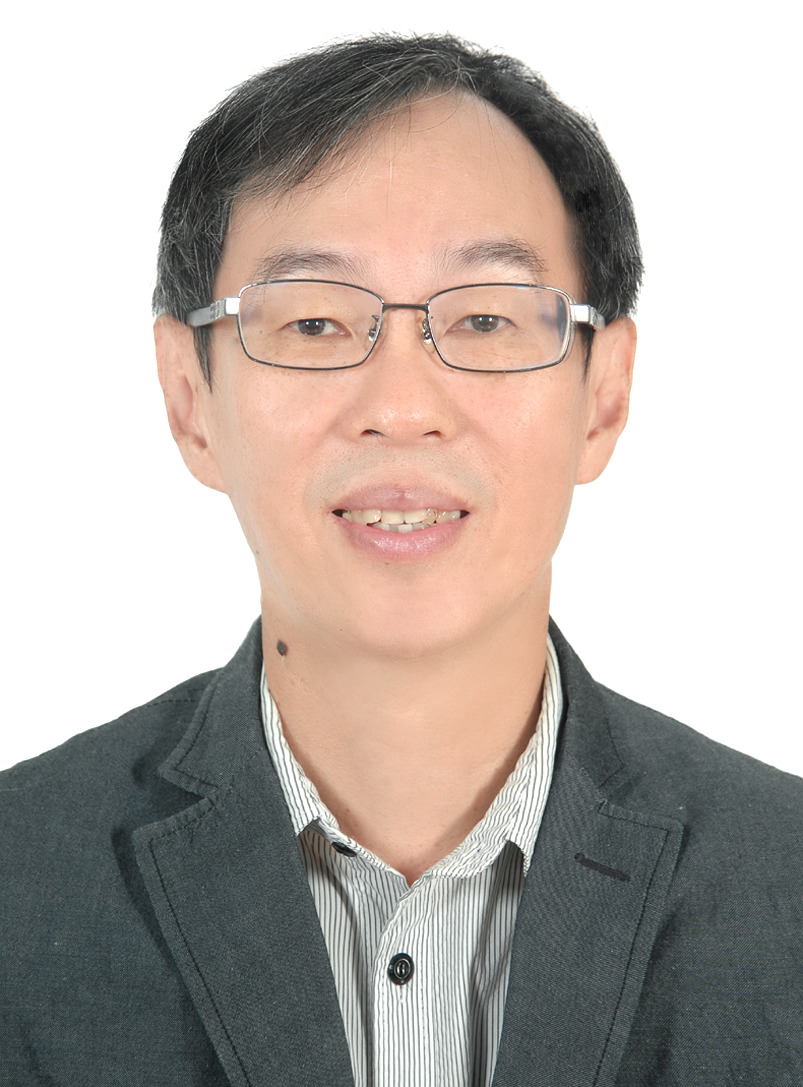 Tzung-Pei Hong合作论文数Department of Computer Science and Information Engineering, College of Engineering, National University of Kaohsiung;Department of Electrical Engineering, National University of Kaohsiung;AI Research Center, National University of Kaohsiung;Department of Computer Science and Engineering, National Sun Yat-sen University19
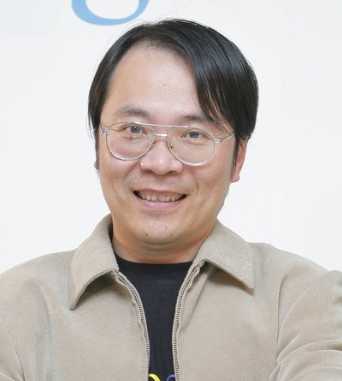 Lee-Feng Chien (簡立峰)合作论文数Google Taiwan10ChiaMing Tung合作论文数8
 Hsi-Jian Lee合作论文数6Yao-Jen Lee合作论文数5Jei-Wen Teng合作论文数4Yao-Sheng Chang合作论文数4Ting-Xuan Wang合作论文数4
 Yeong-Her Wang合作论文数Department of Electrical Engineering, National Cheng Kung University4Scott Yu合作论文数4Jiun-Hung Lin合作论文数4Yi-Che Chan合作论文数4Tien Sheng Chao合作论文数3Lf Chien合作论文数3Kuan-Yu He合作论文数3Xin-Ren Yu合作论文数3Tzu-Chieh Hong合作论文数3
 Shu-Wei Chang合作论文数Dept Elect Engn, Natl Cheng Kung Univ3
 Yiming Li合作论文数Department of Electronics and Electrical Engineering, National Yang Ming Chiao Tung University3
 Wen-Fa Wu合作论文数3
 Pu-Jen Cheng (鄭卜壬)合作论文数Web Mining and Information Retrieval Lab, Department of Computer Science and Information Engineering, College of Electrical Engineering and Computer Science, National Taiwan University;Graduate Institute of Networking and Multimedia, College of Electrical Engineering and Computer Science, National Taiwan University3Min-Shiang Shia合作论文数3Kuan-Hsi Chen合作论文数3Wen Hsi Lee合作论文数2Jh Wang合作论文数2
 Jenq-Haur Wang合作论文数Institute of Information Science, Academia Sinica2
 Seiji Samukawa (寒川誠二)合作论文数Department of Electronics and Electrical Engineering, National Yang Ming Chiao Tung University2
 Wen-Kuan Yeh (葉文冠)合作论文数International College of Semiconductor and Technology , National Yang Ming Chiao Tung University;Taiwan Semiconductor Research Institute;National Nano Device Laboratories2
 Jenn-Hwan Tarng合作论文数Dept Commun Engn, Natl Chiao Tung Univ2
 Ruey-Cheng Chen (陳瑞呈)合作论文数Canva2Kao-Hung Lin合作论文数2
 Darsen Lu合作论文数Semiconductor Device Modeling Lab, National Cheng Kung University2
 Hsin-Hui Hu合作论文数2
 Jiun-Yun Li合作论文数2Kuo-Hsing Kao合作论文数1William Cheng-Yu Ma合作论文数1Pj Cheng合作论文数1M-K Huang合作论文数1Mohammad Aftab Baig合作论文数1Hsin-Yi Chen合作论文数1Kuo-Ting Lee合作论文数1C-C Ke合作论文数1Chiung-Yi Yang合作论文数1Tsung-Han Lu合作论文数1Cheng-Jui Yeh合作论文数1Ching-Fan Meng合作论文数1
 Yan-Shiuan Chang合作论文数1
 Jhe-Wei Jhu合作论文数1




