Aim of this study was to investigate the mechanism/s associating hepatitis C virus (HCV) infection and posttransplant diabetes mellitus in kidney recipients.
This study describes an outbreak of Pseudomonas aeruginosa infections caused by contaminated bottled still water (BSW) in six intensive care units (ICUs) of a German university hospital. Clinical and environmental samples from these units were cultured and genotyped by amplified fragment-length polymorphism and pulsed-field gel electrophoresis analysis. Microbiological results were reviewed on a weekly basis to determine the number of P. aeruginosa infections and colonisations of ICU patients. Clinical specimens from 19 ICU patients--15 infections and four colonisations--yielded the same strain of P. aeruginosa. Furthermore, four of 103 environmental samples also yielded P. aeruginosa. However, only a P. aeruginosa strain isolated from unopened BSW was genetically identical to the P. aeruginosa strain isolated from the patients. In the 42-week period before the outbreak, the mean weekly number of new ICU patients infected or colonised with P. aeruginosa was 46.9 (95% CI 40.7-53.1)/1000 bed-days. During the 6-week period of the outbreak, the weekly number of new patients with P. aeruginosa was 88.9 (95% CI 54.3-122.2)/1000 bed-days. This number returned to the previous level after removal of the BSW. Thus, the microbiological and epidemiological findings revealed that the outbreak was related to BSW contaminated with P. aeruginosa. It was concluded that all untested BSW should be removed from ICUs.
Simultaneous pancreas-kidney transplantation (SPK) is the treatment of choice for patients with type 1 diabetes mellitus and end-stage renal disease (ESRD) because it improves survival, is cost-effective, and can mitigate secondary complications of diabetes. Patient-reported outcomes such as quality of life (QoL) have recently received increased attention among transplant recipients. However, the impact of erectile dysfunction on patient QoL has not been investigated in this high-risk group with a history of diabetes and uremia. We applied the International Index of Erectile Function (IIEF) to describe the prevalence and severity of self-reported changes in erectile function after transplantation, comparing the quality of well-being (QWB) index of subgroups of 101 consecutive male SPK recipients with varying degrees of erectile function. Only 21% of patients did not suffer from erectile dysfunction; 18% were classified as mild erectile dysfunction, 31% as mild to moderate, 21% as moderate, and 9% as severe according to the IIEF scores. Forty-one percent of patients reported subjective overall improvement in erectile dysfunction compared with their pretransplant status; 7% considered their sexual function to be worse than before, and 51% did not note any change. The QWB index was highest among the group of patients without erectile dysfunction, decreasing gradually but significantly with increasing severity. A direct impact of erectile dysfunction on QoL, as well as a confounding effect of underlying vascular comorbidities, could explain this finding.
Rahmel, A; Smits, J; de Vries, E; Slot, M; de Boer, J; Tieken, I; Frei, U; de Fijter, H Author Information
Acute hyperglycemia and insulin resistance are characteristics of metabolic and endocrine imbalances of critically ill patients and are subject to a substantial inflammatory response that is partly mediated by cytokines produced by peripheral blood mononuclear cells (PBMC). Treatment with intensive insulin therapy to keep patients normoglycemic has been shown to reduce inflammatory responses. It is unclear whether hyper-glycemia, insulin or osmolarity changes exert direct effects on proinflammatory cytokines. We investigated the direct effects of these substances on cytokine production of PBMC in vitro.
Simultaneous pancreas kidney transplantation is currently the state of the art therapy for patients with type 1 diabetes mellitus and diabetic nephropathy. Up to 30% of patients loose the pancreas with a kidney graft that continues to function. Under those conditions, isolated pancreas retransplantation can be indicated. We compared the outcome of these patients with the outcome of patients undergoing primary pancreas after kidney transplantation. From 1998 to 2005, we performed 205 pancreas transplantations. Three patients were considered for isolated pancreas retransplantation; to date, two have received a new organ. One was retransplanted twice. In two cases, the reasons for the initial graft loss in the retransplantation group were pancreatitis with hemorrhagic bleeding and in the third case severe rejection. After retransplantation two of three patients lost their graft owing to bleeding and venous thrombosis. One of three organs was successfully transplanted and the patient does not require insulin. During the same time, three pancreas after kidney transplantations were performed; all are doing well und are free of insulin. The study despite the small number of cases shows a high complication rate after pancreas retransplantation. Nevertheless, pancreatic retransplantation should be considered in selected patients.
Severe liver dysfunction may lead to impairment of renal function without an underlying renal pathology. This phenomenon is called hepatorenal syndrome (HRS), which is associated with a poor prognosis showing a median survival of less than 2 months if renal replacement therapy is necessary. Liver transplantation is the best therapeutic option to regain renal function, but because of poor survival, these patients often die before transplantation. Herein we report a 37-year-old patient with ethyl-toxic liver cirrhosis who underwent hemodialysis due to HRS type I for more than 8 months. After living donor liver transplantation, diuresis immediately resumed, renal function soon recovered, and intermittent hemodialysis was stopped at 18 days after transplantation. Renal function was stable with a serum creatinine <2 mg/dL during the last 5 years posttransplantation. As far as we know, only a few cases of an anuric patient suffering from HRS have been reported with a survival beyond 8 months and full recovery of renal function after liver transplantation. This underlined that renal replacement therapy in HRS should be considered as a possible bridging method to liver transplantation even for longer periods.
Acute renal failure (ARF) was a frequent complication after orthotopic liver transplantation (OLT) when ARF was defined by a calculated glomerular filtration rate decrease of > 50% or by a doubled serum creatinine above 2.5 mg/dL within the first week after OLT. We analyzed 1352 liver transplant recipients in retrospective fashion with regard to the incidence, etiology, therapy, and outcome of ARF; 162 patients developed ARF within the first week after OLT (12%), among whom 157 patients (97%) were recompensated by postoperative day 28. Altogether 52 patients (32%) received an average of 6 hemodialysis treatments, excluding the 5 patients (3%) who developed end-stage renal failure. Risk factors for this complication included hepatorenal syndrome type II, a glomerular filtration rate of < 50 mL/min, and a diagnosis of hepatitis C.
INTRODUCTION:In small bowel disease such as M. Crohn, the intestinal absorption of oxalate is increased. Severe calcium oxalate deposition in multiple organs as consequence of enteric hyperoxaluria may lead to severe organ dysfunction and chronic renal failure. The management of hemodialyzed patients with short bowel syndrome may be associated with vascular access problems and oxalate infiltration of the bone marrow leading to pancytopenia. Although the risk of recurrence of the disease is very high after renal transplantation, it may be the ultimate therapeutic alternative in secondary hyperoxaluria.CASE:Here, we report a patient with enteric oxalosis due to Crohn's disease. He developed end-stage renal disease, erythropoietin-resistant anemia, oxalate infiltration of the bone marrow and severe vascular access problems. Following high-urgency kidney transplantation, daily hemodiafiltration of 3 hours was performed for 2 weeks to increase oxalate clearance. Despite tubular and interstitial deposition of oxalate in the renal transplant, the patient did not require further hemodialysis and the hematocrit levels normalized.DISCUSSION:Early treatment of hyperoxaluria due to short bowel syndrome is essential to prevent renal impairment. Declining renal function leads to a further increase in oxalate accumulation and consecutive oxalate deposition in the bone marrow or in the vascular wall. If alternative treatments such as special diet or daily hemodialysis are insufficient, kidney transplantation may be a therapeutic alternative in severe cases of enteric oxalosis despite a possible recurrence of the disease.
'Low-dose' dopamine is frequently used in intensive care units (ICU) for its presumed renoprotective effects, but prospective and retrospective studies have so far not proven prevention or amelioration of renal injury. Data on renal perfusion following dopamine infusion are limited. In order to circumvent the problem of patient heterogeneity in the ICU setting, we used a crossover design in a prospective, double-blind randomized controlled study to investigate the effect of 'low-dose' dopamine on renal resistance indices, as determined by Doppler ultrasound. Forty patients, 10 without and 30 with acute renal failure (ARF, defined as doubling of baseline creatinine or an increase above 2 mg/dl), were included. Dopamine (2 mug/kg min) or placebo was given intravenously in alternating sequence for four subsequent periods of 60 min, starting randomly with either dopamine or placebo. Resistive (RI) and pulsatility index (PI) were closely correlated, positively related to serum creatinine values at baseline and highly reproducible during the two paired infusion periods. Dopamine reduced renal vascular resistance in patients without ARF (median RI/PI from 0.70 to 0.65/1.20 to 1.07, P<0.01) but increased resistance indices in patients with ARF (median RI/PI from 0.77 to 0.81/1.64 to 1.79, P<0.01) in the absence of effects on systemic hemodynamics. Subgroup analysis of patients with ARF revealed that dopamine induced renal vasoconstriction above 55 years (n=22) and in patients not receiving norepinephrine (n=20). In conclusion 'low-dose' dopamine can worsen renal perfusion in patients with ARF, which adds to the rationale for abandoning the routine use of 'low-dose' dopamine in critically ill patients.
Die nekrotisierende Fasziitis durch Streptococcus pyogenes ist eine relativ seltene Erkrankung, die aufgrund des fulminanten Verlaufs jedoch mit einer hohen Mortalität assoziiert ist. Die mögliche rasche Entwicklung eines toxischen Schocksyndroms erfordert eine frühzeitiges und aggressives chirurgisches Management mit begleitender intensivmedizinischer Behandlung und adäquater antimikrobieller Therapie. Wir berichten über die erfolgreiche Behandlung eines 60-jährigen Patienten mit schwerem Multiorganversagen als Komplikation einer nekrotisierenden Fasziitis des Beines.
 Ralf Schindler合作论文数Institut für mathematische Logik und Grundlagenforschung, Fachbereich Mathematik und Informatik, Universität Münster36
 Km Koch合作论文数29A Kahl合作论文数29
 Achim Jorres合作论文数22GM Gahl合作论文数21
 Peter Neuhaus合作论文数Department of General, Visceral and Transplant Surgery, Campus Virchow-Klinikum, Charité Universitätsmedizin Berlin20Rudolf Pichlmayr合作论文数19
 Petra Reinke合作论文数Berlin Center for Advanced Therapies, Charité – Universitätsmedizin Berlin;Tcell Europe15
 Reinhard Richard Brunkhorst合作论文数15
 Wolf Bechstein合作论文数12H Repp合作论文数11
 Martin Möckel合作论文数Charité Campus Virchow-Klinikum, Berlin, Germany11
 Bastian Ringe合作论文数10K Ludat合作论文数9Volker Kliem合作论文数8Michael Oppert合作论文数8L Fritsche合作论文数7Kurf Wonigeit合作论文数7Jutta Passlick-Deetjen合作论文数7Janusz Witowski合作论文数7TO Bender合作论文数7
 Hartwig Bunzendahl合作论文数7D Kampf合作论文数6P Vogt合作论文数6K Sander合作论文数6
 Nicholas Topley合作论文数School of Medicine, Cardiff University6Ar Muller合作论文数5J. Pratschke合作论文数5G Heller合作论文数5
 Kai-Uwe Eckardt合作论文数Charité – Universitätsmedizin Berlin5Carsten Willam合作论文数5W. M. Bernhardt合作论文数5G Junge合作论文数4K Dunkel合作论文数4K-U Eckardt合作论文数4S. Venz合作论文数4michael a riehle合作论文数4Susanne Berweck合作论文数4A Finn合作论文数4Justyna Wisniewska合作论文数4U. Neumann合作论文数4F Lorenz合作论文数4
 Klemens Budde合作论文数Charité – Universitätsmedizin Berlin4
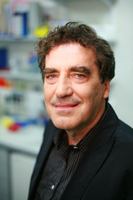 H.-D. Volk合作论文数Berlin-Brandenburg Center for Regenerative Therapies4
 Utz Settmacher合作论文数Klinik für Allgemein-, Viszeral- und Gefäßchirurgie, Universitätsklinikum Jena4Andrzej Breborowicz合作论文数4Julia Lepenies合作论文数4B. Nonnast-Daniel合作论文数4Rudolf a Jorres合作论文数4




