BACKGROUND:The prognostic and predictive value of O6-methylguanine-DNA methyltransferase promoter (MGMTp) methylation is not well established in isocitrate dehydrogenase (IDH)-mutant gliomas. This study evaluates the survival impact of MGMTp and other clinical, molecular, and radiologic variables in low-grade and high-grade IDH-mutant gliomas. METHODS:We retrospectively evaluated 520 consecutive adult patients treated for an initial diagnosis of IDH-mutant glioma, of any histological grade, at two large academic institutions. MGMTp methylation was evaluated by methylation-specific polymerase chain reaction (PCR) analysis. Log-rank test and Cox proportional hazards model were applied to evaluate the association of clinical, molecular, and radiological characteristics with overall survival (OS) and progression-free survival (PFS). RESULTS:Median age was 36.6 years; MGMTp was methylated in 70% and unmethylated in 30%. MGMTp methylation was not significantly associated with OS (P = 0.11) or PFS (P = 0.74) on multivariate analyses. Cyclin dependent kinase inhibitor 2A/B (CDKN2A/B) homozygous deletion [HR = 3.26 (1.47, 7.23), P = .006] and an integrated grade 4 classification [HR = 2.08 (1.06, 4.67), P = .048] were strong predictors of OS in astrocytoma, whereas maximal resection [HR = 0.06 (0.01, 0.57), p = 0.016] and radiation [HR = 0.41 (0.18, 0.91), P = .03] were strong prognosticators for PFS in the entire cohort. Maximal resection of the enhancing disease [HR = 0.17 (0.05, 0.96), P = .014] and radiation [HR = 0.47 (0.19, 0.65), P = .046] were strongly associated with PFS in grade 2 and 3 gliomas. CONCLUSION:MGMTp methylation was not associated with a prognostic or predictive value in our IDH-mutant glioma cohort. CDKN2A/B status and extent of resection were strong predictors of outcomes.
We conducted a randomized surgical window-of-opportunity trial (NCT04606316) in recurrent, resectable glioblastoma. Between 2021 and 2024, 71 patients were screened, and 63 were randomized (intention-to-treat [ITT] population), and 58 received study treatment. Patients received pre-surgical immune checkpoint blockade (ICB) with dual anti-PD1 nivolumab + anti-CTLA4 ipilimumab (Arm 1), nivolumab alone (Arm 2), or placebo (Arm 3). Following surgery, Arms 1 and 3 received dual ICB, while Arm 2 continued nivolumab until progression or unacceptable toxicity. The primary endpoint, tumor-infiltrating lymphocyte (TIL) density, was met for Arm 1, as neoadjuvant dual ICB significantly increased TIL density compared with untreated control (Arm 3). As a secondary endpoint, median overall survival in the ITT population was 402 days (95% CI, 265–571) among patients who received dual ICB (Arms 1 and 3) and 273 days (95% CI, 166–506) for those assigned to nivolumab alone (Arm 2). No unanticipated toxicities were observed. Exploratory analyses showed that dual ICB elicited robust intratumoral and systemic immune activation, including increased interferon-related gene expression in blood. Higher TIL density and early systemic interferon-signature induction were associated with improved survival, whereas tumor mutational burden was not. Our results demonstrate pharmacodynamic activity of dual ICB in glioblastoma, with survival outcomes comparing favorably to similar studies. Here the authors report clinical and immunological outcomes of a randomized surgical window-of-opportunity trial designed to test whether dual immune checkpoint blockade targeting PD-1 and CTLA-4 could overcome the adaptive immune resistance previously reported with single-agent anti-PD-1 therapy in patients with surgically resectable recurrent glioblastoma.
Since its first activities in 2008 and 2009, the Response Assessment in NeuroOncology (RANO) group has given guidance on response assessment, trial design, and trial procedures to improve and standardize the way clinical trials in neurooncological studies are performed. To achieve its objectives, a variety of working groups have been initiated that cover many aspects of clinical trial design and outcome assessment in patients with tumors affecting the Central Nervous System. The RANO working groups are built on expertise without a formal structure, which makes rapid responses to new developments possible. RANO is aiming at evidence-based guidelines and recommendations, but in the absence of evidence will provide consensus-based guidance achieved by inviting recognized international experts. In its 15 years of existence, more than 60 RANO papers have been published mostly in high-ranking journals, and its recommendations have been accepted by regulators and industry as guiding principles. RANO organizes two meetings per year, one in conjunction with the annual American Society for Clinical Oncology (ASCO) meeting, and one during the annual Society for Neuro-Oncology meeting. These meetings are open, as are the working groups of RANO. New initiatives are welcomed.
2020 Background: Refractory CNS lymphoma (CNSL) has a poor prognosis, with 5-year survival of ~30%. We conducted a trial of axi-cel for CNSL, where we achieved a CR of 67%. To deeply interrogate the immune mediators of response, we collected daily paired CSF and peripheral blood (PB) samples post-CAR T infusion. This enabled single-cell transcriptional profiling at an unprecedented depth, identifying key drivers of CD19 CAR T responses and compartment-specific mechanisms of CAR T function. Methods: CNSL patients were enrolled in the ‘Axi-cel in CNS Lymphoma’ Trial, NCT04608487. PB and CSF samples were collected daily from Day 0–14 post-infusion, and 5’10x scRNA /TCR-Seq was performed. This analysis focused on peak CAR T expansion (Day 5-10) and included 1,224,178 T cells from 17 patients. Samples were tested for compartment (CSF vs PB) and response-specific (CR vs PD) transcriptomic differences using a mixed-effects model and GSEA. Functional assays were conducted with CD19 CAR Ts and CD19 CAR+ Jurkat-NFAT reporter cells. Results: Transcriptomic analysis identified distinct compartmental differences in CAR Ts, with PB CAR Ts displaying a robust proliferation signature, while CSF CAR Ts were enriched for type I interferon and T-cell dysfunction signatures, including upregulation of inhibitory genes PD-1, TIGIT, TIM3, LAG3. In vitro , CSF-exposed CD19-CAR Ts showed increased expression vs culture-media controls for TIGIT (up 40.1%, SEM 7.4), PD-1 (18.9%, SEM 3.8), and Tim3 (60.6%, SEM 7.5). CAR T NFAT expression was reduced from 18.4, 0.1 SEM (media) to 7.2, 0.2 SEM (CSF) relative to unstimulated controls. Differential expression analysis comparing CSF CD8+ CAR Ts from patients achieving CR (n = 11) or PD (n = 4) showed upregulation of Type I interferon signaling (IFIT1, IFIT3) in PD patients. In contrast, CR patients exhibited increased expression of counter-inhibitory genes (TCF7, CD226) in CSF CAR Ts, suggesting a functional advantage of these CAR Ts in the inhibitory CNS environment. Functional assays of CD19-CAR Ts overexpressing the costimulatory molecule CD226, demonstrated higher lymphoma-cell killing vs WT-CAR Ts (48.6%, SEM 4.1 vs 24%, SEM 2.2, p = 0.01) and greater IFNγ production (63.2%, SEM 1.6 vs 49.4%, SEM 1.7, P = 0.006). CD226 acts as a costimulatory receptor and counteracts TIGIT signaling by competing for its shared ligands, CD112 and CD155. Notably, scRNA-Seq receptor-ligand analysis identified CD112 exclusively expressed in myeloid cells, highlighting a critical myeloid-CAR T interaction that enhances CD226 high CAR T efficacy. Conclusions: ScRNA-Seq suggests tissue-specific CAR T dysfunction in the CNS microenvironment, with CR patients demonstrating upregulation of counter-inhibitory genes, including CD226. This study offers novel insights into axi-cel's mechanism of efficacy and identifies targets to improve CNSL CAR T therapy.
Primary central nervous system lymphoma (PCNSL) is a rare non-Hodgkin lymphoma localized to the brain, cerebrospinal fluid, or eyes. Treatment options are limited and prognosis is poor, particularly in the relapsed or refractory (r/r) setting. Tirabrutinib, a second-generation Bruton’s tyrosine kinase inhibitor, is approved for PCNSL in Japan, Taiwan, and South Korea. There are no currently approved drug therapies for PCNSL in the US or Europe. Here we report results from the PROSPECT study (NCT04947319) conducted in the US. In this open-label phase II study, patients with r/r PCNSL received oral tirabrutinib 480 mg as monotherapy once daily. Primary endpoint was overall response rate (ORR) assessed by independent review committee. Secondary endpoints included duration of response (DOR), time to response (TTR), best overall response (BOR), and safety. Overall survival (OS) and progression-free survival (PFS) were exploratory endpoints. Forty-eight patients were enrolled. Median age was 65.5 years. With median follow-up of 11.5 months as of November 1, 2024 (data cutoff), ORR was 67%, with a complete response rate (CRR: confirmed [CR] + unconfirmed [CRu]) of 44% and a partial response rate of 23%. Median DOR was 9.3 months; median TTR was 1.0 months. Median OS was not reached; median PFS was 6.0 months. Incidence of any-grade treatment-emergent adverse events (TEAEs) was 98% and of grade ≥3 was 56%. Any-grade treatment-related adverse events (TRAEs) were experienced by 75%; grade ≥3 TRAEs were experienced by 27%, most frequently neutrophil count decreased (8%) and maculo-papular rash (6%). At data cutoff, 27% of patients remain on treatment. Main reasons for discontinuation were disease progression (54%) and death (8%). With ORR of 67%, CR/CRu rate of 44%, median DOR of 9.3 months, and manageable safety, the PROSPECT trial supports tirabrutinib monotherapy as a potentially effective treatment option for patients with r/r PCNSL.
Our previous study of neoadjuvant PD-1 immune checkpoint blockade (ICB) in surgically-accessible recurrent glioblastoma suggested that single-agent PD-1 blockade induced adaptive immune responses that may have paradoxically inhibited functional anti-tumor immune responsiveness. To address this, we performed a surgical-window-of-opportunity trial in resectable, relapsed glioblastoma patients (n=60). Patients received either dual ICB (Arm 1, n=25) with ipilimumab (3 mg/kg) and nivolumab (240 mg), single-agent PD-1 ICB (Arm 2, n=25) with nivolumab (240 mg/kg), or a placebo infusion (Arm 3, n=10) prior to surgical resection. Following surgery, Arms 1 and 3 received dual ICB, while Arm 2 continued on nivolumab until progression or unacceptable toxicity. We collected blood and tumor tissue from all patients and performed RNA and TCR sequencing, along with multiplexed immunofluorescence, to evaluate intratumoral and systemic immune response. Dual ICB induced greater T-cell/interferon-related gene expressions in tumor compared with PD-1 ICB or a placebo infusion. It also resulted in the highest TIL density, as assessed by TCR sequencing. In a multivariate analysis, TIL density strongly correlated with survival outcomes. In PBMCs, dual ICB induced robust interferon gene signatures, and early upregulation of these signatures immediately following treatment was associated with longer survival. However, alongside interferon signaling, monocyte-related signatures also significantly increased following dual ICB, and their persistently elevated levels during adjuvant treatment cycles were linked to poorer outcomes. The median overall survival of patients who received dual ipilimumab+nivolumab was 405 days (95% CI, 265 to NA), while that of single agent nivolumab was 275 days (95% CI, 166 to NA). Our results demonstrate a clear pharmacodynamic effect of dual ICB in glioblastoma and the survival times compare favorably with similar clinical studies done in the same population. Moreover, our transcriptional analysis underscores the importance of balancing immune activation and chronic inflammation in shaping ICB responsiveness.
We are conducting a phase 2, surgical window-of-opportunity study evaluating the combination of olaparib, temozolomide and pembrolizumab in patients with progressive glioblastoma. Temozolomide and olaparib have the potential of synergistically enhancing the tumor’s susceptibility to immune checkpoint immunotherapy through DNA damage and activation of immune pathways, potentially amplifying the efficacy of pembrolizumab. We provide a preliminary report on the safety and tolerability of the treatment combination. We enrolled patients with progressive glioblastoma, IDH-wildtype, on 2mg or less of dexamethasone. Treatment is provided in consecutive 42-day cycles with olaparib 200mg BID and temozolomide 50mg/m2 QD given on days 1-7 and 22-29, and pembrolizumab 400mg IV given on day 1. Adverse events (AEs), dose-limiting toxicities (DLTs), and high-frequency toxicities (≥50% occurrence) were assessed, along with dose modifications or delays required to manage treatment-related toxicities. AEs were graded according to CTCAE v5.0 criteria. Six patients were enrolled in the safety lead-in (Cohort 1), which followed a 3 + 3 design. Grade 1–2 leukopenia, lymphopenia, and neutropenia were observed in 3 patients and resolved without intervention. Grade 4 neutropenia was observed in two patients (starting in cycle 2 for one patient, and on cycle 5 for the other). This resolved with dose delays, reduction in temozolomide dose or discontinuation of temozolomide (1 patient). In the surgical cohort (Cohort 2), which is ongoing (25 patients currently enrolled), toxicity profiles remain consistent with those observed in Cohort 1 patients. Grade 4 neutropenia has been observed in 1 (6%) of the enrolled patients, improving with dose delays and temozolomide dose reduction. The combination of olaparib, temozolomide, and pembrolizumab demonstrates a tolerable safety profile in patients with progressive glioblastoma. Observed hematologic toxicities are reversible with appropriate management, supporting the ongoing evaluation of this regimen to assess its efficacy and therapeutic potential.
In neuro-oncology, imaging findings and a patient’s clinical status do not always correlate. The Neurologic Assessment in Neuro-Oncology (NANO) scale is a clinician-reported outcome assessment tool consisting of nine domains to measure neurologic function routinely assessed by clinicians. Using GPT4DFCI, Dana-Farber Cancer Institute’s (DFCI) HIPAA-secure endpoint to GPT-4o, we ran free text physical exam documentation through a secure Application Programming Interface to assess whether a large language model (LLM) can accurately generate NANO scores. We used an iterative process for prompt development. Temperature, a parameter that controls the randomness of LLM output, was set to zero. Cox proportional hazards analysis was used to predict whether NANO score at the time of bevacizumab initiation (last line therapy) could predict overall survival (OS). We evaluated 287 patients with progressive grade 4 gliomas seen at least twice at DFCI between 1/1/2018 to 12/31/2023 from the time of bevacizumab initiation. LLM-generated scores were grouped into 0 or 1 (none to mild) versus 2 or 3 (moderate to severe) for each NANO domain. Accuracy between clinician-reported and LLM-extracted NANO scores was high (mean = 92.5%, range 76.6-100%, n=56). Average patient age at bevacizumab initiation was 61 years, 36% were female, 11% were IDH-mutant, and 41% had MGMT-unmethylated tumors. Median total NANO at initiation of bevacizumab was 1 (range 0-11). Cox proportional hazards analysis revealed that deficits in gait at bevacizumab initiation predicting worse OS (hazard ratio 2.86, 95% CI: 1.21, 6.74; p=0.02), independent of age, MGMT-status, sex, and IDH-status. LLMs can generate NANO scores from clinical notes. Moderate to severe gait impairment by NANO was predictive of worse OS at bevacizumab initiation. LLMs offer the ability to scale NANO to understand how NANO may affect OS at different disease points for different disease groups.
Background:Sex differences in glioblastoma (GBM) are recognized, but their treatment implications remain unclear. Recent preclinical studies have characterized mechanisms of sex-biased anti-tumor immunity in GBM, and have found in murine models that males derive greater survival benefit from immune checkpoint inhibitor (ICI). We evaluated sex differences associated with ICI in GBM patients. Methods:We retrospectively evaluated consecutive patients with newly diagnosed GBM (nGBM) or recurrent GBM (rGBM) treated with ICI on clinical trials at one institution from 2014 to 2022. Progression-free survival (PFS) and overall survival (OS) were evaluated by Kaplan-Meier analysis, univariate and multivariable regression models. Sex-by-treatment interactions were assessed relative to a concurrent reference group treated on non-ICI clinical trials. Results:296 patients with nGBM (58% male, 19% ICI) and 458 patients with rGBM (60% male, 40% ICI) were evaluated. In nGBM, ICI was not associated with sex difference in PFS (HRmale 1.35; 95% CI, 0.62-2.95; P = .446; P interaction = .142) or OS (HRmale 1.15 [0.53-2.53], P = .722; P interaction = .438) compared to non-ICI treatment. In rGBM, males receiving ICI had worse OS (HRmale 1.64 [1.09-2.47], P = .017) and trended towards worse PFS (HRmale 1.41 [0.94-2.11], P = .095), but sex differences with ICI were not significantly different compared to non-ICI treatment (PFS P interaction = .610; OS P interaction = .361). No sex differences were observed when all immunotherapies were analyzed collectively. Conclusion:In nGBM and rGBM, ICI therapy was not associated with sex difference in PFS or OS. Clinically meaningful sex-based outcome differences may be better understood by prospective evaluation in clinical trials.
2019 Background: Primary central nervous system lymphoma (PCNSL) is a rare, aggressive form of non-Hodgkin lymphoma localized to the brain, cerebrospinal fluid, or eyes. For patients with PCNSL, treatment options are limited, standard of care is not well established, and prognosis is poor, particularly in the relapsed or refractory (r/r) setting. Tirabrutinib, a highly potent selective second-generation Bruton’s tyrosine kinase inhibitor, is approved in Japan, Taiwan, and South Korea based on a phase I/II study that demonstrated clinical activity in Japanese patients with r/r PCNSL. There are no currently approved drug therapies for PCNSL in the US or Europe. Here we report results from the PROSPECT study (NCT04947319) conducted in the US. Methods: In this open-label phase II study, patients with r/r PCNSL received oral tirabrutinib 480 mg as monotherapy once daily until disease progression or unacceptable toxicity. The primary endpoint was overall response rate (ORR) assessed by Independent Review Committee. Secondary endpoints included duration of response (DOR), time to response (TTR), best overall response (BOR), and safety. Overall survival (OS) and progression-free survival (PFS) were exploratory endpoints. Results: Forty-eight patients were enrolled. Median age was 65.5 y (range, 34-87). With a median follow-up of 11.2 mo as of November 1, 2024 (data cut-off), ORR was 66.7% (n = 32), with a complete response rate (CRR), confirmed (CR) + unconfirmed (CRu), of 43.8% (n = 21) and a partial response rate of 22.9% (n = 11). Median DOR was 9.3 mo (range, 0.0-23.5), and median TTR was 0.95 mo (range, 0.9-3.7). Median OS was not reached (range, 1.0-33.0); median PFS was 6.0 mo (range, 0.0-26.0). Overall incidence of any-grade treatment-emergent adverse events (TEAEs) was 97.9% (n = 47) and grade ≥3 was 56.3% (n = 27). Any-grade treatment-related adverse events (TRAEs) were experienced by 75.0% (n = 36), most frequently anemia (18.8%), fatigue (14.6%), neutrophil count decreased (14.6%), pruritus (14.6%), rash (14.6%), and maculo-papular rash (14.6%). Grade ≥3 TRAEs were experienced by 27.1% (n = 13), most frequently neutrophil count decreased (8.3%) and rash maculo-papular (4.2%). Deaths related to TEAEs occurred in 2 (4.2%) patients: 1 patient died from seizure and pneumonia, and the other from a fall; these grade 5 TEAEs were considered unrelated to study treatment. At data cutoff, 27.1% (n = 13) of patients remain on tirabrutinib treatment. Main reasons for discontinuation were disease progression (54.2%, n = 26) and death (8.3%, n = 4), and 1 (2.1%) patient discontinued due to an AE; deaths included the 2 patients with grade 5 TEAEs. Conclusions: With an ORR of 66.7%, CR/CRu rate of 43.8%, median DOR of 9.3 mo, and a manageable safety profile, the PROSPECT trial supports tirabrutinib monotherapy as a potentially effective treatment option for patients with r/r PCNSL. Clinical trial information: NCT04947319 .
BACKGROUND:Astrocytoma, isocitrate dehydrogenase-mutant, WHO grade 4 (Astro4), is a new tumor type in the 2021 WHO classification of central nervous system tumors that has been poorly characterized in the literature. This study evaluates predictors of prognosis in a large cohort of newly diagnosed Astro4. METHODS:We retrospectively identified 128 consecutive adult patients who presented with an initial diagnosis of Astro4 at Dana-Farber Cancer Institute and Massachusetts General Hospital between 2010 and 2021. Clinical, molecular, and radiological characteristics were recorded, and their associations with overall survival (OS) and progression-free survival (PFS) were measured by log-rank test and Cox proportional hazards model. RESULTS:The median age at diagnosis was 37.1 years, and 61.7% were men. The median OS was 5.9 years (95% confidence interval, 4.4-7.3), while the median PFS was 2.7 years (1.8 -3.6). Age ≥ 50 and homozygous CDKN2A/B deletion were independent negative prognosticators of OS on univariate and multivariate analyses (hazard ratio [HR], 2.21 [1.16-4.21], P = .019; HR, 2.61 [1.27-5.38], P = .013). Maximal resection of enhancing disease was associated with longer PFS on univariate and multivariate analyses (HR, 0.48 [0.26-0.87], P = .019). There were no significant differences in OS or PFS based on MGMT promoter methylation status, T2/FLAIR extent of resection, T2/FLAIR mismatch, radiological pseudoprogression, or enhancement on the pre-operative scan. CONCLUSIONS:Our study comprehensively characterizes a large cohort of newly diagnosed patients with Astro4, emphasizing the prognostic value of CDKN2A/B deletion, age, and the extent of resection of enhancing disease in these patients.
Background:Mutant isocitrate dehydrogenase (IDHm) inhibitors represent a novel targeted approach for treating IDHm glioma patients, yet their optimal use in clinical practice outside of clinical trials remains undefined. This study describes the real-world utilization of the mutant IDH1 inhibitor (IDHi), ivosidenib, in patients with IDHm glioma. Methods:We retrospectively reviewed clinical and radiographic data from patients with IDHm glioma treated with ivosidenib monotherapy from 2020 to 2024 at the Dana-Farber Cancer Institute and Massachusetts General Hospital. Results:This cohort included 74 patients with a median age of 39. There were 35 astrocytomas and 39 oligodendrogliomas, with 49, 23, and 2, grade 2, 3, and 4 tumors, respectively. Nineteen patients (26%) experienced an adverse event, although only 1 patient discontinued ivosidenib for adverse events. Median progression-free survival was 31 months and median overall survival was not reached. Seven patients (9%) had partial response, 3 (4%) had minor response, 47 (64%) had stable disease, and 17 (23%) had progressive disease. The presence of enhancing disease at ivosidenib initiation was associated with lower disease control rates (DCR) whereas DCR differences were not detected based on grade (grade 2 vs. 3), tumor histology, or age. Subsequent-line ivosidenib use had lower DCR although this may have been explained by enrichment of patients with enhancing disease. Conclusions:In this large cohort of IDHm glioma patients, ivosidenib was well tolerated. Our results support the use of IDHi therapy in patients with grade 2 or 3 astrocytoma or oligodendroglioma and highlight limited effectiveness in patients with enhancing disease.
2055 Background: Glioblastoma is the most aggressive primary brain tumor of adults, with patients obtaining limited survival benefit from standard-of-care therapies. We are conducting a phase 2, surgical window-of-opportunity study evaluating the combination of pembrolizumab (anti-PD-1 immunotherapy), olaparib (PARP inhibitor), and temozolomide (alkylating chemotherapy) in patients with progressive glioblastoma. Olaparib and temozolomide have the potential of synergistically enhancing the tumor’s susceptibility to immune checkpoint immunotherapy through DNA damage and activation of immune pathways, potentially amplifying the efficacy of pembrolizumab. We provide a preliminary report on the safety and tolerability of the olaparib, temozolomide, and pembrolizumab combination. Methods: We enrolled patients with radiographically progressive glioblastoma, IDH-wildtype, MGMT promoter unmethylated, on 2mg daily or less of dexamethasone. Patients participating in the safety lead-in (Cohort 1) did not require surgically-resectable disease, while those enrolled in the surgical arm (Cohort 2) did. Treatment is provided in consecutive 42-day cycles with olaparib 200mg BID and temozolomide 50mg QD given on days 1-7 and 22-29, and pembrolizumab 400mg IV given on day 1. Adverse events (AEs), dose-limiting toxicities (DLTs), and high-frequency toxicities (≥50% occurrence) were assessed, along with dose modifications or delays required to manage treatment-related toxicities. AEs were graded according to CTCAE v5.0 criteria, with pre-specified measures to address reversible toxicities through dose adjustments. Results: Six patients were enrolled in the safety lead-in (Cohort 1), which followed a 3+3 design. Grade 1–2 leukopenia, lymphopenia, and neutropenia were observed in 3 patients and resolved without intervention. Grade 4 neutropenia was observed in two patients (starting in cycle 2 for one patient, and on cycle 5 for the other). This resolved with dose delays, reduction in temozolomide dose or discontinuation of temozolomide (1 patient). In Cohort 2, which is ongoing (25 patients currently enrolled), toxicity profiles remain consistent with those observed in Cohort 1 patients. Grade 4 neutropenia has been observed in 1 (6%) of the enrolled patients, improving with dose delays and temozolomide dose reduction. Conclusions: The combination of olaparib, temozolomide, and pembrolizumab demonstrates a tolerable safety profile in patients with progressive glioblastoma. Observed hematologic toxicities are reversible with appropriate management, supporting the ongoing evaluation of this regimen to assess its efficacy and therapeutic potential. Clinical trial information: NCT05463848 .
Abstract BACKGROUND Astrocytoma, IDH-mutant, WHO grade 4, are classified as a separate entity in the 2021 WHO classification of central nervous system tumors and have been poorly characterized in the literature. In this study, we report on the clinical outcomes in a large cohort of newly diagnosed grade 4 IDH-mutant astrocytoma. METHODS We retrospectively identified adult patients with astrocytoma, IDH-mutant, WHO grade 4, treated for their initial diagnosis at Dana-Farber Cancer Institute and Massachusetts General Hospital between 2010 and 2021. Clinical, molecular, and radiological characteristics were recorded, and their association with overall survival (OS) and progression-free survival (PFS) was measured by a log-rank test. If a proportional hazard assumption was violated, we compared the median OS and PFS between groups by the bootstrap method instead. RESULTS We identified 140 patients, with a median age at diagnosis of 37.9 years (range: 19-87) and male predominance (60.7%). MGMT promoter was methylated in 51.4%, and CDKN2A/B homozygous deletion was present in 40 cases (28.6%). Most tumors showed enhancement on the preoperative scan (n=108; 77.1%). Seventy percent of patients had subtotal resection, 25.7% had a gross total resection, and 4.3% had a biopsy. Most patients received standard chemoradiation followed by adjuvant temozolomide (n=103; 73.6%). The median OS was 6.9 years (95% CI: 4.5-9.2), and the median PFS was 3.3 years (95% CI: 2.1-4.4). OS and PFS were not associated with MGMT promoter methylation or the presence of enhancement on the preoperative scan. CDKN2A/B homozygous deletion was associated with worse OS (5.5 vs. 7.8 years, log-rank test-based p-value=0.036) but had no association with PFS (3.4 vs 2.6 years, bootstrap method-based p-value=0.488). CONCLUSIONS In our cohort of astrocytoma, IDH-mutant, WHO Grade 4, CDKN2A/B homozygous deletion had a negative prognostic impact, whereas MGMT promoter methylation status and enhancement on the preoperative scan did not affect survival outcomes.
2006 Background: Prognosis of patients with relapsed/refractory (R/R) CNSL is poor with no standard of care treatment options. Anti-CD19 chimeric antigen receptor (CAR) T-cell therapy axicabtagene ciloleucel (axi-cel) has shown efficacy in R/R systemic large B-cell lymphoma (LBCL) and could be considered for R/R CNSL. Methods: We conducted a pilot study of axi-cel in patients with R/R CNS LBCL. No bridging therapy except corticosteroids was allowed after enrollment. Ommaya reservoir was placed before infusion. Patients underwent lymphodepletion with fludarabine and cyclophosphamide followed by axi-cel dosing of 2x10⁶ cells/kg intravenous infusion. The study enrolled 18 patients, of whom the first 6 patients were observed for treatment-limiting toxicities (TLTs). Primary endpoint was safety, measured by rate of TLTs and grade 3+ adverse events (AEs). Secondary endpoints included objective response rate (ORR), complete response (CR) rate, duration of response (DOR), progression-free survival (PFS) and overall survival (OS). Exploratory analyses include paired peripheral blood (PB) and CSF analyses for axi-cel pharmacokinetics, pharmacodynamics, flow cytometry, single-cell RNA-Seq. Results: We report the results of the entire cohort of 18 patients (13 PCNSL, 4 SCNSL, 1 concurrent systemic & ocular L) enrolled. Median age was 62 years (33-80), 8/18 were women. Median number of prior therapies was 3 (1-7). No TLTs were observed; 16/18 (89%) patients developed cytokine release syndrome/CRS (grade 3+, 0%); 8/18 (44%) developed immune effector cell-associated neurologic syndrome/ICANS, 5/18 (28%) grade 3+. Two patients developed Ommaya-related meningitis requiring explant with recovery. One patient had grade 3 seizures that resolved with anti-epileptic agents. The ORR was 94% (17/18); 67% CR (12/18). The median time to best response was 3 months. As of January 25, 2024, the median follow up was 24.2 months, median DOR 13.4 months and 9 patients had progressed. The median PFS was 14.3 months (95% CI: 6.3-NR) and median OS, 26.4 months (95% CI: 11.2-NR). Seven patients have died, all from disease progression. At the time of presentation, there will be a minimum follow-up of 12 months. Correlative data on all 18 patients will be presented at the meeting. Axi-cel pharmacokinetics in the first 12 CNSL patients was similar to that previously reported for DLBCL patients without CNS involvement in ZUMA-1 and ZUMA-7. Patients with CR demonstrated increased peak levels of pro-inflammatory cytokines. CSF CAR T cells exhibit Type I interferon (IFN) transcriptomic signature compared to proliferative signature in blood. Conclusions: Axi-cel was safe and well-tolerated in CNSL patients with encouraging efficacy and median PFS and durability of response of more than 1 year. There was no apparent additional risk of adverse neurologic events including ICANS from axi-cel. Clinical trial information: NCT04608487 .
Abstract Introduction: Despite the enactment of the 1993 NIH Revitalization Act to improve accrual of women and minorities in clinical trials, these groups remain underrepresented. This study aims to uncover drivers of therapeutic clinical trial enrollment that are unique to women and minority patients with low- and high-grade glioma. Methods: Adult glioma patients who received care from the UCSF Brain Tumor Center between 1997-2017 were identified in a prospective registry. Dividing the cohort into subgroups by gender and NIH-designated minority status, factors associated with therapeutic clinical trial enrollment on univariate logistic regression (p<0.2) were selected for multivariate logistic regression. Results: There were 351 trial participants (41% women, 12% minority) and 627 non-trial participants (44% women, 17% minority). Among women only, seizure at presentation (OR 2.10, p=0.008) was associated with increased odds of trial enrollment. In contrast, among men only, higher median household income (OR 1.09 per $10,000 increase, p=0.006), higher WHO tumor grade (OR 1.89, p=0.045), and occupational status according to the International Standard Classification of Occupations [professionals (e.g., physicians) vs managers (e.g., supervisory positions), OR 2.87, p=0.043] were associated with increased odds of trial enrollment. Among both women and men, lack of insurance (women: OR 0.49, p=0.02; men: OR 0.55, p=0.031) and no treatment with chemotherapy (women: OR 0.18, p=0.001; men: OR 0.34, p=0.002) were associated with decreased odds of clinical trial enrollment, whereas higher KPS (women: 90 vs <80, OR 3.16, p=0.003; men: 90 vs <80, OR 3.15, p=0.002) was associated with increased odds of trial enrollment. Among NIH-designated minority patients, older age (OR 0.66 per 10-year increase, p=0.033) and non-English preferred language (OR: 0.30, p=0.035) were associated with decreased odds of trial enrollment on univariate analysis, but not on multivariate analysis. Among non-minority patients, lack of insurance (OR 0.58, p=0.008) and no chemotherapy treatment (OR 0.25, p<0.001) were associated with decreased odds of trial enrollment, whereas seizure at presentation (OR 1.80, p=0.001), higher neighborhood household income (OR 1.07 per $10,000 increase, p=0.004), higher WHO grade (4 vs 2-3, OR 1.86, p=0.015), higher KPS (90 vs <80, OR 3.21, p<0.0001), and lower extent of tumor resection (80-89% vs 100%, OR 2.16, p=0.047) were associated with increased odds of trial enrollment. Conclusion: Drivers of trial enrollment differed for women and minority patients with glioma. Non-English-speaking minority patients may face additional barriers to trial enrollment requiring targeted interventions. Our findings can revitalize and tailor efforts to recruit women and minority patients to therapeutic clinical trials in neuro-oncology. Citation Format: Mulki Mehari, Gayathri Warrier, Sheantel Reihl, Abraham Dada, Aymen Kabir, Mikias Negussie, Cesar Nava Gonzales, Ugonma Chukwueke, Alyx Porter, Shawn Hervey-Jumper. Revitalizing the accrual of women and minorities: Unique drivers of therapeutic clinical trial enrollment for underrepresented patients with diffuse glioma [abstract]. In: Proceedings of the American Association for Cancer Research Annual Meeting 2024; Part 1 (Regular Abstracts); 2024 Apr 5-10; San Diego, CA. Philadelphia (PA): AACR; Cancer Res 2024;84(6_Suppl):Abstract nr 1006.
 Eudocia Q. Lee合作论文数Division of Cancer Neurology, Department of Neurology, Brigham and Women's Hospital, Harvard Medical School;Center for Neuro-Oncology, Dana-Farber Cancer Institute79
 Lakshmi Nayak合作论文数77
 Patrick Y. Wen合作论文数Department of Neurology, Harvard Medical School;Center For Neuro-Oncology, Dana-Farber Cancer Institute74
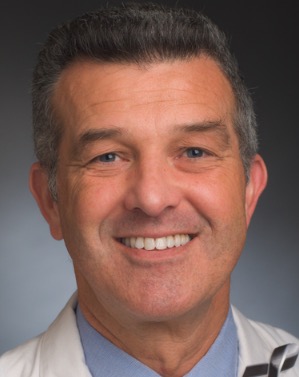 David Reardon合作论文数Center for Neuro-Oncology, Dana-Farber Cancer Institute;Harvard Medical School63
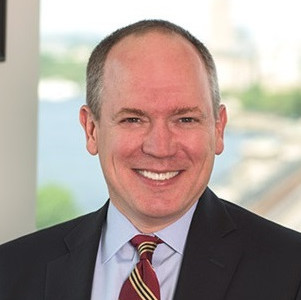 Tracy Batchelor合作论文数Harvard Medical School;Department of Neurology, Brigham and Women's Hospital;Cancer Center, Mass General Research Institute, Massachusetts General Hospital48
 McFaline-Figueroa José Ricardo合作论文数College of Physicians and Surgeons, Columbia University42
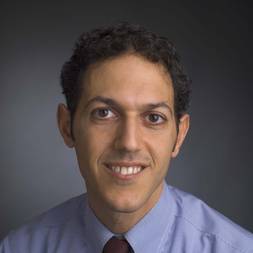 Rameen Beroukhim合作论文数Division of Medical Sciences, Harvard Medical School;Dana-Farber Cancer Institute42
 Keith L. Ligon合作论文数Center for Patient Derived Models, Dana-Farber Cancer Institute;Division of Neuropathology, Brigham and Women's Hospital;Medical School, Harvard University;Travera;Broad Institute, Massachusetts Institute of Technology;Boston Children's Hospital41
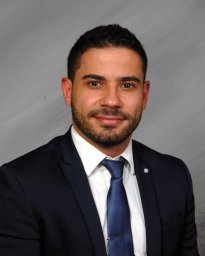 Gilbert Youssef合作论文数Dana-Farber/Brigham and Women's Cancer Center, Harvard Medical School35
 Wenya Linda Bi合作论文数Department of Neurosurgery, Brigham and Women's Hospital;Harvard Medical School34Rahman Rifaquat合作论文数28
 Elizabeth Gerstner合作论文数Mass General Research Institute;Harvard Medical School;Massachusetts General Hospital28Aquilanti Elisa合作论文数26Arrillaga-Romany Isabel合作论文数25
 Priscilla Brastianos合作论文数Division of Medical Sciences, Harvard Medical School23
 Daniel Cahill合作论文数Stephen E. and Catherine Pappas Center for Neuro-Oncology, Massachusetts General Hospital, Harvard Medical School, Harvard University;Department of Neurosurgery, Massachusetts General Hospital, Harvard Medical School, Harvard University22
 Alona Muzikansky合作论文数Biostatistics Center, Massachusetts General Hospital20
 Mary Jane Lim-Fat合作论文数Sunnybrook Health Sciences Centre19
 Sandro Santagata合作论文数Laboratory of Systems Pharmacology, Harvard Medical School;Department of Pathology, Brigham and Women's Hospital;Dana-Farber Cancer Institute18
 E. Antonio Chiocca合作论文数Department of Neurosurgery, Brigham and Women's Hospital;Institute for the Neurosciences, Brigham and Women's Hospital;Harvard Medical School;Center for Neuro-oncology, Dana-Farber Cancer Institute18
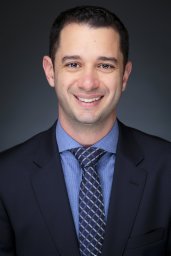 Omar M. Arnaout合作论文数18
 David Meredith合作论文数Dept Pathol, Brigham & Womens Hosp17
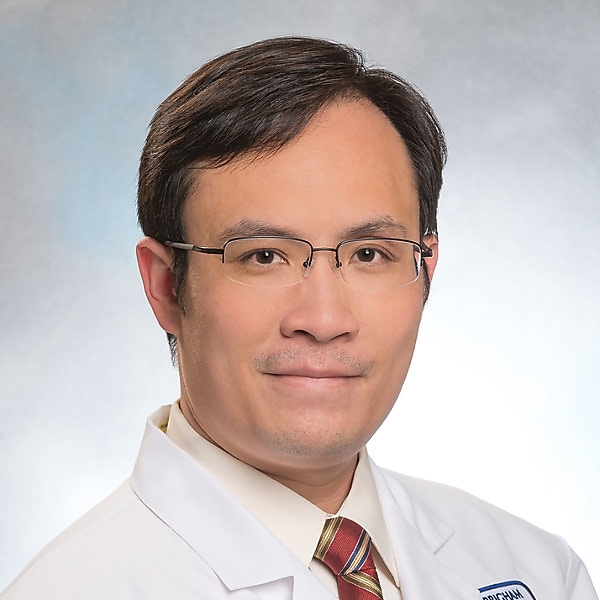 Raymond Y. Huang合作论文数Harvard Medical School;Department of Radiology, Brigham and Women's Hospital17
 Mehdi Touat合作论文数Drug Development Department (DITEP), University Paris Sud16Lisa Doherty合作论文数16
 Jorg Dietrich合作论文数15Tanguturi Shyam K合作论文数15
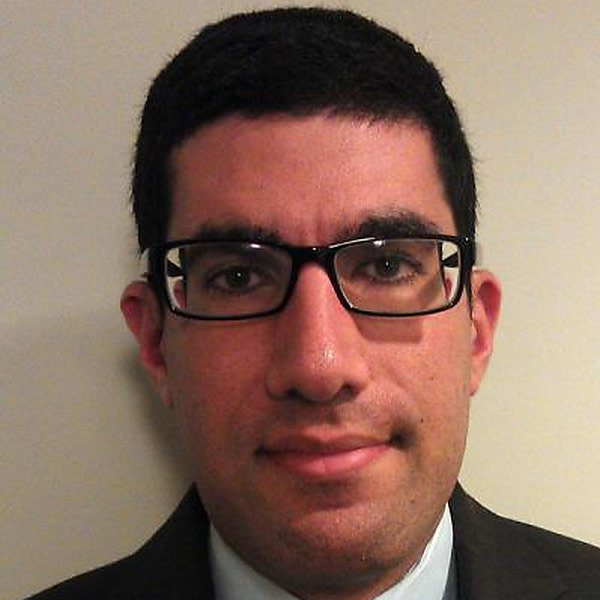 Ayal A. Aizer合作论文数Harvard Medical School;Department of Radiation Oncology, Brigham and Women's Hospital15Marie Allen合作论文数14Deborah Forst合作论文数14
 Naema Nayyar合作论文数Division of Hematology/Oncology, Department of Medicine, Massachusetts General Hospital, Harvard Medical School, Boston, MA;12
 Iorgulescu J Bryan合作论文数Brigham & Womens Hosp12
 Scott L. Carter合作论文数Division of Medical Sciences, Harvard Medical School;Joint Center for Cancer Precision Medicine, Dana-Farber Cancer Institute;Harvard T.H. Chan School of Public Health12
 Jayashree Kalpathy-Cramer合作论文数Harvard Medical School;Massachusetts General Hospital12Daphne A. Haas-Kogan合作论文数12A. Giobbie-Hurder合作论文数Cooperative Studies Program Coordinating Center, Hines, IL12
 Daniel Cagney合作论文数Department of Radiation Oncology, Mater Private Network;Royal College of Surgeons in Ireland12Sydney Whorral合作论文数11McCluskey Christine合作论文数11
 Brian M. Alexander合作论文数Dana-Farber Cancer Institute;Harvard Medical School;GCAR;Roche/Genentech Pharma R&D11Pierpaolo Peruzzi合作论文数College of Medicine and James Cancer Hospital, The Ohio State University11
 Alyssa Russ合作论文数10
 Kevin Oh合作论文数Massachusetts General Hospital;Harvard Medical School10Michael A White合作论文数9Maria Lavallee合作论文数9Luis Nicolas Gonzalez Castro合作论文数9
 Manmeet Singh Ahluwalia合作论文数Miami Cancer Institute, Baptist Health South Florida;Miami Neuroscience Institute, Baptist Health South Florida9
 Eleanor L. Woodward合作论文数9
 Helen Shih合作论文数MGH Proton Therapy Centers, Massachusetts General Hospital;Harvard Medical School9




