ABSTRACT Objectives Limited data exist on real‐world treatment strategies and their impact on survival in Australian patients with NSCLC. THASSOS‐INL (NCT04808050) evaluated the treatment patterns and survival outcomes in patients with early‐stage NSCLC. Methods Australia cohort of THASSOS‐INTL, non‐interventional, multicenter, retrospective study enrolled patients aged ≥ 18 years diagnosed with stage IA‐IIIB resectable NSCLC between January 2013 and December 2017. The primary outcomes included treatment patterns and associated 3‐year survival rates. Secondary endpoints included clinico‐demographic characteristics and their association with overall survival (OS). Results Of 199 patients recruited (median [range] age: 67.0 [35.0–88.0] years), 53.8% were males, 87.4% were current smokers/ex‐smokers, and 52.2% had an ECOG score of ≤ 1. A total of 42.2% patients had stage I, 28.1% had stage II, and 29.6% had stage III NSCLC. Adenocarcinoma was the predominant (56.8%) histological subtype. Overall, 97.0% patients underwent surgery. Neoadjuvant therapy was reported in 9.5%; adjuvant therapy was reported in 39.2%. The overall median OS was 6.0 years (95% CI: 5.200 NE) with a median 3 year survival probability rate of 70.5% (95% CI: 64.4%–77.2%). Age, increasing stages of NSCLC, disease progression, and EGFR mutations were associated with significant worsening of OS. Conclusions The study underscores the diverse treatment approaches prior to approval of immuno‐targeted therapy, showing that fewer than half of the patients received AT with only a quarter of those receiving adjuvant ST. The study highlights the need for integrating molecular diagnostics, improving access to novel therapies, and a multidisciplinary team approach to improve survival in these patients.
BACKGROUND/OBJECTIVES:Patients with incurable cancers enrolled in early phase clinical trials often face uncertainty about prognosis, yet advance care planning (ACP) is frequently delayed. The objective of this study was to assess the documentation of ACP discussions among patients enrolled in early phase oncology trials. METHODS:We conducted a retrospective review of electronic medical records for all adults enrolled in early phase clinical trials at a single Australian institution (2012-2021). Data included time from metastatic diagnosis to first ACP discussion, clinical and sociodemographic factors, triggers for discussion, and clinician specialty. RESULTS:Among 170 patients (58% male; median age 65 years), ACP documentation was identified in 109 (64%). ACP was most often initiated within the final year of life (73.8%), with a median interval of 23.5 months from metastatic diagnosis to first documentation. Common triggers were disease progression (39.6%) and hospital admission (37.8%). Discussions were typically led by the treating oncologist or trials specialist (43%) and palliative care physician (37.8%). The most frequently documented topic was the limitations of invasive care such as intubation (60%). CONCLUSIONS:ACP documentation was present in two-thirds of patients enrolled in early phase clinical trials, typically late in the disease trajectory. Integrating structured, earlier ACP discussions into oncology pathways would improve alignment of care with patient goals and enhance end-of-life care.
MET exon 14 skipping mutation (METex14) is a key oncogenic driver in 2% of non-small cell lung carcinoma (NSCLC) and is enriched in sarcomatoid carcinoma (SAC). However, the prevalence and significance of METex14 NSCLC in the Australian population is not known. We evaluated the incidence, clinical, molecular, and histopathological features of METex14 and SAC cases in an Australian tertiary referral centre. We retrospectively analysed clinical, molecular, histopathological, and immunohistochemical data of NSCLC cases undergoing DNA and/or RNA fusion panel next-generation sequencing (NGS) between 1 July 2021 and 15 May 2024. Among 1267 NSCLC, 880 (69%) cases had DNA NGS only, 359 (28%) cases had both DNA NGS and RNA fusion panel, and 28 (2%) cases had RNA fusion panel only. Overall, 29 (2.3%) cases had METex14, 14 (1.1%) had MET amplification, and 10 (0.8%) had MET R988C. Of the 29 METex14 patients, 15 (52%) were women and 14 (48%) were men. METex14 patients were older than those who were MET wild-type, or with EGFR or KRAS mutations (median age 76 vs 71, 69, and 71, respectively) and were less likely to be smokers than KRAS-mutated cases (58% vs 92%, p<0.0001). Most METex14 cases were adenocarcinomas (76%), with 14% classified as SAC. Programmed death-ligand 1 (PD-L1) expression was higher in METex14 than in EGFR-mutated cases. Median survival for METex14 patients was 26 months (stage I), not reached (stage II), 8 months (stage III), and 3.5 months (stage IV). Among 28 SAC cases, 57% harboured oncogenic mutations, including KRAS (18%), METex14 (14%), BRAF V600E (7%), and EGFR exon 19 deletion (4%). SAC exhibited significantly higher PD-L1 expression (mean tumour proportion score 71 vs 30, p<0.0001) and a greater proportion of high PD-L1 expressors (82% vs 30%, p<0.0001) than other NSCLC subtypes. Stage IV SAC patients had a median survival of only 2 months. In summary, in our cohort of NSCLC, METex14 mutation was found in 2% of cases using DNA NGS alone and up to 3% when both DNA NGS and RNA fusion panel testing were employed. METex14 mutations were more common in elderly patients, with an equal gender distribution and a high proportion of non-smokers. While most cases were adenocarcinomas, SAC was enriched for METex14. SAC was an aggressive NSCLC subtype, with KRAS and METex14 as the most common driver mutations. Given the high prevalence of PD-L1 expression in SAC, further research on immunotherapy efficacy in this group is warranted.
Background: KRAS G12D and G12C mutations have distinct biological traits influencing treatment response. This study examines real-world demographics, clinical characteristics, and first-line treatment outcomes in metastatic non-small-cell lung cancer (NSCLC) patients with these mutations. Methods: This retrospective, multi-institution observational study used data from the AURORA database. Patients aged 18 years or older, diagnosed with metastatic KRAS G12D or G12C NSCLC between January 1, 2010, and April 30, 2024, were included. Descriptive statistics compared patient characteristics, and time-to-event outcomes were assessed using Cox proportional hazards regression. Results: A total of 298 (216 KRAS G12C and 82 KRAS G12D) patients were included. The KRAS G12D group had a higher proportion of never smokers (15 % vs. 1 %, p < 0.01) and PD-L1 < 1 % (36 % vs. 21 %, p = 0.06). No significant differences were observed in overall survival (OS) (HR 1.09, 95 % CI 0.80-1.48, p = 0.60) or real-world progression-free survival (rwPFS) (HR 1.21, 95 % CI 0.92-1.59, p = 0.18) between mutation groups. In KRAS G12C, monotherapy immunotherapy (HR 0.61, 95 % CI 0.39-0.97, p = 0.04) and chemo-immunotherapy (HR 0.59, 95 % CI 0.37-0.94, p = 0.03) improved OS compared to chemotherapy. For KRAS G12D, neither immunotherapy (HR 0.74, 95 % CI 0.29-1.89, p = 0.53) nor chemo-immunotherapy (HR 0.73, 95 % CI 0.34-1.57, p = 0.42) improved OS compared to chemotherapy alone. Conclusion: KRAS G12C and G12D mutations demonstrate distinct clinical characteristics and treatment responses, with poorer immunotherapy outcomes in KRAS G12D patients. Prospective studies are needed to validate these findings.
BACKGROUND:Randomized studies have demonstrated superior overall survival (OS) of pembrolizumab (pembro), both alone and in combination with chemotherapy (chemo) over chemo alone in patients with programmed cell death ligand-1 (PD-L1) ≥ 50% advanced non-small cell lung cancer (NSCLC). We reviewed the real-world outcomes of patients who received pembro-chemo versus pembro only. METHODS:This Australian-based retrospective cohort study used data from patients with advanced NSCLC PD-L1 ≥ 50%, diagnosed between January 2016 and July 2021 and had received first-line pembro-chemo or pembro only. Patients with an EGFR/ALK/ROS1 sensitizing mutation were excluded. Cox proportional-hazards model and Kaplan-Meier methods were used to estimate OS and progression-free survival (PFS). RESULTS:Of 111 eligible patients, 25 received pembro-chemo and 86 received pembro only. After a median follow-up of 15.7 months, median (95% CI) OS was not reached in the pembro-chemo group versus 15.6 (9.5-21.7) months in the pembro-only group (HR 0.57, 95% CI 0.28-1.16, p = 0.12). Median PFS was 12.4 (6.5-18.3) versus 9.5 (6.3-12.6) months in pembro-chemo versus pembro-only groups, respectively (HR 0.62, 95% CI 0.32-1.18, p = 0.18). Objective response rate (ORR) was higher in the pembro-chemo group (60% vs. 30.3%). There were more hospitalizations in the pembro-chemo group versus pembro-only group, 28% versus 18.6%, but immune-related adverse events were similar (32% vs. 32.6%). CONCLUSION:In patients with PD-L1 ≥ 50% advanced NSCLC, addition of chemo to first-line pembro yielded a higher ORR but no additional benefit in PFS or OS, supporting a shared-decision approach. However, higher rates of hospitalizations seen in the pembro-chemo group should warrant caution in use.
MicroAbstract: Australian subset of the multicentric PACIFIC-R study (NCT03798535) in patients with unresectable, stage III non-small cell lung cancer without progression following chemoradiotherapy, found a median progression-free survival of 22.4 months (95% confidence interval, 17.5 to 30.8) confirming clinical benefit of durvalumab consolidation post-chemoradiotherapy in the real-world setting. Introduction: The Phase 3 PACIFIC trial established post-chemoradiotherapy (CRT) durvalumab consolidation as standard treatment for patients with unresectable, stage III non-small cell lung cancer (NSCLC). We present the results from the Australian subset of the multicentric PACIFIC-R study (NCT03798535) assessing the effectiveness of durvalumab in the real-world setting. Patients and Methods: Patients with unresectable, stage III NSCLC without progression following CRT, receiving at least 1 dose of durvalumab (10 mg/kg intravenously, every 2 weeks) through an early access program (EAP) between September 2017 and December 2019, were enrolled. Primary endpoints, progression-free survival (PFS) and overall survival (OS) were analyzed by Kaplan–Meier method. Results: As of February 7, 2022, 165 patients (median age: 67.0 years) with a median follow-up of 34.7 months were enrolled. Most received last radiation ≥42 days before durvalumab initiation (126, 79.2%) at a dose of 54 to 60 Gy (141, 88.7%). Median PFS was 22.4 months (95% confidence interval [CI], 17.5 to 30.8). The 3-year PFS and OS rates were 38.9% (95% CI, 31.0 to 46.7) and 59.1% (95% CI, 51.2 to 66.2). Pneumonitis was the most frequent adverse events of special interest (27, 16.4%); which led to treatment discontinuation in 19 (11.5%) patients. Conclusion: The real-world results from the Australian PACIFIC-R subset confirm translation of the clinical benefit of post-CRT durvalumab consolidation in the pivotal PACIFIC trial to the real-world setting, showing favorable survival outcomes, irrespective of delays in durvalumab initiation post-radiation.
Introduction: EGFR-mutant NSCLC is associated with low mutation burden and low levels of PD-L1 expression. We conducted a phase 2 trial to determine the efficacy of durvalumab, tremelimumab, and platinum-pemetrexed in EGFR-mutant NSCLC after progression with EGFR tyrosine kinase inhibitors (TKIs). Methods: Participants were treated with induction durvalumab, tremelimumab, and platinum-pemetrexed, followed by durvalumab-pemetrexed maintenance. Participants were divided into two cohorts: (1) EGFR exon 20 T790M negative (T790M-, progressing on either first-line osimertinib, or on a single line of first/second generation TKI), and (2) T790M positive (T790M+, progressing on greater than or equal to 1 lines of TKI, including osimertinib). The primary endpoint was the confirmed objective response rate (ORR) assessed Results: One hundred participants from Australia and Taiwan were enrolled. Median follow-up was 26 months with 88% and 96% experiencing progression events for T790Mand T790M+, respectively. The ORR for T790Mwas 31% (95% confidence interval: 20-45), including two complete responses. The ORR for T790M+ was 21% (95% confidence interval: 12-34). Median durations of response were 9.5 months and 6.3 months for T790Mand T790M+, respectively; median progression-free survival rates were 6.5 months and 4.9 months, respectively. For T790M-, ORR was 27% for 50% or higher PD-L1 (n = 22) and 0% for less than 50% PD-L1 (n = 10), respectively. For T790M+, ORR was 17% for 50% or higher PD-L1 (n = 24). The safety profile was consistent with previous reports. Conclusions: Durvalumab, tremelimumab, and platinumpemetrexed had modest anti-tumor activity in EGFR-mutant NSCLC after progression on TKI. The T790Mcohort had higher ORR and a longer duration of response. Immune adverse events were not increased with tremelimumab. The clinical registration number of this trial is NCT03994393. (c) 2024 The Authors. Published by Elsevier Inc. on behalf of the International Association for the Study of Lung Cancer. This is an open access article under the CC BY-NC-ND license (http://creativecommons.org/licenses/by-nc-nd/ 4.0/).
KRAS G12C is the most common KRAS mutation in non-small cell lung carcinoma (NSCLC), for which targeted therapy has recently been developed.From the 732 cases of NSCLC that underwent next-generation sequencing at the Department of Anatomical Pathology, Liverpool Hospital, between July 2021 and May 2023, we retrieved 83 (11%) consecutive cases of KRAS G12C mutated NSCLC, and analysed their clinical, pathological, and molecular features.Of the 83 cases of KRAS G12C mutated NSCLC, there were 46 (55%) men and 37 (45%) women, with mean age of 72 years. Of the 49 cases with known clinical information, 94% were current or ex-smokers, and 49% were stage IV at diagnosis with median survival of 12 months. Sixty-three percent were histology cases and the remainder were cytology cases. Eighty-two percent were non-mucinous adenocarcinomas, with conventional histology including lepidic, acinar, solid, single cells and micropapillary patterns, and 62% were poorly differentiated. There were five (6%) cases of mucinous adenocarcinoma, one case of pleomorphic carcinoma and one case of high-grade fetal adenocarcinoma. TTF1 was positive in the majority (89%) of cases. Nineteen (23%) cases had TP53 co-mutation, and these cases had trends towards higher PD-L1 expression, poor differentiation, and presentation as stage IV disease, but the differences were not statistically significant.KRAS G12C mutated NSCLCs almost exclusively occurred in smokers and were mostly non-mucinous adenocarcinomas with conventional histological patterns which ranged from well to poorly differentiated. Around a quarter had TP53 co-mutation, the histological impacts and immune profile of which need to be assessed in a larger study.
Introduction: Consolidation durvalumab following platinum-based chemoradiotherapy (CRT) significantly improved overall survival for patients with unresectable stage III non-small cell lung cancer (NSCLC) in the PACIFIC trial. However, older patients were underrepresented in PACIFIC, and subsequent analyses suggested trends toward poorer survival and increased toxicity in patients aged >= 70 years old. We assessed the effectiveness and safety of consolidation durvalumab following CRT in older Australian patients with unresectable stage III NSCLC. Materials and Methods: This retrospective observational study was conducted across seven sites in Sydney, Australia between January 2018 and September 2021. All adult patients with unresectable stage III NSCLC who received platinum-based chemoradiotherapy followed by at least one cycle of consolidation durvalumab were included. Older patients were defined as being >= 70 years old. Results: Of 152 patients included in the analysis, 42.8% (n = 67) patients were 70 years or older. Median followup was 26.1 months. The two-year overall survival and median PFS was similar between older and younger patients. At two years, 74.8% (95% confidence interval [CI]: 65.4-84.2%) of patients <70 years old and 65.2% (95% CI: 53.4-77.0%) of older patients were alive (p = 0.07; hazard ratio [HR] 1.64, 95% CI: 0.95-2.81). Median progression-free survival (PFS) in patients <70 years was 30.3 months (95% CI: 22.2-38.4 months) compared with 26.7 months (95% CI: 12.8-40.6 months) in older patients (p = 0.22; HR 1.46, 95% CI: 0.80-2.65). Toxicity was also similar, with 11.5% of patients <70 years old and 18.5% of older patients experiencing grade 3-4 adverse events (AEs; p = 0.23); 16.1% and 24.6% of the patients, respectively, discontinued treatment due to toxicity (p = 0.19). Grade 3-4 AEs and treatment discontinuation were associated with Charlson Comorbidity Index >5 (p = 0.011) and chronic obstructive pulmonary disease diagnosis at presentation (p = 0.002), respectively.
Introduction: ALK-positive lung cancers represent a molecularly diverse disease. With drug exposure, driving selection pressure, and resistance pathways, disease relapse will emerge. There is compelling rationale to investigate novel treatment strategies, informed by dynamic circulating tumor DNA (ctDNA) monitoring. Methods: The single-arm, pilot study ALKTERNATE investigated fixed alternating cycles of lorlatinib intercalated with crizotinib in individuals resistant to second-generation ALK inhibitors. Dynamic ctDNA explored the correlation with disease response and disease recurrence and defined disease resistance. The primary outcome was time-to-treatment failure, a composite of tolerability, feasibility, and efficacy. Secondary outcomes included standard survival measures, toxicity, pharmacokinetic analysis, and patient-reported outcomes. Tertiary outcomes were proteogenomic analyses of tissue and plasma. Results: A total of 15 individuals were enrolled; three encountered primary resistance to lorlatinib induction. There were 12 participants who received alternating therapy, and this approach revealed safety, feasibility, and effectiveness. Patient-reported outcomes were maintained or improved on therapy, and toxicity was consistent with previous reports. The pharmacokinetic measures were similar to the single-arm drug experience. Median time-to-treatment failure was 10 months; overall survival was 23 months. ctDNA profiles indicated inferior survival in those with preexistent TP53 mutations and those without clear or cleared ctDNA at trial induction. The study defined a vastly heterogeneous population with an abundance of ALK coexisting with non-ALK resistance variants. Conclusions: ALKTERNATE revealed feasibility with a novel alternating ALK inhibitor strategy in ALK-positive NSCLC. Results support progressing inquiry into this approach and propose a flexible design with drug(s) selected and alternating time frames, informed by real-time plasma profiling. Moving this concept to treatment naive may also optimize impact.
Introduction: Local Australian guidelines for the optimal management of stage III unresectable non-small cell lung cancer (NSCLC) are lacking. The American Society of Clinical Oncology (ASCO) guidelines recommend consolidation durvalumab for all patients with unresectable stage III NSCLC, irrespective of their PD-L1 expression or driver mutation status. The European Society of Medical Oncology (ESMO) differs, with consolidation durvalumab only recommended in those patients whose tumours express PD-L1. Methods: Due to differing global guidelines, we conducted an Australia and New Zealand wide survey of medical oncologists specialising in thoracic cancer to determine the variations in patterns of prescribing durvalumab in stage III unresectable NSCLC. This survey was done electronically and sponsored by the Thoracic Oncology Group of Australia (TOGA). Results: Thirty-two medical oncologists completed the survey. In patients with EGFR-mutated stage III unresectable NSCLC, 6% of respondents stated that they prescribed durvalumab for all patients, while an additional 6% strongly recommended treatment. Forty-four percent suggested little benefit of consolidation durvalumab in this cohort, with an additional 19% advocating for observation only. In patients with PD-L1 negative (0%) stage III unresectable NSCLC, 13% of respondents prescribed durvalumab for all patients, while an additional 56% strongly recommended treatment. Interestingly, 18%, 10%, and 10% of prescribers discussed self-funded oral tyrosine kinase inhibitor therapy in patients with EGFR, ALK, or ROS-1-mutated NSCLC respectively as a substitute for consolidation durvalumab. Conclusion: Overall, the clinical practice of Australian and New Zealand Medical Oncologists is variable, but remains consistent with either the ASCO or ESMO guidelines. Local practice guidelines are required to ensure consistency in prescribing patterns across Australia, as well as providing evidence for self-funded treatments outside standard of care.
In this phase II, single arm trial (ACTRN12617000720314), we investigate if alternating osimertinib and gefitinib would delay the development of resistance to osimertinib in advanced, non-small cell lung cancer (NSCLC) with the epidermal growth factor receptor ( EGFR) T790M mutation ( n = 47) by modulating selective pressure on resistant clones. The primary endpoint is progression free-survival (PFS) rate at 12 months, and secondary endpoints include: feasibility of alternating therapy, overall response rate (ORR), overall survival (OS), and safety. The 12-month PFS rate is 38% (95% CI 27.5–55), not meeting the pre-specified primary endpoint. Serial circulating tumor DNA (ctDNA) analysis reveals decrease and clearance of the original activating EGFR and EGFR -T790M mutations which are prognostic of clinical outcomes. In 73% of participants, loss of T790M ctDNA is observed at progression and no participants have evidence of the EGFR C797S resistance mutation following the alternating regimen. These findings highlight the challenges of treatment strategies designed to modulate clonal evolution and the clinical importance of resistance mechanisms beyond suppression of selected genetic mutations in driving therapeutic escape to highly potent targeted therapies.
Australian and international guidelines recommend patients with suspected lung cancer be reviewed by a specialist within 14 days, and commence lung cancer treatment within 42 days from referral (Cancer Council Australia, 2020). We established a Rapid Lung Assessment Clinic (RLAC) in 2018, located in the Cancer Therapy Centre of an academic university hospital, to fast-track patients with suspected lung malignancy. In the first 15 months of operation we found delays to diagnosis and treatment were associated with the number of diagnostic tests and clinic visits (Dabholkar et al., 2021).
 Yip Po Yee合作论文数29
 Abhijit Pal合作论文数Department of Medical Oncology, Liverpool Hospital20
 Shalini K Vinod合作论文数Department of Radiation Oncology, Liverpool Hospital19Kao Steven C合作论文数18Janette Vardy合作论文数School of Medicine, Faculty of Medicine and Health, The University of Sydney15
 Udit Nindra合作论文数14Haryana Dhillon合作论文数School of Psychology, Faculty of Science, The University of Sydney14Descallar Joseph合作论文数13Wei Chua合作论文数13
 Adnan Nagrial合作论文数University of Sydney;Westmead Private Hospital12
 Min Myo合作论文数12Annette Tognela合作论文数12Dion Forstner合作论文数11
 Chris Brown合作论文数NHMRC Clinical Trials Centre, Sydney Medical School, Faculty of Medicine and Health, The University of Sydney;Bean Bar You10Lin Peter合作论文数10
 Tara Roberts合作论文数10
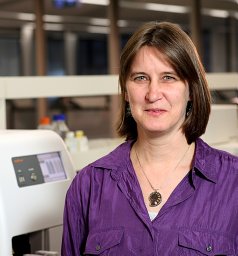 Therese M Becker合作论文数Westmead Millennium Institute and Westmead Hospital, University of Sydney10
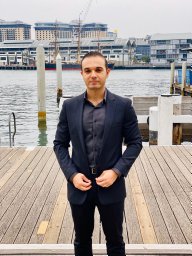 Tamiem Adam合作论文数Department of Medical Oncology, Bankstown‐Lidcombe Hospital9
 Chee Lee合作论文数Faculty of Medicine and Health, The University of Sydney;Clinical Research Unit, St George Hospital;Sutherland Hospital9
 Benjamin Solomon合作论文数Department of Medical Oncology, Peter MacCallum Cancer Centre9Pei N Ding合作论文数8Andrew Chicco合作论文数Department of Medical Physics, Westmead Hospital8A. Fowler合作论文数8
 Michael Boyer合作论文数Central Clinical School, Faculty of Medicine and Health, The University of Sydney;Chris O'Brien Lifehouse8
 Adel Shahnam合作论文数8
 Ken O'Byrne合作论文数School of Biomedical Sciences, Faculty of Health, Queensland University of Technology;Princess Alexandra Hospital;Icon Cancer Centre8
 Melanie L Bell合作论文数Department of Preventive and Social Medicine, University of Otago8
 Malinda Itchins合作论文数7
 Jenny H Lee合作论文数Department of Medical Oncology, Chris O'Brien Lifehouse7
 Matthew Joseph Lee合作论文数Water Research Centre, School of Civil & Environmental Engineering, Faculty of Engineering, University of New South Wales7
 Paul de Souza合作论文数Faculty of Medicine and Health, The University of Sydney;Sydney Medical School, The University of Sydney;School of Clinical Medicine, Western Sydney University7
 Lois Holloway合作论文数The University of New South Wales Sydney;South Western Sydney Local Health District7Samuel Xavier Stevens合作论文数6Michael Lin合作论文数6
 Thomas John合作论文数Department of Medical Oncology, Austin Health/Olivia-Newton John Cancer Research Institute/School of Cancer Medicine, La Trobe University/Faculty of Medicine, University of Melbourne6Minh Thi Tieu合作论文数6Peey-Sei Kok合作论文数National Health and Medical Research Council Clinical Trials Centre, University of Sydney5I. Ho Shon合作论文数5
 Martin Stockler合作论文数Sydney Medical School, University of Sydney;NHMRC Clinical Trials Centre, University of Sydney5
 Stephen Yip合作论文数Department of Pathology and Laboratory Medicine, Faculty of Medicine, The University of British Columbia;Vancouver General Hospital;BC Cancer5Sagun Parakh合作论文数Department of Medicine, James Cook Hospital5
 Afaf Girgis AM合作论文数South Western Sydney Clinical School, Faculty of Medicine, The University of New South Wales5David Lynch合作论文数4
 Orlando Rincones合作论文数Ingham Institute for Applied Medical Research4
 Adeola Bamgboje-Ayodele合作论文数Ingham Institute for Applied Medical Research, University of New South Wales4
 Nick Pavlakis合作论文数School of Medicine, Faculty of Medicine and Health, The University of Sydney4
 Brett Hughes合作论文数The Prince Charles Hospital;Royal Brisbane and Women’s Hospital4Durcinoska Ivana合作论文数4
 Caixeiro Nicole J合作论文数Medical Oncology Group, Ingham Institute for Applied Medical Research;South West Sydney Translational Cancer Research Unit;Medical Oncology Group, Ingham Institute for Applied Medical Research4




