The demersal fish orange roughy (Hoplostethus atlanticus) can live for up to 250 years, twenty times more than its congener silver roughy (Hoplostethus mediterraneus). Studies of Hoplostethus have focused mainly on its ecology and conservation due to its vulnerability to commercial fishing. In this work, we present the de novo genomes of orange and silver roughies and explore the genomic mechanisms that could contribute to such differential longevities. Using comparative genomics on a list of more than 400 genes, we identified gene candidates with differential residue changes in Hoplostethus that are related to genomic instability, disabled macroautophagy and intercellular communication. We hypothesized that these mechanisms could have been selected as adaptations to the deep environment and, as an epiphenomenon of these mechanisms, may have contributed to an extension of the lifespan of H. atlanticus.
BACKGROUND:Atherosclerosis is the main medical problem in Hutchinson-Gilford progeria syndrome, a rare premature aging disorder caused by the mutant lamin-A protein progerin. Recently, we found that limiting progerin expression to vascular smooth muscle cells (VSMCs) is sufficient to hasten atherosclerosis and death in Apoe-deficient mice. However, the impact of progerin-driven VSMC defects on endothelial cells (ECs) remained unclear.METHODS:Apoe- or Ldlr-deficient C57BL/6J mice with ubiquitous, VSMC-, EC- or myeloid-specific progerin expression fed a normal or high-fat diet were used to study endothelial phenotype during Hutchinson-Gilford progeria syndrome-associated atherosclerosis. Endothelial permeability to low-density lipoproteins was assessed by intravenous injection of fluorescently labeled human low-density lipoprotein and confocal microscopy analysis of the aorta. Leukocyte recruitment to the aortic wall was evaluated by en face immunofluorescence. Endothelial-to-mesenchymal transition (EndMT) was assessed by quantitative polymerase chain reaction and RNA sequencing in the aortic intima and by immunofluorescence in aortic root sections. TGF beta (transforming growth factor beta) signaling was analyzed by multiplex immunoassay in serum, by Western blot in the aorta, and by immunofluorescence in aortic root sections. The therapeutic benefit of TGF beta 1/SMAD3 pathway inhibition was evaluated in mice by intraperitoneal injection of SIS3 (specific inhibitor of SMAD3), and vascular phenotype was assessed by Oil Red O staining, histology, and immunofluorescence in the aorta and the aortic root.RESULTS:Both ubiquitous and VSMC-specific progerin expression in Apoe-null mice provoked alterations in aortic ECs, including increased permeability to low-density lipoprotein and leukocyte recruitment. Atherosclerotic lesions in these progeroid mouse models, but not in EC- and myeloid-specific progeria models, contained abundant cells combining endothelial and mesenchymal features, indicating extensive EndMT triggered by dysfunctional VSMCs. Accordingly, the intima of ubiquitous and VSMC-specific progeroid models at the onset of atherosclerosis presented increased expression of EndMT-linked genes, especially those specific to fibroblasts and extracellular matrix. Aorta in both models showed activation of the TGF beta 1/SMAD3 pathway, a major trigger of EndMT, and treatment of VSMC-specific progeroid mice with SIS3 alleviated the aortic phenotype.CONCLUSIONS:Progerin-induced VSMC alterations promote EC dysfunction and EndMT through TGF beta 1/SMAD3, identifying this process as a candidate target for Hutchinson-Gilford progeria syndrome treatment. These findings also provide insight into the complex role of EndMT during atherogenesis.
Acyl-CoA binding protein (ACBP) encoded by diazepam binding inhibitor (DBI) is an extracellular inhibitor of autophagy acting on the gamma-aminobutyric acid A receptor (GABAAR) γ2 subunit (GABAARγ2). Here, we show that lipoanabolic diets cause an upregulation of GABAARγ2 protein in liver hepatocytes but not in other major organs. ACBP/DBI inhibition by systemically injected antibodies has been demonstrated to mediate anorexigenic and organ-protective, autophagy-dependent effects. Here, we set out to develop a new strategy for developing ACBP/DBI antagonists. For this, we built a molecular model of the interaction of ACBP/DBI with peptides derived from GABAARγ2. We then validated the interaction between recombinant and native ACBP/DBI protein and a GABAARγ2-derived eicosapeptide (but not its F77I mutant) by pull down experiments or surface plasmon resonance. The GABAARγ2-derived eicosapeptide inhibited the metabolic activation of hepatocytes by recombinant ACBP/DBI protein in vitro. Moreover, the GABAARγ2-derived eicosapeptide (but not its F77I-mutated control) blocked appetite stimulation by recombinant ACBP/DBI in vivo, induced autophagy in the liver, and protected mice against the hepatotoxin concanavalin A. We conclude that peptidomimetics disrupting the interaction between ACBP/DBI and GABAARγ2 might be used as ACBP/DBI antagonists. This strategy might lead to the future development of clinically relevant small molecules of the ACBP/DBI system.
Microbial communities are found throughout the biosphere, from human guts to glaciers, from soil to activated sludge. Understanding the statistical properties of such diverse communities can pave the way to elucidate the common mechanisms ...Multiple ecological forces act together to shape the composition of microbial communities. Phyloecology approaches—which combine phylogenetic relationships between species with community ecology—have the potential to disentangle such forces but are often ...
Acyl coenzyme A binding protein (ACBP), also known as diazepam-binding inhibitor (DBI), is a phylogenetically ancient protein present in some eubacteria and the entire eukaryotic radiation. In several eukaryotic phyla, ACBP/DBI transcends its intracellular function in fatty acid metabolism because it can be released into the extracellular space. This ACBP/DBI secretion usually occurs in response to nutrient scarcity through an autophagy-dependent pathway. ACBP/DBI and its peptide fragments then act on a range of distinct receptors that diverge among phyla, namely metabotropic G protein-coupled receptor in yeast (and likely in the mammalian central nervous system), a histidine receptor kinase in slime molds, and ionotropic gamma-aminobutyric acid (GABA)(A) receptors in mammals. Genetic or antibody-mediated inhibition of ACBP/DBI orthologs interferes with nutrient stress-induced adaptations such as sporulation or increased food intake in multiple species, as it enhances lifespan or healthspan in yeast, plant leaves, nematodes, and multiple mouse models. These lifespan and healthspan-extending effects of ACBP/DBI suppression are coupled to the induction of autophagy. Altogether, it appears that neutralization of extracellular ACBP/DBI results in "autophagy checkpoint inhibition" to unleash the anti-aging potential of autophagy. Of note, in humans, ACBP/DBI levels increase in various tissues, as well as in the plasma, in the context of aging, obesity, uncontrolled infection or cardiovascular, inflammatory, neurodegenerative, and malignant diseases.
Turritopsis dohrnii is the only metazoan able to rejuvenate repeatedly after its medusae reproduce, hinting at biological immortality and challenging our understanding of aging. We present and compare whole-genome assemblies of T. dohrnii and the nonimmortal Turritopsis rubra using automatic and manual annotations, together with the transcriptome of life cycle reversal (LCR) process of T. dohrnii. We have identified variants and expansions of genes associated with replication, DNA repair, telomere maintenance, redox environment, stem cell population, and intercellular communication. Moreover, we have found silencing of polycomb repressive complex 2 targets and activation of pluripotency targets during LCR, which points to these transcription factors as pluripotency inducers in T. dohrnii . Accordingly, we propose these factors as key elements in the ability of T. dohrnii to undergo rejuvenation.
Better understanding on interactions between SARS‐CoV‐2 and host cells should help to identify host factors that may be targetable to combat infection and COVID‐19 pathology. To this end, we have conducted a genome‐wide CRISPR/Cas9‐based loss‐of‐function screen in human lung cancer cells infected with SARS‐CoV‐2‐pseudotyped lentiviruses. Our results recapitulate many findings from previous screens that used full SARS‐CoV‐2 viruses, but also unveil two novel critical host factors: the lysosomal efflux transporter SPNS1 and the plasma and lysosomal membrane protein PLAC8. Functional experiments with full SARS‐CoV‐2 viruses confirm that loss‐of‐function of these genes impairs viral entry. We find that PLAC8 is a key limiting host factor, whose overexpression boosts viral infection in eight different human lung cancer cell lines. Using single‐cell RNA‐Seq data analyses, we demonstrate that PLAC8 is highly expressed in ciliated and secretory cells of the respiratory tract, as well as in gut enterocytes, cell types that are highly susceptible to SARS‐CoV‐2 infection. Proteomics and cell biology studies suggest that PLAC8 and SPNS1 regulate the autophagolysosomal compartment and affect the intracellular fate of endocytosed virions. Identifying targetable host factors to fight COVID‐19 requires full understanding of virus‐host cell interactions. Here, a genome‐wide loss‐of‐function screen identifies new regulators of the intracellular fate of endocytosed SARS‐CoV‐2 virions. Genome‐wide CRISPR screens identify lysosomal efflux transporter SPNS1 and transmembrane protein PLAC8 as regulators of the intracellular fate of endocytosed SARS‐CoV‐2 virions.
Somatic copy number variations (SCNVs) are genetic alterations frequently found in cancer cells. These genetic alterations can lead to concomitant perturbations in the expression of the genes included in them and, as a result, promote a selective advantage to cancer cells. However, this is not always the case. Due to this, it is important to develop in silico tools to facilitate the accurate identification and functional cataloging of gene expression changes associated with SCNVs from pan-cancer data. Here, we present a new R-coded tool, designated as CiberAMP, which utilizes genomic and transcriptomic data contained in the Cancer Genome Atlas (TCGA) to identify such events. It also includes information on the genomic context in which such SCNVs take place. By doing so, CiberAMP provides clues about the potential functional relevance of each of the SCNV-associated gene expression changes found in the interrogated tumor samples. The main features and advantages of this new algorithm are illustrated using glioblastoma data from the TCGA database.
The gametophyte of ferns reproduces either by sexual or asexual means. In the latter, apogamy represents a peculiar case of apomixis, in which an embryo is formed from somatic cells. A proteomic and physiological approach was applied to the apogamous fern Dryopteris affinis ssp. affinis and its sexual relative D. oreades. The proteomic analysis compared apogamous vs. female gametophytes, whereas the phytohormone study included, in addition to females, three apogamous stages (filamentous, spatulate, and cordate). The proteomic profiles revealed a total of 879 proteins and, after annotation, different regulation was found in 206 proteins of D. affinis and 166 of its sexual counterpart. The proteins upregulated in D. affinis are mostly associated to protein metabolism (including folding, transport, and proteolysis), ribosome biogenesis, gene expression and translation, while in the sexual counterpart, they account largely for starch and sucrose metabolism, generation of energy and photosynthesis. Likewise, ultra-performance liquid chromatography-tandem spectrometry (UHPLC-MS/MS) was used to assess the levels of indol-3-acetic acid (IAA); the cytokinins: 6-benzylaminopurine (BA), trans-Zeatine (Z), trans-Zeatin riboside (ZR), dyhidrozeatine (DHZ), dyhidrozeatin riboside (DHZR), isopentenyl adenine (iP), isopentenyl adenosine (iPR), abscisic acid (ABA), the gibberellins GA3 and GA4, salicylic acid (SA), and the brassinosteroids: brassinolide (BL) and castasterone (CS). IAA, the cytokinins Z, ZR, iPR, the gibberellin GA4, the brassinosteoids castasterone, and ABA accumulated more in the sexual gametophyte than in the apogamous one. When comparing the three apogamous stages, BA and SA peaked in filamentous, GA3 and BL in spatulate and DHRZ in cordate gametophytes. The results point to the existence of large metabolic differences between apogamous and sexual gametophytes, and invite to consider the fern gametophyte as a good experimental system to deepen our understanding of plant reproduction.
The common marmoset genome provides insight into primate biology and evolution. We report the whole-genome sequence of the common marmoset ( Callithrix jacchus ). The 2.26-Gb genome of a female marmoset was assembled using Sanger read data (6×) and a whole-genome shotgun strategy. A first analysis has permitted comparison with the genomes of apes and Old World monkeys and the identification of specific features that might contribute to the unique biology of this diminutive primate, including genetic changes that may influence body size, frequent twinning and chimerism. We observed positive selection in growth hormone/insulin-like growth factor genes (growth pathways), respiratory complex I genes (metabolic pathways), and genes encoding immunobiological factors and proteases (reproductive and immunity pathways). In addition, both protein-coding and microRNA genes related to reproduction exhibited evidence of rapid sequence evolution. This genome sequence for a New World monkey enables increased power for comparative analyses among available primate genomes and facilitates biomedical research application.
Exact tests greatly improve the analysis of contingency tables when marginals are low. For instance, researchers often use Fisher's exact test, which is conditional, or Barnard's test, which is unconditional but needs to deal with a nuisance parameter. Here, we describe the m-test, an exact, unconditional test for the study of d x m binomial contingency tables. When comparing binomial trials, the m-test is related to Barnard's exact test. However, the nuisance parameter is integrated over all its possible values, instead of maximized or otherwise estimated. According to Monte Carlo simulations, this strategy yields a higher statistical power than other exact tests. We also provide a package to perform the m-test in R.
The recent COVID-19 pandemic has led to widespread lock-down strategies that force universities to perform all educational activities remotely. In this context, laboratory lessons pose a significant challenge. Here, I present an on-line tool that simulates the kinetics of chemical reactions. Enzymatic mechanisms can be easily modeled and followed through time. In addition, professors can customize the interface to hide the reaction mechanism. This setting will force students to design virtual experiments to uncover the mechanism and obtain the relevant enzymatic parameters. While some of the skills developed in a practical lesson cannot be simulated, this tool can be used to teach students important concepts about data acquisition and processing.
The genomic sequencing of chronic lymphocytic leukemia (CLL) samples has provided exciting new venues for the understanding and treatment of this prevalent disease. This feat is possible thanks to high-throughput sequencing methods, such as Illumina sequencing. The interpretation of these data sources requires not only appropriate software and hardware, but also understanding the biology and technology behind the sequencing process. Here, we provide a primer to understand each step in the analysis of point mutations from whole-genome or whole-exome sequencing experiments of tumor and normal samples.
Tardigrades, also known as water bears, are small aquatic animals that inhabit marine, fresh water or limno-terrestrial environments. While all tardigrades require surrounding water to grow and reproduce, species living in limno-terrestrial environments (e.g. Ramazzottius varieornatus) are able to undergo almost complete dehydration by entering an arrested state known as anhydrobiosis, which allows them to tolerate ionic radiation, extreme temperatures and intense pressure. Previous studies based on comparison of the genomes of R. varieornatus and Hypsibius dujardini - a less tolerant tardigrade - have pointed to potential mechanisms that may partially contribute to their remarkable ability to resist extreme physical conditions. In this work, we have further annotated the genomes of both tardigrades using a guided approach in search for novel mechanisms underlying the extremotolerance of R. varieornatus. We have found specific amplifications of several genes, including MRE11 and XPC, and numerous missense variants exclusive of R. varieornatus in CHEK1, POLK, UNG and TERT, all of them involved in important pathways for DNA repair and telomere maintenance. Taken collectively, these results point to genomic features that may contribute to the enhanced ability to resist extreme environmental conditions shown by R. varieornatus.
Hutchinson-Gilford progeria syndrome (HGPS) is a rare genetic disorder caused by progerin, a mutant lamin A variant. HGPS patients display accelerated aging and die prematurely, typically from atherosclerosis complications. Recently, we demonstrated that progerin-driven vascular smooth muscle cell (VSMC) loss accelerates atherosclerosis leading to premature death in apolipoprotein E-deficient mice. However, the molecular mechanism underlying this process remains unknown. Using a transcriptomic approach, we identify here endoplasmic reticulum stress (ER) and the unfolded protein responses as drivers of VSMC death in two mouse models of HGPS exhibiting ubiquitous and VSMC-specific progerin expression. This stress pathway was also activated in HGPS patient-derived cells. Targeting ER stress response with a chemical chaperone delayed medial VSMC loss and inhibited atherosclerosis in both progeria models, and extended lifespan in the VSMC-specific model. Our results identify a mechanism underlying cardiovascular disease in HGPS that could be targeted in patients. Moreover, these findings may help to understand other vascular diseases associated with VSMC death, and provide insight into aging-dependent vascular damage related to accumulation of unprocessed toxic forms of lamin A.
We have cloned four human cDNAs encoding putative cysteine proteinases that have been tentatively called autophagins. These proteins are similar to Apg4/Aut2, a yeast enzyme involved in the activation of Apg8/Aut7 during the process of autophagy. The identified proteins ranging in length from 393 to 474 amino acids also contain several structural features characteristic of cysteine proteinases including a conserved cysteine residue that is essential for the catalytic properties of these enzymes. Northern blot analysis demonstrated that autophagins are broadly distributed in human tissues, being especially abundant in skeletal muscle. Functional and morphological analysis in autophagy-defective yeast strains lacking Apg4/Aut2 revealed that human autophagins-1 and -3 were able to complement the deficiency in the yeast protease, restoring the phenotypic and biochemical characteristics of autophagic cells. Enzymatic studies performed with autophagin-3, the most widely expressed human autophagin, revealed that the recombinant protein hydrolyzed the synthetic substrate Mca-Thr-Phe-Gly-Met-Dpa-NH(2) whose sequence derives from that present around the Apg4 cleavage site in yeast Apg8/Aut7. This proteolytic activity was diminished by N-ethylmaleimide, an inhibitor of cysteine proteases including yeast Apg4/Aut2. These results provide additional evidence that the autophagic process widely studied in yeast can also be fully reconstituted in human tissues and open the possibility to explore the relevance of the autophagin-based proteolytic system in the induction, regulation, and execution of autophagy.
CRISPR/Cas9-based therapies hold considerable promise for the treatment of genetic diseases. Among these, Hutchinson-Gilford progeria syndrome, caused by a point mutation in the LMNA gene, stands out as a potential candidate. Here, we explore the efficacy of a CRISPR/Cas9-based approach that reverts several alterations in Hutchinson-Gilford progeria syndrome cells and mice by introducing frameshift mutations in the LMNA gene.
 Carlos Lopez-Otin合作论文数Department of Biochemistry and Molecular Biology, Faculty of Medicine, University of Oviedo55
 Xose S. Puente合作论文数20
 Elías Campo合作论文数Hospital Clínic de Barcelona, IDIBAPS, University of Barcelona;Facultad de Medicina, Universidad de Barcelona;Institut d'Investigacions Biomèdiques August Pi i Sunyer16Andrew J Ramsay合作论文数Department of Virology, Animal and Plant Health Agency (APHA), Woodham Lane, New Haw, Addlestone, Surrey KT15 3NB, UK.13Neus Villamor合作论文数Servei d'Hematologia Biológica, Hospital Clínic12Armando Lopez-Guillermo合作论文数11David Rodríguez合作论文数10Gloria Velasco合作论文数10
 Marta Gut合作论文数9
 Ivo G. Gut合作论文数Biomedical Genomics Group, Centro Nacional de Análisis Genómico9Pedro Jares合作论文数9
 Maria Rozman合作论文数8Martínez-Trillos Alejandra合作论文数8Aymerich Marta合作论文数8
 Dolors Colomer合作论文数Clínic Barcelona;Foanments Clinics, University of Barcelona;Hospital Clinic8Magda Pinyol合作论文数Institut d'Investigacions Biomediques August Pi i Sunyer, Universityof Barcelona8
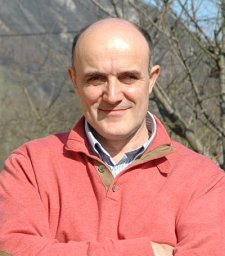 José M. P. Freije合作论文数Universidad de Oviedo, Instituto Universitario de Oncología8Mónica López-Guerra合作论文数7
 José G Pérez-Silva合作论文数Univ Oviedo, Dept Bioquim & Biol Mol, Fac Med, Inst Univ Oncol, E-33006 Oviedo, Spain7
 Alfonso Valencia合作论文数Life Science Department, Barcelona Supercomputing Centre;INB Spanish National Bioinformatics Institute;IMPaCT Spanish Personalised Medicine initiative of the ISC-III7Gonzalo R. Ordóñez合作论文数Instituto Universitario de Oncología, Universidad de Oviedo7Alba Navarro合作论文数7Diana Puente合作论文数7Gabriel Bretones合作论文数Univ Oviedo, Inst Univ Oncol6
 David G Pisano合作论文数Structural Biology and Biocomputing Programme, Spanish National Cancer Research Centre (CNIO),6Simon C. Heath合作论文数6Laura Conde合作论文数5
 Miguel Araujo-Voces合作论文数5Dido Carrero合作论文数5Garabaya Cecilia合作论文数5Arango Javier R合作论文数5
 Tomas Marques-Bonet合作论文数Comparative Genomics Lab, Institut Biologia Evolutiva, Universitat Pompeu Fabra;Catalan Institution for Research and Advanced Studies5
 Roderic Guigó Serra合作论文数Centre for Genomic Regulation;Department of Medicine and Life Sciences, Universitat Pompeu Fabra5Maria J. Pascual合作论文数4
 David Roiz del Valle合作论文数4Marcos González Díaz合作论文数4
 Araceli Diaz Perales合作论文数Center for Biotechnology and Genomics of Plants, Universidad Politécnica de Madrid4
 Jesus Maria Hernandez Rivas合作论文数Atlas of Genetics and Cytogenetics in Oncology and Haematology, Institute for Biomedical Research of Salamanca;Molecular Cytogenetics Lab, Department of Hematology, University Hospital of Salamanca4
 Sílvia Beà合作论文数Clínic Barcelona;Consorci Institut D'Investigacions Biomediques August Pi I Sunyer4Royo Romina合作论文数4Baumann Tycho合作论文数4
 Patricia Marques合作论文数4
 Modesto Orozco合作论文数Institute for Research in Biomedicine, University of Barcelona;Departament de Bioquímica, Universitat de Barcelona4
 David Adams合作论文数Wellcome Sanger Institute4
 Tim Bishop合作论文数School of Medicine, Faculty of Medicine and Health, University of Leeds;Leeds Institute of Medical Research at St James's, University of Leeds4
 Mónica Bayés合作论文数Centre Nacional d'Anàlisi Genòmica4
 Manel Juan Otero合作论文数Hospital Clínic4Luis M. Sanchez合作论文数4
 Josep Ll. Gelpí合作论文数Universitat de Barcelona4




