We present a case of a 59-year-old woman with bipolar affective disorder and idiopathic calcium accumulation in the basal ganglia (lenticular nuclei). Her physical and neurological examinations were without clinically significant abnormalities. Neuropsychological assessment shows mild cognitive deficit. Clinical and laboratory data meet the diagnostic criteria for Fahr’s disease. Discussions were held about the relationship between calcification of basal ganglia and the occurrence of the bipolar disorder.
Адрес за кореспонденция: Д-р Елена Иванова – Генова, Клиника по психиатрия, УМБАЛ „Александровска”, ул. „Св. Г. Софийски” № 1, 1431 София, GSM 0895472527; е_mail: helen_aivan@abv.bg
Genetic associations involving both rare and common alleles have been reported for schizophrenia but there have been no systematic scans for rare recessive genotypes using fully phased trio data. Here, we use exome sequencing in 604 schizophrenia proband–parent trios to investigate the role of recessive (homozygous or compound heterozygous) nonsynonymous genotypes in the disorder. The burden of recessive genotypes was not significantly increased in probands at either a genome-wide level or in any individual gene after adjustment for multiple testing. At a system level, probands had an excess of nonsynonymous compound heterozygous genotypes (minor allele frequency, MAF ⩽1%) in voltage-gated sodium channels (VGSCs; eight in probands and none in parents, P =1.5 × 10 − 4 ). Previous findings of multiple de novo loss-of-function mutations in this gene family, particularly SCN2A , in autism and intellectual disability provide biological and genetic plausibility for this finding. Pointing further to the involvement of VGSCs in schizophrenia, we found that these genes were enriched for nonsynonymous mutations (MAF ⩽0.1%) in cases genotyped using an exome array, (5585 schizophrenia cases and 8103 controls), and that in the trios data, synaptic proteins interacting with VGSCs were also enriched for both compound heterozygosity ( P =0.018) and de novo mutations ( P =0.04). However, we were unable to replicate the specific association with compound heterozygosity at VGSCs in an independent sample of Taiwanese schizophrenia trios ( N =614). We conclude that recessive genotypes do not appear to make a substantial contribution to schizophrenia at a genome-wide level. Although multiple lines of evidence, including several from this study, suggest that rare mutations in VGSCs contribute to the disorder, in the absence of replication of the original findings regarding compound heterozygosity, this conclusion requires evaluation in a larger sample of trios.
Адрес за кореспонденция: Р. Владимирова; Клиника по психиатрия; УМБАЛ ”Александровска”; ул. „Св. Г. Софийски” № 1; 1431 София
Molecular Medicine Center, Department of Medical Chemistry and Biochemistry, Medical University of Sofia, Department of Psychiatry, Medical University of Sofia and Psychiatric Clinic, Alexandrovska University Hospital, National Genetic Laboratory, University Hospital of Obstetrics and Gynaecology, Sofia, Bulgaria and Department of Psychiatry, Washington University School of Medicine, Saint Louis, Missouri, USA Correspondence to Mina A. Ivanova, Molecular Medicine Center, Medical University of Sofia, 2 Zdrave Str., 1431 Sofia, Bulgaria Tel/fax: + 359 2 9172 214; e-mail: minagelova@gmail.com
Адрес за кореспонденция: В. Стоянова; Клиника по психиатрия; УМБАЛ „Александровска”; ул. „Св. Г. Софийски” № 1; 1431 София; tel. 92 30 979; e-mail: vlstoyan@yahoo.com
Summary: We present a clinical case of a patient with treatment-resistant bipolar depres- sion in which we conducted a course of ketamine infusions without the concomi- tant antidepressant treatment to be discontinued. Unlike most of the cited cases, this kind of treatment led to sustained improvement. There were no identified risks of induction of mania and cycling, as well as signs of drug dependence. It was assumed that whereas the initial impact of improvement was due to the ketamine infusions, the long-term effectiveness of the therapeutic response was linked with the concomitant antidepressant treatment.
Bipolar disorder is a severe psychiatric disorder influenced by environmental and genetic factors. Genetic studies have implicated many variants in the disease's etiology but only few have been successfully replicated. We conducted a genome-wide association study (GWAS) on bipolar disorder in the Bulgarian population followed by a replication study of the top 100 single nucleotide polymorphisms (SNPs) showing the smallest P values. The GWAS was performed on 188 bipolar disorder patients and 376 control subjects genotyped on the Illumina 550 platform. The replication study was conducted on 122 patients and 328 controls. Although our study did not show any association P value that achieved genome-wide significance, and none of the top 100 SNPs reached the Bonferroni-corrected P value in the replication study, the plausible involvement of some variants cannot be entirely discarded. Three polymorphisms, rs8099939 [P = 2.12 × 10(-6), odds ratio (OR) = 1.95, 95% confidence interval (CI) = 1.43-2.67] in GRIK5, rs6122972 (P = 3.11 × 10(-6), OR = 2.02, 95% CI = 1.46-2.80) in PARD6B and rs2289700 (P = 9.14 × 10(-6), OR = 2.13, 95% CI = 1.53-2.95) in CTSH remained associated at a similar level after Mantel-Haenszel test for combining the results from the genome-wide and replication studies. A modest association was also detected for SNP rs1012053 (GWAS P = 4.50 × 10(-2)) in DGKH, which has already been reported as the most significant variant in a previous genome-wide scan on bipolar disorder. However, further studies using larger datasets are needed to identify variants with smaller effects that contribute to the risk of bipolar disorder.
Abstract The efficacy, safety and tolerability of bupropion XR and venlafaxine XR was assessed and compared with placebo in adult outpatients with major depressive disorder (MDD). Adults meeting DSM-IV criteria for MDD with a minimum Hamilton Depression Rating Scale (HAMD) 17-Item total score of ≥18 were randomized to eight weeks of double-blind treatment with either bupropion XR (150 mg/day), venlafaxine XR (75 mg/day) or placebo. At the end of the fourth week of treatment, a dosage increase to bupropion XR 300 mg/day or venlafaxine XR 150 mg/day was allowed if, in the opinion of the investigator, response was inadequate. The primary efficacy endpoint was mean change from baseline at week 8 in the Montgomery-Asberg Depression Rating Scale (MADRS) total score last observation carried forward (LOCF). Mean changes from baseline at week 8 (LOCF) in MADRS total score were statistically significant for bupropion XR and venlafaxine XR patients compared to the placebo group: −16.0 for bupropion XR ( P = 0.006 vs placebo), −17.1 for venlafaxine XR ( P < 0.001 vs placebo) and −13.5 for placebo. Secondary outcomes (including CGI-S, HAM-A, MEI, Q-LES-Q-SF, responder and remitter analyses) also improved significantly for both active treatment groups compared with placebo. The most frequently reported adverse events were dry mouth and insomnia for bupropion XR, and nausea, hyperhidrosis, fatigue, and insomnia for venlafaxine XR. In this double-blind, placebo-controlled trial, bupropion XR at doses up to 300 mg/day and venlafaxine XR at doses up to 150 mg/day demonstrated comparable antidepressant efficacy.
Burnout has been shown to be present in experienced physiotherapists and other health professionals, but the prevalence in recently graduated physiotherapists has not been established. This study used the Maslach Burnout Inventory to determine the prevalence of burnout in physiotherapists working in South Australia who had been qualified for less than five years. Sixty per cent of subjects were found to have moderate to high levels of emotional exhaustion, the key characteristic of burnout. High or moderate depersonalisations were recorded by 44 per cent of subjects. These levels were higher than those found in experienced physiotherapists (Solowij 1992). Burnout is related to attrition from the profession, absenteeism and reduced quality of care for patients, as well as physical and psychological symptoms.
Lithium is the most effective mood-stabilizing drug in the therapy of bipolar affective disorder (BP). It is thought to exert its effect via the phosphatidylinositol signalling system. Myo-inositol monophosphatase 2 (IMPA2) codes for an enzyme in this system that is inhibited by lithium. It is located on 18p11.2, a region implicated as a BP susceptibility locus. We examined eight single-nucleotide polymorphisms (SNPs) identified within this gene for association with BP, using 237 parents-offspring trios and in 174 cases and 170 controls. No SNP showed association with BP. When good responders to lithium treatment were compared with the poor responders, some statistically significant differences emerged for two SNPs; however, the sample became too small to draw definitive conclusions. We cannot find support for the involvement of variation in IMPA2 in susceptibility to bipolar disorder, but the role of this and other genes from the phosphoinositol signalling pathway in predicting response to lithium treatment merits further investigation.
 Radka Kaneva合作论文数Department of Medical Chemistry and Biochemistry, Medical University -Sofia;Molecular Medicine Center, Medical University – Sofia23
 Vesela Stoyanova合作论文数Institute of Physical Chemistry, Bulgarian Academy of Sciences20
 S. Krastev合作论文数First Psychiatric Clinic, Medical Academy16
 George Papadimitriou合作论文数Computer Architecture Laboratory, Department of Informatics & Telecommunications, National and Kapodistrian University of Athens13Dimitris G. Dikeos合作论文数Department of Psychiatry, Athens University Medical School13Daniel Souery合作论文数12Julien Mendlewicz合作论文数12
 Christine Van Broeckhoven合作论文数Center for Molecular Neurology, University of Antwerp;Institute Born-Bunge, University of Antwerp11
 Alessandro Serretti合作论文数Department of Medicine and Surgery, Kore University of Enna11
 Georgi Onchev合作论文数Department of Psychiatry, Medical University Sofia11
 Lilijana S Oruc合作论文数Psychiatric Clinic, Clinical Centre University of Sarajevo10
 Isabelle Massat合作论文数10
 George Kirov合作论文数Division of Psychological Medicine and Clinical Neurosciences, School of Medicine, Cardiff University9Vladimirova Rossitza K合作论文数9
 Assen Jablensky合作论文数School of Psychiatry and Clinical Neurosciences, University of Western Australia9
 Ivo Kremensky合作论文数Laboratory of Molecular Pathology, Medical University9J Del Favero合作论文数8C Kostov合作论文数8A Nikolova合作论文数8V Chorbov合作论文数7
 Marcella Rietschel合作论文数Department of Genetic Epidemiology in Psychiatry, Central Institute of Mental Health, Medical Faculty Mannheim, Heidelberg University7Douglas Blackwood合作论文数7Walter J. Muir合作论文数7
 Markus Nöthen合作论文数Institut für Humangenetik, Universitätsklinikum Bonn;Institute of Human Genetics, University of Bonn7
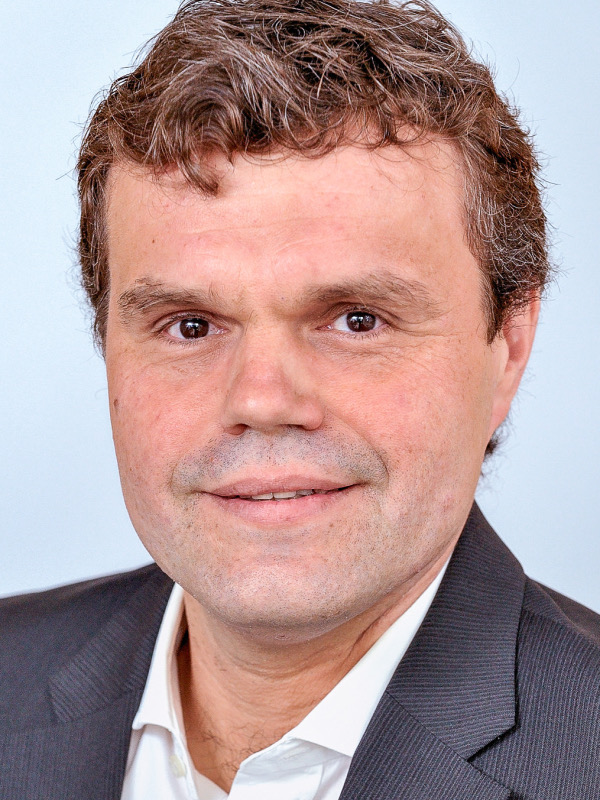 Sven Cichon合作论文数Department of Biomedicine, University of Basel5
 Rolf Adolfsson合作论文数Department of Psychiatry, University of Umeå5Miro Jakovljevic合作论文数5
 Fabio Macciardi合作论文数Department of Psychiatry and Human Behavior, School of Medicine, University of California, Irvine;Cognigenics4
 Michael O'Donovan合作论文数Division of Psychological Medicine and Clinical Neurosciences, School of Medicine, Cardiff University4
 Sylvie Blairy合作论文数4B Lerer合作论文数4Roberta Lilli合作论文数4
 Sladana Ivezic合作论文数3R Gaidarova合作论文数3Mladen Penchev合作论文数3
 Leena Peltonen合作论文数Division of Pharmaceutical Chemistry and Technology, Faculty of Pharmacy, University of Helsinki3
 Michael Owen合作论文数Division of Psychological Medicine and Clinical Neurosciences, School of Medicine, College of Biomedical and Life Sciences, Cardiff University;Neuroscience and Mental Health Innovation Institute, Cardiff University;Neuroscience and Mental Health Research Institute, Cardiff University;MRC Centre for Neuropsychiatric Genetics and Genomics, Cardiff University3
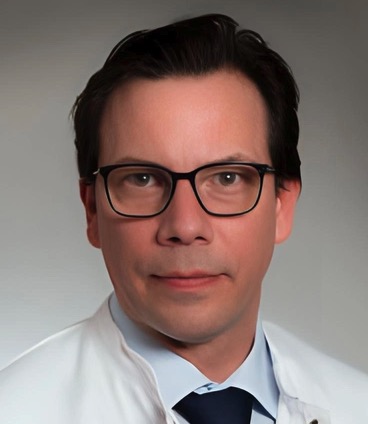 Johannes Schumacher合作论文数Institut für Humangenetik, Philipps-Universität Marburg;Institute for Human Genetics, University of Bonn;National Institute of Health in Bethesda3Enrico Smeraldi合作论文数3Peter Propping合作论文数3
 Draga Toncheva合作论文数Bulgarian Academy of Science;Department of Medical Genetics, Medical Faculty, Medical University of Sofia3T. Milenska合作论文数3G. Genchev合作论文数3
 Thomas G. Schulze合作论文数Department of Psychiatry and Behavioral Sciences, SUNY Upstate Medical University;Institut für Psychiatrische Phänomik und Genomik, Ludwig-Maximilians-Universität, München3Ivan Nikolov合作论文数3Luba Kalaydjieva合作论文数3R Medori合作论文数2
 Hywel Williams合作论文数2M Masiak合作论文数2




