The Supplementary Figures file includes Figures S1 to S13. Figure S1: Gating strategy for the evaluation of LSC frequencies pre and post enrichment. Figure S2: Amino acid distribution within LSC and AML bulk immunopeptidomes. Figure S3: HLA class I immunopeptidomics. Figure S4: Abundance of AML- and AML/LSC-associated HLA class I ligands within the immunopeptidome. Figure S5: Identification of AML- and AML/LSC-associated HLA class II antigen targets by comparative immunopeptidome profiling. Figure S6: Abundance of AML- and AML/LSC-associated HLA class II peptides within the immunopeptidome. Figure S7: Spectral validation of HLA class I-restricted AML- and AML/LSC-associated peptides. Figure S8: Spectral validation of HLA class II-restricted AML- and AML/LSC-associated peptides. Figure S9: Magnitude and functionality of in vitro primed CD8+ T cells. Figure S10: Characterization of memory T cell responses detected in ELISpot assays. Figure S11: Further characterization of HLA class II-restricted antigens. Figure S12: In-depth characterization and phenotyping of HLA class II AML/LSC-specific CD4+ T cells by single-cell RNA sequencing and multi-color flow cytometry. Figure S13: Impact of immunopeptidome diversity and peptide-specific immune responses on patient survival.
The Supplementary Tables file includes Tables S1 to S15. Table S1: Frequencies of CD34+CD38- LSCs within primary AML patient samples. Table S2: Immunopeptidomics cohort overview. Table S3: Patient characteristics of AML immunopeptidomics cohort. Table S4: AML- and AML/LSC-associated HLA class I targets. Table S5: AML/LSC shared HLA class I-presented antigens. Table S6: AML- and AML/LSC-associated HLA class II peptide, protein, and hotspot targets. Table S7: AML/LSC shared HLA class II-presented peptide targets. Table S8: Recurrent AML mutations included in neoepitope screening. Table S9: Characteristics of AML patient samples used for T cell-based assays. Table S10: Characteristics of HV samples used for T cell-based assays. Table S11: Immunopeptidome diversity according to demographics and disease characteristics. Table S12: Impact of demographics and disease characteristics on patient outcome in the immunopeptidome survival analysis group. Table S13: Patient characteristics of immunopeptidome survival analysis group. Table S14: Patient characteristics of immune response survival analysis group. Table S15: Impact of demographics and hematopoietic stem cell transplantation on patient outcome in the immune response survival group.
AbstractTherapy-resistant leukemia stem and progenitor cells (LSC) are a main cause of acute myeloid leukemia (AML) relapse. LSC-targeting therapies may thus improve outcome of patients with AML. Here we demonstrate that LSCs present HLA-restricted antigens that induce T-cell responses allowing for immune surveillance of AML. Using a mass spectrometry–based immunopeptidomics approach, we characterized the antigenic landscape of patient LSCs and identified AML- and AML/LSC-associated HLA-presented antigens absent from normal tissues comprising nonmutated peptides, cryptic neoepitopes, and neoepitopes of common AML driver mutations of NPM1 and IDH2. Functional relevance of shared AML/LSC antigens is illustrated by presence of their cognizant memory T cells in patients. Antigen-specific T-cell recognition and HLA class II immunopeptidome diversity correlated with clinical outcome. Together, these antigens shared among AML and LSCs represent prime targets for T cell–based therapies with potential of eliminating residual LSCs in patients with AML.Significance:The elimination of therapy-resistant leukemia stem and progenitor cells (LSC) remains a major challenge in the treatment of AML. This study identifies and functionally validates LSC-associated HLA class I and HLA class II–presented antigens, paving the way to the development of LSC-directed T cell–based immunotherapeutic approaches for patients with AML.See related commentary by Ritz, p. 430.This article is featured in Selected Articles from This Issue, p. 419
7054 Background: Magrolimab is a monoclonal antibody that blocks CD47, a “don’t eat me” signal expressed on cancer cells to escape immune surveillance and macrophage-mediated clearance. Prior preclinical studies have shown that CD47 is critical to RBC homeostasis, with CD47 deficiency decreasing RBC half-life. Fc-mediated opsonization also depletes RBCs, raising concerns for potential on-target anemia from anti-CD47 agents via multiple mechanisms. Notwithstanding, several clinical trials have demonstrated that magrolimab can be safely administered as a monotherapy with initial lower “priming” dose yielding transient anemia with compensatory reticulocytosis, with anemia not observed at subsequent higher maintenance doses. However, the mechanism underlying this observed protection has not been fully defined. Here we describe manageable anemia in patients (pts) with HR-MDS treated with magrolimab in combination with azacitidine (AZA) (NCT03248479) and further investigate these underlying mechanisms in preclinical models. Methods: In a multicenter prospective study, CBCs, peripheral blood, and bone marrow (BM) were collected at prespecified timepoints from HR-MDS pts (n = 57) treated with magrolimab in combination with AZA. CBCs were measured, and blood and BM samples were analyzed by flow cytometry for expression of CD47 on RBCs and WBCs. Magrolimab was initially dosed with a priming dose (1mg/kg) followed by an initial weekly maintenance dosing (30mg/kg) before transitioning to every 2 weeks maintenance dosing. AZA 75mg/m2 was administered on days 1-7 of the 28-day cycle. Preclinical modeling studies were conducted with intact and Fc-deficient anti-mouse CD47 (MIAP410) and anti-human CD47 (magrolimab) antibodies in murine models, including C57BL/6J B-hSIRPA/hCD47 mice. Results: Combination treatment of magrolimab with AZA resulted in a tolerable anemia that correlated with rapid, near complete loss of CD47 from RBCs, but not WBCs. The initial 1mg/kg priming dose was sufficient for this CD47 loss, which persisted under subsequent 30mg/kg maintenance doses. Both findings are consistent with prior clinical observations in solid tumor pts with magrolimab monotherapy and lymphoma pts in combination with rituximab. Our preclinical studies with mouse models revealed that the CD47 removal is mechanistically independent of previously described RBC antigen modulation mechanisms and cellular compartments. Instead, this CD47 loss requires anti-CD47 crosslinking between RBCs and non-RBCs. Conclusions: Overall, these results support that on-target magrolimab mediated anemia is mitigated by a near complete loss of RBC CD47. HR-MDS patients treated with magrolimab in combination with AZA exhibit a tolerable anemia through priming and maintenance doses. Clinical trial information: NCT03248479.
Context: Magrolimab, an anti-CD47 antibody, induces tumor phagocytosis and eliminates leukemia stem cells. Azacitidine (AZA) synergizes with magrolimab by inducing prophagocytic “eat me” signals. Magrolimab + AZA is clinically effective in acute myeloid leukemia (AML) and myelodysplastic syndrome. Objective: To report Phase 1b data of magrolimab + AZA in untreated AML. Design: This is an open-label, nonrandomized, Phase 1b, interventional study. Interventions: Patients received a magrolimab priming/intrapatient dose-escalation regimen (1–30 mg/kg intravenous weekly followed by 30 mg/kg every 2 weeks in cycle 3 and beyond) and AZA (75 mg/m2 on days 1–7 on a 28-day cycle). Patients or Other Participants: Treatment-naive AML patients unfit for intensive chemotherapy. Main Outcomes Measures: Outcome measures included the percentage of patients with adverse events (AEs), objective response (OR), time to response, and duration of response. Results: Fifty-two patients were treated with magrolimab + AZA. Overall, 64% had poor-risk cytogenetics, and 65% had TP53 mutations. Magrolimab + AZA was well tolerated with a safety profile similar to AZA monotherapy. Treatment-related AEs (≥15% of patients) were anemia (31%), fatigue (19%), blood bilirubin increase (19%), neutropenia (19%), thrombocytopenia (17%), and nausea (15%). On-target anemia was generally transient and reversible, and no immune-related AEs associated with magrolimab were observed. Of 34 patients evaluable for efficacy, 22 (65%) achieved an OR, 15 (44%) achieved complete response (CR), 4 (12%) with CR with incomplete count recovery (CRi), 1 (3%) with partial response, 2 (6%) with morphological leukemia-free state (MLFS), 11 (32%) with stable disease (SD), and 1 (3%) with progressive disease (PD). Time to response was 2.04 months. In TP53-mutant patients, 15/21 (71%) achieved an OR, 10 (48%) achieved a CR, 4 (19%) with CRi, 1 (5%) with MLFS, 5 (24%) with SD, and 1 (5%) with PD. The median overall survival for TP53-mutant patients (n=34) and TP53–wild-type patients (n=16) was 12.9 and 18.9 months, respectively, with a median follow-up of 4 and 12 months, respectively. Conclusions: Magrolimab + AZA was well tolerated, with efficacy in both TP53-mutant and TP53–wild-type AML patients. A Phase 3 trial evaluating magrolimab + AZA in untreated TP53-mutant AML patients is planned (NCT04778397). Magrolimab, an anti-CD47 antibody, induces tumor phagocytosis and eliminates leukemia stem cells. Azacitidine (AZA) synergizes with magrolimab by inducing prophagocytic “eat me” signals. Magrolimab + AZA is clinically effective in acute myeloid leukemia (AML) and myelodysplastic syndrome. To report Phase 1b data of magrolimab + AZA in untreated AML. This is an open-label, nonrandomized, Phase 1b, interventional study. Patients received a magrolimab priming/intrapatient dose-escalation regimen (1–30 mg/kg intravenous weekly followed by 30 mg/kg every 2 weeks in cycle 3 and beyond) and AZA (75 mg/m2 on days 1–7 on a 28-day cycle). Treatment-naive AML patients unfit for intensive chemotherapy. Outcome measures included the percentage of patients with adverse events (AEs), objective response (OR), time to response, and duration of response. Fifty-two patients were treated with magrolimab + AZA. Overall, 64% had poor-risk cytogenetics, and 65% had TP53 mutations. Magrolimab + AZA was well tolerated with a safety profile similar to AZA monotherapy. Treatment-related AEs (≥15% of patients) were anemia (31%), fatigue (19%), blood bilirubin increase (19%), neutropenia (19%), thrombocytopenia (17%), and nausea (15%). On-target anemia was generally transient and reversible, and no immune-related AEs associated with magrolimab were observed. Of 34 patients evaluable for efficacy, 22 (65%) achieved an OR, 15 (44%) achieved complete response (CR), 4 (12%) with CR with incomplete count recovery (CRi), 1 (3%) with partial response, 2 (6%) with morphological leukemia-free state (MLFS), 11 (32%) with stable disease (SD), and 1 (3%) with progressive disease (PD). Time to response was 2.04 months. In TP53-mutant patients, 15/21 (71%) achieved an OR, 10 (48%) achieved a CR, 4 (19%) with CRi, 1 (5%) with MLFS, 5 (24%) with SD, and 1 (5%) with PD. The median overall survival for TP53-mutant patients (n=34) and TP53–wild-type patients (n=16) was 12.9 and 18.9 months, respectively, with a median follow-up of 4 and 12 months, respectively. Magrolimab + AZA was well tolerated, with efficacy in both TP53-mutant and TP53–wild-type AML patients. A Phase 3 trial evaluating magrolimab + AZA in untreated TP53-mutant AML patients is planned (NCT04778397).
SignificanceThis study demonstrates the efficacy of combining macrophage-checkpoint inhibition with tumor-specific antibodies for cancer immunotherapy. The combination of anti-CD47 (magrolimab) and anti-HER2 (trastuzumab) antibodies eliminated HER2+breast cancer cells with increased efficacy due to the enhancement of antibody-dependent cellular phagocytosis by macrophages, even when the cancer cells were tolerant to trastuzumab-induced antibody-dependent cellular cytotoxicity by natural killer cells. We believe these findings present a promising therapeutic approach for treating HER2+breast cancer patients whose tumors are either sensitive or resistant to trastuzumab treatment, as long as the cells harbor the HER2 trastuzumab-binding epitope. This study supports the notion that combining CD47 blockade with existing macrophage FcR-engaging tumor-specific antibodies may be an effective approach for treating a wide range of cancers.
Abstract Background: Cancer cells overexpress CD47 to evade phagocytic programmed cell removal (PrCR) by macrophages of the innate immune system. Blocking CD47 using magrolimab (Hu5F9-G4), an anti-CD47 humanized monoclonal antibody, works via preventing CD47 signaling via macrophage Sirpα to allow PrCR, as well as using an Fc-receptor mechanism to encourage macrophage-mediated phagocytosis. We have previously shown that magrolimab in combination with tumor-targeting antibodies (e.g. rituximab) further enhances magrolimab’s anti-cancer effects in preclinical models and in the clinic [Advani R, et al. N Engl J Med 2018; 379:1711-1721]. We therefore hypothesized that magrolimab combined with anti-HER2 monoclonal antibody would synergize to promote ADCP in vitro, and HER2+ breast xenograft growth inhibition in vivo. Methods: To test this hypothesis, 1 x 10⁵ CFSE-labeled HER2+ BT474 and SKBR3 cells were plated in 96-well ultra-low attachment plates in serum-free media. Isotype control antibody, trastuzumab, magrolimab, and trastuzumab + magrolimab combination (10µg/ml) were added, and allowed to incubate at 37°C for 30 mins. 5 x 10⁴ human macrophages were then added each well, and were co-cultured for 2 hours. Human macrophages were stained with anti-CD11b, and phagocytosis was determined as the percentage of cells that were CD11b+ and CSFE+ using a BD LSR Fortessa Analyzer. For in vivo tumor xenograft growth kinetics, GFP+/Luciferase+ BT474 cells (1X10⁵) were implanted with 25% Matrigel into the mammary fat pads of 4-8 week-old NOD scid gamma (NSG) female mice. Twenty-five days after engraftment, trastuzumab (100ug) was administered via intraperitoneal (IP) injection weekly, magrolimab 250ug IP was administered every other day, and PBS control was administered IP at 100uL once weekly, and tumor growth was monitored for 17 weeks by bioluminescence (IVIS) after D-luciferin injection, and quantified using Image 4.0. Results: SKBR3 and BT474 parental and Trastuzumab-resistant lines demonstrated significantly increased susceptibility to ADCP when opsonized with combination treatment of trastuzumab + magrolimab (15.34, 95%CI= 12.2 to 16.6) compared to trastuzumab (9.66, 95%CI=1.861 to 7.7579, p = 0.034), or magrolimab alone (10.23, 95%CI=1.254 to 7.037, p = 0.0083). Treatment with magrolimab maintained tumor burden within the starting range but further progressed upon treatment cessation (2.09x10⁹, CI95% = 2801531434 to 15343840962, p = 0.0006). Trastuzumab treatment resulted in lower starting range tumor burden, but also demonstrated progression once treatment was stopped (1.72x10⁶, CI95% = -695208489 to -86402608, p = 0.0052). However, in the combinatorial treatment arm, tumors were significantly below the starting range and did not show signs of tumor progression within the 10-week non-treatment period (8.51x10⁵, CI95%= -311406356 to -66914472, p = < 0.0001). Conclusion: We conclude magrolimab plus trastuzumab cooperate to inhibit HER2+ xenograft growth in vivo, and that treatment effect persists even after treatment is stopped. Our ex vivo data suggests one mechanism to explain the observed tumor growth inhibition is increased susceptibility to ADCP when HER2+ tumors are opsonized by the combination of trastuzumab + magrolimab. Future clinical translation of this combination is warranted. Citation Format: Rosalynd Upton, Dongdong Feng, Allison M Banuelos, Tanuka Biswas, Stephen Willingham, Kevin S Kao, Kelly McKenna, Benyamin Rosenthal, Michal C Tal, Jens-Peter Volkmer, Mark D Pegram, Irving L Weissman. Humanized anti-CD47 monoclonal antibody magrolimab (Hu5F9-G4) plus trastuzumab potentiates antibody-dependent cellular phagocytosis (ADCP), and cooperate to inhibit human HER2+ breast cancer (BC) xenografts growth in vivo [abstract]. In: Proceedings of the 2020 San Antonio Breast Cancer Virtual Symposium; 2020 Dec 8-11; San Antonio, TX. Philadelphia (PA): AACR; Cancer Res 2021;81(4 Suppl):Abstract nr PS17-06.
18 Background: Magrolimab (M, Hu5F9-G4) is an antibody targeting CD47, a “don’t eat me” signal for macrophages that enhances ovarian cancer cell phagocytosis in preclinical models in combination with the PD-L1 inhibitor avelumab. CD47 blockade can also enhance cross-priming of T cells. Methods: In Part 1 (P1) M+A doses were escalated in ST patients (pts) while Part 2 (P2) enrolled platinum-resistant or refractory OC pts. All received a 1 mg/kg Day 1 priming dose of M to mitigate on-target anemia due to macrophage-mediated extravascular hemolysis followed by 30 or 45 mg/kg maintenance doses in P1 or 45 mg/kg in P2, in combination with 800 mg of A Q2 wks. Results: In the 34 total pts (13 in P1 and 21 in P2), median age was 66 years (range 47-88), and median # of prior therapies was 5 (range 1-10). In P1, no dose limiting toxicities occurred. In P1+P2, no Grade (G) 4 or 5 treatment-related adverse events (TRAEs) occurred. TRAEs of any G in > 20% pts included headache 62%, fatigue 47%, infusion related reaction 44%, pyrexia 38%, chills 35%, nausea 35%, anemia 24%, and vomiting 21%. In P1, a patient (pt) with metastatic papillary adenocarcinoma of the finger on 45 mg/kg of M had a confirmed partial response (PR) lasting for 4 months before progressing. In P2, 1 pt had an unconfirmed PR but progressed per RECIST v1.1 on the next scan achieving a best response of stable disease (SD). In the 18 OC P1+P2 pts with at least one response evaluation, 56% had SD and 44% had progression. Analysis of tumor biopsies for immune cells infiltration and CD47, PD-L1, and other marker expression is ongoing. In the 13 OC tumors analyzed to date, only 2 were PD-L1 positive. One PD-L1+ tumor had PD-L1 expression only on infiltrating immune cells. The other PD-L1+ had tumor cell expression and was the only OC pt with tumor shrinkage. This supports the potential importance of PD-L1 expression for this combination. Pharmacokinetic profiles will be presented. Conclusions: M+A is a novel, well-tolerated combination treatment regimen with 1 observed PR in a ST pt and a 56% SD rate in OC pts. Tumor shrinkage was noted in the only OC pt with tumor cell expression of PD-L1 which warrants further evaluation in PD-L1+ OC pts. Clinical trial information: NCT03558139.
114 Background: Magrolimab (M, Hu5F9-G4) is an antibody targeting CD47, a macrophage “don’t eat me” signal that demonstrates preclinical synergy with cetuximab (C) in refractory KRAS wild type (KRASwt) and KRAS mutant (KRASm) colorectal (CRC) tumors. Methods: Phase (Ph) 1 doses of M+C were escalated in solid tumor patients (pts) and Ph 2 efficacy was explored in previously treated KRASwt and KRASm CRC patients. Day 1 priming with 1 mg/kg of M was used to mitigate on-target anemia followed by maintenance doses ranging from 10 to 45 mg/kg in combination with C. Ph 2 pts were treated with 30 or 45 mg/kg of M and 400/250 mg/m2 of C. Results: In 78 treated pts (32 Ph 1 and 46 Ph 2), the median age was 59 years (range 19-82), and median prior therapies was 5 (range 1-14). No maximum tolerated dose was reached. Treatment-related adverse events (TRAEs) of any Grade (G) included dermatitis acneiform 36%, dry skin 33%, fatigue 32%, infusion reactions 31%, headache 30%, diarrhea 23%, nausea 23%, chills 23%, and anemia 22%. There were no fatal TRAEs and 3/78 (4%) discontinued M treatment due to any adverse events. In the combined Ph 1+2 study, 2 of 30 evaluable KRASwt CRC pts had confirmed PRs for 7.0 and 12.5 months (mo), for a 6.7% objective response rate (ORR). Both had prior C treatment. The median progression-free survival (mPFS) and median overall survival (mOS) was 3.6 mo (95%CI 1.8-5.4) and 10.1 mo (95%CI: 6.9-14.4), respectively. In 40 evaluable KRASm pts, there were no responses but 45% had stable disease (SD) and the mPFS and mOS were 1.9 mo (95%CI: 1.8-3.5) and 10.4 mo (95%CI: 5.7-16.4), respectively. In 28 KRASm pts who were TAS102/regorafenib naïve, preliminary mOS was 12.4 mo (95%CI: 5.9-not reached) which is longer than that reported for historical controls. Tumor biopsies showed treatment-related increases in macrophage immune cell infiltrates in SD pts, and baseline T cell infiltration was associated with longer OS. Pharmacokinetic profiles will be presented. Conclusions: M+C is a novel, well-tolerated combination immunotherapeutic treatment regimen. Responses were observed in two previously treated CRC pts and survival is encouraging in KRASm pts. Funded by Forty Seven and California Institute for Regenerative Medicine. Clinical trial information: NCT02953782.
e17035 Background: CD47 is an antiphagocytic signal and macrophage checkpoint that bladder and other cancer cells over-express to evade innate immunity. Magrolimab (Hu5F9-G4) a CD47 blocking antibody, promotes phagocytosis of cancer cells by macrophages and is being tested in several clinical trials (NCT02953509, NCT03248479, NCT02953782, NCT03558139). Chemotherapies synergize with magrolimab by increasing “eat me” signals on cancer cells, and thus enhancing phagocytosis. This synergy has been shown in MDS and AML, whereby magrolimab+azacitidine has shown encouraging efficacy in pre-clinical and clinical studies. This study aimed to investigate the effect of magrolimab as monotherapy and in combination with gemcitabine-cisplatin chemotherapy in bladder cancer. Methods: Phagocytosis of urothelial bladder cancer cells (639V) was evaluated in vitro with magrolimab alone and in combination with chemotherapy (gemcitabine + cisplatin). Treatment in vivo was evaluated in a xenograft mouse model. 639V cells were transplanted into NSG mice and upon confirmation of engraftment mice were randomized into 4 treatment cohorts: control (PBS), magrolimab, chemotherapy (cisplatin + gemcitabine), and magrolimab in combination with chemotherapy. In the first experimental setup treatment was started early in small tumors and in the second experimental setup treatment was started late after tumors have grown to large size. Tumor growth was monitored by in vivo bioluminescent imaging. Metastases were evaluated postmortem. Results: Chemotherapy increased calreticulin on bladder cancer cells. Magrolimab enhanced phagocytosis of bladder cancer cells in vitro and combination of magrolimab with chemotherapy further increased phagocytosis compared to either therapy alone. Magrolimab and chemotherapy, each alone decreased tumor growth in vivo but only combination of magrolimab with chemotherapy showed a strong inhibition of tumor growth, resulting in a significantly prolonged survival compared to all other treatment cohorts. This was shown for both, small tumors and large tumors. Metastases formation in liver and lungs was completely inhibited by treatment with magrolimab, whereas mice treated with chemotherapy alone or PBS control showed metastases in these organs. Conclusions: Magrolimab treatment in combination with chemotherapy was efficacious in preclinical in vitro and in vivo studies in bladder cancer and provides a novel treatment opportunity for patients with bladder cancer and other solid tumors.
In recent years, immunotherapies have been clinically investigated in AML and other myeloid malignancies. While most of these are focused on stimulating the adaptive immune system (including T cell checkpoint inhibitors), several key approaches targeting the innate immune system have been identified. Macrophages are a key cell type in the innate immune response with CD47 being identified as a dominant macrophage checkpoint. CD47 is a “do not eat me” signal, overexpressed in myeloid malignancies that leads to tumor evasion of phagocytosis by macrophages. Blockade of CD47 leads to engulfment of leukemic cells and therapeutic elimination. Pre-clinical data has demonstrated robust anti-cancer activity in multiple hematologic malignancies including AML and myelodysplastic syndrome (MDS). In addition, clinical studies have been underway with CD47 targeting agents in both AML and MDS as monotherapy and in combination. This review will describe the role of CD47 in myeloid malignancies and pre-clinical data supporting CD47 targeting. In addition, initial clinical data of CD47 targeting in AML/MDS will be reviewed, and including the first-in-class anti-CD47 antibody magrolimab.
7507 Background: Magrolimab (Hu5F9-G4) is an antibody blocking CD47, a macrophage immune checkpoint and don’t eat me signal on cancers. It induces tumor phagocytosis and eliminates leukemia stem cells. Azacitidine (AZA) synergizes with magrolimab by inducing eat me signals on leukemic cells, enhancing phagocytosis. We report Ph1b data including a potential MDS registration cohort. Methods: Magrolimab+AZA was given to untreated intermediate to very high risk IPSS-R MDS and intensive chemo unfit AML patients. A magrolimab priming/intrapatient dose escalation regimen (1-30 mg/kg QW, Q2W Cycle 3+) was used. AZA was dosed 75mg/m 2 days 1-7. Efficacy was assessed by IWG 2006 (MDS) and ELN 2017 (AML) criteria. Results: 68 patients (39 MDS, 29 AML) with a median age of 72 were treated with magrolimab+AZA. 19% were intermediate cytogenetic risk with 68% poor risk (13% unknown). 27% were TP53 mutant. The combo was well-tolerated with safety similar to AZA alone. Common treatment-related AEs were anemia (38%), fatigue (21%), neutropenia (19%), thrombocytopenia (18%) and infusion reaction (16%). Treatment-related febrile neutropenia was 1.5%. Only 1 patient (1.5%) discontinued due to an AE. In RBC transfusion dependent patients, 58% of MDS and 64% of AML patients became transfusion independent. 30/33 (91%) efficacy evaluable MDS patients had an objective response (42% CR, 24% marrow CR (4/8 also with HI), 3% PR, 21% HI alone, 9% SD). MDS patient responses deepened on study, with a 56% CR rate in patients with ≥ 6 mo follow-up. In AML, 16/25 (64%) responded (40% CR, 16% CRi, 4% PR, 4% MFLS, 32% SD, 4% PD). In 12 TP53 mutant AML patients, 75% had a CR+CRi (42% CR, 33% CRi, 17% SD, 8% PD). Cytogenetic CR was seen in 35% and 50% of responding MDS and AML patients. 22% of MDS and 50% of AML patients with CR/CRi/marrow CR were MRD negative by flow cytometry. Median duration of response is not reached in either MDS or AML, including TP53 mutant AML, with a median follow-up of 5.8, 8.8 and 9.4 mos, respectively (range: 1.9 – 16.8 mos). 91% of MDS and 100% of AML responding patients are in response at 6 mos. The 6 mo overall survival estimate is 100% in MDS and 91% in TP53 mutant AML patients. Conclusions: Magrolimab is a macrophage targeting immunotherapy that with AZA is well tolerated with durable efficacy in MDS, AML, particularly TP53 mutant, a poor prognostic group. A potential registration single arm MDS cohort is ongoing (NCT03248479). ENHANCE, a randomized Ph3 MDS trial is planned. Additional patients/analyses will be reported. Funded by Forty Seven and CIRM. Clinical trial information: NCT03248479 .
The CD47/signal regulatory protein α (Cd47/SIRPα)interaction provides a macrophage immune checkpoint pathway that plays a critical role in cancer immune evasion across multiple cancers. Here, we report the engineering of a humanized anti-SIRPα monoclonal antibody (1H9) for antibody target cancer therapy. 1H9 has broad activity across a wide range of SIRPα variants. Binding of 1H9 to SIRPα blocks its interaction with CD47, thereby promoting macrophage-mediated phagocytosis of cancer cells. Preclinical studies in vitro and in vivo demonstrate that 1H9 synergizes with other therapeutic antibodies to promote phagocytosis of tumor cells and inhibit tumor growth in both syngeneic and xenograft tumor models, leading to survival benefit. Thus, 1H9 can potentially act as a universal agent to enhance therapeutic efficacy when used in combination with most tumor-targeting antibodies. We report a comparison of anti-SIRPα and anti-CD47 antibodies in CD47/SIRPα double-humanized mice and found that 1H9 exhibits a substantially reduced antigen sink effect due to the limited tissue distribution of SIRPα expression. Toxicokinetic studies in nonhuman primates show that 1H9 is well tolerated, with no treatment-related adverse effects noted. These data highlight the clinical potential of 1H9 as a pan-therapeutic with the desired properties when used in combination with tumor-targeting antibodies.
PURPOSETo evaluate the safety, pharmacokinetics, and pharmacodynamics of Hu5F9-G4 (5F9), a humanized IgG4 antibody that targets CD47 to enable phagocytosis.PATIENTS AND METHODSAdult patients with solid tumors were treated in four cohorts: part A, to determine a priming dose; part B, to determine a weekly maintenance dose; part C, to study a loading dose in week 2; and a tumor biopsy cohort.RESULTSSixty-two patients were treated: 11 in part A, 14 in B, 22 in C, and 15 in the biopsy cohort. Part A used doses that ranged from 0.1 to 3 mg/kg. On the basis of tolerability and receptor occupancy studies that showed 100% CD47 saturation on RBCs, 1 mg/kg was selected as the priming dose. In subsequent groups, patients were treated with maintenance doses that ranged from 3 to 45 mg/kg, and most toxicities were mild to moderate. These included transient anemia (57% of patients), hemagglutination on peripheral blood smear (36%), fatigue (64%), headaches (50%), fever (45%), chills (45%), hyperbilirubinemia (34%), lymphopenia (34%), infusion-related reactions (34%), and arthralgias (18%). No maximum tolerated dose was reached with maintenance doses up to 45 mg/kg. At doses of 10 mg/kg or more, the CD47 antigen sink was saturated by 5F9, and a 5F9 half-life of approximately 13 days was observed. Strong antibody staining of tumor tissue was observed in a patient at 30 mg/kg. Two patients with ovarian/fallopian tube cancers had partial remissions for 5.2 and 9.2 months.CONCLUSION5F9 is well tolerated using a priming dose at 1 mg/kg on day 1 followed by maintenance doses of up to 45 mg/kg weekly.
7009 Background: Hu5F9-G4 (5F9) is an antibody targeting CD47, a macrophage immune checkpoint and “don’t eat me” signal on cancers. CD47 blockade induces tumor phagocytosis and eliminates leukemia stem cells (LSC) in AML models. Azacitidine (AZA) synergizes with 5F9 by inducing “eat me” signals on AML, enhancing phagocytosis. This trial explored the safety/efficacy of 5F9 alone or with AZA in AML/MDS patients (pts). Methods: This Phase 1b treated: r/r AML/MDS pts with 5F9; and untreated AML (induction chemo ineligible) and higher risk MDS pts with 5F9+AZA. A 5F9 priming/intrapatient dose escalation regimen (1-30 mg/kg weekly) was used to mitigate on target anemia. Results: 10 (6 AML, 4 MDS) r/r pts received 5F9 (median 2 prior therapies (range 1-6). 24 untreated pts (15 AML, 9 MDS) received 5F9+AZA. In total, median age was 73, 62% of AML pts were intermediate or poor cytogenetic risk (38% unknown), all MDS pts were intermediate or high risk by IPSS-R. 5F9 alone or with AZA was well-tolerated with no MTD reached. 5F9 did not potentiate AZA toxicities. Treatment-related AEs ( > 10% of pts) for 5F9+AZA were anemia (25%), thrombocytopenia (20%), and infusion reactions (15%). In 25 efficacy evaluable pts, 8/15 (53%) untreated AML/MDS pts had a CR/CRi to 5F9+AZA (5/10 (50%) in AML, 3/5 (60%) in MDS). 1/10 (10%) r/r AML/MDS pts had a response (MLFS) to 5F9 alone. LSC frequency was reduced/eliminated in most 5F9+aza responders; 50% of responders were MRD negative by flow cytometry. 4/10 (40%) AML pts became RBC transfusion independent and 4/5 (80%) MDS pts had hematologic improvement. Time to response was more rapid (median 1.9 mos) than expected for AZA alone. As of Jan 2019, no responder has relapsed (median follow-up of 3.4 mos (range 1.1 – 6.8 mos). 2 pts had successful allogeneic transplant. Conclusions: 5F9+AZA is a novel immunotherapy blocking a key macrophage checkpoint. It has been well tolerated with robust activity in AML/MDS pts with rapid CRs and MRD negativity. Adding 5F9 to cytotoxic agents may be a promising treatment strategy. An expansion cohort is ongoing. Funded by Forty Seven and the California Institute for Regenerative Medicine. Clinical trial information: NCT03248479.
Background Magrolimab (previously named 5F9) is a first-in-class antibody targeting CD47, a macrophage immune checkpoint and "don't eat me" signal on cancers. CD47 blockade induces tumor phagocytosis and eliminates leukemia stem cells (LSC) in AML models. Azacitidine (AZA) synergizes with magrolimab by inducing "eat me" signals on AML, to enhance phagocytosis. A Phase 1b trial of magrolimab+AZA was initiated in MDS/AML patients with preliminary reported results mainly from the safety cohort demonstrating high response rates in both diseases. Here we report data from the expansion cohort of this ongoing trial. Methods Results from this Phase 1b reported here focus on treatment of magrolimab+AZA in untreated intermediate to very high risk MDS patients by IPSS-R and untreated AML (induction chemotherapy ineligible) patients. A magrolimab priming/intrapatient dose escalation regimen (1-30 mg/kg weekly) was utilized to mitigate on target anemia. AZA dosing was 75mg/m2 days 1-7 on a 28 day cycle. Responses were assessed by IWG 2006 and ELN 2017 criteria for MDS and AML patients, respectively. Results 43 patients (18 MDS and 25 AML) with a median of 73 years of age were treated with magrolimab+AZA. 19% were intermediate cytogenetic risk with 63% poor risk (19% unknown). 28% of patients harbored a TP53 mutation. Magrolimab+AZA was well-tolerated with a safety profile similar to AZA monotherapy. Treatment-related AEs (>15% of patients) for magrolimab+AZA were anemia (37%), neutropenia (26%), and thrombocytopenia (26%). Treatment-related febrile neutropenia occurred in only 1 (2%) patient. Only 1 patient discontinued due to an AE. 29 patients were evaluable for efficacy at time of data cut. 13/13 (100%) untreated MDS patients had an objective response with 7 patients (54%) achieving a CR, 5 (39%) with marrow CR (3/5 also had hematologic improvement (HI)), and 1 (7%) with HI alone. In AML, 11/16 (69%) had an objective response; 8/16 (50%) with CR or CRi, 2 (13%) with PR, 1 (6%) with MLFS, and 5 (31%) with stable disease. Time to response was more rapid (median 1.9 mos) than expected for AZA alone. For those with abnormal cytogenetics at baseline, 40% and 44% of MDS and AML patients achieved a cytogenetic CR, respectively. 4/8 (50%) AML patients with CR/CRi and 2/12 (17%) MDS patients with CR or marrow CR were MRD negative by flow cytometry. 11/16 (69%) AML patients became RBC transfusion independent and 11/13 (85%) MDS patients had hematologic improvement. Given that CD47 is an LSC marker on leukemic cells, CD34+CD38- putative LSC frequency was measured by flow cytometry in the bone marrow in 5F9+AZA treated AML/MDS patients. In data available for analysis, LSCs were completely eliminated in 10/16 (63%) of AML/MDS patients who had a clinical response. Lastly, mutational analyses are ongoing to correlate subgroups with response. Interestingly, 7/8 (88%) evaluable TP53 mutant patients (5/6 AML patients [5 CR/CRi], 2/2 MDS [1 CR, 1 marrow CR]) achieved an objective response, highlighting efficacy in a poor prognosis and therapy-refractory population. No median duration response or overall survival has been reached for either MDS or AML patients with a median follow-up of 4.9 months (range 3.1 - 8.8 months) for MDS and 5.8 months (range 1.9 - 9.5 months) for AML. Conclusions Magrolimab+AZA is a novel immunotherapy regimen that blocks a key macrophage checkpoint. The combination therapy continues to be well tolerated with robust activity in MDS and AML patients with an ORR of 100% and 69%, respectively. High rates of putative LSC eradication suggest potential durable responses, with no median duration of response yet reached. Initial data indicate that 5F9+AZA may be particularly effective in TP53 mutant patients, a treatment-refractory subgroup. Expansion cohorts are ongoing (NCT03248479) with registrational studies in MDS being initiated. Additional patients, follow-up, and mutational characterization will be reported at time of presentation. Funded by Forty Seven and the California Institute for Regenerative Medicine. Disclosures Sallman: Celyad: Membership on an entity's Board of Directors or advisory committees. Lee:Bayer: Research Funding; Roche: Research Funding; Abbvie: Research Funding; Forty Seven, Inc.: Research Funding; Tolero: Research Funding. Daver:Immunogen: Consultancy, Research Funding; Forty-Seven: Consultancy; Agios: Consultancy; Pfizer: Consultancy, Research Funding; Servier: Research Funding; Hanmi Pharm Co., Ltd.: Research Funding; Karyopharm: Consultancy, Research Funding; Jazz: Consultancy; Otsuka: Consultancy; Celgene: Consultancy; NOHLA: Research Funding; Astellas: Consultancy; Novartis: Consultancy, Research Funding; Genentech: Consultancy, Research Funding; BMS: Consultancy, Research Funding; Abbvie: Consultancy, Research Funding; Daiichi Sankyo: Consultancy, Research Funding; Incyte: Consultancy, Research Funding; Sunesis: Consultancy, Research Funding; Glycomimetics: Research Funding. Garcia-Manero:Amphivena: Consultancy, Research Funding; Helsinn: Research Funding; Novartis: Research Funding; AbbVie: Research Funding; Celgene: Consultancy, Research Funding; Astex: Consultancy, Research Funding; Onconova: Research Funding; H3 Biomedicine: Research Funding; Merck: Research Funding. Komrokji:Novartis: Speakers Bureau; Incyte: Consultancy; JAZZ: Consultancy; Agios: Consultancy; DSI: Consultancy; pfizer: Consultancy; celgene: Consultancy; JAZZ: Speakers Bureau. Van Elk:Forty Seven, Inc.: Employment, Equity Ownership. Lin:Forty Seven, Inc.: Employment, Equity Ownership. Takimoto:Forty Seven, Inc.: Employment, Equity Ownership, Patents & Royalties. Chao:Forty Seven, Inc.: Employment, Equity Ownership, Patents & Royalties. Vyas:Novartis: Research Funding, Speakers Bureau; Celgene: Research Funding, Speakers Bureau; Pfizer: Speakers Bureau; Forty Seven, Inc.: Research Funding; Daiichi Sankyo: Speakers Bureau; Abbvie: Speakers Bureau; Astellas: Speakers Bureau.
Introduction Magrolimab (Hu5F9-G4, 5F9) is a first-in-class IgG4 antibody targeting CD47, a macrophage immune checkpoint and "don't eat me" signal expressed on cancer cells. Blockade of CD47 leads to phagocytosis of tumor cells. Magrolimab synergizes with rituximab to eliminate CD20-positive lymphoma by enhancing antibody-dependent cellular phagocytosis. Magrolimab +rituximab demonstrated encouraging safety and efficacy in a Phase (Ph)1b dose escalation cohort in patients with relapsed/refractory (r/r) DLBCL and FL that were rituximab-refractory (Advani et al., NEJM 2018). CD24 is an additional "don't eat me" signal, and has been proposed as a potential target for immunotherapy (Barkal et al. Nature 2019). Here we describe immunohistochemical analysis of CD47 and CD24 in primary patient biopsies from an ongoing follow-up Phase 2 trial of Non-Hodgkin's lymphoma (including DLBCL and indolent lymphoma) patients treated with magrolimab+rituximab. Results By immunohistochemistry, 54 out of 54 patients assessed were positive for expression of CD47 at screening. High levels of CD47 expression were maintained during treatment with clinically-efficacious doses of magrolimab. Therapeutic response did not correlate with CD47 H-score expression levels. At screening, patients presented with highly variable levels of CD24 expression, with 40 of 54 samples showing positive staining in >30% of cells. We observed no significant correlation between CD24 expression by H-score and response to therapy (complete response + partial response) in either DLBCL or indolent lymphoma. Conclusions CD47 shows consistently high expression in primary biopsies from Non-Hodgkin's lymphoma patients and remains persistently high during treatment. In our Phase 2 trial, therapeutic response did not correlate with CD47 expression levels, suggesting that the degree of target expression is not a primary driver of magrolimab efficacy in Non-Hodgkin's lymphoma. Although we observe wide variation in CD24 expression within this cohort, its levels are not predictive of outcome for this disease indication. We are evaluating the expression of additional biomarkers to identify those Non-Hodgkin's lymphoma patients most likely to benefit from magrolimab+rituximab combination therapy. Disclosures Maute: Forty Seven Inc.: Employment, Equity Ownership, Patents & Royalties. Chen:Forty Seven Inc.: Consultancy, Equity Ownership. Marjon:Forty Seven Inc.: Employment, Equity Ownership. Duan:Forty Seven Inc.: Employment, Equity Ownership. Choi:Forty Seven Inc.: Employment, Equity Ownership. Chao:Forty Seven, Inc.: Employment, Equity Ownership, Patents & Royalties. Takimoto:Forty Seven, Inc.: Employment, Equity Ownership, Patents & Royalties. Agoram:Forty Seven Inc.: Employment, Equity Ownership. Volkmer:Forty Seven, Inc.: Employment, Equity Ownership, Patents & Royalties.
Background Hematopoietic stem cell (HSC) transplantation (HSCT) is a well-established procedure that, with or without gene therapy, is curative for numerous severe life-threatening diseases including genetic blood disorders and blood cancers. While advances have been made, there are still substantial concerns since these chemo- and radiation therapy based procedures cause long-term toxicities such as infertility and secondary malignancies or even result in high mortality. We have previously established in a series of preclinical studies a novel chemo- and radiation-free non-toxic monoclonal antibody (Ab) -based conditioning regimen for autologous and allogeneic HSCT (Czechowicz et al., Akanksha et al. and George et al.). This cKIT-CD47 Ab-based regimen selectively depletes host HSCs for HSCT while sparing off-target toxicities caused by chemotherapy/radiation. By significantly decreasing morbidity/mortality associated with traditional conditioning regimens, antibody-mediated conditioning could expand the patient population eligible to receive HSCT for a variety of disorders. We developed a novel cKIT Ab (FSI-174), with an active Fc, and in combination with our CD47 magrolimab (previously 5F9, blocks the don't eat me pathway) could be utilized to translate the promising preclinical findings into clinical studies for safe and less toxic bone marrow conditioning for HSCT. Here we present the functional characterization of FSI-174 as single Ab and in combination with magrolimab in vitro and in non-human primate (NHP) studies. Methods We tested if FSI-174 could block stem cell factor signaling and we explored if FSI-174 alone or in combination with magrolimab could promote phagocytosis of cKIT positive cells (Kasumi-1). In addition, we determined if FSI-174 could cause mast cell degranulation. Subsequently, we explored the potential of FSI-174 alone (Phase A) or in combination with magrolimab (Phase B) to deplete HSCs in NHPs (rhesus macaques)in vivo. In Phase A, single doses of FSI-174 (0.3, 1, or 3 mg/kg) were administered alone. In Phase B, FSI-174 (0.3 or 3 mg/kg) was administered in combination with magrolimab (5mg/kg priming and 20 mg/kg maintenance dose). Bone marrow aspirates and core biopsies and peripheral blood were sampled before the study start and throughout the study. Frequency of bone marrow HSCs and cKIT receptor occupancy (RO) was determined by flow cytometry. In addition, the PK profile of FSI-174 was determined. Results In-vitro analysis demonstrated that FSI-174 decreases proliferation of HSPCs and enhances phagocytosis of cKIT positive cells, and the addition of magrolimab synergistically enhances the phagocytosis. Strikingly, FSI-174 did not cause mast cell degranulation in vitro. In the NHPs, complete (100%) cKIT receptor occupancy was achieved at all FSI-174 dose levels and was maintained for 1 to 9 days correlating with increasing doses and pharmacokinetics. The FSI-174 Cmax was found to be proportional to dose and mean Cmax increased from 6.25 ug/mL to 49.2 ug/mL. In Phase A, FSI-174 alone did not decrease the frequency of bone marrow HSCs compared to PBS control and had no effect on the peripheral blood cell counts. However, in Phase B, when FSI-174 was combined with magrolimab it significantly decreased the frequency of bone marrow HSCs with the nadir at day 9 and no recovery over 85 days compared to PBS control. Notably, there were no changes in peripheral blood cell counts over the course of the studies with no cytopenias in combination treatment. Conclusions We have developed a novel cKIT Ab (FSI-174) that meets the desired profile of stem cell factor block, promotion of phagocytosis, but without promoting mast cell degranulation. Furthermore, in the NHPs studies we have confirmed our chemo- and radiation-free cKIT-CD47 Ab -based conditioning approach with FSI-174 and magrolimab. As anticipated by our previous preclinical studies, monotherapy with FSI-174 does not deplete bone marrow HSCs in NHPs. Notably, no cytopenias are observed with either monotherapy or combination therapy. These data demonstrate the specificity, efficacy and safety of FSI-174/ magrolimab combination have great potential for conditioning regimen for HSCT in a chemotherapy and radiation free manner. Given the favorable safety profile of magrolimab across several clinical studies, these results are paving the way to the first-in-human trials for this novel conditioning for HSCT. Disclosures Marjon: Forty Seven Inc: Employment, Equity Ownership. Chen:Forty Seven Inc.: Consultancy, Equity Ownership. Duan:Forty Seven Inc.: Employment, Equity Ownership. Choi:Forty Seven inc: Employment, Equity Ownership. Sompalli:Forty Seven Inc: Employment, Equity Ownership. Feng:Forty Seven Inc: Employment, Equity Ownership. Mata:Forty Seven inc: Employment, Equity Ownership. Chen:Forty Seven Inc: Employment, Equity Ownership. Kean:HiFiBio: Consultancy; BlueBirdBio: Research Funding; Gilead: Research Funding; Regeneron: Research Funding; EMDSerono: Consultancy; FortySeven: Consultancy; Magenta: Research Funding; Bristol Meyers Squibb: Patents & Royalties, Research Funding; Kymab: Consultancy; Jazz: Research Funding. Chao:Forty Seven Inc: Employment, Equity Ownership. Chao:Forty Seven, Inc.: Employment, Equity Ownership, Patents & Royalties. Takimoto:Forty Seven, Inc.: Employment, Equity Ownership, Patents & Royalties. Agoram:Forty Seven Inc.: Employment, Equity Ownership. Majeti:FortySeven: Consultancy, Equity Ownership, Other: Board of Director; BioMarin: Consultancy. Weissman:Forty Seven Inc.: Consultancy, Equity Ownership, Patents & Royalties. Liu:Forty Seven Inc: Employment, Equity Ownership, Patents & Royalties. Volkmer:Forty Seven, Inc.: Employment, Equity Ownership, Patents & Royalties.
 Irving Weissman合作论文数Department of Developmental Biology, Stanford University;Department of Biology and Neurosurgery, Stanford University;Department of Pathology, Stanford University70
 Mark Chao合作论文数Scorpion Therapeutics;IconOVir Bio27
 Ravi Majeti合作论文数Institute for Stem Cell Biology and Regenerative Medicine, Cancer Institute, Division of Hematology, Department of Medicine, Stanford University24
 Kipp Weiskopf合作论文数Inst Stem Cell Biol & Regenerat Med, Stanford Univ21
 Chris Takimoto合作论文数The START Center for Cancer Research18Stephen B. Willingham合作论文数15Anne K. Volkmer合作论文数15
 Joseph C. Liao合作论文数Department of Urology, Stanford University14
 Matt Van De Rijn合作论文数Maternal & Child Health Research Institute, School of Medicine, Stanford University;Stanford Cancer Institute, Stanford University12Kathleen E. Mach合作论文数Veterans Affairs Palo Alto Health Care System11
 Aaron Ring合作论文数Translational Science and Therapeutics Division, Fred Hutch;Immunotherapy Integrated Research Center, Fred Hutch;Ariax Bio;Stipple Bio;Seranova Bio;Simcha Therapeutics10Agoram Balaji M合作论文数10Kelly M. McKenna合作论文数10
 James K. Chen合作论文数Department of Chemical and Systems Biology, Stanford University;Department of Developmental Biology, Stanford University10
 Debashis Sahoo合作论文数Boolean Lab, Department of Pediatrics / Department of Computer Science and Engineering, University of California San Diego10Dongdong Feng合作论文数9Pan Ying合作论文数9Maute Roy L合作论文数Inst Canc Genet, Columbia Univ9
 Jie Liu (刘杰)合作论文数School of Biomedical Engineering, Sun Yat-Sen University9Schnorr Peter J合作论文数8Jen-Jane Liu合作论文数Stanford8
 Siddhartha Mitra合作论文数USGS8A. K. Volkmer合作论文数7Stephen B Willingham合作论文数7
 Humberto Contreras-Trujillo合作论文数7
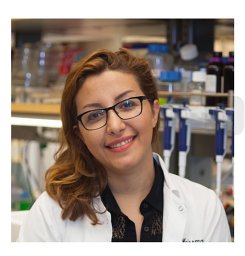 Sharareh Gholamin合作论文数Shahid Modarres Hospital, Shahid Beheshti University (MC),7
 Paresh Vyas合作论文数Medical Sciences Division, Radcliffe Department of Medicine, University of Oxford7Samuel Cheshier合作论文数Department of Health Services, California;Human Stem Cell Research7
 Branimir I. Sikic合作论文数Division of Oncology, School of Medicine, Stanford University7Timothy S Choi合作论文数6
 Yoon-Jae Cho合作论文数Dept Neurol & Neurol Sci, Stanford Univ6
 Chris Garcia合作论文数Department of Molecular and Cellular Physiology, School of Medicine, Stanford University;Howard Hughes Medical Institute6
 Mark Pegram合作论文数Division of Oncology, Department of Medicine, School of Medicine, Stanford University;Stanford Cancer Institute, Stanford University;Stanford Comprehensive Cancer Institute, Stanford University6
 Adam S Asch合作论文数6
 Michelle Monje合作论文数Department of Psychiatry and Behavioral Sciences, School of Medicine, Stanford University6McKenna Kelly合作论文数5
 Michael Zhang合作论文数Department of Head and Neck Surgery, Chris O'Brien Lifehouse5
 Po-Yi Ho (何柏毅)合作论文数Center for Interdisciplinary Studies, School of Science, Westlake University;School of Life Sciences, Westlake University5Chase Richard合作论文数5Kavitha Sompalli合作论文数5
 Achal Singh Achrol合作论文数5Ming Lin合作论文数5Jiaqi Duan合作论文数5
 Edris Badreddin合作论文数Department of Pathology, Stanford University School of Medicine5
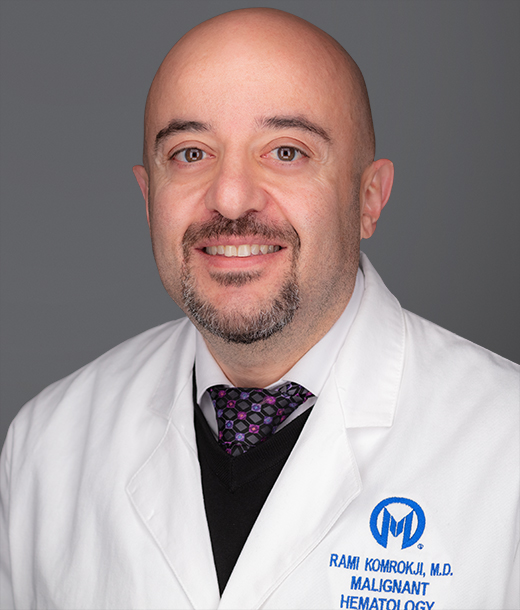 Rami Komrokji合作论文数Malignant Hematology Department, Moffitt Cancer Center;College of Medicine, University of South Florida5
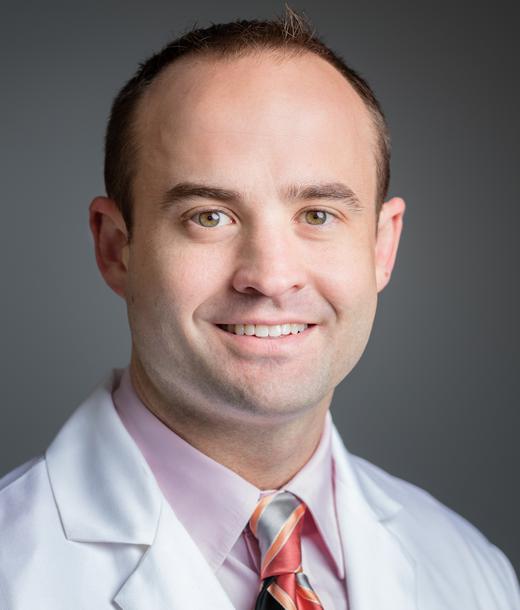 David Sallman合作论文数Department of Malignant Hematology, Moffitt Cancer Center5
 Bernhard Kiss合作论文数Bern5
 Ash A. Alizadeh合作论文数Stanford Cancer Institute, Stanford University5




