The Whale Optimisation Algorithm (WOA) is a meta-heuristic model inspired by the hunting behaviours of humpback whales. Similar to many other meta-heuristic models, e.g., Particle Swarm Optimisation (PSO), Artificial Bee Colony (ABC), and Ant Colony Optimisation (ACO), the WOA is susceptible to the issues of slow convergence and local optima. In this study, we address these short comings by first proposing an Enhanced WOA (EWOA) model for tackling single-objective optimisation. Specifically, EWOA integrates the WOA and Differential Evolution (DE). DE is a population-based algorithm that generates new candidate solutions by combining the existing ones, employing a simple yet robust formula. This amalgamation aids in generating diverse solutions during the exploration stage by utilising a non-linear coefficient vector, adaptive weight, and sub-population strategies. Furthermore, fast non-dominated sorting and crowding distance techniques from the Non-dominated Sorting Genetic Algorithm II (NSGA-II) are incorporated into EWOA, resulting in a multi-objective EWOA (MOEWOA) model. We evaluate both EWOA and MOEWOA with a broad spectrum of benchmark functions. The results from 51 single-objective optimisation problems indicate the usefulness of EWOA in terms of a fast convergence rate and with increased performance. On the other hand, MOEWOA demonstrates a better convergence rate and an effective balance between convergence and diversity in 12 multi-objective optimisation problems. In addition, MOEWOA successfully solves 21 complex multi-objective constrained mechanical design problems, outperforming other compared algorithms at the 95% confidence level. The empirical outcomes of our study indicate the potential of EWOA and MOEWOA for undertaking complex, real-world optimisation problems.
As the evolution of Industry 4.0 accelerates, the confluence of the Internet of Things (IoT) with intelligent systems amplifies the urgency to optimise problem-solving capability of pivotal industrial sectors including manufacturing, transportation, and energy management. Central to manufacturing sector is the Job Shop Scheduling Problem (JSP). Addressing JSP efficiently heralds significant gains in productivity and cost efficiency. While traditional optimisation algorithms, including nature-inspired meta-heuristics, have made significant progress, they often grapple with the complexities presented by real-world scheduling problems, such as Flexible JSP (FJSP) and multi-objective FJSP (MOFJSP). This research introduces the C-MOEWOA, a specialised clustering-based Whale Optimisation Algorithm for tackling MOFJSP. This model blends sub-population methods with core components of Differential Evolution (DE) to help enhance exploration and expedite convergence. Additionally, our integration of non-linear coefficient vectors with adaptive weights strikes a balance between exploration and exploitation, preventing stagnation at local optima.Benchmark evaluations using Kacem problem instances highlight C-MOEWOA's superiority compared to various well-known algorithms. For example, in Kacem 1 problem instances, our model notably minimised the makespan, surpassing several benchmark algorithms. Additionally, in Kacem 5, it achieved parallel optimal results for the total workload. These findings not only underscore the effectiveness of C-MOEWOA but also its versatility, positioning it as one of the leading contenders for solving the Multi-Objective Flexible Job Shop Problem (MOFJSP).
This paper proposes an enhancement to the Harris’ Hawks Optimisation (HHO) algorithm. Firstly, an enhanced HHO (EHHO) model is developed to solve single-objective optimisation problems (SOPs). EHHO is then further extended to a multi-objective EHHO (MO-EHHO) model to solve multi-objective optimisation problems (MOPs). In EHHO, a nonlinear exploration factor is formulated to replace the original linear exploration method, which improves the exploration capability and facilitate the transition from exploration to exploitation. In addition, the Differential Evolution (DE) scheme is incorporated into EHHO to generate diverse individuals. To replace the DE mutation factor, a chaos strategy that increases randomness to cover wider search areas is adopted. The non-dominated sorting method with the crowding distance is leveraged in MO-EHHO, while a mutation mechanism is employed to increase the diversity of individuals in the external archive for addressing MOPs. Benchmark SOPs and MOPs are used to evaluate EHHO and MO-EHHO models, respectively. The sign test is employed to ascertain the performance of EHHO and MO-EHHO from the statistical perspective. Based on the average ranking method, EHHO and MO-EHHO indicate their efficacy in tackling SOPs and MOPs, as compared with those from the original HHO algorithm, its variants, and many other established evolutionary algorithms.
Intensive shrimp production is a potential pathway to increasing export quantity and meeting Vietnamese national export targets set for the 2020-2030 period. Vietnamese farmers need to efficiently manage their shrimp farming to compete in global markets. This study aims to investigate input- and output-specific technical and scale inefficiencies in Vietnamese shrimp farming practice and their determinants. The research used a survey among 200 shrimp farmers from Ca Mau, Kien Giang, and Soc Trang provinces in Vietnam, and applied a two-stage approach with a Russell-type (input-output) directional distance function for measuring input- and output-specific technical inefficiency, and a bootstrap truncated regression for exploring the determinants of inefficiencies. Results show that main drivers of technical inefficiencies in Vietnamese intensive white-leg shrimp farms are inappropriate management of energy (inefficiency of 32%), seed (inefficiency of 22%) and shrimp yield production (88%). Furthermore, male farmers experienced in shrimp farming, with proper training and applied plastic-lined ponds are generally better in managing pond areas, use of seed, feed, and labor. Technological innovations, better post larvae quality and their stocking management can help to improve shrimp farming performance.
In line with Industry 4.0, various advanced technologies such as sensors, automation, and artificial intelligence (AI) methods have been leveraged to enhance maintenance processes in the rolling stock industry. In particular, AI techniques are useful for optimising maintenance scheduling and planning tasks for rolling stocks. This study focuses on the use of a metaheuristic method, namely an enhanced multi-objective Harris’ Hawk optimiser (MO-HHO), for optimising competing objectives based on data obtained from a railway maintenance company. The results of MO-HHO are evaluated and compared with those from other competing models. The findings demonstrate the usefulness of MO-HHO in tackling multi-objective train maintenance scheduling tasks in practical environments.
Machine learning algorithms are widely used in data-driven predictive maintenance to address prognostics of the condition of lithium-ion batteries over their cycle life. However, selecting relevant features remains a critical issue when predicting the remaining useful life (RUL) of these batteries using data-driven approaches. This issue can significantly affect the performance of machine learning algorithms and lead to time loss. In this paper, we investigate the effectiveness of two feature selection techniques that use the Recursive Feature Elimination (RFE) method for predicting the RUL of fast-charged lithium-ion batteries. We use the RFE-LASSO and RFE-XGB methods for feature selection and the Elastic Net and Relevance Vector Regression models for RUL prediction. Experimental results using Nature Energy’s battery dataset show that the RFEXGB feature selection method can provide stable prediction performance using 33 or more features. Furthermore, when integrated with the Elastic Net model, RFE-XGB achieves the lowest prediction error at a train-test split of 80%-20%.
Smart factories and intelligent manufacturing systems are the key drivers of knowledge economy in the era of Industry 4.0. One of the critical aspects is a flexible and optimised production planning and scheduling system. An efficient scheduling system can minimise the production cost and maximise machine utilization, leading to improvement in the production rate. In this study, we design an ensemble-based Harris’ Hawk optimisers (EN-HHO) to address the multi-objective flexible job shop problem (MOFJSP), which is an NP-hard and complex combinatorial task. The developed ensemble model is evaluated using well-known benchmark problems, and the results compare favourably with those from similar methods in the literature.
Intensive shrimp production has been considered one way to increase output quantity. However, many factors need to be considered to maintain product quality, sustained practice, and environmental compliance. The adoption of monitoring technologies in shrimp farming such as monitoring important water quality parameters including temperature, dissolved oxygen, pH, and salinity, offers several benefits, including increasing farming processes and cost efficiency and reducing harmful environmental impacts. A sampled survey dataset comprising 184 shrimp farmers from Ca Mau, Kien Giang, and Soc Trang provinces in Vietnam, one of the world largest shrimp producers, was used to examine factors that affect farmers' adoption of aquaculture information and communication technologies (ICT). The study empirically tested an adoption model using technology acceptance model and theory of planned behavior under perceived production risks. Results suggest that farmers who both perceive the ICT as being useful in their shrimp farms and are influenced by other important peers are more likely to adopt aquaculture technologies. Farmers who feel confident to learn a new technology are likely to find the technology easier to use than someone who is not as confident. Due to the inherent risky nature of intensive shrimp production, even if Vietnamese shrimp farmers perceive a high level of technology-adoption risk, they still feel more confident towards learning to use a new ICT and its usefulness, and are therefore likely to increase their adoption. The study's results suggest ICT service providers should collaborate with local aquaculture de-partments to develop pilot farms to showcase new aquaculture technologies and demonstrate key features and their compatibility with existing farms' infrastructure, which will consequently entice farmers to quickly adopt shrimp monitoring technologies.
This paper presents a novel combination of simulation-based optimisation for the process operation of a physical factory, with an emphasis of understanding how the optimisation results support with design decisions for the evolving system requirements. The study combines a discreteevent simulation (DES) and a Bayesian optimiser. The DES models contain multiple input variables, which can be varied to generate model outputs to help with decision making in stochastic, dynamic environments. To this end, optimising the models output to achieve a maximum or minimum is an integral part of understanding the system performance and guiding design choices. With the absence of a simple (or approximate) mathematical model for describing the system, the simulation models are treated as black-box functions.Sensitivity analysis is a key method for understanding system dynamics of a black-box simulation model. It can be very time consuming and computational expensive, however, when considering complex models with many input variables. Bayesian optimisation (BO) is an attractive alternative which can be used in this context, being sequential and containing self-learning algorithms.In this study we have utilised a model of a manufacturing factory as the optimisation testbed. The model contains many stochastic input variables and operates with day-night shift patterns. A subset of input parameters was optimised in the study, to maximize the factory throughput per day. The optimiser was able to produce good overall throughput results and furthermore, BO results were used to generate charts showing the input-output relationship. This enabled a sensitivity analysis of the factory model, against each of the key parameters used in the optimisation. The results obtained are in line with those observed in practice and helped inform decisions made within the factory. The method deployed here is easily adapted to other models and is easily modifiable for other optimisation techniques.
Effective input modelling in stochastic simulation is essential in driving and understanding underlying system behaviours. Current approaches to input modelling either consider all input data as a homogeneous data set, resulting in simulation models that ignore idiosyncratic systems characteristics, or alternatively, treat individual data sets independently, leading to more complex analysis. In this article we propose a novel approach based on exploratory machine learning techniques to generate representative system behaviours with just adequate scenario experiments by grouping input data into clusters. Dynamic time warping measures the similarity between input sources and silhouette indices are used to determine the optimal number of clusters. This approach provides more targeted analysis to characterize underlying systems behaviours driven by factors such as socio-economics, demographics or geography. Results from two simulation case studies demonstrated the effectiveness of the proposed approach, in that system output behaviours remain invariant based on several statistical tests.
Nghiên cứu phân tích quyết định tham gia hợp đồng liên kết trong sản xuất lúa của nông hộ trên địa bàn Tỉnh An Giang. Phương pháp thống kê mô tả, kiểm định trị trung bình T-test và hồi quy binary logistic được sử dụng với số liệu phỏng vấn 211 nông hộ tham gia và không tham gia hợp đồng trên địa bàn hai Huyện Thoại Sơn và Châu Thành, An Giang vào tháng 10 năm 2019. Kết quả so sánh trị trung bình cho thấy có sự khác biệt giữa hai nhóm tham gia và không tham gia hợp đồng ở những đặc tính như diện tích canh tác lúa, tỷ lệ thu nhập từ lúa trên tổng thu nhập, mức độ tham gia khuyến nông, hợp tác xã tại mức ý nghĩa thống kê 1% và 5%. Kết xuất hồi quy cũng phản ánh diện tích canh tác, tham gia hợp tác xã, khuyến nông và niềm tin với đối tác thu mua có ảnh hưởng tích cực đến quyết định tham gia hợp đồng liên kết. Tuy nhiên, cơ chế thanh toán chậm, trì hoãn của doanh nghiệp cản trợ động lực tham gia vào hợp đồng của nông hộ. Những phát hiện của nghiên cứu cung cấp sự hiểu biết hữu ích cho các nhà sản xuất, nhà hoạch định chính sách nhằm thúc đẩy tính toàn diện của hợp đồng liên kết trong chuỗi sản xuất và tiêu thụ lúa gạo.
Camera networks have become more predominant in many aspects around our society. Designing active Pan-Tilt-Zoom (PTZ) camera networks requires placing the cameras appropriately in the environment according to the designated coverage requirements as well as examining the network's operational resilience to the environment dynamics. This design process is crucial before physically establishing the network to ensure successful deployment and operation. In this paper, we present a framework that can be applied for designing practical PTZ camera networks in a realistic virtual simulation environment. The framework enables optimizing the camera network placement for coverage of specific regions of interest (ROI) in the monitored space. Also, simulating the network operation against environment dynamics in order to determine the impact on the pre-established design as an active camera network is expected to monitor additional and unknown events happening in the environment. A surveillance case study is presented where results show how the developed framework can be adequately used for experimentally designing and testing active PTZ camera networks.
Lubrication oil plays an important role in maintaining the health and performance of a land vehicle engine. Accurate condition monitoring of lubrication oil enables an effective predictive maintenance regime to be established. This can extend engine life as well as reduce over or under-servicing and other unnecessary maintenance costs. Machine learning models are useful for mining meaningful patterns from data samples. In this research, through the application of such models, we classify the condition of engine lubrication oil based on data from the Vehicle Health and Usage Monitoring System and laboratory test results of lubrication oil from a cohort of military land vehicles. The oil condition is classified into three categories: normal, degraded, and unsuitable. Feature selection methods are used to identify the best feature set for representing the lubrication oil condition. Importantly, the machine learning models employed provide the predicted output with justification in the form of explanatory rules pertaining to the lubrication oil condition. The findings indicate that (i) a good feature selection method is necessary to reduce the dimensionality of the feature set used for classification;(ii) machine learning provides a viable method for classifying oil condition with understandable justifications.
Conflicts between resources in stockyards cause mining companies millions of dollars a year. An effective planning strategy needs to be established in order to reduce these operational conflicts. In this research a stockyard simulation model of a mining operation is proposed. The simulation uses discrete event and continuous strategies to create a high detail level of visualization and animation that closely resemble actual stockyard operation. The proposed simulation model is tightly integrated with a stockpile planner and it is used to evaluate the feasibility of a given production plan. The high detail visualization of the simulation model allows planner to determine the source of conflict, which can be used to guide the elimination of these conflicts.
This paper introduces a novel approach for discrete event simulation output analysis. The approach combines dynamic time warping and clustering to enable the identification of system behaviours contributing to overall system performance, by linking the clustering cases to specific causal events within the system. Simulation model event logs have been analysed to group entity flows based on the path taken and travel time through the system. The proposed approach is investigated for a discrete event simulation of an international airport baggage handling system. Results show that the method is able to automatically identify key factors that influence the overall dwell time of system entities, such as bags that fail primary screening. The novel analysis methodology provides insight into system performance, beyond that achievable through traditional analysis techniques. This technique also has potential application to agent-based modelling paradigms and also business event logs traditionally studied using process mining techniques. (C) 2015 Elsevier Ltd. All rights reserved.
This paper describes a novel discrete event simulation (DES) methodology for the evaluation of aviation training tenders where performance is measured against "best performance" criteria. The objective was to assess and compare multiple aviation training schedules and their resource allocation plans against predetermined training objectives. This research originated from the need to evaluate tender proposals for the Australian Defence Aviation Training School that is currently undergoing aviation training consolidation and helicopter rationalization. We show how DES is an ideal platform for evaluating resource plans and schedules, and discuss metric selection to objectively encapsulate performance and permit an unbiased comparison. DES allows feasibility studies for each tender proposal to assure they satisfy system and policy constraints. Consequently, to create an objective and fair environment to compare tendered solutions, what-if scenarios have been strategically examined to consider improved implementations of the proposed solutions.
This paper describes a multi-level system dynamics (SD)/discrete event simulation (DES) approach for assessing planning and scheduling problems within an aviation training continuum. The aviation training continuum is a complex system, consisting of multiple aviation schools interacting through interschool student and instructor flows that are affected by external triggers such as resource availability and the weather.SD was used to model the overall training continuum at a macro level to ascertain relationships between system entities. SD also assisted in developing a shared understanding of the training continuum, which involves constructing the definitions of the training requirements, resources and policy objectives. An end-to-end model of the continuum is easy to relate to, while dynamic visualisation of system behaviour provides a method for exploration of the model.DES was used for micro level exploration of an individual school within the training continuum to capture the physical aspects of the system including resource capacity requirements, bottlenecks and student waiting times. It was also used to model stochastic events such as weather and student availability. DES has the advantage of being able to represent system variability and accurately reflect the limitations imposed on a system by resource constraints.Through sharing results between the models, we demonstrate a multi-level approach to the analysis of the overall continuum. The SD model provides the school's targeted demand to the DES model. The detailed DES model is able to assess schedules in the presence of resource constraints and variability and provide the expected capacity of a school to the high level SD model, subjected to constraints such as instructor availability or budgeted number of training systems. The SD model allows stakeholders to assess how policy and planning affect the continuum, both in the short and the long term.The development of this approach permits moving the analysis of the continuum between SD and DES models as appropriate for given system entities, scales and tasks. The resultant model outcomes are propagated between the continuum and the detailed DES model, iteratively generating an assessment of the entire set of plans and schedule across the continuum. Combining data and information between SD and DES models and techniques assures relevance to the stakeholder needs and effective problem scoping and scaling that can also evolve with dynamic architecture and policy requirements.An example case study shows the combined use of the two models and how they are used to evaluate a typical scenario where increased demand is placed on the training continuum. The multi-level approach provides a high level indication of training requirements to the model of the new training school, where the detailed model indicates the resources required to achieve those particular student levels.
AIM To determine whether a communication instrument provided to patients prior to their primary care physician (PCP) visit initiates a conversation with their PCP about colorectal cancer screening (CRC-S), impacting screening referral rates in fully insured and underinsured patients. METHODS A prospective randomized control study was performed at a single academic center outpatient internal medicine (IRMC, underinsured) and family medicine (FMRC, insured) resident clinics prior to scheduled visits. In the intervention group, a pamphlet about the benefit of CRC-S and a reminder card were given to patients before the scheduled visit for prompting of CRC-S referral by their PCP. The main outcome measured was frequency of CRC-S referral in each clinic after intervention. RESULTS In the IRMC, 148 patients participated, a control group of 72 patients (40F and 32M) and 76 patients (48F and 28M) in the intervention group. Referrals for CRC-S occurred in 45/72 (63%) of control vs 70/76 (92%) in the intervention group (P ≤ 0.001). In the FMRC, 126 patients participated, 66 (39F:27M) control and 60 (33F:27M) in the intervention group. CRC-S referrals occurred in 47/66 (71%) of controls vs 56/60 (98%) in the intervention group (P ≤ 0.001). CONCLUSION Patient initiated physician prompting produced a significant referral increase for CRC-S in underinsured and insured patient populations. Additional investigation aimed at increasing CRC-S acceptance is warranted.
Increasing use of commercial off-the-shelf Mini-Micro Unmanned Aerial Vehicle (MAV) systems with enhanced intelligence methodologies can potentially be a threat, if this technology falls into the wrong hands. In this study, we investigate the level of threat imposed on critical infrastructure using different MAV swarm artificial intelligence traits and coordination methodologies. The critical infrastructure in consideration is a moving commercial land vehicle that may be transporting for example an important civil servant or politician. Non-dimensional fitness functions used for measuring MAV mission effectiveness have been established for the case studies considered in this paper. The findings indicated that increased in intelligent and coordination level elevate teams' efficiency, therefore poses a higher degree of threat to targeted land vehicle. Observations from the study have suggested that memory-based cooperative technique provides a consistent efficiency compared to other methods for the mission objectives considered in this paper.
This research focuses on prediction of pedestrian walking paths in indoor public environments during normal and non-panic situations. The aim is to incorporate uncertain and non-precise aspects of pedestrian interaction with the environment to enhance steering behavior modeling. The proposed model introduces a fuzzy logic framework to predict the impact of environmental stimuli within a pedestrian’s field of view on movement direction. The environment is treated as a set of discrete attractions and repulsions. Attractive and repulsive effects of the surrounding environment, which drive the pedestrian to select next step position, are quantified by social force method. A high flow corridor in an office is considered for the case study. Stochastic simulation is used to generate walking trajectories and calculate a dynamic contour map of environmental stimuli in each step. To verify the simulation results and gain a better insight into the problem, a dataset defining walking trajectories of 25 participants passing through that hallway was collected using motion tracking system. Results demonstrate a strong correlation between real data and simulated results.
 Douglas Creighton合作论文数Institute for Intelligent Systems Research and Innovation, Deakin University24
 Michael Johnstone合作论文数Deakin Univ, Ctr Intelligent Syst Res, Geelong, Vic 3217, Australia19
 Saeid Nahavandi合作论文数Swinburne University of Technology;Harvard University17
 James Zhang合作论文数Department of Neurology, Emory University School of Medicine12
 Samer Hanoun合作论文数Intelligent Systems Research Lab, Deakin University7
 Michael Fielding合作论文数6
 vincent oakley合作论文数5Yit Hong Choo合作论文数5
 Jeremy Opie合作论文数UCL Interaction Centre, University College London, United Kingdom5timothy black合作论文数5
 Tauseef Ali合作论文数5
 Zoran Najdovski合作论文数Intelligent Systems Research Lab, Deakin University5
 Kyle Nelson合作论文数Department of Biology, Appalachian State University5Zheng Cai合作论文数4
 Chee Peng Lim合作论文数Institute for Intelligent Systems Research and Innovation, Deakin University4
 Burhan Khan合作论文数4
 Bill Tierney合作论文数Department of Community and Global Health, Richard M. Fairbanks School of Public Health, Indiana University Indianapolis;Department of Population Health, Dell Medical School, University of Texas at Austin4
 Wael Abdelrahman合作论文数Deakin University4Nandakumar Srinivasan合作论文数4Sindhu Kaitha合作论文数3
 Lei Wei合作论文数Faculty of Science Engineering and Built Environment, Deakin University;Institute for Intelligent Systems Research and Innovation, Deakin University3
 Kenneth J Vega合作论文数Gastroenterology, University of Oklahoma3Timothy Nicholas合作论文数3
 Shoaib Ahmad合作论文数National Centre for Physics3
 Hamid Abdi合作论文数Arak Engineering & Technical Department, Iran University of Science and Technology3Ralph Guild合作论文数2mick fielding合作论文数2peter divers合作论文数2r m evans合作论文数2A Rao Chimpiri合作论文数2JB Bruss合作论文数2Minh Phan合作论文数2
 Thuyen Thi Pham合作论文数2
 Cong Tru Le合作论文数2
 Ngoc T.A. Pham合作论文数Int Inst, Ho Chi Minh Univ Econ & Finance UEF2Luke Tracey合作论文数2B Hafkin合作论文数2Ana Novak合作论文数2Tushar Sharma合作论文数2
 Vivian Nguyen合作论文数2Martin William F合作论文数2
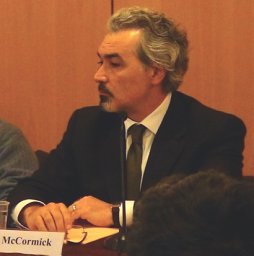 John McCormick合作论文数deakin university2
 Hiep Cong Pham合作论文数2Skovli Daniel合作论文数2Te Charles C合作论文数2
 David C. Martin合作论文数Department of Materials Science and Engineering, College of Engineering, University of Delaware;Department of Biomedical Engineering, College of Engineering, University of Delaware2
 Courtney Houchen合作论文数Department of Internal Medicine, Washington University School of Medicine2Kim Vincs合作论文数Deakin University2
 James I Mullins合作论文数Department of Global Health, School of Public Health, University of Washington;Department of Global Health, School of Medicine, University of Washington2




