Lakes, ponds, and reservoirs (hereafter: “lakes”) are important sources of the greenhouse gases carbon dioxide (CO2) and methane (CH4). Emissions of CO2 and CH4 from lakes are regulated in part by in-lake processes, including the production and storage of gases in the lower parts of the water column (bottom waters). However, while substantial efforts have been made to improve estimates of greenhouse gas emissions from lakes, limited data on gas concentrations along depth profiles have prevented the incorporation of bottom-water processes in global emission estimates. Here, we present GHG-depths: the largest existing dataset of depth-profile CO2 and CH4 measurements worldwide, including 522 lakes across 38 countries and all seven continents. These data include contributions from 45 research teams and 56 published studies, totaling 2558 discrete sampling events. As global change continues to alter biogeochemical cycling in lakes, these data can help improve mechanistic models to better predict greenhouse gas production and emission from lakes worldwide.
Background Microbial methane oxidation, methanotrophy, plays a crucial role in mitigating the release of the potent greenhouse gas methane from aquatic systems. While aerobic methanotrophy is a well-established process in oxygen-rich environments, emerging evidence suggests their activity in hypoxic conditions. However, the adaptability of these methanotrophs to such environments has remained poorly understood. Here, we explored the genetic adaptability of aerobic methanotrophs to hypoxia in the methanogenic sediments of Lake Kinneret (LK). These LK methanogenic sediments, situated below the oxidic and sulfidic zones, were previously characterized by methane oxidation coupled with iron reduction via the involvement of aerobic methanotrophs. Results In order to explore the adaptation of the methanotrophs to hypoxia, we conducted two experiments using LK sediments as inoculum: i) an aerobic "classical" methanotrophic enrichment with ambient air employing DNA stable isotope probing (DNA-SIP) and ii) hypoxic methanotrophic enrichment with repeated spiking of 1% oxygen. Analysis of 16S rRNA gene amplicons revealed the enrichment of Methylococcales methanotrophs, being up to a third of the enriched community. Methylobacter , Methylogaea , and Methylomonas were prominent in the aerobic experiment, while hypoxic conditions enriched primarily Methylomonas . Using metagenomics sequencing of DNA extracted from these experiments, we curated five Methylococcales metagenome-assembled genomes (MAGs) and evaluated the genetic basis for their survival in hypoxic environments. A comparative analysis with an additional 62 Methylococcales genomes from various environments highlighted several core genetic adaptations to hypoxia found in most examined Methylococcales genomes, including high-affinity cytochrome oxidases, oxygen-binding proteins, fermentation-based methane oxidation, motility, and glycogen use. We also found that some Methylococcales, including LK Methylococcales, may denitrify, while metals and humic substances may also serve as electron acceptors alternative to oxygen. Outer membrane multi-heme cytochromes and riboflavin were identified as potential mediators for the utilization of metals and humic material. These diverse mechanisms suggest the ability of methanotrophs to thrive in ecological niches previously thought inhospitable for their growth. Conclusions Our study sheds light on the ability of enriched Methylococcales methanotrophs from methanogenic LK sediments to survive under hypoxia. Genomic analysis revealed a spectrum of genetic capabilities, potentially enabling these methanotrophs to function. The identified mechanisms, such as those enabling the use of alternative electron acceptors, expand our understanding of methanotroph resilience in diverse ecological settings. These findings contribute to the broader knowledge of microbial methane oxidation and have implications for understanding and potential contribution methanotrophs may have in mitigating methane emissions in various environmental conditions.
The redox conditions in the littoral limnic sediments may be affected by the penetration of plant roots which provide channels for oxygen transport into the sediment while decomposition of the dead roots results in consumption of oxygen. The goal of this work was to study the impact of environmental parameters including penetration of roots of Cyperus articulatus L. into the sediments on cycling of the redox-sensitive elements in Lake Kinneret. We measured roots content, porosity, and chemical parameters including pH, sulfur, iron and manganese speciation in the sediments from the shore, littoral and sublittoral zones with and without vegetation. Our results show that at ≥ 12 m water depth, the upper 10 cm of the sediments are affected by the active sulfur cycling with concentrations of hydrogen sulfide > 70 μM near the sediment–water interface. Speciation of sulfur, iron, and manganese in the upper 10 cm of littoral sediments, which are covered by < 20 cm of water, are affected by their permeability and, to a lesser extent, by roots penetration. In the case when sediments are not covered by water, oxygen penetration to the sediments by desiccation is an additional important control of the redox zonation in the surface sediments. In the shore sediments, despite relatively high concentrations of sulfate in the pore-waters, sulfur cycling may be described as “cryptic” as expressed by very low concentrations of hydrogen sulfide in the pore-waters. This is most likely a result of its fast reoxidation by the abundant highly reactive Fe(III) and Mn(IV) phases.
In methane (CH4) generating sediments, methane oxidation coupled with iron reduction was suggested to be catalyzed by archaea and bacterial methanotrophs of the order Methylococcales. However, the co-existence of these aerobic and anaerobic microbes, the link between the processes, and the oxygen requirement for the bacterial methanotrophs have remained unclear. Here, we show how stimulation of aerobic methane oxidation at an energetically low experimental environment influences net iron reduction, accompanied by distinct microbial community changes and lipid biomarker patterns. We performed incubation experiments (between 30 and 120 days long) with methane generating lake sediments amended with 13C-labeled methane, following the additions of hematite and different oxygen levels in nitrogen headspace, and monitored methane turnover by 13C-DIC measurements. Increasing oxygen exposure (up to 1%) promoted aerobic methanotrophy, considerable net iron reduction, and the increase of microbes, such as Methylomonas, Geobacter, and Desulfuromonas, with the latter two being likely candidates for iron recycling. Amendments of 13C-labeled methanol as a potential substrate for the methanotrophs under hypoxia instead of methane indicate that this substrate primarily fuels methylotrophic methanogenesis, identified by high methane concentrations, strongly positive δ13CDIC values, and archaeal lipid stable isotope data. In contrast, the inhibition of methanogenesis by 2-bromoethanesulfonate (BES) led to increased methanol turnover, as suggested by similar 13C enrichment in DIC and high amounts of newly produced bacterial fatty acids, probably derived from heterotrophic bacteria. Our experiments show a complex link between aerobic methanotrophy and iron reduction, which indicates iron recycling as a survival mechanism for microbes under hypoxia.
Anaerobic oxidation of methane (AOM) is among the main processes limiting the release of the greenhouse gas methane from natural environments. Geochemical profiles and experiments with fresh sediments from Lake Kinneret (Israel) indicate that iron-coupled AOM (Fe-AOM) sequesters 10 %–15 % of the methane produced in the methanogenic zone (>20 cm sediment depth). The oxidation of methane in this environment was shown to be mediated by a combination of mcr-gene-bearing archaea and pmoA-gene-bearing aerobic bacterial methanotrophs. Here, we used sediment slurry incubations under controlled conditions to elucidate the electron acceptors and microorganisms that are involved in the AOM process over the long term (∼ 18 months). We monitored the process with the addition of 13C-labeled methane and two stages of incubations: (i) enrichment of the microbial population involved in AOM and (ii) slurry dilution and manipulations, including the addition of several electron acceptors (metal oxides, nitrate, nitrite and humic substances) and inhibitors (2-bromoethanesulfonate, acetylene and sodium molybdate) of methanogenesis, methanotrophy and sulfate reduction and sulfur disproportionation. Carbon isotope measurements in the dissolved inorganic carbon pool suggest the persistence of AOM, consuming 3 %–8 % of the methane produced at a rate of 2.0 ± 0.4 nmol per gram of dry sediment per day. Lipid carbon isotopes and metagenomic analyses point towards methanogens as the sole microbes performing the AOM process by reverse methanogenesis. Humic substances and iron oxides, although not sulfate, manganese, nitrate or nitrite, are the likely electron acceptors used for this AOM. Our observations support the contrast between methane oxidation mechanisms in naturally anoxic lake sediments, with potentially co-existing aerobes and anaerobes, and long-term incubations, wherein anaerobes prevail.
Recent observations from shallow anoxic lacustrine sediments around the world show an unexpected presence of bacterial methanotrophs, usually typified to be aerobic, together with anaerobic microorganisms, such as methanogens and iron reducers, which may result from undetectable traces of oxygen or a yet to be understood biochemical process producing oxygen. Both mcr gene-bearing archaea and pmoA gene-bearing bacterial methanotrophs were suggested to mediate methane oxidation in Lake Kinneret sediments. In these sediments, iron reduction was shown to be coupled to methane oxidation; however, with an unclear mechanism linked to methanotrophy. Here we show a new set of geochemical and microbial data from slurry experiments that tested the effect of exposure of oxygen on this aerobic and anaerobic activity. Surprisingly, exposure of oxygen levels up to 1% promoted aerobic methanotrophy and increased net iron reduction in anoxic lake sediments. The iron reduction was microbially mediated and performed by either Desulfuromonas or Geobacter or Methylomonas. The experiments provide insight into the complex life and biogeochemical cycles in anoxic lake sediments.
Complex microbial communities facilitate iron and methane transformations in anoxic methanic sediments of freshwater lakes, such as Lake Kinneret (the Sea of Galilee, Israel). The phylogenetic and functional diversity of these consortia are not fully understood, and it is not clear which lineages perform iron reduction and anaerobic oxidation of methane (AOM). Here, we investigated microbial communities from both natural Lake Kinneret iron-rich methanic sediments (>20 cm depth) and iron-amended slurry incubations from this zone using metagenomics, focusing on functions associated with iron reduction and methane cycling. Analyses of the phylogenetic and functional diversity indicate that consortia of archaea (mainly Bathyarchaeia, Methanomicrobia, Thermoplasmata, and Thermococci) and bacteria (mainly Chloroflexi (Chloroflexota), Nitrospirae (Nitrospirota), and Proteobacteria) perform key metabolic reactions such as amino acid uptake and dissimilation, organic matter fermentation, and methanogenesis. The Deltaproteobacteria, especially Desulfuromondales (Desulfuromonadota), have the potential to transfer electrons extracellularly either to iron mineral particles or to microbial syntrophs, including methanogens. This is likely via transmembrane cytochromes, outer-membrane hexaheme c-type cytochrome (OmcS) in particular, or pilin monomers (PilA), all of which were attributed to this lineage. Bona fide anaerobic oxidizers of methane (ANME) and denitrifying methanotrophs Methylomirabilia (NC10) may mediate AOM in these methanogenic sediments; however we also consider the role of methanogens in active AOM or back flux of methanogenesis. Putative aerobes, such as methane-oxidizing bacteria Methylomonas and their methylotrophic syntrophs Methylotenera, are found among the anaerobic lineages in Lake Kinneret iron-amended slurries and are also involved in the oxidation of methane or its intermediates, as suggested previously. We propose a reaction model for the metabolic interactions in these sediments, linking the potential players that interact via intricate metabolic tradeoffs and direct electron transfer between species. Our results highlight the metabolic complexity of microbial communities in an energy-limited environment, where aerobe and anaerobe communities may co-exist and facilitate AOM as one strategy for survival.
A deep chlorophyll maximum (DCM) is often seen in stratified freshwater bodies at the interface between an anaerobic layer and an oxic layer. A DCM of the green sulfur bacterium Chlorobium phaeobacteroides was previously reported as a dense population in the oxygen devoid layer of a monomictic stratified lake, Lake Kinneret, Israel. In this multidisciplinary study, we examined the vertical distribution and diversity of the DCM photosynthetic community and characterised it spectrally and genetically, over two consecutive years. Pigment composition, together with 16S rDNA sequencing data unveil the presence of more than a single Chlorobium species as dominant members of the DCM community. Altogether, five different Chlorobia genotypes were identified, four of which occurred in both of the studied years. Phylogenetic analysis suggests that the dominant genotype is closely related to C. phaeobacteroides, implying that it contributes the majority of the bacteriochlorophyll-e found in the DCM of the lake. Hierarchical clustering analysis demonstrates that dissolved oxygen concentration is a strong predictor for the distribution of all Chlorobia genotypes found in Lake Kinneret. Furthermore, this analysis suggests that competition probably exists between the various Chlorobia genotypes and proposes that a C. phaeobacteroides-related amplicon sequence variant is better equipped to cope with the conditions prevailing in Lake Kinneret metalimnion. Chlorobia genotypes composing the DCM appear at a similar relative abundance in two consecutive years, even though timing and intensity of the DCM were different. This stable structure of the Chlorobia community observed here may represent a general theme in other stratified freshwater bodies harbouring Chlorobia.
Abstract. Anaerobic oxidation of methane (AOM) is one of the major processes limiting the release of the greenhouse gas methane from natural environments. In Lake Kinneret sediments, iron-coupled AOM (Fe-AOM) was suggested to play a substantial role (10–15 % relative to methanogenesis) in the methanic zone (> 20 cm sediment depth), based on geochemical profiles and experiments on fresh sediments. Apparently, the oxidation of methane is mediated by a combination of mcr gene bearing archaea and aerobic bacterial methanotrophs. Here we aimed to investigate the survival of this complex microbial interplay under controlled conditions. We followed the AOM process during long-term (~18 months) anaerobic slurry experiments of these methanic sediments with two stages of incubations and additions of 13C-labeled methane, multiple electron acceptors and inhibitors. After these incubation stages carbon isotope measurements in the dissolved inorganic pool still showed considerable AOM (3–8 % relative to methanogenesis). Specific lipid carbon isotope measurements and metagenomic analyses indicate that after the prolonged incubation aerobic methanotrophic bacteria were no longer involved in the oxidation process, whereas mcr gene bearing archaea were most likely responsible for oxidizing the methane. Humic substances and iron oxides are likely electron acceptors to support this oxidation, whereas sulfate, manganese, nitrate, and nitrite did not support the AOM in these methanic sediments. Our results suggest in the natural lake sediments methanotrophic bacteria are responsible for part of the methane oxidation by the reduction of combined micro levels of oxygen and iron oxides in a cryptic cycle, while the rest of the methane is converted by reverse methanogenesis. After long-term incubation, the latter prevails without bacterial methanotropic activity and with a different iron reduction pathway.
Methane is a potent greenhouse gas that is produced naturally via microbial processes in anoxic environments (i.e. marine and lake sediments). The release of methane to the atmosphere from sediments is controlled by its aerobic and anaerobic oxidation. Anaerobic oxidation of methane (AOM) consumes up to 90% of the produced methane in marine sediments and over half of the produced methane in freshwater sediments. The most common electron acceptor in marine sediments for AOM is sulfate, however, in freshwater lake sediments, where sulfate concentrations are low, other electron acceptors can take its place (i.e. iron/manganese/nitrate). In lake Kinneret (Israel), iron-coupled AOM was evident by in-situ sedimentary profiles and in fresh sediment slurry incubations. Here we present geochemical and molecular analyses results of slurry experiments of long-term incubated lake Kinneret sediments with labeled 13C-methane, different potential electron acceptors and a few inhibitors. These experiments are part of an ongoing research to characterize the AOM processes in lake sediments, and indicate another possible type of AOM that has evolved in the long-term incubated lake sediments.
Method S1: Analysis of microbial diversity in slurry incubations based on the 16S rRNA gene amplicon sequencing.Total genomic DNA was extracted from duplicate samples of the slurries using the MoBio Power Soil DNA isolation kit (MoBio Laboratories, Solana Beach, CA).Genomic DNA was eluted using 80 µl of elution buffer and stored at -20°C.Duplicates of 16S rRNA gene fragments were joined together and amplified by PCR using a Biometra T Gradient thermocycler (Biometra, Göttingen, Germany) for MiSeq sequencing.Linkered primers that were used are
Metagenomic hits (amino acid sequences) for extracellular electron transfer related enzymes - MHC, omcS and pilA
Evidence is accumulating to challenge the paradigm that biogenic methanogenesis, considered a strictly anaerobic process, is exclusive to archaea. We demonstrate that cyanobacteria living in marine, freshwater, and terrestrial environments produce methane at substantial rates under light, dark, oxic, and anoxic conditions, linking methane production with light-driven primary productivity in a globally relevant and ancient group of photoautotrophs. Methane production, attributed to cyanobacteria using stable isotope labeling techniques, was enhanced during oxygenic photosynthesis. We suggest that the formation of methane by cyanobacteria contributes to methane accumulation in oxygen-saturated marine and limnic surface waters. In these environments, frequent cyanobacterial blooms are predicted to further increase because of global warming potentially having a direct positive feedback on climate change. We conclude that this newly identified source contributes to the current natural methane budget and most likely has been producing methane since cyanobacteria first evolved on Earth.
Delayed fluorescence (DF) is a characteristic feature of light-excited plant cells caused by the back-reaction of electrons through the electron transport chain. Targeting the response of light-adapted green algae to diurnal light changes, the present study presents novel results of DF measurements in the absence of an artificial excitation light source. Based on a linear relationship between the DF counts and light intensities from 0.15 to 0.65 W m-2 during daybreak, we estimated an initial algal response to light intensities of 0.01 W m-2. Dissolved oxygen concentrations began to increase at 1.0 W m-2. A noon depression similar to that reported for prompt fluorescence occurred above 100 W m-2. Our results from multiple day-night cycles emphasize that the DF response is a function of the chlorophyll concentration and of a rapid light adaptation. The DF counts alone cannot provide a reliable unambiguous measure of photosynthetic activity.
Evidence is accumulating to challenge the paradigm that biogenic methanogenesis, traditionally considered a strictly anerobic process, is exclusive to Archaea . Here we demonstrate that Cyanobacteria living in marine, freshwater and terrestrial environments produce methane at substantial rates under light and dark oxic and anoxic conditions, forming a link between light driven primary productivity and methane production in globally relevant group of phototrophs. Biogenic methane production was enhanced during oxygenic photosynthesis and directly attributed to the cyanobacteria by applying stable isotope labelling techniques. We suggest that formation of methane by Cyanobacteria may contribute to methane accumulation in oxygen-saturated surface waters of marine and freshwater ecosystems. Moreover, in these environments, cyanobacterial blooms already do, and might further occur more frequently during future global warming and thus have a direct feedback on climate change. We further highlight that cyanobacterial methane production not only affects recent and future global methane budgets, but also has implications for inferences on Earth’s methane budget for the last 3.5 billion years, when this phylum is thought to have first evolved.
In the initial online version of the article, the sampling station location “F” was missing in Fig. 1. The original article has been corrected.
 Orit Sivan合作论文数24
 Hanni Vigderovich合作论文数Dept Earth & Environm Sci, Ben Gurion Univ Negev12
 Hans Peter Grossart合作论文数Department of Plankton and Microbial Ecology, Leibniz-Institute of Freshwater Ecology and Inland Fisheries10
 Maxim Rubin-Blum合作论文数Israel Oceanographic & Limnological Research8
 Ralf Conrad合作论文数Department of Biogeochemistry, Max Planck Institute for Terrestrial Microbiology7
 Marcus Elvert合作论文数Organic Geochemistry Group, University of Bremen7
 Ilia S Ostrovsky合作论文数Israel Oceanographic and Limnological Research, Yigal Allon Kinneret Limnological Laboratory, Midgal, Israel6
 Yosef Z Yacobi合作论文数6
 Itay Bar-Or合作论文数5Michal Elul合作论文数Dept Earth & Environm Sci, Ben Gurion Univ Negev5
 K. David Hambright合作论文数Department of Wildlife and Fisheries Sciences, Texas A&M University5
 Zeev Ronen合作论文数Laboratory of Soil Biochemistry;Pennsylvania State University;Laboratory of Soil Biochemistry, Pennsylvania State University5Katharina Frindte合作论文数Department of Limnology of Stratified Lakes, Leibniz-Institute of Freshwater Ecology and Inland Fisheries;Department of Limnology of Stratified Lakes, Leibniz-Institute of Freshwater Ecology and Inland Fisheries4Julia I.K. Schwarz合作论文数4
 Alexey Kamyshny合作论文数Max Planck Institute for Marine Microbiology, Bremen, Germany4
 Eyal Kurzbaum合作论文数Faculty of Civil & Environmental Engineering, Technion-Israel Institute of Technology4Hans G. Truper合作论文数4Michal Sela-Adler合作论文数3
 Tom Berman合作论文数Kinneret Limnological Lab, Israel Oceanographic and Limnological Research Institute3
 Ami Nishri合作论文数3Yosef Z. Yacobi合作论文数3
 Thomas Klintzsch合作论文数2Almog Gafni合作论文数2Khoren Avetisyan合作论文数2
 Marco Gunthel合作论文数Swansea Univ, Dept Biosci, Swansea SA2 8PP, W Glam, Wales2Ward Said-Ahmad合作论文数2
 Attermeyer Katrin合作论文数Experimental Limnology, Leibniz-Institute of Freshwater Ecology and Inland Fisheries (IGB) Berlin2
 Tamar Zohary合作论文数Yigal Alon Kinneret Limnological Laboratory, Israel Oceanographic and Limnological Research Institute2Gerhardt Volkmar合作论文数2Leunert Franziska合作论文数2
 Peter R. Leavitt合作论文数Department of Biology, Faculty of Science, University of Regina;Institute of Environmental Change and Society, University of Regina2
 Sven Beer合作论文数School of Plant Sciences and Food Security, The George S. Wise Faculty of Life Sciences, Tel Aviv University2
 Claire L. Schelske (Claire Schelske)合作论文数Department of Geological Sciences, Land Use and Environmental Change Institute, University of Florida2Assaf Sukenik合作论文数Yigal Allon Kinneret Limnological Laboratory, Israel Oceanographic & Limnological Research2
 Shira Ninio合作论文数Alexander Silberman Institute of Life Sciences, Hebrew University of Jerusalem2Ora Hadas合作论文数2
 Muna Yacoub Hindiyeh合作论文数2Alon Amrani合作论文数Power, Environmental, and Energy Research Center, California Institute of Technology2
 Jorg Imberger合作论文数RSMAS,University of Miami2Alicia M. Muro-Pastor合作论文数2
 Kevin C. Rose合作论文数Dept Biol Sci, Rensselaer Polytech Inst2Martin Allgaier合作论文数2
 Eitan Ben-Dov合作论文数Department of Life Sciences, Ben-Gurion University of the Negev2
 Danny Ionescu合作论文数The Institute of Life Sciences, The Hebrew University of Jerusalem2
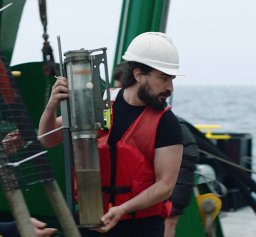 Gilad Antler合作论文数Department of Geological and Environmental Sciences, Ben-Gurion University of the Negev2Ariel Kushmaro合作论文数Faculty of Engineering Sciences, Ben-Gurion University of the Negev2T FREVERT合作论文数2
 Frank Keppler合作论文数Institut für Geowissenschaften, University of Heidelberg2
 Alon Rimmer合作论文数Department of Agricultural and Biological Engineering;CorneU University;Department of Agricultural and Biological Engineering, CorneU University2




