Septin5 interacts with SNARE proteins to regulate exocytosis in neurons, but its role in pancreatic β-cells is unknown. Here, we report that Septin5 is abundant in rodent and human β-cells, deletion of which dramatically enhances biphasic glucose-stimulated insulin secretion, including in type 2 diabetes (T2D). Super-resolution imaging shows that Septin5 is preferentially assembled in microtubule-plasma membrane contact sites in a microtubule-dependent manner, which provides discrete harbor for secretory granule anchoring. By decreasing the stability of the cortical microtubule meshwork, Septin5 depletion increases insulin granule dynamics and access to the plasma membrane. Analysis of spatiotemporal coupling of fusion events and localized Ca2+ influx through L-type Ca2+ channels show that Septin5 depletion increases releasable granule pool clustering on Ca2+ channels, previously shown to be impaired in T2D, thus rectifying this T2D defect. Hence, inhibition of Septin5 can improve insulin secretion. Septins are the key component of the cytoskeleton. Here, the authors show that Septin5 is assembled in microtubule-plasma membrane contact sites and mediates insulin secretion in pancreatic islet β-cells through cortical microtubule remodeling.
Mitochondria continually undergo fission to maintain their network and health. Nascent fission sites are marked by the ER, which facilitates actin polymerization to drive calcium flux into the mitochondrion and constrict the inner mitochondrial membrane. Septins are a major eukaryotic cytoskeleton component that forms filaments that can both directly and indirectly modulate other cytoskeleton components, including actin. Septins have been implicated in mitochondrial fission; however, a connection between septins and the regulation of cytoskeletal machinery driving fission is not known. We find that SEPTIN9 is present at mitochondrial fission sites from its early stages with the ER and prior to the fission factor dynamin-related protein 1 (DRP1). SEPTIN9 has an isoform-specific role in fission, dependent on its N-terminal interaction to activate a Rho guanine nucleotide exchange factor, ARHGEF18. Without SEPTIN9, mitochondrial calcium influx is impaired, indicating SEPTIN9-containing octamers play a critical role in the early stages of fission.
Septins are filamentous GTPases that play important but poorly characterized roles in ciliogenesis. Here, we show that SEPTIN9 regulates RhoA signaling at the base of cilia by binding and activating the RhoA guanine nucleotide exchange factor, ARHGEF18. GTP-RhoA is known to activate the membrane targeting exocyst complex, and suppression of SEPTIN9 causes disruption of ciliogenesis and mislocalization of an exocyst subunit, SEC8. Using basal body-targeted proteins, we show that upregulating RhoA signaling at the cilium can rescue ciliary defects and mislocalization of SEC8 caused by global SEPTIN9 depletion. Moreover, we demonstrate that the transition zone components, RPGRIP1L and TCTN2, fail to accumulate at the transition zone in cells lacking SEPTIN9 or depleted of the exocyst complex. Thus, SEPTIN9 regulates the recruitment of transition zone proteins on Golgi-derived vesicles by activating the exocyst via RhoA to allow the formation of primary cilia.
Hedgehog (Hh) signaling is a widely studied signaling pathway because of its critical roles during development and in cell homeostasis. Vertebrate canonical and non-canonical Hh signaling are typically assumed to be distinct and occur in different cellular compartments. While research has primarily focused on the canonical form of Hh signaling and its dependency on primary cilia - microtubule-based signaling hubs - an extensive list of crucial functions mediated by non-canonical Hh signaling has emerged. Moreover, amounting evidence indicates that canonical and non-canonical modes of Hh signaling are interlinked, and that they can overlap spatially, and in many cases interact functionally. Here, we discuss some of the many cellular effects of non-canonical signaling and discuss new evidence indicating inter-relationships with canonical signaling. We discuss how Smoothened (Smo), a key component of the Hh pathway, might coordinate such diverse downstream effects. Collectively, pursuit of questions such as those proposed here will aid in elucidating the full extent of Smo function in development and advance its use as a target for cancer therapeutics.
Genome sequencing generates large volumes of data and hence requires increasingly higher computational resources. The growing data problem is even more acute in metagenomics applications, where data from an environmental sample include many organisms instead of just one for the common single organism sequencing. Traditional taxonomic classification and clustering approaches and platforms - while designed to be computationally efficient - are not capable of incrementally updating a previously trained system when new data arrive, which then requires complete re-training with the augmented (old plus new) data. Such complete retraining is inefficient and leads to poor utilization of computational resources. An ability to update a classification system with only new data offers a much lower run-time as new data are presented, and does not require the approach to be re-trained on the entire previous dataset. In this paper, we propose Incremental VSEARCH (I-VSEARCH) and its semi-supervised version for taxonomic classification, as well as a threshold independent VSEARCH (TI-VSEARCH) as wrappers around VSEARCH, a well-established (unsupervised) clustering algorithm for metagenomics. We show - on a 16S rRNA gene dataset - that I-VSEARCH, running incrementally only on the new batches of data that become available over time, does not lose any accuracy over VSEARCH that runs on the full data, while providing attractive computational benefits.
Current approaches for the functional annotation of proteins rely on training a classifier based on a fixed reference database. As more genes are sequenced, the size of the reference database grows and classifiers are retrained with the old and some new data. Considering the ever-increasing number of (meta-)genomic data, repeating this process is computationally expensive. An alternative is to update the classifier continuously based on a stream of data. Thus, in this study, we propose an incremental and semi-supervised learning approach to train a classifier for the functional analysis of protein sequences. Our method proves to have a low computational cost while maintaining high accuracy in nredicting protein functions.
Primary cilia function as critical signaling hubs whose absence leads to severe disorders collectively known as ciliopathies; our knowledge of ciliogenesis remains limited. We show that Smo induces ciliogenesis through two distinct yet essential noncanonical Hh pathways in several cell types, including neurons. Surprisingly, ligand activation of Smo induces autophagy via an LKB1-AMPK axis to remove the satellite pool of OFD1. This is required, but not sufficient, for ciliogenesis. Additionally, Smo activates the Gαi-LGN-NuMA-dynein axis, causing accumulation of a portion of OFD1 at centrioles in early ciliogenesis. Both pathways are critical for redistribution of BBS4 from satellites to centrioles, which is also mediated by OFD1 centriolar translocation. Notably, different Smo agonists, which activate Smo distinctly, activate one or the other of these pathways; only in combination they recapitulate the activity of Hh ligand. These studies provide new insight into physiological stimuli (Hh) that activate autophagy and promote ciliogenesis and introduce a novel role for the Gαi-LGN-NuMA-dynein complex in this process.
Primary cilia are hubs for several signaling pathways, and disruption in cilia function and formation leads to a range of diseases collectively known as ciliopathies. Both ciliogenesis and cilia maintenance depend on vesicle trafficking along a network of microtubules and actin filaments toward the basal body. The DIAPH (Diaphanous-related) family of formins promote both actin polymerization and microtubule (MT) stability. Recently, we showed that the formin DIAPH1 is involved in ciliogenesis. However, the role of other DIAPH family members in ciliogenesis had not been investigated. Here we show that depletion of either DIAPH2 or DIAPH3 also disrupted ciliogenesis and cilia length. DIAPH3 depletion also reduced trafficking within cilia. To specifically examine the role of DIAPH3 at the base, we used fused full-length DIAPH3 to centrin, which targeted DIAPH3 to the basal body, causing increased trafficking to the ciliary base, an increase in cilia length, and formation of bulbs at the tips of cilia. Additionally, we confirmed that the microtubule-stabilizing properties of DIAPH3 are important for its cilia length functions and trafficking. These results indicate the importance of DIAPH proteins in regulating cilia maintenance. Moreover, defects in ciliogenesis caused by DIAPH depletion could only be rescued by expression of the specific family member depleted, indicating nonredundant roles for these proteins.
Primary cilia are critical hubs for several signaling pathways, and defects in ciliogenesis or cilia maintenance produce a range of diseases collectively known as ciliopathies. Ciliogenesis requires vesicle trafficking along a network of microtubules and actin filaments to the basal body. The DIAPH1 (Diaphanous-related formin) family of formins promotes both actin polymerization and EB1-dependent microtubule (MT) stability. EB1 and EB3 have previously been implicated in cilia biogenesis to carry out centrosome-related functions. However, the role of DIAPH1 proteins had not been examined. Here we show that the depletion of DIAPH1 decreased ciliogenesis, cilia length, and reduced trafficking within cilia. Additionally, both actin nucleating and microtubule-stabilizing properties of DIAPH1 are important for their cilia functions. To assess their roles in ciliogenesis in isolation, we targeted DIAPH1 specifically to the basal body, which caused an increase in cilia length and increased trafficking within cilia. Intriguingly, expression of DIAPH1 mutants associated with human deafness and microcephaly impaired ciliation and caused cilia elongation and bulb formation. These results suggest that the actin and microtubule functions of DIAPH1 proteins regulate cilia maintenance in part by regulating vesicular trafficking to the base of the primary cilia.
Septins are conserved GTP-binding cytoskeletal proteins that polymerize into filaments by end-to-end joining of heterooligomeric complexes. In human cells, both hexamers and octamers exist, and crystallography studies predicted the order of the hexamers to be SEPT7-SEPT6-SEPT2-SEPT2-SEPT6-SEPT7, while octamers are thought to have the same core, but with SEPT9 at the ends. However, based on this septin organization, octamers and hexamers would not be expected to co-polymerize due to incompatible ends. Here we isolated hexamers and octamers of specific composition from human cells and show that hexamers and octamers polymerize individually and, surprisingly, with each other. Binding of Borg3 results in distinctive clustering of each filament type. Moreover, we show that the organization of hexameric and octameric complexes is inverted compared to its original prediction. This revised septin organization is congruent with the organization and behavior of yeast septins suggesting that their properties are more conserved than was previously thought.
Scavenger receptor B1 (SR-B1), the main receptor for high-density lipoprotein (HDL), is key in preventing atherosclerosis. It removes cholesterol from HDL, returning the lipid-poor lipoprotein to the circulation. To study the mechanisms controlling SR-B1 dynamics at the plasma membrane and its internalization rate, we developed a single-chain variable fragment (ScFv) antibody to image the receptor in live cells and track the behavior of single SR-B1 molecules. Unlike transferrin receptors, cholera-toxin-binding gangliosides, and bulk membrane markers, SR-B1 was internalized only marginally over hours. Plasmalemmal retention was not attributable to its C-terminal PDZ-binding domain or to attachment to the cortical cytoskeleton. Instead, SR-B1 undergoes multimerization into large metastable clusters that, despite being mobile in the membrane, fail to enter endocytic pathways. SR-B1 multimerization was impaired by mutating its C-terminal leucine zipper and by disrupting actin polymerization, causing rapid receptor internalization. Multimerization and plasmalemmal retention are critical for SR-B1 function.
The intracellular transport of cholesterol is subject to tight regulation. The structure of the lysosomal integral membrane protein type 2 (LIMP-2, also known as SCARB2) reveals a large cavity that traverses the molecule and resembles the cavity in SR-B1 that mediates lipid transfer. The detection of cholesterol within the LIMP-2 structure and the formation of cholesterol − like inclusions in LIMP-2 knockout mice suggested the possibility that LIMP2 transports cholesterol in lysosomes. We present results of molecular modeling, crosslinking studies, microscale thermophoresis and cell-based assays that support a role of LIMP-2 in cholesterol transport. We show that the cavity in the luminal domain of LIMP-2 can bind and deliver exogenous cholesterol to the lysosomal membrane and later to lipid droplets. Depletion of LIMP-2 alters SREBP-2-mediated cholesterol regulation, as well as LDL-receptor levels. Our data indicate that LIMP-2 operates in parallel with Niemann Pick (NPC)-proteins, mediating a slower mode of lysosomal cholesterol export.
Actin nucleators and their binding partners play crucial roles during Salmonella invasion, but how these factors are dynamically coordinated remains unclear. Here, we show that septins, a conserved family of GTP binding proteins, play a role during the early stages of Salmonella invasion. We demonstrate that septins are rapidly enriched at sites of bacterial entry and contribute to the morphology of invasion ruffles. We found that SEPTIN2, SEPTIN7, and SEPTIN9 are required for efficient bacterial invasion. Septins contributed to the recruitment of ROCK2 kinase during Salmonella invasion, and the downstream activation of the actin nucleating protein FHOD1. In contrast, activation of the ROCK2 substrate myosin II, which is known to be required for Salmonella enterica serovar Typhimurium invasion, did not require septins. Collectively, our studies provide new insight into the mechanisms involved in Salmonella invasion of host cells.
Septins are a conserved family of GTPases that associate with numerous components of the cytoskeleton and the inner leaflet of the plasma membrane. These proteins are involved in many biological processes, including cell division and membrane trafficking, and serving as a scaffolding component of the cytoskeleton used to recruit other proteins and form diffusion barriers to maintain the composition of membrane domains. In order to carry out their cellular functions, septins undergo interactions via their NC or G interfaces to form heteromeric rod-like structures that can polymerize into filaments and associate laterally into bundles. While electron microscopy studies of affinity-tagged and purified Saccharomyces cerevisiae septin complexes have provided evidence for this periodic organization and in-registry lateral bundling in vitro, the in-vivo arrangement of stress fiber-associated septin bundles in mammalian cells remains poorly characterized. We report here on a direct stochastic optical reconstruction microscopy and photoactivated localization microscopy study of the 2D spatial distribution of septins in mammalian cells. From simulated and experimental results, we show the effects of labeling method, labeling efficiency, and fluorescent emitter photophysics on image reconstruction and interpretation. Our experimental results are consistent with septin organization by polymerization of hetero-octamers and an approximate 30-35 nm periodicity between subsequent units of SEPT2-SEPT2 or SEPT9-SEPT9.
The interaction and spatial organization of proteins within cells fuels a myriad of biological processes. Protein modification, transport, signaling, polymerization and membrane remodeling are just a few examples. In cellular pathways, such as the endocytic membrane transport pathway, the recruitment of specific proteins and protein complexes to the membrane are hallmarks of the maturation and progression of the process. Interaction of membrane proteins from different organelles is of great importance as well. Recent discoveries have suggested that organelles may communicate with each other and exchange lipids and metabolites through the association of tethering proteins. Their proliferation may also be directly dependent on inter-organelle cooperativity such as the interaction of the endoplasmic reticulum with mitochondria and peroxisomes. Protein polymerization allows the creation of large macromolecular foundations that are mediators of diffusion and compartmentalization and give the cell structure through scaffolding. The organizational motifs by which these assemblies are built are of interest for structure-function relationships. The interaction and association of protein complexes as described above takes place at the nanoscale, below the optical diffraction limit. Although the colocalization of proteins can been visualized by traditional forms of fluorescence microscopy, many biological questions require a finer level of resolution. Super-resolution fluorescence microscopy has revolutionized optical imaging by harnessing advances in hardware, software and the modulation of light. Variations in illumination and emission can be used to break the diffraction limit and observe a new level of detail in the cell. Structured Illumination Microscopy and Single-Molecule Localization Microscopy are used to probe questions of nanoscale protein interactions in the endomembrane system and during peroxisomal division, and the supramolecular arrangement of cytoskeletal septin proteins.
Animal cells within a tissue typically display a striking regularity in their size. To date, the molecular mechanisms that control this uniformity are still unknown. We have previously shown that size uniformity in animal cells is promoted, in part, by size-dependent regulation of G1 length. To identify the molecular mechanisms underlying this process, we performed a large-scale small molecule screen and found that the p38 MAPK pathway is involved in coordinating cell size and cell cycle progression. Small cells display higher p38 activity and spend more time in G1 than larger cells. Inhibition of p38 MAPK leads to loss of the compensatory G1 length extension in small cells, resulting in faster proliferation, smaller cell size and increased size heterogeneity. We propose a model wherein the p38 pathway responds to changes in cell size and regulates G1 exit accordingly, to increase cell size uniformity.
Lipid exchange between the endoplasmic reticulum (ER) and peroxisomes is necessary for the synthesis and catabolism of lipids, the trafficking of cholesterol, and peroxisome biogenesis in mammalian cells. However, how lipids are exchanged between these two organelles is not understood. In this study, we report that the ER-resident VAMP-associated proteins A and B (VAPA and VAPB) interact with the peroxisomal membrane protein acyl-CoA binding domain containing 5 (ACBD5) and that this interaction is required to tether the two organelles together, thereby facilitating the lipid exchange between them. Depletion of either ACBD5 or VAP expression results in increased peroxisome mobility, suggesting that VAP-ACBD5 complex acts as the primary ER-peroxisome tether. We also demonstrate that tethering of peroxisomes to the ER is necessary for peroxisome growth, the synthesis of plasmalogen phospholipids, and the maintenance of cellular cholesterol levels. Collectively, our data highlight the importance of VAP-ACBD5-mediated contact between the ER and peroxisomes for organelle maintenance and lipid homeostasis.
 Sergio Grinstein合作论文数Department of Biochemistry, Temerty Faculty of Medicine, University of Toronto;Research Institute, The Hospital for Sick Children;Keenan Research Centre, Li Ka Shing Knowledge Institute, St. Michael's Hospital26
 L Sheu合作论文数17
 Gabrielle Boulianne合作论文数Department of Molecular Genetics, University of Toronto;SickKids15
 Amira Klip合作论文数The Department of Physiology and Biophysics, School of Medicine, Case Western Reserve University;Department of Biochemistry, University of Toronto13Herbert Y. Gaisano合作论文数Banting & Best Diabetes Centre, Temerty Faculty of Medicine, University of Toronto12Mahmood Mohtashami合作论文数11Froese Carol D合作论文数10
 Richard Collins合作论文数Biogeochemical Engineering, Management & Systems Group , School of Civil and Environmental Engineering, The University of New South Wales9
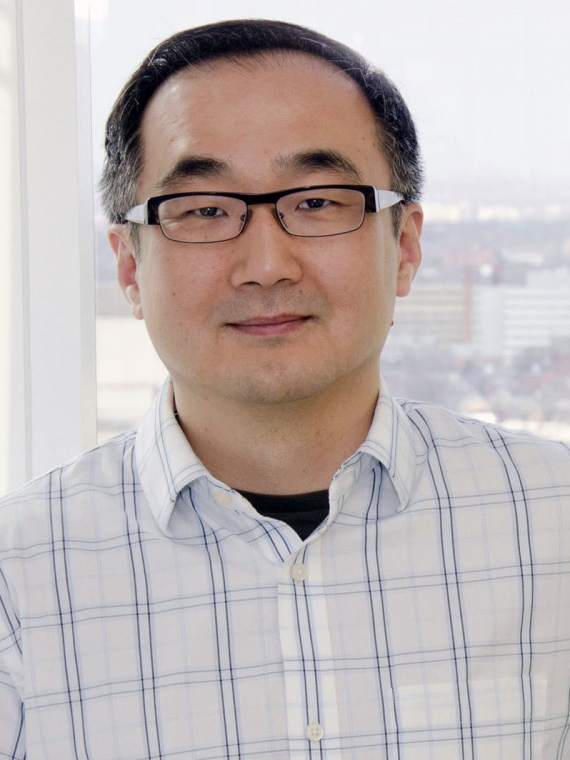 Peter K. Kim合作论文数Department of Biochemistry, Temerty Faculty of Medicine, University of Toronto8
 Peng Xiao-Rong合作论文数8Christopher W. Tsang合作论文数8Ad Schreiber合作论文数7N Hozumi合作论文数7Kim Moshe S合作论文数7
 Leonard Foster合作论文数Department of Biochemistry & Molecular Biology, Faculty of Medicine, The University of British Columbia7Mathew P. Estey合作论文数7Xie Hong合作论文数6
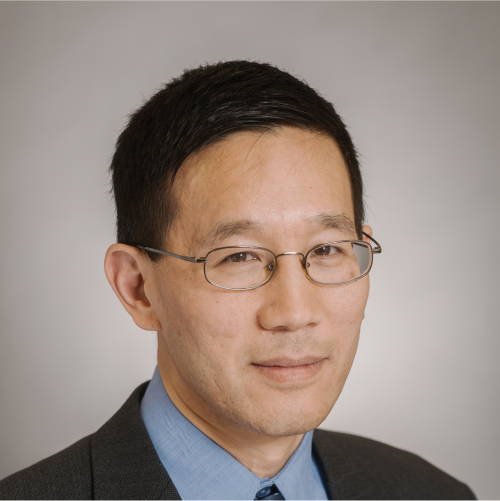 Christopher Yip合作论文数Institute of Biomedical Engineering, Faculty of Applied Science & Engineering, University of Toronto;Department of Chemical Engineering & Applied Chemistry, Faculty of Applied Science & Engineering, University of Toronto6
 Xiaohang Huang合作论文数6Oliva Palander合作论文数5M Ghai合作论文数5Adriano Vissa合作论文数5
 Bryan Stewart合作论文数Department of Cell & Systems Biology, Faculty of Arts and Science, University of Toronto5
 John Brumell合作论文数The Hospital for Sick Children;Department of Molecular Genetics, Temerty Faculty of Medicine, University of Toronto;Institute of Medical Science, University of Toronto;Inflammatory Bowel Disease Centre5Gaisano Herbert合作论文数5Hong Xie合作论文数5Marc G. Coppolino合作论文数Department of Biochemistry and Molecular Biology, Merck Frosst Centre for Therapeutic Research5J Ware合作论文数4
 Jonathan Steels合作论文数4
 John Crawford合作论文数4Yh Kang合作论文数4A. F. Levand合作论文数4Guy Savard合作论文数Department of Physics, The University of Chicago4
 Hao Xu合作论文数4
 Peter Falkai合作论文数Department of Psychiatry and Psychotherapy, Ludwig-Maximilians-University Munich4L Hu合作论文数4
 Ming Yan合作论文数4Sean Paul Sandifer Gulick合作论文数4J. P. Greene合作论文数4
 Fritz Buchinger合作论文数Foster Radiation Laboratory, McGill University4Mike Wheeler合作论文数Department of Physiology, Temerty Faculty of Medicine, University of Toronto4Y Tamori合作论文数3Jessica E DiCiccio合作论文数3VK Randhawa合作论文数3Rj Holt合作论文数3Wg Honer合作论文数3Mark K. Bennett合作论文数3Za Khayat合作论文数3K. Bailey合作论文数Argonne Natl Lab3




