De novo variants are a leading cause of neurodevelopmental disorders (NDDs), but because every monogenic NDD is different and usually extremely rare, it remains a major challenge to understand the complete phenotype and genotype spectrum of any morbid gene. According to OMIM, heterozygous variants in KDM6B cause "neurodevelopmental disorder with coarse facies and mild distal skeletal abnormalities."Here, by examining the molecular and clinical spectrum of 85 reported individuals with mostly de novo (likely) pathogenic KDM6B variants, we demonstrate that this description is inaccurate and potentially misleading. Cognitive deficits are seen consistently in all individuals, but the overall phenotype is highly variable. Notably, coarse facies and distal skeletal anomalies, as defined by OMIM, are rare in this expanded cohort while other features are unexpectedly common (e.g., hypotonia, psychosis, etc.). Using 3D protein structure analysis and an innovative dual Drosophila gain-of-function assay, we demonstrated a disruptive effect of 11 missense/in-frame indels located in or near the enzymatic JmJC or Zn-containing domain of KDM6B. Consistent with the role of KDM6B in human cognition, we demonstrated a role for the Drosophila KDM6B ortholog in memory and behavior. Taken together, we accurately define the broad clinical spectrum of the KDM6B-related NDD, introduce an innovative functional testing paradigm for the assessment of KDM6B variants, and demonstrate a conserved role for KDM6B in cognition and behavior. Our study demonstrates the critical importance of international collaboration, sharing of clinical data, and rigorous functional analysis of genetic variants to ensure correct disease diagnosis for rare disorders.
PURPOSE:GPKOW, a gene on the X-chromosome, encodes a nuclear RNA-binding protein important in messenger RNA (mRNA) processing as a spliceosome subunit. This work aims to establish GPKOW as a disease-associated gene. METHODS:We describe 3 males from 2 unrelated families with hemizygous frameshift variants affecting the last exon of GPKOW p.(Arg441SerfsTer30) and p.(Ser444GlufsTer28). The effect of p.(Ser444GlufsTer28) on gene expression was evaluated in patient's fibroblasts. In vivo studies in Drosophila melanogaster targeting the sole GPKOW fly ortholog, CG10324 (Gpkow) were performed. RESULTS:Clinical presentations included intrauterine growth restriction, microcephaly/microencephaly, and eye, brain, skin, and skeletal abnormalities. Heterozygote females presented with short stature, microcephaly, and vision problems. Sequencing of fibroblasts' mRNA confirmed that GPKOW mRNA escapes nonsense-mediated decay. Yet, reduced protein levels suggested protein instability. Studies in Drosophila showed that Gpkow is essential and broadly expressed. It is enriched in neurons and glia in eyes and head of developing and adult flies. Knockdown and overexpression of Gpkow in the fly eye cause eyeless/headless phenotype, suggesting that the gene is dosage sensitive. Importantly, overexpression of the p.(Ser444GlufsTer28) variant caused milder defects than the reference allele, indicating that the truncated protein behaves as a partial loss-of-function allele. CONCLUSION:Rare variants in GPKOW cause a multisystemic X-linked syndrome.
While mostly de novo truncating variants in SCAF4 were recently identified in 18 individuals with variable neurodevelopmental phenotypes, knowledge on the molecular and clinical spectrum is still limited. We assembled data on 50 novel individuals with SCAF4 variants ascertained via GeneMatcher and personal communication. With detailed evaluation of clinical data, in silico predictions and structural modeling, we further characterized the molecular and clinical spectrum of the autosomal dominant SCAF4-associated neurodevelopmental disorder. The molecular spectrum comprises 25 truncating, eight splice-site and five missense variants. While all other truncating variants were classified as pathogenic/likely pathogenic, significance of one C-terminal truncating variant, one splice-site variant and the missense variants remained unclear. Three missense variants in the CTD-interacting domain of SCAF4 were predicted to destabilize the domain. Twenty-three variants occurred de novo, and variants were inherited in 13 cases. Frequent clinical findings were mild developmental delay with speech impairment, seizures, and skeletal abnormalities such as clubfoot, scoliosis or hip dysplasia. Cognitive abilities ranged from normal IQ to severe intellectual disability (ID), with borderline to mild ID in the majority of individuals. Our study confirms the role of SCAF4 variants in neurodevelopmental disorders and further delineates the associated clinical phenotype.
Central nervous system (CNS) dural arteriovenous fistulas (DAVF) have been reported in PTEN -related hamartoma tumor syndrome (PHTS). However, PHTS-associated DAVF remain an underexplored field of the PHTS clinical landscape. Here, we studied cases with a PTEN pathogenic variant identified between 2007 and 2020 in our laboratory ( n = 58), and for whom brain imaging was available. Two patients had DAVF (2/58, 3.4%), both presenting at advanced stages: a 34-year-old man with a left lateral sinus DAVF at immediate risk of hemorrhage, and a 21-year-old woman with acute intracranial hypertension due to a torcular DAVF. Interestingly, not all patients had 3D TOF/MRA, the optimal sequences to detect DAVF. Early diagnosis of DAVF can be lifesaving, and is easier to treat compared to developed, proliferative, or complex lesions. As a result, one should consider brain MRI with 3D TOF/MRA in PHTS patients at genetic diagnosis, with subsequent surveillance on a case-by-case basis.
Neurodevelopmental proteasomopathies represent a distinctive category of neurodevelopmental disorders (NDD) characterized by genetic variations within the 26S proteasome, a protein complex governing eukaryotic cellular protein homeostasis. In our comprehensive study, we identified 23 unique variants in PSMC5 , which encodes the AAA-ATPase proteasome subunit PSMC5/Rpt6, causing syndromic NDD in 38 unrelated individuals. Overexpression of PSMC5 variants altered human hippocampal neuron morphology, while PSMC5 knockdown led to impaired reversal learning in flies and loss of excitatory synapses in rat hippocampal neurons. PSMC5 loss-of-function resulted in abnormal protein aggregation, profoundly impacting innate immune signaling, mitophagy rates, and lipid metabolism in affected individuals. Importantly, targeting key components of the integrated stress response, such as PKR and GCN2 kinases, ameliorated immune dysregulations in cells from affected individuals. These findings significantly advance our understanding of the molecular mechanisms underlying neurodevelopmental proteasomopathies, provide links to research in neurodegenerative diseases, and open up potential therapeutic avenues.
Primary proteasomopathies have recently emerged as a new class of rare early-onset neurodevelopmental disorders (NDDs) caused by pathogenic variants in the PSMB1, PSMC1, PSMC3, or PSMD12 proteasome genes. Proteasomes are large multi-subunit protein complexes that maintain cellular protein homeostasis by clearing ubiquitin-tagged damaged, misfolded, or unnecessary proteins. In this study, we have identified PSMD11 as an additional proteasome gene in which pathogenic variation is associated with an NDD-causing proteasomopathy. PSMD11 loss-of-function variants caused early-onset syndromic intellectual disability and neurodevelopmental delay with recurrent obesity in 10 unrelated children. Our findings demonstrate that the cognitive impairment observed in these individuals could be recapitulated in Drosophila melanogaster with depletion of the PMSD11 ortholog Rpn6, which compromised reversal learning. Our investigations in subject samples further revealed that PSMD11 loss of function resulted in impaired 26S proteasome assembly and the acquisition of a persistent type I interferon (IFN) gene signature, mediated by the integrated stress response (ISR) protein kinase R (PKR). In summary, these data identify PSMD11 as an additional member of the growing family of genes associated with neurodevelopmental proteasomopathies and provide insights into proteasomal biology in human health.
The ubiquitin-proteasome system (UPS) is a conserved degradation pathway in eukaryotes, playing a central role in various cellular processes, including maintaining protein homeostasis, regulating the cell cycle and signaling pathways, as well as orchestrating cell survival and death. Proteins targeted for UPS-mediated degradation undergo ubiquitin chain modification before being degraded by 26S proteasomes. Recently, a correlation has emerged between pathogenic proteasome variants and the onset of neurodevelopmental disorders. Termed "neurodevelopmental proteasomopathies", these syndromes are rare and characterized by delayed psychomotor development, behavioral disorders, facial dysmorphia, and multisystemic anomalies. In this review, we examine current knowledge on proteasomal dysfunctions and assess their relevance in the search for biomarkers for the diagnosis and potential treatment of these syndromic proteasomopathies.
AMPA (alpha-amino-3-hydroxy-5-methyl-4-isoxazole propionic acid) receptors (AMPARs) mediate fast excitatory neurotransmission in the brain. AMPARs form by homo- or heteromeric assembly of subunits encoded by the GRIA1-GRIA4 genes, of which only GRIA3 is X-chromosomal. Increasing numbers of GRIA3 missense variants are reported in patients with neurodevelopmental disorders (NDD), but only a few have been examined functionally.Here, we evaluated the impact on AMPAR function of one frameshift and 43 rare missense GRIA3 variants identified in patients with NDD by electrophysiological assays. Thirty-one variants alter receptor function and show loss-of-function or gain-of-function properties, whereas 13 appeared neutral.We collected detailed clinical data from 25 patients (from 23 families) harbouring 17 of these variants. All patients had global developmental impairment, mostly moderate (9/25) or severe (12/25). Twelve patients had seizures, including focal motor (6/12), unknown onset motor (4/12), focal impaired awareness (1/12), (atypical) absence (2/12), myoclonic (5/12) and generalized tonic-clonic (1/12) or atonic (1/12) seizures. The epilepsy syndrome was classified as developmental and epileptic encephalopathy in eight patients, developmental encephalopathy without seizures in 13 patients, and intellectual disability with epilepsy in four patients. Limb muscular hypotonia was reported in 13/25, and hypertonia in 10/25. Movement disorders were reported in 14/25, with hyperekplexia or non-epileptic erratic myoclonus being the most prevalent feature (8/25).Correlating receptor functional phenotype with clinical features revealed clinical features for GRIA3-associated NDDs and distinct NDD phenotypes for loss-of-function and gain-of-function variants. Gain-of-function variants were associated with more severe outcomes: patients were younger at the time of seizure onset (median age: 1 month), hypertonic and more often had movement disorders, including hyperekplexia. Patients with loss-of-function variants were older at the time of seizure onset (median age: 16 months), hypotonic and had sleeping disturbances. Loss-of-function and gain-of-function variants were disease-causing in both sexes but affected males often carried de novo or hemizygous loss-of-function variants inherited from healthy mothers, whereas affected females had mostly de novo heterozygous gain-of-function variants. AMPA receptors are important for normal brain development and function. Rinaldi et al. investigate genetic variants of the GRIA3 gene-which encodes a subunit of the AMPA receptor-in patients with neurodevelopmental disorders and show that most variants either increase or decrease AMPA receptor function, leading to distinct symptoms.
Le système ubiquitine-protéasome (UPS) est une voie conservée chez les eucaryotes qui permet la dégradation, par les protéasomes, des protéines modifiées par l’ubiquitine. Récemment, une corrélation entre des variants pathogènes de gènes codant le protéasome et l’émergence de nouvelles maladies avec troubles neurodéveloppementaux, dénommés « protéasomopathies neurodéveloppementales », a été mise en évidence. Ces maladies rares se manifestent par des retards psychomoteurs, des troubles du comportement, des dysmorphies faciales et des anomalies multi-systémiques. Dans cette synthèse, nous répertorions les biomarqueurs spécifiques d’une dysfonction protéasomale et nous discutons de leur pertinence pour le diagnostic et les traitements de ces troubles neurodéveloppementaux.
PurposeIncomplete penetrance is observed for most monogenic diseases. However, for neurodevelopmental disorders, the interpretation of single and multi-nucleotide variants (SNV/MNVs) is usually based on the paradigm of complete penetrance.MethodFrom 2020 to 2022, we proposed a collaboration study with the French molecular diagnosis for intellectual disability network. The aim was to recruit families for whom the index case, diagnosed with a neurodevelopmental disorder, was carrying a pathogenic or likely pathogenic variant for an OMIM morbid gene and inherited from an asymptomatic parent. Grandparents were analyzed when available for segregation study.ResultsWe identified 12 patients affected by a monogenic neurodevelopmental disorder caused by likely pathogenic or pathogenic variant (SNV/MNV) inherited from an asymptomatic parent. These genes were usually associated with de novo variants. The patients carried different variants (1 splice-site variant, 4 nonsense and 7 frameshift) in 11 genes: CAMTA1, MBD5, KMT2C, KMT2E, ZMIZ1, MN1, NDUFB11, CUL3, MED13, ARID2 and RERE. Grandparents have been tested in 6 families, and each time the variant was confirmed de novo in the healthy carrier parent.ConclusionIncomplete penetrance for SNV and MNV in neurodevelopmental disorders might be more frequent than previously thought. This point is crucial to consider for interpretation of variants, family investigation, genetic counseling, and prenatal diagnosis. Molecular mechanisms underlying this incomplete penetrance still need to be identified.
Signs of skeletal dysplasias are relatively common in fetuses with abnormal ultrasound (US) findings. The diversity of congenital skeletal disorders, the possibility of late-onset severe phenotypes and overlapping syndromes can be a challenge in the way of diagnosis, even if prenatal high-throuput sequencing allows for a better diagnosis, prognosis and genetic counseling. Hajdu-Cheney spectrum pathologies are rarely described in prenatal, and the signs associated remain poorly known, and do not include specific postnatal signs as acro-osteolysis and premature osteoporosis. We hereby report a couple for whom a medical termination of pregnancy was performed because a severe polymalformative syndrome associating severely short limbs with bowed long bones, severe cardiopathy, hyperechogenic kidneys and dysmorphism. After fetopathological and radiological examinations, Exome Sequencing (ES) was performed and revealed a de novo truncating mutation in the last exon of NOTCH2, responsible for Hajdu-Cheney or Serpentine Fibula Polycystic Kidney syndromes.
A critical step in preserving protein homeostasis is the recognition, binding, unfolding, and translocation of protein substrates by six AAA-ATPase proteasome subunits (ATPase-associated with various cellular activities) termed PSMC1-6, which are required for degradation of proteins by 26 S proteasomes. Here, we identified 15 de novo missense variants in the PSMC3 gene encoding the AAA-ATPase proteasome subunit PSMC3/Rpt5 in 23 unrelated heterozygous patients with an autosomal dominant form of neurodevelopmental delay and intellectual disability. Expression of PSMC3 variants in mouse neuronal cultures led to altered dendrite development, and deletion of the PSMC3 fly ortholog Rpt5 impaired reversal learning capabilities in fruit flies. Structural modeling as well as proteomic and transcriptomic analyses of T cells derived from patients with PSMC3 variants implicated the PSMC3 variants in proteasome dysfunction through disruption of substrate translocation, induction of proteotoxic stress, and alterations in proteins controlling developmental and innate immune programs. The proteostatic perturbations in T cells from patients with PSMC3 variants correlated with a dysregulation in type I interferon (IFN) signaling in these T cells, which could be blocked by inhibition of the intracellular stress sensor protein kinase R (PKR). These results suggest that proteotoxic stress activated PKR in patient-derived T cells, resulting in a type I IFN response. The potential relationship among proteosome dysfunction, type I IFN production, and neurodevelopment suggests new directions in our understanding of pathogenesis in some neurodevelopmental disorders.
The recent advances in high throughput sequencing technology have drastically changed the practice of medical diagnosis, allowing for rapid identification of hundreds of genes causing human diseases. This unprecedented progress has made clear that most forms of intellectual disability that affect more than 3% of individuals worldwide are monogenic diseases. Strikingly, a substantial fraction of the mendelian forms of intellectual disability is associated with genes related to the ubiquitin-proteasome system, a highly conserved pathway made up of approximately 1200 genes involved in the regulation of protein homeostasis. Within this group is currently emerging a new class of neurodevelopmental disorders specifically caused by proteasome pathogenic variants which we propose to designate "neurodevelopmental proteasomopathies". Besides cognitive impairment, these diseases are typically associated with a series of syndromic clinical manifestations, among which facial dysmorphism, motor delay, and failure to thrive are the most prominent ones. While recent efforts have been made to uncover the effects exerted by proteasome variants on cell and tissue landscapes, the molecular pathogenesis of neurodevelopmental proteasomopathies remains ill-defined. In this review, we discuss the cellular changes typically induced by genomic alterations in proteasome genes and explore their relevance as biomarkers for the diagnosis, management, and potential treatment of these new rare disease entities.
Covalent tRNA modifications play multi-faceted roles in tRNA stability, folding, and recognition, as well as the rate and fidelity of translation, and other cellular processes such as growth, development, and stress responses. Mutations in genes that are known to regulate tRNA modifications lead to a wide array of phenotypes and diseases including numerous cognitive and neurodevelopmental disorders, highlighting the critical role of tRNA modification in human disease. One such gene, THUMPD1, is involved in regulating tRNA N4-acetylcytidine modification (ac4C), and recently was proposed as a candidate gene for autosomal-recessive intellectual disability. Here, we present 13 individuals from 8 families who harbor rare loss-of-function variants in THUMPD1. Common phenotypic findings included global developmental delay, speech delay, moderate to severe intellectual deficiency, behavioral abnormalities such as angry outbursts, facial dysmorphism, and ophthalmological abnormalities. We demonstrate that the bi-allelic variants identified cause loss of function of THUMPD1 and that this defect results in a loss of ac4C modification in small RNAs, and of individually purified tRNA-Ser-CGA. We further corroborate this effect by showing a loss of tRNA acetylation in two CRISPR-Cas9-generated THUMPD1 KO cell lines. In addition, we also show the resultant amino acid substitution that occurs in a missense THUMPD1 allele identified in an individual with compound heterozygous variants results in a marked decrease in THUMPD1 stability and RNA-binding capacity. Taken together, these results suggest that the lack of tRNA acetylation due to THUMPD1 loss of function results in a syndromic form of intellectual disability associated with developmental delay, behavioral abnormalities, hearing loss, and facial dysmorphism.
PURPOSE:WNK3 kinase (PRKWNK3) has been implicated in the development and function of the brain via its regulation of the cation-chloride cotransporters, but the role of WNK3 in human development is unknown.METHOD:We ascertained exome or genome sequences of individuals with rare familial or sporadic forms of intellectual disability (ID).RESULTS:We identified a total of 6 different maternally-inherited, hemizygous, 3 loss-of-function or 3 pathogenic missense variants (p.Pro204Arg, p.Leu300Ser, p.Glu607Val) in WNK3 in 14 male individuals from 6 unrelated families. Affected individuals had ID with variable presence of epilepsy and structural brain defects. WNK3 variants cosegregated with the disease in 3 different families with multiple affected individuals. This included 1 large family previously diagnosed with X-linked Prieto syndrome. WNK3 pathogenic missense variants localize to the catalytic domain and impede the inhibitory phosphorylation of the neuronal-specific chloride cotransporter KCC2 at threonine 1007, a site critically regulated during the development of synaptic inhibition.CONCLUSION:Pathogenic WNK3 variants cause a rare form of human X-linked ID with variable epilepsy and structural brain abnormalities and implicate impaired phospho-regulation of KCC2 as a pathogenic mechanism.
Nuclear deubiquitinase BAP1 (BRCA1-associated protein 1) is a core component of multiprotein complexes that promote transcription by reversing the ubiquitination of histone 2A (H2A). BAP1 is a tumor suppressor whose germline loss-of-function variants predispose to cancer. To our knowledge, there are very rare examples of different germline variants in the same gene causing either a neurodevelopmental disorder (NDD) or a tumor predisposition syndrome. Here, we report a series of 11 de novo germline heterozygous missense BAP1 variants associated with a rare syndromic NDD. Functional analysis showed that most of the variants cannot rescue the consequences of BAP1 inactivation, suggesting a loss-of-function mechanism. In T cells isolated from two affected children, H2A deubiquitination was impaired. In matching peripheral blood mononuclear cells, histone H3 K27 acetylation ChIP-seq indicated that these BAP1 variants induced genome-wide chromatin state alterations, with enrichment for regulatory regions surrounding genes of the ubiquitin-proteasome system (UPS). Altogether, these results define a clinical syndrome caused by rare germline missense BAP1 variants that alter chromatin remodeling through abnormal histone ubiquitination and lead to transcriptional dysregulation of developmental genes.
Purpose: SRRM2 encodes the SRm300 protein, a splicing factor of the SR-related protein family characterized by its serine- and arginine-enriched domains. It promotes interactions between messenger RNA and the spliceosome catalytic machinery. This gene, predicted to be highly intolerant to loss of function (LoF) and very conserved through evolution, has not been previously reported in constitutive human disease. Methods: Among the 1000 probands studied with developmental delay and intellectual disability in our database, we found 2 patients with de novo LoF variants in SRRM2. Additional families were identified through GeneMatcher. Results: Here, we report on 22 patients with LoF variants in SRRM2 and provide a description of the phenotype. Molecular analysis identified 12 frameshift variants, 8 nonsense variants, and 2 microdeletions of 66 kb and 270 kb. The patients presented with a mild developmental delay, predominant speech delay, autistic or attention-deficit/hyperactivity disorder features, overfriendliness, generalized hypotonia, overweight, and dysmorphic facial features. Intellectual disability was variable and mild when present. Conclusion: We established SRRM2 as a gene responsible for a rare neurodevelopmental disease. (C) 2022 American College of Medical Genetics and Genomics. Published by Elsevier Inc. All rights reserved.
ABSTRACTPurposeDespite exome (ES) or genome sequencing (GS) availability, chromosomal microarray (CMA) remains the first-line diagnostic tests in most rare disorders diagnostic work-up, looking for Copy-number variations (CNV), with a diagnostic yield of 10-20%. The question of the equivalence of CMA and ES in CNV calling is an organisational and economic question, especially when ordering a GS after a negative CMA and/or ES.MethodsThis work measures the equivalence between CMA and GATK4 exome sequencing depth of coverage method in detecting coding CNV on a retrospective cohort of 615 unrelated individuals. A prospective detection of ES CNV on a cohort of 2418 unrelated individuals, including the 615 individuals from the validation cohort, was performed.ResultsOn the retrospective validation cohort every CNV was accurately detected (64/64 events). In the prospective cohort, 32 diagnostics were performed among the 2418 individuals with CNVs ranging from 704bp to aneuploidy. An incidental finding was reported. The overall increase in diagnostic yield was of 1.7%, varying from 1.2% in individuals with multiple congenital anomalies to 1.9% in individuals with chronic kidney failure.ConclusionsCombining SNV and CNV detection increases the suitability of exome sequencing as a first-tier diagnostic test for suspected rare mendelian disorders. Before considering the prescription of a GS after a negative ES, a careful reanalysis with updated CNV calling and SNV annotation should be considered.
 Bertrand Isidor合作论文数Unité de Génétique clinique, Service de génétique médicale, Centre Hospitalier Universitaire de Nantes24
 Stéphane Bézieau合作论文数Service de Génétique Médicale, Centre Hospitalier Universitaire de Nantes20Benjamin Cogné合作论文数19Thomas Besnard合作论文数16Sebastien Kury合作论文数Service de Génétique Médicale, Centre Hospitalier Universitaire (CHU) Nantes15
 Frederic Ebstein合作论文数13Virginie Vignard合作论文数12Sandra Mercier合作论文数10
 Silvestre Cuinat合作论文数7
 Francois Bolduc合作论文数Watson School of Biological Sciences, Cold Spring Harbor, NY, USA.7Marie Vincent合作论文数7Nizon Mathilde合作论文数7Richard Redon合作论文数6
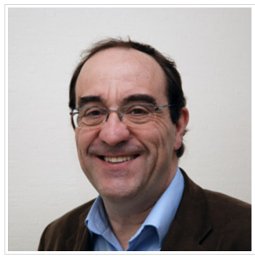 Dominique Bonneau合作论文数From the Departments of Endocrine Surgery, Endocrinology, Medical Genetics, and Nuclear Medicine, Jean Bernard Hospital6
 Elke Kruger合作论文数Institut für Biochemie, Charité-Humboldt University Medical School6
 Jill Anne Mokry合作论文数Department of Molecular and Human Genetics, Baylor College of Medicine6Sylvie Odent合作论文数5
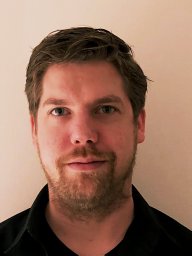 Richard H van Jaarsveld合作论文数Dept Genet, Univ Med Ctr Utrecht5
 Evan Eichler合作论文数Department of Genome Sciences, University of Washington;Howard Hughes Medical Institute, University of Washington;The Brotman Baty Institute;New York Genome Center/Foege S-413C, Box 3550655McWalter Kirsty合作论文数5
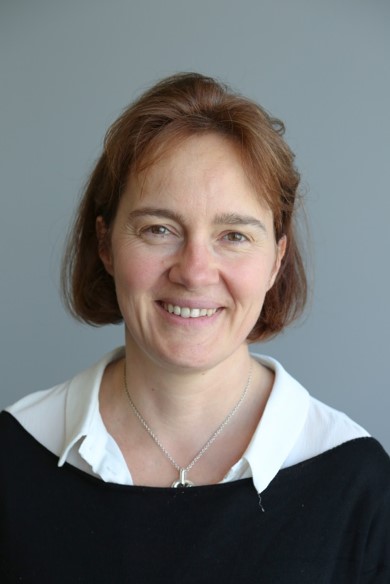 Faivre Laurence合作论文数Faculty of Medicine, University of Bourgogne;Medical Genetics Department, Hopital d'Enfants;Genetics Centre, Children's Hospital, Dijon University Hospital5Boris Keren合作论文数5
 Frederic Laumonnier合作论文数University François-Rabelais, UMR Imaging and Brain, CELPHEDIA PHENOMIN, Institut
Clinique de la Souris (ICS), CNRS, INSERM, University of StrasbourgFrance 5Anne-Sophie Denomme-Pichon合作论文数4Cyril Mignot合作论文数4Jonas Johannes Papendorf合作论文数4Geneviève Baujat合作论文数4Maja Studencka-Turski合作论文数4Ingrid M Wentzensen合作论文数GeneDx Inc, Gaithersburg, MD USA4Gilbert-Dussardier Brigitte合作论文数4
Frederic Laumonnier合作论文数University François-Rabelais, UMR Imaging and Brain, CELPHEDIA PHENOMIN, Institut
Clinique de la Souris (ICS), CNRS, INSERM, University of StrasbourgFrance 5Anne-Sophie Denomme-Pichon合作论文数4Cyril Mignot合作论文数4Jonas Johannes Papendorf合作论文数4Geneviève Baujat合作论文数4Maja Studencka-Turski合作论文数4Ingrid M Wentzensen合作论文数GeneDx Inc, Gaithersburg, MD USA4Gilbert-Dussardier Brigitte合作论文数4 Peter Krawitz合作论文数4Annick Toutain合作论文数Université de Tours4
 Arnaud Droit合作论文数CHUQ, Laval University Medical research Center;CHUQ, Eastern Quebec Proteomic Center;Eastern Quebec Proteomic Center, Laval University Medical research Center4
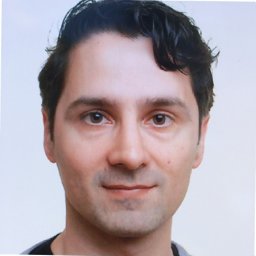 Antonio Vitobello合作论文数Novartis Research Foundation, Friedrich Miescher Institute for Biomedical Research4
 Ype Elgersma合作论文数Department of Biochemistry;Academic Medical Centre;Department of Biochemistry, Academic Medical Centre4Cory Rosenfelt合作论文数4
 Tzung-Chien Hsieh合作论文数National Taiwan University4Berenice Toutain合作论文数3Christiane Zweier合作论文数3Cara Forster合作论文数3Séverine Audebert-Bellanger合作论文数3Charlotte de Konink合作论文数3Victoria Most合作论文数3Richard Golnik合作论文数3
 Olivier Patat合作论文数Serv Genet Med, Ctr Hosp Univ Toulouse3Frederic Tran Mau-Them合作论文数3Erin Torti合作论文数3
 Anna Hurst合作论文数Department of Genetics, University of Alabama at Birmingham3Alice Goldenberg合作论文数3




