OBJECTIVE:Given the paucity of prospective randomized evidence on chewing gum for postoperative bowel recovery in elderly spinal fusion patients, this study aimed to assess the efficacy of chewing gum in improving bowel function recovery in the elderly after posterior lumbar fusion surgery. METHODS:This study enrolled 119 elderly patients following posterior spinal fusion surgery between September 2023 and May 2025, and they were randomly assigned to either group 1 (chewing gum) or group 2 (control). The time for the first fluid intake, first oral intake, first sitting up, first bowel sounds, first flatus, and first defecation was recorded as outcome measures. Besides, the anesthesia usage controlled by patients after surgery, abdominal pain, distension, surgical wound pain, nausea, and abdominal girth were assessed and recorded at 24, 48, 72 h after surgery. Statistical analyses were performed using independent t-test, Mann-Whitney U test, Chi-square test, or Fisher's exact test, as appropriate. RESULT:There are no significant differences observed between the chewing gum and control groups in patient-controlled anesthesia usage, abdominal pain scores, distension scores, surgical wound pain scores, nausea scores, or abdominal girth (p > 0.05). Similarly, postoperative recovery parameters, including time to first fluid intake, oral intake, sitting up, first bowel sounds, first flatus, and first defecation, showed no statistically significant differences (p > 0.05). CONCLUSION:In this single-center randomized controlled trial, chewing gum did not show a statistically significant effect on early postoperative bowel function recovery in elderly patients undergoing posterior lumbar fusion surgery.
Background: Bladder cancer (BCa) is a prevalent and aggressive malignancy characterized by high recurrence and metastasis rates. Despite advances in treatment, the prognosis for patients with advanced BCa remains poor. This study aimed to investigate the role of SAPCD2 in BCa progression and its potential as a therapeutic target. Methods: We performed a series of in vitro and in vivo experiments to assess the expression and function of SAPCD2 in BCa. The correlation between SAPCD2 expression and clinicopathological features was analyzed using tissue samples from BCa patients. Functional assays, including cell proliferation, migration, invasion, and metastasis tests, were conducted to evaluate the biological impact of SAPCD2. Mechanistic studies focused on the MAPK signaling pathway, TANK stabilization, and the interaction between SAPCD2 and the PLAGL2-CREB feedback loop. Results: Our results showed that SAPCD2 was significantly upregulated in BCa tissues and correlated with advanced clinicopathological features and poor prognosis. Overexpression of SAPCD2 promoted cell proliferation, migration, invasion, and metastasis, while its silencing led to the opposite effects. Mechanistically, SAPCD2 activated the MAPK signaling pathway by stabilizing TANK and preventing its degradation by SYVN1. Furthermore, we identified a positive feedback loop in which SAPCD2 enhanced PLAGL2 expression through CREB phosphorylation, further amplifying SAPCD2 expression and MAPK signaling. Conclusions: This study indicated that SAPCD2 could serve as a critical driver of BCa malignancy, emphasizing its role in sustaining oncogenic signaling through the SAPCD2-TANK-MAPK axis and the PLAGL2-SAPCD2-CREB feedback loop. Targeting this pathway may offer novel therapeutic strategies for treating aggressive BCa.
The growing threat of refractory wound has created imperative need for the exploration of novel repair materials and therapeutic strategies. The disrupted endogenous electric fields in refractory wound may prolong the healing process. Hence, apply exogenous electrical stimulation to reestablish endogenous electric fields may be a promising way for refractory wounds treatment. Herein, a photo-driven electronic skin consist of p-type Si thinfilm and near-infrared light was developed. This electronic skin could electrically modulate the intracellular calcium oscillation and significantly promote the fibroblasts' adhesion, proliferation and migration. Specifically, the average spreading area achieved 1.23 times higher than plane group after 24 h seeding. The cell proliferation quantity was 117 % higher than plane group after 3 days' PES treatment. As for cell migration, the complete wound closure was observed at 48 h in all the PES treatment group compared to 76.47 +/- 1.23 coverage area in control group. Furthermore, it demonstrated rapid closure rate of a full-thickness circular diabetic skin defects with photoelectric stimulation (PES) derived from electronic skin, the wound was almost healed at 14 days' treatment. Furthermore, the expression level of pro-inflammation factors of IL-1 beta and TNF-alpha were reduced. Proteomic analysis showed that the metabolism process, the cellular processes of transport and catabolism, cell motility were remarkably promoted after PES treatment. The transport and catabolism process may regulate by mTOR signal pathway, and the increased cellular processes of cell motility may result of actomyosin contractility. This photo-driven electronic skin not only provided a facile therapeutic strategy and theoretical basis for refractory wound, but also provided a novel insight into potential mechanism underlying electrical stimulation promoting tissue repair.
OBJECTIVE:The osteotomy surgery for ankylosing spondylitis (AS) presents a higher risk of dural injury and cerebrospinal fluid leakage compared to conventional spinal surgical procedures. However, there is currently a lack of systematic summaries in this field. This study aims to present the incidence and risk factors associated with dural tears and cerebrospinal fluid (CSF) leakage during corrective osteotomy procedures for AS with kyphotic deformity. METHODS:A retrospective analysis was conducted on patients diagnosed with AS in our hospital between June 2014 and May 2024 who presented with kyphotic deformity and underwent corrective osteotomy, specifically pedicle subtraction osteotomy (PSO) or Smith-Petersen osteotomy (SPO). A total of 110 patients were included in this investigation. Among them, 98 patients underwent PSO (69 received single-segment PSO; 29 received double-segment PSO), while 12 patients underwent SPO. The mean age of the participants at the time of surgery was 36.25 years (ranging from 21 to 59 years). Of the total cohort, intraoperative dural tears occurred in 37 patients. Radiological parameters-including sagittal vertical axis (SVA), total kyphosis angle, posterior epidural space thickness at the PSO segment, sagittal alignment of the vertebral canal at the PSO segment, Andersson lesions, and dural ossification-were assessed using spine radiographs or computed tomography (CT) scans analyzed via Surgimap software. The continuous variables mentioned above were primarily compared between groups using independent samples t test, while categorical variables were mainly analyzed through the chi-square test or Fisher's exact test for intergroup comparisons. Additionally, binary logistic regression was employed to further validate the risk factors associated with cerebrospinal fluid leakage in patients undergoing PSO osteotomy. RESULTS:The overall incidence of dural tears was found to be 33.6%. Specifically, the incidence during PSO procedures was recorded at 36.4%, whereas it was only 9.1% for SPO procedures. The upper lumbar PSO is the surgical segment with the highest probability of dural tears during PSO procedures. This study summarizes the imaging characteristics of patients undergoing PSO, revealing that those who experience dural tears and CSF leakage typically present with a smaller thickness of the epidural space at the osteotomy site and a higher prevalence of Andersson lesions and dural ossification. A multiple linear regression model indicates that reduced thickness of the epidural space at the osteotomy site, along with Andersson lesions and dural ossification, are significant risk factors for dural tears and CSF leakage following PSO surgery. CONCLUSION:The total accidental dural tears rate in osteotomy surgery for AS is 33.6%. PSO presents a higher risk compared to SPO procedures. Factors such as the thickness of the posterior epidural space at the PSO segment, Anderson lesions, and dural ossification observed in CT scans serve as predictors for dural tears during PSO procedures. A comprehensive preoperative CT imaging assessment can provide valuable guidance regarding the potential occurrence of accidental dural tears and CSF leakage.
Background:Iron oxide nanoparticles (IONPs)-based bone scaffolds have attracted increasing attention because of their potential to enhance osteogenesis and angiogenesis. However, the underlying mechanisms remain incompletely understood. Methods:We fabricated a biocompatible bone scaffold by incorporating γ-Fe2O3 magnetic nanoparticles into a PLGA matrix using 3D printing technology. The biosafety and effectiveness of the scaffold was validated through in vitro cell assays and in vivo implantation studies. To evaluate osteogenesis and neovascularization, we employed micro-CT imaging with a vascular contrast agent. In-depth mechanistic investigations were conducted via label-free proteomic profiling and pathway enrichment analysis. Results:The PLGA/Fe2O3 scaffolds demonstrated excellent biocompatibility and promoted both bone formation and angiogenesis in vitro and in vivo. Micro-CT analysis revealed enhanced new bone and vessel formation in the presence of magnetic scaffolds. Proteomic analysis revealed that alpha-B crystallin (CRYAB) is a key regulatory protein upregulated under a static magnetic field, thereby activating the PI3K/AKT signaling cascade and promoting osteogenic differentiation. In endothelial cells, we observed the upregulation of nuclear NF-κB and HIF-1α, leading to VEGF expression and angiogenic activation. Conclusion:Our findings provide direct evidence that 3D-printed PLGA/Fe2O3 scaffolds promote osteogenesis and angiogenesis both in vitro and in vivo. Importantly, we report for the first time that CRYAB-mediated stabilization of β-catenin plays a central role in magnetic scaffold-induced bone regeneration, offering new insights into the design of functional bone substitutes.
BACKGROUND:Rheumatoid arthritis (RA) exhibits a robust association with cardiovascular disease. Our study aims to elucidate the correlation between RA prevalence and Life's Essential 8 (LE8), a recently updated measure of cardiovascular health (CVH). METHODS AND RESULTS:We conducted a population-based cross-sectional study using data from the National Health and Nutrition Examination Survey (NHANES) spanning from 2007 to 2018. Utilizing multivariable logistic and restricted cubic spline models, we explored the relationship between LE8 and RA. Our analysis included 17,263 participants. We found that higher LE8 scores were closely associated with reduced odds of RA (odds ratio for each 10-point increase, 0.91 (95% CI, 0.75-0.87)). Furthermore, we observed a nonlinear association between LE8 and RA after adjusting for potential confounders. Specifically, higher scores for sleep health, nicotine exposure, body mass index, and blood pressure within the LE8 components were significantly correlated with a lower risk of RA. Additionally, the inverse relationship between LE8 scores and RA was notably stronger among young and female individuals. CONCLUSION:Our findings suggest a negative correlation between LE8 and RA prevalence, indicating that adherence to the lifestyle defined by LE8 may confer protective effects against RA.
Background:Increasing evidence has proven that rheumatoid arthritis (RA) can aggravate atherosclerosis (AS), and we aimed to explore potential diagnostic genes for patients with AS and RA. Methods:We obtained the data from public databases, including Gene Expression Omnibus (GEO) and STRING, and obtained the differentially expressed genes (DEGs) and module genes with Limma and weighted gene co-expression network analysis (WGCNA). Kyoto Encyclopedia of Genes and Genomes (KEGG) and Gene Ontology (GO) enrichment analysis, the protein-protein interaction (PPI) network, and machine learning algorithms [least absolute shrinkage and selection operator (LASSO) regression and random forest] were performed to explore the immune-related hub genes. We used a nomogram and receiver operating characteristic (ROC) curve to assess the diagnostic efficacy, which has been validated with GSE55235 and GSE73754. Finally, immune infiltration was developed in AS. Results:The AS dataset included 5,322 DEGs, while there were 1,439 DEGs and 206 module genes in RA. The intersection of DEGs for AS and crucial genes for RA was 53, which were involved in immunity. After the PPI network and machine learning construction, six hub genes were used for the construction of a nomogram and for diagnostic efficacy assessment, which showed great diagnostic value (area under the curve from 0.723 to 1). Immune infiltration also revealed the disorder of immunocytes. Conclusion:Six immune-related hub genes (NFIL3, EED, GRK2, MAP3K11, RMI1, and TPST1) were recognized, and the nomogram was developed for AS with RA diagnosis.
Chemo-immunotherapy has become a promising strategy for cancer treatment. However, the inability of the drugs to penetrate deeply into the tumor and form potent tumor vaccines in vivo severely restricts the antitumor effect of chemo-immunotherapy. In this work, an injectable sodium alginate platform is reported to promote penetration of the chemotherapeutic doxorubicin (DOX) and delivery of personalized tumor vaccines. The injectable multifunctional sodium alginate platform cross-links rapidly in the presence of physiological concentrations of Ca2+, forming a hydrogel that acts as a drug depot and releases loaded hyaluronidase (HAase), DOX, and micelles (IP-NPs) slowly and sustainedly. By degrading hyaluronic acid (HA) overexpressed in tumor tissue, HAase can make tumor tissue "loose" and favor other components to penetrate deeply. DOX induces potent immunogenic cell death (ICD) and produces tumor-associated antigens (TAAs), which could be effectively captured by polyethylenimine (PEI) coated IP-NPs micelles and form personalized tumor vaccines. The vaccines efficaciously facilitate the maturation of dendritic cells (DCs) and activation of T lymphocytes, thus producing long-term immune memory. Imiquimod (IMQ) loaded in the core could further activate the immune system and trigger a more robust antitumor immune effect. Hence, the research proposes a multifunctional drug delivery platform for the effective treatment of colorectal cancer.
Objective This study aims to assess the impact of surgical approaches and other factors on the incidence of Adjacent Segment Degeneration (ASD) following Spinal Fusion for Adolescent Idiopathic Scoliosis (AIS). Methods We conducted a comprehensive search of four electronic databases from their inception until March 30, 2023. Two independent reviewers screened titles, abstracts, and full texts and evaluated the methodological quality of the studies. A random-effects model was used to calculate the incidence of ASD. Results Our analysis included 14 studies involving 651 individuals. The overall incidence of ASD was 47% (95%CI: 0.37, 0.56). Subgroup analyses revealed that the prevalence of ASD increased with postoperative time (53% (95%CI: 0.31, 0.75) versus 48% (95%CI: 0.36, 0.60) versus 39% (95%CI: 0.22, 0.56)). For the number of fused segments, a group with more than 10 segments had a higher prevalence (49% (95%CI: 0.38, 0.60) versus 44% (95%CI: 0.21, 0.69)). In terms of regions, East Asia had the highest prevalence, followed by Occident and West Asia (52% (95%CI: 0.41, 0.62) versus 43% (95%CI: 0.20, 0.68) versus 37% (95%CI: 0.17, 0.59)). However, the surgical approach, male ratio, and the position of the lowest instrumented vertebra (LIV) did not show significant differences between groups. Funnel plots and Egger’s test did not reveal any significant publication bias (Egger’s test: t = 1.62, p-value = .1274). Conclusion This meta-analysis found that nearly half of AIS patients following spinal fusion surgery experienced ASD. Long-term follow-up, regular screening, and timely interventions are essential to reduce the prevalence of ASD.
BackgroundLumbar spondylolysis is a common cause of low back pain in adolescents. A lot of adolescent idiopathic scoliosis with concomitant spondylolysis has been reported before, but only two cases with acquired spondylolysis following long fusion for scoliosis were reported. We described another similar rare case and discussed its causes and treatment options in this paper.Case PresentationA 17‐year‐old female underwent growing rod implantation, growing rod extension, and final long spinal fusion for idiopathic scoliosis. Then, she suffered from low back pain with a VAS of 1‐2 points and gradually aggravated to a VAS of 7‐8 points at 3.5 years after the final fusion. The X‐ray images showed that there was L4‐S1 instability. And the CT scan images showed new bilateral spondylolysis of L5.ConclusionsThese findings suggested that distal mechanical stress might cause spondylolysis of the distal vertebra following long fusion for scoliosis. Surgeons should keep instrumentation as short as possible and avoid choosing a low lumbar as LIV when they decide on the fusion levels.
While large language models (LLMs) have demonstrated significant potential in medical education, there is limited understanding of medical students’ acceptance of LLMs and the factors influencing their use. This study explores medical students’ acceptance of LLMs in learning and examines the factors influencing this acceptance through the lens of the Technology Acceptance Model (TAM). A questionnaire survey conducted among Chinese medical students revealed a high willingness to use LLMs in their studies. The findings suggest that attitudes play a crucial role in predicting medical students’ behavioral intentions to use LLMs, mediating the effects of perceived usefulness, perceived ease of use, and perceived risk. Additionally, perceived risk and social influence directly impact behavioral intentions. This study provides compelling evidence supporting the applicability of the TAM to the acceptance of LLMs in medical education, highlighting the necessity for medical students to utilize LLMs as an auxiliary tool in their learning process.
It has been reported that miR-217 can inhibit the oncogenic activity and progression of bladder cancer (BCa) cells, but it has not been explored whether miR-217 is involved in the regulation of ferroptosis. In the present study, RNA transfection, real-time PCR, flow cytometry, Western blotting assays, immunofluorescence and ELISA were performed to explore the effects and mechanisms of miR-217 in BCa tissue-derived exosomes. We found that extracellular fluid from bladder cancer tissue promoted the growth and miR-217 expression of T24 cells and inhibited ferroptosis. MiR-217 was confirmed to inhibit ferroptosis in bladder cancer cells by RNA interference and functional assays. By cell membrane fluorescence probe (CM-Dil) labeling, inhibiting exosome secretion by GW4689 and exosome extraction, we determined that BCa tissue-derived exosomes transport miR-217 into T24 cells. Culture of T24 cells with extracellular fluid after RNA interference showed that exosomes carrying miR-217 derived from BCa tissues inhibited ferroptosis of T24 cells. We conclude that bladder cancer tissue-derived exosomes inhibit ferroptosis of T24 bladder cancer cells by transporting miR-217. The results of our study provide a new insight into the progression of bladder cancer.
随着生活和社会环境的改变及生活工作压力的增加,我国男性生育能力显著下降,男性不育症发病率逐年增高,给男科医生带来了前所未有的挑战和治疗难题.中医药治疗男性不育症具有明确疗效,临床上应用广泛,为了明确中医药在男性不育症的不同种类及不同阶段做起的作用,中华中医药学会组织邀请了男科临床一线的西医与中医青年优秀专家,围绕特发性少、弱、畸形精子症、精液液化异常、精索静脉曲张、免疫性不育、提高辅助生殖技术成功率、改善抑郁焦虑状态等6个方面进行了讨论.就中医治疗的优点、特色、短板及优势病种、优势环节进行了深入探讨,针对男性不育症的各种病因及相关环节的治疗进行了梳理与归纳.男性不育症由于病因不完全明确及发病机制复杂等原因,单纯西医治疗不能达到较好的疗效,而中医药以整体观为核心,改善功能性疾病是学科优势,同时可以对应多靶点、多病因,并且有内治外治等综合性疗法,因此中医治疗及中西医医结合治疗男性不育症,在临床上应用广泛.该文总结了纯中医治疗及中西医结合治疗的优势病种和优势环节,罗列了相关病种的中西医治疗建议,以期让更多男科医生了解中医的治疗效应及优势能够实现中西借鉴、沟通融合,在临床实际诊疗中给患者提供优效、个性化的治疗方案,从而提高男性不育症的疗效.
目的:调查山东省临床医学专业本科毕业生心理压力及失眠情况,为有针对性地开展心理压力疏导及睡眠质量改善工作提供依据.方法:对来自山东省重点高校、普通高校及专科院校的临床医学专业本科毕业生的就业去向开展调查,并使用BECK压力量表及失眠严重指数量表对毕业后不同去向的毕业生心理压力及失眠情况进行分析.结果:394 名参与调查的山东省临床医学专业本科毕业生中,已有了明确毕业去向的学生占总人数的84.77%.无明确毕业去向的学生在BSSI各个项目的平均得分以及总分均高于有明确毕业去向学生(P<0.05).受调查者全部存在失眠情况,且大部分处于亚临床失眠阶段,占比 48.18%.尚无明确去向学生ISI平均得分高于已有明确去向学生(P<0.05).参与者BSSI各项得分以及BSSI总分与ISI之间存在正相关关系(P<0.001),性别、经济压力对山东省临床医学专业本科毕业生失眠产生影响(P<0.05).结论:山东省临床医学专业本科毕业生普遍压力较大,毕业去向是其重要因素,过大的心理压力加重了失眠严重程度.
Abstract Background The therapeutic potential of exosomes derived from stem cells has attracted increasing interest recently, because they can exert similar paracrine functions of stem cells and overcome the limitations of stem cells transplantation. Exosomes derived from bone mesenchymal stem cells (BMSC-Exos) have been confirmed to promote osteogenesis and angiogenesis. The magnetic nanoparticles (eg. Fe3O4, γ-Fe2O3) combined with a static magnetic field (SMF) has been commonly used to increase wound healing and bone regeneration. Hence, this study aims to evaluate whether exosomes derived from BMSCs preconditioned with a low dose of Fe3O4 nanoparticles with or without the SMF, exert superior pro-osteogenic and pro-angiogenic activities in bone regeneration and the underlying mechanisms involved. Methods Two novel types of exosomes derived from preconditioned BMSCs that fabricated by regulating the contents with the stimulation of magnetic nanoparticles and/or a SMF. Then, the new exosomes were isolated by ultracentrifugation and characterized. Afterwards, we conducted in vitro experiments in which we measured osteogenic differentiation, cell proliferation, cell migration, and tube formation, then established an in vivo critical-sized calvarial defect rat model. The miRNA expression profiles were compared among the exosomes to detect the potential mechanism of improving osteogenesis and angiogenesis. At last, the function of exosomal miRNA during bone regeneration was confirmed by utilizing a series of gain- and loss-of-function experiments in vitro. Results 50 µg/mL Fe3O4 nanoparticles and a 100 mT SMF were chosen as the optimum magnetic conditions to fabricate two new exosomes, named BMSC-Fe3O4-Exos and BMSC-Fe3O4-SMF-Exos. They were both confirmed to enhance osteogenesis and angiogenesis in vitro and in vivo compared with BMSC-Exos, and BMSC-Fe3O4-SMF-Exos had the most marked effect. The promotion effect was found to be related to the highly riched miR-1260a in BMSC-Fe3O4-SMF-Exos. Furthermore, miR-1260a was verified to enhance osteogenesis and angiogenesis through inhibition of HDAC7 and COL4A2, respectively. Conclusion These results suggest that low doses of Fe3O4 nanoparticles combined with a SMF trigger exosomes to exert enhanced osteogenesis and angiogenesis and that targeting of HDAC7 and COL4A2 by exosomal miR-1260a plays a crucial role in this process. This work could provide a new protocol to promote bone regeneration for tissue engineering in the future. Graphical abstract
With the ability to produce components with complex and precise structures, additive manufacturing or 3D printing techniques are now widely applied in both industry and consumer markets. The emergence of tissue engineering has facilitated the application of 3D printing in the field of biomedical implants. 3D printed implants with proper structural design can not only eliminate the stress shielding effect but also improve in vivo biocompatibility and functionality. By combining medical images derived from technologies such as X-ray scanning, CT, MRI, or ultrasonic scanning, 3D printing can be used to create patient-specific implants with almost the same anatomical structures as the injured tissues. Numerous clinical trials have already been conducted with customized implants. However, the limited availability of raw materials for printing and a lack of guidance from related regulations or laws may impede the development of 3D printing in medical implants. This review provides information on the current state of 3D printing techniques in orthopedic implant applications. The current challenges and future per-spectives are also included.
Achondroplasia (ACH) is a rare autosomal-dominant genetic disease resulting from a mutation in the fibroblast growth factor receptor-3 (FGFR3) gene. It is characterized by asymmetric short stature. Spinal stenosis and thoracolumbar kyphosis (TLK) are common findings in ACH patients. Severe TLK can exacerbate spinal stenosis, leading to neurological complications. This paper provides a brief review of the pathophysiological mechanisms, clinical characteristics, and treatments for spinal stenosis and TLK in ACH patients. Recently, three new drugs targeting FGFR3; vosoritide, recifercept, and infigratinib, have completed or are undergoing clinical trials. They have shown promising preliminary results in preventing spinal stenosis and TLK.
Adolescent idiopathic scoliosis (AIS) is a common chronic disease in youths, presenting with spinal deformity. Previous studies reported that the family functioning of family members would be affected after a child is diagnosed with a chronic health condition. However, no previous study focused on the relationship between AIS and family function. This study is a cross-sectional study that enrolled 54 AIS families and 92 ordinary families and evaluated their family function in 7 domains using the McMaster family assessment device (FAD). The results showed that the AIS family got a lower score than a healthy family in all 7 subscales except for the problem-solving subscale. There was no significant difference between the patients with AIS (1.90 ± 0.42∼2.23 ± 0.32) and their parents (1.92 ± 0.35∼2.21 ± 0.29) in all seven subscales (p ≥ 0.05). The scores of the parents were moderately/strongly correlated with those of the patients with AIS in all seven subscales (γ = 0.456∼0.696, p < 0.05). Approximately, 20.4–87% of the families experienced unhealthy family functioning, with affective involvement (57.4%), and behavior control (87%) representing the unhealthiest subscales with the mean scores above the cutoff. It can be concluded that the AIS family performed better than a healthy family in family functions.
Graft healing after anterior cruciate ligament reconstruction (ACLR) involves slow biological processes, and various types of biological modulations have been explored to promote tendon-to-bone integration. Exosomes have been extensively studied as a promising new cell-free strategy for tissue regeneration, but few studies have reported their potential in tendon-to-bone healing. In this study, a novel type of exosome derived from magnetically actuated (iron oxide nanoparticles (IONPs) combined with a magnetic field) bone mesenchymal stem cells (BMSCs) (IONP-Exos) was developed, and the primary purpose of this study was to determine whether IONP-Exos exert more significant effects on tendon-to-bone healing than normal BMSC-derived exosomes (BMSC-Exos). Here, we isolated and characterized the two types of exosomes, conducted in vitro experiments to measure their effects on fibroblasts (NIH3T3), and performed in vivo experiments to compare the effects on tendon-to-bone integration. Moreover, functional exploration of exosomal miRNAs was further performed by utilizing a series of gain- and loss-of-function experiments. Experimental results showed that both BMSC-Exos and IONP-Exos could be shuttled intercellularly into NIH3T3 fibroblasts and enhanced fibroblast activity, including proliferation, migration, and fibrogenesis. In vivo, we found that IONP-Exos significantly prevented peri-tunnel bone loss, promoted more osseous ingrowth into the tendon graft, increased fibrocartilage formation at the tendon-bone tunnel interface, and induced a higher maximum load to failure than BMSC-Exos. Furthermore, overexpression of miR-21-5p remarkably enhanced fibrogenesis in vitro, and SMAD7 was shown to be involved in the promotive effect of IONP-Exos on tendon-to-bone healing. Our findings may provide new insights into the regulatory roles of IONPs in IONP-Exos communication via stimulating exosomal miR-21-5p secretion and the SMAD7 signaling pathway in the fibrogenic process of tendon-to-bone integration. This work could provide a new strategy to promote tendon-to-bone healing for tissue engineering in the future.
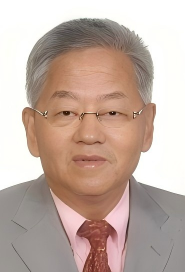 Guixing Qiu (邱贵兴)合作论文数Peking Union Medical College Hospital32
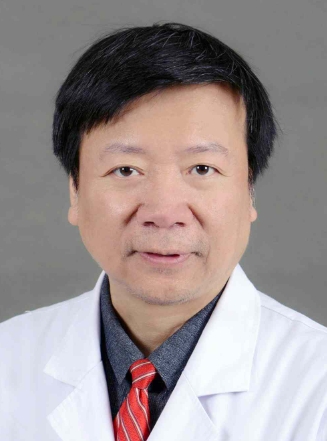 Zhihong Wu (吴志宏)合作论文数Peking Union Medical College Hospital28
 Zhigang Ji (纪志刚)合作论文数 Department of Urology,PUMC Hospital,CAMS and PUMC,Beijing ,China16
 Dunwan Zhu (朱敦皖)合作论文数Institute of Biomedical Engineering, Chinese Academy of Medical Sciences14
 Jianguo Zhang (仉建国)合作论文数Peking Union Medical College Hospital12
 Fuze Liu (刘福泽)合作论文数11
 Jieying Liu合作论文数10
 Linhua Zhang (张琳华)合作论文数Institute of Biomedical Engineering, Peking Union Medical College10
 Yuanhao Wu合作论文数10
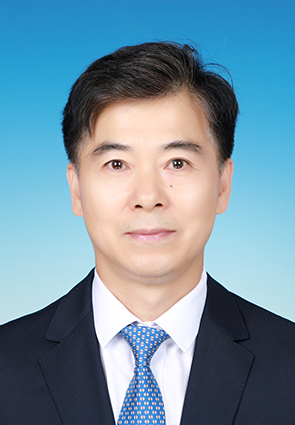 Deling Kong (孔德领)合作论文数College of Life Sciences, Nankai University10
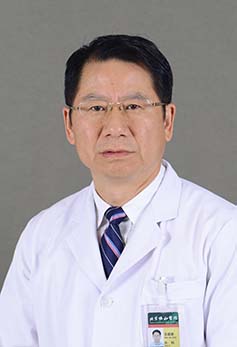 Jianxiong Shen (沈建雄)合作论文数Beijing Union Medical College Hospital10
 Li Sun (孙莉)合作论文数Cancer Hospital Chinese Academy of Medical Sciences, Shenzhen Center9
 Yue Huang (黄粤)合作论文数Chinese Academy of Medical Sciences;Peking Union Medical College9Hongfan Sun (孙洪范)合作论文数Institute of Biomedical Engineering, Chinese Academy of Medical Sciences9
 Chun Wang合作论文数Department of Biomedical Engineering, College of Science and Engineering, University of Minnesota8
 Lanxia Liu (刘兰霞)合作论文数Institute of Biomedical Engineering, Chinese Academy of Medical Sciences and Peking Union Medical College8
 Jingjing Tian (田静静)合作论文数7WangShu Yuan (袁望舒)合作论文数7
 Yaozhong Cheng (承耀中)合作论文数中国医学科学院肿瘤医院7
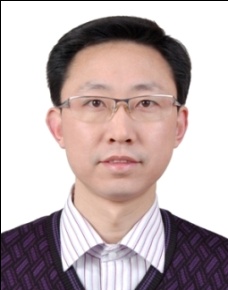 Chao Ding (丁超)合作论文数Cancer Hospital Chinese Academy of Medical Sciences7
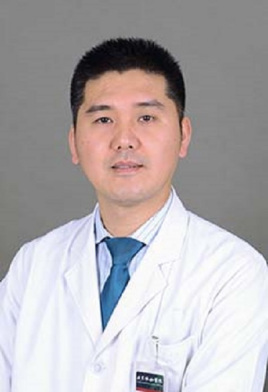 Keyi Yu (余可谊)合作论文数Chinese Academy of Medical Sciences Peking Union Medical College7JiRui Niu (牛吉瑞)合作论文数6GuiJun Zhao (赵桂军)合作论文数6Xiao Chang (常晓)合作论文数6LiXia Chen (陈丽霞)合作论文数6
 Lin Kang (康琳)合作论文数Peking Union Medical College Hospital6
 Xia Dong (董霞)合作论文数Institute of Biomedical Engineering, Chinese Academy of Medical Sciences6Cunxian Song合作论文数6
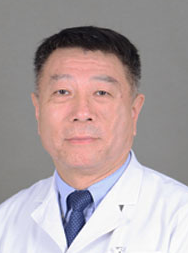 Yipeng Wang (王以朋)合作论文数Peking Union Medical College Hospital6Zhenfei Huang合作论文数5Li Han-Zhong合作论文数5
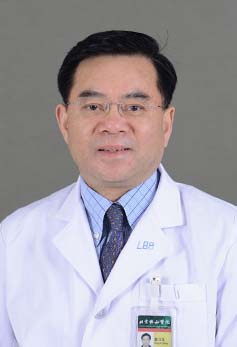 Xisheng Weng (翁习生)合作论文数Peking Union Medical College Hospital5Lingjia Yu合作论文数4Hui Cong合作论文数4Chenlu Huang合作论文数4Shengru Wang合作论文数4Yu He合作论文数4
 Xiang-Dong Wu合作论文数4ZhongMing Huang (黄钟明)合作论文数4
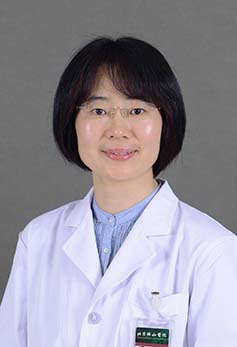 Ying Liu (刘颖)合作论文数北京协和医学院北京协和医院4
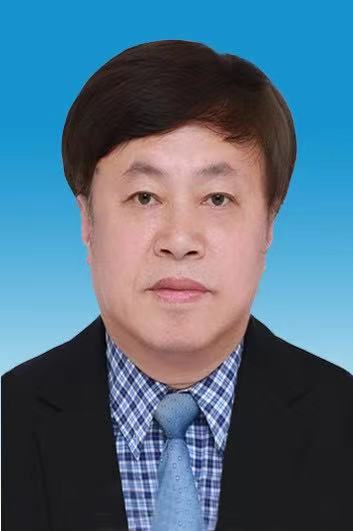 Xigang Leng (冷希岗)合作论文数Institute of Biomedical Engineering, Peking Union Medical College4
 Di Wu合作论文数4
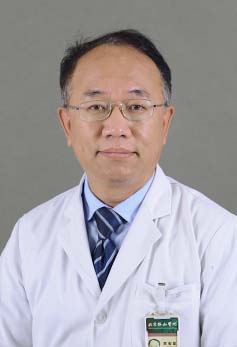 Hongjun Li (李宏军)合作论文数Peking Union Medical College Hospital4
 Yu Qin (余琴)合作论文数4
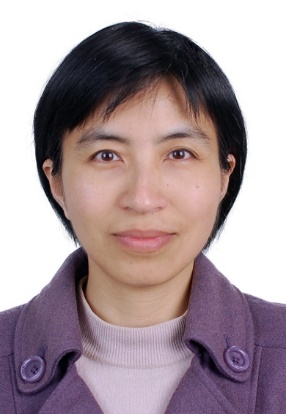 Zhuo Chen (陈卓)合作论文数Fujian Institute of the Structure of Matter, Chinese Academy of Sciences4Liping Song合作论文数4Fuhui Liu合作论文数3
 Xinlin Su合作论文数3Yan Zhang合作论文数3




