The surging volume of high-resolution remote sensing (RS) images and the limited transmission capacity of the satellite-to-ground link impose a pressing challenge on image compression: how to maintain higher reconstruction fidelity at lower bit rates without compromising the reliability of downstream vision tasks (e.g., object detection). To address this challenge, we propose an end-to-end Scalable Remote Sensing Image Compression (SRSIC) framework. Considering that downstream tasks prioritize semantic structure while visual interpretation requires textural details, we adopt a scalable framework to decouple these features. Specifically, the compressed bitstream is divided into a Base Layer and an Enhancement Layer. The base layer is dedicated to compact semantic features optimized for object detection via a Feature Transfer Network (FTN), bypassing the need for complete decoding. The enhancement Layer supplements residual details for high-fidelity image reconstruction. Furthermore, considering the complex scale variations characteristic of RS images, we design a Multi-Scale Asymmetric Codec (MSAC) to extract multiscale features and employ an Adaptive Context Entropy Model (ACEM) to minimize redundancy. Experimental results on the DIOR dataset demonstrate that SRSIC achieves significant bitrate savings while maintaining better image reconstruction quality and higher object detection accuracy.
A key bottleneck in cross-scene hyperspectral image (HSI) classification comes from domain shift, which poses a significant challenge for applying network models to some new, unlabeled scenes. Unsupervised domain adaptation, which aims to align the distributions of the source and target domains, has emerged as a powerful technique to address this challenge. In this article, we propose a novel method named conditional alignment and pseudolabel generation, which mainly consists of three contributions. First, to address the issue of misaligned conditional distributions between domains, a conditional maximum direction discrepancy (CMDD) strategy is proposed, which explicitly models the directional discrepancy of interdomain category features. By minimizing CMDD, the alignment of domain conditional distributions can be achieved. Second, spectral pseudolabel (SpePL) and spatial pseudolabel (SpaPL) are designed to fully learn the spectral and spatial information of the target domain. The SpePLs can also provide high-quality label guidance for CMDD in the early stages of training. Third, to address the alignment problem caused by spatial resolution mismatch across domains, a pixel patch unified network was constructed, which enables sufficient transfer of spatial information under varying resolutions and ensures the more efficient generation of the SpaPLs. A comparative evaluation of the proposed method with some state-of-the-art methods was conducted on three cross-scene HSI datasets. The experimental results show that our proposed method achieves excellent performance on all three datasets.
In recent years, the joint classification research of hyperspectral images (HSIs) and light detection and ranging (LiDAR) data has garnered significant attention in the field of Earth observation. The information complementarity between them has significantly improved the accuracy of image classification, and multisource remote sensing data fusion has become a current research hotspot. However, existing methods still face some challenges. On the one hand, the ability to capture the fine and smooth contour information is insufficient, which leads to the insufficient extraction of spatial structure features; on the other hand, the lack of modeling the uncertain relationship between modal features restricts the efficient complementarity of cross-modal information. To alleviate the above issues, this article proposes an adaptive contourlet-guided fuzzy fusion network (ACFFN) for joint classification of hyperspectral and LiDAR data. First, an adaptive spectral-spatial contourlet (ASSC) module is proposed, which utilizes LiDAR geometric priors to extract multiscale and multidirectional spatial features, and couples spectral attention to achieve collaborative fusion of spatial-spectral features. Then, a cross-modal feature fusion mechanism based on fuzzy learning is proposed, introducing fuzzy theory to model the uncertainty distribution of features to achieve adaptive cross-modal fusion. In addition, a morphology-guided attention (MGA) module is designed, which enhances elevation structural features through learnable morphological kernels and dynamic attention weights. Experiments and analysis on four public datasets show that our proposed method outperforms some of the most advanced methods in classification performance. The code link of the proposed method is https://github.com/Zzp-12/ACFFN
Robotic manipulation in unstructured environments such as construction sites requires agents to balance task-level planning and millimeter-level geometric precision at the same time. However, existing Vision-Language-Action (VLA) models often struggle to handle these two distinct scales, and geometric diffusion models typically lack the semantic guidance needed for sequential decision-making. To address these challenges, we propose the Sequence-Aware Hierarchical VLA (SA-HVLA), a unified generative framework for high-precision sequential tasks, with multi-mode rebar tying as a stringent real-world testbed. Our method introduces two contributions: (i) a hierarchical language grounding mechanism that decouples textual instructions into global task directive and then local node specification; and (ii) a history-conditioned SE(3)-equivariant diffusion backbone that integrates sequence-aware semantic features through invariant modulation, which preserves geometric consistency across long horizons and reduces the demonstration data requirement. Experiments in both simulation and real-world settings show that our hierarchical architecture reduces the geodesic pose error by roughly 70% compared with single-resolution baselines in noisy physical environments. The SE(3)-equivariant formulation also remains robust, with only 7.1% error variance under a 180 degrees viewpoint change. In addition, the model mitigates the error accumulation in multi-node sequential tying tasks and maintains high success rates where memoryless baselines fail.
With the rapid explosion of visual data, image compression has evolved into a critical prerequisite for both massive-scale transmission and efficient intelligent analysis. Although recent advances in learned image compression (LIC) have achieved exceptional rate-distortion performance, most existing methods focus on optimizing pixel-level reconstruction fidelity, frequently neglecting the semantic information crucial for high-level vision tasks. As a result, semantic degradation occurs, leading to significant performance deterioration when compressed images are used in downstream vision tasks, such as object detection and instance segmentation. To address this issue, we introduce a novel task-oriented image compression framework that employs a Semantic-Guided Discriminator (SeGD), informed by a pre-trained foundation model, to align the compression process with downstream tasks. Specifically, SeGD first employs a pre-trained foundation segmentation model to extract multi-scale semantic features from the original images. Then, these features are incorporated into a conventional discriminator, thereby enabling semantic-aware feedback to the generator. This process encourages the preservation of semantic consistency between the original and reconstructed images. Moreover, the proposed SeGD operates exclusively during training and is entirely discarded during inference, hence introducing no additional computational overhead or architectural dependencies at the decoder. Extensive evaluations demonstrate that SeGD significantly boosts downstream performance, achieving up to 1.5% mean Average Precision improvements and superior perceptual quality. Furthermore, these gains are consistently observed across multiple LIC frameworks with zero additional computational cost during inference, validating SeGD as a highly versatile, plug-and-play solution.
The fusion of low-spatial-resolution hyperspectral image (LR-HSI) and high-spatial-resolution multispectral image (HR-MSI) has provided an effective solution for obtaining the HR-HSI. However, prevailing fusion methods using convolutional neural networks (CNNs) and Transformers still face limitations. CNNs struggle with long-range dependencies, and Transformers suffer from heavy computational burden when applied to three-dimensional HSIs and MSIs. To address these limitations, we propose a multi-scale CNN-Mamba network (MSCM-Net) that innovatively combines CNN with Mamba to better exploit local and global features from different modalities for the fusion of HSI and MSI. Specifically, a shallow feature extraction module is first designed to capture shallow features and facilitate cross-modality feature interaction. Subsequently, multi-scale spatial and spectral features are deeply mined using the multi-scale deep feature extraction module, which fully leverages the strengths of CNN and Mamba in local feature collection and global information extraction, respectively. Finally, a feature fusion and reconstruction module is devised to fuse spatial and spectral features effectively and reconstruct the desired HR-HSI with high fidelity. Experimental results demonstrate the superiority of our MSCM-Net over several state-of-the-art methods in terms of both quantitative and visual evaluations. Code will be available at https://github.com/ParticleZhao/MSCM-Net.
Robotic manipulation in unstructured environments requires the generation of robust and long-horizon trajectory-level policy with conditions of perceptual observations and benefits from the advantages of SE(3)-equivariant diffusion models that are data-efficient. However, these models suffer from the inference time costs. Inspired by the inference efficiency of rectified flows, we introduce the rectification to the SE(3)-diffusion models and propose the ReSeFlow, i.e., Rectifying SE(3)-Equivariant Policy Learning Flows, providing fast, geodesic-consistent, least-computational policy generation. Crucially, both components employ SE(3)-equivariant networks to preserve rotational and translational symmetry, enabling robust generalization under rigid-body motions. With the verification on the simulated benchmarks, we find that the proposed ReSeFlow with only one inference step can achieve better performance with lower geodesic distance than the baseline methods, achieving up to a 48.5
Multimodal feature fusion for object detection aims to obtain a more complete representation of object features by integrating information from multiple modalities. However, the main challenge still lies in extracting complementary information from different modalities with disparate characteristics. To address this challenge, we propose a novel Multimodal Attentive Feature Fusion (MAFF) network that can seek common ground while reserving differences between visible (RGB) and infrared (IR) images. In the MAFF, we design a Cross-modality Attentive Feature Interaction (CAFI) module to retain the modality-specific features meanwhile picking the modality-shared features from the RGB and IR images. Moreover, we propose a Gated Fusion (GF) module to fuse the features from CAFI module selectively. To evaluate its effectiveness and versatility, we construct both horizontal and oriented bounding box detectors by incorporating the MAFF network. Comprehensive experiments on DroneVehicle and aligned-FLIR datasets demonstrate the robustness of the proposed method by integrating the RGB-IR complementary information.
Infrared small target detection is considerably challenging due to the few pixels in targets, low signal-to-noise ratio, and complex background. In this article, we propose an effective attention-guided feature enhancement network (AFE-Net), which can leverage the local and nonlocal features of targets and background in infrared images. The AFE-Net consists of three key modules, namely encoder and decoder interactive guidance (EDIG) module, cascading false alarm removal (CFAR) module, and random scale input (RSI) module. Specifically, in the EDIG module, we employ a CA mechanism on encoding and decoding layers to select feature channels with higher contribution. Then, we impose a bottom-up pointwise attention block to highlight the features of small infrared targets and suppress possible noise by incorporating the low-level detailed features into the high-level semantic features. The CFAR module extracts affluent global features by cascading nonlocal operations of different layers, which can remove clutters with similar features to infrared targets. The RSI module is placed in front of the entire detection network to extract multiscale features of infrared small targets, which can enhance the robustness of the proposed network. Experimental results on the SIRST dataset and comprehensive comparisons with representative methods demonstrate the superiority of our proposed method.
Diffusion probabilistic models have recently achieved remarkable success in generating high-quality images. However, balancing high perceptual quality and low distortion remains challenging in application of diffusion models in image compression. To address this issue, we propose a novel Uncertainty-Guided image compression approach with wavelet Diffusion (UGDiff). Our approach focuses on high frequency compression via the wavelet transform, since high frequency components are crucial for reconstructing image details. We introduce a wavelet conditional diffusion model for high frequency prediction, followed by a residual codec that compresses and transmits prediction residuals to the decoder. This diffusion prediction-then-residual compression paradigm effectively addresses the low fidelity issue common in direct reconstructions by existing diffusion models. Considering the uncertainty from the random sampling of the diffusion model, we further design an uncertainty-weighted rate-distortion (R-D) loss tailored for residual compression, providing a more rational trade-off between rate and distortion. Comprehensive experiments on two benchmark datasets validate the effectiveness of UGDiff, surpassing state-of-the-art image compression methods in R-D performance, perceptual quality, subjective quality, and inference time. Our code is available at: https://github.com/hejiaxiang1/Wavelet-Diffusion/tree/main.
Recently, there has been rapid development in learned image compression techniques. However, deep learning-based remote sensing image compression algorithms has limitations such as incomplete feature extraction and poor fitting of information entropy distribution. To alleviate these limitations, we propose a remote sensing image compression network based on a multiscale asymmetric codec. Based on hyperprior archi-tecture, we incorporate a multiscale asymmetric codec to extract multiscale features and fit the distribution of latent features through an adaptive context entropy model. Experimental results on the DIOR dataset demonstrate that our method can effectively enhance the visual quality of reconstructed images and achieve high-fidelity at a lower bitrate.
Abstract In the context of complex environment, the intelligent target recognition method for infrared/laser composite imaging fuze encounters the following challenges: 1) The dearth of infrared/laser composite imaging fuze data hampers the advancement and implementation of deep learning technology in fuze target recognition; 2) The extant infrared/laser composite imaging fuze target recognition methods exhibit suboptimal recognition accuracy in complex terrain and ground conditions, which predisposes them to early or false explotions. To address the aforementioned issues, we have constructed infrared/laser composite imaging target and background dataset in diverse scenes, terrains and features, which provides effective data support for the intelligent recognition of composite imaging fuze. Additionally, we have designed a cross-modal fusion attention mechanism and an invariant feature learning method. The method facilitates the fusion of multimodal complementary information and the intelligent recognition of multi-scale and multi-morphology targets in complex scenes. Furthermore, they enhance the accuracy of the composite imaging fuze, enabling it to adapt to complex terrains. This enhances the combat effectiveness of composite imaging fuze in complex environments, while also offering technical support for the intelligentization of target recognition systems in future ballistic fuze.
Due to the fact that invalid cloud-covered regions in remote sensing images consume a considerable quantity of coding bit rates under the limited satellite-to-ground transmission rate, existing image compression methods suffer from low compression efficiency and poor reconstruction quality, especially in cloud-free regions which are generally regarded as regions of interest (ROIs). Therefore, we propose an efficient on-board compression method for remote sensing images with arbitrary-shaped clouds by leveraging the characteristics of cloudy images. Firstly, we introduce two novel spatial preprocessing strategies, namely, the optimized adaptive filling (OAF) strategy and the controllable quantization (CQ) strategy. Specifically, the OAF strategy fills each cloudy region using the contextual information at its inner and outer edge to completely remove the information of cloudy regions and minimize their coding consumption, which is suitable for images with only thick clouds. The CQ strategy implicitly identifies thin and thick clouds and rationally quantifies the data in cloudy regions to alleviate information loss in thin cloud-covered regions, which can achieve the balance between coding efficiency and reconstructed image quality and is more suitable for images containing thin clouds. Secondly, we develop an efficient coding method for a binary cloud mask to effectively save the bit rate of the side information. Our method provides the flexibility for users to choose the desired preprocessing strategy as needed and can be embedded into existing compression framework such as JPEG2000. Experimental results on the GF-1 dataset show that our method effectively reduces the coding consumption of invalid cloud-covered regions and significantly improve the compression efficiency as well as the quality of decoded images.
Object detection is a critical and demanding topic in the subject of processing satellite and airborne images. The targets acquired in remote sensing imagery are at various sizes, and the backgrounds are complicated, which makes object detection extremely challenging. We address these aforementioned issues in this article by introducing the MashFormer, an innovative multiscale aware convolutional neural network (CNN) and transformer integrated hybrid detector. Specifically, MashFormer employs the transformer block to complement the CNN-based feature extraction backbone, which could obtain the relationships between long-range features and enhance the representative ability in complex background scenarios. With the intention of improving the detection performance for objects with multiscale characteristic, since in remote sensing scenarios, the size of object varies greatly. A multilevel feature aggregation component, incorporate with a cross-level feature alignment module is designed to alleviate the semantic discrepancy between features from shallow and deep layers. To verify the effectiveness of the suggested MashFormer, comparative experiments are carried out with other cutting-edge methodologies using the publicly available high resolution remote sensing detection and Northwestern Polytechnical University VHR-10 datasets. The experimental findings confirm the effectiveness and superiority of our suggested model by indicating that our approach has greater mean average precision than the other methodologies.
现有的低光去雾算法因受图像光照强度低、光照不均匀等影响,其去雾后的图像存在细节丢失、色彩失真等现象.针对上述问题,提出一种融合上下文感知注意力的低光图像去雾网络(ACANet).首先,在基准网络中引入层内上下文感知注意力模块,分别从通道维度和空间维度结合全局视角辨识和加权同一 尺度下的重要特征,使网络突破局部视野的约束,更加高效地提取图像纹理信息;其次,引入层间上下文感知注意力模块,通过投影操作将高级特征映射到信号子空间,以实现不同层之间多尺度特征信息的高效融合,进一步提升对图像细节的重建;最后,引入 CIEDE2000 色偏损失函数,通过 CIELAB色彩空间对图像色调进行约束,并与 L2 损失一起联合优化网络,使网络准确地学习图像色彩,以解决图像的严重色偏问题.实验结果表明,所提算法在多个数据集上的客观指标均优于现有去雾算法,其峰值信噪比指标较基准网络提高了 8.8%,且主观去雾效果更彻底,恢复图像细节更丰富,色彩还原度更好,更接近于真实图像.
Despite the remarkable achievement of recent underwater image restoration techniques, the lack of labeled data has become a major hurdle for further progress. In this work, we propose a mean-teacher based Semi-supervised Underwater Image Restoration (Semi-UIR) framework to incorporate the unlabeled data into network training. However, the naive mean-teacher method suffers from two main problems: (1) The consistency loss used in training might become ineffective when the teacher's prediction is wrong. (2) Using L1 distance may cause the network to overfit wrong labels, resulting in confirmation bias. To address the above problems, we first introduce a reliable bank to store the "best-ever" outputs as pseudo ground truth. To assess the quality of outputs, we conduct an empirical analysis based on the monotonicity property to select the most trustworthy NR-IQA method. Besides, in view of the confirmation bias problem, we incorporate contrastive regularization to prevent the overfitting on wrong labels. Experimental results on both full-reference and non-reference underwater benchmarks demonstrate that our algorithm has obvious improvement over SOTA methods quantitatively and qualitatively. Code has been released at https://github.com/Huang-ShiRui/Semi-UIR.
在低光照雾霾场景下,图像质量严重下降.现有的深度学习去雾方法缺乏对低光照去雾后图像色偏的有效校正,且大多运行时间长且模型参数量大,在实际应用中不便部署.针对上述问题,以编解码网络结构为基础,提出了一种端到端、轻量化深度神经网络(LDNet)用于低光照雾霾图像去雾.该网络采用多尺度架构来获取不同层级的图像信息,以充分利用图像的深浅层特征;在此基础上,设计了轻量化多级特征融合模块和轻量化通道注意力模块提取各层级的特征信息,以解决常规模型在低模型参数量和低计算复杂度情况下特征提取能力差的问题;最后,联合均方误差内容损失和CIEDE2000色偏损失共同优化网络,进一步提高了轻量化网络的学习能力.试验结果表明,与现有的去雾网络相比,LDNet能有效恢复低光照雾霾场景下的有雾图像质量,且具有资源占用少、参数量小和运算量低的优点.
Recent years have witnessed significant progress in the area of single image dehazing, thanks to the employment of deep neural networks and diverse datasets. Most of the existing methods perform well when the training and testing are conducted on a single dataset. However, they are not able to handle different types of hazy images using a dehazing model trained on a particular dataset. One possible remedy is to perform training on multiple datasets jointly. However, we observe that this training strategy tends to compromise the model performance on individual datasets. Motivated by this observation, we propose a test-time training method which leverages a helper network to assist the dehazing model in better adapting to a domain of interest. Specifically, during the test time, the helper network evaluates the quality of the dehazing results, then directs the dehazing network to improve the quality by adjusting its parameters via self-supervision. Nevertheless, the inclusion of the helper network does not automatically ensure the desired performance improvement. For this reason, a metalearning approach is employed to make the objectives of the dehazing and helper networks consistent with each other. We demonstrate the effectiveness of the proposed method by providing extensive supporting experiments.
Hyperspectral imagery with very high spectral resolution provides a new insight for subtle nuances identification of similar substances. However, hyperspectral target detection faces significant challenges of intraclass dissimilarity and interclass similarity due to the unavoidable interference caused by atmosphere, illumination, and sensor noise. In order to effectively alleviate these spectral inconsistencies, this paper proposes a novel target detection method without strict assumptions on data distribution based on an unconstrained linear mixture model and deep learning. Our proposed detector firstly reduces interference via a specifically designed deep-learning-based hierarchical denoising autoencoder, and then carries out accurate detection with a two-step subspace projection, aiming at background suppression and target enhancement. Additionally, to generate representative background and reliable target samples required in the detection procedure, an efficient spatial-spectral unified endmember extraction method has been developed. Performance comparison with several state-of-the-art detection methods and further analysis on four real-world hyperspectral images demonstrate the effectiveness and efficiency of our proposed target detector.
This paper reviews the NTIRE 2022 challenge on efficient single image super-resolution with focus on the proposed solutions and results. The task of the challenge was to super-resolve an input image with a magnification factor of ×4 based on pairs of low and corresponding high resolution images. The aim was to design a network for single image super-resolution that achieved improvement of efficiency measured according to several metrics including runtime, parameters, FLOPs, activations, and memory consumption while at least maintaining the PSNR of 29.00dB on DIV2K validation set. IMDN is set as the baseline for efficiency measurement. The challenge had 3 tracks including the main track (runtime), sub-track one (model complexity), and sub-track two (overall performance). In the main track, the practical runtime performance of the submissions was evaluated. The rank of the teams were determined directly by the absolute value of the average runtime on the validation set and test set. In sub-track one, the number of parameters and FLOPs were considered. And the individual rankings of the two metrics were summed up to determine a final ranking in this track. In sub-track two, all of the five metrics mentioned in the description of the challenge including runtime, parameter count, FLOPs, activations, and memory consumption were considered. Similar to sub-track one, the rankings of five metrics were summed up to determine a final ranking. The challenge had 303 registered participants, and 43 teams made valid submissions. They gauge the state-of-the-art in efficient single image super-resolution.
 Yunsong Li (李云松)合作论文数School of Telecommunications Engineering, Xidian University68
 ChengKe Wu合作论文数33
 Juan Song (宋娟)合作论文数School of Computer Science and Technology, Xidian University14Kai Liu (刘凯)合作论文数School of Computer Science and Technology, Xidian University13
 Jiaojiao Li (李娇娇)合作论文数The State Key Laboratory of ISN, School of Telecommunication Engineering, Xidian University12
 Xianyun Wu (吴宪云)合作论文数Xidian University8
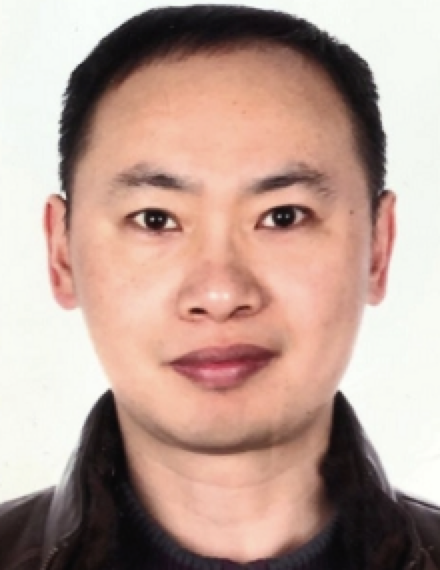 Fanqiang Kong (孔繁锵)合作论文数College of Astronautics, Nanjing University of Aeronautics and Astronautics8
 Jun Chen (陈隽)合作论文数Department of Electrical and Computer Engineering, McMaster University8
 Jie Guo (郭洁)合作论文数State Key Laboratory of Integrated Services Networks, School of Telecommunications Engineering, Xidian University8
 Peicheng Zhou (周培诚)合作论文数State Key Laboratory of Integrated Services Networks, Xi'an University of Electronic Science and Technology7
 Huan Liu合作论文数Huawei Technologies Canada Co., Ltd.6Jing Ma合作论文数5
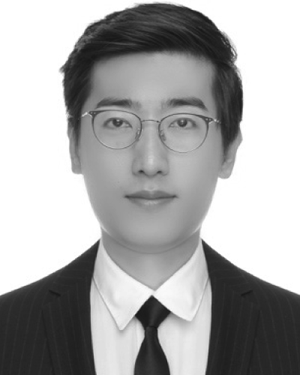 Chiru Ge合作论文数4Liu Haiying合作论文数4Shirui Huang合作论文数4
 Jie Lei (雷杰)合作论文数Xidian University;Faculty of Engineering and Information Technology, University of Technology Sydney4
 Jing Zhang (张静)合作论文数School of Telecommunications Engineering, Xidian University4
 Qian (Jenny) Du合作论文数Department of Electronic and Computer Engineering, Mississippi State University4
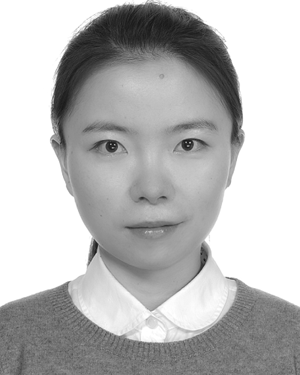 Ruomei Yan合作论文数3Yankun Yu合作论文数3
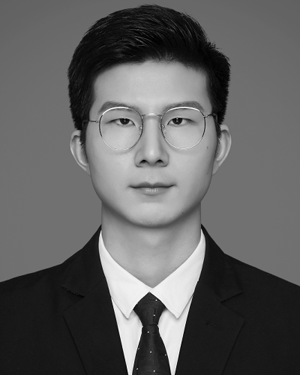 Yuxuan Zheng合作论文数3Minghan Fu合作论文数McMaster University, Hamilton, Canada3Xi Zhao合作论文数State Key Laboratory of Integrated Service Network, Xidian University, Xian 710071, China3
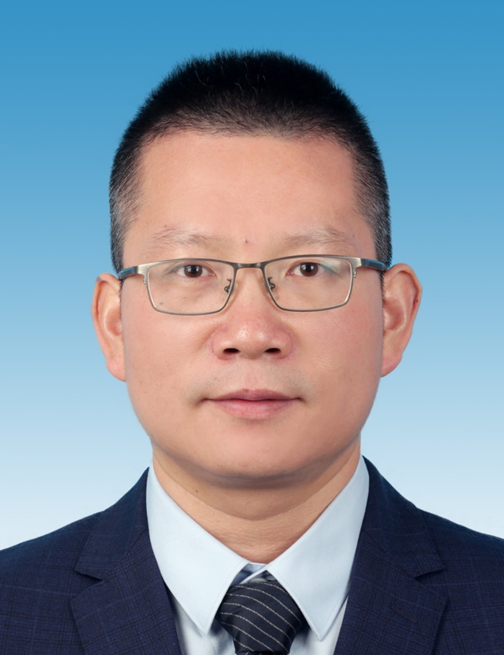 Weiwei Sun (孙伟伟)合作论文数School of Civil and Environmental Engineering and Geography Science, Ningbo University3
 Peiyi Shen (沈沛意)合作论文数西安电子科技大学计算机学院3
 Liang Zhang (张亮)合作论文数Embedded Technology and Visual Processing Research Center, School of Computer Science and Technology, Xidian University3
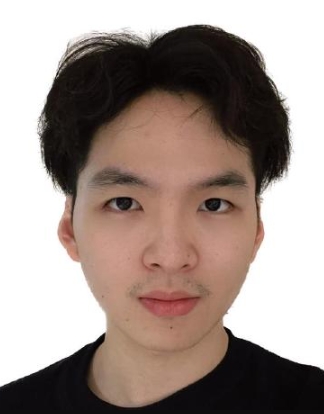 Wentao Jiang (姜文韬)合作论文数School of Computer Science and Engineering, Beihang University3Huai-Yu Zhuang合作论文数3
 Cuiping Shi合作论文数3
 Bobo Xi (席博博)合作论文数School of Telecommunications Engineering, Xidian University2
 Xiyao Wang (王玺尧)合作论文数Department of Computer Science, Brendan Iribe Center for Computer Science and Engineering, University of Maryland, College Park;Meta2
 Kailang Cao合作论文数State Key Laboratory of Integrated Service Network, Xidian University, Xi’an, China2Shizhong Li合作论文数2Yu Wang合作论文数2
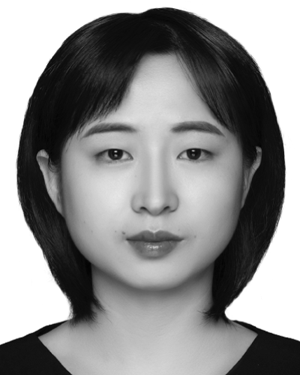 Yanzi Shi合作论文数State Key Laboratory of Integrated Service Network, Xidian University, Xi’an, China2
 Weiying Xie (谢卫莹)合作论文数School of Telecommunications Engineering, Xidian University;State Key Laboratory of Integrated Services Networks, Xidian University2
 Shanshan Zhang合作论文数Facebook2
 Salman Khan合作论文数Computer Vision Department, Mohamed bin Zayed University of Artificial Intelligence2
 Radu Timofte合作论文数Computer Vision Laboratory, Institute of Computer Science, Faculty of Mathematics and Computer Science, Julius Maximilians University of Würzburg;ETH Zurich2Youxi X. Zhou合作论文数2Huilin Liao合作论文数2
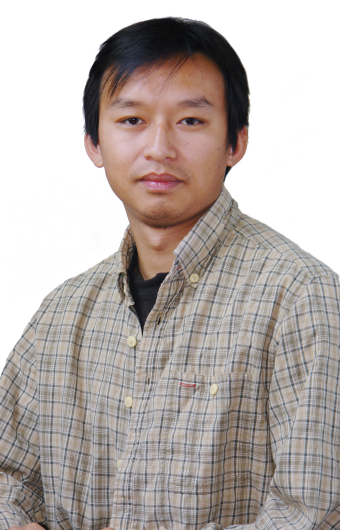 Lei Zhang (张磊)合作论文数School of Optoelectronic Science and Engineering, University of Electronic Science and Technology of China2Yufei Li (李宇飞)合作论文数School of Information Science and Engineering, Shandong University2
 Syed Waqas Zamir合作论文数Inception Institute of Artificial Intelligence2
 Bormin Huang合作论文数2
 Munawar Hayat合作论文数Qualcomm2
 Aditya Arora合作论文数Technical University of Darmstadt2
 Fahad Shahbaz Khan合作论文数Mohamed bin Zayed University of Artificial Intelligence;Computer Vision Laboratory, Linkoping University;Inception Institute of Artificial Intelligence2
 Maoxun Yuan (袁茂洵)合作论文数Institute of Artificial Intelligence, Beihang University1




