Background: This study not only evaluated the clinical effects of treatment using haploidentical hematopoietic stem cells (haplo-HSCs) combined with human umbilical cord mesenchymal stem cells (UC-MSCs) in patients with severe aplastic anemia (SAA), but also investigated the factors related to graft versus host disease (GVHD). Methods: Cotransplantation of haplo-HSCs and UC-MSCs was performed in 24 SAA patients. The conditioning regimens consisted of rabbit anti-human T-lymphocyte immunoglobulin (ATG), cyclophosphamide, and fludarabine with or without busulfan. GVHD was prevented using cyclosporine A, ATG, anti-CD25 monoclonal antibody, and mycophenolate material. Results: The incidence of acute GVHD was 50%. The incidence of severe acute GVHD was not related to gender, age, donor-recipient relations, and patient/donor pair, while patient/donor pair (r = 0.541, P = 0.022) was significantly correlated with incidence of chronic GVHD. Upon follow-up for a median of 13 months, 5 of the 24 patients (20.8%) were dead. The survival rates at 3 and 6 months in all patients were 87.5% (21/24) and 83.3% (20/24), respectively. Conclusion: Cotransplantation of haplo-HSCs combined with UC-MSCs was an effective and safe approach for the treatment of patients with SAA. The appropriate conditioning regimen and early treatment for infection also played a critical role in the success of HSCT.
Despite advances in the treatment of Hodgkin lymphoma (HL), there is a need for development of reliable prognostic biomarkers and improved stratification of patients for effective therapeutic intervention. The immune microenvironment is the key to HL pathophysiology. The aim of this study was to identify expression of microenvironment-related biomarkers (PD-1, FOXP3, and CSF-1R) immunohistochemically and determine their association with clinicopathological features and prognosis in HL. We found that a high number of non-HRS cells expressing CSF-1R confers inferior overall survival (OS), which is associated with the presence of Epstein-Barr virus in neoplastic cells (P=0.009). Increased FOXP3 expression confered superior OS and progression-free survival (PFS). PD-1 expression had no significant association with OS and PFS. The combination of FOXP3 and PD-1 or CSF-1R may yield better prognostic stratification.
Significant improvements in hematopoietic stem cell transplantation (HSCT) with haploidentical family donors (HFD) have confirmed its therapeutic role in severe aplastic anemia (SAA) and led to the evolution of treatment algorithms. However, the optimal conditioning regimen for HFD-HSCT remains undefined, especially the dosage of cyclophosphamide (Cy). A total of 77 patients with SAA from two research centers, who received HFD-HSCT with reduced-intensity fludarabine + cyclophosphamide + thymoglobulin ± busulfan conditioning regimen plus third-party cells infusion were included in this study, of which 67 pairs had 4-5 loci mismatched. We were particularly interested in whether the dosage of Cy significantly impacted graft failure (GF) and overall survival (OS). All patients showed sustained hematopoietic engraftment without any increase in severe aGVHD and transplantation-related mortality (TRM). The incidences of grade II-IV aGVHD, grade III-IV aGVHD and extensive cGVHD were 18%, 10% and 7%, respectively. The probabilities of 1-year and 5-year OS were 93.1% and 87.9%, respectively. Furthermore, patient age <15 years, MNC cells >8×10⁸/kg and donor age <45 years were associated with better survival (P=0.043, P=0.023, and P=0.037, respectively) and engraftment (P=0.019, P=0.008, and P=0.001, respectively). Our findings indicated that SAA patients lack MSD benefited the most if HFD-HSCT was performed with reduced-intensity fludarabine-based conditioning regimen. Improved outcomes with HFD-HSCT may lead to a salvaged therapy and an expanded direct role for SAA in the future.
BACKGROUNDA survey of early stage follicular lymphoma(FL) revealed that the rigorously staged FL patients at first diagnosis had a better outcome as compared with non-rigorous staged FL patients, but there were no similar reports in China.OBJECTIVETo explore the relationship between the rigorous staging at first diagnosis and the prognosis of FL patients at different stages.METHODSThe clinical data of 111 patients with newly diagnosed FL from 2008 to 2014 year were collected and analyzed. The rigorous staging included: (1) bone marrow aspiration and biopsy, (2) imaging examination of whole body including CT and ultrasounic scan, or PET/CT, either or both is defined as rigorous staging, or else as non-rigorous staging.RESULTSThe FL patients at I-II stages by rigorous staging showed a superior progression-free survival(PFS) compared with non-rigorous staging patients(P=0.048). For all the patients, the age, serum LDH, bone marrow lesion and more than 3 foci of diameter larger than 3 cm correlated with prognosis in univariate analysis, and multivariate analysis revealed that the age, serum LDH and bone marrow imolvement were the independent prognostic factors.CONCLUSIONRigorous staging leads to better outcomes, suggesting that accurate and appropriate testing is important for the patients at the first treatment. The close correlation of bone marrow with prognosis indicates that the evaluation of bone marrow is very important for the daily clinical practice.
Haploidentical hematopoietic stem cell transplantation (Haplo-HSCT) is widely carried out in China, and transplantation related complications decreased gradually with the transplant technology improving, and the overall survival(OS) increased year by year. However, relapse after transplantation is still one of the main causes of death in patients with hematological malignancy. In order to reduce the recurrence after HSCT, we set a tumorablative conditioning regimen (TAC) regimen; the aim is as much as possible to eliminate the malignant clone to reduce the recurrence without increasing the conditioning toxicity. We retrospectively analyzed 102 cases of haplo-HSCT in our hospital from 2012 to 2017. Ninety-eight out of the 99 (99.0%) patients achieved primary engraftment. The 2-year OS and disease free survival (DFS) are 81.4% (83/102) and 77.45% (79/102). The cumulative incidence of leukemia relapse is 16.2% (16/99), Twenty-nine patients developed II-IV acute graft-versus-host disease (aGVHD) (29%) within 100 days and only nine patients have grade IIIIV aGVHD (9%) in measurable 99 patients. The conditioning regimen was relatively well tolerated with limited regimen-related toxicity. The preliminary results show that TAC is safe and effective in haplo-HSCT of children with hematologic malignancies. This study will provide a clinical basis for the individualized conditioning regimen.
Objective In order to prevent the relapse of leukemia and decrease the GVHD related to DLI, we administrated preemptive CD56+ DLI following haploidentical hematopoietic stem cell transplantation (HHSCT) in five cases, and assessed the safety and efficiency. Methods Five cases were refractory or relapse leukemia for 2 months or more after HHSCT. Adopting donor peripheral lymphocyte, and then CD56+ cell enriched DLIs were processed using a CD56+ selecting column (@Miltenyi). Toxicity, relapse, over survival and NK cell activity was monitored. The KIR typing was detected in all patients and donors. Results The purity of CD56+ was over 90% in 4 cases, and 71.3% in 1 case. The recovery rates of CD56+ cells were in the range of 48%-59.5% in five cases. NK cell activity in two assessed cases was excellent. Reactions of infusion did not occur, GVHD related infusion had not been observed. 3 cases relapsed (extramedullary in 1 case, and DFS after radiotherapy), 4 cases were alive (DFS in 3 cases, survival with tumor in 1 case). Conclusion CD56+ cell enriched donor lymphocyte infusion following HHSCT is safe and effective, repeated infusion would get further effective. We should collect much more cases to confirm.
The aim of the present study was to investigate the role of comorbidities in the outcomes of patients with peripheral T-cell lymphoma (PTCL) in a Chinese population. Fifty-six newly diagnosed PTCL patients aged >60 years were enrolled in our institution between April 2008 and August 2014. Medical record details including clinical parameters, pathological status, and treatment were reviewed. Prognostic factors were assessed using univariate and multivariate analyses. Forty-one (73.2%) patients with PTCL, not otherwise specified (PTCL-NOS), nine (16.1%) with angioimmunoblastic T-cell lymphoma, and six (10.7%) with anaplastic large cell lymphoma were recruited in this study. Twenty-eight (50%) had at least one comorbidity. Univariate analysis showed that an Eastern Cooperative Oncology Group score of 2-4, the presence of B symptoms, an International Prognostic Index (IPI) score of 3-5, and a Charlson Comorbidity Index (CCI) score ≥2 were significantly associated with shortened overall survival (OS), whereas the presence of B symptoms, an IPI of 3-5, and a CCI ≥2 were associated with worsened progression-free survival (PFS). Multivariate analysis indicated that a high CCI (≥2) and a high IPI (3-5) were poor independent prognostic factors for OS and PFS in the elderly patients with PTCL. Comorbidity was identified as a new independent poor prognostic factor for elderly patients with PTCL.
OBJECTIVE:To investigate the safety and effectiveness of autologous hematopoietic stem cell transplantation (auto-HSCT) using tumor-ablative conditioning regiment for patients with refractory/relapsed non-Hodgkin's lymphoma.METHODS:The clinical data of 16 patients with refractory/relapsed non-Hodgkin's lymphoma received above-mentioned therapeutic regimen from January 2013 to July 2015 was analyzed retrospectively, and conditioning-related toxicity, engraftment, infection, relapse and survival rate were evaluated.RESULTS:No conditioning-related organs' failure and mortality were found. Only 1 patient had not been engrafted, and the engraftment rate was 93.7%. The incidence of serious infection was 31.2%. The median follow-up was 20.5(1-30) months, and 3 patients died, out of them 2 patients died of relapse. Two year overall survival (OS) , disease-free survival (DFS) and relapse rates were 80.2%, 74.5% and 20.6% respectively.CONCLUSION:Auto-HSCT using tumor-ablative conditioning regimen is safe and effective for patients with refractory/relapsed non-Hodgkin's lymphoma, and it possess a certain effect for reducing disease relapse after transplantation.
Tumorablative haploidentical hematopoietic cell transplantation for treatment of hematologic malignancy in children
Context: Allogeneic reactive NK cells were previously shown to exert a graft-versus-leukemia (GVL) effect during allogeneic hematopoietic stem cell transplantation, as well as reduce the incidence of graft-versus-host disease (GVHD).Objective: We used autologous immature DCs as feeder cells for the in-vitro expansion of NK cells and studied the function of the NK cell cultures.Materials and methods: NK cells were cultured for 15 days in the presence of autologous, immature DCs. Fold expansion, killing activity and expression of IFN-gamma, perforin and granzyme B were evaluated.Results: The highest NK cell expansion efficiency was observed when the ratio of NK cells: DCs was 2:1 and when cells were cultured in a contact-dependent manner. The killing activity of NK cells was highest when the NK: DC ratio was 10:1. NK cell cultures exhibited a significant upregulation in the mRNA expression of IFN-gamma, perforin and granzyme B when the ratio of NK cells to DCs was 10:1.Discussion: We successfully amplified NK cells using autologous immature DCs derived from human peripheral monocytes after induction as feeder cells. The use of autologous immature DCs for ex-vivo expansion of NK cells can be clinically applied to overcome limitations, such as the small number of NK cells in peripheral blood, and the high cost of NK cell sorting. Transfusion of allogeneic reactive NK cells has been suggested as a potential adjunctive therapeutic strategy after transplantation.Conclusion: Autologous immature DCs can be used as feeder cells for ex-vivo expansion of functional NK cells.
目的 探索采用新型儿童单倍体造血干细胞移植(haplo-HSCT)技术体系治疗儿童血液病的安全性和疗效.方法 具备HSCT适应症的血液病患儿共56例,均采用新型儿童haplo-HSCT技术体系治疗,回顾性分析植入成功率、移植关死亡率、GVHD发生率、总生存率及无病生存率情况.结果 56例血液病患儿中,男34例,女22例,恶性血液病45例,再生障碍性贫血10例,家族性噬血细胞综合征1例,新型haplo-HSCT技术体系治疗后评价:(1)回输单个核细胞中位教为10.59(6.36~13.74)×108/kg,CD34+细胞中位数为7.02(2.00~25.86)×106/kg.全部植入成功;(2)干细胞回输后100 d内,移植相关死亡率为1.8%;(3)100 d内自然发生Ⅰ~Ⅱ度急性移植物抗宿主病(GVHD)发生率为32.14%,Ⅲ~Ⅳ度急性GVHD发生率为1.8%;100 d后为治疗和预防复发所进行的供者淋巴细胞输注及减停免疫抑制剂相关的Ⅲ~Ⅳ度急性GVHD发生率5.36%(3例).100 d后自然发生的广泛型慢性GVHD总发生率为3.6%,为治疗和预防复发所进行的DLI及减停免疫抑制剂导致的慢性广泛型GVHD发生率5.36%;(4)中位随访18(6~40.8)个月,总生存率(OS)92.85%,无病生存率(DFS)为87.5%,复发2例,出现微小残留病2例,观察期超过1年的38例病例中,1年OS为92.11%,1年DFS为89.47%.中位生存时间为20.35个月.采用SPSS 20.0Log-Rank法比较淋系和髓系恶性血液病总生存及DFS分别为87.5%和95%(P =0.347)及75%和95%(P =0.058).结论 本研究初步显示对于无相合同胞供者、不能及时寻找到非血缘HLA相合供者的儿童血液病患者,本中心所采用的新型haplo-HSCT技术体系有效性及安全性可靠,淋系及髓系两组比较虽然差异无显著性,但是显示髓系恶性血液病DFS优于淋系的趋势,更远期的疗效尚须更长随访时间进一步总结.
Acute myeloid leukemia (AML) is a malignant and aggressive disease not sensitive to chemotherapy. The dynamic interaction between AML cells and bone marrow (BM) microenvironment plays a critical role in response of this disease to chemotherapy. It is reported that mesenchymal stromal cells (MSC) are essential component of bone marrow microenvironment which affects the survival of AML cells. The aim of our research is to elucidate the mechanism of drug resistance of AML cells associated with MSC. We found that adhesion of AML cell lines U937, KG1a and primary AML cells to MSC inhibited cytotoxic drug-induced apoptosis. Western blot showed that c-Myc of AML cells cocultured with stroma was up-regulated. Treatment with 10058-F4, a small molecule inhibitor of MYC-MAX heterodimerization, or c-Myc siRNA significantly induced apoptosis. Western blot analysis further showed that inhibition of c-Myc induced expression of caspases-3, cleavage of PARP and reduced expression of Bcl-2, Bcl-xL and vascular endothelial growth factor (VEGF). Thus, we conclude that MSCs protected leukemia cells from apoptosis, at least in part, through c-Myc dependent mechanisms, and that c-Myc contributed to microenvironment-mediated drug resistance in AML. In summary, we declared that c-Myc is a potential therapeutic target for overcoming drug resistance in AML.
OBJECTIVE:To investigate the therapeutic efficacy and side effects of treating patients with myelodysplastic syndrome-RAEB (MDS-RAEB) and with refractory acute myeloid leukemia (AML) by using decitabine combined with CAG regimen.METHODS:Clinical data of 21 patients with MDS-RAEB or refractory AML from July 2011 to July 2014 were analyzed retrospectively. Among 21 patients there were 4 cases of MDS-RAEB and 17 cases of refractory AML; 12 cases were beyond 60 years old; 13 cases had high-risk karyotypes. All the patients received decitabine combined with CAG regimen consisting of decitabine 20 mg/(m(2) · d), d 1-5; aclarubicin 10 mg/d, d 6-13; cytarabine 20 mg/d, d 6-19; G-CSF 300 µg/d, d 6-19.RESULTS:After 1 cycle of treatment with DCAG regimen, the outcome of 21 patients showed that 8 cases achieved complete remission (42.1%), 8 cases achieved partial remission (42.1%), 2 cases achieved hematologic improvement, 1 cases achieved non-remission and 2 cases died; and the 1 year overall survival rate was 67.5%. The outcome of 12 patients beyond 60 years old showed that 6 cases achieved complete renission (60%, 6/10), and the 1 year overall survival rate was 62.5%. The outcome of 13 patients with high-risk karytype showed that 6 cases achieved complete renission (54.5%, 6/11), and the 1 year overall survival rate was 61.5%. The main adverse event was myelosuppression, and non-hematological toxicity included liver dysfunction and gastrointestinal tract reaction.CONCLUSION:Decitabine combined with CAG regimen is effective and safe for treatment of MDS-RAEB and refractory AML patients, which can prolong lives of patiens with refractory hematological diseases.
OBJECTIVE This study was aimed to detect the change of T-lymphocyte functional subsets marked by CCR7 and CD45RA in the aGVHD within 100 days after allo-HSCT and to explore its clinical significance. METHODS The peripheral blood of 42 patients after allo-HSCT was collected every two weeks since hematopoietic reconstitution. The expression of CD3, CD4, CD8, CCR7 and CD45RA-marked T-lymphocytes was detected by flow cytometry, the relationship between their expression and the prognosis of aGVHD was analyzed. RESULTS The percentage and the absolute count of CCR7(+) T lymphocyte were significantly reduced in aGVHD. The percentage of T(naïve), T(CM), T(EM) and the absolute count of T(naïve), T(EM), TTD were sharply reduced in aGVHD, moreover has changed correspondingly with outcome of aGVHD. The percentage of CD3, CD4, CD8-marked T-lymphocyte subsets did not significantly changed. CONCLUSION T-lymphocyte functional subsets marked by CCR7 and CD45RA are a valuable indicator to monitor early immune reconstruction for patients with the aGVHD after allo-HSCT.
This study was purposed to investigate the efficacy and safety of haploidentical hematopoietic stem cells (allo-HSCT) transplantation combined with human umbilical cord-derived mesenchymal stem cell infusion (hUC-MSC) for severe aplastic anemia-II (SAA-II). Eight SAA-II patients received haploidentical allo-HSCT, the G-CSF mobilized peripheral hematopoietic stem cells and bone marrow haploidentical hematopoietic stem cells were selected as graft, the human umbilical cord-derived mesenchymal stem cells (hUC-MSC) were infused as the third party. Conditioning regimen consisted of rabbit anti-thymic lymphocytes protein(ATG), cyclophosphamide(CTX) and fludarabine(Flu). For two patients out of 8 SAA-II patients the conditioning regimen was combined with busulfan(BU). The graft versus host disease(GVHD) was prevented with CSA, MTX, ATG, CD25 and mycophenolate mofetil. The results showed that the average number of nucleated cells were 9.13×10(8)/kg, and number of CD34(+)cells were 3.76×10(6)/ kg. All the 8 SAA-II patients achieved hematopoietic reconstitution. The average time of neutrophils count>0.5×10(9)/L was 11.9 days, and average time of Plt level >20×10(9)/L was 14.6 days. The incidence of acute GVHD of I-II grade was 25%, and that of III-IVgrade was 12.5%, the transplantation-related mortality was 25%. It is concluded that haploidentical allo-HSCT combined with umbilical cord MSC infusion is an effective approach to cure SAA.
This study was undertaken to evaluate the clinical characteristics, prognostic factors, and long‐term outcomes of patients with mucosa‐associated lymphoid tissue (MALT) lymphoma in the gastrointestinal (GI) tract.
Spectral karyotyping (SKY) is a novel cytogenetic technique, has been developed to unambiguously display and identify all 24 humans chromosomes at one time without a priori knowledge of any abnormalities involved. SKY can discern the aberrations that can't be detected very well by conventional banding technique and Fluorescent in situ hybridization (FISH). So SKY is hyper accurate, hypersensitive, and hyper intuitionist. We will review the elements and application of SKY in leukemia.
目的 探讨单倍体相合造血干细胞移植联合脐带血间充质干细胞(human umbilical cord derived mesenchymal stem cell,hUC-MSC)治疗重型再生障碍性贫血-Ⅰ型(severe aplastic anemia-Ⅰ,SAA-Ⅰ)的疗效及相关并发症.方法 14例重型再生障碍性贫血-Ⅰ型患者均为2012年1月-2013年12月在解放军总医院第一附属医院血液科确诊并进行单倍体造血干细胞移植的病例.移植物选用G-CSF动员的外周血加骨髓干细胞混合移植方案,同时加入脐带间充质干细胞作为第三方细胞.预处理采用兔抗人T淋巴细胞球蛋白+环磷酰胺方案+福达拉滨,移植物抗宿主病(graft-versus-host disease,GVHD)的预防采用环孢菌素A+霉酚酸酯+CD25单克隆单抗.结果 14例全部获得造血重建,白细胞恢复,中性粒细胞>0.5×10⁹/L平均时间10.7 d,血小板>20×109/L平均时间13.3 d.7例发生急性移植物抗宿主病(aGVHD),其中Ⅰ~Ⅱ度2例,Ⅲ~Ⅳ度5例,3例出现移植相关死亡.结论 联合hUC-MSC的单倍体异基因造血干细胞移植治疗SAA-Ⅰ安全可行,白细胞恢复快,并发症少.
Objective To explore the efficiency and prognosis of hematological malignancies treated by haploidentical hematopoietic stem cell transplantation.Methods 70 patients who received haploidentical hematopoietic stem cell transplantation were analyzed retrospectively.According to tumor burden before transplantation,the patients were divided into three groups,the low tumor burden group,the mediate tumor burden group and the high tumor burden group.And then the effection of the tumor burden to survival was analyzed,and the engraftment,GVHD,infection,conditioning related toxicity,relapse and survival rate were also observed.Results The follow-up was terminated on January 1,2014.Follow-ups were performed for a median of 34.05 (7.4-83.6) months after transplantation.All patients achieved engraftments.The cumulative incidence of GVHD of grades 2-4 was 47.14 % (33/70) and that of grades 3-4 was 21.4 % (15/70).The chronic extensive GVHD was 20.0 % (14/70).The overall survival was 68.6 %.Transplant-related mortality was 12.8 % and the relapse was 18.6 %.The overall survivals in low tumor burden group,mediate tumor burden group,high tumor burden group were 91.67 %,72.7 %,33.3 % respectively.By SPSS 20.0,tumor burden was the high risk factor affecting the survival (low tumor group vs high tumor group,mediate tumor group vs high tumor group,low tumor group vs high tumor group,P =0.000,P =0.038,P =0.016).Conclusions Haploidentical hematopoietic stem cell transplantation in hematological malignancies is safe and effective.And for hematological malignancies with poor prognosis disease,it should be accepted the HSCT as soon as possible after remission in order to reduce the recurrence rate of malignancy.
This study was purposed to analyse the clinical efficacy of transplantation of umbilical cord mesenchymal stem cells (UC-MSC) combined with haploidentical hematopoietic stem cells (haplo-HSCT) for patients with refractory/relapsed myeloid leukemia. The clinical data of 36 patients received transplantation of UC-MSC combined with haplo-HSCT from January 2007 to June 2013 were summarized retrospectively, the engraftment, GVHD and 2 years-overall survival (OS) were analysed. The results showed that the median times of neutrophil count>0.50×10(9)/L and platelet count>20×10(9)/L were 12.0 days and 14.0 days, respectively. Grade III to IV aGVHD occurred in 5 out of 36 patients (13.8%). cGVHD occurred in 12 out of 32 patients (37.5%) and extensive cGVHD occurred in 2 patients. Additionally, only 3 patients (8.3%) experienced relapse. The 2-year OS rate of patients was 76.9%. It is concluded that the transplantation of UC-MSC combined with haplo-HSCT has good therapeutic efficacy for patients with refractory/relapsed myeloid leukemia, and may be served as a therapeutic method especially for patients with high risk and without well matched donor.
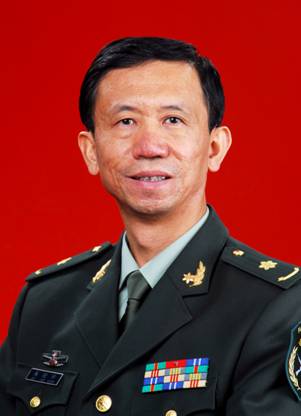 Xiaoxiong Wu (吴晓雄)合作论文数中国人民解放军总医院第一附属医院68
 Chunji Gao (高春记)合作论文数School of Medicine, NanKai University;Chinese People's Liberation Army General Hospital68
 Wenrong Huang (黄文荣)合作论文数Chinese PLA General Hospital38
 YongBin Cao (曹永彬)合作论文数30Yizhuo Zhang (张翼鷟)合作论文数30HaiJie Jin (靳海杰)合作论文数28Zhouyang Liu (刘周阳)合作论文数First Affiliated Hospital, Chinese PLA General Hospital25LiXin Xu (徐丽昕)合作论文数24ShuHong Wang (王书红)合作论文数23
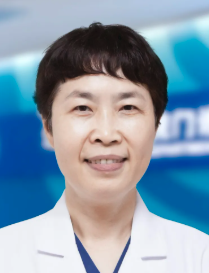 Honghua Li (李红华)合作论文数Chinese PLA General Hospital23Bei Yan (闫蓓)合作论文数23Xiaoping Han (韩晓萍)合作论文数21DanDan Zhao (赵丹丹)合作论文数20
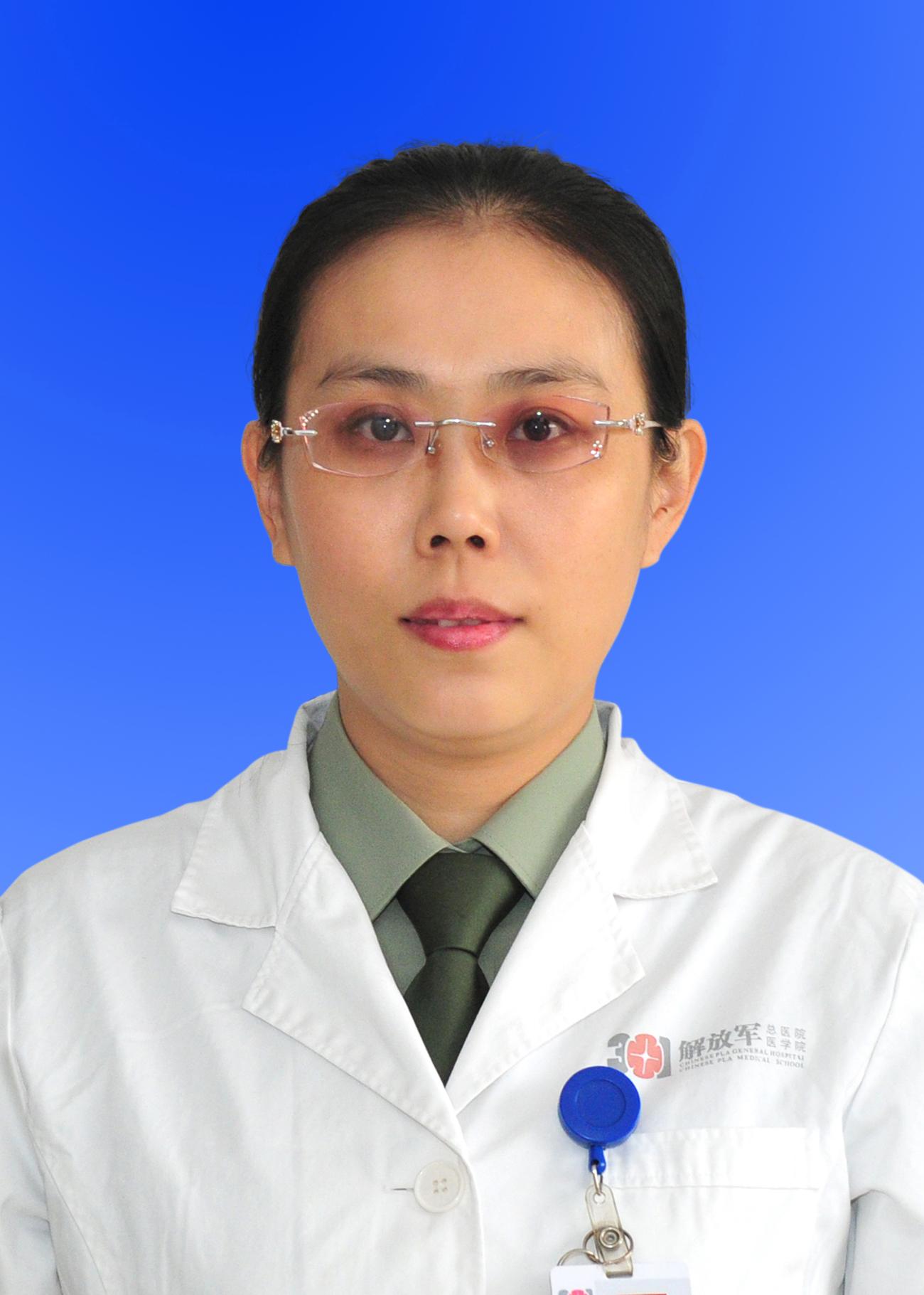 Yamei Wu (吴亚妹)合作论文数Fourth Medical Center of PLA General Hospital20
 Quanshun Wang (王全顺)合作论文数Chinese PLA General Hospital20BoLong Zhang (张伯龙)合作论文数18
 Zhihong Wang (王志红)合作论文数Chinese People's Liberation Army General Hospital17
 Haiyan Zhu (朱海燕)合作论文数Chinese People's Liberation Army General Hospital17YingXian Ou (欧英贤)合作论文数15Hai Bai (白海)合作论文数14Bei Liu (刘蓓)合作论文数14Jian Ma (马健)合作论文数13
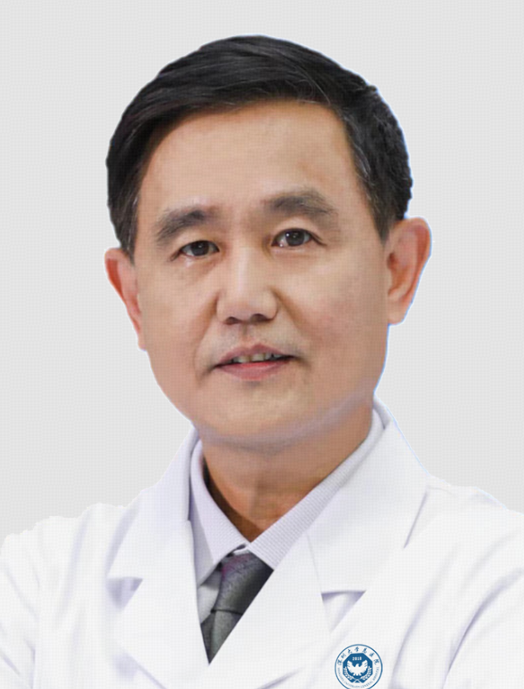 Li Yu (于力)合作论文数Shenzhen University General Hospital13
 Yu Zhao (赵瑜)合作论文数Chinese PLA General Hospital13Rongmu Luo (罗荣牡)合作论文数12
 Xiaohong Li (李晓红)合作论文数Medical College, Tianjin University11
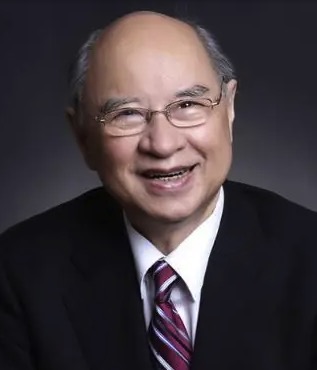 Daopei Lu (陆道培)合作论文数Peking University People's Hospital11
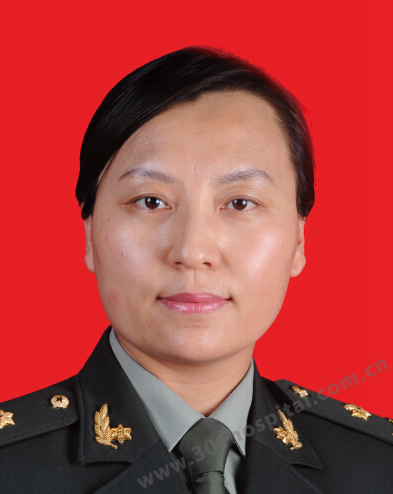 Suxia Li (李素霞)合作论文数Chinese People's Liberation Army General Hospital11Jian Bao (薄剑)合作论文数10CunBang Wang (王存邦)合作论文数10
 Jingbo Wang (王静波)合作论文数北京航天中心医院10Jian Bo (薄剑)合作论文数10ZhenLan Du (杜振兰)合作论文数9XiaoMei Zhang (张晓妹)合作论文数9
 Yu Jing (靖彧)合作论文数Chinese PLA General Hospital9Liping Dou (窦立萍)合作论文数Chinese PLA General Hospital9
 Lisheng Wang (王立生)合作论文数School of Nursing, Jilin University9
 Fangding Lou (楼方定)合作论文数Chinese PLA General Hospital9XueLiang Yang (杨雪良)合作论文数8JingFen Sun (孙敬芬)合作论文数8
 Yaming Wei (魏亚明)合作论文数广州医科大学8Haifeng Zhao (赵海丰)合作论文数8
 Ping Zhu (朱平)合作论文数Peking University First Hospital8Yafei Wang合作论文数7Bo Guo (郭波)合作论文数暨南大学医学院7
 Haifeng Duan (段海峰)合作论文数Institute of Radiation Medicine, Academy of Military Medical Sciences7Yan-Li Zhao (赵艳丽)合作论文数7




