BACKGROUND:Myeloablative chemotherapy supported by autologous stem cell transplantation (ASCT) is an option for primary central nervous system lymphoma (PCNSL) in both the relapse setting and as postremission consolidation, but the level of evidence in this field is still low. MATERIAL AND METHODS:We retrospectively analyzed 47 HIV-negative PCNSL patients from 2010 to 2021. To assess the outcomes in patients undergoing ASCT. RESULTS:Of the 47 patients, the median age was 51 (range, 21-77) years, and 28 (59.6%) were male. After induction, 33 (70.2%) patients achieved complete remission, and 6 (12.8%) patients achieved partial remission. At a median follow-up of 21.4 months (95% CI 8.86-33.95), the median progression-free survival (PFS) was 23.3 months (95% CI 14.87-31.73), and the 4-year PFS rate was 14.6%. The median overall survival (OS) time was 62.4 months (95% CI 41.93-82.87), and the 4-year OS rate was 71.5%. Among 20 patients who received ASCT (10 consolidation, 10 salvage), the 4-year PFS and 4-year OS rates were 57.3% and 71.2%, respectively. In the multivariate analysis, ASCT therapy (hazard ratio [HR] 0.16, P=0.016) and early remission (HR 0.12, p=0.003) were found to be independent prognostic factors for a longer PFS. Two treatment-related deaths occurred in patients with multiple relapses before ASCT. Pancytopenia and diarrhea were the most common adverse events. CONCLUSIONS:ASCT offers potential long-term PFS with good tolerability for patients with PCNSL. Our retrospective cohort adds to the currently available literature and identifies disease status after induction as a significant factor affecting survival.
Recent studies have shown that microtransplant (MST) could improve outcome of patients with elderly acute myeloid leukemia (EAML). To further standardize the MST therapy and improve outcomes in EAML patients, based on analysis of the literature on MST, especially MST with EAML from January 1st, 2011 to November 30th, 2022, the International Microtransplant Interest Group provides recommendations and considerations for MST in the treatment of EAML. Four major issues related to MST for treating EAML were addressed: therapeutic principle of MST (1), candidates for MST (2), induction chemotherapy regimens (3), and post-remission therapy based on MST (4). Others included donor screening, infusion of donor cells, laboratory examinations, and complications of treatment.
Abstract Purpose and Background. Accurate differentiation of primary central nervous system lymphoma (PCNSL) and glioma on Magnetic Resonance Imaging (MRI) is an important task because the two diseases have similar imaging features, but treatment options differ vastly. This purpose of this study was to develop various machine learning methods based on radiomics features extracted from contrast-enhanced T1-weighted, T2 and the two modalities fusion to predict PCNSL and glioma types and compare the performance of different models. Materials and Methods. A total of 82 patients from five Chinese medical centers with pathologically confirmed PCNSL and glioma were analyzed retrospectively, including 38 PCNSL and 44 glioma. Region of interest (ROI) was manually segmented on contrast-enhanced T1-weighted and T2 scans. 572 radiomics features of each patient on each modality were extracted. We explored six machine learning methods on single modality and multi-modality fusion radiomics features. The area under the receiver operating characteristic curve (AUC) and accuracy (ACC) were used to evaluate different models. Results The cohort was split into a training (57, 70% patients) and validation cohort (25,30% patients) according to stratified sampling strategy. For the T1-weighted images, among all models, the KNN performed best, with an accuracy of 0.947, 0.880, sensitivity of 0.885, 0.833, specificity of 1.00,0.909, and AUC of 0.993, 0.949 in the training and validation cohort, respectively. For the T2 images, among all models, the SVM performed best, with an accuracy of 0.982,0.880, sensitivity of 1.00,0.833, specificity of 0.978, 0.923, and AUC of 0.981, 0.917 in the training and validation cohort, respectively. The multi-modality fusion model achieved an accuracy of 1.000, 0.920, sensitivity of 1.00, 1.00, specificity of 1.00, 0.846, AUC of 1.00,0.994 in the training and validation cohort, which was significantly better than the single modality models. Conclusion The established machine learning prediction models based on single or multi-modality radiomics features were feasible and achieved high performance in the PCNSL and glioma differentiation, which showed the potential to help clinical decision-making.
Anti-thymocyte globulin (ATG) is often included in the conditioning regimen to prevent graft-versus-host disease (GVHD) in allogeneic hematopoietic cell transplantation (allo-HCT). However, the risk of virus reactivation increases significantly. We conducted a single-center prospective study to identify the optimal ATG exposure that ensures engraftment, effectively prevents acute GVHD, and reduces the risk of virus reactivation without increasing relapse of malignant diseases in haploidentical peripheral blood stem cell transplantation (haplo-PBSCT). From September 2018 to June 2020, 106 patients (median age, 32 years) with malignant hematological diseases who received haplo-PBSCT for the first time were enrolled. All patients received 10 mg/kg rabbit ATG (thymoglobulin) divided for 4 days (days -5 to -2). Pre-transplant, post-transplant, and total areas under the concentration-time curve (AUCs) of active ATG were calculated. Total AUC of active ATG was shown to be the best predictor for virus reactivation and acute GVHD of grades II to IV or grades III and IV. The optimal total AUC range of active ATG was 100 to 148.5 UE/mL/day. The median time was 14 versus 13 days (P = .184) for neutrophil engraftment and 13 versus 13 days (P = .263) for platelet engraftment in the optimal and non-optimal AUC groups, respectively. The optimal AUC group showed a lower cumulative incidence of cytomegalovirus (CMV) reactivation and persistent CMV viremia than the non-optimal AUC group: 60.6% (95% confidence interval [CI], 48.3%-73.1%) versus 77.1% (95% CI, 64.5%-87.7%; P = .016) and 31.5% (95% CI, 21.2%-45.3%) versus 56.3% (95% CI, 42.9%-70.4%; P = .007), respectively. The cumulative incidence of persistent Epstein-Barr virus (EBV) viremia in the optimal AUC group was significantly lower than the non-optimal total AUC group: 33.1% (95% CI, 22.5%-46.8%) versus 52.6% (95% CI, 39.3%-67.2%; P = .048). However, there was no difference in EBV reactivation (P = .752). Similar outcomes were observed for grade II to IV and grade III and IV acute GVHD between the two groups: 48.6% (95% CI, 36.8%-62.0%) versus 37.0% (95% CI, 24.8%-52.5%; P = .113) and 10.4% (95% CI, 4.8%-21.7%) versus 4.2% (95% CI, 1.0%-15.6%; P = .234, respectively. Relapse, non-relapse mortality, and disease-free survival demonstrated no significant differences between the two groups. But, overall survival at 2 years tended to increase in the optimal AUC group: 75.7% (95% CI, 62.4%-84.8%) versus 57.8% (95% CI, 42.4%-70.4%; P = .061). These data support an optimal active ATG exposure of 110 to 148.5 UE/mL/day in haplo-PBSCT. Individualized dosing of ATG in allo-HCT might reduce the risk of virus reactivation and effectively prevent acute GVHD simultaneously. (c) 2022 The American Society for Transplantation and Cellular Therapy. Published by Elsevier Inc. All rights reserved.
The number of HLA-haploidentical allogeneic hematopoietic stem-cell transplantation (Haplo-HSCT) is increasing. Comparative studies about Haplo-HSCT versus allo-HSCT with HLA-matched sibling donors (MSD-HSCT) have been tried in leukemias and B-cell lymphomas. Few studies were reported in Peripheral T-cell lymphomas (PTCLs). We performed a multicenter retrospective study about 52 patients with PTCLs undergoing Haplo-HSCT (n = 20) or MSD-HSCT (n = 32). All Haplo-HSCT recipients received antithymocyte globulin (ATG) based graft versus host disease (GVHD) prophylaxis. The median follow-up for all survivors was 38 months. The 100-day cumulative incidence of grade II to IV acute GVHD was similar (19% in the MSD-HSCT group versus 28% in the Haplo-HSCT group, P = 0.52). The 2-year cumulative incidence of chronic GVHD (limited and extensive) after Haplo-HSCT (30%) was also similar with that in the MSD-HSCT group (50%, P = 0.15). The 3-year relapse rates (33% vs 27%, P = 0.84) and non-relapse mortality (21% vs 22%, P = 0.78) did not differ between these two groups. There were also no differences in 3-year overall survival (OS) (48% vs 50%, P = 0.78) and progression-free survival (47% vs 51%, P = 0.95) between these two groups. On multivariate analysis, prognostic index for T-cell lymphoma (PIT) score (higher than 1: hazard ratio [HR], 4.0; P = 0.003) and disease status (stable or progression disease before HSCT: HR, 2.8; P = 0.03) were independent variables associated with worse OS. We concluded that ATG-based haplo-HSCT platform could work as an alternative to MSD-HSCT for patients with PTCLs.
The aim of the study was to analyze the efficacy of posaconazole for the prophylaxis and treatment of invasive fungal diseases (IFDs) in patients with hematological malignancies. In this retrospective observational multi-center study, 762 patients from 25 Chinese hematological centers were enrolled. Inclusion criteria were patients with hematological malignancy or they had undergone hematopoietic stem cell transplantation and received at least 1 dose of posaconazole. The primary endpoints were the observation of breakthrough rates and the clinical efficacy of posaconazole prophylaxis. The secondary endpoint was the efficacy of posaconazole for the treatment of IFDs. Of the 762 enrolled patients, 456 (59.8%) were prescribed posaconazole prophylactically while 243 (31.9%) received posaconazole as an IFD treatment (12 proven, 61 probable, 109 possible, and 61 unclassified IFD cases) for >= 7 days. The overall IFD breakthrough rate (probable cases) for the >= 4 days prophylactic treatment (n = 445) group was 1.6% (95% Cl: 0.6%-3.2%), with breakthrough rates of 2.6% for acute myeloid leukemia/myelodysplastic syndrome patients undergoing chemotherapy and 2.2% for hematopoietic stem cell transplantation patients. For primary antifungal prophylaxis, the breakthrough rate was 1.9% and for secondary antifungal prophylaxis 0%. The overall effective IFD remission rate of patients treated for >= 7 days with posaconazole was 56.0% and the effective remission rate of proven/probable/possible IFD cases was 59.3%. The effective remission rate of posaconazole as salvage therapy was 50% (95% CI: 32.4%-67.6%) including 75% (CI: 19.4%-99.4%) for Aspergillus infections. The present retrospective study confirmed posaconazole as IFD prophylaxis and medication for hematological malignancy patients undergoing various treatments in China.
Background: There were few studies on real-world data about autologous hematopoietic stem cell transplantation (auto-HSCT) or allogeneic HSCT (allo-HSCT) in peripheral T-cell lymphoma (PTCL). This study aimed to investigate the clinical outcomes of patients who received auto-HSCT or allo-HSCT in China. Methods: From July 2007 to June 2017, a total of 128 patients who received auto-HSCT (n = 72) or allo-HSCT (n = 56) at eight medical centers across China were included in this study. We retrospectively collected their demographic and clinical data and compared the clinical outcomes between groups. Results: Patients receiving allo-HSCT were more likely to be diagnosed with stage III or IV disease (95% vs. 82%, P = 0.027), bone marrow involvement (42% vs. 15%, P = 0.001), chemotherapy-resistant disease (41% vs. 8%, P = 0.001), and progression disease (32% vs. 4%, P < 0.001) at transplantation than those receiving auto-HSCT. With a median follow-up of 30 (2-143) months, 3-year overall survival (OS) and progression-free survival (PFS) in the auto-HSCT group were 70%(48/63) and 59%(42/63), respectively. Three-year OS and PFS for allo-HSCT recipients were 46%(27/54) and 44%(29/54), respectively. There was no difference in relapse rate (34%[17/63] in auto-HSCT vs. 29%[15/54] in allo-HSCT, P = 0.840). Three-year non-relapse mortality rate in auto-HSCT recipients was 6%(4/63) compared with 27%(14/54) for allo-HSCT recipients (P = 0.004). Subanalyses showed that patients with lower prognostic index scores for PTCL (PIT) who received auto-HSCT in an upfront setting had a better outcome than patients with higher PIT scores (3-year OS: 85% vs. 40%, P = 0.003). Patients with complete remission (CR) undergoing auto-HSCT had better survival (3-year OS: 88% vs. 48% in allo-HSCT, P = 0.008). For patients beyond CR, the outcome of patients who received allo-HSCT was similar to that in the atuo-HSCT group (3-year OS: 51% vs. 46%, P = 0.300). Conclusions: Our study provided real-world data about auto-HSCT and allo-HSCT in China. Auto-HSCT seemed to be associated with better survival for patients in good condition (lower PIT score and/or better disease control). For patients possessing unfavorable characteristics, the survival of patients receiving allo-HSCT group was similar to that in the auto-HSCT group.
Objective:To explore difference of clinical effects and prognosis of autologous hematopoietic stem cell transplantation (auto-HSCT) and allogeneic hematopoietic stem cell transplantation (allo-HSCT) in treatment of patients with natural killer/T cell lymphoma (NKTL).Methods:From June 2007 and June 2017, a total of 37 patients underwent auto-HSCT or allo-HSCT from 8 Chinese Grade Ⅲ class A teaching hospitals were selected as research subjects. The median ages of patients in auto-HSCT group and allo-HSCT group were 34.0 years(27.5-43.5 years) and 33.0 years (25.8-41.3 years), respectively. There were 10 male and 7 female patients in auto-HSCT group, and 17 male and 3 female patients in allo-HSCT group, respectively.According to hematopoietic stem cell transplantation (HSCT) types of patients underwent, all subjects were divided into auto-HSCT group ( n=17) and allo-HSCT group ( n=20). Then clinical data of NKTL patients in auto-HSCT group and allo-HSCT group were collected, and clinical effect and prognosis of patients in two groups were analyzed by retrospectively cohort method. Patients in both groups were followed up until December 31, 2017. Chi-square test or Fisher probabilities were used to compare categorical data between two groups, including composition ratios of clinical stages, marrow metastases, types of chemotherapy regimen and so on. Mann-Whitney U test was used to compare measurement data with skewed distribution, including age, transfusion amount of mononuclear cells (MNC) and CD34 + cells etc.. Kaplan-Meier method was used to draw survival curve of cumulative relapse, cumulative transplant-related mortality (TRM), overall survival (OS) and progression-free survival (PFS) of two groups, which were compared by log-rank test. Cox proportional hazards regression model was performed for univariate and multivariate analysis of OS rates between two groups. This study was in line with World Medical Association Declaration of Helsinki revised in 2013, and informed contents were obtained from all subjects. Results:① In auto-HSCT group, there were 12, 4, 1 and 0 patients evaluated as complete remission (CR), partial remission (PR), stable disease (SD) and progressive disease (PD) before HSCT, respectively. There were 4, 11, 1 and 4 cases in allo-HSCT group, respectively.There were significant differences among composition ratios of bone marrow metastase, disease states before HSCT and types of conditioning regimen ( P=0.001; χ2=12.087, P=0.016; χ2=23.632, P<0.001) between two groups. ② In auto-HSCT group, all 17 NKTL patients had successful neutrophil and platelet engraftment, and median engraftment time were 11.0 d (9.5-11.0 d) and 11.0 d (9.5-14.0 d), respectively. In allo-HSCT group, there were 18 NKTL patients with sucsessful neutrophil and platelet engraftment, and median engraftment time were 15.0 d (13.0-16.0 d) and 16.0 d(13.0-20.3 d), respectively. There was no significant difference in 3-year cumulative TRM (6.2% vs 23.7%; χ2=1.658, P=0.198) between two groups. ③ There were 13, 6 and 9 patients with graft versus host disease (GVHD), acute GVHD (aGVHD) and chronic GVHD (cGVHD), respectively. Patients with GVHD acquired effective control and improved of GVHD-related clinical symptoms after therapy. ④ There were no significant differences in 3-year cumulative relapsed rates (35.5% vs 48.1%; χ2=0.796, P=0.372) and 2-year PFS rates (64.8% vs 43.1%; χ2=2.765, P=0.096) between two groups, but 2-year OS rate in auto-HSCT group was significantly higher than that of allo-HSCT group (82.0% vs 41.3%; χ2=4.697, P=0.03). ⑤ The results of multivariate Cox proportional hazard regression analysis showed that underwent allo-HSCT was not an independent risk factor influencing OS rate of NKTL patients ( HR=4.618, 95% CI: 0.992-21.497, P=0.051). Conclusions:Auto-HSCT and allo-HSCT are both effective therapeutic methods for NKTL patients. OS rate of NKTL patients who acquire CR before HSCT could be improved by auto-HSCT, and disease state of patients who are relapsed or refractory can be controlled by allo-HSCT. However, this study is analysis by retrospective mothod, and sample size is limited, so the differences in efficacy and prognosis between auto-HSCT and allo-HSCT in treatment of NKTL patients needs to be further confirmed by prospective, large sample size and clinical randomized controlled studies.
Objective A retrospective study was performed to compare intensive immunosuppressive therapy (IST) and haploidentical donor hematopoietic stem cell transplantation (HID-HSCT) for young patients with severe aplastic anaemia(SAA). Methods Fifty-five SAA patients aged 14-30 years were included. The patients were treated with anti-thymocyte immunoglobulin(ATG) combined with cyclosporine A(CsA)(29 cases, IST group) or HID-HSCT(26 cases, HID-HSCT group). Results The complete response(CR) rates in the IST and HID-HSCT groups were 58.6% vs 84.6%(P=0.034), and the overall response(OR) rates were 86.2% vs 84.6%. No significant difference was found in estimated 5-year overall survival(IST 77.9%±11.7% vs HID-HSCT 82.1%±8.4%) and event-free survival(IST 67.6%±11.7% vs HID-HSCT 69.2%±9.1%). The relapse rate of the IST group was 3.4%, and the clonal transformation rate was 13.8%. In HID-HSCT group, the relapse and clonal transformation rates were both 0%, and the incidence rates of grades 2-4 aGVHD and cGVHD were 19.2% and 15.4% respectively. The hospitalization expenses were significantly less in the IST group than in that of HID-HSCT group(median 168 000 yuan vs 378 000 yuan, P<0.001). Conclusions IST shows similar OR, OS and EFS but much less expense comparing with that of HID-HSCT. IST remains an appropriate choice for young SAA patients without sibling donors.
The application of haploidentical hematopoietic stem cell transplantation (HSCT) with mesenchymal stem cell (MSC) infusion as a treatment regimen for severe aplastic anemia (SAA) has been reported to be efficacious in single-arm trials. However, it is difficult to assess without comparing the results with those from a first-line, matched-sibling HSCT. Herein, we retrospectively reviewed 91 patients with acquired SAA. They received HSCT from haploidentical donors combined with MSC transfer (HID group). We compared these patients with 103 others who received first-line matched-sibling HSCT (MSD group) to evaluate relative treatment efficacy. Compared with the patients in the MSD group, those in the HID group presented with higher incidences of grades II-IV and III-IV acute graft versus host disease (aGvHD) and chronic graft versus host disease (cGvHD) (p < 0.05). However, the incidence of myeloid and platelet engraftment, graft failure, poor graft function, and extensive cGvHD were comparable for both groups. The median follow-up was 36.6 months and the 3-year overall survival rate was similar for both groups (83.5% versus 79.1%). Univariate and multivariate analyses revealed that time intervals greater than 4 months from diagnosis to transplantation, experienced graft failure, poor graft function, or grade III-IV aGvHD were significantly associated with adverse outcomes. All HID patients received MSC co-transplantation with hematopoietic stem cells. However, the infused MSCs were derived from umbilical cord (UC-MSC group; 43 patients) or bone marrow (BM-MSC group; 48 patients) and were administered at different medical centers. We first compared the outcomes between the two groups and detected that the BM-MSC group exhibited lower incidences of grade III-IV aGvHD and cGvHD (p < 0.05). This study suggests that co-transplantation of hematopoietic and MSCs significantly reduces the risk and incidence of graft rejection and may effectively improve overall survival in patients with SAA even in the absence of closely related histocompatible donor material.
BACKGROUND:Haploidentical donor (HID) allogeneic hematopoietic stem cell transplantation (HSCT) is an alternative curative treatment for patients with severe aplastic anemia (SAA) who do not have suitable matched related donors (MRD). The aim of this study was to compare the therapeutic outcomes of HID-HSCT with those of MRD-HSCT for SAA.METHODS:A total of 235 SAA patients who underwent HID-HSCT (116) or MRD-HSCT (119) at 11 transplantation centers from January 2007 to January 2016 were included. Complications and survival outcomes were evaluated and compared between the 2 groups.RESULTS:The HID group had a lower incidence of secondary graft failure but higher incidences of acute graft-versus-host disease (aGVHD) and chronic GVHD (cGVHD). However, the incidence of severe aGVHD (grades III-IV), poor graft function, and infections was comparable between groups. Patients in the HID group had a significantly lower survival and overall survival rates than those in the MRD group. The estimated 3-year survival rates for the MRD and HID groups were 82.82% and 75.00%, respectively. Ferritin levels, graft failure, poor graft function, severe aGVHD, and infections were the significant risk factors for survival.CONCLUSIONS:The overall survival rate is acceptable for patients who underwent HID-HSCT, making it a feasible treatment choice for SAA patients.
目的 观察硼替佐米联合化疗治疗难治性套细胞淋巴瘤(MCL)的疗效。 方法 选择2014年7月解放军总医院第一附属医院收治的1例难治性MCL患者为研究对象,患者连续接受不同化疗方案共13个疗程后无明显疗效,给予硼替佐米联合MOFP(米托蒽醌、长春碱、氟达拉滨、甲泼尼龙)方案化疗,分析该例患者的临床资料并复习相关文献。 结果 硼替佐米联合MOFP方案化疗5个疗程后,患者颈部淋巴结肿物缩小75%以上,且腹腔淋巴结肿物及胸腔积液消失,至截稿前无进展生存10个月余。 结论 难治性MCL患者予硼替佐米联合MOFP方案疗效显著。
BACKGROUND There is currently little information on haploidentical hematopoietic cell transplantation (haplo-HCT) for T-lymphoblastic lymphoma (T-LBL). Data about peripheral blood stem cells (PBSC) as a reliable graft source for T-LBL treatment are lacking. MATERIAL AND METHODS T-LBL patients who underwent T cell-replete haploidentical peripheral blood hematopoietic cell transplantation (haplo-PBHCT) from July 2007 to January 2017 were retrospectively evaluated. RESULTS A total of 25 patients (age ≥15 years) with median age of 24 (range 15-51) years were enrolled. The median number of CD34+ cells infused was 5.0 (1.6-14.4) 106/kg. Sustained myeloid engraftment with full donor chimerism was achieved in all patients. The cumulative incidence of grades 2 to 4 acute graft-versus-host disease (GVHD) at day 100 was 24%. Two-year extensive chronic GVHD cumulative incidence was 20%. The 3-year overall survival rate for all patients was 70%. The median survival time of the complete remission (CR) group was better than that of the non-CR group (not reached vs. 9 m) (P<0.01). The relapse rate was 17% for patients who obtained CR and were given haplo-HCT as consolidation treatment. CONCLUSIONS This study indicates that haplo-PBHCT is a safe and effective method for the treatment of T-LBL.
Background: This study not only evaluated the clinical effects of treatment using haploidentical hematopoietic stem cells (haplo-HSCs) combined with human umbilical cord mesenchymal stem cells (UC-MSCs) in patients with severe aplastic anemia (SAA), but also investigated the factors related to graft versus host disease (GVHD). Methods: Cotransplantation of haplo-HSCs and UC-MSCs was performed in 24 SAA patients. The conditioning regimens consisted of rabbit anti-human T-lymphocyte immunoglobulin (ATG), cyclophosphamide, and fludarabine with or without busulfan. GVHD was prevented using cyclosporine A, ATG, anti-CD25 monoclonal antibody, and mycophenolate material. Results: The incidence of acute GVHD was 50%. The incidence of severe acute GVHD was not related to gender, age, donor-recipient relations, and patient/donor pair, while patient/donor pair (r = 0.541, P = 0.022) was significantly correlated with incidence of chronic GVHD. Upon follow-up for a median of 13 months, 5 of the 24 patients (20.8%) were dead. The survival rates at 3 and 6 months in all patients were 87.5% (21/24) and 83.3% (20/24), respectively. Conclusion: Cotransplantation of haplo-HSCs combined with UC-MSCs was an effective and safe approach for the treatment of patients with SAA. The appropriate conditioning regimen and early treatment for infection also played a critical role in the success of HSCT.
Despite advances in the treatment of Hodgkin lymphoma (HL), there is a need for development of reliable prognostic biomarkers and improved stratification of patients for effective therapeutic intervention. The immune microenvironment is the key to HL pathophysiology. The aim of this study was to identify expression of microenvironment-related biomarkers (PD-1, FOXP3, and CSF-1R) immunohistochemically and determine their association with clinicopathological features and prognosis in HL. We found that a high number of non-HRS cells expressing CSF-1R confers inferior overall survival (OS), which is associated with the presence of Epstein-Barr virus in neoplastic cells (P=0.009). Increased FOXP3 expression confered superior OS and progression-free survival (PFS). PD-1 expression had no significant association with OS and PFS. The combination of FOXP3 and PD-1 or CSF-1R may yield better prognostic stratification.
OBJECTIVETo explore the relationship between HLA-A, -B, -C, -DRB1, -DQB1 gene polymorphism and aplastic anemia (AA)of 65 cases in Northern China.METHODSThe high resolution genotyping of HLA-A, -B, -C, -DRB1, -DQB1 alleles in 65 AA patients and 772 healthy controls was performed with polymerase chain reaction-sequence specific oligonucleotide (PCR-SSO), the relationship between HLA-A, -B, -C, -DRB1, -DQB1 gene polymorphism and aplastic anemia was analyzed by Pearson Chi-square,Continuity Correction, Two-sided Fisher's Exact Test and Odds Ratio.RESULTSThe HLA-B*1302(10% vs 4.21%), B*3501(7.69% vs 3.89%), DRB1* 0701(10% vs 4.73%), DRB1*0901(19.23% vs 7.58%), DQB1*0202(9.23% vs 3.76%) gene frequency in AA patients was higher than those in health controls, the difference was statistically significant (P<0.05), the χ2 were 9.049, 4.336, 6.838, 20.974 and 8.968, OR ratio was 2.528, 2.061, 2.239, 2.904 and 2.605. However, the HLA-A*3303(1.54% vs 6.93%), DQB1*0302(1.54% vs 6.02%) gene frequency in AA patients was lower than those in healthy controls, the difference was statistically significant (P<0.05), the χ2 was 5.726 and 4.505, the OR ratio were 0.210 and 0.244.CONCLUSIONThe polymorphism of HLA-A, -B, -DRB1, -DQB1 alleles is associate with AA in these patient cases, the HLA-B*1302, HLA-B*3501, HLA-DRB1*0701, HLA-DRB1*0901 and HLA-DQB1*0202 may be sensitive genes to AA, while the HLA-A*3303 and HLA-DQB1*0302 may be protective genes on AA.
Significant improvements in hematopoietic stem cell transplantation (HSCT) with haploidentical family donors (HFD) have confirmed its therapeutic role in severe aplastic anemia (SAA) and led to the evolution of treatment algorithms. However, the optimal conditioning regimen for HFD-HSCT remains undefined, especially the dosage of cyclophosphamide (Cy). A total of 77 patients with SAA from two research centers, who received HFD-HSCT with reduced-intensity fludarabine + cyclophosphamide + thymoglobulin ± busulfan conditioning regimen plus third-party cells infusion were included in this study, of which 67 pairs had 4-5 loci mismatched. We were particularly interested in whether the dosage of Cy significantly impacted graft failure (GF) and overall survival (OS). All patients showed sustained hematopoietic engraftment without any increase in severe aGVHD and transplantation-related mortality (TRM). The incidences of grade II-IV aGVHD, grade III-IV aGVHD and extensive cGVHD were 18%, 10% and 7%, respectively. The probabilities of 1-year and 5-year OS were 93.1% and 87.9%, respectively. Furthermore, patient age <15 years, MNC cells >8×10⁸/kg and donor age <45 years were associated with better survival (P=0.043, P=0.023, and P=0.037, respectively) and engraftment (P=0.019, P=0.008, and P=0.001, respectively). Our findings indicated that SAA patients lack MSD benefited the most if HFD-HSCT was performed with reduced-intensity fludarabine-based conditioning regimen. Improved outcomes with HFD-HSCT may lead to a salvaged therapy and an expanded direct role for SAA in the future.
Objective To observe the clinical outcome and safety of ultra low-dose of decitabine (DAC) combined with reduced-intensity CAG (aclacinomycin, cytarabine, granulocyte colony stimulating factor) therapeutic regimen on intermediate or high risk myelodysplastic syndrome (MDS). Methods Total of 30 patients treated by ultra low-dose DAC combined with reduced-intensity CAG therapeutic regimen in our center from Apr. 2015 to Oct. 2016 were included in this study, and the clinical outcome, adverse reactions, and survival data were recorded. Results Of all the patients, complete remission (CR) rate was 53% (16 cases), partial remission rate (PR) was 17% (5 cases), hematological improvement (HI) rate was 10% (3 cases), total failure (TF) was 20% (6 cases) and overall response rate (ORR) was 80%. Infection was the main adverse event caused by DAC and occurred in 15 patients (50%), with 2 of them severely infected. The median survival time was 11 months (2-18 months) with 24 survived and 4 died. Conclusion Ultra low-dose DAC combined with reduced-intensity CAG therapeutic regimen is effective and safe on intermediate or high risk MDS with lower rate of severe infection and hematological toxicities.
 Wanming Da (达万明)合作论文数Department of Hematology,Chinese PLA General Hospital,Beijing ,China68
 YongBin Cao (曹永彬)合作论文数50LiXin Xu (徐丽昕)合作论文数40
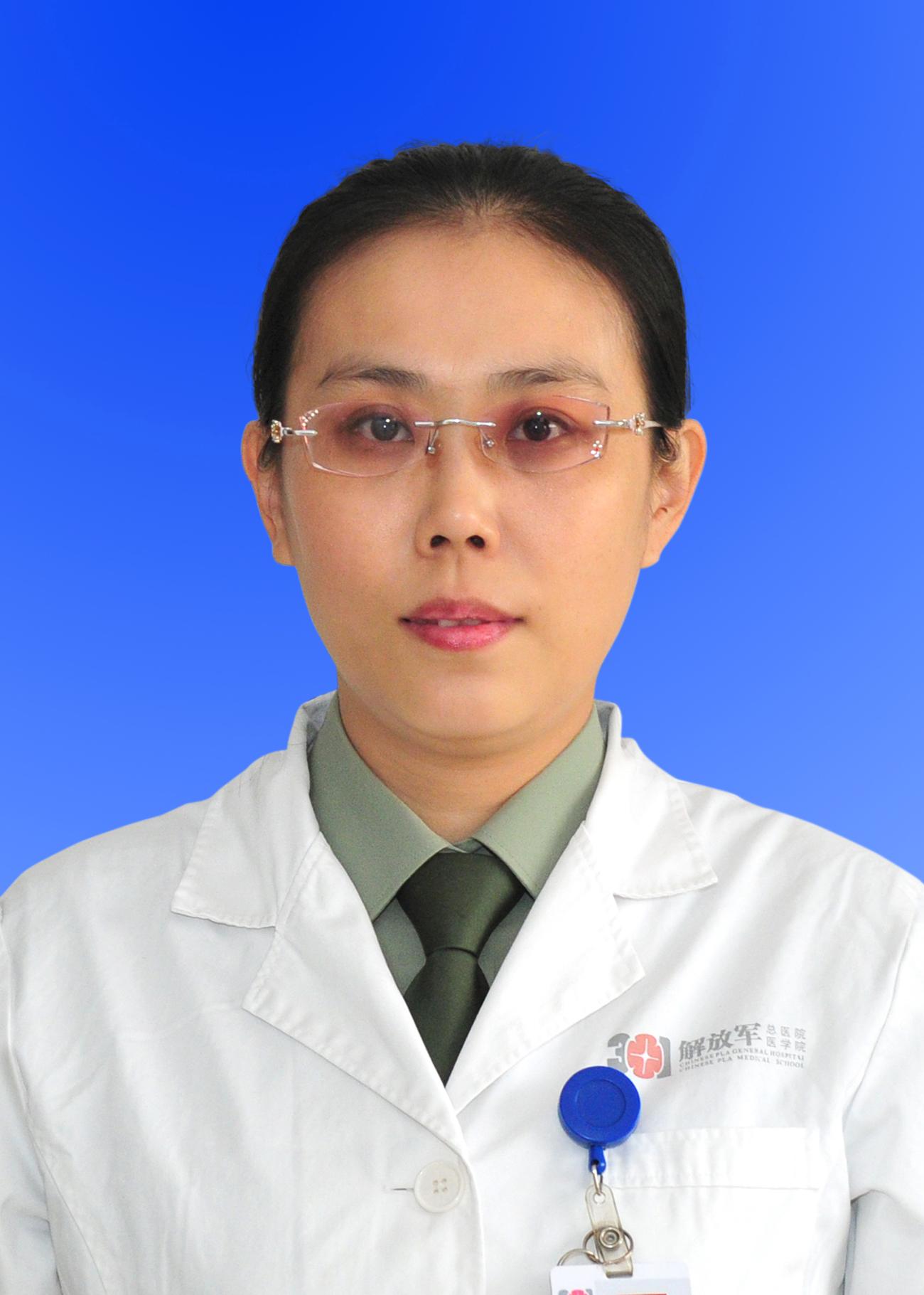 Yamei Wu (吴亚妹)合作论文数Fourth Medical Center of PLA General Hospital39
 Chunji Gao (高春记)合作论文数School of Medicine, NanKai University;Chinese People's Liberation Army General Hospital37Bei Yan (闫蓓)合作论文数37Zhouyang Liu (刘周阳)合作论文数First Affiliated Hospital, Chinese PLA General Hospital36
 Zhihong Wang (王志红)合作论文数Chinese People's Liberation Army General Hospital23Bei Liu (刘蓓)合作论文数20Yizhuo Zhang (张翼鷟)合作论文数20
 Quanshun Wang (王全顺)合作论文数Chinese PLA General Hospital19Jian Ma (马健)合作论文数17
 Honghua Li (李红华)合作论文数Chinese PLA General Hospital17XueLiang Yang (杨雪良)合作论文数13DanDan Zhao (赵丹丹)合作论文数13
 Xiaohong Li (李晓红)合作论文数Medical College, Tianjin University13Songwei Li (李松威)合作论文数13
 Wenrong Huang (黄文荣)合作论文数Chinese PLA General Hospital12Xiaoping Han (韩晓萍)合作论文数11ShuHong Wang (王书红)合作论文数9BoLong Zhang (张伯龙)合作论文数9Haifeng Zhao (赵海丰)合作论文数9Haitao Wang合作论文数8Ya-Hui Gao合作论文数8Jian Bao (薄剑)合作论文数7HaiJie Jin (靳海杰)合作论文数7Xia Bing合作论文数7
 Daihong Liu (刘代红)合作论文数School of Medicine, Nankai University;Chinese PLA General Hospital7
 Yu Zhao (赵瑜)合作论文数Chinese PLA General Hospital7Yafei Wang合作论文数6Tiantian Zhang (张甜甜)合作论文数6
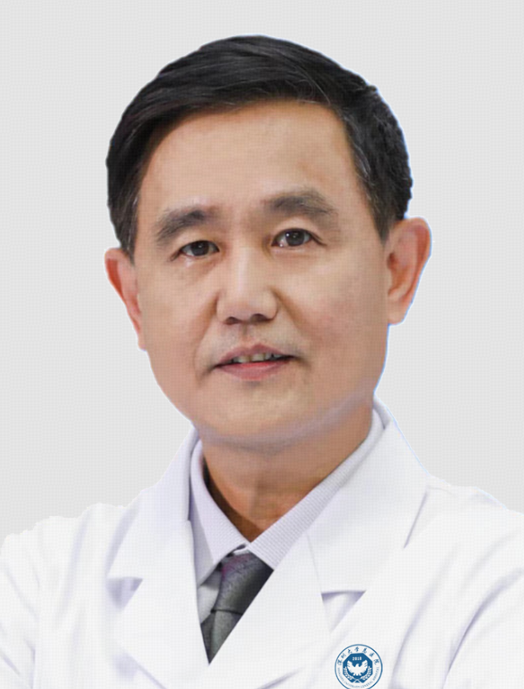 Li Yu (于力)合作论文数Shenzhen University General Hospital6Jian Bo (薄剑)合作论文数6
 Fangding Lou (楼方定)合作论文数Chinese PLA General Hospital6Li Wang (王丽)合作论文数5Hongqi YANG (杨红旗)合作论文数5
 Jingbo Wang (王静波)合作论文数北京航天中心医院5Yong Yu (于泳)合作论文数5
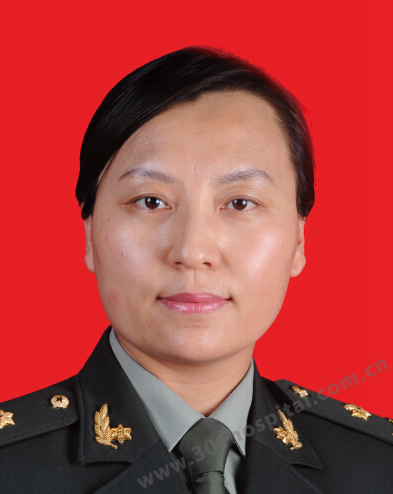 Suxia Li (李素霞)合作论文数Chinese People's Liberation Army General Hospital5Zhenyang Gu (谷振阳)合作论文数4Pei Yan合作论文数4zijiang shi (史子江)合作论文数4Weipeng Zhao合作论文数4Hongliang Yang合作论文数4Ya-Qian ZHANG (张雅茜)合作论文数4ShanQian Yao (姚善谦)合作论文数4




