Developing generalizable reasoning capabilities in multimodal large language models (MLLMs) remains challenging. Motivated by cognitive science literature suggesting that gameplay promotes transferable cognitive skills, we propose a novel post-training paradigm, Visual Game Learning, or ViGaL, where MLLMs develop out-of-domain generalization of multimodal reasoning through playing arcade-like games. Specifically, we show that post-training a 7B-parameter MLLM via reinforcement learning (RL) on simple arcade-like games, e.g. Snake, significantly enhances its downstream performance on multimodal math benchmarks like MathVista, and on multi-discipline questions like MMMU, without seeing any worked solutions, equations, or diagrams during RL, suggesting the capture of transferable reasoning skills. Remarkably, our model outperforms specialist models tuned on multimodal reasoning data in multimodal reasoning benchmarks, while preserving the base model's performance on general visual benchmarks, a challenge where specialist models often fall short. Our findings suggest a new post-training paradigm: synthetic, rule-based games can serve as controllable and scalable pre-text tasks that unlock generalizable multimodal reasoning abilities in MLLMs.
Reinforcement learning for agentic multimodal models often suffers from interaction collapse, where models learn to reduce tool usage and multi-turn reasoning, limiting the benefits of agentic behavior. We introduce PyVision-RL, a reinforcement learning framework for open-weight multimodal models that stabilizes training and sustains interaction. Our approach combines an oversampling–filtering–ranking rollout strategy with an accumulative tool reward to prevent collapse and encourage multi-turn tool use. Using a unified training pipeline, we develop PyVision-Image and PyVision-Video for image and video understanding. For video reasoning, PyVision-Video employs on-demand context construction, selectively sampling task-relevant frames during reasoning to significantly reduce visual token usage. Experiments show strong performance and improved efficiency, demonstrating that sustained interaction and on-demand visual processing are critical for scalable multimodal agents.
We introduce HypoExplore, an agentic framework that formulates neural architecture discovery for visual recognition as a hypothesis-driven scientific inquiry. Given a human-specified high-level research direction, HypoExplore ideates, implements, evaluates, and improves neural architectures through evolutionary branching. New hypotheses are created using a large language model by selecting a parent hypothesis to build upon, guided by a dual strategy that balances exploiting validated principles with resolving uncertain ones. Our proposed framework maintains a Trajectory Tree that records the lineage of all proposed architectures, and a Hypothesis Memory Bank that actively tracks confidence scores acquired through experimental evidence. After each experiment, multiple feedback agents analyze the results from different perspectives and consolidate their findings into hypothesis confidence updates. Our framework is tested on discovering lightweight vision architectures on CIFAR-10, with the best achieving 94.11
This talk surveys my research agenda on advancing general-purpose visual intelligence, moving AI beyond static recognition toward active reasoning and embodied action. A central challenge is enabling AI systems to generalize reliably in low-data and long-tail regimes. I address this by combining multimodal representation learning with agentic reasoning frameworks such as PyVision, which equips vision models to dynamically generate tools for deliberate problem-solving, and ViGaL, which leverages gameplay to instill transferable cognitive skills for reasoning under scarcity. These efforts chart a trajectory from representation and generation to interactive, embodied agents, re-imagining AI as an active collaborator capable of tool use, imagination, and purposeful engagement across both digital and physical environments.
The frontier of visual reasoning is shifting toward models like OpenAI o3, which can intelligently create and operate tools to transform images for problem-solving, also known as thinking-with-images in chain-of-thought. Yet existing benchmarks fail to fully capture this advanced capability. Even Visual Search, the most common benchmark for current thinking-with-images methods, tests only basic operations such as localization and cropping, offering little insight into more complex, dynamic, and tool-dependent reasoning. We introduce TIR-Bench, a comprehensive benchmark for evaluating agentic thinking-with-images across 13 diverse tasks, each requiring novel tool use for image processing and manipulation in chain-of-thought. We evaluate 22 multimodal large language models (MLLMs), from leading open-sourced and proprietary models to those with explicit tool-use augmentation. Results show that TIR-Bench is universally challenging, and strong performance requires genuine thinking-with-images capabilities. Finally, we present a pilot study comparing direct versus agentic fine-tuning.
This work introduces a unified formulation for vision models, where diverse forms of visual information beyond natural images, such as masks, depth maps, and other structured visual signals, are all represented as RGB images, while general visual tasks can be converted into a common RGB-to-RGB image editing problem. In this paradigm, different types of visual information internally share the same encoding and decoding architecture and parameters as natural images, enabling a single model to transfer across tasks through a unified visual interface, in a way analogous to how language models operate over text. We refer to this formulation as RGB In and RGB Out (RINO). Built upon a generic image editing backbone without task-specific fine-tuning, RINO demonstrates robust and competitive zero-shot performance on both dense understanding tasks such as segmentation and depth estimation (where we unify outputs as RGB), and dense-conditioned generation tasks such as pose-to-image generation (where we unify inputs as RGB). We hope this study provides useful insights toward general unified vision-language systems, where diverse visual tasks can be expressed, interpreted, and solved through a shared visual language. Code is available at https://github.com/yangtiming/RINO.
Multi-turn, multi-agent LLM game evaluations often exhibit substantial run-to-run variance. In long-horizon interactions, small early deviations compound across turns and are amplified by multi-agent coupling, biasing win rate estimates and destabilizing comparative rankings across repeated tournaments. Prompt choice exacerbates this by inducing different effective policies and interaction dynamics. We address both instability and underperformance in interactive games with MEMO (Memory-augmented Model context optimization), a self-play framework that treats inference-time context as an optimizable, agentic object by coupling retention and exploration. Retention maintains a persistent memory bank that distills self-play trajectories into structured insights, consolidates them via CRUD-style updates, and injects them as priors during subsequent play. Exploration performs tournament-style prompt evolution with uncertainty-aware selection via TrueSkill, and uses prioritized replay to revisit vital states for sample-efficient coverage. Across five text-based games, MEMO raises mean win rate from 24.9% → 49.5% for GPT-4o-mini and 21.7% → 44.3% for Qwen-2.5-7B-Instruct using a mere budget of 2000 self-play games per task; reducing run-to-run dispersion of end-to-end outcomes and yielding more reliable rankings under prompt stratification. These results suggest that substantial headroom in multi-agent LLM game performance and robustness can be unlocked, with MEMO achieving gains in negotiation games and imperfect-information settings, while RL remains more effective in perfect-information games. Anonymous project website available: https://79ac811fdcc9cd5679a2258a180589ef.github.io
We study outlier tokens in Diffusion Transformers (DiTs) for image generation. Prior work has shown that Vision Transformers (ViTs) can produce a small number of high-norm tokens that attract disproportionate attention while carrying limited local information, but their role in generative models remains underexplored. We show that this phenomenon appears in both the encoder and denoiser of modern Representation Autoencoder (RAE)-DiT pipelines: pretrained ViT encoders can produce outlier representations, and DiTs themselves can develop internal outlier tokens, especially in intermediate layers. Moreover, simply masking high-norm tokens does not improve performance, indicating that the problem is not only caused by a few extreme values, but is more closely related to corrupted local patch semantics. To address this issue, we introduce Dual-Stage Registers (DSR), a register-based intervention for both components: trained registers when available, recursive test-time registers otherwise, and diffusion registers for the denoiser. Across ImageNet and large-scale text-to-image generation, these interventions consistently reduce outlier artifacts and improve generation quality. Our results highlight outlier-token control as an important ingredient in building stronger DiTs.
LLMs are increasingly deployed as agents, systems capable of planning, reasoning, and dynamically calling external tools. However, in visual reasoning, prior approaches largely remain limited by predefined workflows and static toolsets. In this report, we present PyVision, an interactive, multi-turn framework that enables MLLMs to autonomously generate, execute, and refine Python-based tools tailored to the task at hand, unlocking flexible and interpretable problem-solving. We develop a taxonomy of the tools created by PyVision and analyze their usage across a diverse set of benchmarks. Quantitatively, PyVision achieves consistent performance gains, boosting GPT-4.1 by +7.8
Diffusion models have achieved remarkable success in low-light image enhancement through Retinex-based decomposition, yet their requirement for hundreds of iterative sampling steps severely limits practical deployment. While recent consistency models offer promising one-step generation for unconditional synthesis, their application to conditional enhancement remains unexplored. We present Consist-Retinex, the first framework adapting consistency modeling to Retinex-based low-light enhancement. Our key insight is that conditional enhancement requires fundamentally different training dynamics than unconditional generation standard consistency training focuses on low-noise regions near the data manifold, while conditional mapping critically depends on large-noise regimes that bridge degraded inputs to enhanced outputs. We introduce two core innovations: (1) a dual-objective consistency loss combining temporal consistency with ground-truth alignment under randomized time sampling, providing full-spectrum supervision for stable convergence; and (2) an adaptive noise-emphasized sampling strategy that prioritizes training on large-noise regions essential for one-step conditional generation. On VE-LOL-L, Consist-Retinex achieves state-of-the-art performance with single-step sampling (PSNR: 25.51 vs. 23.41, FID: 44.73 vs. 49.59 compared to Diff-Retinex++), while requiring only 1/8 of the training budget relative to the 1000-step Diff-Retinex baseline.
A data augmentation method based on multi-scale dense attention-enhanced (MDA) conditional generative adversarial network (CGAN) is proposed for generating high-quality samples, which aims to address the challenge of limited data acquisition in phase-sensitive optical time-domain reflectometry (ci'-OTDR). The raw data from the ci'-OTDR system can be transformed into visualized two-dimensional images to extract real disturbance data, with each disturbance type displaying distinguishable features in the generated images. The MDA U-Net is incorporated as the generator in the CGAN to produce samples for dataset expansion, where the dense convolutional block attention module is added to the skip connection to focus on the key information of events, and the single-layer output of U-Net is replaced with a multi-scale connection output for multi-layer feature fusion. The discriminator adopts a multi-scale convolution structure to enhance the discriminant ability. The multi-event recognition experiments for the fenced fiber optic demonstrate that the augmented dataset enables three testing classification models to achieve recognition accuracy above 97.93%.
We introduce Perception Encoder (PE), a family of state-of-the-art vision encoders for image and video understanding. Traditionally, vision encoders have relied on a variety of pretraining objectives, each excelling at different downstream tasks. Surprisingly, after scaling a carefully tuned image pretraining recipe and refining with a robust video data engine, we find that contrastive vision-language training alone can produce strong, general embeddings for all of these downstream tasks. There is only one caveat: these embeddings are hidden within the intermediate layers of the network. To draw them out, we introduce two alignment methods: language alignment for multimodal language modeling, and spatial alignment for dense prediction. Together, our PE family of models achieves state-of-the-art results on a wide variety of tasks, including zero-shot image and video classification and retrieval; document, image, and video Q&A; and spatial tasks such as detection, tracking, and depth estimation. We release our models, code, and novel dataset of synthetically and human-annotated videos: https://github.com/facebookresearch/perception_models
Organic reductive leaching of spent lithium-ion battery materials offers a promising way to recover valuable metals, while the subsequent extraction of valuable metals from the organic leachate is seldomly studied. Herein, a green and efficient approach based on co-precipitation and resin adsorption was proposed for selective recovering valuable metals from the organic leachate of spent LiNixCoyMn1-x-yO2 x Co y Mn 1-x-y O 2 (NCM). In the co-precipitation process, the precipitation efficiencies of Al, Fe, and Cu impurities reached 95.5 %, 92.4 %, and 88.2 %, respectively, while the losses of Li, Mn, Co, and Ni were only 3.5 %, 2.5 %, 2.1 %, and 2.2 %, respectively. Subsequently, selective separation of Me (Mn, Co, and Ni) and Li from the purified solution was achieved via D113 resin adsorption with a high separation factor ( beta Me/Li ) of 127, and the adsorption was an endothermic monolayer adsorption process controlled by chemical reactions. After elution with 2 M H2SO4, 2 SO 4 , the Ni/Co/Mnrich elute and Li-rich solution were utilized to synthesize the ternary precursors and Li2CO3, 2 CO 3 , respectively. The regenerated materials exhibited excellent crystallinity and purity available for the synthesis of NCM cathode materials. The proposed approach possesses the benefits of low-cost and significant separation performance, providing new insights for the sustainable development of spent NCM under the organic recycling system.
An effective reward model plays a pivotal role in reinforcement learning for post-training enhancement of visual generative models. However, current approaches of reward modeling suffer from implementation complexity due to their reliance on extensive human-annotated preference data or meticulously engineered quality dimensions that are often incomplete and engineering-intensive. Inspired by adversarial training in generative adversarial networks (GANs), this paper proposes GAN-RM, an efficient reward modeling framework that eliminates manual preference annotation and explicit quality dimension engineering. Our method trains the reward model through discrimination between a small set of representative, unpaired target samples(denoted as Preference Proxy Data) and model-generated ordinary outputs, requiring only a few hundred target samples. Comprehensive experiments demonstrate our GAN-RM's effectiveness across multiple key applications including test-time scaling implemented as Best-of-N sample filtering, post-training approaches like Supervised Fine-Tuning (SFT) and Direct Preference Optimization (DPO). Code and data will be released at https://github.com/Visualignment/GAN-RM.
Building state-of-the-art Vision-Language Models (VLMs) with strong captioning capabilities typically necessitates training on billions of high-quality image-text pairs, requiring millions of GPU hours. This paper introduces the Vision-Language-Vision (VLV) auto-encoder framework, which strategically leverages key pretrained components: a vision encoder, the decoder of a Text-to-Image (T2I) diffusion model, and subsequently, a Large Language Model (LLM). Specifically, we establish an information bottleneck by regularizing the language representation space, achieved through freezing the pretrained T2I diffusion decoder. Our VLV pipeline effectively distills knowledge from the text-conditioned diffusion model using continuous embeddings, demonstrating comprehensive semantic understanding via high-quality reconstructions. Furthermore, by fine-tuning a pretrained LLM to decode the intermediate language representations into detailed descriptions, we construct a state-of-the-art (SoTA) captioner comparable to leading models like GPT-4o and Gemini 2.0 Flash. Our method demonstrates exceptional cost-efficiency and significantly reduces data requirements; by primarily utilizing single-modal images for training and maximizing the utility of existing pretrained models (image encoder, T2I diffusion model, and LLM), it circumvents the need for massive paired image-text datasets, keeping the total training expenditure under $1,000 USD.
This paper introduces an efficient strategy to transform Large Language Models (LLMs) into Multi-Modal Large Language Models (MLLMs). By conceptualizing this transformation as a domain adaptation process, i.e., transitioning from text understanding to embracing multiple modalities, we intriguingly note that, within each attention block, tuning LayerNorm suffices to yield strong performance. Moreover, when benchmarked against other tuning approaches like full parameter finetuning or LoRA, its benefits on efficiency are substantial. For example, when compared to LoRA on a 13B model scale, performance can be enhanced by an average of over 20% across five multi-modal tasks, and meanwhile, results in a significant reduction of trainable parameters by 41.9% and a decrease in GPU memory usage by 17.6%. On top of this LayerNorm strategy, we showcase that selectively tuning only with conversational data can improve efficiency further. Beyond these empirical outcomes, we provide a comprehensive analysis to explore the role of LayerNorm in adapting LLMs to the multi-modal domain and improving the expressive power of the model.
This paper presents a simple and effective visual prompting method for adapting pre-trained models to downstream recognition tasks. Our approach is underpinned by two key designs. First, rather than directly adding together the prompt and the image, we treat the prompt as an extra and independent learnable entity. We show that the strategy of reconciling the prompt and the image matters, and find that warping the prompt around a properly shrinked image empirically works the best. Second, we re-introduce two “old tricks” commonly used in building transferable adversarial examples, i.e., input diversity and gradient normalization, into the realm of visual prompting. These techniques improve optimization and enable the prompt to generalize better. We provide extensive experimental results to demonstrate the effectiveness of our method. Using a CLIP model, our prompting method registers a new record of 82.5% average accuracy across 12 popular classification datasets, substantially surpassing the prior art by +5.2%. It is worth noting that such performance not only surpasses linear probing by +2.2%, but, in certain datasets, is on par with the results from fully fine-tuning. Additionally, our prompting method shows competitive performance across different data scales and against distribution shifts.
This paper provides an efficiency study of training Masked Autoencoders (MAE), a framework introduced by He et al. [13] for pre-training Vision Transformers (ViTs). Our results surprisingly reveal that MAE can learn at a faster speed and with fewer training samples while maintaining high performance. To accelerate its training, our changes are simple and straightforward: in the pre-training stage, we aggressively increase the masking ratio, decrease the number of training epochs, and reduce the decoder depth to lower the pre-training cost; in the fine-tuning stage, we demonstrate that layer-wise learning rate decay plays a vital role in unlocking the full potential of pre-trained models. Under this setup, we further verify the sample efficiency of MAE: training MAE is hardly affected even when using only 20% of the original training set. By combining these strategies, we are able to accelerate MAE pre-training by a factor of 82 or more, with little performance drop. For example, we are able to pre-train a ViT-B in similar to 9 hours using a single NVIDIA A100 GPU and achieve 82.9% top-1 accuracy on the downstream ImageNet classification task. Additionally, we also verify the speed acceleration on another MAE extension, SupMAE.
Tumor synthesis enables the creation of artificial tumors in medical images, facilitating the training of AI models for tumor detection and segmentation. However, success in tumor synthesis hinges on creating visually realistic tumors that are generalizable across multiple organs and, furthermore, the resulting AI models being capable of detecting real tumors in images sourced from different domains (e.g., hospitals). This paper made a progressive stride toward generalizable tumor synthesis by leveraging a critical observation: early-stage tumors (< 2cm) tend to have similar imaging characteristics in computed tomography (CT), whether they originate in the liver, pancreas, or kidneys. We have ascertained that generative AI models, e.g., Diffusion Models, can create realistic tumors generalized to a range of organs even when trained on a limited number of tumor examples from only one organ. Moreover, we have shown that AI models trained on these synthetic tumors can be generalized to detect and segment real tumors from CT volumes, encompassing a broad spectrum of patient demographics, imaging protocols, and healthcare facilities.
 Alan L. Yuille合作论文数Department of Cognitive Science, Krieger School of Arts & Sciences, Johns Hopkins University23
 Anmin Zheng (郑安民)合作论文数Innovation Academy for Precision Measurement Science and Technology, Chinese Academy of Sciences;Wuhan Institute of Physics and Mathematics, Chinese Academy of Sciences;University of Chinese Academy of Sciences14
 Cihang Xie合作论文数Vision · Learning · Assured Autonomy Lab, Department of Computer Science and Engineering, Baskin School of Engineering, University of California, Santa Cruz14
 Huiyu Wang合作论文数FAIR, Meta12
 Yuyin Zhou合作论文数University of California, Santa Cruz7
 Xianhang Li (李先航)合作论文数University of California, Santa Cruz5
 Feng-Shou Xiao (肖丰收)合作论文数School of Chemical and Biological Engineering, Zhejiang University;Department of Chemistry, Zhejiang University5
 Shichao Han合作论文数4
 Xianfeng Yi (易先锋)合作论文数University of Chinese Academy of Sciences;Innovation Academy for Precision Measurement Science and Technology, Chinese Academy of Sciences4
 Lilong Jiang合作论文数4
 Qinming Wu (吴勤明)合作论文数College of Chemical and Biological Engineering, Zhejiang University4
 Wei Shen (沈为)合作论文数Department of Computer Science and Engineering, Shanghai Jiao Tong University;Artificial Intelligence Institute, Shanghai Jiao Tong University;DeepVisionLab, Shanghai Jiao Tong University4Fujian Liu (刘福建)合作论文数College of Chemical Engineering, Fuzhou University4
 Zhiqiang Liu (刘志强)合作论文数Changchun Institute of Applied Chemistry, Chinese Academy of Sciences4
 Jianhua Su (苏建华)合作论文数School of Chemistry and Molecular Engineering, East China University of Science and Technology4
 Jieru Mei合作论文数The Johns Hopkins University4
 Jiaying Liu (刘家瑛)合作论文数Wangxuan Institute of Computer Technology, Peking University4
 Xiangju Meng (孟祥举)合作论文数Department of Chemistry, Zhejiang University4
 Christoph Feichtenhofer合作论文数Meta4
 Xun Kan合作论文数3Jinxing Mi合作论文数3Zeyu Wang合作论文数University of California, Santa Cruz3
 Yanhang Ma (马延航)合作论文数School of Physical Science and Technology, ShanghaiTech University3
 Kuan Huang (黄宽)合作论文数College of Chemical Engineering, Fuzhou University;National Engineering Research Center of Chemical Fertilizer Catalyst, Fuzhou University3
 Yanghao Li合作论文数OpenAI3
 Haoqi Fan合作论文数ByteDance Seed3
 Bernie Huang合作论文数Facebook AI Research3Huang Ling合作论文数3Zhiyun Zhang (张志云)合作论文数School of Chemistry and Molecular Engineering, East China University of Science and Technology3
 Kaipeng Zhang (张凯鹏)合作论文数Shanghai AI Laboratory3
 Junfei Xiao合作论文数Computational Cognition, Vision, and Learning Research Group, Johns Hopkins University3
 Yunfei Xie (谢云飞)合作论文数Department of Computer Science, Rice University2
 Wenjing Wang合作论文数2Zihao Wei合作论文数2
 Haoqin (Isaac) Tu (涂皓钦)合作论文数VLAA Lab, University of California Santa Cruz;The Computer Science and Engineering Department, Baskin School of Engineering, University of California Santa Cruz2
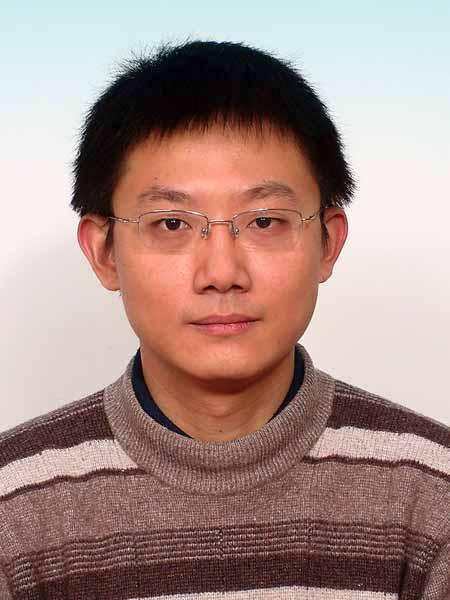 Chengbin Li (李承斌)合作论文数Innovation Academy for Precision Measurement Science and Technology, Chinese Academy of Sciences2Guiru Wang合作论文数2
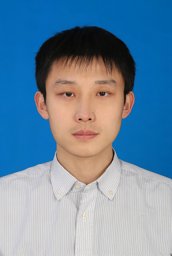 Guanqun Zhang (章冠群)合作论文数School of Physical Science and Technology, ShanghaiTech University2
 Bingchen Zhao合作论文数University of Edinburgh2Jia-Yin Zhang合作论文数2Xiaoping Chen合作论文数Natl Univ Singapore, Dept Chem, 3 Sci Dr 3, Singapore 117543, Singapore2
 Guangchao Li合作论文数2
 Daniel Bolya合作论文数Meta2
 Rama Chellappa合作论文数Department of Electrical and Computer Engineering, Whiting School of Engineering, Johns Hopkins University;Department of Electrical and Computer Engineering, A. James Clark School of Engineering, University of Maryland2
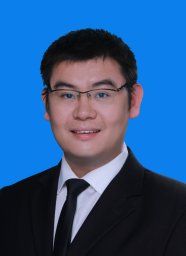 Chi Su (苏驰)合作论文数SmartMore Co., Ltd2
 Siyuan Qiao合作论文数Google Brain2
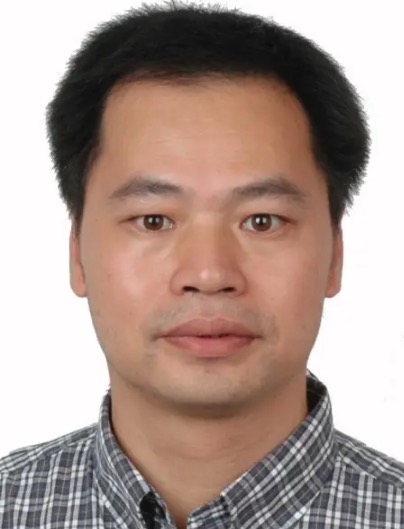 Chaorong Li (李超荣)合作论文数Department of Physics, School of Science, Zhejiang Sci Tech University2
 Chong Zheng合作论文数Department of Chemistry and Biochemistry, College of Liberal Arts and Sciences, Northern Illinois University2
 Kanggen Zhou (周康根)合作论文数Central South University2




