Purpose. Subvocalization, the low-grade activity of speech articulator muscles while thinking or reading, may mediate phonological representations of verbal material. However, no literature exists that directly measures whether intrinsic laryngeal muscles (ILMs) are active during subvocalization. The possibility of ILM activation during subvocalization has implications for establishing appropriate baselines when experimental Method. In two separate studies, forty-five cisgender women completed one or two silentsil tasks (two in the first study, Experiments 1a and 1b, and one in the second, Experiment 2). Fine wire electromyography was used to directly measure ILM activity during an at-rest baseline and silent tasks used to determine whether subvocalization occurred (referred to hereafter as "subvocalization tasks"). Other muscles were measured via surface electromyography: submental muscle in Experiments 1a and 1b, anterior tibialis in Experiment 2, and upper trapezius in all experiments. Results. Interrupted time-series analysis was used to directly measure changes in ILM activity from baseline to the subvocalization tasks. A paired two tailed t-test was used to measure mean differences in ILM activity across conditions for each participant. Some individuals displayed statistically significant increases from baseline during subvocalization tasks, whereas others displayed decreases. Cohen's d was used to calculate the effect size for each muscle across the three subvocalization conditions. Of the 21 muscles measured across three experiments, five yielded a small mean effect size, and the effect sizes for the remaining 16 muscles were negligible. At a group level, only the right cricothyroid showed statistically significant changes (Experiment 1b). Conclusion. The ILM responses during subvocalization vary in both magnitude and direction. Most but not all changes can be described as negligible. For future studies of ILM activity during conditions that involve linguistic processing, investigators should consider the idiosyncratic variation during subvocalization when determining the most appropriate baseline task.
Understanding how the brain recovers from unconsciousness can inform neurobiological theories of consciousness and guide clinical investigation. To address this question, we conducted a multicenter study of 60 healthy humans, half of whom received general anesthesia for 3 hr and half of whom served as awake controls. We administered a battery of neurocognitive tests and recorded electroencephalography to assess cortical dynamics. We hypothesized that recovery of consciousness and cognition is an extended process, with differential recovery of cognitive functions that would commence with return of responsiveness and end with return of executive function, mediated by prefrontal cortex. We found that, just prior to the recovery of consciousness, frontal-parietal dynamics returned to baseline. Consistent with our hypothesis, cognitive reconstitution after anesthesia evolved over time. Contrary to our hypothesis, executive function returned first. Early engagement of prefrontal cortex in recovery of consciousness and cognition is consistent with global neuronal workspace theory.
Purpose Laboratory stressors have been shown to impact the activity of the intrinsic laryngeal muscles (ILMs), which may be part of the final causal pathway in some stress-induced voice disorders. Previous research suggests that personality traits such as stress reaction might increase one's susceptibility to these problems. Also, the autonomic nervous system response is implicated in the pathogenesis of voice disorders putatively involving ILM hyperfunction. The purpose of this study was to investigate personality and autonomic nervous system predictors of ILM responses to stressor exposure. Method Thirty-seven physically and vocally healthy female adults completed a personality questionnaire and were subjected to a speech preparation task intended to induce stress. Fine wire electromyography of the ILMs was performed so that the activity of these muscles could be measured prior to and during the stressor. Participants' trait stress reaction was measured as a personality-based predictive variable, as was respiratory-corrected respiratory sinus arrhythmia, a putative measure of vagal outflow to the heart. Results The personality measure trait stress reaction uniquely predicted thyroarytenoid, trapezius, and tibialis activity, whereas respiratory sinus arrhythmia uniquely predicted the activity of all muscles studied. Differences were observed in the autonomic predictor variable as a function of whether or not effects of respiration were accounted for in the variable's calculation. Conclusions This study explores the potential mediating roles of personality and autonomic function in ILM activity during a stressor. Both variables have value in predicting ILM activity during stressor exposure.
Purpose:Research suggests that abnormal levels of intrinsic laryngeal muscle (ILM) contraction is a potential causal factor in stress-induced voice disorders. This study seeks to characterize the ILM stress response in a cohort of vocally healthy women.Method:The authors used an unblinded, nonrandomized, repeated-measures design. Forty vocally healthy female adults were subjected to a stressful speech preparation task. Measurements of heart rate, blood pressure, trapezius muscle (positive control) activation, and tibialis muscle (negative control) activation were obtained from 37 participants before and during stressor exposure, in a nonvoice and nonspeaking task paradigm, to confirm physiological stress response compared to baseline. Fine wire electromyography of the ILMs (posterior cricoarytenoid, thyroarytenoid/lateral cricoarytenoid muscle complex, and cricothyroid) was performed simultaneously so that the activity of these muscles could be measured prior to and during stressor exposure.Results:The protocol successfully elicited the typical and expected physiological stress responses. Findings supported the hypothesis that, in some individuals, the ILMs significantly increase in activity during stress reactions compared to baseline, as do the control muscles.Conclusions:This study characterizes ILM responses to psychological stress in vocally healthy participants. Some of the female adults in this study appeared to be "laryngeal stress responders," as evidenced by increased activity of the ILMs during a silent (i.e., nonvocal, nonspeech) speech preparation task that they considered to be stressful.
Objective. Brain–computer interface (BCI) technology aims to provide individuals with paralysis a means to restore function. Electrocorticography (ECoG) uses disc electrodes placed on either the surface of the dura or the cortex to record field potential activity. ECoG has been proposed as a viable neural recording modality for BCI systems, potentially providing stable, long-term recordings of cortical activity with high spatial and temporal resolution. Previously we have demonstrated that a subject with spinal cord injury (SCI) could control an ECoG-based BCI system with up to three degrees of freedom (Wang et al 2013 PLoS One). Here, we expand upon these findings by including brain-control results from two additional subjects with upper-limb paralysis due to amyotrophic lateral sclerosis and brachial plexus injury, and investigate the potential of motor and somatosensory cortical areas to enable BCI control. Approach. Individuals were implanted with high-density ECoG electrode grids over sensorimotor cortical areas for less than 30 d. Subjects were trained to control a BCI by employing a somatotopic control strategy where high-gamma activity from attempted arm and hand movements drove the velocity of a cursor. Main results. Participants were capable of generating robust cortical modulation that was differentiable across attempted arm and hand movements of their paralyzed limb. Furthermore, all subjects were capable of voluntarily modulating this activity to control movement of a computer cursor with up to three degrees of freedom using the somatotopic control strategy. Additionally, for those subjects with electrode coverage of somatosensory cortex, we found that somatosensory cortex was capable of supporting ECoG-based BCI control. Significance. These results demonstrate the feasibility of ECoG-based BCI systems for individuals with paralysis as well as highlight some of the key challenges that must be overcome before such systems are translated to the clinical realm. ClinicalTrials.gov Identifier: NCT01393444.
Brain ischemia causes irreversible damage to functional neurons in cases of infarct.Promoting endogenous neurogenesis to replace necrotic neurons is a promising therapeutic strategy for ischemia patients.The neuroprotective role of sevoflurane preconditioning implies that it might also enhance endogenous neurogenesis and functional restoration in the infarct region.By using a transient middle cerebral artery occlusion (tMCAO) model, we discovered that endogenous neurogenesis was enhanced by sevoflurane preconditioning.This enhancement process is characterized by the promotion of neuroblast proliferation within the subventricular zone (SVZ), migration and differentiation into neurons, and the presence of astrocytes and oligodendrocytes at the site of infarct.The newborn neurons in the sevoflurane preconditioning group showed miniature excitatory postsynaptic currents (mEPSCs), increased synaptophysin and PSD95 staining density, indicating normal neuronal function.Furthermore, longterm behavioral improvement was observed in the sevoflurane preconditioning group consistent with endogenous neurogenesis.Further histological analyses showed that sevoflurane preconditioning accelerated microglial activation, including migration, phagocytosis and secretion of brain-derived neurotrophic factor (BDNF).Intraperitoneal injection of minocycline, a microglial inhibitor, suppressed microglial activation and reversed neurogenesis.Our data showed that sevoflurane preconditioning promoted microglial activities, created a favorable microenvironment for endogenous neurogenesis and accelerated functional reconstruction in the infarct region.
Recent advancement in electrocorticography (ECoG)-based brain-computer interface technology has sparked a new interest in providing somatosensory feedback using ECoG electrodes, i.e., cortical surface electrodes. We conducted a 28-day study of cortical surface stimulation in an individual with arm paralysis due to brachial plexus injury to examine the sensation produced by electrical stimulation of the somatosensory cortex. A high-density ECoG grid was implanted over the somatosensory and motor cortices. Stimulation through cortical surface electrodes over the somatosensory cortex successfully elicited arm and hand sensations in our participant with chronic paralysis. There were three key findings. First, the intensity of perceived sensation increased monotonically with both pulse amplitude and pulse frequency. Second, changing pulse width changed the type of sensation based on qualitative description provided by the human participant. Third, the participant could distinguish between stimulation applied to two neighboring cortical surface electrodes, 4.5 mm center-to-center distance, for three out of seven electrode pairs tested. Taken together, we found that it was possible to modulate sensation intensity, sensation type, and evoke sensations across a range of locations from the fingers to the upper arm using different stimulation electrodes even in an individual with chronic impairment of somatosensory function. These three features are essential to provide effective somatosensory feedback for neuroprosthetic applications.
Semantic grounding is the process of relating meaning to symbols (e.g., words). It is the foundation for creating a representational symbolic system such as language. Semantic grounding for verb meaning is hypothesized to be achieved through two mechanisms: sensorimotor mapping, i.e., directly encoding the sensorimotor experiences the verb describes, and verb-category mapping, i.e., encoding the abstract category a verb belongs to. These two mechanisms were investigated by examining neuronal-level spike (i.e. neuronal action potential) activities from the motor, somatosensory and parietal areas in two human participants. Motor and a portion of somatosensory neurons were found to be involved in primarily sensorimotor mapping, while parietal and some somatosensory neurons were found to be involved in both sensorimotor and verb-category mapping. The time course of the spike activities and the selective tuning pattern of these neurons indicate that they belong to a large neural network used for semantic processing. This study is the first step towards understanding how words are processed by neurons.
Objective. Electrocorticography (ECoG), used as a neural recording modality for brain-machine interfaces (BMIs), potentially allows for field potentials to be recorded from the surface of the cerebral cortex for long durations without suffering the host-tissue reaction to the extent that it is common with intracortical microelectrodes. Though the stability of signals obtained from chronically implanted ECoG electrodes has begun receiving attention, to date little work has characterized the effects of long-term implantation of ECoG electrodes on underlying cortical tissue. Approach. We implanted and recorded from a high-density ECoG electrode grid subdurally over cortical motor areas of a Rhesus macaque for 666 d. Main results. Histological analysis revealed minimal damage to the cortex underneath the implant, though the grid itself was encapsulated in collagenous tissue. We observed macrophages and foreign body giant cells at the tissue-array interface, indicative of a stereotypical foreign body response. Despite this encapsulation, cortical modulation during reaching movements was observed more than 18 months post-implantation. Significance. These results suggest that ECoG may provide a means by which stable chronic cortical recordings can be obtained with comparatively little tissue damage, facilitating the development of clinically viable BMI systems.
Brain state decoding based on whole-head MEG has been extensively studied over the past decade. Recent MEG applications pose an emerging need of decoding brain states based on MEG signals originating from prespecified cortical regions. Toward this goal, we propose a novel region-of-interest-constrained discriminant analysis algorithm (RDA) in this paper. RDA integrates linear classification and beamspace transformation into a unified framework by formulating a constrained optimization problem. Our experimental results based on human subjects demonstrate that RDA can efficiently extract the discriminant pattern from prespecified cortical regions to accurately distinguish different brain states.
A brain-computer interface (BCI) system transforms neural activity into control signals for external devices in real time. A BCI user needs to learn to generate specific cortical activity patterns to control external devices effectively. We call this process BCI learning, and it often requires significant effort and time. Therefore, it is important to study this process and develop novel and efficient approaches to accelerate BCI learning. This article reviews major approaches that have been used for BCI learning, including computer-assisted learning, co-adaptive learning, operant conditioning, and sensory feedback. We focus on BCIs based on electrocorticography and intracortical microelectrode arrays for restoring motor function. This article also explores the possibility of brain modulation techniques in promoting BCI learning, such as electrical cortical stimulation, transcranial magnetic stimulation, and optogenetics. Furthermore, as proposed by recent BCI studies, we suggest that BCI learning is in many ways analogous to motor and cognitive skill learning, and therefore skill learning should be a useful metaphor to model BCI learning.
The aim of this study was to design a simple,economic,with high Common Mode Rejection Ratio(CMRR),preamplifier and multi-channel masticatory muscle surface electromyography(sEMG)signal acquisition system assisting to diagnose temporomandibular disorders(TMD).We used the USB interface technology in the EMG data with the aid of the windows to operate system and graphical interface.Eight patients with TMD and eight controls were analyzed separately using this system.In this system,we analyzed sEMG by an optional combination of time domain,frequency domain,time-frequency,several spectral analysis,wavelets and other special algorithms under multi-parameter.Multi-channel sEMG System of Masticatory Muscles is a simple,economic system.It has high sensitivity and specificity.The sEMG signals were changed in patients with TMD.The system would pave the way for diagnosis TMD and help us to assess the treatment effect.A novel and objective method is provided for diagnosis and treatment of oral-maxillofacial disease and functional reconstruction.
Humans’ ability to rapidly and accurately detect, identify and classify faces under variable conditions derives from a network of brain regions highly tuned to face information. The fusiform face area (FFA) is thought to be a computational hub for face processing; however, temporal dynamics of face information processing in FFA remains unclear. Here we use multivariate pattern classification to decode the temporal dynamics of expression-invariant face information processing using electrodes placed directly on FFA in humans. Early FFA activity (50–75 ms) contained information regarding whether participants were viewing a face. Activity between 200 and 500 ms contained expression-invariant information about which of 70 faces participants were viewing along with the individual differences in facial features and their configurations. Long-lasting (500+ms) broadband gamma frequency activity predicted task performance. These results elucidate the dynamic computational role FFA plays in multiple face processing stages and indicate what information is used in performing these visual analyses. The human fusiform face area (FFA) plays a major role in face recognition. Ghuman et al.study the temporal dynamics of face information processing in the FFA and establish the timecourse of information processing as well as the processing stages that FFA contributes to when a face is first viewed.
This paper presents a method for filtering sinusoidal noise with a variable bandwidth filter that is capable of tracking a sinusoid's drifting frequency. The method, which is based on the adaptive noise canceling (ANC) technique, will be referred to here as the adaptive sinusoid canceler (ASC). The ASC eliminates sinusoidal contamination by tracking its frequency and achieving a narrower bandwidth than typical notch filters. The detected frequency is used to digitally generate an internal reference instead of relying on an external one as ANC filters typically do. The filter's bandwidth adjusts to achieve faster and more accurate convergence. In this paper, the focus of the discussion and the data is physiological signals, specifically electrocorticographic (ECoG) neural data contaminated with power line noise, but the presented technique could be applicable to other recordings as well. On simulated data, the ASC was able to reliably track the noise's frequency, properly adjust its bandwidth, and outperform comparative methods including standard notch filters and an adaptive line enhancer. These results were reinforced by visual results obtained from real ECoG data. The ASC showed that it could be an effective method for increasing signal to noise ratio in the presence of drifting sinusoidal noise, which is of significant interest for biomedical applications.
After spinal cord injury (SCI), motor commands from the brain are unable to reach peripheral nerves and muscles below the level of the lesion. Action observation, in which a person observes someone else performing an action, has been used to augment traditional rehabilitation paradigms. Similarly, action observation can be used to derive the relationship between brain activity and movement kinematics for a motor-based brain-computer interface (BCI) even when the user cannot generate overt movements. BCIs use brain signals to control external devices to replace functions that have been lost due to SCI or other motor impairment. Previous studies have reported congruent motor cortical activity during observed and overt movements using magnetoencephalography (MEG) and functional magnetic resonance imaging (fMRI). Recent single-unit studies using intracortical microelectrodes also demonstrated that a large number of motor cortical neurons had similar firing rate patterns between overt and observed movements. Given the increasing interest in electrocorticography (ECoG)-based BCIs, our goal was to identify whether action observation-related cortical activity could be recorded using ECoG during grasping tasks. Specifically, we aimed to identify congruent neural activity during observed and executed movements in both the sensorimotor rhythm (10-40 Hz) and the high-gamma band (65-115 Hz) which contains significant movement-related information. We observed significant motor-related high-gamma band activity during action observation in both able-bodied individuals and one participant with a complete C4 SCI. Furthermore, in able-bodied participants, both the low and high frequency bands demonstrated congruent activity between action execution and observation. Our results suggest that action observation could be an effective and critical procedure for deriving the mapping from ECoG signals to intended movement for an ECoG-based BCI system for individuals with paralysis.
Primary motor-cortex multi-unit activity (MUA) and local-field potentials (LFPs) have both been suggested as potential control signals for brain-computer interfaces (BCIs) aimed at movement restoration. Some studies report that LFP-based decoding is comparable to spiking-based decoding, while others offer contradicting evidence. Differences in experimental paradigms, tuning models and decoding techniques make it hard to directly compare these results. Here, we use regression and mutual information analyses to study how MUA and LFP encode various kinematic parameters during reaching movements. We find that in addition to previously reported directional tuning, MUA also contains prominent speed tuning. LFP activity in low-frequency bands (15-40Hz, LFPL) is primarily speed tuned, and contains more speed information than both high-frequency LFP (100-300Hz, LFPH) and MUA. LFPH contains more directional information compared to LFPL, but less information when compared with MUA. Our results suggest that a velocity and speed encoding model is most appropriate for both MUA and LFPH, whereas a speed only encoding model is adequate for LFPL.
Objectives/HypothesisTo determine whether the intrinsic laryngeal muscles exhibit a response to induced autonomic nervous system (ANS) activation, and to characterize responses that may occur.Study DesignProspective within-subjects study.MethodsA cold pressor (CP) task was used to trigger a whole-body ANS response in eight vocally normal adult females. Surface electromyography of the trapezius muscle and bipolar hook-wire electromyography of intrinsic laryngeal muscles, as well as cardiovascular measures of heart rate (HR) and blood pressure (systolic [SBP] and diastolic [DBP]), were used to characterize participants' response to CP exposure compared to at-rest baseline.ResultsCardiovascular response to the CP task was confirmed for subjects via HR or blood pressure measures. Post hoc Bonferroni analysis confirmed statistically significant increases in HR (P=.027), SBP (P<.001), and DBP (P<.001) during the CP task as compared to baseline. Concurrent increases in muscle activity were generally observed in trapezius, posterior cricoarytenoid, bilateral thyroarytenoid/lateral cricoarytenoid muscle complex, and bilateral cricothyroid muscles for each subject. Three individuals elected to repeat the CP task and displayed the same pattern of laryngeal response as observed in their first exposure. Results for repeated baseline measures obtained after the cessation of the CP task were compared to pre-CP baseline. Overall laryngeal activation remained even after the cardiovascular response was attenuated.ConclusionsResults are consistent with the suggestion that human laryngeal muscles exhibit an elevated level of activation concurrent with ANS activation, and endorse the putative link between laryngeal muscle tension and acute stress. Findings are replicable within a subset of three individuals.Level of Evidence4. Laryngoscope, 123:2756-2765, 2013
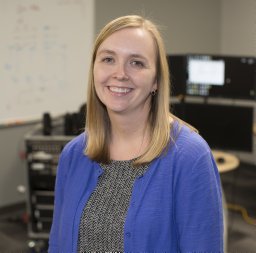 Jennifer L. Collinger合作论文数Human Engineering Research Laboratories, University of Pittsburgh24
 Douglas J. Weber合作论文数NeuroMechatronics Lab, Department of Mechanical Engineering, College of Engineering, Carnegie Mellon University;Department of Biomedical Engineering, College of Engineering, Carnegie Mellon University;Neuroscience Institute, Carnegie Mellon University;Reach Neuro, Inc23
 Elizabeth Tyler-Kabara合作论文数Department of Neurosurgery, Dell Medical School, The University of Texas at Austin;TK Group16
 Degenhart Alan D合作论文数Department of Bioengineering, University of Pittsburgh Pittsburgh15
 Michael Boninger合作论文数Department of Physical Medicine & Rehabilitation, School of Medicine, University of Pittsburgh15
 Gustavo Sudre合作论文数Program in Neural Computation, Carnegie Mellon University10
 John W. Kelly合作论文数9
 Brian Wodlinger合作论文数6
 Stephen Foldes合作论文数Department of Biomedical Engineering, Case Western Reserve University6
 Ramana Vinjamuri合作论文数ECE Department, Villanova University6
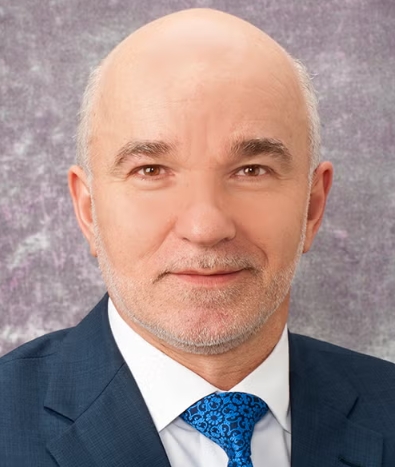 Anto Bagić合作论文数Epilepsy Division, Department of Neurology, School of Medicine, University of Pittsburgh6
 Robin C Ashmore合作论文数5
 Daniel P. Siewiorek合作论文数Computer Science Department, Carnegie Mellon University;Institute for Software Research, School of Computer Science, Carnegie Mellon University;Human-Computer Interaction Institute, Carnegie Mellon University5
 Andrew B. Schwartz合作论文数McGowan Institute for Regenerative Medicine, University of Pittsburgh5
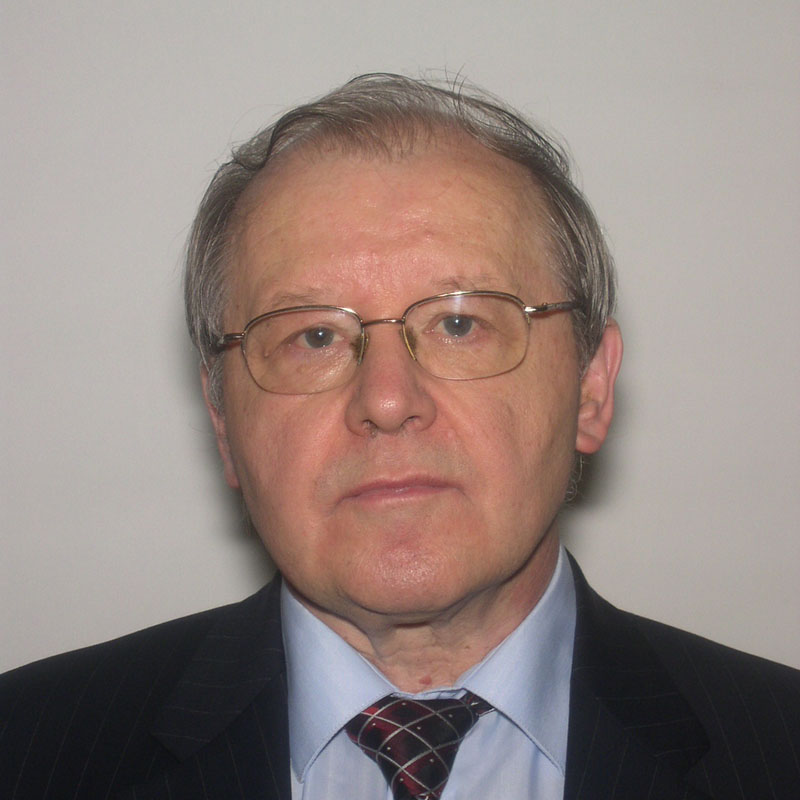 Asim Smailagic合作论文数Department of Electrical & Computer Engineering, Carnegie Mellon University5
 Daniel Moran合作论文数Division of Biology & Biomedical Sciences, Washington University in St. Louis;Division of Neurotechnology, Washington University in St. Louis;McKelvey School of Engineering, Washington University in St. Louis;Department of Biomedical Engineering, Washington University in St. Louis5
 Leah B Helou合作论文数Department of Communication Science and Disorders, University of Pittsburgh4Verdolini Abbott Katherine合作论文数4
 Xin Li合作论文数Pierre R. Lamond Department of Electrical and Computer Engineering, Pratt School of Engineering, Duke University4Clark A. Rosen合作论文数4
 Jinyin Zhang合作论文数4
 Yang Xu合作论文数3
 Dustin Allen Heldman合作论文数3
 Ying Yang合作论文数3
 Shivayogi Hiremath合作论文数Human Engineering Research Laboratories, Department of Veterans Affairs, Pittsburgh, PA, USA.3
 Chan Sherwin S合作论文数Department of Radiology, Children's Mercy Hospital and Clinics3
 Xinyan Tracy Cui合作论文数Department of Bioengineering, Swanson School of Engineering, University of Pittsburgh;McGowan Institute for Regenerative Medicine, University of Pittsburgh3
 Meel Velliste合作论文数3
 Angus McMorland合作论文数The National Institute for Health Innovation, School of Population Health, Faculty of Medical and Health Sciences, The University of Auckland3
 Robert E. (Rob) Kass合作论文数Department of Statistics & Data Science, Dietrich College of Humanities and Social Sciences, Carnegie Mellon University;Machine Learning Department, Carnegie Mellon University;Neuroscience Institute, Carnegie Mellon University3
 Aaron Batista合作论文数Department of Bioengineering, University of Pittsburgh;Center for Neuroscience, University of Pittsburgh3Doug J. Weber合作论文数2Monica A Perez合作论文数Department of Physical Medicine & Rehabilitation, Feinberg School of Medicine, Northwestern University2
 George A. Mashour合作论文数Michigan Neuroscience Institute, University of Michigan2
 Max B. Kelz合作论文数Department of Anesthesiology and Critical Care, Perelman School of Medicine, University of Pennsylvania2
 John E. Downey合作论文数F. M. Kirby Research Center for Functional Brain Imaging, Kennedy Krieger Institute;F. M. Kirby Research Center for Functional Brain Imaging, Kennedy Krieger Institute2
 Mathias Basner合作论文数Department of Psychiatry, Perelman School of Medicine, University of Pennsylvania2
 Gaunt Robert A合作论文数2
 Dicianno Brad E合作论文数Dept Phys Med & Rehabil, Univ Pittsburgh2Smalianchuk Ivan合作论文数University of Pittsburgh2Endler Bridget M合作论文数2
 Leonardo G. Cohen合作论文数Human Cortical Physiology and Neurorehabilitation Section, National Institute of Neursiogial Diserders and Stroke, National Institutes of Health2
 Weidong Chen (陈卫东)合作论文数Qiushi Academy for Advanced Studies, Zhejiang University;Institute of Brain-machine Interface, Zhejiang University2
 Michael Avidan合作论文数Division of Education, Department of Anesthesiology, School of Medicine, Washington University in St. Louis;Institute of Clinical and Translational Sciences, School of Medicine, Washington University in St. Louis;Roy and Diana Vagelos Division of Biology & Biomedical Sciences, School of Medicine, Washington University in St. Louis2
 Ben Julian Agustin Palanca合作论文数Sleepy Brain Lab, Department of Anesthesiology, School of Medicine, Washington University2
 Niels Birbaumer (尼尔斯拜尔博姆)合作论文数University Tubingen2Steven W. Brose合作论文数2Nicholas G. Hatsopoulos合作论文数2
 David Brienza合作论文数Department of Rehabilitation Science and Technology, School of Health and Rehabilitation Sciences, University of Pittsburgh;Department of Bioengineering, University of Pittsburgh;McGowan Institute for Regenerative Medicine, University of Pittsburgh2




