The proposed framework represents the first tool to compile a quantum circuit across photonic-connected distributed quantum processors. Its design follows a divide-and-conquer paradigm for circuit partitioning, transpilation, and assembly, producing simulable and implementable circuit layouts.
Quantum computing has significantly advanced in recent years, boasting devices with hundreds of quantum bits (qubits), hinting at its potential quantum advantage over classical computing. Yet, noise in quantum devices poses significant barriers to realizing this supremacy. Understanding noise's impact is crucial for reproducibility and application reuse; moreover, the next-generation quantum-centric supercomputing essentially requires efficient and accurate noise characterization to support system management (e.g., job scheduling), where ensuring correct functional performance (i.e., fidelity) of jobs on available quantum devices can even be higher-priority than traditional objectives. However, noise fluctuates over time, even on the same quantum device, which makes predicting the computational bounds for on-the-fly noise is vital. Noisy quantum simulation can offer insights but faces efficiency and scalability issues. In this work, we propose a data-driven workflow, namely, QuBound, to predict computational performance bounds. It decomposes historical performance traces to isolate noise sources and devises a novel encoder to embed circuit and noise information processed by a long short-term memory (LSTM) network. For evaluation, we compare QuBound with a state-of-the-art learning-based predictor, which only generates a single performance value instead of a bound. Experimental results show that the result of the existing approach falls outside of performance bounds, while all predictions from our QuBound with the assistance of performance decomposition better fit the bounds. Moreover, QuBound can efficiently produce practical bounds for various circuits with over $10<^>{6}$ speedup over simulation; in addition, the range from QuBound is over $10\times $ narrower than the state-of-the-art analytical approach.
SimDisQ-Layout is the very first tool to automatically compile a quantum circuit across photonic-connected distributed quantum processors. Its design follows a divide-and-conquer paradigm for circuit partitioning, transpilation, and assembly, producing simulatable and implementable circuit layouts.
Quantum computing has made substantial progress in recent years; however, its scalability remains constrained on a monolithic quantum processing unit (QPU). Distributed quantum computing (DQC) offers a pathway by coordinating multiple QPUs to execute large-scale circuits. Yet, DQC still faces practical barriers, as its realization depends on advances in hardware-level components such as quantum transducers and high-fidelity entanglement-distribution modules. While these technologies continue to improve, mature DQC platforms remain unavailable. In the meantime, researchers need to assess the benefits of DQC and evaluate emerging DQC designs, but the software ecosystem lacks a circuit-level simulator that models heterogeneous backends, noisy connections, and distributed execution. To fill this gap, this paper proposes SimDisQ, the first end-to-end circuit-level DQC simulator, composed of a set of novel DQC-oriented automated simulation toolkits and communication noise models that can interoperate with existing toolkits in mainstream quantum software ecosystems. Leveraging circuit-level simulation capabilities, SimDisQ enables quantitative exploration of architectural design trade-offs, communication fidelity constraints, and new circuit optimization challenges introduced by DQC, providing a foundation for future research in this promising direction. Benchmarking experiments using SimDisQ respond to a couple of open questions in the community; for example, noisy simulation of superconducting and trapped-ion qubits, with a reasonable entanglement- distribution fidelity, reveal that heterogeneous QPUs can indeed yield higher execution fidelity.
Barren plateaus (BP), characterized by exponentially vanishing gradients that hinder the training of variational quantum circuits (VQC), present a pervasive and critical challenge in applying variational quantum algorithms to real-world applications. It is widely recognized that the BP problem becomes more pronounced with an increase in the number of parameters. This work demonstrates that the BP problem manifests at different scales depending on the specific application, highlighting the absence of a universal VQC ansatz capable of resolving the BP issue across all applications. Consequently, there is an imminent need for an automated tool to design and optimize VQC architectures tailored to specific applications. To close the gap, this paper takes Variational Quantum Eigensolvers (VQEs) as a vehicle, and we propose a novel quantum circuit parameter and architecture co-exploration framework, namely AntiBP. Experimental results demonstrate that AntiBP effectively avoids the BP issue for circuits that are not under-parameterized in noise-free environments. Furthermore, AntiBP significantly outperforms baseline VQEs in noisy environments.
Protein structure prediction is a core challenge in computational biology, particularly for fragments within ligand-binding regions, where accurate modeling is still difficult. Quantum computing offers a novel first-principles modeling paradigm, but its application is currently limited by hardware constraints, high computational cost, and the lack of a standardized benchmarking dataset. In this work, we present QDockBank-the first large-scale protein fragment structure dataset generated entirely using utility-level quantum computers, specifically designed for protein-ligand docking tasks. QDockBank comprises 55 protein fragments extracted from ligand-binding pockets. The dataset was generated through tens of hours of execution on superconducting quantum processors, making it the first quantum-based protein structure dataset with a total computational cost exceeding one million USD. Experimental evaluations demonstrate that structures predicted by QDockBank outperform those predicted by AlphaFold2 and AlphaFold3 in terms of both RMSD and docking affinity scores. QDockBank serves as a new benchmark for evaluating quantum-based protein structure prediction.
Increasing evidence suggests quantum computing (QC) complements traditional High-Performance Computing (HPC) by leveraging its unique capabilities, leading to the emergence of a new, hybrid paradigm, QHPC. However, this integration introduces new challenges, with dependability–defined by reproducibility, resiliency, and security and privacy–emerging as a central concern for building trustworthy systems that provide an advantage to the users. This paper proposes a framework for dependable QHPC system design, organized around these three pillars. We identify integration challenges, anticipate roadblocks, and highlight productive synergies across QC, HPC, cloud platforms, and network security. Drawing from both classical computing principles and quantum-specific insights, we present a roadmap for co-design that supports robust hybrid architectures. Our approach offers concrete metrics for assessing dependability, provides design guidance for engineers working at the QC-HPC interface, and surfaces new engineering questions around complexity, scale, and fault tolerance. Ultimately, designing for dependability is key to realizing practical, scalable QHPC systems and accelerating the broader quantum ecosystem capable of translating quantum promises into actual application delivery.
Variational quantum algorithms provide a direct, physics-based approach to protein structure prediction, but their accuracy is limited by the coarse resolution of the energy landscapes generated on current noisy devices. We propose a hybrid framework that combines quantum computation with deep learning, formulating structure prediction as a problem of energy fusion. Candidate conformations are obtained through the Variational Quantum Eigensolver (VQE) executed on IBM's 127-qubit superconducting processor, which defines a global yet low-resolution quantum energy surface. To refine these basins, secondary structure probabilities and dihedral angle distributions predicted by the NSP3 neural network are incorporated as statistical potentials. These additional terms sharpen the valleys of the quantum landscape, resulting in a fused energy function that enhances effective resolution and better distinguishes native-like structures. Evaluation on 375 conformations from 75 protein fragments shows consistent improvements over AlphaFold3, ColabFold, and quantum-only predictions, achieving a mean RMSD of 4.9 Å with statistical significance (p < 0.001). The findings demonstrate that energy fusion offers a systematic method for combining data-driven models with quantum algorithms, improving the practical applicability of near-term quantum computing to molecular and structural biology.
Accurate prediction of protein active-site structures remains a central challenge in structural biology, especially for short and flexible peptide fragments where conventional and simulation-based methods often fail. Here, we present a quantum computing framework designed for utility-level quantum processors to address this problem. Starting from an amino acid sequence, we cast structure prediction as a ground-state energy minimization task using the Variational Quantum Eigensolver (VQE). Amino acid connectivity is represented on a tetrahedral lattice, and steric, geometric, and chirality constraints are encoded into a problem-specific Hamiltonian expressed as sparse Pauli operators. A two-stage architecture separates energy estimation from measurement decoding, enabling noise mitigation under realistic device conditions. We evaluate the method on 23 real protein fragments from the PDBbind dataset and 7 fragments from therapeutically relevant proteins, executing all experiments on the IBM-Cleveland Clinic quantum processor. Structural predictions are benchmarked against AlphaFold3 (AF3) and classical simulation-based approaches using identical postprocessing and docking procedures. Our quantum framework outperforms both AF3 and classical baselines in Root-Mean-Square Deviation (RMSD) and docking efficacy, demonstrating a practical end-to-end pipeline for biologically relevant structure prediction on real quantum hardware and highlighting its engineering feasibility for near-term quantum devices.
Full-wave inversion (FWI), as a fundamental scientific approach to deducing unknown or unobservable subsurface properties, holds significant value in geophysics applications. Traditional FWI methods rely on physics-driven approaches that demand substantial computational resources. Recently, with the breakthroughs in machine learning (ML) and the prevalence of AI for science, data-driven approaches have been applied to FWI, showing promising results. However, as these applications often necessitate deployment in diverse regions with remote and extreme environments, localization of ML models on edge devices becomes imperative. A promising approach involves leveraging Generative AI models and governing wave equations to generate paired training data, including geophysical measurements (i.e., seismic waveform) as data and corresponding velocity maps as labels for model fine-tuning. However, the limited resources on edge devices pose significant challenges to achieving high software efficiency and low latency. In this paper, we present a toolkit, namely DiGiT, a di ffusion-based modular g eophys i cal t oolkit platform. One key component is a library of decomposed modules from the widely used geophysical designs. Benefiting from the flexibility of combining modules, we composite a toolkit for the generation of on-device diffusion-based paired geophysical training data. The toolkit includes a 1-in-2-out network structure and diffusion model distillation, both of which can significantly reduce the computational time. Experiments on the OpenFWI dataset show that the DiGiT toolkit can generate paired seismic waveform and velocity map in seconds, which is over 100 × speedup compared with the sequential execution of the diffusion model and the wave equation-based forward modeling.
With the progression into the quantum utility era, computing is shifting toward quantum-centric architectures, where multiple quantum processors collaborate with classical computing resources. Platforms such as IBM Quantum and Amazon Braket exemplify this trend, enabling access to diverse quantum backends. However, efficient resource management remains a challenge, as quantum processors are highly susceptible to noise, which significantly impacts computation fidelity. Additionally, the heterogeneous noise characteristics across different processors add further complexity to scheduling and resource allocation. Existing scheduling strategies typically focus on mapping and scheduling jobs to these heterogeneous backends, which leads to some jobs suffering extremely low fidelity. Targeting quantum optimization jobs (e.g., VQC, VQE, QAOA) - among the most promising quantum applications in the NISQ era - we hypothesize that executing the later stages of a job on a high-fidelity quantum processor can significantly improve overall fidelity. To verify this, we use VQE as a case study and develop a Genetic Algorithm-based scheduling framework that incorporates job splitting to optimize fidelity and throughput. Experimental results demonstrate that our approach consistently maintains high fidelity across all jobs while significantly enhancing system throughput. Furthermore, the proposed algorithm exhibits excellent scalability in handling an increasing number of quantum processors and larger workloads, making it a robust and practical solution for emerging quantum computing platforms. To further substantiate its effectiveness, we conduct experiments on a real quantum processor, IBM Strasbourg, which confirm that job splitting improves fidelity and reduces the number of iterations required for convergence.
Full Waveform Inversion (FWI) is a technique used to visualize and analyze wave propagation through a medium in order to infer its physical properties. This method relies on computational models and algorithms to simulate and interpret the behavior of waves—such as sound, electromagnetic, or seismic waves—as they travel through different materials. By analyzing how these waves are reflected, refracted, or absorbed by the medium, FWI can provide detailed information about the medium’s internal structure, composition, and physical properties, such as density, elasticity, or internal defects. The traditional process typically involves: 1) Wave Simulation: Using physics-based models to simulate how waves propagate through a medium. This may involve solving complex differential equations that describe wave behavior in different contexts. 2) Data Acquisition: Collecting data on wave interactions with the medium using sensors or other measurement devices. This could include data on wave speed, direction, amplitude, and phase changes. 3) Image Reconstruction: Applying computational techniques, such as inverse problems or tomographic reconstruction, to create images or maps of the medium based on the acquired wave data. 4) Analysis: Interpreting the reconstructed images to deduce the physical properties of the medium. This can involve identifying features like boundaries, interfaces, or anomalies within the medium.
Existing pruning techniques for large language models (LLMs) targeting domain-specific applications typically follow a two-stage process: pruning the pretrained general-purpose LLMs and then fine-tuning the pruned LLMs on specific domains. However, the pruning decisions, derived from the pretrained weights, remain unchanged during fine-tuning, even if the weights have been updated. Therefore, such a combination of the pruning decisions and the finetuned weights may be suboptimal, leading to non-negligible performance degradation. To address these limitations, we propose ATP: All-in-One Tuning and Structural Pruning, a unified one-stage structural pruning and fine-tuning approach that dynamically identifies the current optimal substructure throughout the fine-tuning phase via a trainable pruning decision generator. Moreover, given the limited available data for domain-specific applications, Low-Rank Adaptation (LoRA) becomes a common technique to fine-tune the LLMs. In ATP, we introduce LoRA-aware forward and sparsity regularization to ensure that the substructures corresponding to the learned pruning decisions can be directly removed after the ATP process. ATP outperforms the state-of-the-art two-stage pruning methods on tasks in the legal and healthcare domains. More specifically, ATP recovers up to 88 when pruning 40
Neural networks are now routinely used for perception processing in autonomous systems. Often, these neural networks are used to estimate the state of the system, such as distance and velocity of the car in front, that is used in downstream control tasks. While significant advances in neural architecture search and sizing have been made towards improving inference quality, they do not take into account the effect of these improvements in the performance of the overall system. In this paper, we examine a setup where multiple neural networks for estimating various state components of the same system share the same graphics processing unit (GPU) — a limited computational resource. We address the problem of optimal resource allocation for each neural network, e.g., how to suitably size these networks, while improving the overall performance — specifically, safety — of the system. In particular, we distinguish between optimizing the performance of individual neural networks, versus optimizing the system-level performance or safety. Our main technical contribution is a set of techniques for neural architecture sizing with the goal of optimizing overall system safety for a given GPU capacity. Our evaluation on two different benchmarks shows that we can explore the architecture space with 10x to 100x improvements in running time.
In this work, we present novel concepts for quantum algorithms to solve transient, nonlinear partial differential equations (PDEs). The challenge lies in how to effectively represent, encode, process, and evolve the nonlinear system of PDEs on quantum computers. We will discuss the new techniques using the incompressible Navier-Stokes equations as an example, because it represents the fundamental nonlinear feature and yet removes certain complexity in physics, allowing us to focus on the design of quantum algorithms. Previous attempts solving nonlinear PDEs in quantum computation have often involved storing multiple copies of solutions or employing linearizations. Neither is practical due to exponential scaling with evolution time or insufficient solution accuracy. We propose a new framework based on matrix product states (MPSs) and matrix product operators (MPOs), in addition to the Krylov subspace methods. For example, the solution variables of the Navier-Stokes equations are represented by MPSs, and the linear and nonlinear terms are processed by MPOs. The time evolution of the operators is attained by a fast-forwarding algorithm using Krylov subspace methods. Furthermore, we discuss various techniques for efficient encoding of MPSs, measurement reduction for MPOs, and use of tensor operations to treat multi-variate, multi-physics characteristics of Navier-Stokes.
Neural networks (NNs) are now widely used for perception processing in autonomous systems. Data from sensors like cameras and lidars, after being processed by NNs, feed control algorithms that form the core of autonomy-related functions. Such NNs are implemented on graphics processing units (GPUs) and modern GPUs can be partitioned into multiple virtual machines, each implementing a separate NN. Given an autonomous system with multiple NNs, how should each NN be sized and the GPU implementing them be optimally partitioned? In this work, we study multiple GPU partitioning techniques with the goal of optimal and safe system-level control performance.
Graph neural networks (GNNs) are powerful machine learning models designed to handle irregularly structured data. However, their generic design often proves inadequate for analyzing brain connectomes in Alzheimer's Disease (AD), highlighting the need to incorporate domain knowledge for optimal performance. Infusing AD-related knowledge into GNNs is a complicated task. Existing methods typically rely on collaboration between computer scientists and domain experts, which can be both time-intensive and resource-demanding. To address these limitations, this paper presents a novel self-guided, knowledge-infused multimodal GNN that autonomously incorporates domain knowledge into the model development process. Our approach conceptualizes domain knowledge as natural language and introduces a specialized multimodal GNN capable of leveraging this uncurated knowledge to guide the learning process of the GNN, such that it can improve the model performance and strengthen the interpretability of the predictions. To evaluate our framework, we curated a comprehensive dataset of recent peer-reviewed papers on AD and integrated it with multiple real-world AD datasets. Experimental results demonstrate the ability of our method to extract relevant domain knowledge, provide graph-based explanations for AD diagnosis, and improve the overall performance of the GNN. This approach provides a more scalable and efficient alternative to inject domain knowledge for AD compared with the manual design from the domain expert, advancing both prediction accuracy and interpretability in AD diagnosis.
Benefiting from cloud computing, today's early-stage quantum computers can be remotely accessed via the cloud services, known as Quantum-as-a-Service (QaaS). However, it poses a high risk of data leakage in quantum machine learning (QML). To run a QML model with QaaS, users need to locally compile their quantum circuits including the subcircuit of data encoding first and then send the compiled circuit to the QaaS provider for execution. If the QaaS provider is untrustworthy, the subcircuit to encode the raw data can be easily stolen. Therefore, we propose a co-design framework for preserving the data security of QML with the QaaS paradigm, namely PristiQ. By introducing an encryption subcircuit with extra secure qubits associated with a user-defined security key, the security of data can be greatly enhanced. And an automatic search algorithm is proposed to optimize the model to maintain its performance on the encrypted quantum data. Experimental results on simulation and the actual IBM quantum computer both prove the ability of PristiQ to provide high security for the quantum data while maintaining the model performance in QML.
Most of the existing quantum neural network models, such as variational quantum circuits (VQCs), are limited in their ability to explore the non-linear relationships in input data. This gradually becomes the main obstacle for it to tackle realistic applications, such as natural language processing, medical image processing, and wireless communications. Recently, there have emerged research efforts that enable VQCs to perform non-linear operations. However, it is still unclear on the approximability of a given VQC (i.e., the order of non-linearity that can be handled by a specified design). In response to this issue, we developed an automated tool designed to benchmark the approximation of a given VQC. The proposed tool will generate a set of synthetic datasets with different orders of non-linearity and train the given VQC on these datasets to estimate their approximability. Our experiments benchmark VQCs with different designs, where we know their theoretic approximability. We then show that the proposed tool can precisely estimate the approximability, which is consistent with the theoretic value, indicating that the proposed tool can be used for benchmarking the approximability of a given quantum circuit for learning tasks.
Graph neural networks (GNNs) are proficient machine learning models in handling irregularly structured data. Nevertheless, their generic formulation falls short when applied to the analysis of brain connectomes in Alzheimer's Disease (AD), necessitating the incorporation of domain-specific knowledge to achieve optimal model performance. The integration of AD-related expertise into GNNs presents a significant challenge. Current methodologies reliant on manual design often demand substantial expertise from external domain specialists to guide the development of novel models, thereby consuming considerable time and resources. To mitigate the need for manual curation, this paper introduces a novel self-guided knowledge-infused multimodal GNN to autonomously integrate domain knowledge into the model development process. We propose to conceptualize existing domain knowledge as natural language, and devise a specialized multimodal GNN framework tailored to leverage this uncurated knowledge to direct the learning of the GNN submodule, thereby enhancing its efficacy and improving prediction interpretability. To assess the effectiveness of our framework, we compile a comprehensive literature dataset comprising recent peer-reviewed publications on AD. By integrating this literature dataset with several real-world AD datasets, our experimental results illustrate the effectiveness of the proposed method in extracting curated knowledge and offering explanations on graphs for domain-specific applications. Furthermore, our approach successfully utilizes the extracted information to enhance the performance of the GNN.
 Lei Yang合作论文数College of Computer Science, Chongqing University52
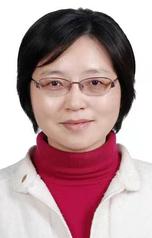 Qingfeng Zhuge (诸葛晴凤)合作论文数School of Computer Science and Technology, East China Normal University42
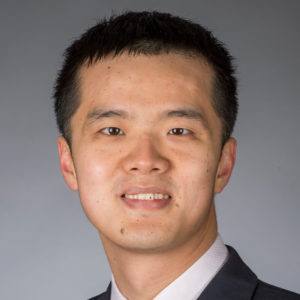 Yiyu Shi合作论文数Department of Computer Science and Engineering, College of Engineering, University of Notre Dame41
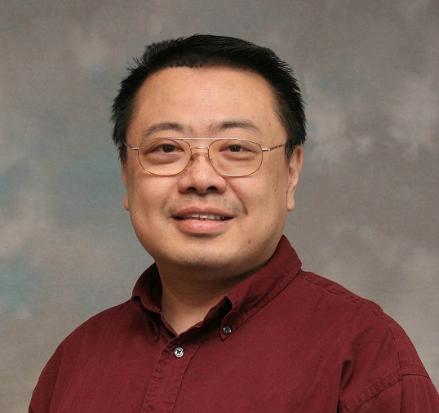 Edwin Sha (沙行勉)合作论文数College of Computer Science, Chongqing University;East China Normal University36
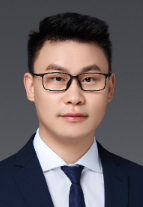 Xianzhang Chen (陈咸彰)合作论文数School of Intelligent Vehicles, Chongqing University34
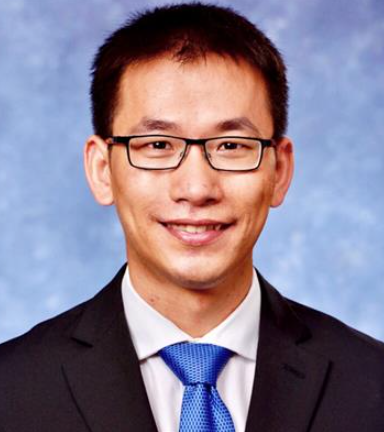 Jingtong Hu合作论文数Department of Electrical and Computer Engineering, Swanson School of Engineering, University of Pittsburgh24
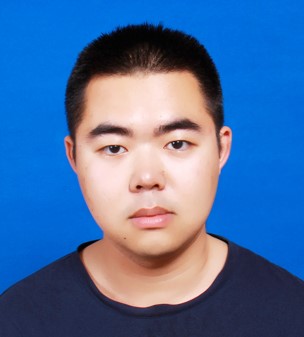 Zhepeng Wang合作论文数Department of Electrical and Computer Engineering, George Mason University;Junction of Quantum-Classical Computer-Aided Design Lab, George Mason University14
 Junhuan Yang合作论文数Univ Elect Sci & Technol China, Sch Informat & Software Engn, Chengdu, Sichuan, Peoples R China14
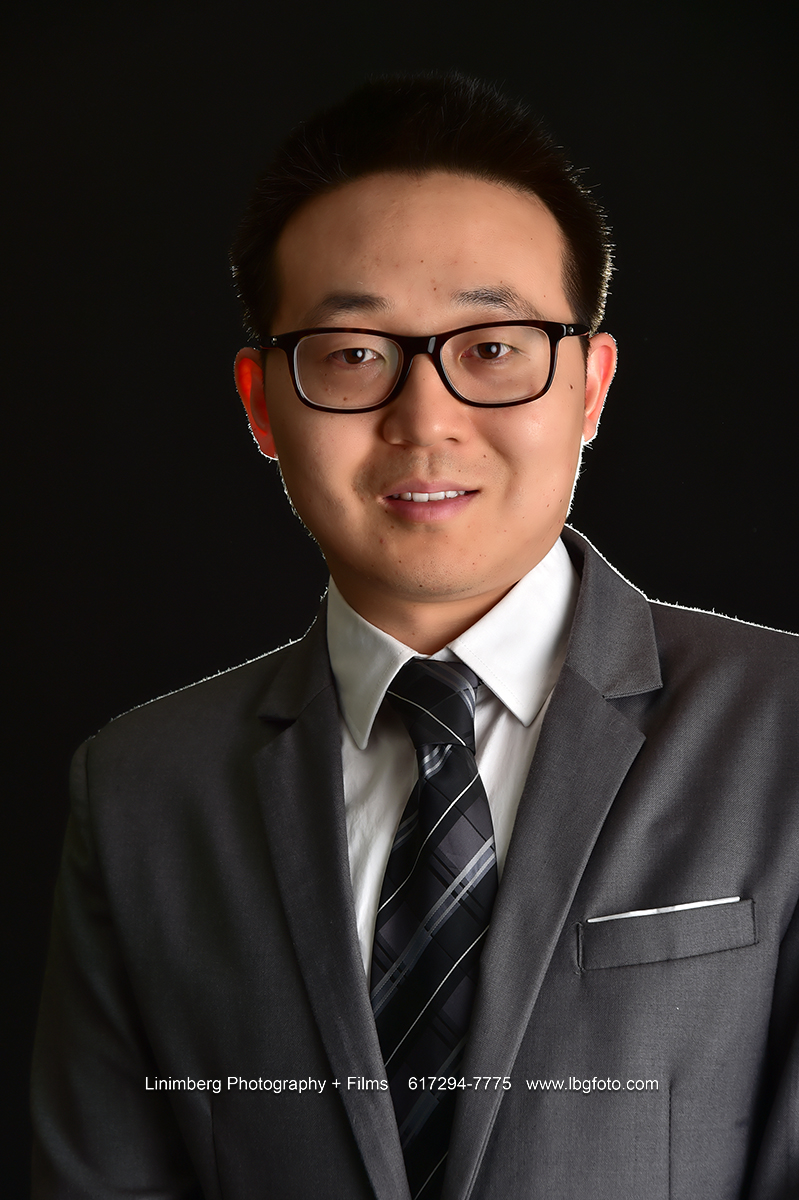 Caiwen Ding合作论文数Laboratory of Intelligent & Efficient Systems, School of Computing, University of Connecticut;Laboratory of Machine Learning in Drug Discovery & Development, School of Computing, University of Connecticut14Yi Sheng合作论文数13
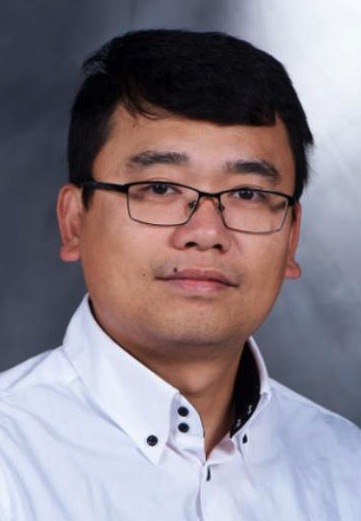 Qiang Guan合作论文数Department of Computer Science, Kent State University13
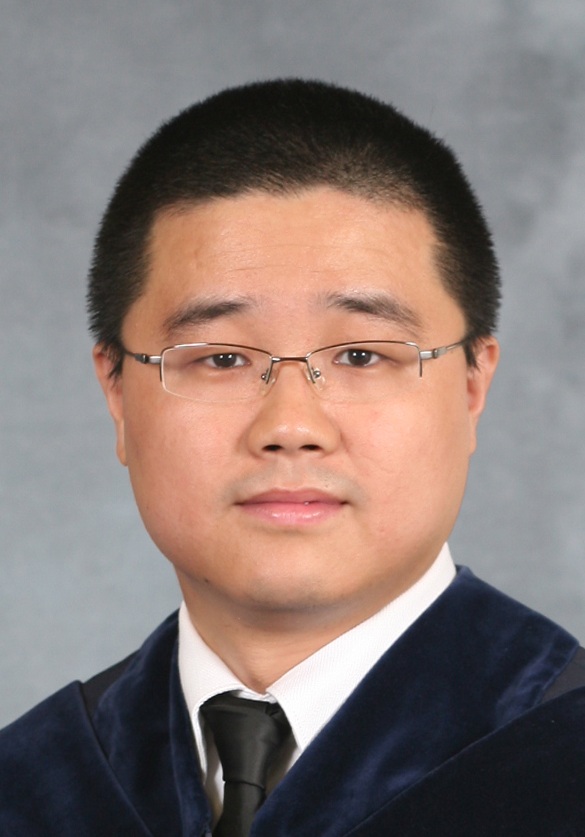 Weichen Liu合作论文数School of Computer Science and Engineering, Nanyang Technological University12
 Youzuo Lin合作论文数School of Data Science and Society, University of North Carolina at Chapel Hill11
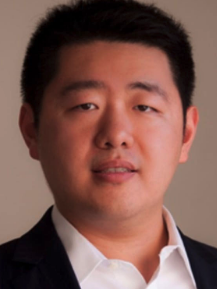 Yanzhi Wang合作论文数Department of Electrical & Computer Engineering, College of Engineering, Northeastern University;Physical AI Research Center, Northeastern University;EmbodyX10
 Xiaowei Xu合作论文数8
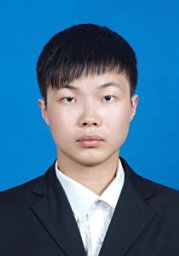 Zhiding Liang合作论文数University of Notre Dame8
 Qing Lu合作论文数University of Notre Dame8
 Zhirui Hu合作论文数7
 Mengquan Li (李梦泉)合作论文数College of Semiconductors, Hunan University7
 Tony Geng合作论文数Department of Computer Science, University of Rochester;Department of Electrical and Computer Engineering, Hajim School of Engineering & Applied Sciences, University of Rochester7
 Edwin H-M Sha合作论文数Department of Computer Science, Erik Jonsson School of Engineering and Computer Science, University of Texas at Dallas;Implementation Group, Embedded Software Center, University of Texas at Dallas7Jinyang Li合作论文数6
 Lin Wu合作论文数Chongqing Univ, Coll Comp Sci, Chongqing, Peoples R China6
 Ang Li合作论文数Unconventional AI6
 Yawen Wu合作论文数Department of Computer Engineering, University of Pittsburgh6Chaoshu Yang (杨朝树)合作论文数Guizhou University6
 Juan Yi (易娟)合作论文数6Hongwu Peng合作论文数University of Connecticut, Storrs, CT, USA5
 Yongshan Ding合作论文数University of Chicago5
 Xinyi Zhang合作论文数Univ Pittsburgh, Dept Comp & Elect Engn, Pittsburgh, PA 15260 USA5
 Song Han (韩松)合作论文数Electrical Engineering & Computer Science Department, School of Engineering, Massachusetts Institute of Technology;NVIDIA5
 Ryan Hanrui Wang (王瀚锐)合作论文数Eigen AI;Nebius5Hang Liu合作论文数4
 Ying Mao合作论文数Department of Computer and Information Science, Fordham University4
 Jinglei Cheng合作论文数University of Southern California4
 Mengshu Sun (孙梦姝)合作论文数School of Information Science and Technology, Beijing University of Technology4
 Zheyu Yan (严哲雨)合作论文数College of Integrated Circuits, Zhejiang University4
 Geng Yuan (袁赓)合作论文数Electrical and Computer Engineering Department, Northeastern University4
 Jiaqi Gu合作论文数School of Electrical, Computer and Energy Engineering, Arizona State University4
 Pu Zhao合作论文数Northeastern University4
 Runxue Bao合作论文数Electrical and Computer Engineering Department, University of Pittsburgh4
 Ting Wu (吴婷)合作论文数4
 Xue (Shelley) Lin合作论文数4
 Wei Niu (牛威)合作论文数Division of Physical & Mathematical Sciences, School of Computing, Franklin College of Arts & Sciences, University of Georgia4
 Bin Ren合作论文数Computer Science Department, College of William & Mary4
 Travis S Humble合作论文数Quantum Science Center, Oak Ridge National Laboratory;Quantum Computing Institute, Oak Ridge National Laboratory;University of Tennessee4
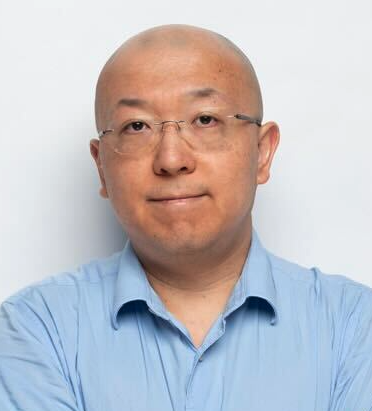 Xuehai Qian (钱学海)合作论文数清华大学计算机科学与技术系高性能计算研究所4
 Sakyasingha Dasgupta合作论文数4
 Sharon Hu合作论文数Department of Computer Science and Engineering, College of Engineering, University of Notre Dame4




