Geochemical profiles of Australopithecus africanus and baboon teeth show fluctuating trace elements, possibly reflecting seasonal diets. Here we use laser ablation-inductively coupled plasma-mass spectrometric measurements of calcium-normalized strontium and barium ratios (Sr/Ca and Ba/Ca) and ion microprobe analyses of oxygen isotopes (delta 18O) to contrast elemental changes with seasonal rainfall in wild baboons. We employ 16 teeth from 11 South African, Ethiopian, and Ugandan individuals. Changes in Sr/Ca and Ba/Ca ratios are not consistently linked to wet or dry seasons. Additional studies are needed to identify sources of Sr and Ba, and what such patterns can tell us about seasonal behaviour.
Objectives: The underlying cause for metric differences in antimeric tooth pairs is an important question for understanding dental variation. We hypothesize that localized variation in crown dimensions will be reflected in localized variation in daily enamel secretion rate.Design: Casts of pairs of human premolars from a tissue bank were 3D scanned using an optical scanning system (n = 32). Histological slides were created, and daily secretion rates (DSRs) were recorded in two areas of enamel that corresponded to scanner measurements. Antimeres were compared for both metric measurements and DSRs. Outliers for scanner measures were compared to significant differences in DSRs measurements in right and left teeth in corresponding areas.Results: Thirteen of the 16 individuals differed significantly in antimeric metric measurements, but only ten of those also differed in the underlying DSR. Fifteen of the 16 total individuals differed significantly in at least one DSR area.Discussion: While some individuals were outliers for metric measurements and had multiple areas of DSR differences, the majority of individuals had antimeric DSR differences regardless of metric differences. While there was no conclusive correlation between 3D metric analysis and underlying DSR differences, the most important result of this study is that DSR differences between antimeres are common.
Intra-tooth patterns of trace elements barium (Ba) and strontium (Sr) have been used to infer human and nonhuman primate nursing histories, including australopithecine and Neanderthal juveniles. Here, we contrast the two elemental models in first molars (M1s) of four wild baboons and explore the assumptions that underlie each. Laser ablation-inductively coupled plasma-mass spectrometry (LA-ICP-MS) was employed to create comprehensive calcium-normalized barium and strontium (Ba/Ca, Sr/Ca) maps of M1 enamel and dentine at 35 micron resolution. Postnatal Ba/Ca values were typically high, peaking ~0.5 years of age and then decreasing throughout M1 crown formation; all four individuals showed minimal Ba/Ca values between ~1.2–1.8 years, consistent with field reports of the cessation of suckling. Enamel Sr/Ca did not support patterns of previous LA-ICP-MS spot sampling as the enamel rarely showed discrete Sr/Ca secretory zonation. Increases in Sr/Ca appeared in coronal dentine beginning ~0.3 years, with varied peak value ages (~0.7–2.7 years) and no evidence of a predicted postweaning decline. Inferences of baboon weaning ages from initial Ba/Ca minima are more congruent with behavioral observations than Sr/Ca maxima; this is consistent with studies of captive macaques of known weaning ages. Elemental variation is more apparent in the coronal dentine than the enamel of these baboons, which may relate to its more rapid mineralization and protection from the oral environment. Inferences of nursing histories from enamel Sr/Ca patterns alone should be reconsidered, and elevated values of Ba/Ca and Sr/Ca in teeth formed after weaning require further study.
Objectives: Intra-tooth patterns of trace elements barium (Ba) and strontium (Sr) have been used to infer human and nonhuman primate nursing histories, including australopithecine and Neanderthal juveniles. Here, we contrast the two elemental models in first molars (M1s) of four wild baboons and explore the assumptions that underlie each. Materials and Methods: Laser ablation-inductively coupled plasma-mass spectrometry (LA-ICP-MS) was employed to create comprehensive calcium-normalized barium and strontium (Ba/Ca, Sr/Ca) maps of M1 enamel and dentine at 35 micron resolution. Results: Postnatal Ba/Ca values were typically high, peaking similar to 0.5 years of age and then decreasing throughout M1 crown formation; all four individuals showed minimal Ba/Ca values between similar to 1.2-1.8 years, consistent with field reports of the cessation of suckling. Enamel Sr/Ca did not support patterns of previous LA-ICP-MS spot sampling as the enamel rarely showed discrete Sr/Ca secretory zonation. Increases in Sr/Ca appeared in coronal dentine beginning similar to 0.3 years, with varied peak value ages (similar to 0.7-2.7 years) and no evidence of a predicted postweaning decline. Discussion: Inferences of baboon weaning ages from initial Ba/Ca minima are more congruent with behavioral observations than Sr/Ca maxima; this is consistent with studies of captive macaques of known weaning ages. Elemental variation is more apparent in the coronal dentine than the enamel of these baboons, which may relate to its more rapid mineralization and protection from the oral environment. Inferences of nursing histories from enamel Sr/Ca patterns alone should be reconsidered, and elevated values of Ba/Ca and Sr/Ca in teeth formed after weaning require further study.
PurposeWe proposed that zinc (Zn) deposition in deciduous teeth would be a timed record of exposure to this essential micronutrient over very early life. We tested this hypothesis by gathering information on the maternal and child's diet during pregnancy and early infancy and measuring mineral deposition in the dentine at points during deciduous tooth development.MethodsWe developed a short food frequency questionnaire (S-FFQ) to record consumption of food containing Zn during pregnancy and over the first year of life of the child in an Indonesian population. Zn, Sr and Ca were measured by laser ablation ICP-MS in a series of points across the developmental timeline in deciduous teeth extracted from 18 children undergoing the process as part of dental treatment whose mothers completed the SFFQ. Mothers and children were classified into either high Zn or low Zn groups according to calculated daily Zn intake.ResultsThe Zn/Sr ratio in dentine deposited over late pregnancy and 0–3 months post-partum was higher (p < 0.001, 2-way ANOVA; p < 0.05 by Holm-Sidak post hoc test) in the teeth of children of mothers classified as high Zn consumers (n = 10) than in children of mothers classified as low Zn consumers (n = 8).ConclusionThe S-FFQ was validated internally as adequately accurate to measure zinc intake retrospectively during pregnancy and post-partum (∼7 years prior) by virtue of the correlation with measurements of zinc in deciduous teeth. The ratio of Zn/Sr in deciduous teeth appears to be a biomarker of exposure to zinc nutrition during early development and offers promise for use as a record of prior exposure along a timeline for research studies and, potentially, to identify individuals at heightened risk of detrimental impacts of poor early life zinc nutrition on health in later life and to implement preventative interventions.
Variability in resource availability is hypothesized to be a significant driver of primate adaptation and evolution, but most paleoclimate proxies cannot recover environmental seasonality on the scale of an individual lifespan. Oxygen isotope compositions (δ 18 O values) sampled at high spatial resolution in the dentitions of modern African primates ( n = 2,352 near weekly measurements from 26 teeth) track concurrent seasonal precipitation, regional climatic patterns, discrete meteorological events, and niche partitioning. We leverage these data to contextualize the first δ 18 O values of two 17 Ma Afropithecus turkanensis individuals from Kalodirr, Kenya, from which we infer variably bimodal wet seasons, supported by rainfall reconstructions in a global Earth system model. Afropithecus ’ δ 18 O fluctuations are intermediate in magnitude between those measured at high resolution in baboons ( Papio spp.) living across a gradient of aridity and modern forest-dwelling chimpanzees ( Pan troglodytes verus ). This large-bodied Miocene ape consumed seasonally variable food and water sources enriched in 18 O compared to contemporaneous terrestrial fauna ( n = 66 fossil specimens). Reliance on fallback foods during documented dry seasons potentially contributed to novel dental features long considered adaptations to hard-object feeding. Developmentally informed microsampling recovers greater ecological complexity than conventional isotope sampling; the two Miocene apes ( n = 248 near weekly measurements) evince as great a range of seasonal δ 18 O variation as more time-averaged bulk measurements from 101 eastern African Plio-Pleistocene hominins and 42 papionins spanning 4 million y. These results reveal unprecedented environmental histories in primate teeth and suggest a framework for evaluating climate change and primate paleoecology throughout the Cenozoic.
In 2013 we presented a model for identifying nursing behavior from primate teeth based on rapid postnatal concentration changes in the non-essential trace element barium. Here we leverage the permanent neonatal (birth) line in the enamel of several dozen primate M1 cusps to compare pre- and postnatal trends in barium, zinc, strontium, and oxygen, as each element is believed to evince developmental patterning. Barium and zinc are the most consistent biomarkers of nursing initiation; a majority of M1 cusps show concentration increases from prenatal to postnatal enamel, whereas strontium shows no change or decreases with equal frequency. Exceptions to the pattern of barium increase occurred in cusps that had been mineralizing for less than three weeks, suggesting that subsequent enamel maturation has only a minor impact on detecting real time events. Oxygen isotope compositions (δ18O) show marked fluctuations (~ 1–2 ‰) within a few weeks of birth in 92% of M1 cusps (n = 22/24). This is likely due to measurements of hypomineralized perinatal enamel, as well as physiological changes in the body water of newborn infants. Ongoing work integrating elemental concentration gradients with isotopic variation will help establish the degree to which milk intake may cause elevated δ18O in teeth. We show that chemical identification of pre- to postnatal transitions may be robust to slight planar deviations that often obscure growth increments under light microscopy, and could help validate the identification of potential neonatal lines, making this approach a useful complement to bioarchaeological studies and public health investigations.
Integrated developmental and elemental information in teeth provide a unique framework for documenting breastfeeding histories, physiological disruptions, and neurotoxicant exposure in humans and our primate relatives, including ancient hominins. Here we detail our method for detecting the consumption of mothers' milk and exploring health history through the use of laser ablation-inductively coupled plasma-mass spectrometry (LA-ICP-MS) mapping of sectioned nonhuman primate teeth. Calcium-normalized barium and lead concentrations in tooth enamel and dentine may reflect milk and formula consumption with minimal modification during subsequent tooth mineralization, particularly in dentine. However, skeletal resorption during severe illness, and bioavailable metals in nonmilk foods, can complicate interpretations of nursing behavior. We show that explorations of the patterning of multiple elements may aid in the distinction of these important etiologies. Targeted studies of skeletal chemistry, gastrointestinal maturation, and the dietary bioavailability of metals are needed to optimize these unique records of human health and behavior.
Accentuated lines in dental microstructure are hypothesized to correlate with potentially stressful life history events, but our understanding of when, how and why such accentuated lines form in relation to stressful events is limited. We examined accentuated line formation and life history events in the teeth of three naturally deceased mandrills (Mandrillus sphinx, Cercopithecidae), for whom we had detailed life history information. We determined the ages at formation of accentuated lines in histological tooth sections and used dates of birth and death to calibrate dental histology to calendar time and individual age. We found accentuated lines that matched their mother's resumption of sexual cycles in two individuals, and possibly in the third individual. The subjects also formed lines when their mothers were mate-guarded by males or wounded. Accentuated lines matched the birth of the next sibling in one of two cases. Both females formed accentuated lines when they experienced their own sexual swelling cycles, but lines did not match all sexual swelling cycles. Mate-guarding matched an accentuated line in one case, but not in another. Lines matched all three parturitions in the two females. Changes in alpha male and captures did not consistently coincide with accentuated line formation, but repeated captures were associated with lines. Using simulated data, we show that the observed number of matches between lines and events would be very unlikely under a null hypothesis of random line formation. Our results support the hypothesis that some life history events are physiologically stressful enough to cause accentuated line formation in teeth. They contribute to our understanding of how primate life histories are recorded during dental development and enhance our ability to use teeth to reconstruct life history in the absence of direct observation.
OBJECTIVES We examine how dental sexual dimorphism develops in mandrills, an extremely sexually dimorphic primate. We aimed to (a) establish the chronology of dental development (odontochronology) in male and female mandrills, (b) understand interindividual and intersex variation in odontochronologies, and (c) determine how dental sexual dimorphism is achieved. MATERIALS AND METHODS We prepared histological ground sections from the permanent teeth of four female and four male mandrills from the semi-free ranging colony at the Centre International de Recherches Médicales, Franceville, Gabon. We used the microscopic growth increments in the sections to create odontochronologies. We compared ages at crown initiation, crown formation times (CFT) and crown extension rates (CER) between individuals and sexes to assess interindividual and intersex variation. RESULTS All mandrill teeth are sexually dimorphic in size. Dental sexual dimorphism in mandrills is achieved via sex differences in the duration of growth (bimaturism) and in growth rates. We also found interindividual and intersex variation in the ages at initiation and completion of crown formation. DISCUSSION Our results show that the rate of ameloblast differentiation varies between individuals and that selection for both the age at tooth initiation and CER has occurred independently in males and females to ensure that the teeth develop at appropriate times relative to the growth of the sexually dimorphic jaws. They also show that canine dimorphism is achieved through differences in both CER and CFT, unlike extant great apes or Cantius. Given at least three mechanisms for achieving canine dimorphism, we need more information to trace the evolution of this trait in primates.
Objectives: The objectives are 1) to calculate the position of highly accentuated lines in dental enamel of a group of individuals from Shahr-i-Sokhta, a thriving urban centre in Bronze Age South West Asia; 2) to identify peak frequencies of physiologically stressful periods during early childhood of these individuals; and 3) to relate these peak frequencies to developmental milestones at population level. Design: We analysed highly accentuated lines in the enamel of nine (n = 9) permanent mandibular first molars of nine individuals from the 5th millennium before the present urban and long-distance-trading complex, Shahr-i Sokhta (Iran). Age at death ranged between 4.5 years and 18-20 years. Permanent mandibular first molar enamel begins to mineralise before birth, and is normally completed sometime between 2.1-3.3 years, giving us insight to early childhood physiological stress, the ages at which it occurs, and any peaks in the frequencies in highly accentuated line formation, through histological sections investigated using transmitted light microscopy. Results: Highly accentuated line peak frequencies occur in the sample at c. four, nine, eleven, and twelve months. After 1 year of age, no more peaks occur. Conclusion: The peak frequencies coincide with the timing timing of the type of developmental milestones which may have exposed the individuals to an increased pathogen load, injury, or sub-optimal diet. We note similarity in peak timings in the few published, disparate populations, suggest a potential link with attainment of developmental milestones connected with morbidity, and propose reporting standardised statistics to enable exploration of differences between populations in terms of postnatal health-related stress.
Environmental seasonality is commonly invoked as a driver of novel adaptation and evolution in great apes and hominins, but is difܪcult to reconstruct in association with fossil remains. Here we measure seasonally variable oxygen isotope compositions (Ƚ18O) in two early Miocene Afropithecus turkanensis molars from Kalodirr, Kenya, using a Sensitive High Resolution Ion Microprobe (SHRIMP SI). Standardized Ƚ18O values sampled along the enamel-dentine junction are related to temporal records of enamel formation. To situate Afropithecus specimens ecologically, we collected comparative SHRIMP Ƚ18O data from molars of two recent Liberian chimpanzees (Pan troglodytes verus) and ܪve Ethiopian baboons (Papio hamadryas) from the Awash National Park. Sequential Afropithecus measurements reveal annual seasonal ܫuctuations in Ƚ18O values that span 7.6 ‰ across both molars (range = 19.3–26.9 ‰). The range in Afropithecus is slightly less than that observed in chimpanzees (range = 13.1–21.8 ‰), but exceeds baboons (range = 23.0–28.8 ‰). Ƚ18O values in Afropithecus are intermediate between those of forest-dwelling chimpanzees and grassland baboons, and are consistent with inferences from other sources that Kalodirr may have included mosaic environments. Our results also provide environmental context in support of characterizations of Afropithecus as a thick-enameled hard-object feeder. Spatially precise and developmentally informed microsampling strategies have the potential to recover seasonal climatic and behavior patterns as long ago as the early Miocene, and will contribute to elucidating the complex relationship between seasonality, primate behavior, and evolution.
Survival of offspring is key to the viability of populations and societies. Evidence for early childhood death in archaeological contexts has been explored through demographic methods (life tables) and mostly interpreted as due to external, environmental causes such as morbidity, injury, and malnutrition. Attempts to associate these factors with early childhood mortality rely primarily on macroscopic and microscopic surface observations of skeletal and dental pathologies. Prenatal physiological stress as a potentially predisposing factor to earlier age at death postnatally, attested clinically, has not been systematically explored in archaeological contexts representing the range of variation in human socio-cultural practices. We show here how to explore the potential correlation between prenatal stress and early age at death, as well as any potential correlation between postnatal physiological stress and early age at death, through the occurrence, number and peaks in frequencies of developmental defects in human deciduous enamel microstructure, as observed in thin sections of human mandibular deciduous canine teeth. The methodology is reviewed and applied to test applicability to a prehistoric assemblage of subadult remains recovered from South West Asia.
The full-text may be used and/or reproduced, and given to third parties in any format or medium, without prior permission or charge, for personal research or study, educational, or not-for-pro t purposes provided that: • a full bibliographic reference is made to the original source • a link is made to the metadata record in DRO • the full-text is not changed in any way The full-text must not be sold in any format or medium without the formal permission of the copyright holders. Please consult the full DRO policy for further details.
Nexus file giving topology and branch lengths of the phylogenetic tree used in data analysis
The chronology of dental development is correlated with life history stages in primates. The primates follow “Schultz' rule.” In those species with faster life histories the permanent successor teeth erupt later than the permanent molars, and in those with slower life histories the successor teeth erupt relatively earlier. This prolongs the length of time that the molars are able to process food. The age at eruption of the first molar is correlated with the age at weaning; and the last tooth to erupt with the age at first reproduction. Different groups of primates have developed different life histories and a different chronology and pace of dental development. Knowledge of the chronology of dental development in a primate species provides a means of aging individuals and developing models for understanding life history evolution.
The early evolution of mammals is associated with the linked evolutionary origin of diphyodont tooth replacement, rapid juvenile growth and determinate adult growth. However, specific relationships among these characters during non-mammalian cynodont evolution require further exploration. Here, polarized light microscopy revealed incremental lines, resembling daily laminations of extant mammals, in histological sections of enamel in eight non-mammalian cynodont species. In the more basal non-probainognathian group, enamel extends extremely rapidly from cusp to cervix. By contrast, the enamel of mammaliamorphs is gradually accreted, with slow rates of crown extension, more typical of the majority of non-hypsodont crown mammals. These results are consistent with the reduction in dental replacement rate across the non-mammalian cynodont lineage, with greater rates of crown extension required in most non-probainognathians, and slower crown extension rates permitted in mammaliamorphs, which have reduced patterns of dental replacement in comparison with many non-probainognathians. The evolution of mammal-like growth patterns, with faster juvenile growth and more abruptly terminating adult growth, is linked with this reduction in dental replacement rates and may provide an additional explanation for the observed pattern in enamel growth rates. It is possible that the reduction in enamel extension rates in mammaliamorphs reflects an underlying reduction in skeletal growth rates at the time of postcanine formation, due to a more abruptly terminating pattern of adult growth in these more mammal-like, crownward species.
 Robert Anemone合作论文数Department of Anthropology, University of North Carolina at Greensboro;Department of Mammalogy, American Museum of Natural History;Section of Vertebrate Paleontology, Carnegie Museum of Natural History16
 Tanya M. Smith合作论文数Department of Human Evolution, Max Planck Institute for Evolutionary Anthropology, Deutscher Platz 6, D-04103 Leipzig, Germany9
 Donald J Reid合作论文数School of Dental Sciences, University of Newcastle upon Tyne6
 Christine Austin合作论文数Department of Chemistry and Forensic Science, University of Technology, Sydney6
 Daniel R. Green合作论文数New Life Resources , Inc6
 Louise T. Humphrey合作论文数Department of Palaeontology, The Natural History Museum6Arora Manish合作论文数Department of Environmental Health, Harvard School of Public Health5Teresa E. Jeffries合作论文数Department of Mineralogy, The Natural History Museum5
 Tanja Pless-Mulloli合作论文数Institute of Health and Society, Newcastle University5
 Susan Hodgson合作论文数Faculty of Medicine, Imperial College London5
 Thomas James Shepherd合作论文数5
 Simone A.M. Lemmers合作论文数Sci & Technol Archaeol Res Ctr STARC, Cyprus Inst4Manmee Charuwan合作论文数4
 Timothy Bromage合作论文数Department of Molecular Pathobiology, College of Dentistry, New York University;Senckenberg Museum4
 Ian S. Williams (Ian Williams)合作论文数Research School of Earth Sciences, College of Science, The Australian National University4John Van Regenmorter合作论文数3J. Van Regenmorter合作论文数3Maya Bharatiya合作论文数3Ron Watkins合作论文数3
 Rachel O'Meara合作论文数3
 Khaled Khalaf合作论文数3
 Anais Herbert合作论文数3
 m c dean合作论文数Dept Cell & Dev Biol, UCL3
 Martinelli Agustín G合作论文数Dept Geociencias, Univ Fed Rio Grande do Sul3
 Barthelemy Ngoubangoye合作论文数3
 Christopher Dean合作论文数Division of Biosciences, University College London3
 Janaina Nunes Avila合作论文数Griffith Centre for Social and Cultural Research, Griffith university3Brett A. Nachman合作论文数2frederick l brett合作论文数2
 Paul Tafforeau合作论文数2
 Adela Hupkova合作论文数2
 Michaela Racanska合作论文数2
 Denné N. Reed合作论文数Department of Anthropology, College of Liberal Arts, University of Texas at Austin2Jo Setchell合作论文数2Kirsi O. Lorentz合作论文数Sci & Technol Archaeol & Culture Res Ctr, STARC2
 Terry Harrison合作论文数Center for the Study of Human Origins, Department of Anthropology, College of Arts & Science, New York University2
 Al-Shahrani Ibrahim合作论文数College of Dentistry, King Khalid University2Králík Miroslav合作论文数Faculty of Science, Masaryk University2Russell Hogg合作论文数The Graduate Center, The City University of New York2
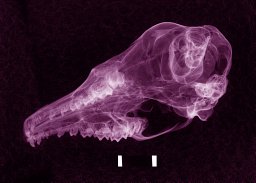 Patricia A. Holroyd合作论文数University of California2
 William Scott Mcgraw合作论文数2
 Jane Phillips-Conroy合作论文数Department of Neuroscience, Washington University2
 Matt Skinner合作论文数Department of Biological Sciences, Purdue University2
 K Christopher Beard合作论文数Section of Vertebrate Paleontology, Carnegie Museum of Natural History2
 Clifford J. Jolly合作论文数Center for the Study of Human Origins, Department of Anthropology, College of Arts & Science, New York University2
 Charalambos Chrysostomou合作论文数Faculty of Technology, De Montfort University2
 Susanne M Cote合作论文数Department of Anthropology, Harvard University2Friedmann Schrenk合作论文数1L. A. Wakeling合作论文数1




