ABSTRACT Background The Pre‐EMPT study aimed to determine if structured exercise could reduce length of stay, post‐operative complications and improve fitness and health‐related quality of life (HQRL) in patients undergoing neoadjuvant chemotherapy (NAC) and oesophagectomy. Methods A prospective non‐randomised trial compared a standard care pathway (control) to a structured prehabilitation exercise programme (intervention) commenced before NAC and surgery for oesophageal adenocarcinoma. Length of hospital stay and post‐operative complications were recorded. Cardiopulmonary exercise testing (CPEX), body composition analyses, lymphocyte levels and HRQL questionnaires were performed at multiple time points. Results Median length of stay was similar in both groups. There were 6 versus 11 complications observed (intervention vs control p = 0.086). Cardio‐pulmonary fitness (VO2peak) declined after NAC, but less in the intervention group (intervention −13.54% vs control −21.40%, p = 0.02). Body composition improved in the intervention group (FMi/FFMi −5.5% intervention, 10.7% control p = 0.043). Performance, cognitive, sleep and emotional function scores improved following NAC in the intervention group. Lymphocyte subsets increased in the intervention group compared to the control group after chemotherapy ( p = 0.034). Chemotherapy response was improved in the intervention group ( p = 0.022). Conclusion A structured exercise programme may mitigate cardiopulmonary deconditioning, reduce sarcopenia and offset lymphopenia, during chemotherapy, in patients undergoing NAC and oesophagectomy.
Objectives To evaluate the electrocardiographic (ECG) characteristics of West-Asian, black and Caucasian male athletes competing in Qatar using the 2010 recommendations for 12-lead ECG interpretation by the European Society of Cardiology (ESC). Design Cardiovascular screening with resting 12-lead ECG analysis of 1220 national level athletes (800 West-Asian, 300 black and 120 Caucasian) and 135 West-Asian controls was performed. Results Ten per cent of athletes presented with ‘uncommon’ ECG findings. Black African descent was an independent predictor of ‘uncommon’ ECG changes when compared with West-Asian and Caucasian athletes (p<0.001). Black athletes also demonstrated a significantly greater prevalence of lateral T-wave inversions than both West-Asian and Caucasian athletes (6.1% vs 1.6% and 0%, p<0.05). The rate of ‘uncommon’ ECG changes between West-Asian and Caucasian athletes was comparable (7.9% vs 5.8%, p>0.05). Seven athletes (0.6%) were identified with a disease associated with sudden death; this prevalence was two times higher in black athletes than in West-Asian athletes (1% vs 0.5%), and no cases were reported in Caucasian athletes and West-Asian controls. Eighteen West-Asian and black athletes were identified with repolarisation abnormalities suggestive of a cardiomyopathy, but ultimately, none were diagnosed with a cardiac disease. Conclusion West-Asian and Caucasian athletes demonstrate comparable rates of ECG findings. Black African ethnicity is positively associated with increased frequencies of ‘uncommon’ ECG traits. Future work should examine the genetic mechanisms behind ECG and myocardial adaptations in athletes of diverse ethnicity, aiding in the clinical differentiation between physiological remodelling and potential cardiomyopathy or ion channel disorders.
Objective To investigate the regulation of blood pressure in response to an orthostatic challenge in athletes running a marathon. Methods 10 experienced male runners (mean (SD) age 29 (4) years) were tested on the day prior to the 2004 London Marathon, and again immediately postrace (race time 210 (36) min). In addition, 6 of the subjects were retested 24 h postrace. During each examination, beat-to-beat systolic arterial blood pressure (SBP) and heart rate (HR) were measured, and stroke volume (SV), cardiac output (CO) and total peripheral resistance (TPR) were estimated via arterial transmural pressure waveforms during 3 min in a supine position and then during 3 min of upright, unsupported standing. Data were averaged over 20 s epochs, and the final 20 s of each posture were compared prerace and postrace via repeated measures 2-way ANOVA. Results Prerace SBP in standing increased only moderately when compared with supine values (2 (9) mm Hg, NS). This was accompanied by an increase in HR (13 (7) beats/min, p<0.05), as well as a decrease in SV (16 (9) ml, p<0.05). However, there was little change in CO (−0.13 (0.97) litres/min, NS) or TPR (0.047 (0.280) medical units (MU), NS). Postrace SBP significantly decreased from supine to standing (−15 (20) mm Hg, p<0.05). The change in SBP was accompanied by an increase in HR (19 (6) beats/min, p<0.05) and a reduction in SV (26 (14) ml, p<0.05) and CO (−1.02 (1.39) litres/min, p = 0.05). Postrace there was no change in TPR (0.366 (0.607) MU, NS) upon standing. The orthostatic adjustments in SBP, HR and CO were greater than at prerace (p<0.05). The postrace orthostatic challenge resulted in only one subject experiencing presyncopal symptoms. At 24 h postrace, cardiovascular responses to an orthostatic challenge mirrored those at prerace. Conclusions Following prolonged exercise, a fall in systolic blood pressure during orthostasis results from an inadequately compensated decrease in SV and resultant CO during standing.
Background— Ethnicity is an important determinant of cardiovascular adaptation in athletes. Studies in black male athletes reveal a higher prevalence of electric repolarization and left ventricular hypertrophy than observed in white males; these frequently overlap with those observed in cardiomyopathy and have important implications in the preparticipation cardiac screening era. There are no reports on cardiac adaptation in highly trained black females, who comprise an increasing population of elite competitors. Methods and Results— Between 2004 and 2009, 240 nationally ranked black female athletes (mean age 21±4.6 years old) underwent 12-lead ECG and 2-dimensional echocardiography. The results were compared with 200 white female athletes of similar age and size participating in similar sports. Black athletes demonstrated greater left ventricular wall thickness (9.2±1.2 versus 8.6±1.2 mm, P <0.001) and left ventricular mass (187.2±42 versus 172.3±42 g, P =0.008) than white athletes. Eight black athletes (3%) exhibited a left ventricular wall thickness >11 mm (12 to 13 mm) compared with none of the white athletes. All athletes revealed normal indices of systolic and diastolic function. Black athletes exhibited a higher prevalence of T-wave inversions (14% versus 2%, P <0.001) and ST-segment elevation (11% versus 1%, P <0.001) than white athletes. Deep T-wave inversions (−0.2 mV) were observed only in black athletes and were confined to the anterior leads (V 1 through V 3 ). Conclusions— Systematic physical exercise in black female athletes is associated with greater left ventricular hypertrophy and higher prevalence of repolarization changes than in white female athletes of similar age and size participating in identical sporting disciplines. However, a maximal left ventricular wall thickness >13 mm or deep T-wave inversions in the inferior and lateral leads are rare and warrant further investigation.
Purpose: Increased blood lactate concentration has been suggested as a primary stimulus for the exercise-induced growth hormone response (EIGR). Patients with McArdle disease are unable to produce lactate in response to exercise and thus offer a unique model to assess the role of lactate in the EIGR. Accordingly, McArdle’s patients were exercised to test the hypothesis that lactate is a major stimulus of the EIGR. Methods: 11 patients with McArdle disease (3 male, 8 female; age: 35.5 (SD 13.9) years, height: 166 (8) cm, body mass: 75.2 (13.1) kg) were recruited for the study. The patients walked initially at 0.42 m/s, increasing by 0.14 m/s per 3 min stage. Exercise was terminated when participants completed 3 minutes at 1.80 m/s or when a Borg CR10 pain scale rating of “4” was reached. Stages were separated by 60 s for capillary blood sampling for analysis of hGH and blood lactate concentration. Results: McArdle’s patients’ blood lactate levels remained at resting levels (0.3–1.2 mmol/l) as exercise intensity increased. Nine out of 11 participants failed to demonstrate an EIGR obtaining hGH values below the clinical definition of a response (>3 μg/l). Conclusion: The absence of an EIGR in nine out of 11 participants suggests that lactate could play a major role in the EIGR in humans.
AIMS:This study sought to confirm the efficacy of using resting 12-lead ECG alongside personal symptom and family history questionnaires and physical examination when screening for diseases with the potential to cause sudden cardiac death in the young.METHODS AND RESULTS:1074 national and international junior athletes (mean age 15.8 (SD 0.7) years, range 10 to 27) and 1646 physically active schoolchildren (16.1 (SD 2.1) years, range 14 to 20) were screened using personal and family history questionnaires, physical examination and resting 12-lead ECG. Nine participants with a positive diagnosis of a disease associated with sudden cardiac death were identified. None of the participants diagnosed with a disease associated with sudden cardiac death were symptomatic or had a family history of note.CONCLUSION:Family history and personal symptom questionnaires alone are inadequate to identify people with diseases associated with sudden cardiac death. Use of the 12-lead ECG is essential when screening for cardiac pathology in the young.
The purpose of this article was to investigate whether swimming world records are beginning to plateau and whether the inequality between men and women's swimming performances is narrowing, similar to that observed in running world records. A flattened "S-shaped curve" logistic curve is fitted to 100-m, 200-m, and 400-m front-crawl world-record swimming speeds for men and women from 1 May 1957 to the present time, using the non-linear least-squares regression. The inequality between men and women's world records is also assessed using the ratio, Women's/Men's world record speeds. The results confirm that men and women's front-crawl swimming world-record speeds are plateauing and the ratio between women's and men's world records has remained stable at approximately 0.9. In conclusion, the logistic curves provide evidence that swimming world-record speeds experienced a period of "accelerated" growth/improvements during the 1960 - 1970s, but are now beginning to plateau. The period of acceleration corresponded with numerous advances in science and technology but also coincided with the anecdotal evidence for institutionalised doping. Also noteworthy, however, is the remarkably consistency in the women's/men's world record ratio, circa 0.9, similar to those observed in middle and long distance running performances. These finding supports the notion that a 10 % gender inequality exists for both swimming and running.
A heavyweight male rower, and current Olympic champion, undertook a laboratory-based incremental rowing test on four separate occasions; eight weeks prior to the Sydney Olympics (Pre OG), after eight weeks of inactivity (Post-IA), after 8 weeks of retraining (Post 8) and after a further 12 weeks of training (Post 20). Following the period of inactivity, peak oxygen uptake (v̇O 2 peak) declined by 8%, power at reference blood lactate concentrations declined by approximately 100 W (25%), and power at v̇O 2 peak was 20% lower. With eight weeks of retraining, rapid improvements were seen. For most parameters, however, the rate of improvement slowed and after 20 weeks of retraining the individual was approaching pre-Olympic levels. v̇O 2 at lactate threshold as a percentage of v̇O 2 peak remained unchanged. These results show that detraining in the elite athlete can be pronounced, with rapid improvements upon retraining which slow, so that retraining takes considerably longer to achieve than detraining did. Complete cessation of training should be limited to short periods only in the preparation of the elite heavyweight rower. Any break should, if possible, include ‘maintenance training’. In this way any decrements in those physiological parameters associated with 2000 m rowing performance will be minimised.
The purpose of the present study was to examine the impact of physical training upon cardiac structure and function, and identify physiologic upper limits in female athletes. Meta-analytical techniques were applied to 13 published echocardiographic studies examining cardiac structure and function in female athletes. The study group included 890 athletes and 333 controls. For comparison of sporting discipline, studies were partitioned into 3 categories (endurance, strength/sprint, team). Significant (p < 0.05) effect sizes were observed for all structural measures between athletes and controls. Significant effect size differences existed between sporting groups for LVIDd and LVM only, with endurance and team game athletes demonstrating the largest effect sizes compared to strength trained athletes. No significant effect of training was observed for left ventricular diastolic or systolic function, with the exception of stroke volume where a significant effect size difference was observed between athletes and controls with no observed difference between sporting groups. Maximum reported upper limits for LV wall thickness and LVIDd in female athletes were 12 mm and 66 mm respectively. Chronic exercise training results in cardiac enlargement in female athletes. The nature of physiologic adaptation is similar to that observed in male athletes. LV wall thickness values greater than 12 mm in female athletes should be viewed with caution and indicate a more comprehensive evaluation to establish a physiological or pathological basis for the observed left ventricular enlargement.
Evidence suggests exercising in hypoxia can produce a stress response, characterized by increased negative mood, and relatively poor performance. Lane and Terry 2000) suggested that depressed mood is the most influential mood dimension, and that individuals reporting it tend also to report mood disturbance. PURPOSE To investigate: 1) mood changes during a two-hour cycling test during hypoxic and normoxic conditions, and 2) mood dynamics that lead to depressed mood. METHODS Eight volunteer male elite cyclists performed two 50-mile cycle bouts on a cycle ergometer. Trials were randomly assigned from normobaric normoxia and normobaric hypoxia (2,500 metres), and were separated by two weeks. Both cycle bouts were performed at an intensity equivalent to lactate threshold. Mood was assessed before, after one hour, after two hours and on completion of the 50 mile ride using the 24-item Brunel Mood Scale. RESULTS Repeated measures ANOVA (time × condition) results showed that fatigue increased significantly more at altitude than at sea level(F 1,7 = 5.73, p < .05, Eta2 = .45). Other unpleasant mood states also increased more during the hypoxic condition than the normoxic condition. Effects were moderate, although not statistically significant, for anger (Eta2 = .36), confusion (Eta2 = .24), depression (Eta2 = .29), and tension (Eta2 = .31). Vigor scores decreased more during the altitude ride (Eta2 = .25). An examination of mood dynamics indicated that increases in depressed mood followed an exponential increase in fatigue, rather than the other way around, and that once depressed mood was activated it was associated with increased anger, confusion, and tension and reduced vigor. CONCLUSIONS Findings lend support to the notion that, compared to sea level, performing intense exercise at altitude is associated with greater mood disturbance. Future research should investigate the interplay between mood dynamics and the type of coping strategies used by athletes during intense exercise.
Full-time dancers typically spend a large proportion of time participating in dance classes. The present study examined mood state changes following two contrasting modern-dance styles on a sample of full-time dancers. Twenty-three dancers completed the Brunel University Mood Scale (Terry, Lane, Lane, & Keohane, 1999) to assess anger, confusion, depression, fatigue, tension, and vigor before and after two different dance classes. One class taught was the Jose Limon technique style, characterized by light flowing movement, and the other class taught was the Martha Graham technique style, characterized by bound movements. Results showed that participants reported a positive mood profile before and after both dance classes. Repeated Measures Multivariate Analysis of Variance results indicated a significant interaction effect (Pillai's Trace 6, 15 = .32, p < .01), whereby Vigor increased following the Limon class but remained stable after the Graham class. Future research is also needed to investigate mood changes over a sustained period to evaluate more fully mood states responses to the demands of dance classes.
 Keith George合作论文数Liverpool John Moores University8
 Robert Shave合作论文数School of Health and Exercise Sciences, Faculty of Health and Social Development, The University of British Columbia8
 GD Florida-James合作论文数5
 Sanjay Sharma合作论文数St George's University of London5
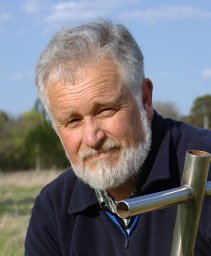 Richard Simpson合作论文数CSIRO Agriculture & Food5
 Kirra Guy合作论文数5Paul O. Collinson合作论文数4
 R.J. Godfrey合作论文数4D Gaze合作论文数3Lane Andrew M合作论文数3
 William McKenna合作论文数Institute of Cardiovascular Science, University College London3
 Alan Nevill合作论文数University of Wolverhampton;Newman University;School of Sport, Performing Arts and Leisure, University of Wolverhampton3
 Ellen Adele Dawson合作论文数Research Institute for Sport and Exercise Science;Liverpool John Moores University;Research Institute for Sport and Exercise Science, Liverpool John Moores University3R. Wage合作论文数2Dc Gaze合作论文数2Mathew G Wilson合作论文数2
 Janine Zylstra合作论文数2
 Hanspeter Pircher合作论文数Institute for Medical Microbiology and Hygiene, University of Freiburg2
 Mathew Wilson合作论文数Department of Targeted Intervention, University College London;Institute of Sport, Exercise and Health, University College London2
 François Carré合作论文数Faculté de médecine, Université de Rennes 1;CHU Pontchaillou;Laboratoire Traitement Du Signal Et De L'image, Inserm 1099/ Université de Rennes 12Cr Pedlar合作论文数2
 Scott Macrae合作论文数2Francisco Alpendurada合作论文数2P. Boshier合作论文数1S Lumley合作论文数1M. Papadakis合作论文数1Sanjay K Prasad合作论文数1R. O'Hanlon合作论文数1sanjai sharma合作论文数1L Martin合作论文数1Sk Prasad合作论文数1
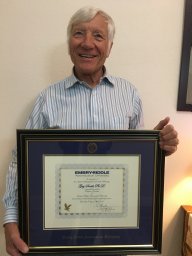 G Smith合作论文数Telethon Kids Inst1N. Middleton合作论文数1Joyce Wong合作论文数1B Hamilton合作论文数1S. Basavarajaiah合作论文数1
 Derek Ball合作论文数Sch Med Med Sci & Nutr, Univ Aberdeen1
 Nigel T Cable合作论文数Inst Sport, Manchester Metropolitan Univ1
 Jean-Claude Chatard合作论文数1
 Donald E Low合作论文数Virginia Mason Franciscan Health;Digestive Disease Institute Esophageal Center of Excellence1
 Rosaline Quinlivan合作论文数Department of Neuromuscular Diseases, UCL Queen Square Institute of Neurology1Cox S合作论文数1Peyrebrune M合作论文数1Chalabi H合作论文数1
 Cosgrove Cormac合作论文数1Barney Sam合作论文数1
 Mieke Van Hemelrijck合作论文数School of Cancer & Pharmaceutical Sciences, Faculty of Life Sciences & Medicine, King’s College London1Privett S E合作论文数1
 Dudley Pennell合作论文数National Heart & Lung Institute, Faculty of Medicine, Imperial College London1




