OBJECTIVE:This single institutional analysis explored outcomes and factors associated with local control and survival in pediatric patients with nonrhabdomyosarcoma soft tissue sarcoma (NRSTS). METHODS:Patients 18 years of age or younger diagnosed between October 1990 and November 2021 who received external beam radiotherapy (EBRT) were retrospectively identified. Overall survival (OS) and disease-free survival (DFS) were analyzed using Kaplan-Meier methods and univariate Cox models. RESULTS:Among 51 included patients, there were 33 extremity tumors (65%), with 80% T1/T2 and 90% M0. Surgery in 49/51 (96%) resulted in 32 (65%) R0 resections. All received EBRT, with brachytherapy or intraoperative radiotherapy boosts in 21/51 (41%). Thirty-four (66.7%) received chemotherapy. With 5.7 years median follow-up, 5-year OS and DFS were 70.7% and 67.9%, respectively. Positive margins were significantly associated with worse OS. Two-year local failure incidence was 18.1% for EBRT versus 5.3% for EBRT+boost (HR 3.67, P =0.24). Among 6 local failures, 5 received EBRT alone, including 3 with positive margins. Two treated with EBRT+boost had positive margins, neither with local recurrence. CONCLUSION:Multimodality treatment of pediatric NRSTS results in 5-year OS and DFS around 70%. Although complete resection remains essential, and the modern incidence of R1 resection has declined, IORT/brachytherapy boost may continue to have a role in selected patients with a high local recurrence risk.
Purpose/Objective(s) The primary objective of this study was to evaluate local disease control after external beam radiation therapy (EBRT) for Erdheim Chester disease (ECD). Radiation is effective at low doses for Langerhans cell histiocytosis, but data in ECD are limited. We hypothesized that EBRT could provide high rates of local control in ECD, with higher doses providing more durable local control. Materials/Methods This is a single institution retrospective review of patients with a clinical diagnosis of ECD who were treated with EBRT. We recorded the anatomic site of disease as well as dose of radiation utilized at each site, and determined local lesion control. Recurrence was assessed via imaging based on treatment location. Results Eight patients with ECD who underwent radiation treatment were identified, with a median follow-up of 7.1 years (range = 0.5-16.6). The median age at time of first radiation treatment was 47 years (range = 29-67). Most patients were female (6/8). There were 20 distinct sites of disease treated. Bone was the most commonly treated site (57%), followed by the brain (24%). The median radiation dose was 18 Gy (range = 10-45 Gy) and median number of fractions was 6 (range = 5-25). In disease sites treated with 11 Gy or less, 7 out of 8 sites developed in-field recurrence among the 2 out of 3 patients at a median time of 62.6 months (range = 2.6 - 98.8 months). In this subgroup, local recurrences occurred in bone (7) and brain (1). One patient treated with 16 Gy to a brain lesion experienced worsening clinical neurologic symptoms concerning for clinical disease progression 30.0 months post treatment. In disease sites treated with 18 Gy or more, recurrence was noted in 1 out of 11 sites in 5 total patients. Notably the patient who progressed was treated with 19.8 Gy in 11 fractions to the cerebellum, but it was unclear if progression was in-field or marginal. Concurrent systemic therapy was given during treatment of two distinct sites treated with 18 Gy or more. These therapies were nivolumab and binimetinib plus encorafenib, respectively. Median follow-up for patients receiving less than 18 Gy was 13.5 years, compared to 3.5 years for those receiving ≥ 18 Gy. Although retrospective review of adverse events for these patients is limited, there were no identified grade 3+ toxicities from radiation. Conclusion EBRT to involved disease sites may be beneficial for local control in ECD, though conclusions are limited by patient numbers and follow-up duration. Unlike Langerhans cell histiocytosis which can typically be controlled with 10 Gy, it appears that doses of 20 Gy or higher may be needed for durable local control in ECD.
Rosai-Dorfman disease (RDD) is a rare, heterogeneous, non-Langerhans type histiocytosis. Local treatment can be recommended for symptomatic patients with unifocal or limited multifocal disease. Systemic treatments are used for patients with symptomatic extensive multifocal disease. Case reports describing radiation therapy for RDD standardly describe conventional dose fractionation schemes. Here we present a case of a woman with symptomatic subcutaneous RDD who was successfully treated with a hypofractionated radiation regimen.
Primary gliomas arising within midline structures of the central nervous system are associated with a worse prognosis compared with hemispheric gliomas. In adults, compared to their pediatric counterparts, adult midline gliomas are not as clearly characterized on the clinical behavior, prognostic factors, and treatment approaches for these diseases. This retrospective cohort assessed all adult (≥ 18 years) patients from our institution with diffuse gliomas arising from midline structures at time of diagnosis (2014–2020). Molecular features characterized using immunohistochemistry, targeted next-generation sequencing, and chromosomal microarray analysis were collected. Patient characteristics were compared across groups using analysis of variance, Kruskal–Wallis, and the chi-square test as appropriate. Cumulative progression-free survival (PFS) and overall survival (OS) probabilities were estimated using the Kaplan–Meier method. Comparisons across groups were made using the log rank test. 79 patients were included in analysis, with a median follow-up of 22.5 months (range, 0.6–123). The mean age at diagnosis was 44.5 years (range, 19.4–76.4), and 51
PURPOSE:Despite Tumor Treating Fields (TTF) being included in NCCN guidelines as standard treatment for GBM after improving overall survival in a prospective randomized trial, adoption has been limited. We sought to describe utilization, validate the efficacy, and compare patterns of failure after TTF for GBM patients in a real-world dataset. METHODS:We identified patients with newly diagnosed GBM between 2014-2023 who received standard fractionation external beam radiotherapy (EBRT). Data collected included extent of resection, radiotherapy dose fractionation and modality, utilization of tumor treating fields, and presence and location of progression based on radiographic findings. Kaplan-Meier (KM) curves were generated for progression-free and overall survival. Patient/disease characteristics in relation to TTF utilization were evaluated between the two groups. RESULTS:Three-hundred and ninety-three (393) patients were included in this study. 74 patients were treated with TTF (18.8 %). The adoption of TTF utilization increased in 2019 by 10 %. The rate of TTF utilization was approximately 20 % from 2019 to 2023. 2-year OS was improved with the addition of TTF after EBRT (58 % versus 41 %, p < 0.006). On multivariable adjustment, TTF use remained associated with improved OS (p = 0.038). There was a trend towards increased marginal failures and decreased in-field failures with the addition of TTF (p = 0.099). CONCLUSION:Widespread adoption of TTF in the treatment of GBM has been generally met with hesitation with less than one-fourth of modern patients receiving TTF. TTF was associated with improved OS, consistent with previously published prospective clinical trial results. Our results also suggest there may be an interplay between TTF and EBRT, affecting pattern of failure, with decreased rates of in-field failure among the TTF group.
The investigation and application of PET modalities for the evaluation and treatment of patients with central nervous system (CNS) tumors continues to evolve, with anticipated increased uptake in the United States for both benign and malignant CNS tumors in the decade to come.
Purpose Gray zone lymphoma (GZL) is a rare disease that currently has poor treatment outcomes. The role of radiation therapy (RT) in the management of GZL is not well established. This trial is the largest study to report on the outcomes of patients with GZL treated with and without RT. Methods and Materials A retrospective review of 30 patients with GZL treated across 3 institutions from 2009 to 2021 was performed. Treatment response was assessed using end-of-treatment (EST) and/or interim (1) positron emission tomography (PET)-computed tomography or computed tomography scans, per Lugano criteria. A complete response (CR) on an interim PET scan (Deauville score, 1-3) was a rapid-early-response, whereas a partial response (PR) on an interim PET scan without progression was a slow-early-response (SER). For EST assessment, a Deauville score of 1 to 3 was considered CR, and a score of 4 to 5 without progression was considered PR. Event-free survival (EFS) was defined from initiation of frontline chemotherapy to disease progression/relapse, initiation of salvage therapy, or death. Results At a median follow-up of 4 years, the 2-year EFS was 26% for all patients, 33% for RT, and 23% for no-RT (P = .44). The 2-year EFS based on EST was 46% and 10% for CR and PR, respectively (P = .004). Patients with PR to chemotherapy who received RT had significantly better 2-year EFS compared with those who did not (17% vs 0%, P = .007). Among patients with SER, RT was also associated with improved 2-year EFS (33% vs 13%, P = .038). Patients with bulky mediastinal disease had a 2-year EFS of 43% with RT versus 11% without RT (P = .08). Conclusions Patients with GZL have a high risk of relapse, and RT improves EFS, particularly for patients with SER, PR, and bulky mediastinal disease.
Purpose/Objective(s) Radiation Therapy (RT) is generally considered cost effective, but this and other cancer therapies can impact patient financial wellbeing. A multitude of patient, disease, and treatment variables may contribute to financial burden. We aim to define the patient-reported financial burden of cancer treatments over time for a large cohort of patients previously treated with RT at a single institution. Materials/Methods In this cross-sectional cohort study, we sent a survey assessing the financial impact of cancer treatment to 24,834 patients who received curative-intent RT for cancer at a single institution across 4 states between 2013-2022. The 23-item survey utilized modified COST-FACIT questions and qualitative questions to assess financial burden. Patient demographics, disease and treatment characteristics, and insurance details were collected and assessed with univariate ANOVAs as predictors of past financial status as measured by the modified COST-FACIT. If a predictor was significant, Tukey's adjustment was used to conduct pairwise comparisons. Results A total of 2,376 patients (11% response) completed the survey and provided consent. Median age was 62 years, 57% were men, 96% were white, and 80% were married. The most common disease sites were GU (28%), Breast (26%) and H&N (9%). Most (47%) had commercial insurance while 33% had Medicare and 10% Medicare Advantage. A total of 42% reported their illness caused at least some financial hardship. Greater financial burden, as measured by decreasing COST-FACIT, was associated with female sex (p<0.001), non-white race (p<0.001), Hispanic ethnicity (p = 0.009), lower level of education (p<0.001), use of Medicaid (p<0.001), and single status (p<0.001). Notably, RUCA code and distance from treatment facility were not associated with financial hardship. Patients with CNS or anorectal cancers reported the most financial burden, while GU patients reported the least. Peri-treatment hospitalizations and grade 2+ toxicities were associated with increased financial burden (p<0.001). Chemotherapy, surgery, RT, and immunotherapy were reported as one of the greatest contributors to financial difficulties by 28%, 25%, 25%, and 19% of patients who received them, respectively. For patients with recurrence, 41% reported this to be one of the greatest contributors. While 24% of patients reported not feeling at all in control of their financial situation during treatment, this significantly decreased to 9% at the time of survey (mean 5 years later) (p<0.001). Conclusion Many patients experience financial hardship due to their cancer diagnosis and treatment costs. Patient demographics, insurance, diagnosis, and toxicities of treatment were predictors of hardship. Most patients affected regained financial control after treatment. Effective methods to reduce the financial impact of cancer treatment for patients are needed.
e23554 Background: Follicular dendritic cell sarcoma (FDCS) is a low-grade neoplasm arising from follicular dendritic cells. Its diagnosis is challenging due to its extreme rarity, and the optimal management remains unknown. Methods: We conducted a retrospective study of FDCS patients (pts) seen at Mayo Clinic, MN since 2018. Time to event analyses were done from the time of diagnosis. Results: Ten pts with FDCS were identified (Table). The median age was 60 years (range, 38-76) and 5 were males. Abdominal pain was the most common presenting symptom (30%) followed by constitutional symptoms, shortness of breath, and vision change. In 3 pts, the diagnosis was incidental. The 2 most common primary locations were abdomen/pelvis (50%) and mediastinum (30%). Six pts (60%) presented with advanced disease and 3 (30%) had Castleman’s disease. Most (60%) had advanced disease. Six pts had Epstein-Barr virus in situ hybridization and all tested negative. Seven pts had next generation sequencing and 5 (83%) had genetic alterations detected with CDKN2A/B alterations being most frequent (3 pts, all with advanced disease). The median follow up was 4.3 years (range, 0.2-13.3). In the 4 patients with localized disease, 3 underwent complete surgical excision resulting in complete remissions (CRs). The one who received radiation had a partial remission (PR). The median time to progression after 1 st line treatment was 4 months (all with advanced disease). All 3 pts who died had advanced disease and 2 had CDKN2A/B alterations. Conclusions: In FDCS, localized diseases managed by surgical excision with or without radiation can achieve long term remissions. Advanced diseases generally do not respond to multimodality therapy including immunotherapy but can have disease stabilization with variable survival. CDKN2A/B mutations were common and potentially associated with a worse outcome. Better understanding of the impact of the FDCS mutational landscape on prognosis may provide novel approaches to therapy. [Table: see text]
The ARS brain committee recommends that vorasidenib may be appropriate for recurrent or residual IDH-mutant grade 2 oligodendroglioma or astrocytoma. Vorasidenib is usually not appropriate for completely resected grade 2 oligodendroglioma or astrocytoma, any grade 3 oligodendroglioma or astrocytoma, or combined with radiotherapy and/or chemotherapy for any grade 2-3 glioma.
BACKGROUND/AIM:Total skin electron beam therapy (TSEBT) is an effective treatment for managing cutaneous T-cell lymphoma (CTCL), but may result in unnecessary toxicity. With the production of a custom rolling shield holding a configurable stack of plastic slats to block uninvolved skin, we implemented a program for subtotal skin electron beam therapy (STSEBT). We report our preliminary experience with STSEBT vs. TSEBT to manage CTCL.PATIENTS AND METHODS:A retrospective review of 32 CTCL patients who were treated at a single institution between February 28th, 2017, and May 25th, 2022, was completed. Of these cases, seven patients received STSEBT and 25 received TSEBT.RESULTS:Thirty-two patients underwent a course of STSEBT or TSEBT. The median follow-up was 465 days and the median age at diagnosis was 70.8 years. Stage distribution was as follows: one (3%) IA, 16 (50%) IB, 6 (19%) IIB, two (6%) IIIA, five (16%) IVA, and two (6%) IVB. The overall response rate was 96%. For patients receiving TSEBT (n=25), three (12%), 10 (40%), and 11 (44%) had a CR, NCR, and PR, respectively. For the patients receiving STSEBT, four (57.1%), three (42.9%), and zero (0%) had a CR, NCR, and PR, respectively. There was one patient (4%) with no response. Cumulative incidence of progressive skin disease requiring additional electron therapy at three months was 21.1% [IQR=8.6, 51.5%], 36.8% [IQR=20, 68%] at six months, and 57.9% [IQR=38.5, 87.1%] at one year. Low rates of toxicities were recorded.CONCLUSION:This analysis demonstrated that treatment of CTCL patients with low disease burden with STSEBT results in similar overall response and time to progression compared to treatment with TSEBT.
Purpose/Objective(s) Cancer databases have historically fallen short in providing information regarding cancer recurrence due to challenges collecting this information longitudinally. Accurate database information is critical both as research tool and to allow identification of patient status in real time. We hypothesized that machine learning with natural language processing would allow for automated classification of cancer pathology reports as recurrent or not, facilitating the process of accurate registry collection. Materials/Methods Patients treated with radiation therapy at one tertiary referral center from 2010 to 2018 with a verified cancer status (cancer recurrence vs. no cancer recurrence) were identified. Patients with recurrent disease were initially identified through manual record review, and the associated pathology report collected. Automated machine learning with natural language processing was employed (Alphabet Inc.) to generate a model for binary classification, with comparison to the gold-standard manually developed dataset. Results Seven thousand fifty-four patients were identified. Three thousand four hundred thirty-one (49%) were women, with a median age of 64 years. Head and neck (1482, 21%), breast (1480, 21%), upper GI (1307, 19%), and lung/thorax (1107, 16%) were the most common disease sites. Recurrence was verified for 1546 (21.9%) and 981 (13.9%) patients using pathology and radiology reports, respectively. Of these recurrences, 973 were local (13.8%), 1121 regional (15.9%), and 1768 distant (25.1%). One thousand two hundred forty-nine confirmed positive pathology reports were paired with 651 negative pathology reports and used for model training using automated delineation of training and test data (training = 1508, validation = 189, and testing = 189). The best fitting model produced demonstrated precision of 99%, recall of 98%, and specificity of 97%. On manual comparison, model-derived false positives resulted from abnormal dictation or uncommon wording sequence, including diagnostic language with negation (i.e. “Evidence of recurrence or progression is not noted”). Notably rare pathologies were more likely to generate false negatives secondary to limited reports demonstrating these pathologies available during algorithm training. Conclusion Automated machine learning with natural language processing serves as a promising tool for identifying recurrence from pathology reports, and may accelerate or improve the identification of cancer recurrence information.
Abstract INTRODUCTION Lymphopenia attributed to postoperative chemoradiotherapy (CRT) can accelerate tumor recurrence and contribute to poor prognosis in GBM. We hypothesize that short course (1-2 weeks) CRT can mitigate lymphopenia compared to standard course and may provide immune benefits for future combination therapy. METHODS GBM patients were randomized on a multi-site phase II study comparing short course (35Gy/5Fx or 40Gy/10Fx depending on target volume) (Arm A) versus standard dose fractionation (60Gy/30Fx or 40Gy/15Fx, Arm B). All patients received concurrent and adjuvant temozolomide (TMZ). This unplanned interim analysis evaluates changes of absolute lymphocyte count (ALC), CD4 and CD8 prospectively at 3-timepoints: baseline (prior to CRT), end of CRT, and 1-month post-CRT. RESULTS To date, 72 patients enrolled (34 Arm A, 38 Arm B). Median age 66 (35-86), ECOG 0-2. Patients characteristics as followed in Arm A vs. Arm B, respectively: female 47% vs. 42%, MGMT promotor methylated 31% vs. 34%, steroid use 46% vs. 45%, ALC 1310 cells/mm3 (330 –9730) vs. 1480 (750 –7750), CD4 531 cells/mm3 (86 –1368) vs. 662 (318 –1671), and CD8 151 cells/mm3 (56 –940) vs. 272 (68 –875). Lymphocytes data were collected in 49 patients (21 Arm A, 28 Arm B). There were signficantly fewer reductions of ALC, CD4 and CD8 in Arm A. Median ALC changes were 95% and 99% of baseline (Arm A) vs 52% and 61% of baseline (Arm B) at the end of CRT and 1-month post-CRT, respectively (p<0.01). Median CD4 changes 93% and 96% of baseline (Arm A) vs 51% and 49% (Arm B), and median CD8 changes 97% and 98% of baseline (Arm A) vs 57% and 71% (Arm B) at the end of CRT and 1-month post-CRT, respectively (p<0.05). CONCLUSIONS This interim analysis suggests that short course RT could reduce treatment-related lymphopenia and immune suppression compared to standard RT, thus could be potentially beneficial to combine with immunotherapy.
Ever since its introduction as a diagnostic imaging tool the potential of magnetic resonance imaging (MRI) in radiation therapy (RT) treatment simulation and planning has been recognized. Recent technical advances have addressed many of the impediments to use of this technology and as a result have resulted in rapid and growing adoption of MRI in RT. The purpose of this article is to provide a broad review of the multiple uses of MR in the RT treatment simulation and planning process, identify several of the most used clinical scenarios in which MR is integral to the simulation and planning process, highlight existing limitations and provide multiple unmet needs thereby highlighting opportunities for the diagnostic MR imaging community to contribute and collaborate with our oncology colleagues.Evidence Level5Technical EfficacyStage 5
Stereotactic radiosurgery (SRS) is an important weapon in the management of brain metastases. Single-fraction SRS is associated with local control rates ranging from approximately 70% to 100%, which are largely dependent on lesion and postoperative cavity size. The rates of local control and improved neurocognitive outcomes compared with conventional whole-brain radiation therapy have led to increased adoption of SRS in these settings. However, when treating larger targets and/or targets located in eloquent locations, the risk of normal tissue toxicity and adverse radiation effects within healthy brain tissue becomes significantly higher. Thus, hypofractionated SRS has become a widely adopted approach, which allows for the delivery of ablative doses of radiation while also minimizing the risk of toxicity. This approach has been studied in multiple retrospective reports in both the postoperative and intact settings. While there are no reported randomized data to date, there are trials underway evaluating this paradigm. In this article, we review the role of hypofractionated SRS in the management of brain metastases and emerging data that will serve to validate this treatment approach. Pertinent articles and references were obtained from a comprehensive search of PubMed/MEDLINE and clinicaltrials.gov .
Purpose/Objective(s) Although about half of older adults report using telemedicine (TM), one-third report lack of readiness to use advanced TM platforms, causing barriers to care. Patient characteristics associated with TM use among older adults with cancer requiring radiation therapy have not been studied. We examined older adults who presented to a large comprehensive cancer for consultation in-person (IP), by phone (PH), or via video (VI) during the COVID-19 pandemic. We hypothesized that older age, higher area deprivation index (ADI), and farther distance from clinic would be associated with use of phone as opposed to video technology and that phone visits may be associated with lower patient satisfaction scores (PSS). Materials/Methods New patient consultations 65 years or older from March 2020 to December 2021 were identified. Visits were categorized as IP, PH, or VI. Sex, age, race, ethnicity, private insurance versus Medicare, distance from clinic, and ADI (1 (least deprived) – 100 (most deprived)) by zip code were collected. PSS (top box: percentage of patients giving 5 out of 5 for a question) from April 2020 to December 2021 for 628 IP, 15 PH, and 226 VI were available. Yield, or receipt of radiotherapy at our institution, was also analyzed. Results Among the 5,679 patients analyzed, 4,524 (80%) were IP, 165 (3%) were PH, and 990 (17%) were VI. The population was 64% male with an average age of 73.5 years, 66% had Medicare, and yield was 66%. IP patients had the highest yield (71% IP, 50% PH, 46% VI), highest percentage of female patients (39% IP, 22% PH, 24% VI), and lived closest to clinic (median miles 96 IP, 195 PH, 266 VI). PH visits were oldest in median age (73 years IP, 74 PH, 72 VI) and had the highest median ADI (49 IP, 52 PH, 42 VI). PH patients had the highest Medicare utilization (66% IP, 71% PH, 66% VI). Multivariable logistic regression (LR) comparing VI to PH patients showed that PH patients were significantly older (OR 0.60, p < 0.001), lived significantly closer to clinic (OR 1.08, p < 0.001), and had higher ADI (OR 0.88, p < 0.001). Multivariable LR for assessment of yield showed higher ADI to be associated with higher yield for those presenting on VI and PH but not for IP patients. On average, PH patients had lower PSS (81 PH, 86 IP and VH), with the lowest and most significantly different scores in “ease of contacting” (77 IP, 65 PH, 76 VI) and “ease of scheduling appointments” (80 IP, 70 PH, 74 VI). Conclusion Twenty percent of older cancer patients presenting for consultation utilized TM services. PH patients were older, had higher ADI and Medicare use, lived farther from clinic, and reported lower PSS. This suggests that TM services, especially availability of phone visits, may have improved older adult access to care by reaching patients at greater distances and with higher healthcare deprivation. However, our conclusions also show need for technological education and video visit infrastructure development to improve patient satisfaction and care access for medically underprivileged older adult patients.
 Nadia N. Laack合作论文数Department of Radiation Oncology, Mayo Clinic54
 Paul D. Brown合作论文数Department of Radiation Oncology, Mayo Clinic46
 Kenneth W. Merrell合作论文数University of Oregon37
 Anita Mahajan合作论文数Department of Radiation Oncology, Mayo Clinic;Department of Pediatric and Adolescent Medicine, Mayo Clinic35
 William S. Harmsen合作论文数Division of Biomedical Statistics and Informatics, Mayo Clinic33Jennifer L. Peterson合作论文数30
 Brad S. Hoppe合作论文数Mayo Clinic Comprehensive Cancer Center24Scott C Lester合作论文数Dept Radiat Oncol, Mayo Clin22Routman David M合作论文数Department of Medicine, University of Southern California22
 Bradley J Stish合作论文数Department of Radiation Oncology, Mayo Clinic Comprehensive Cancer Center22
 Michael Ruff合作论文数Dept Neurol, Mayo Clin19Uhm Joon H合作论文数19Sener Ugur合作论文数19
 Elizabeth Yan合作论文数16Kizilbash Sani H合作论文数Authors' Affiliations: Departments of Radiation Oncology, and.16
 Sean S. Park合作论文数Department of Radiation Oncology, Mayo Clinic16
 Stephen M. Ansell合作论文数Division of Hematology, Department of Internal Medicine, Mayo Clinic16Kenneth R. Olivier合作论文数Department of Radiation Oncology, University of Florida College of Medicine16
 Chris L. Hallemeier合作论文数Department of Radiation Oncology, Mayo Clinic16
 Yolanda I. Garces合作论文数Department of Radiation Oncology, Mayo Clinic;Mayo Clinic Comprehensive Cancer Center15Rosenthal Allison合作论文数15
 William G Rule合作论文数15
 Arushi Khurana合作论文数Division of Hematology, Mayo Clinic14
 Omran Saifi合作论文数Department of Radiation Oncology, Mayo Clinic Jacksonville14
 Yi Lin合作论文数Division of Hematology, Department of Internal Medicine, Mayo Clinic;Mayo Clinic Comprehensive Cancer Center14Susan C. Lester合作论文数Department of Pathology, UCSF Medical Center14W.G. Rule合作论文数12
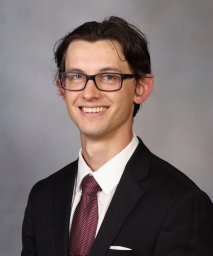 Roman O Kowalchuk合作论文数Department of Radiation Oncology, Mayo Clinic Rochester12Munoz Javier合作论文数12
 Pafundi Deanna H合作论文数Department of Neuroscience, University of Minnesota;Brain Tumor Program, University of Minnesota;Department of Pharmaceutics, University of Minnesota;Department of Pediatrics, University of Minnesota;Department of Radiation Oncology, Mayo Clinic;Brain Barriers Research Center, University of Minnesota;University of Minnesota, University of Minnesota12
 Mark Waddle合作论文数Department of Radiation Oncology, University of North Carolina at Chapel Hill12
 Jonathan B. Ashman合作论文数Department of Radiation Oncology, Mayo Clinic12Debra H. Brinkmann合作论文数12
 Bryan J. Neth合作论文数Mayo Clin Rochester11
 Jann N. Sarkaria合作论文数Department of Radiation Oncology, Mayo Clinic;Mayo Clinic Comprehensive Cancer Center11
 Jian L. Campian合作论文数Mayo Clinic Comprehensive Cancer Center;Department of Oncology, Mayo Clinic11
 Mohamed A. Kharfan Dabaja合作论文数Department of Hematology, Mayo Clinic;Mayo Clinic hospital in Jacksonville11
 Sujay A. Vora合作论文数Department of Radiation Oncology, Mayo Clinic Arizona11
 Yucai Wang (王育才)合作论文数School of Life Sciences, University of Science and Technology of China;The CAS Key Laboratory of Innate Immunity and chronic Disease11
 Hemant S. Murthy合作论文数Division of Hematology-Oncology, Mayo Clinic10Dawn Owen合作论文数10
 Ahmed S.K.合作论文数10
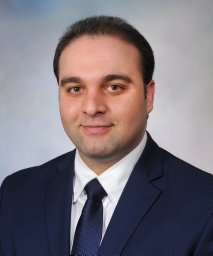 Moustafa Muhamad Alhaj合作论文数Department of Internal Medicine, Mayo Clinic10
 Terry C. Burns合作论文数Stem Cell Institute, University of Minnesota Medical School10U. Sener合作论文数9J John Lucido合作论文数9
 Derek Johnson合作论文数9
 Trifiletti Daniel M合作论文数Department of Radiation Oncology, University of Virginia School of Medicine9
 Todd Alan DeWees合作论文数Radiation Effects Research Foundation9




