7062 Background: MCL is a rare and aggressive subtype of B-cell non-Hodgkin lymphoma that remains incurable. Bruton tyrosine kinase (BTK) inhibitors are an established standard of care for R/R MCL. However, comparative effectiveness data for different BTK inhibitors for R/R MCL are limited. This study evaluated the real-world effectiveness of zanu and acala in US patients with R/R MCL based on overall survival (OS) and time to next treatment (TTNT). Methods: A retrospective cohort study was conducted using Komodo health administrative claims data. Eligible patients were adults (aged ≥18 years) with ≥2 MCL diagnoses and continuous enrollment or activities within 1 year prior to and 3 months following the index date. Patients were required to initiate monotherapy with zanu (index period: November 2019 to August 2025) or acala (index period: October 2017 to August 2025) as a second-line or later (2L+) treatment, with index date defined as the first observed claim for zanu or acala. Patients with evidence of clinical trial participation, end stage renal disease or prior stem cell transplant were excluded. Outcomes included OS (time from index date to all-cause mortality) and TTNT (time from index date to subsequent therapy with an allowable gap of 120 days). If an outcome was not observed, patients were censored at the date of last activity or enrollment end date. Survival analyses were conducted using Kaplan-Meier estimates and Cox proportional hazards models. Inverse probability of treatment weighting (IPTW) was adjusted for age, sex, US region, treatment initiation year and Charlson Comorbidity Index (CCI). Results: In total, 2219 patients (zanu, n=931; acala, n=1288) were eligible and included in the study. The mean age was higher in the zanu (72.3 years; SD, 9.4) vs acala cohort (71.4 years; SD, 9.7). Most patients were male (zanu, 71%; acala, 75%), non-Hispanic white (zanu, 73%; acala, 74%), and the mean CCI was 3.5 (SD, 3.2) and 3.6 (SD, 3.1) in the zanu and acala cohorts, respectively. Median follow-up was 14.8 and 18.2 months in zanu and acala cohorts, respectively. Median TTNT was 26.7 months for zanu and 20.8 months for acala. Median OS was not reached for zanu and was 60.6 months for acala. In the unadjusted model, zanu had a longer TTNT (HR, 0.86; 95% CI, 0.76-0.97; P =.012) and OS (HR, 0.74; 95% CI, 0.62-0.88; P <.001). After IPTW adjustment, TTNT and OS favored zanu treatment (TTNT: IPTW-adjusted HR, 0.86; 95% CI, 0.76-0.98; P =.025; OS: IPTW-adjusted HR, 0.81; 95% CI, 0.68-0.98; P =.03). Conclusions: In this real-world analysis of US health claims data, zanu monotherapy demonstrated significantly longer TTNT and improved OS compared with acala in patients receiving 2L+ therapy for MCL. These findings support zanu as an effective BTK inhibitor for R/R MCL.
ABSTRACT:The benefit of rituximab maintenance after first-line (1L) bendamustine-rituximab (BR) in patients with mantle cell lymphoma (MCL) remains uncertain, with inconsistent results from the phase 2 MAINTAIN trial and several retrospective studies. We conducted a large retrospective study at 27 US and Canadian academic centers to examine the benefit of rituximab maintenance after BR. A total of 911 patients received 1L BR between 2010 and 2020, and 703 had an objective response and no evidence of disease progression at the 3-month post-BR landmark. Among those, 394 (56%) received rituximab maintenance and 309 (44%) did not, with largely similar baseline patient and disease characteristics. In the landmark analysis, rituximab maintenance was associated with improved event-free survival (EFS; median, 49.9 vs 29.7 months; P< .001) as well as overall survival (OS; median, 109.5 vs 74.2 months; P< .001). The EFS and OS benefits were observed across most of the subgroups. EFS and OS differences were statistically significant in those who achieved a complete response to 1L BR (n = 590; median EFS, 62.7 vs 31.1 months [P< .001]; median OS, 136.1 vs 75.3 months [P< .001]), but the analysis among those who achieved a partial response to 1L BR was limited by the small sample size. These results provide additional evidence for the survival benefit of rituximab maintenance after BR in MCL and support its use in clinical trial design and routine practice.
Abstract Background Treatment with brexucabtagene autoleucel (brexu-cel), an autologous anti-CD19 chimeric antigen receptor (CAR) T-cell therapy, demonstrated a high objective response rate (93%) and complete response rate (67%) in 60 patients with relapsed/refractory mantle cell lymphoma (R/R MCL) treated in the pivotal ZUMA-2 Cohort 1 study. Subsequently, brexu-cel was approved in the United States and European Union for the treatment of adults with R/R MCL (after ≥ 2 prior therapies in the European Union). Here we report 5-year outcomes from the pivotal ZUMA-2 Cohort 1 study (N = 68), as well as two previously unpublished ZUMA-2 data sets, long-term outcomes in 10 patients who received axi-cel in Cohort 1 and in 14 patients who received a lower dose of brexu-cel in Cohort 2. Methods The primary endpoint for all cohorts of ZUMA-2 was objective response rate. Key secondary endpoints included duration of response (DOR), overall survival (OS), and safety. Patients could transition to a long-term follow-up study after 24 months for monitoring of survival and select adverse events possibly related to brexu-cel. Patients in Cohort 1 received a single infusion of 2 × 10⁶ anti-CD19 CAR T cells/kg (axi-cel or brexu-cel). Patients in Cohort 2 received 0.5 × 10⁶ anti-CD19 CAR T cells/kg (brexu-cel). Results Median follow-up for the pivotal cohort (N = 68) was 67.8 months (range, 58.2–88.6) with a median DOR of 36.5 months (n = 60), per investigator review. Median OS was 46.5 months (95% CI, 24.5–60.2; N = 68) and was 60.2 months (95% CI, 42.8-not estimable) in patients with complete response (n = 46). The 5-year incidence of cumulative relapse-related and non-relapse–related mortality was 40% (24/60) and 22% (13/60) in responders, respectively. Descriptive outcomes for axi-cel–treated patients (N = 10) and Cohort 2 (N = 14) are reported herein. No Grade 5 cytokine-release syndrome or neurologic events, subsequent T-cell malignancies, or new safety signals were reported in any patient. Conclusions Patients in ZUMA-2 continued to have durable responses after 5 years of follow-up with predictable long-term safety, supporting the continued use of brexu-cel in R/R MCL. Interpretations of outcomes in axi-cel–treated patients and Cohort 2 are not feasible due to small patient numbers and unmatched baseline characteristics. Trial registration NCT02601313 and NCT05041309.
ABSTRACT Introduction Composite indolent B‐cell lymphomas may remain unrecognized when one component dominates the clinical presentation. Apparent relapse after therapy may, therefore, represent the emergence of a biologically distinct lymphoma rather than the recurrence of the original disease. Case Presentation An 82‐year‐old woman presented with systemic low‐grade B‐cell lymphoma that was most consistent with marginal zone lymphoma (MZL). Staging demonstrated peripheral blood involvement and multifocal FDG‐avid disease. Treatment with the CD20×CD3‐bispecific antibody mosunetuzumab resulted in complete metabolic remission. During surveillance, a new, isolated cervical lymph node developed despite sustained systemic response. Biopsy revealed follicular lymphoma (Grade 1–2) with a germinal center phenotype and a BCL2 rearrangement, findings discordant with recurrence of MZL. Retrospective review of the original specimen identified in situ follicular neoplasia within the initial biopsy. The disease course was, therefore, reinterpreted as a synchronous composite lymphoma in which treatment of the dominant MZL unmasked a previously clinically silent B‐cell neoplasm with follicular lineage. Local radiotherapy achieved remission of the follicular component. Conclusions New disease following treatment of an indolent lymphoma should not automatically be interpreted as relapse. Discordant clinical behavior, particularly focal progression after systemic response, warrants repeat biopsy and integrated pathologic reassessment. This case illustrates how therapy may reveal preexisting clonal heterogeneity and emphasizes the importance of temporality in distinguishing relapse from composite lymphoma. Trial Registration The authors have confirmed clinical trial registration is not needed for this submission
CD19-directed chimeric antigen receptor (CAR) T-cell therapies have been instrumental in improving outcomes of refractory or relapsed B-cell malignancies. However, there have been safety concerns due to recent reports of second primary malignancies (SPMs) related to CAR T-cell therapies. We reviewed articles from Embase, PubMed, and Cochrane Library records and included SPM case reports as well as cohort studies. Across published cohorts, secondary cutaneous or peripheral T-cell lymphoma (PTCL) after diffuse large B-cell lymphomas (DLBCLs) have been reported at low incidence (generally in the low single-digit percentage range). While CAR T-cell therapy is associated with these rare secondary malignancies and lineage-switch events primarily described in acute leukemia, they are clinically significant and have resulted in increased surveillance. The currently available evidence suggests that most secondary malignancies after CAR T-cell therapy are due to background risk and prior treatment exposures rather than direct CAR T-cell therapy induced oncogenesis. However, rare CAR T-cell therapy-associated second primary T-cell malignancies have been reported. To properly define incidence, mechanisms, and risk factors for CAR T-cell therapy-associated malignancies, continued prospective registry follow-up and additional research will be needed.
e19046 Background: While outcomes in pts with R/R FL have improved with current SOC treatments (Tx), there remains a need for safe, efficacious, and convenient Tx options. GOLCA is a potential, first-in-class, oral CELMoD designed for Tx of lymphoma, with preferential distribution to lymphoid organs and enhanced activity in lymphoma cell lines. GOLCA induces rapid and deep degradation of Ikaros and Aiolos, leading to direct cell killing and immunomodulatory activity. GOLCA + R was well tolerated and effective in heavily pretreated pts in the two-part Ph 1/2 study, CC-99282-NHL-001. Here, we provide longer f/u in pts with R/R FL from Part B of the study. Methods: Pts with R/R FL with ≥2 prior lines of Tx (≥1 if prior anti-CD20 Tx) received GOLCA orally, once daily at 0.2 mg (n=22) or 0.4 mg (n=38) ± R for up to 2 y or until progressive disease (PD)/unacceptable toxicity. Primary endpoints included safety and RP2D determination; secondary endpoints are preliminary efficacy and PK. Results: As of September 15, 2025, 60 pts were enrolled. In 0.2 and 0.4 mg groups, median prior Tx lines were 3 and 3, 32% and 32% had prior lenalidomide (LEN), 27% and 29% had prior T-cell–redirecting Tx (CAR T and/or bispecific antibody) and 32% and 32% were refractory to last regimen. Tx is ongoing in 6 (27%) and 17 (45%) pts at 0.2 and 0.4 mg, respectively; discontinuations (d/c) were mostly due to PD. Neutropenia, an on-target side effect of GOLCA, was the most common grade 3/4 Tx-emergent adverse event (TEAE) occurring in 59% and 68% of pts at 0.2 and 0.4 mg, followed by anemia (9% and 16%) and febrile neutropenia (9% and 8%). Median time to resolution of neutropenia was 8 days. Dose reductions occurred in 14% and 37% of pts at 0.2 and 0.4 mg, most commonly due to neutropenia (5% and 21%) and febrile neutropenia (5% and 5%). No d/c or deaths were from GOLCA-related TEAEs. Non-hematologic TEAEs were infrequent and mostly low grade. In efficacy-evaluable pts (GOLCA 0.2 and 0.4 mg + R, n=22 and n=36), median f/u was 14.03 months (mo), overall response rate (ORR) was 77% (complete response rate [CRR], 41%) at 0.2 mg, and 97% (CRR, 78%) at 0.4 mg. In the 0.4 mg group, responses were consistent in high-risk subsets including pts with prior LEN (ORR, 100%; CRR, 75%) and/or T-cell–redirecting Tx (ORR, 91%; CRR, 64%). GOLCA 0.4 mg + R demonstrated durable responses (median DOR, 9.17 mo; 91% of pts who achieved a CR remained in CR at cutoff). Conclusions: With longer f/u, GOLCA + R demonstrated promising efficacy with durable responses and no new safety signals. The 0.4 mg group had higher ORR and CRR than 0.2 mg, including in pts with prior LEN-based and/or T-cell–redirecting Tx, with a manageable safety profile at both doses. The results support the development of GOLCA + R as a fixed-duration, chemotherapy-free outpatient Tx in the Ph 3 GOLSEEK-4 study in 2L+ FL (NCT06911502). Clinical trial information: NCT03930953 .
Secondary central nervous system (CNS) large B-cell lymphoma (SCNSL) occurs in the de novo setting, as a CNS-isolated relapse, or synchronous (concomitant CNS and systemic) relapse. SCNSL is a devastating event without therapeutic consensus. Thus, we aimed to evaluate treatment outcomes in an international cohort. Progression-free survival (PFS), overall survival (OS) and cumulative incidence of relapse (CIR, estimated using competing-risk models) were reported. Prognostic factors were identified in a 6-month landmark multivariate analysis. Outcomes following thiotepa autologous stem cell transplant (ASCT) and chimeric antigen receptor T-cell therapy (CAR-T) delivered at relapse were compared following propensity score matching (PSM). A total of 1139 patients were included in the analysis (de novo: 537; relapsed SCNSL: 602). 2-year PFS estimates were 40.4%, 43.9% and 16.2% for de novo SCNSL, CNS-isolated relapse, and synchronous relapse respectively. Patients with CNS-isolated relapse demonstrated low rates of systemic recurrence (24-month CIR 6%). Thiotepa-ASCT correlated with longer survival in de novo SCNSL (PFS: HR=0.57; P=0.005; and OS: HR=0.62; P=0.023) and CNS-isolated relapses (PFS: HR=0.55; P=0.002; and OS: HR=0.39; P<.0001) in 6-month multivariable landmark analysis. ASCT (thiotepa or non-thiotepa) also associated with improved survival in synchronous relapses (PFS: HR=0.57; P=0.023; and OS: HR=0.48; P=0.019). Higher survival with thiotepa-ASCT compared to CAR-T was observed in survival analyses following PSM (PFS: HR=0.45; P=0.005 and OS: HR=0.41; P=0.014). These data support thiotepa-ASCT in eligible patients, particularly de novo disease and CNS-isolated relapses. CNS-isolated relapse was infrequently associated with systemic recurrence, supporting treatment regimens adopted from primary CNS lymphoma.
The non-covalent BTK inhibitor (non-cBTKi) pirtobrutinib (pirto) is approved for mantle cell lymphoma (MCL) patients with disease progression (PD) on cBTKi. We conducted a multi-center retrospective study on adult MCL patients with PD on cBTKi who received pirto outside of a clinical trial. 213 patients from 27 institutions were included (153 with non-bridging and 60 with bridging intent). In the non-bridging cohort, the overall response rate (ORR) and complete response rates were 34% (52/153) and 21% (32/153), respectively. At a median follow-up (mFU) of 16.4 months, median progression-free survival (PFS), overall survival (mOS), and duration of response were 5.3, 13, and 20.9 months, respectively. Inferior PFS was observed for ≤ 12 months on cBTKi (HR 1.77, 95% CI 1.21–2.59), Ki-67 ≥ 50% (HR 2.31, 1.50–3.56), and TP53 mutation (HR 1.78, 1.12–2.85). We then created a weighted risk score (0–5 points) to separate patients into low (0–1), intermediate (2–3), and high-risk (4–5). In the 60 patients treated with bridging intent, 45 (75%) were bridged (43 CAR-T, 2 allograft), and, at a mFU of 15.0 months, mOS was not reached. Compared to BRUIN, we report inferior outcomes for pirto in MCL patients with PD on cBTKi, while showing its benefit as a bridge therapy.
Purpose Off-the-shelf, allogeneic CD19 chimeric antigen receptor (CAR) T cell products may improve access to treatment versus autologous ones. We report the phase 1 experience of the allogeneic CD19 CAR T-cell product cemacabtagene ansegedleucel (cema-cel) and its predecessor, ALLO-501, in CD19 CAR T-naive patients with relapsed/refractory large B-cell lymphoma (R/R LBCL). Patients and Methods In the ALPHA2/ALPHA studies, safety and efficacy of allogeneic CD19 CAR T cells were evaluated in CD19 CAR T treatment-naive patients with R/R LBCL. Patients received healthy donor-derived, human leukocyte antigen–unmatched cema-cel/ALLO-501 following a 3-day lymphodepletion regimen of fludarabine (30 mg/m 2 /day), cyclophosphamide (300 or 500 mg/m 2 /day), and escalating doses of the anti-CD52 monoclonal antibody, ALLO-647. Results As of September 26, 2024, 33 CD19 CAR T-naive patients with LBCL (median age, 66 years; median number of prior therapies, 3) received allogeneic CAR T cells. CAR T cell expansion was observed following infusion, with persistence observed up to 4 months. Overall and complete response rates were 58% and 42%, respectively; median duration of response in patients with a complete response was 23.1 months. The most common treatment-emergent adverse events were hematologic toxicities. No cases of graft-versus-host disease, immune effector cell-associated neurotoxicity syndrome, or grade ≥3 cytokine release syndrome were reported. Conclusion Allogeneic CD19 CAR T cells demonstrated promising overall and durable complete response rates with a manageable safety profile in CD19 CAR T-naive patients with R/R LBCL, supporting additional evaluation of cema-cel in patients with LBCL.
In this phase-2a study (NCT01994382), patients aged ≥18 years with relapsed/refractory peripheral T-cell lymphoma (PTCL; angioimmunoblastic T-cell lymphoma/T follicular helper [AITL/TFH], n = 29); PTCL-not otherwise specified [NOS], n = 11; and Other, n = 25) received 30 mg oral cerdulatinib, a reversible dual inhibitor of spleen tyrosine kinase and Janus kinase, twice daily in 28-day cycles until disease progression or unacceptable toxicity. Overall response rate (ORR) was 36.2% (12 complete responses [CR],9 partial responses [PR], and 14 stable disease); median time to response was 1.9 months. ORR was 51.9% for AITL/TFH (10 CR, 4 PR) and 31.8% for Other (2 CR, 5 PR); median duration of response was 12.9 and 5.3 months, respectively. The most common grade ≥3 treatment-emergent adverse events were asymptomatic amylase elevation (23.1%), anemia (20.0%), and asymptomatic lipase elevation (18.5%). These data suggest clinical activity and acceptable tolerability for cerdulatinib in patients with relapsed/refractory PTCL.
Mifepristone plasma levels and mifepristone-related side effects. A, Plasma levels of mifepristone 7 or 14 days after mifepristone treatment. The data from 9-10 patients are shown. Data were analyzed with ANOVA for matched samples (Friedman test). B, Clinical adverse effects grade 1 recorded in mifepristone (MFP)-treated patients. C, Laboratory values. Patients M049, M095 and M140 were treated for diabetes. Patients M009, M019, M023, M042, M049, M062, M070, M077, M090, M095, M105 and M140 were treated for hypertension and patients M009, M019 and M124 were treated for hypothyroidism. Dotted areas represent normal levels. Patients under mifepristone treatment did not interrupt standard medicine care.
Older patients with lymphoma are typically underrepresented in clinical trials with chimeric antigen receptor T cell (CAR T) therapy. In this multicenter, observational study we aimed to assess the safety and efficacy of standard CD19 CAR T in patients 80 years of age or older. At total of 88 patients, median age 82 (range, 80-89) years, were included. Diffuse large B cell lymphoma (DLBCL) (N = 60, 68.2%) represented the most common histology. Patients were treated mostly with axicabtagene ciloleucel (N = 41, 46.6%) followed by lisocabtagene maraleucel (N = 25, 28.4%). Cytokine release syndrome (CRS) (any grade) was seen in 68 (77.3%) and 51 (58%) developed immune effector cell-associated neurotoxicity syndrome (ICANS). Incidence of grade 3-4 CRS and ICANS were 7.4% and 31.4%, respectively. For patients with DLBCL/tFL, the 1-year NRM, relapse, PFS, and OS were 11.6%, 40.8%, 47.6%, and 61.2%, respectively. We conclude that CAR T is feasible and effective in patients 80 years or older with B cell lymphomas. These patients must be provided the opportunity to be evaluated for this curative approach.
Introduction: Epcoritamab (epco) and glofitamab (glofit) are bispecific antibodies (BsAbs) approved for the treatment of patients (pts) with multiply relapsed or refractory (r/r) large B-cell lymphoma (LBCL). Though response rates are relatively high, most patients (pts) eventually experience progression of disease (POD). We sought to investigate the treatment patterns and clinical outcomes following POD post-BsAb for r/r LBCL Pts, as this has not previously been described. Methods: We performed a multicenter retrospective study including 21 US centers evaluating pts with r/r LBCL receiving commercially available epco or glofit between 2023 and 2025. Baseline characteristics and outcomes were extracted from medical records. Efficacy and survival outcomes were assessed by site investigators and included overall response rate (ORR), complete and partial response (CR, PR) rates, progression-free survival (PFS) and overall survival (OS), analyzed using the Kaplan Meier method. Results: As of May 15, 2025, a total of 312 pts with r/r LBCLs were treated with BsAb, of whom a total of 168 (53.8%) pts experienced POD [104 of 193 (53.8%) treated with prior epco and 64 of 119 (53.8%) treated with prior glofit]. Pts with POD had a median age at BsAb start of 67 years (interquartile range [IQR] 58-76), most were male (68.4%), and the most common histology was diffuse large B-cell lymphoma not otherwise specified (n=122 [71.8%]). Sixty-seven of 168 pts (39.9%) with POD after BsAb had experienced primary refractory disease defined as failure to achieve PR or CR to frontline therapy. A total of 102 (60.7%) pts with POD to BsAb had received chimeric antigen receptor (CAR) T-cell therapy prior to BsAbs, with 33.3% of these pts being refractory to CAR T and 30.4% progressing within 6 months of CAR T-cell infusion. The median time to progression following BsAb start was 48 days. Following POD, 70 pts received no further anti-lymphoma therapy. Among 98 pts receiving subsequent therapy, 85 initially received systemic therapy and 13 initially received local therapy with radiation (concurrently with systemic therapy in 8 pts). The most commonly-used next line of systemic therapies included: loncastuximab tesirine in 19 pts (ORR 16.7%, all PR); commercial CAR T in 11 pts (ORR 50% [CR 36.4%, PR 18.2%); tafasitamab with lenalidomide in 7 (no responses); and other chemotherapy in 46 pts (ORR 27.6% [CR 24.1%]). The median follow-up time from POD was 9.2 months among survivors (95% confidence interval [CI] 7.8-13.3). Among those who initiated subsequent-line therapy following BsAbs, the median progression-free survival (PFS2) was 1.9 months (95% CI 1.5-2.4) and median overall survival (OS) from initiation of subsequent-line therapy was 3.9 months (95% CI 2.4-5.5). The estimated 1-year OS following initiation of next therapy was 12%. Conclusions: We report the outcomes of largest cohort of pts with POD post-BsAbs in r/r LBCL. Progression events occurred early after initiation of single agent BsAbs, and almost half of pts who progressed did not receive subsequent therapy. For those who received standard subsequent-line therapy after POD, response rates and survival outcomes were poor. Pts with POD after BsAB should be strongly considered for clinical trials of novel therapeutics or combination therapies.
Diffuse large B-cell lymphoma (DLBCL) and other LBCLs account for 35–40% of non-Hodgkin lymphoma cases in North America, Europe, and East Asia. Rituximab, cyclophosphamide, doxorubicin, vincristine, and prednisone (R-CHOP) is the standard first-line treatment for DLBCL, achieving cure rates in approximately 60–70% of patients. However, 30–40% of patients will relapse or become refractory (R/R) to treatment, facing poor prognosis. Patients with high International Prognostic Index (IPI) scores (3–5) and those with IPI 1–2 who have bulky disease and/or very high lactate dehydrogenase (LDH) are recognized as high-risk (HR) subsets with suboptimal outcomes (Maurer et al, ASH 2023, #4512). Novel combination strategies are an area of focus for improving efficacy in this population. GOLCA is a potential, first-in-class, oral CELMoD agent designed for the treatment of lymphoma, with preferential distribution to lymphoid organs and enhanced activity in lymphoma cell lines. GOLCA drives the closed, active conformation of cereblon to induce rapid and deep degradation of Ikaros and Aiolos, leading to direct cell killing (agnostic of cell of origin [COO]) and immunomodulatory activity. In the Phase 1b study CC-220-DLBCL-001, GOLCA in combination with R-CHOP demonstrated a predictable and manageable safety profile with high rates of durable responses, irrespective of COO, in previously untreated aggressive B-cell lymphomas (BCL), including promising activity in HR patients (Amzallag et al, ASH 2024, #579). The median relative dose intensity for GOLCA and CHO components was high (97–99%), indicating uncompromised delivery of curative standard-of-care treatment and combinability. GOLCA ± rituximab has also shown encouraging efficacy and safety in patients with R/R DLBCL (Bachy et al, ICML, #148). These findings support the further study of GOLCA + R-CHOP combination in the Phase 3 setting. Study Design and Methods GOLSEEK-1 (NCT06356129) is a randomized, double-blind, placebo-controlled, Phase 3 study evaluating GOLCA + R-CHOP versus placebo + R-CHOP in patients with previously untreated HR LBCL. Approximately 850 patients with previously untreated LBCL will be randomized 1:1 to either GOLCA + R-CHOP or placebo + R-CHOP. Eligible patients include those with histologically confirmed LBCL per WHO 2022 criteria—including DLBCL (not otherwise specified [NOS], ABC/GCB), high-grade BCL with MYC and BCL2 rearrangements or NOS, T-cell/histiocyte–rich LBCL, or Epstein Barr Virus-positive DLBCL. HR status is defined by IPI ≥3, or IPI 1–2 with HR features: LDH >1.3× upper limit of normal and/or bulky disease (≥7 cm lesion). All patients must have measurable disease as defined by Lugano criteria. Key exclusion criteria are other lymphoma subtypes such as primary mediastinal LBCL; primary cutaneous DLBCL-leg type, grade 3b follicular lymphoma (FL); transformed indolent lymphoma; anaplastic lymphoma kinase (ALK) positive LBCL; primary effusion lymphoma; and Burkitt lymphoma and known or suspected central nervous system involvement. Randomization will be stratified by IPI score (HR 1–2 and 3 vs 4–5) and bulky disease status (≥7 cm vs <7 cm). After a screening period of ≤4 weeks, patients will receive either GOLCA (0.4 mg) or placebo orally once daily for 7 consecutive days in each of 6 cycles, combined with R-CHOP every 21 days. The primary endpoint is progression-free survival (PFS) by investigator assessment per Lugano Response Criteria. Key secondary endpoints include PFS in non–high-grade BCL, event-free survival, independently assessed complete metabolic response, undetectable minimal residual disease by PhasED-Seq (defined as undetectable circulating tumor DNA levels at end of treatment), and overall survival. Patients will be followed up for up to approximately 67 months after beginning treatment. This study is currently recruiting at 309 sites in 36 countries , across the United States, Europe, Latin America, and East Asia. Acknowledgement BMS Artificial Intelligence was used to revise existing text with human author oversight.
Introduction: cBTKi have made a substantial impact in pts w/ MCL, but pts who develop PD while on treatment w/ cBTKi have historically had poor responses to subsequent lines of therapy (LOT). Brexucel, lisocel, and the non-covalent BTKi pirto have been approved in this population. While two RW studies have substantiated the benefit of brexucel, similar data for pirto are lacking. Accordingly, we aimed to evaluate the outcomes of pts treated w/ pirto in the RW setting. Methods: We performed a multi-center retrospective cohort study of adult pts w/ a diagnosis of MCL who experienced PD after any approved cBTKi and subsequently received pirto. Pts who received pirto w/ bridging intent and those who switched to pirto due to intolerance of cBTKi were excluded. The 95% exact binomial confidence intervals (CI) were calculated for overall response rate (ORR) and complete response rate (CRR). Progression-free survival (PFS) and overall survival (OS) were defined as the time from pirto start to PD or death, whichever occurred first, and the time from pirto start to death, respectively, and calculated w/ the Kaplan-Meier method. The log-rank test was used to compare survival curves. A multivariate (MV) Cox proportional hazard model was built to calculate adjusted hazard ratio (aHR). Analyses were performed w/ SAS, version 9.4. Results: Data on 111 pts w/ MCL treated across 21 institutions were collected. Median (mdn) age was 72 (range 33 – 93) years. Twenty-seven pts (24%) were female, 3 (3%) were Asian, 5 (5%) Black, 9 (8%) Hispanic, 86 (77%) White. Among the 53 (48%) pts w/ available MIPI-c at diagnosis, 28 (53%) pts were high-risk. Ki67 at diagnosis was available in 84 (76%) pts: of those, 58 (69%) had a Ki67 ≥30%, and 41 (49%) ≥50%. TP53 mutational status was available in 70 (63%) pts: 33 (47%) had documented TP53 mutation and 10/52 (19%) pts had a disease w/ complex karyotype. Pts had a mdn of 3 (range 1 – 9) prior LOT (n=106). Ninety-one pts (86%) received chemo-immunotherapy (CIT), 16 (15%) autologous stem cell transplant, 19 (18%) venetoclax (ven), 29 (27%) chimeric antigen receptor T-cell, 4 (4%) allogeneic stem cell transplant. For cBTKi, 39 (35%) pts received ibrutinib, 56 (50%) pts acalabrutinib, 33 (30%) pts zanubrutinib, and 17 (15%) pts received more than one cBTKi. The mdn time from the last dose of cBTKi to pirto start was 55 (range 0 – 2587) days, w/ 51 (46%) pts who switched from a cBTKi directly to pirto. Thirty (27%) pts had no response (stable disease or PD as best response) to cBTKi, and 40 (36%) pts had no response to the last LOT. Two (2%) pts received pirto in combination w/ CIT, 8 (7%) w/ an anti-CD20 monoclonal antibody (mAb), 11 (10%) w/ ven ± a mAb, while 86 (77%) pts as single agent. In 104 (94%) pts, pirto was given at full dose, 10 (9%) pts had a subsequent dose reduction. A total of 35 serious (grade ≥3) adverse events (AE) were documented in 27 (24%) pts: 4 (4%) pts had a serious bleeding AE, 5 (5%) pts a serious cardiac AE, 10 (9%) a serious GI AE, and 16 (14%) a serious infectious AE. Ninety-eight (88%) pts were evaluable for response. The ORR was 40% (95% CI 30% – 50%) w/ a CRR of 29% (95% CI 20%– 39%). At the last follow-up, 29 (26%) pts remained on pirto w/ a mdn treatment duration of 15.1 months (range 0.4 – 26). Fifty-eight (52%) pts died, 35 (78%) because of PD. At a mdn follow-up of 15.8 (range 0.4 – 26) months among survivors, the mdn PFS was 4.7 months (95% CI 3.3 – 8.2) and the mdn OS was 13 months (95% CI 9.2 – not available). Using the log-rank test, age (quartile groups), number of LOT (1-2 vs. 3-4 vs. 5+), time from cBTKi to pirto (quartile groups), Ki67≥30%, and high MIPI-C did not result in a statistically significant difference in PFS (p>0.05). Presence of TP53 mutation was associated w/ a non-statistically significant adverse trend in PFS (p=0.0585). No response to cBTKi and Ki67≥50% were associated w/ a statistically significant inferior PFS in log-rank test (p=<0.05), which persisted in a MV Cox regression model (aHR 2.4, 95% CI 1.4-4.2, and aHR 2.6, 95% CI 1.6-4.4, respectively). Conclusions: This is the first RW report on pirto in MCL pts. In this high-risk population, ORR to pirto was comparable to the BRUIN trial, while PFS was significantly worse, especially in pts w/ no response to cBTKi and w/ a high Ki67. However, prolonged remissions were seen in a subset of pts, suggesting that a better characterization of this population w/ durable benefit from pirto is needed.
 Yi Lin合作论文数Division of Hematology, Department of Internal Medicine, Mayo Clinic;Mayo Clinic Comprehensive Cancer Center71
 Frederick Locke合作论文数Department of Blood and Marrow Transplant and Cellular Immunotherapy, Moffitt Cancer Center64
 Yucai Wang (王育才)合作论文数School of Life Sciences, University of Science and Technology of China;The CAS Key Laboratory of Innate Immunity and chronic Disease63
 David Miklos合作论文数Blood and Marrow Transplantation & Cellular Therapy Division, School of Medicine, Stanford University;Stanford Cancer Institute, School of Medicine, Stanford University59
 Caron A. Jacobson合作论文数Dana-Farber Cancer Institute;Harvard Medical School51
 Andre Henri Goy合作论文数John Theurer Cancer Center, Hackensack University Medical Center;Georgetown University;School of Medicine, Hackensack Meridian Health48
 Ogundeji Oluwole合作论文数46
 Patrick M. Reagan合作论文数Department of Medicine, University of Rochester44
 Sattva Neelapu合作论文数Graduate School of Biomedical Sciences, University of Texas MD Anderson Cancer Center;Department of Lymphoma/Myeloma, Division of Cancer Medicine, The University of Texas MD Anderson Cancer Center41
 Rosenthal Allison合作论文数38
 Brian T. Hill合作论文数Department of Hematology and Medical Oncology, Cleveland Clinic;Department of Medicine, School of Medicine, Case Comprehensive Cancer Center, Case Western Reserve University37
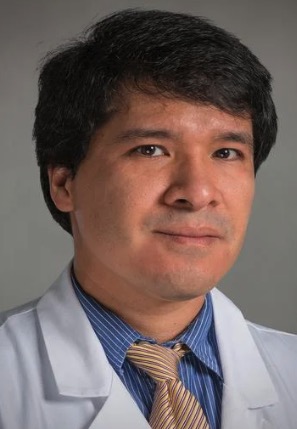 Julio Chavez合作论文数Lymphoma Section, Department of Malignant Hematology, Moffitt Cancer Center34Abhinav Deol合作论文数34
 Stephen M. Ansell合作论文数Division of Hematology, Department of Internal Medicine, Mayo Clinic32
 Lazaros Lekakis合作论文数30
 Madiha Iqbal合作论文数30Armin Ghobadi合作论文数30
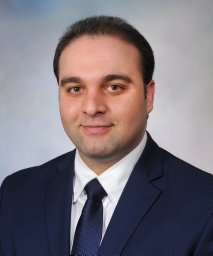 Moustafa Muhamad Alhaj合作论文数Department of Internal Medicine, Mayo Clinic30
 Grzegorz S. Nowakowski合作论文数Division of Hematology, Department of Internal Medicine, Mayo Clinic;Mayo Clinic Comprehensive Cancer Center30
 Mohamed A. Kharfan Dabaja合作论文数Department of Hematology, Mayo Clinic;Mayo Clinic hospital in Jacksonville30
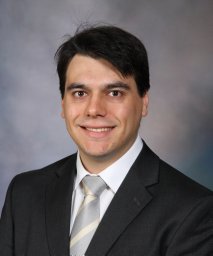 Paludo Jonas合作论文数Department of Internal Medicine, Mayo Clinic29
 Luhua Wang(Michael)合作论文数The University of Texas MD Anderson Cancer27N. Nora Bennani合作论文数26
 Nancy L. Bartlett合作论文数Divisions of Hematology & Oncology, Department of Medicine, Washington University School of Medicine in St. Louis26
 Arushi Khurana合作论文数Division of Hematology, Mayo Clinic25
 Hemant S. Murthy合作论文数Division of Hematology-Oncology, Mayo Clinic25John M. Timmerman合作论文数25
 Jason Westin合作论文数Department of Lymphoma/Myeloma, Division of Cancer Medicine, The University of Texas MD Anderson Cancer Center25
 Radhika Bansal合作论文数Dept Hematol Oncol, Mayo Clin Rochester24
 Marie José Kersten合作论文数Cancer Center Amsterdam, Amsterdam University Medical Center;Department of Hematology, Faculty of Medicine, Amsterdam University23
 Ian Flinn合作论文数Center for Blood Cancers, Tennessee Oncology;OneOncology23Sven De Vos合作论文数21
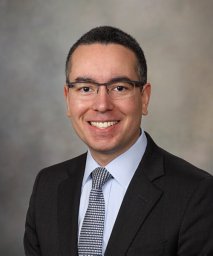 Villasboas José C合作论文数20
 Thomas E. Witzig合作论文数Division of Hematology, Mayo Clinic College of Medicine20
 Won Seog Kim合作论文数Division of Hematology-Oncology, Department of Medicine, Sungkyunkwan University School of Medicine20
 Patrick B. Johnston合作论文数Department of Hematology, Mayo Clinic;Mayo Clinic Comprehensive Cancer Center;Transplant Center, Mayo Clinic20Patrick Stiff合作论文数19
 Julie M. Vose合作论文数Division of Oncology and Hematology, Department of Internal Medicine, College of Medicine, University of Nebraska Medical Center19
 Peter McSweeney合作论文数Colorado Blood Cancer Institute19Umar Farooq合作论文数18Jain Michael D合作论文数18
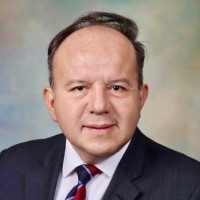 Januario E. Castro合作论文数Laboratory of Cancer Research and Cellular Therapies, Mayo Clinic18
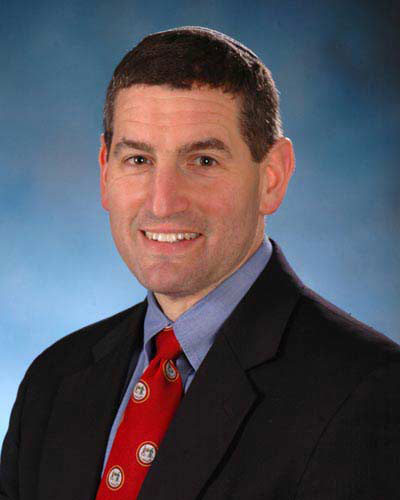 Aaron P. Rapoport合作论文数Division of Hematology/Oncology, University of Maryland School of Medicine18Ghosh Nilanjan合作论文数17
 Pier Luigi Zinzani合作论文数Department of Medical and Surgical Sciences, Università di Bologna17
 Joseph P. McGuirk合作论文数University of Kansas Medical Center;The University of Kansas Health System17Jenny J. Kim合作论文数16
 Loretta Nastoupil合作论文数The University of Texas MD Anderson Cancer Center16
 Tanya Siddiqi合作论文数16




