OBJECTIVES:Many American police organizations respond to out-of-hospital cardiac arrest (OHCA). This study sought to: 1) explore variation in the role of police in OHCA across emergency medical systems and 2) identify factors influencing this variation. METHODS:We conducted a qualitative multisite case study analysis using data collected through semi-structured key informant interviews and multidisciplinary focus groups with telecommunicators, fire, police, emergency medical services, and hospital personnel across nine Michigan emergency systems of care. Sites were sampled based on return of spontaneous circulation rates, trauma region, geography, rurality, and population density. Data were analyzed to examine police role in OHCA and the organizational factors that contribute to these roles. Transcripts and coded data were explored using iterative thematic analysis and matrices. RESULTS:Interviews included approximately 160 public safety informants of varying administrative levels (i.e., field staff, mid-level managers, and leadership). Across systems, police played four on-scene roles in OHCA response: 1) early responder, 2) resuscitation team member, 3) security, and 4) information gathering. Less consistently, police performed supplementary roles as telecommunicators and cardiac arrest educators. We found that factors including administrative structure of the police agency, resources (e.g., human and material), organizational culture, medical training, deployment and response policies, nature of response environment, and relationships with other prehospital stakeholders contributed to the degree certain roles were present. CONCLUSIONS:Police serve numerous on-scene and supplementary roles in OHCA response across jurisdictions. Their roles were influenced by multiple factors at each site. Future studies may help to better understand the value of and how to optimize police engagement in OHCA response.
Like the United States as a whole, Virginia faces a significant shortage of health care workers in nursing, primary care, and behavioral health. If current trends persist, these shortages will increase across Virginia. The authors of this study identify interventions that can help the Virginia Health Workforce Development Authority (VHWDA) address these health care workforce shortages. To accomplish this goal, they applied an analytic framework to existing or potential interventions for retaining, recruiting, and improving the structural efficiency of the nursing, primary care, and behavioral health workforces in Virginia. In this study, they highlight which interventions VHWDA should prioritize based on its desired outcomes and policy goals.
Objective:To describe trends in the pediatric mental health care continuum and identify potential gaps in care coordination. Methods:We used electronic medical record data from October 2016 to September 2019 to characterize the prevalence of mental health issues in the pediatric population at a large American health system. This was a single institution case study. From the electronic medical record data, primary mental health discharge and readmission diagnoses were identified using International Classification of Diseases (ICD-9-CM, ICD-10-CM) codes. The electronic medical record was queried for mental health-specific diagnoses as defined by International Classification of Diseases classification, analysis of which was facilitated by the fact that only 176 mental health codes were billed for. Additionally, prevalence of care navigation encounters was assessed through electronic medical record query, as care navigation encounters are specifically coded. These encounter data was then segmented by care delivery setting. Results:Major depressive disorder and other mood disorders comprised 49.6% and 89.4% of diagnoses in the emergency department and inpatient settings respectively compared to 9.0% of ambulatory care diagnoses and were among top reasons for readmission. Additionally, only 1% of all ambulatory care encounters had a care navigation component, whereas 86% of care navigation encounters were for mental health-associated reasons. Conclusions:Major depressive disorder and other mood disorders were more common diagnoses in the emergency department and inpatient settings, which could signal gaps in care coordination. Bridging potential gaps in care coordination could reduce emergency department and inpatient utilization through increasing ambulatory care navigation resources, improving training, and restructuring financial incentives to facilitate ambulatory care diagnosis and management of major depressive disorder and mood disorders. Furthermore, health systems can use our descriptive analytic approach to serve as a reasonable measure of the current state of pediatric mental health care in their own patient population.
Background Patients presenting to academic medical centers (AMC) typically receive primary care, specialty care, or both. Resources needed for each type of care vary, requiring different levels of care coordination. We propose a novel method to determine whether a patient primarily receives primary or specialty care to allow for optimization of care coordination. Objectives We aimed to define the concepts of a Lifer Patient and Destination Patient and analyze the current state of care utilization in those groups to inform opportunities for improving care coordination. Methods Using AMC data for a 36-month study period (FY17-19), we evaluated the number of unique patients by residence zip code. Patients with at least one primary care visit and patients without a primary care visit were classified as Lifer and Destination patients, respectively. Cohen’s effect sizes were used to evaluate differences in mean utilization of different care delivery settings. Results The AMC saw 35,909 Lifer patients and 744,037 Destination patients during the study period. Most patients were white, non-Hispanic females; however, the average age of a Lifer was seventy-two years whereas that of a Destination patient was thirty-eight. On average, a Lifer had three times more ambulatory care visits than a Destination patient. The proportion of Inpatient encounters is similar between the groups. Mean Inpatient length of stay (LOS) is similar between the groups, but Destination patients have more variance in LOS. The rate of admission from the emergency department (ED) for Destination patients is nearly double Lifers’. Conclusion There were differences in ED, ambulatory care, and inpatient utilization between the Lifer and Destination patients. Furthermore, there were incongruities between rate of hospital admissions and LOS between two groups. The Lifer and Destination patient definitions allow for identification of opportunities to tailor care coordination to these unique groups and to allocate resources more efficiently.
Out-of-hospital cardiac arrest (OHCA) is a common, life-threatening event that is a leading cause of death in the United States. However, it is unclear how to design strategies that can be successfully implemented in emergency medical services (EMS) agencies and broader emergency response systems (such as fire, police, dispatch, and bystanders to OHCA events) in different communities to help improve daily care processes and outcomes in OHCA. The National Heart, Lung, and Blood Institute-funded Enhancing Prehospital Outcomes for Cardiac Arrest (EPOC) study lays the foundation for future quality improvement efforts in OHCA by identifying, understanding, and validating the best practices adopted within emergency response systems to address these life-threatening events and by addressing potential barriers to implementation of these practices. RAND researchers developed recommendations covering all levels of the prehospital OHCA incident response and the principles of change management necessary to implement those recommendations.
Many of the ethnic and racial workforce inequities in the United States are present in health care systems. Low representation of African American/Black individuals in the health care system workforce can be traced to a history of exclusionary practices that leave such individuals less likely to pursue health careers. Past research found that low representation is driven by inequities in health, education, and employment that are a result of structural racism. Pathways programs have been identified as one of the methods to increase recruitment, retention, and promotion in health-related career fields for African American/Black individuals. As prior research has shown, these programs recruit and support the graduation of students from underrepresented communities at all educational stages to increase their representation in specific fields. This article describes the development of key factors in framework design for the Health System-Community Pathways Program (HCPP), which aims to increase representation of African American/Black communities in the health care system workforce and improve the quality of their experience in pursuing careers in these fields. The HCPP framework of key factors is informed by an environmental scan, interviews and focus groups, and an expert discussion panel session. The article's authors come from diverse backgrounds; the team included African American/Black physicians and members of other historically marginalized communities. The qualitative research drew insights from diverse African American/Black community stakeholders; the study was reviewed by many stakeholders to ensure that the design of the research and the end product maximally benefits the community on which it focuses.
This study presents the results of an evaluation of the root causes of COVID-19 vaccine hesitancy to inform strategies to boost vaccine acceptance among vaccine-hesitant populations in the United States. The authors conducted a literature review of the causes of vaccine hesitancy and vaccine acceptance; focus groups with patients, pre-hospital first responders, and hospital-based health care providers; a social media platform sentiment analysis to review attitudes regarding the COVID-19 vaccine; and a roundtable discussion with experts on vaccine hesitancy. Drawing on this mixed-methods analysis, the authors recommend strategies to help boost COVID-19 vaccine acceptance in the United States, grouping them according to three overall goals: boosting confidence in the safety and effectiveness of the COVID-19 vaccines, combating complacency about the pandemic, and increasing the convenience of getting vaccinated. The authors emphasize that combating misinformation about the COVID-19 vaccine is key to achieving these goals. These recommendations can inform the development of a toolkit of strategies to reach herd immunity and end the pandemic.
Large- and small-scale transformation of healthcare delivery toward improved patient experience through promotion of patient-centered and coordinated care continues to be at the forefront of health system efforts in the United States. As part of a Quality Improvement (QI) project at a large, midwestern health system, a case series of high-performing organizations was explored with the goal of identifying best practices in patient-centered care and/or care coordination (PCC/CC). Identification of best practices was done through rapid realist review of peer-reviewed literature supporting three PCC/CC interventions per case. Mechanisms responsible for successful intervention outcomes and associated institutional-level facilitators were evaluated, and cross-case analysis produced high-level focus items for health system leadership, including (1) institutional values surrounding PCC/CC, (2) optimization of IT infrastructure to enhance performance and communication, (3) pay structures and employment models that enhance accountability, and (4) organizing bodies to support implementation efforts. Health systems may use this review to gain insight into how institutional-level factors may facilitate small-scale PCC/CC behaviors, or to conduct similar assessments in their own QI projects. Based on our analysis, we recommend health systems seeking to improve PCC/CC at any level or scale to evaluate how IT infrastructure affects provider-provider and provider-patient communication, and the extent to which institutional prioritization of PCC/CC is manifest and held accountable in performance feedback, incentivization, and values shared among departments and settings. Ideally, this evaluation work should be performed and/or supported by cross-department organizing bodies specifically devoted to PCC/CC implementation work.
Introduction: Emergency medical system factors that improve out-of-hospital cardiac arrest (OHCA) survival have not been well elucidated. This study explores factors important to decisions to transport patients before obtaining sustained return of spontaneous circulation (ROSC) in the field throughout the OHCA system of care. Choosing to treat versus transport is a complex decision and reflects various aspects of EMS care that may differ across agencies at different levels of performance. Methods: This sequential mixed-methods study used data from the Michigan Cardiac Arrest Registry to Enhance Survival (MI-CARES) for the years 2014—2017 to identify variation in OHCA outcomes across emergency medical services (EMS) agencies. We then sampled emergency medical stakeholders—dispatch, fire, police, EMS, and receiving emergency departments (EDs)—across nine EMS system sites of varied urbanicity: four high-survival, two intermediate-survival, and three low-survival based on a primary outcome of sustained ROSC with pulse upon ED arrival. To qualitatively explore variations in OHCA survival, we conducted key informant and focus group interviews at each site. Qualitative data were analyzed through combined rapid and rigorous analysis, with a focus on treat versus transport decisions in the Advanced Care link of the “chain of survival” within a broader system of care framework. Results: Key factors that weighed into OHCA treatment versus transport decisions pre-ROSC across all sites included: clearly defined roles and protocols, on-scene decision-making authority, distance to the hospital, level of training and expertise, resource availability with regard to personnel and equipment, and payment and reimbursement models. Conclusions: Recognizing the critical role of each link in the “chain of survival,” this study identified key factors that impact treat versus transport decisions from the perspective of EMS stakeholders. The next phase of this work will include validating the importance of the identified factors to OHCA survival through a statewide survey of EMS agencies in Michigan. The final product will be a toolkit of best practices to improve survival across U.S. communities.
AIM:Care by emergency medical service (EMS) agencies is critical for optimizing prehospital outcomes following out-of-hospital cardiac arrest (OHCA). We explored whether substantial differences exist in prehospital outcomes across EMS agencies in Michigan-specifically focusing on rates of sustained return of spontaneous circulation (ROSC) upon emergency department (ED) arrival. METHODS:Using data from Michigan Cardiac Arrest Registry to Enhance Survival (MI-CARES) for years 2014-2017, we calculated rates of sustained ROSC upon ED arrival across EMS agencies in Michigan. We used hierarchical logistic regression models that accounted for patient, arrest-, community-, and response-level characteristics to determine adjusted rates of sustained ROSC among EMS agencies. RESULTS:A total of 103 EMS agencies and 20,897 OHCA cases were included. Average age of the cohort was 62.5 years (SD = 19.6), 39.7% were female, and 17.9% had an initial shockable rhythm due to ventricular fibrillation or pulseless ventricular tachycardia. The adjusted rate of sustained ROSC upon ED arrival across all EMS agencies was 23.8% with notable variation across EMS agencies (interquartile range [IQR], 20.5-29.2%). The top five EMS agencies had mean adjusted rates of sustained ROSC upon ED arrival of 42.7% (95% CI: 34.6-51.1%) while the bottom five had mean adjusted rates of 9.8% (95% CI: 7.6-12.7%). CONCLUSIONS:Substantial variation in sustained ROSC upon ED arrival exists across EMS agencies in Michigan after adjusting for patient-, arrest, community-, and response-level features. Such differences suggest opportunities to identify and improve best practices in EMS agencies to advance OHCA care.
Background: Community-engaged research engages the community in a collaborative manner to improve the local setting and has been increasingly applied to health services research. These complex studies require collaboration and team building among clinical experts, methodologists, and community stakeholders, yet few examples of this process have been published. Aim: Through a study of community emergency medical services, our aim was to understand team building among content experts and methodologists to advance the framework for adaptive community-engaged research. Methods: We collected process field notes and transcripts from the project kick-off meetings and analyzed the data using an immersion/crystallization process, which is an exploratory qualitative analysis characterized by continual review of the data collected. All 25 members of the study’s research team, who are both local to Michigan and reside out-of-state, were invited to attend. Results: We describe the process of the kick-off event for this community-engaged study and report major themes: collaborating throughout each stage of the kick-off meeting, building trusting relationships by challenging each other’s perspectives and sharing expertise, and gaining shared experiences of learning and understanding of study content and goals. Conclusion: Team-building in community engaged health research requires thoughtful effort, and planned kick-off meeting can be a useful strategy to build a shared vision among content experts and methodologists.
Introduction Out-of-hospital cardiac arrest (OHCA) is a common, life-threatening event encountered routinely by first responders, including police, fire and emergency medical services (EMS). Current literature suggests that there is significant regional variation in outcomes, some of which may be related to modifiable factors. Yet, there is a persistent knowledge gap regarding strategies to guide quality improvement efforts in OHCA care and, by extension, survival. The Enhancing Prehospital Outcomes for Cardiac Arrest (EPOC) study aims to fill these gaps and to improve outcomes. Methods and analysis This mixed-methods study includes three aims. In aim I, we will define variation in OHCA survival to the emergency department (ED) among EMS agencies that participate in the Michigan Cardiac Arrest Registry to Enhance Survival (CARES) in order to sample EMS agencies with high-survival and low-survival outcomes. In aim II, we will conduct site visits to emergency medical systems-including 911/dispatch, police, non-transport fire, and EMS agencies-in approximately eight high-survival and low-survival communities identified in aim I. At each site, key informant interviews and a multidisciplinary focus group will identify themes associated with high OHCA survival. Transcripts will be coded using a structured codebook and analysed through thematic analysis. Results from aims I and II will inform the development of a survey instrument in aim III that will be administered to all EMS agencies in Michigan. This survey will test the generalisability of factors associated with increased OHCA survival in the qualitative work to ultimately build an EPOC Toolkit which will be distributed to a broad range of stakeholders as a practical 'how-to' guide to improve outcomes. Ethics and dissemination The EPOC study was deemed exempt by the University of Michigan Institutional Review Board. Findings will be compiled in an 'EPOC Toolkit' and disseminated in the USA through partnerships including, but not limited to, policymakers, EMS leadership and health departments.
Introduction: Early bystander initiated cardiopulmonary resuscitation (BCPR) is a key link in the cardiac arrest chain of survival. Prior work indicates that BCPR has a greater impact on survival outcomes when arrests are witnessed, and bystanders are actively prepared. This study explores the role of the emergency medical system—including dispatch, police, fire, and emergency medical services (EMS), in promoting timely bystander response during an out-of-hospital cardiac arrest (OHCA) event. Methods: This sequential mixed-methods study used 2014-2017 data from the Michigan Cardiac Arrest Registry to Enhance Survival (MI-CARES) to analyze the effect of BCPR on OHCA survival outcomes. Logistic regression models were used to analyze the effect of BCPR on sustained ROSC with pulse upon emergency department (ED) arrival and secondary outcomes. These data were supplemented with semi-structured key informant interviews and multidisciplinary focus groups conducted during site visits to 9 emergency medical systems across Michigan including dispatch, police, fire, EMS, and ED. Results: A total of 21,044 OHCA incidents met inclusion criteria. OHCA patients who received BCPR had 1.32 times higher odds of achieving ROSC with pulse upon ED arrival than those that did not after multivariable adjustment (Table 1). Qualitative data from interviews suggest that emergency medical systems can play a critical role in promoting BCPR. Several salient themes emerged across stakeholders including: 1) Preparing the community for proactive bystander response through educational campaigns; 2) Facilitating BCPR during an event through dispatch-assisted CPR and on-scene responders providing positive reinforcement to bystanders; and 3) Reinforcing the importance of performing bystander CPR to the involved community after post arrest care. Conclusion: We found that BCPR was associated with statistically significant improvements in survival outcomes compared to those that did not receive BCPR. These findings emphasize the importance of training bystanders to initiate and perform CPR, and points to engaging the emergency medical system as a leader for this initiative to improve OHCA survival across US communities.
Introduction: EMS system factors key to improved survival for out-of-hospital cardiac arrest (OHCA) have not been well elucidated. This study explores factors associated with sustained return of spontaneous circulation (ROSC) in the field with pulse upon arrival to the ED-a measure of high quality of prehospital care-across the chain of survival. Methods: This sequential mixed methods study used data from the Michigan Cardiac Arrest Registry to Enhance Survival (MI-CARES) to evaluate variation in OHCA outcomes across EMS agencies. Sites were sampled based on geography, rurality, population density, and survival rate. We visited 1 low-, 1 middle-, and 3 high-survival EMS systems. At each site, we conducted key informant interviews with field staff, mid-level managers, and leadership from EMS, police, fire, and dispatch, as well as multidisciplinary focus groups. Transcripts were coded using a structured codebook and analyzed using thematic analysis. Results: An integrated multidisciplinary approach was critical for timely OHCA care coordination across the chain of survival. Themes that emerged across all stakeholders included: 1) OHCA education and multidisciplinary training; 2) shared awareness of roles in the chain of survival and system-wide response; 4) multidisciplinary QI; and 5) leadership and initiative (Table 1). Conclusions: Recognizing the critical role of each level in the chain of survival, this study identified specific practices from EMS system stakeholders that were associated with improved survival. The next phase of this work will include validating the factors associated with increased survival identified through a statewide survey of EMS agencies in Michigan. The final product of this work will include a toolkit of best practices and an implementation guide.
 Mahshid Abir合作论文数Department of Emergency Medicine, University of Michigan Medical School;RAND Pardee Graduate School;RAND Corporation;Acute Care Research Unit, University of Michigan13
 Sydney Fouche合作论文数9
 Nelson Christopher合作论文数8
 Peter Mendel合作论文数8Nasma Berri合作论文数5
 Timothy C. Guetterman合作论文数Department of Family Medicine, Medical School, University of Michigan5
 Jane Forman合作论文数5
 Robert Neumar合作论文数Department of Emergency Medicine, Emergency Medicine Faculty, University of Michigan5Bill Forbush合作论文数4Jessica Lehrich合作论文数4
 Rama Salhi合作论文数Perelman School of Medicine, University of Pennsylvania4Kamdar Neil S合作论文数4Kaitlyn Simpson合作论文数3Theresa Shields合作论文数3Michael Fetters合作论文数Center for Japanese Studies, College of Literature, Science, and the Arts, University of Michigan-Ann Arbor3
 Brahmajee K. Nallamothu合作论文数Department of Internal Medicine, Medical School, University of Michigan3
 Claude Messan Setodji合作论文数3
 Michael D Fetters合作论文数Department of Family Medicine, University of Michigan3Robert M. Domeier合作论文数3Nazia Wolters合作论文数2Antony Hsu合作论文数2Courtney Armstrong合作论文数2Timothy Peterson合作论文数2Kristian Seiler合作论文数2Stephen R Dowker合作论文数2Lucy Schulson合作论文数Hlth Care, RAND Corp2Samantha Iovan合作论文数2Margaret Greenwood-Ericksen合作论文数Department of Emergency Medicine, University of New Mexico2
 Jason Goldstick合作论文数Injury Prevention Center, Medical School, University of Michigan-Ann Arbor2Brian Briscombe合作论文数1Marcia A Perry合作论文数1Joshua Thariath合作论文数1Stuart Hammond合作论文数1David Serlin合作论文数1Michael O'Leary合作论文数1
 Raffaele Vardavas合作论文数1Nabeel Qureshi合作论文数RAND Hlth Care, RAND Corp1
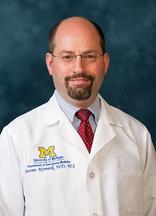 Steven Kronick合作论文数Department of Emergency Medicine, University of Michigan Medical School1
 John Burkhardt合作论文数Department of Emergency Medicine, Medical School, University of Michigan1
 Scott Kirstin W合作论文数Harvard University1Lin Paul J合作论文数1
 Tsuchida Ryan E合作论文数1Ashwin Gupta合作论文数1




