Capacitive electrocardiogram (cECG) enables unobtrusive cardiac monitoring during sleep without direct skin contact, but reliable acquisition remains challenging because electrode–body coupling changes with posture. This paper presents an Internet of Things (IoT)-enabled smart mattress system for posture-adaptive cECG monitoring during unconstrained sleep. The system integrates a mattress-embedded 3 × 4 integrated sensor electrode array (ISEA) with independent cECG and capacitive lying posture (cLP) subarrays, and an edge controller that executes an adaptive switching strategy (ASS) for real-time posture recognition and dynamic electrode pair reconfiguration. Using the inferred coupling distribution and standard-lead-inspired dorsal mapping, the system automatically selects effective electrode pairs for continuous in-bed monitoring. The system was evaluated through hardware benchmarking and two separate subject protocols: ASS functional testing and a 90-min siesta experiment, each involving ten healthy subjects, with polysomnography (PSG)-recorded electrocardiogram (ECG) used as the synchronized reference. The hardware achieved a passband gain of 60 dB and a phase offset below 0.018 rad in the cECG related frequency band. The ASS achieved posture recognition accuracies of 93.8%–98.8%, executed the lying posture recognition algorithm (LPRA) within 9 ms with microcontroller utilization below 5.2%, and selected target electrode pairs that produced stable cECG signals with the signal-to-noise ratios (SNRs) of 26–34 dB, outperforming non-target pairs. Compared with the reference ECG, the acquired cECG showed high temporal consistency for characteristic intervals, with the root mean square error (RMSE) below 0.054 s and waveform correlations up to 0.919. A 90-min experiment further demonstrated continuous cECG acquisition and cardiacrhythm tracking, with a mean heart rate (HR) difference of 1.70 bpm compared with PSG. These results indicate that the proposed smart mattress system provides a feasible IoT-based solution for unobtrusive cardiac monitoring.
Brain age estimation from structural MRI is an effective approach for detecting abnormal neurodevelopment and neurodegeneration.However, most existing methods produce global biomarkers that lack tissue-level specificity and fail to leverage medical prior knowledge. To address these limitations, we propose T2AgeNet, a dual-path image-text framework for tissue-level brain age estimation that integrates anatomical features with clinical semantics. The framework first segments brain MRI to generate tissue-specific masks, forming the basis for localized age prediction. To further incorporate medical prior knowledge, the model first aligns visual features with personalized clinical descriptions to guide semantic understanding of tissue-level variation. In parallel, it transforms handcrafted aging-related features into textual representations through an auxiliary branch using a large language model, enabling enriched interpretation and representation. We evaluate T2AgeNet on five datasets spanning fetal development, preterm infants, Alzheimer's disease, and autism spectrum disorder. Results demonstrate accurate age estimation across diverse populations. On the OASIS-3 and ABIDE-I datasets, the model further identifies tissue-specific structural abnormalities consistent with known neurological patterns.
Advanced text spotting methods typically rely on large-scale, meticulously labeled datasets to achieve satisfactory performance. However, annotating fine-grained positional information of texts in real-world scene images is extremely costly and time-consuming. Although some weakly supervised methods have been developed to reduce annotation costs, they face two major challenges: 1) their performance significantly lags behind the fully supervised counterparts, and 2) They are tightly coupled with specific text spotting models, meaning that switching to a different model would require retraining and incur substantial computational costs. To address these limitations, we propose a novel text-only weakly supervised learning framework for text spotting via text-to-polygon generator. In the first stage, we pretrain a text-to-polygon generator on an auxiliary dataset, e.g., synthetic or public datasets, where full annotations are readily accessible. In the second stage, given real-world target datasets annotated with text-only labels, we employ the pretrained generator to produce pseudo polygon labels, thereby constructing a pseudo-labeled supervised dataset for training text spotting models. To ensure high-quality pseudo polygon labels, the text-to-polygon generator first identifies all candidate text regions, then filters those that are relevant to the target text, and finally predicts their precise spatial locations. Notably, this generator requires only a single pretraining session and can subsequently be applied to any text spotting model and target text-only dataset without incurring additional costs. Extensive experiments on public benchmarks demonstrate that our method can significantly reduce labeling costs while maintaining competitive performance.
Objective.To develop a comprehensive physiological dataset for assessing internal and external stress and to propose robust automated stress recognition methods based on photoplethysmographic (PPG) signals.Approach.We established the Internal and External Stress Dataset (IESD), comprising PPG signals from 107 participants subjected to four distinct stress-inducing paradigms. Exploratory analyses revealed significant differences in heart rate variability (HRV) across these paradigms, underscoring the necessity for advanced methods capable of differentiating various stress types. To address this, we introduced a transfer learning-based inter-paradigm stress recognition model utilizing a domain adversarial neural network combined with maximum mean discrepancy for robust feature extraction.Main results.Analysis identified significant differences between internal and external stress, as well as among different external paradigms. Our proposed model demonstrated superior accuracy in recognizing homologous stress compared to heterologous stress within the same target domain, achieving accuracies of 73.86% (TSST to ST) and 60.41% (TSST to VWT). Moreover, the deep feature extraction significantly improved recognition performance and robustness across both intra- and inter-paradigm contexts.Significance.This study provides a valuable dataset and advanced methodology to enhance automated stress detection capabilities, effectively differentiating internal and external stress. The application of deep learning significantly improves recognition accuracy, offering promising prospects for future research and practical applications in stress monitoring.
Humanoid robots require co-speech motions that are not only expressive and speech-aligned, but also physically executable under embodiment constraints. Existing co-speech generation pipelines are predominantly human-centric: motions are first generated in human-body representations such as SMPL-X and subsequently retargeted to humanoid robots. In this work, we identify a fundamental embodiment gap in this paradigm, where the mismatch between human motion manifolds and humanoid embodiment constraints disrupts embodiment consistency during motion transfer and physical execution. Through extensive analysis, we show that although retargeting can preserve coarse motion semantics, it significantly compresses motion diversity and weakens prosody-motion synchronization, limiting expressive humanoid behaviors. To address this problem, we first propose IK-EER, a prosody-preserving humanoid motion curation framework that jointly optimizes kinematic feasibility and speech-motion temporal alignment during retargeting. Building upon the curated robot-native motion dataset, we further introduce PhysDrift, an embodiment-aware co-speech motion generation framework that directly predicts executable humanoid joint trajectories from speech without relying on intermediate human-body representations. Unlike conventional human-centric pipelines, PhysDrift maintains embodiment consistency throughout both training and inference while incorporating physical regularization to stabilize robot motion dynamics. Extensive experiments and real-world humanoid deployment demonstrate that embodiment-aware robot-native generation substantially improves speech-motion alignment, physical plausibility, motion smoothness, inference efficiency, and real-time interaction capability.
With the rapid development of multimodal large language models (MLLMs), deploying them on low-resource devices remains challenging. Beyond the model size, long multimodal inputs cause substantial memory overhead in the KV cache, making efficient cache management critical. In this paper, we propose DAVID, a KV cache eviction strategy that adapts to the degree of modality fusion across layers. By analyzing the feature distributions of vision and text tokens, we observe low fusion in early layers and high fusion in deeper layers. Based on this observation, DAVID adopts a decoupled eviction strategy in shallow layers and a super-modal eviction strategy in deeper layers. To support this dynamic switching, we design a lightweight metric that quantifies cross-modal fusion and uses a threshold to determine which layers require decoupling. Experimental results show that DAVID achieves state-of-the-art performance on multiple benchmarks and offers a new perspective on KV cache eviction for MLLMs.
Federated learning enables collaborative training among multiple clients but is hindered by substantial communication overhead. One-shot federated learning (OFL) mitigates this cost by restricting communication to a single client-server round. Existing OFL methods typically synthesize auxiliary data via a generator trained on a globally averaged ensemble to distill local knowledge into the server model. However, global averaging often fails to preserve client-specific information under non-independent and identically distributed (Non-IID) data distributions. To address the loss of local information and the inefficiencies of current ensemble-weight computation, we propose PageOFL, a prototype-based client-pairing method for ensemble construction in OFL. PageOFL computes client similarity using prototypes and pairs local models that exhibit substantial discrepancies. We then update ensemble weights using data synthesized from these paired models, thereby integrating local knowledge into the ensemble for server distillation. Experiments on five classification datasets with diverse task types demonstrate that PageOFL achieves state-of-the-art performance. The codes are avaliable at https://github.com/Zzy9797/PageOFL.
During communication, people inadvertently express emotions through facial animations, with emotion constantly fluctuating throughout the conversation. Existing speech-driven facial animation works predominantly rely on sentence-level coarse-grained emotion labels to impart emotional expression information, thereby overlooking temporal emotion variations. How to make 3D talking heads articulate fluently while adeptly expressing mood fluctuations is the problem addressed by our work. We propose a framework, named SiaTalker, which exquisitely refines emotions of facial animations from coarse-grained levels to dual-perspective interactive fine-grained levels, resulting in highly coordinated and fluid emotional expressions. Specifically, we propose the coarse-to-fine dual granularity fusion decoding framework to connect global and local emotional aspects, allowing nuanced shifts within a consistent emotional tone. The pseudo-siamese cross-perspective submodule is embedded to interact with siamese fine-grained emotions across perspectives, further capturing subtle emotional fluctuations and amplifying the authenticity of facial movements. Furthermore, to comprehensively evaluate our work, the CREMA-D dataset is reconstructed into a 3D emotional talking face dataset with the largest number of subjects, serving as a valuable experimental supplement. Extensive experiments and user studies demonstrate that our approach outperforms state-of-the-art methods and exhibits superior emotional agility and expressiveness in facial movements.
Recently, Large Language Model (LLM)-based Text-to-Speech (TTS) models have achieved remarkable naturalness. However, the standard Supervised Fine-Tuning paradigm often converges to statistically averaged prosody, limiting emotional expressiveness. While preference-driven optimization offers a promising alternative, existing approaches suffer from two structural mismatches: information conflict, where content and emotion in a shared latent space produce conflicting gradients, leading to reward hacking and semantic degradation; and scale gap, where sparse sentence-level rewards struggle to guide dense frame-level generation. To overcome these challenges, we propose HPRO, a hierarchical progressive reward optimization framework. Within HPRO, we introduce the HD-Emo codec as a novel differentiable reward model to resolve the information conflict. It extracts speech into distinct content and style preference tokens, structurally isolating emotional optimization from semantic content. Building upon this structured preference space, HPRO bridges the scale gap by progressively aligning frame-, word- and sentence-level objectives. Experiments demonstrate that HPRO significantly enhances emotional expressiveness, while effectively preserving linguistic intelligibility. The code and audio samples are publicly available at https://xxh333.github.io/hpro-demo/.
Mainstream Automatic Speech Recognition (ASR) systems excel at transcribing lexical content, but largely fail to recognize nonverbal vocalizations (NVs) embedded in speech, such as sighs, laughs, and coughs. This capability is important for a comprehensive understanding of human communication, as NVs convey crucial emotional and intentional cues. Progress in NV-aware ASR has been hindered by the lack of high-quality, well-annotated datasets. To address this gap, we introduce MNV-17, a 7.55-hour performative Mandarin speech dataset. Unlike most existing corpora that rely on model-based detection, MNV-17’s performative nature ensures high-fidelity, clearly articulated NV instances. To the best of our knowledge, MNV-17 provides the most extensive set of nonverbal vocalization categories, comprising 17 distinct and well-balanced classes of common NVs. We benchmarked MNV-17 on four mainstream ASR architectures, evaluating their joint performance on semantic transcription and NV classification. The dataset and pretrained model checkpoints are publicly available‡ to facilitate future research in expressive ASR.
Introduction:Enabling personalized sleep analysis and interaction directly on edge devices is crucial for providing real-time health insights and tailored guidance. However, this goal remains challenging due to the scarcity of high-quality physiological data and the computational constraints of edge hardware. Methods:We propose a framework for personalized sleep analysis on edge devices that addresses two key obstacles: limited publicly available physiological datasets and the restricted capacity of compact models. To mitigate data scarcity, we introduce a Physiologically-Constrained Adaptive Hierarchical Copula approach, which leverages large language model-guided optimization to synthesize diverse and realistic physiological signals. To enhance personalized inference on resource-limited models, we further develop Profile-Aided Distillation of Expert Inference with MoE LoRA, which integrates user-specific profile information to improve the performance of edge-deployed models. Results:Extensive experiments on both public and in-house datasets show that the distilled models achieve performance comparable to state-of-the-art large language models, while operating efficiently within the computational and memory constraints of edge devices. Discussion:These results demonstrate that the proposed framework offers a practical and effective solution for enabling personalized sleep analysis and user interaction in resource-constrained environments, bridging the gap between high-performance modeling and real-time, on-device healthcare applications.
Federated learning enables collaborative model training across distributed clients but suffers from high communication costs due to model transmissions. Pruning with local parameter reactivation can improve pruned model performance in federated learning, which restores the training parameters of the pruned models on the local client side. However, existing methods suffer from excessively discarding the contributions of trained parameters and, at the same time, failing to appropriately reactivate parameters that hold greater importance., In addition, convergence analysis of local reactivation methods for federated learning is still lacking. This paper propose a federated learning method with soft local reactivation (FedSLR). Convergence analyses are conducted for the local reactivation strategy in federated learning, providing an upper bound on the averaged sparse gradients of the model. The proposed FedSLR preserves amplitude information of the weights through a soft parameter reactivation mechanism, determining weights with training potential across multiple clients via a mask voting aggregation method. Experiments on four image recognition datasets of MNIST, CIFAR-10, CIFAR-100, and Tiny-ImageNet demonstrate its effectiveness.
Facial Expression Recognition (FER) has recently plays a crucial role in advancing human-computer interaction systems, aiming to understand users' inner states and underlying intentions. However, FER in real-world scenarios remains challenging due to significant label noise, caused by ambiguous facial expressions in low-quality images and annotation bias. To tackle this issue, this paper proposes a novel framework, Pseudo-Entropy Guided Complementary Learning (PEGCL), designed to robustly handle noisy labels by leveraging complementary information, which trains networks using all complementary labels defined as “facial expression images that do not belong to complementary emotion labels.” This approach effectively utilizes non-target emotion labels to mitigate the impact of label noise, rather than relying solely on annotated emotion labels. Specifically, the proposed PEGCL framework consists of three components: logit normalization to stabilize predicted probabilities and prevent gradient explosions, transformed complementary learning to redistribute the optimization focus across complementary categories by leveraging pseudo-entropy guided, and random complementary label dropping to dynamically exclude subsets of complementary labels, enhancing generalization and preventing overfitting. These components collectively ensure robust and efficient optimization under noisy label conditions. Importantly, the proposed PEGCL does not require explicit noise estimation or complex label correction mechanisms, making it a simple and effective solution for real-world FER tasks. Extensive experiments on benchmark FER datasets demonstrate that PEGCL consistently outperforms existing methods, achieving the state-of-the-art robustness against label noise while maintaining high classification accuracy.
The recognition of emotions through physiological signals has consistently remained a popular area of research. While utilizing physiological signals for emotion recognition provides the advantages of authenticity and objectivity, there remains room for improvement, particularly in subject-independent experimental conditions, due to the significant variability in physiological responses among different individuals. The development of multi-modal interaction methods offers the possibility of aiding emotion recognition based on physiological signals by introducing cross-domain information. This paper proposes a Dual Token Hierarchical Transformer Network to recognize fine-grained valence and arousal labels, which is dedicated to effectively integrating physiological data and emotional stimulus data. Specifically, DTHFormer performs indirect interaction through dual token between physiological signal and visual/audio modal extracted from video in order to protect unique information of each modality and avoid information confusion. Then, a hierarchical fusion module is used to preserve key emotional information across multiple modalities, enabling the model to have a deeper comprehension of emotional information. A variety of classification experiments demonstrate that our proposed method achieved good results. Further ablation experiments show the effectiveness of our proposed modules.
Since the interaction between audio and visual in panoramic video affects the user's immersive experience, the research of incorporating audio into panoramic video saliency prediction has attracted much attention. However, there are still many challenges, including inadequate calibration between the temporal semantics of audio and the spatial perception of video frames in complex scenes, as well as difficulties in managing abrupt audio scene changes in long-term videos. In this paper, we propose a Progressive Audio-Visual Semantic Spatial-Aware Network (PASSNet) for panoramic video saliency prediction, which includes a visual module, an audio module, and a fusion module. The visual module introduces a spherical vision transformer to solve the distortion of the panoramic video projection and the perception of the over-the-horizon. For the audio module, we propose the audio semantic temporal attention submodule to capture the contextual information of the audio by introducing temporal location encoding. In the fusion module, a novel two-stage audio-visual fusion strategy is employed, which progressively optimizes the precise and exhaustive understanding of audio temporal semantic information with over-the-horizon spatial perception through cross-modal interactions. Quantitative and visualization experiments demonstrate that our PASSNet outperforms the state-of-the-art methods on two publicly available datasets. Further ablation experiments also validate the effectiveness of our proposed modules in effectively capturing both audio and visual features for saliency prediction in panoramic videos.
Deep Research (DR) Agents powered by advanced Large Language Models (LLMs) have fundamentally shifted the paradigm for completing complex research tasks. Yet, a comprehensive and live evaluation of their forecasting performance on real-world, research-oriented tasks in high-stakes domains (e.g., finance) remains underexplored. We introduce FinDeepForecast, the first live, end-to-end multi-agent system for automatically evaluating DR agents by continuously generating research-oriented fi- nancial forecasting tasks. This system is equipped with a dual-track taxonomy, enabling the dynamic generation of recurrent and non-recurrent forecasting tasks at both corporate and macro levels. With this system, we generate FinDeepForecastBench, a weekly evaluation benchmark over a ten-week horizon, encompassing 8 global economies and 1,314 listed companies, and evaluate 13 representative methods. Extensive experiments show that, while DR agents consistently outperform strong baselines, their performance still falls short of genuine forward-looking financial reasoning. We expect the proposed FinDeepForecast system to consistently facilitate future advancements of DR agents in research-oriented financial forecasting tasks. The benchmark and leaderboard are publicly available on the OpenFinArena Platform.
Multimodal Role-Playing Agents (MRPAs) are attracting increasing attention due to their ability to deliver more immersive multimodal emotional interactions. However, existing studies still rely on pure textual benchmarks to evaluate the text responses of MRPAs, while delegating the assessment of their multimodal expressions solely to modality-synthesis metrics. This evaluation paradigm, on the one hand, entangles semantic assessment with modality generation, leading to ambiguous error attribution, and on the other hand remains constrained by the heavy reliance on human judgment. To this end, we propose MERRY, a semantically decoupled evaluation framework for assessing Multimodal Emotional and Role consistencies of Role-playing agents. This framework introduce five refined metrics for EC and three for RC. Notably, we transform the traditional subjective scoring approach into a novel bidirectional-evidence-finding task, significantly improving the human agreement of LLM-as-Judge evaluations. Based on MERRY, we conduct extensive evaluations. Our empirical results primarily reveal that: (1) Training on synthetic datasets tends to reduce emotional consistency, whereas training on real-world datasets improves it; (2) Existing models suffer from emotional templatization and simplification, exhibiting positive-bias and performance bottleneck in fine-grained negative emotions; (3) Simple prompting method strengthens the weak models but constrains the strong ones, while simple fine-tuning method suffers from poor role generalization. Codes and dataset are available.
Large Language Model (LLM)-based Text-to-Speech (TTS) models have already reached a high degree of naturalness. However, the precision control of TTS inference is still challenging. Although instruction-based Text-to-Speech (Instruct-TTS) models are proposed, these models still lack fine-grained control due to the modality gap between single-level text instructions and multilevel speech tokens. To address this limitation, we propose HD-PPT, a framework that transforms speech synthesis into a structured, hierarchical task. To enable fine-grained control, we introduce a novel speech codec to extract distinct prompt-preference and content-preference tokens from the complex speech tokens, supervised by automatic speech recognition (ASR) and cross-lingual audio-text pre-training (CLAP) objectives. To bridge the modality gap of these tokens, we propose a hierarchical decoding strategy, where the LLM generates tokens in a structured order: first semantic, then fine-grained style, and finally complete acoustic representation. Extensive experiments demonstrate that this hierarchical paradigm significantly improves instruction adherence and achieves state-of-the-art naturalness, validating our approach for precise and controllable speech synthesis. Audio samples are available at https://xxh333.github.io/.
Functional brain network analysis is crucial for understanding brain operating mechanism, aging, sexual distinction and brain disorders. As a powerful neuroimaging technique, resting-state functional Magnetic ResonanceImaging(rs-fMRI) measuresbloodoxygenlevel dependent (BOLD) signals which reflect the interactions between brain regions. Existing methods representsrs fMRI based functional brain network as a fully connected graph with brain regions as nodes and functional connectivity as edges but neglects the heterogeneity of brain activities. Furthermore, current studies of functional brain network mainly focus on single tasks like age regression, gender classification and disease diagnosis, while these tasks share latent related features. To this end, we pro pose a Multi-Task Heterogeneous Path graph Network (MT HPN) for functional brain network analysis. Considering that the information of brain network mostly contains in edges, we utilize a novel Path-Based Heterogeneous Graph Convolution (PB-HGC) to fuse compact edge features of heterogeneous graph paths and generate global brain representation. Then, Path-Based Cross-Attention Block (PB CAB)is applied to exchange useful information between related tasks and emphasize the exclusive features each task respectively. PB-CAB consists of a unique cross-attention transformer designed for graph algorithm to fuse edge features and highlight crucial paths. We estimate the MT-HPN on the ADHD200 dataset and ADNI dataset for gender and disease classification. Our method shows strong capability in multi-task functional brain network analysis and gender related disease diagnosis.
 Xiaofen Xing (邢晓芬)合作论文数School of Future Technology, South China University of Technology130
 Chunmei Qing (青春美)合作论文数School of Future Technology, South China University of Technology60
 Kailing Guo (郭锴凌)合作论文数School of Future Technology, South China University of Technology49
 Bolun Cai合作论文数Tencent Wechat35
 Lin Shu (舒琳)合作论文数School of Future Technology, South China University of Technology31
 Jianxiu Jin (晋建秀)合作论文数School of Future Technology, South China University of Technology;School of Electronic and Information Engineering, South China University of Technology19
 Junpeng Tan合作论文数School of Information Engineering, Guangdong University of Technology15
 Fang Liu合作论文数14
 Weining Wang (王卫宁)合作论文数Beijing University of Posts and Telecommunications14
 Dacheng Tao (陶大程)合作论文数College of Computing & Data Science, Nanyang Technological University;Lee Kong Chian School of Medicine, Nanyang Technological University;DaXiao Robot14
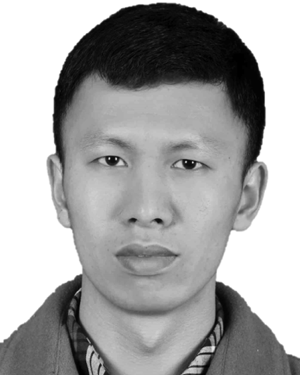 Lin Wang合作论文数South China Univ Technol, Guangzhou, Peoples R China12
 Xin Zhang (张鑫)合作论文数School of Information and Electronic Engineering, Shandong Technology and Business University12Ziyang Zhang合作论文数11
 Gang Li合作论文数Department of Radiology, School of Medicine, University of North Carolina at Chapel Hill11Xiang Tian (田翔)合作论文数11
 Yirong Chen (陈艺荣)合作论文数School of Electronic and Information Engineering, South China University of Technology;Department of Information and Communication Engineering, South China University of Technology10
 Tong Zhang (张通)合作论文数School of Computer Science & Engineering, South China University of Technology10ShengLi Lai (赖声礼)合作论文数9Huabiao Qin合作论文数8
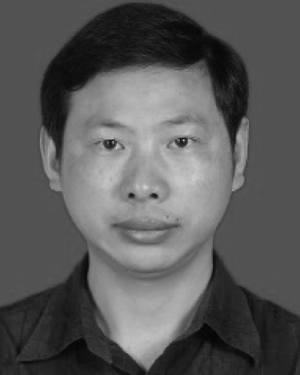 Wei-Bin Zhang合作论文数Xian JiaoTong University8Suo Qiu (裘索)合作论文数8
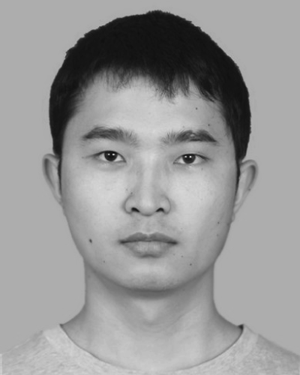 Jie Miao合作论文数Xilinx, Inc.7Zheng Li (李正)合作论文数7
 Li Wang合作论文数Developing Brain Computing Lab, University of North Carolina at Chapel Hill;Department of Radiology, School of Medicine, University of North Carolina at Chapel Hill7
 Kui Jia (贾奎)合作论文数School of Data Science, The Chinese University of Hong Kong, Shenzhen7Haoqiang Hua合作论文数South China Univ Technol, Sch Elect & Informat Engn, Guangzhou 510641, Guangdong, Peoples R China6Zhao-jie CHU (储昭节)合作论文数6
 Weidong Chen合作论文数6
 Dan Liao (廖丹)合作论文数School of Design, South China University of Technology6Wei Liu (刘伟)合作论文数中国科学技术大学电子科学技术系6Zhengwang Wu (吴正旺)合作论文数6Chunfang Zheng合作论文数5Ruixiang Yin合作论文数5
 Jiale Cheng合作论文数Department of Radiology and BRIC, The University of North Carolina at Chapel Hill5Shibin Wu合作论文数5
 Weiquan Fan合作论文数South China University of Technology5Lufan Liao合作论文数5
 Shaolin Zhou (周绍林)合作论文数School of Microelectronics, South China University of Technology5
 Bo Zhang (张波)合作论文数School of Electric Power Engineering, South China University of Technology5
 Dongyuan Qiu (丘东元)合作论文数School of Electric Power Engineering, South China University of Technology5
 C. L. Philip Chen (陈俊龙)合作论文数School of Computer Science & Engineering, South China University of Technology;International Center for informatics Research, Beijing Jiaotong University5
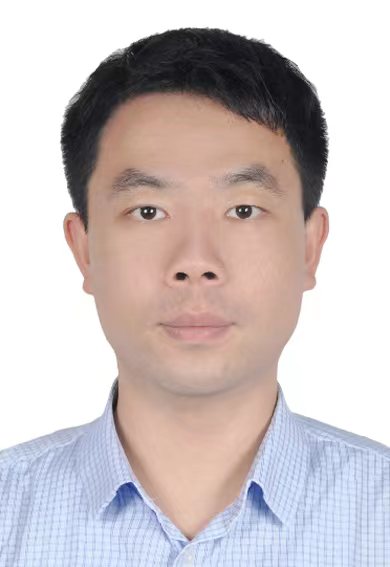 Changxing Ding (丁长兴)合作论文数School of Future Technology, South China University of Technology5Zhuorui Liang (梁卓锐)合作论文数4Haochun Ou合作论文数4Xiaofeng Xing合作论文数4Jianlin Ou合作论文数4
 Xiaobin Chen合作论文数4
 Jin Xu (徐进)合作论文数School of Future Technology, South China University of Technology4




