Person-generic audio-driven face generation remains a formidable challenge in multimedia and computer vision, primarily due to the trade-off between highfidelity lip synchronization and real-time inference speed. Existing methods often struggle to preserve unique individual traits or suffer from high computational latency. To bridge this gap, we propose RealTalk, a novel generalized framework composed of an Audio-to-Expression Transformer and a high-fidelity Expression-to-Face Renderer. In the first stage, we introduce an improved facial prior mechanism that incorporates both 3D facial shape and historical expression data. By leveraging cross-modal attention, our model effectively captures intra-personal motion variations, ensuring precise alignment between lip movements and audio signals. In the second stage, we design a lightweight Facial Identity Alignment (FIA) module equipped with a learnable facial mask. This module achieves high-quality texture generation and identity preservation using a single reference image, bypassing the computational bottleneck of complex feature warping used in prior arts. Extensive experiments on public benchmarks demonstrate that RealTalk outperforms state-of-the-art methods in both lip-sync accuracy and visual quality while maintaining real-time efficiency (e.g., 30 FPS on a V100 GPU), making it highly suitable for practical applications.
Balancing convergence speed, generalization capability, and computational efficiency remains a core challenge in deep learning optimization. First-order gradient descent methods, epitomized by stochastic gradient descent (SGD) and Adam, serve as the cornerstone of modern training pipelines. However, large-scale model training, stringent differential privacy requirements, and distributed learning paradigms expose critical limitations in these conventional approaches regarding privacy protection and memory efficiency. To mitigate these bottlenecks, researchers explore second-order optimization techniques to surpass first-order performance ceilings, while zeroth-order methods reemerge to alleviate memory constraints inherent to large-scale training. Despite this proliferation of methodologies, the field lacks a cohesive framework that unifies underlying principles and delineates application scenarios for these disparate approaches. In this work, we retrospectively analyze the evolutionary trajectory of deep learning optimization algorithms and present a comprehensive empirical evaluation of mainstream optimizers across diverse model architectures and training scenarios. We distill key emerging trends and fundamental design trade-offs, pinpointing promising directions for future research. By synthesizing theoretical insights with extensive empirical evidence, we provide actionable guidance for designing next-generation highly efficient, robust, and trustworthy optimization methods. The code is available at https://github.com/APRIL-AIGC/Awesome-Optimizer.
Chain-of-Thought (CoT) reasoning has proven effective in enhancing large language models by encouraging step-by-step intermediate reasoning, and recent advances have extended this paradigm to Multimodal Large Language Models (MLLMs). In the medical domain, where diagnostic decisions depend on nuanced visual cues and sequential reasoning, CoT aligns naturally with clinical thinking processes. However, Current benchmarks for medical image understanding generally focus on the final answer while ignoring the reasoning path. An opaque process lacks reliable bases for judgment, making it difficult to assist doctors in diagnosis. To address this gap, we introduce a new M3CoTBench benchmark specifically designed to evaluate the correctness, efficiency, impact, and consistency of CoT reasoning in medical image understanding. M3CoTBench features (1) a diverse, multi-level difficulty dataset covering 24 examination types, (2) 13 varying-difficulty tasks, (3) a suite of CoT-specific evaluation metrics (correctness, efficiency, impact, and consistency) tailored to clinical reasoning, and (4) a performance analysis of multiple MLLMs. M3CoTBench systematically evaluates CoT reasoning across diverse medical imaging tasks, revealing current limitations of MLLMs in generating reliable and clinically interpretable reasoning, and aims to foster the development of transparent, trustworthy, and diagnostically accurate AI systems for healthcare.
Dynamic spatial reasoning from monocular video is essential for bridging visual intelligence and the physical world, yet remains challenging for vision-language models (VLMs). Prior approaches either verbalize spatial-temporal reasoning entirely as text, which is inherently verbose and imprecise for complex dynamics, or rely on external geometric modules that increase inference complexity without fostering intrinsic model capability. In this paper, we present 4DThinker, the first framework that enables VLMs to "think with 4D" through dynamic latent mental imagery, i.e., internally simulating how scenes evolve within the continuous hidden space. Specifically, we first introduce a scalable, annotation-free data generation pipeline that synthesizes 4D reasoning data from raw videos. We then propose Dynamic-Imagery Fine-Tuning (DIFT), which jointly supervises textual tokens and 4D latents to ground the model in dynamic visual semantics. Building on this, 4D Reinforcement Learning (4DRL) further tackles complex reasoning tasks via outcome-based rewards, restricting policy gradients to text tokens to ensure stable optimization. Extensive experiments across multiple dynamic spatial reasoning benchmarks demonstrate that 4DThinker consistently outperforms strong baselines and offers a new perspective toward 4D reasoning in VLMs. Our code is available at https://github.com/zhangquanchen/4DThinker.
Proactivity is a core expectation for AGI. Prior work remains largely confined to laboratory settings, leaving a clear gap in real-world proactive agent: depth, complexity, ambiguity, precision and real-time constraints. We study this setting, where useful intervention requires inferring latent needs from ongoing context and grounding actions in evolving user memory under latency and long-horizon constraints. We first propose DD-MM-PAS (Demand Detection, Memory Modeling, Proactive Agent System) as a general paradigm for streaming proactive AI agent. We instantiate this paradigm in Pask, with streaming IntentFlow model for DD, a hybrid memory (workspace, user, global) for long-term MM, PAS infra framework and introduce how these components form a closed loop. We also introduce LatentNeeds-Bench, a real-world benchmark built from user-consented data and refined through thousands of rounds of human editing. Experiments show that IntentFlow matches leading Gemini3-Flash models under latency constraints, while identifying deeper user intent.
While recent advancements in anomaly detection have demonstrated the efficacy of CNN- and Transformer-based approaches, these architectures face inherent limitations: CNNs struggle to capture long-range dependencies, whereas Transformers suffer from quadratic computational complexity. Consequently, Mamba-based architectures have attracted considerable attention, as they successfully combine superior long-range dependency modeling with linear computational complexity. By critically rethinking the structural evolution across the Mamba lineage 1-3 series, this paper proposes MambaADv2, a framework tailored for multi-class unsupervised anomaly detection. MambaADv2 comprises a pre-trained encoder and a Mamba-inspired decoder, equipped with Duality-enhanced State Space (DSS) modules across multiple scales. The proposed DSS module effectively models both global dependencies and local representations by integrating parallel-cascaded Hybrid State Space (HSS) blocks and frequency-enhanced convolution operations. The structure of the Hybrid State Space (HSS) block is tailored by following the SSD-based Mamba lineage and incorporating Mamba3-style position-aware state-space modeling, leveraging the dual computational paths of linear recurrence and parallel matrix formulation to model local continuity and global contextual comparison, thereby better serving the core anomaly detection objective of precisely reconstructing normal representations while magnifying anomalous deviations. Additionally, we propose a semantics-adaptive progressive scanning strategy that decays scanning complexity along the feature pyramid.
Agent capability is not determined by the model alone. The agent harness, encompassing memory management, planning strategy, action protocol, and tool/skill orchestration, can dominate the contribution of the underlying foundation model. Yet harness design remains manual, task-specific, and fundamentally unscalable. We present JIT-Agent, a harness intelligence model trained to synthesize task-adaptive agent harnesses on the fly for arbitrary off-the-shelf agentic LLMs. We formalize the agent harness as a composable, machine-generatable artifact governed by a fixed four-module protocol, and train JIT-Agent to customize harnesses for a given task at hand, repair harnesses for stable and reliable execution, and self-evolve by distilling performance signals from an expanding archive of prior harness configurations. Equipped with JIT-Agent as a harness helper, DeepSeek-V4-Flash surpasses GPT-5.6 on DeepSearchQA (+9.1) and OdysseyBench (+4.3), while the already strong GLM-5.2 gains up to +20.2 points. Across controlled evaluations, JIT-Agent-generated harnesses are performance-competitive with mature agent runtimes such as OpenCode and Claude Code and consistently improve multi-scale model families of DeepSeek V4, Mimo-V2.5, and Qwen3.6. To our knowledge, JIT-Agent is the first model purpose-built for just-in-time harness generation, establishing harness intelligence as a trainable, transferable, and compounding dimension of agent capability orthogonal to model scaling.
PET theranostics is transforming precision oncology, yet treatment response varies substantially; many patients receiving 177Lu-PSMA radioligand therapy (RLT) for metastatic castration-resistant prostate cancer (mCRPC) fail to respond, demanding reliable pre-therapy prediction. While LLM-based agents have shown remarkable potential in complex medical diagnosis, their application to PET theranostic outcome prediction remains unexplored, which faces three key challenges: (1) data and knowledge scarcity: RLT was only FDA-approved in 2022, yielding few training cases and insufficient domain knowledge in general LLMs; (2) heterogeneous information integration: robust prediction hinges on structured knowledge extraction from PET/CT, laboratory tests, and free-text clinical documentation; (3) evidence-grounded reasoning: clinical decisions must be anchored in trial evidence rather than LLM hallucinations. In this paper, we present TheraAgent, to our knowledge, the first agentic framework for PET theranostics, with three core innovations: (1) Multi-Expert Feature Extraction with Confidence-Weighted Consensus, where three specialized experts process heterogeneous inputs with uncertainty quantification; (2) Self-Evolving Agentic Memory (SEA-Mem), which learns prognostic patterns from accumulated cases, enabling case-based reasoning from limited data; (3) Evidence-Calibrated Reasoning, integrating a curated theranostics knowledge base to ground predictions in VISION/TheraP trial evidence. Evaluated on 35 real patients and 400 synthetic cases, TheraAgent achieves 75.7
In-context Learning enables training-free adaptation via demonstrations but remains highly sensitive to example selection and formatting. In unified multimodal models spanning understanding and generation, this sensitivity is exacerbated by cross-modal interference and varying cognitive demands. Consequently, In-context Learning efficacy is often non-monotonic and highly task-dependent. To diagnose these behaviors, we introduce a six-level capability-oriented taxonomy that categorizes the functional role of demonstrations from basic perception to high-order discernment. Guided by this cognitive framework, we construct UniICL-760K, a large-scale corpus featuring curated 8-shot In-context Learning episodes across 15 subtasks, alongside UniICL-Bench for rigorous, controlled evaluation. As an architectural intervention to stabilize few-shot adaptation, we propose the Context-Adaptive Prototype Modulator, a lightweight, plug-and-play module. Evaluations on UniICL-Bench show that our approach yields highly competitive unified results, outperforming larger-parameter multimodal large language model baselines on most understanding In-context Learning tasks. Data and code will be available soon at https://github.com/xuyicheng-zju/UniICL.
Audio is an inherently interactive modality, yet today's Large Audio Language Models (LALMs) are offline, and streaming audio models each handle only a single task such as streaming ASR or voice chatting. It is time to unify them into one online LALM: a model that, through an always-on perceive-decide-respond loop, listens to sound, environment, and instructions in real time and reacts on the fly. We formalize this regime as the Audio Interaction Model, and realize it with Audio-Interaction, a unified streaming model that retains offline task execution while adding online general audio instruction following, from dialogue to full voice chatting, deciding when to respond from the semantics of the stream. To enable this, we propose SoundFlow, a framework that instantiates the perceive-decide-respond loop end to end, from data to training to deployment, through streaming-native data construction, comprehension-aware training, and asynchronous low-latency inference for stable real-time interaction. We further construct StreamAudio-2M, a 2.6M-item streaming corpus spanning 7 fundamental abilities and 28 sub-tasks, and Proactive-Sound-Bench for evaluating proactive audio intervention. Across 8 benchmarks, Audio-Interaction preserves competitive performance on mainstream audio tasks while unlocking capabilities inaccessible to offline LALMs, including real-time ASR, streaming audio instruction following, and proactive help.
Diffusion models have achieved remarkable success in generative modeling, yet how to effectively adapting large pretrained models to new tasks remains challenging. We revisit the reconstruction behavior of diffusion models during denoising to unveil the underlying frequency–energy mechanism governing this process. Building upon this observation, we propose \textbf{FeRA}, a frequency-driven fine-tuning framework that aligns parameter updates with the intrinsic frequency–energy progression of diffusion. FeRA establishes a comprehensive frequency–energy framework for effective diffusion adaptation fine-tuning, comprising three synergistic components: \textit{(i)} a compact frequency–energy indicator that characterizes the latent’s bandwise energy distribution, \textit{(ii)} a soft frequency router that adaptively fuses multiple frequency-specific adapter experts, and \textit{(iii)} a frequency–energy consistency regularization that stabilizes diffusion optimization and ensures coherent adaptation across bands. Routing operates in both training and inference, with inference-time routing dynamically determined by the latent frequency energy. It integrates seamlessly with adapter-based tuning schemes and generalizes well across diffusion backbones and resolutions. By aligning adaptation with the frequency–energy mechanism, \textbf{FeRA} provides a simple, stable, and compatible paradigm for effective and robust diffusion model adaptation. Codes will be made publicly available.
Generating intermediate video content of varying lengths based on given first and last frames, along with text prompt information, offers significant research and application potential. However, traditional frame interpolation tasks primarily focus on scenarios with a small number of frames, no text control, and minimal differences between the first and last frames. Recent community developers have utilized large video models represented by Wan to endow frame-to-frame capabilities. However, these models can only generate a fixed number of frames and often fail to produce satisfactory results for certain frame lengths, while this setting lacks a clear official definition and a well-established benchmark. In this paper, we first propose a new practical Semantic Frame Interpolation (SFI) task from the perspective of academic definition, which covers the above two settings and supports inference at multiple frame rates. To achieve this goal, we propose a novel SemFi model building upon Wan2.1, which incorporates a Mixture-of-LoRA module to ensure the generation of high-consistency content that aligns with control conditions across various frame length limitations. Furthermore, we propose SFI-300K, the first general-purpose dataset and benchmark specifically designed for SFI. To support this, we collect and process data from the perspective of SFI, carefully designing evaluation metrics and methods to evaluate the performance of the model in multiple dimensions, including images and videos, and various aspects, including consistency and diversity. Through extensive experiments on SFI-300K, we demonstrate that our method is particularly well-suited to meet the requirements of the SFI task.
The dominant paradigm of monolithic scaling in Vision-Language Models (VLMs) is failing for understanding and reasoning in documents, yielding diminishing returns as it struggles with the inherent need of this domain for document-based procedural reasoning, cognitive complexity, and factual accuracy. To this end, we introduce MACT, a Multi-Agent Collaboration framework with agent-wise adaptive Test-time scaling that pioneers a paradigm shift to procedural scaling, adapting dynamically to the functional entities of visual documents understanding and reasoning. MACT decomposes the visual document processing flow into four specialized agents, i.e., planning, execution, judgment, and answer, to resolve cognitive overload and introduce a critical self-correction loop for factual grounding.This collaborative architecture is amplified by an agent-wise adaptive test-time scaling strategy that intelligently allocates computational resources based on the complexity and redundancy of each functionality. Evaluated on multiple visual document understanding benchmarks, MACT achieves superior performance with a smaller parameter scale, adapting effectively to various document scenarios without compromising its general or mathematical reasoning capabilities. The three variants of MACT consistently attain top-three average performance rankings, with average performance enhancements of 9.9–11.5\% over the base models. The source code will be released publicly.
Open-vocabulary 3D scene understanding presents a significant challenge in the field. Recent works have sought to transfer knowledge embedded in vision-language models from 2D to 3D domains. However, these approaches often require prior knowledge from specific 3D scene datasets, limiting their applicability in open-world scenarios. The Segment Anything Model (SAM) has demonstrated remarkable zero-shot segmentation capabilities, prompting us to investigate its potential for comprehending 3D scenes without training. In this paper, we introduce OV-SAM3D, a training-free method that contains a universal framework for understanding open-vocabulary 3D scenes. This framework is designed to perform understanding tasks for any 3D scene without requiring prior knowledge of the scene. Specifically, our method is composed of two key sub-modules: First, we initiate the process by generating superpoints as the initial 3D prompts and refine these prompts using segment masks derived from SAM. Moreover, we then integrate a specially designed overlapping score table with open tags from the Recognize Anything Model (RAM) to produce final 3D instances with open-world labels. Empirical evaluations on the ScanNet200 and nuScenes datasets demonstrate that our approach surpasses existing open-vocabulary methods in unknown open-world environments.
Multimodal Large Language Models (MLLMs) have demonstrated significant advances in visual understanding tasks. However, their capacity to comprehend human-centric scenes has rarely been explored, primarily due to the absence of comprehensive evaluation benchmarks that take into account both the human-oriented granular level and higher-dimensional causal reasoning ability. Such high-quality evaluation benchmarks face tough obstacles, given the physical complexity of the human body and the difficulty of annotating granular structures. In this paper, we propose Human-MME, a rigorously curated benchmark designed to provide a more holistic evaluation of MLLMs in human-centric scene understanding. Compared with other existing benchmarks, our work provides three key features: **(1) Diversity in human scene**, spanning 4 primary visual domains with 15 secondary domains and 43 sub-fields to ensure broad scenario coverage. **(2) Progressive and diverse evaluation dimensions**, evaluating the human-based activities progressively from the human-oriented granular perception to the higher-dimensional multi-target and causal reasoning, consisting of eight dimensions with 19,945 real-world image question pairs and an evaluation suite. **(3) High-quality annotations with rich data paradigms**, constructing the automated annotation pipeline and human-annotation platform, supporting rigorous manual labeling by expert annotators to facilitate precise and reliable model assessment. Our benchmark extends the single-person and single-image understanding to the multi-person and multi-image mutual understanding by constructing the choice, short-answer, grounding, ranking and judgment question components, and complex question-answer pairs of their combination. The extensive experiments on 20 state-of-the-art MLLMs effectively expose the limitations and guide future MLLMs research toward better human-centric image understanding and reasoning. Data and code are available at [https://anonymous.4open.science/r/Human-MME-FDE7](https://anonymous.4open.science/r/Human-MME-FDE7).
Recent hybrid video generation models combine autoregressive temporal dynamics with diffusion-based spatial denoising, but their sequential, iterative nature leads to error accumulation and long inference times. In this work, we propose a distillation-based framework for efficient causal video generation that enables high-quality synthesis with extreme limited denoising steps. Our approach builds upon Distribution Matching Distillation (DMD) framework and proposes a novel form of Adversarial Self-Distillation (ASD) strategy, which aligns the outputs of the student model's $n$-step denoising process with its $(n+1)$-step version in the distribution level. This design provides smoother supervision by bridging small intra-student gaps and more informative guidance by combining teacher knowledge with locally consistent student behavior, substantially improving training stability and generation quality in extremely few-step scenarios. In addition, we present a First-Frame Enhancement (FFE) strategy, which allocates more denoising steps to the initial frames to mitigate error propagation while applying larger skipping steps to later frames. Extensive experiments on VBench demonstrate that our method surpasses state-of-the-art approaches in both one-step and two-step video generation. Notably, our framework produces a single distilled model that flexibly supports multiple inference-step settings, eliminating the need for repeated re-distillation and enabling efficient, high-quality video synthesis.
Touch is a key modality for embodied agents to understand the physical world. Although recent work has incorporated tactile signals into language systems for tactile commonsense reasoning, scaling such systems to realistic open-world settings remains challenging due to two key bottlenecks: (1) current tactile reasoning datasets remain limited in format and scale, providing insufficient supervision for reasoning from tactile observations to physical commonsense and hindering the learning of transferable tactile commonsense; (2) Tactile signals are inherently redundant and action-specific, yet existing methods often overlook these properties, resulting in inefficient representations with limited semantic expressiveness. To address these limitations, we propose TouchThinker, a tactile-language framework that scales tactile commonsense reasoning to the open world from both data and representation perspectives. First, we construct TouchThinker-1M, a million-scale, multi-source tactile reasoning dataset covering 415 objects, 8 scenarios, and 7 sensor types, providing a solid data foundation for open-world generalization. We further introduce TouchThinker-Bench, an open-world benchmark with more realistic and diverse tasks. Then, we propose action-aware modeling mechanism to improve tactile representation efficiency and enable efficient reasoning. Experimental results demonstrate that TouchThinker achieves competitive performance against state-of-the-art models across multiple datasets. Our code and dataset will be made available at: https://github.com/lvkailin0118/TouchThinker.
Although diffusion transformer (DiT)-based video virtual try-on (VVT) has made significant progress in synthesizing realistic videos, existing methods still struggle to capture fine-grained garment dynamics and preserve background integrity across video frames. They also incur high computational costs due to additional interaction modules introduced into DiTs, while the limited scale and quality of existing public datasets also restrict model generalization and effective training. To address these challenges, we propose a novel framework, KeyTailor, along with a large-scale, high-definition dataset, ViT-HD. The core idea of KeyTailor is a keyframe-driven details injection strategy, motivated by the fact that keyframes inherently contain both foreground dynamics and background consistency. Specifically, KeyTailor adopts an instruction-guided keyframe sampling strategy to filter informative frames from the input video. Subsequently, two tailored keyframe-driven modules—the garment details enhancement module and the collaborative background optimization module—are employed to distill garment dynamics into garment-related latents and to optimize the integrity of background latents, both guided by keyframes. These enriched details are then injected into standard DiT blocks together with pose, mask, and noise latents, enabling efficient and realistic try-on video synthesis. This design ensures consistency without explicitly modifying the DiT architecture, while simultaneously avoiding additional complexity. In addition, our dataset ViT-HD comprises 15,070 high-quality video samples at a resolution of 810 × 1080, covering diverse garments. Extensive experiments demonstrate that KeyTailor outperforms state-of-the-art baselines in terms of garment fidelity and background integrity across both dynamic and static scenarios. The dataset and code will be publicly released.
Instruction-guided video editing has emerged as a rapidly advancing research direction, offering new opportunities for intuitive content transformation while also posing significant challenges for systematic evaluation. Existing video editing benchmarks fail to support the evaluation of instruction-guided video editing adequately and further suffer from limited source diversity, narrow task coverage and incomplete evaluation metrics. To address above limitations, we introduce IVEBench, a modern benchmark suite specifically designed for instruction-guided video editing assessment. IVEBench comprises a diverse database of 600 high-quality source videos, spanning seven semantic dimensions, and covering video lengths ranging from 32 to 1,024 frames. It further includes 8 categories of editing tasks with 35 subcategories, whose prompts are generated and refined through large language models and expert review. Crucially, IVEBench establishes a three-dimensional evaluation protocol encompassing video quality, instruction compliance and video fidelity, integrating both traditional metrics and multimodal large language model-based assessments. Extensive experiments demonstrate the effectiveness of IVEBench in benchmarking state-of-the-art instruction-guided video editing methods, showing its ability to provide comprehensive and human-aligned evaluation outcomes. All data and code will be made publicly available.
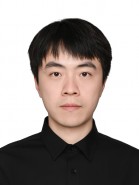 Jiangning Zhang (张江宁)合作论文数Advanced Perception on Robotics and Intelligent Learning Lab, Institute of Cyber-Systems and Control, College of Control Science and Engineering, Zhejiang University62
 Chengjie Wang合作论文数35
 Shuicheng Yan (颜水成)合作论文数Department of Computer Science, School of Computing, National University of Singapore33
 Donghao Luo合作论文数Department of Precision Instrument, Tsinghua University28Chengming Xu合作论文数Tencent23
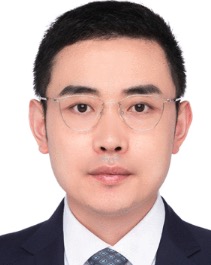 Yabiao Wang合作论文数Zhejiang University;Youtu Lab, Tencent18
 Yong Liu (刘勇)合作论文数Institute of Cyber-Systems and Control, College of Control Science and Engineering, Zhejiang University;Advanced Perception on Robotics and Intelligent Learning Lab, Zhejiang University17
 Qingdong He合作论文数University of Electronic Science and Technology of China17Junwei Zhu合作论文数Youtu Lab, Tencent16
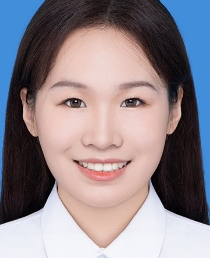 Zhucun Xue (薛竹村)合作论文数Institute of Cyber-Systems and Control, Zhejiang University;College of Control Science and Engineering, Zhejiang University;Advanced Perception on Robotics and Intelligent Learning Lab, Zhejiang University16
 Bjoern Menze合作论文数Department of Quantitative Biomedicine, University of Zurich;Faculty of Science, University of Zurich13
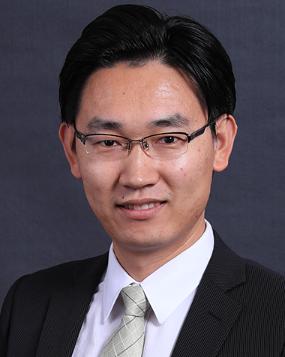 Yanwei Fu (付彦伟)合作论文数School of Date Science, Fudan University13
 Xiaozhong Ji合作论文数Youtu Lab, Tencent11
 Wenqi Ren (任文琦)合作论文数School of Cyber Science and Technology, Sun Yat-sen University11
 Jinlong Peng (彭瑾龙)合作论文数Tencent Youtu Lab11
 Yue Liao (廖越)合作论文数School of Computer Science and Engineering, Beihang University9
 Guibin Zhang合作论文数School of Computing, National University of Singapore9
 Peng Tang合作论文数School of Computation, Information and Technology, Technical University of Munich;Department of Informatics, Technical University of Munich;Mohamed bin Zayed University of Artificial Intelligence9Zhenye Gan (甘振业)合作论文数9
 Teng Hu合作论文数Department of Computer Science and Technology, Shanghai Jiao Tong University8
 Ying Tai (邰颖)合作论文数School of inteligence Science and Technology, Nanjing University(Suzhou Campus)8
 Chuming Lin合作论文数School of Computer Science Shanghai Key Laboratory of Intelligent Information Processing, Fudan University6
 Ran Yi (易冉)合作论文数School of Computer Science, Shanghai Jiao Tong University6
 Yu-Gang Jiang (姜育刚)合作论文数College of Intelligent Robotics and Advanced Manufacturing, Fudan University;Institute of Trustworthy Embodied Al, Fudan University6
 Boyuan Jiang (姜博源)合作论文数Tencent Youtu Lab6
 Taisong Jin (金泰松)合作论文数School of Informatics, Xiamen University6
 Hongwei Bran Li (李宏伟)合作论文数Harvard Medical School;Massachusetts General Hospital5
 Xiaochun Cao (操晓春)合作论文数School of Cyber Science and Technology, Sun Yat-sen University5Xinlei Yu合作论文数Faculty of Science, National University of Singapore4
 Pengcheng Xu合作论文数Computer Science Department, Western University4
 Pengtao Jiang (姜鹏涛)合作论文数Nankai University4
 Xiangtai Li (李祥泰)合作论文数ByteDance4
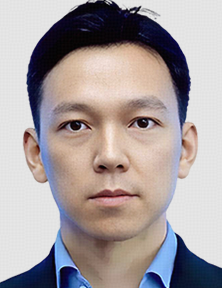 Rongrong Ji (纪荣嵘)合作论文数School of Informatics, Xiamen University4
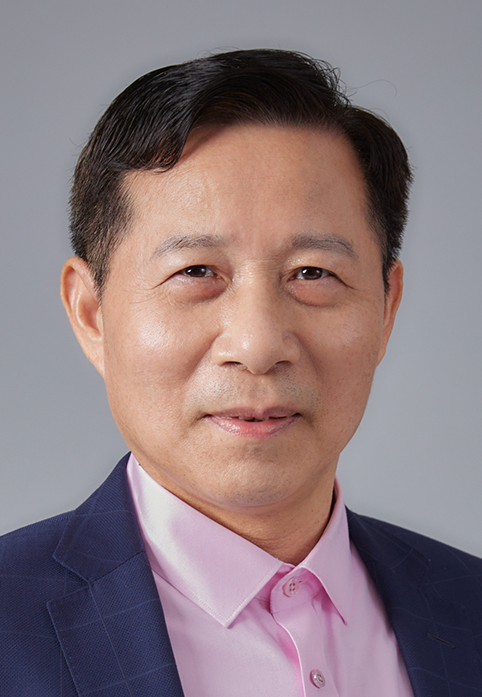 Lizhuang Ma (马利庄)合作论文数School of Computer Science, Shanghai Jiaotong University;School of Computer Science and Technology, East China Normal University4
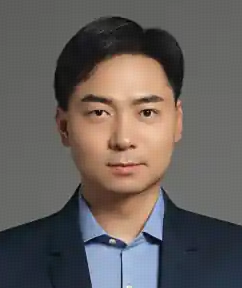 Dacheng Tao (陶大程)合作论文数College of Computing & Data Science, Nanyang Technological University;Lee Kong Chian School of Medicine, Nanyang Technological University;DaXiao Robot4Zihang Liu合作论文数3Kai Wu合作论文数3Xu Peng合作论文数3
 Zhongxiang Sun (孙忠祥)合作论文数Gaoling School of Artificial Intelligence, Renmin University of China;Kuaishou3
 Zhifei Xie合作论文数Nanyang Technological University3
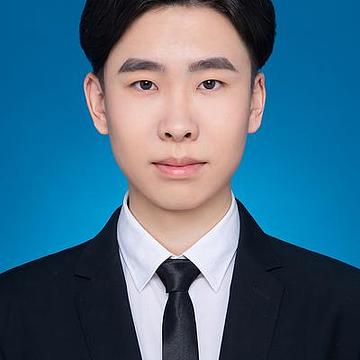 Haoyang He合作论文数College of Control Science and Engineering, Zhejiang University3
 Wangchunshu Zhou (周王春澍)合作论文数Personal AI Lab, OPPO3
 Yanyang Yan合作论文数3
 Amirhossein Bayat合作论文数Department of Informatics, Technical University of Munich, Munich, Germany.3
 Zhengkai Jiang (蒋正锴)合作论文数Tencent3
 Yu Zhao (赵宇)合作论文数Peking Union Medical College Hospital;Peking Union Medical College, Chinese Academy of Medical Sciences3
 Tobias Lasser合作论文数Department of Computer Science, School of Computation, Information and Technology, Technical University of Munich;Munich Institute of Biomedical Engineering, Technical University of Munich3
 Kuangyu Shi合作论文数Fakultät für Informatik, Technische Universität München;Lab for Artificial Intelligence & Translational Theranostics, Department of Nuclear Medicine, Inselspital, University of Bern3




